















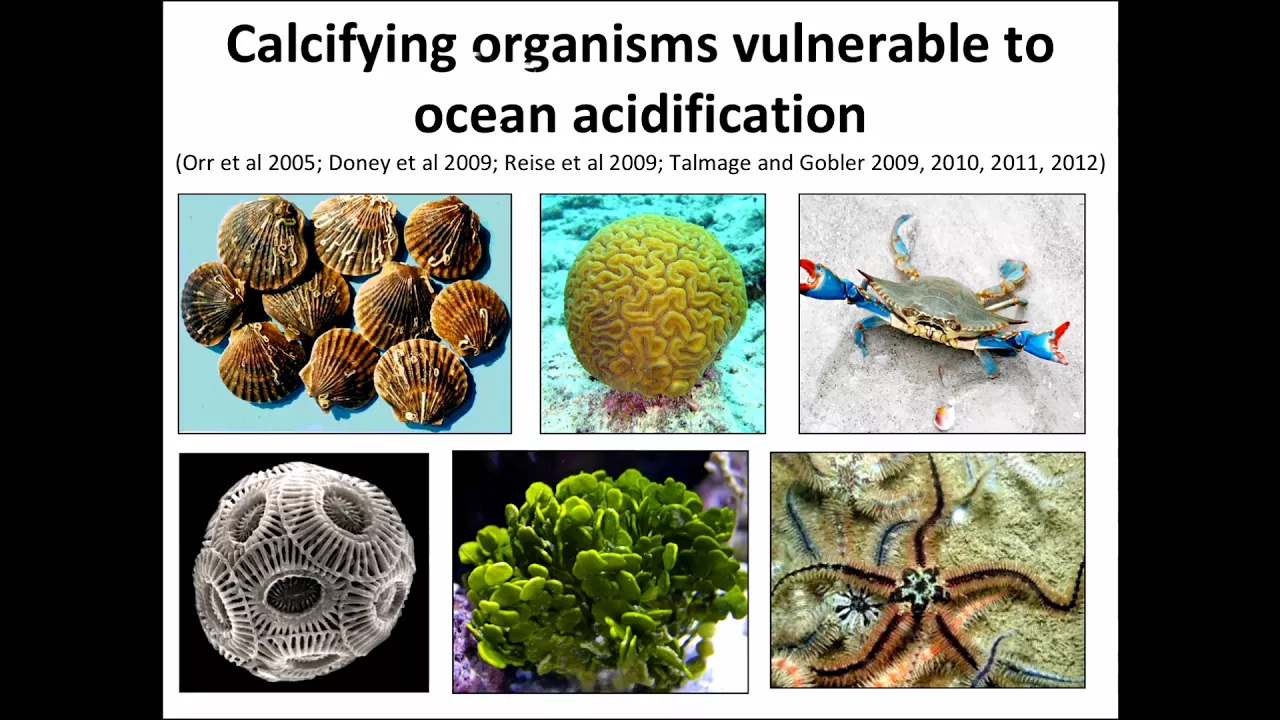
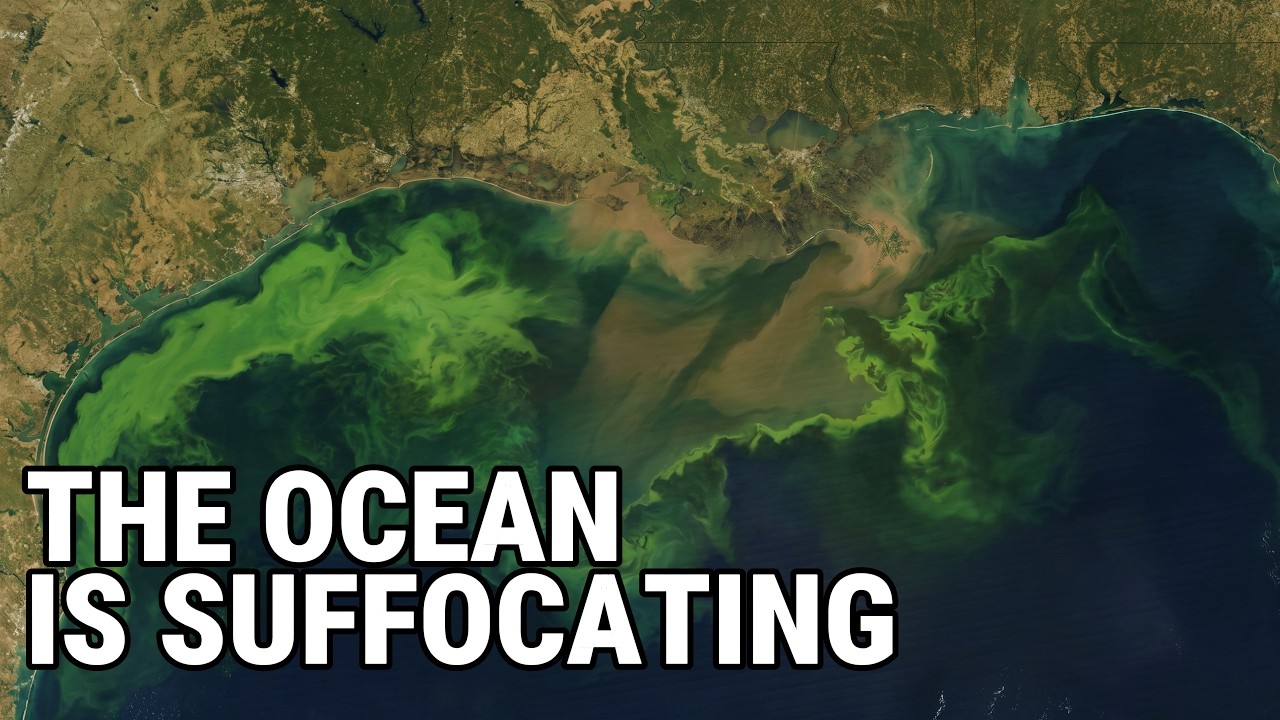


Ocean acidification, caused by increased atmospheric CO2 dissolving in seawater to form carbonic acid and increase hydrogen ion concentration, is occurring at unprecedented rates (10 times faster than the past 50 million years) and poses severe threats to marine life, particularly calcifying organisms like oysters and pteropods that struggle to form shells in low-carbonate environments; Washington State is especially vulnerable due to its geographic position as one of three global hotspots and natural upwelling events that bring CO2-rich deep water to the surface, threatening the $270 million shellfish aquaculture industry and broader marine ecosystem health.
Ocean Acidification in Washington: Dr. Shallin Busch
Added:The basic chemistry of ocean acidification, specifically how atmospheric carbon dioxide (CO2) reacts with seawater to form carbonic acid, lowering the ocean's pH.
Understanding of the pH scale and the logarithmic nature of acidity measurements in marine science.
The biological process of calcification, including how marine organisms like oysters, clams, and pteropods utilize calcium carbonate to build their shells and skeletons.
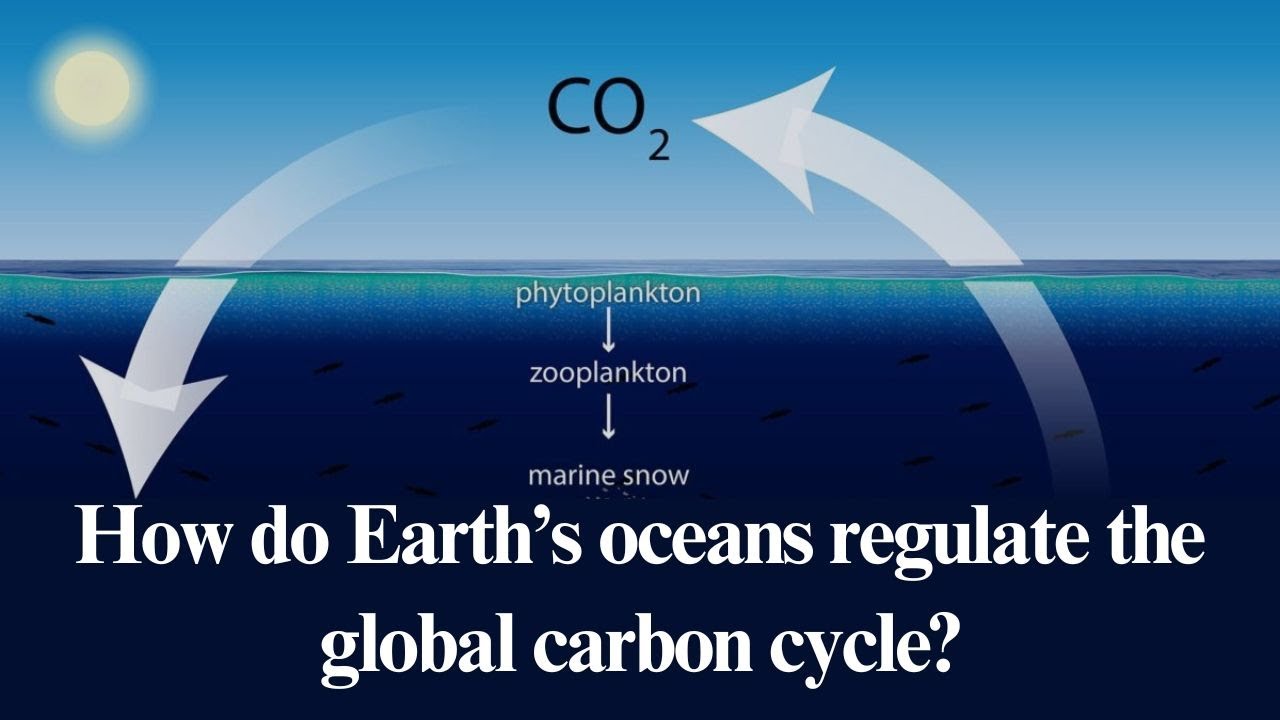
The concept of the carbon cycle and how oceans act as a primary global carbon sink absorbing anthropogenic emissions.
The oceanographic phenomenon of upwelling, which naturally brings deep, cold, nutrient-rich, and highly acidic water to the Washington State coastline.
Mitigation and adaptation strategies in aquaculture, such as selective breeding of resilient shellfish strains and real-time monitoring of seawater chemistry in hatcheries.
The intersection of marine science and policy, specifically analyzing local and federal initiatives like Washington's Blue Ribbon Panel on Ocean Acidification.
The combined, synergistic effects of multiple climate stressors on marine life, including the compounding impacts of ocean acidification, warming waters, and hypoxia.
25.7K views212likes21:35Original Release: 2013-05-02
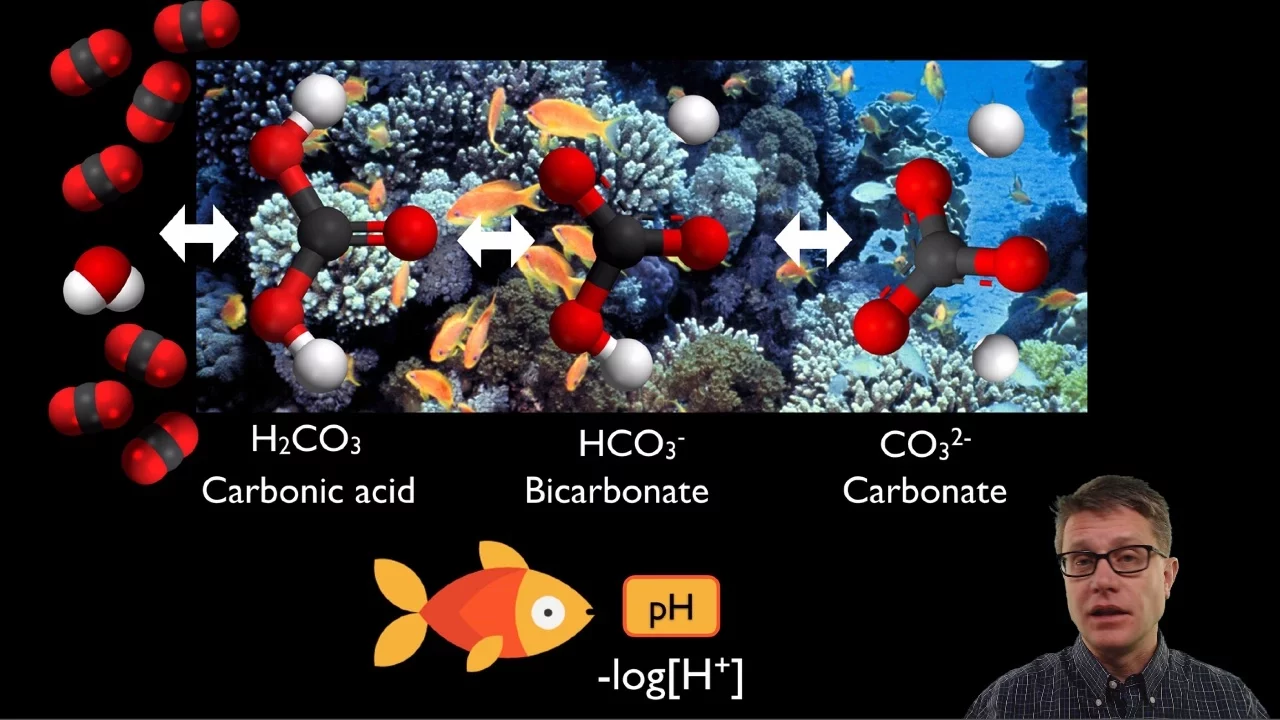
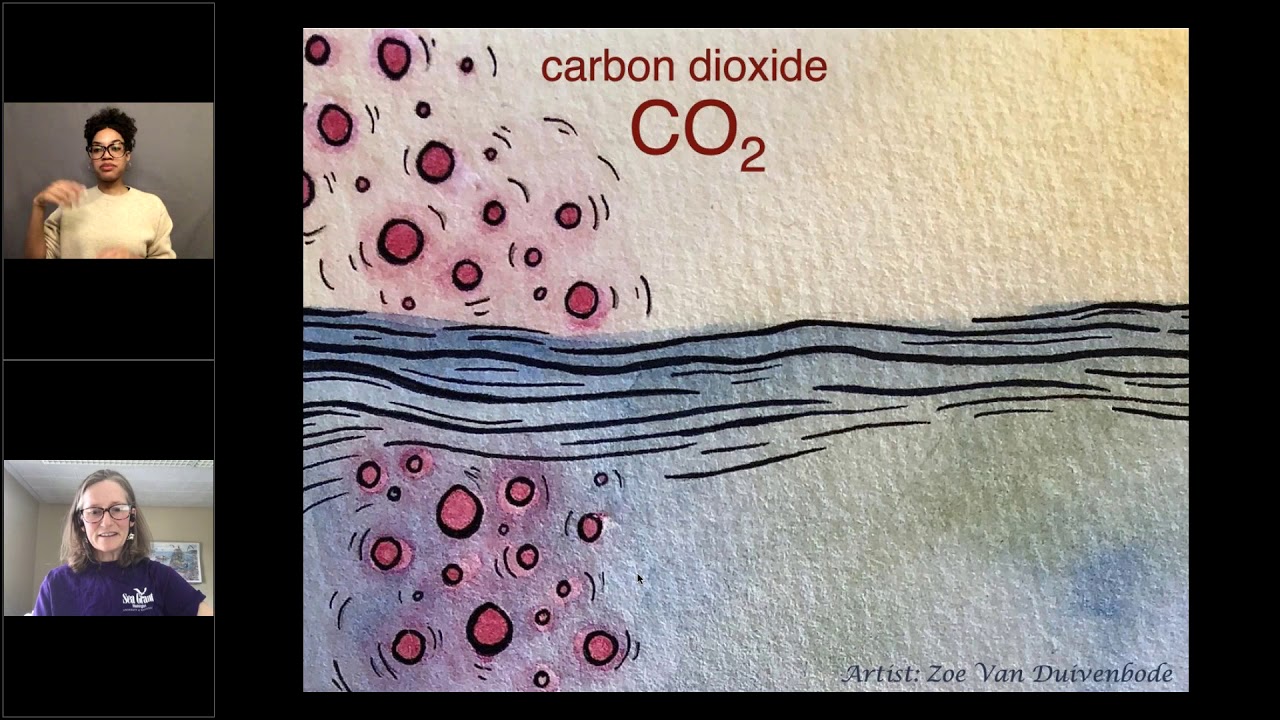
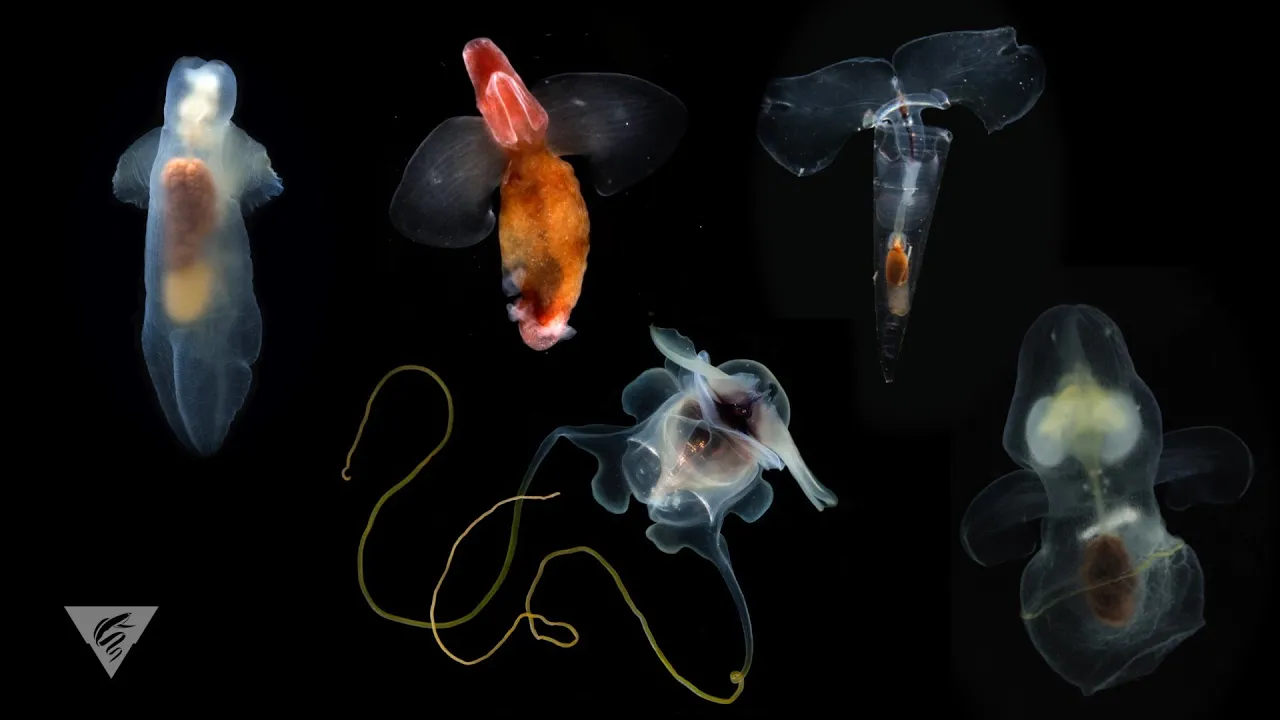
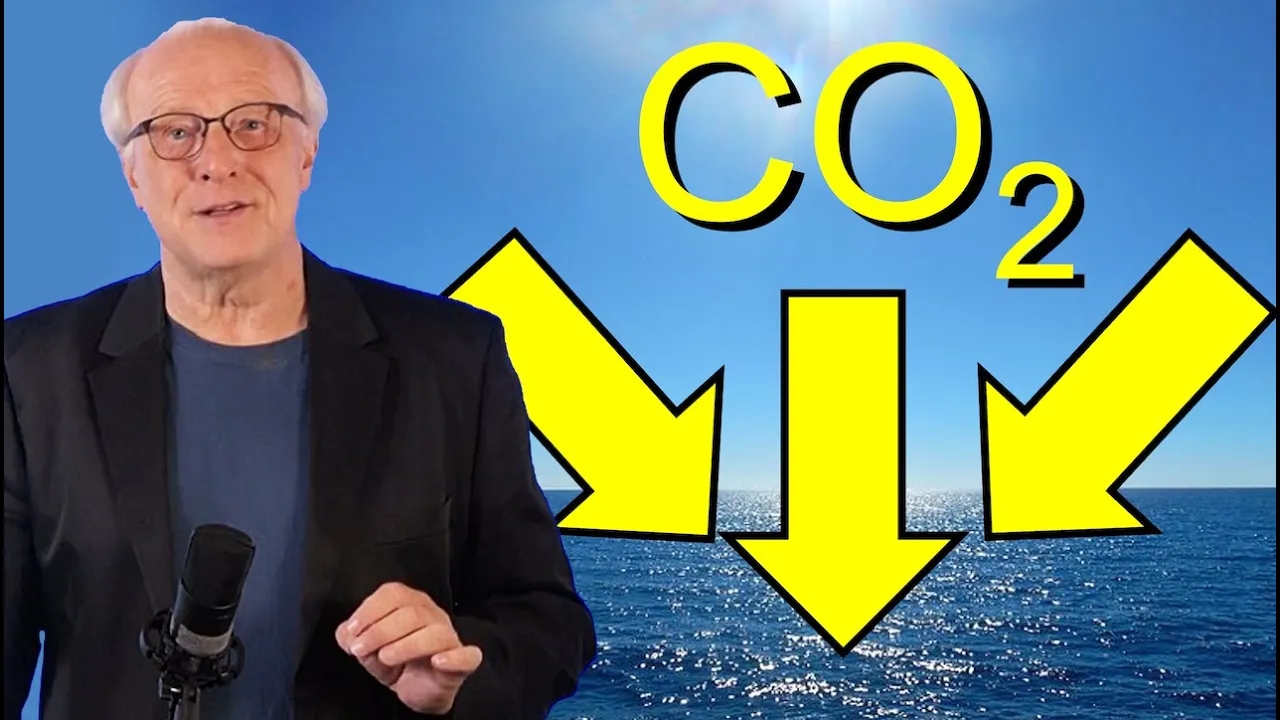
[Music] everyone uh today I'm going to talk to you about ocean acidification and I'm going to start um with this slide of an oyster grower to bring up a bunch of the themes that I'm going to talk about today so the first is the interaction between a farmer and the species that he Farms these interactions between humans and wild resources or farmed resources also I'll talk about the influence of um Marine chemistry on populations the interactions between the atmosphere and the marine marine system and then also I'll talk about how humans are impacting the atmosphere so a bunch of different themes to explain this fairly complex issue of ocean acidification and how it's going to impact potentially uh people in Washington State so ocean acidification is basically the world's largest chemistry experiment that we as humans are doing without most of us actually realizing it so ocean acidification is an increase in Ocean acidity due to increased atmospheric carbon dioxide most people don't think about this but what we put into the air into the atmosphere interacts with the ocean over the majority of the world's surface so these gases are infiltrating and invading into the ocean so this shows you a graph of CO2 carbon dioxide in the atmosphere over time and what we have on the y- axis is CO2 oops let's see CO2 and on the x- axis we have year so this this number will look familiar these numbers are uh thousands of years before the Common Era so what you can see is that carbon dioxide does naturally uh increase and decrease over time but in our Modern Age carbon dioxide concentrations in the atmosphere are skyrocketing these concentrations are due to humans burning of fossil fuels and release into the atmosphere we can actually see the chemical fingerprint of fossil fuels in this carbon dioxide in the atmosphere and we can also see the chemical uh signature this fingerprint of fossil fuels in carbon dioxide invading into the oceans okay and this change is happening very quickly so I've talked about how carbon dioxide this gas is causing a change in acidity well how does that actually happen it turns out that carbon dioxide is what we call an acid gas when carbon dioxide dissolves into water it breaks the water molecules apart and forms carbonic acid okay this carbonic acid then itself dissociates into one of three ions hydrogen ions carbonate ions or bicarbonate ions okay so as CO2 increases forms an acid and hydrogen ions in increase hydrogen ions is what we measure when we talk about acidity that's what acidity is it's the concentration of hydrogen ions okay the way that we measure this concentration is with the pH scale which I have here and the pH scale is what we call a log scale so in a normal when you count normally you count 1 2 3 but when you count on a log scale you count 11 10 100 so small differences in the pH of a liquid have big differences in the concentration of hydrogen ions okay so the pH of our world's oceans right now is at about 8.1 over the course of the industrial era the pH of the oceans has dropped 0.1 of a pH unit while this doesn't sound very much it's actually a 30% increase in the concentration of hydrogen ions in the ocean over the past 250 years okay very big change so be I don't want you to have to take my word for it that uh carbon Dio oxide forms an acid and water so I'm going to show you if you bear with me here we have a bottle of sea water and to the sea water I've added um a Dy and the Dy is blue when pH is higher and then it turns yellow as pH decreases and so what I'm going to do is try not to spill and what I have here is a cartridge of CO2 this is what people use to uh refill their bike tires when they get flat and what I'm going to do is I'll put this stream of CO2 into the water and we'll see if it changes color so what I've shown you here is that just by adding some CO2 into seawater I've changed its chemistry I've decreased the acidity of it or sorry increased the acidity uh in sorry decreased the acidity increased the hydrogen ions and I bring this up because it's a very complex thing to go over the pH and the acidity going in opposite directions okay so I've talked you about how carbon dioxide is an acid gas have showed you that CO2 can decrease uh pH but let's look at data from The Real World so these are data collected off of Hawaii um or on Hawaii right there so one time series is here on monolo and the other is the Hawaii ocean time series what you can see on the first uh y AIS right here is carbon dioxide and carbon dioxide has increased in monoa over time what's really interesting is you can see a parallel increase in the amount of carbon dioxide dissolved into seawater right off of Hawaii and this green line here indicates the pH of the ocean water dropping as the carbon dioxide in it increases so what we predict for the future if uh carbon emissions continue as we expect they will that ocean acidity could increase by 100 to 150% by the year 2100 okay it's a very big change in chemistry over a relatively short period of time this rate of change is 10 times faster than anything that the Earth's oceans have experienced in the past 50 million years okay the ocean acidity right now uh is the last time it was this low was the dawn of modern horses okay the last the uh last time that pH will be as low as we expect it will be in year 2100 was when T-Rex was on the earth and so these really rapid changes in the environment make us concerned about the fate of marine species and whether they'll be able to adapt to these changes in chemistry rapidly enough to persist so I've taught you a lot about global patterns well I'm supposed to be talking about Washington State let's think about how Washington state in the Pacific Northwest might be impacted by acidification it turns out that uh because where we sit in the circulation of the world's oceans that our ocean waters are actually naturally pretty acidic around here compared to other places around the world so there are three spots in the world where ocean acidification is occurring very rapidly here the Southern Ocean off Antarctic the Antarctic and uh up in the high Arctic so we're went at one of the three hot spots for the progression of ocean acidification and being low ph in addition because we sit on the um east coast of an ocean Basin we have upwelling events okay so when Northerly winds combine with rotations of the earth seawater is actually pushed off the coast out towards the open ocean and we have upwelling that occurs so we have water that's very cold high in naturally high in carbon dioxide coming up to the surface these cold upwell Waters are high in CO2 because first of all they're cold you know this from practice when you take a soda out of the fridge and you leave it on the counter it starts bubbling a lot right so the increase in temperature of this liquid is making it less able to hold carbon dioxide so you see those carbon dioxide bubbles coming off okay so this cold old deep water has a lot of CO2 so that's one of the reasons why the Pacific Northwest is especially vulnerable to acidification we have we expect they're going to be an increase in uh the duration and magnitude of upwelling events and then this water will also be uh have more carbon dioxide more hydrogen lower pH this is because this water will have also picked up the signature of ocean acidification from accumulating carbon dioxide from the atmosphere all right so these upwell Waters also invade into pit sound and there there's a lot of interaction between humans and land and use and the ocean chemistry okay so there's some natural processes that decrease the ph and Puget Sound but also human actions can decrease the pH of the waters imp Puget Sound so for example um when we release a lot of nutrients off of the land and they run into the water that can often cause phytop plantant blooms well you think that would be a good thing except these big blooms then die bacteria come in and eat them and bacteria turn o oxygen into carbon dioxide so along with ufic events that are caused by nutrient runoff we also get acidification events so now let's move on to the biology this is actually the canary and the coal mine for the Pacific Northwest and oyster and uh so the oyster industry is what really um brought the world's attention about ocean acidification to the Pacific Northwest what these oyster Growers found was that in the mid 2000s they were having a lot of trouble producing oysters in their hatcheries they would do the spawns of the oysters and the larve just wouldn't live uh individuals who were harvesting oysters in wipa Bay found that the oysters weren't naturally reproducing there at a at a magnitude high enough to support commercial Harvest so at first the uh shellfish industry thought that this was caused by a disease but then they started working with oceanographers and realized that this failure in the Hatchery production of oysters was actually due to Ocean chemistry and working with Scientists um they were able to figure out that oyster production decreased when the pH of the waters was really low and growth decreased as well okay so they linked these changes in the hatry these changes in in aquaculture to ocean acidification so this gives you an image of what was happening in these in uh in these hatcheries so on the left here we have an oyster as it's supposed to grow this is you can see at the top when an oyster is one day old and the bottom when it's four days old and these are living in low CO2 Waters Waters that you would expect on the surface without much invasion of CO2 okay over here these are oysters of the same age that were raised in high CO2 conditions okay these conditions are also found impit sound naturally but these low PH conditions are enhanced by ocean acidification okay and what you can see is these guys aren't growing as much and they're deform so all of these arrows are pointing towards deformities so why is this oyster having trouble growing well I talked a lot about how invasion of carbon dioxide into the water increases hydrogen ions and I also mentioned that it decreases carbonate ions well it turns out these baby oysters are growing calcium carbonate shells okay usually we think about a shell looking like this this is calcium carbonate this is calcium carbonate in its crystalline form these these tiny little crystals is what well a collection of tiny little crystals is what makes up a shell so as ocean acidification increases carbonate ions decrease it is harder for these young animals to form their shells it takes more energy they're fighting against these chemical gradients and that's what's causing a lot of the problems for these developing uh individuals well what about something Beyond just um oysters this is a picture of a terapod or a series of pictures of terap PODS terap pods are small Marine snails that have turn their foot into wings so they actually fly through the water column instead of sitting on the on the on the ground and these guys are really important in marine food webs they serve as a big uh food source for fish and seabirds well this shows you a terapod shell is it's supposed to look and over the course of 45 days this uh shell was incubated in water that resembles uh water conditions we expect in year 2100 and what you can see is the dissolution of this shell around the animal okay and I've replicated this in our lab to see that local pteropods actually have the shell dissolve around them when they're put into acidified Waters that we expect in in the future so I've mentioned two species that are impacted by acidification because of their shell but ocean acidification is likely to cause a variety of impacts to marine organisms uh changes in respiration growth development and behavior some of these uh changes are or these responses are expected uh for example we expect that seagrasses will be fertilized by carbon dioxide or that some phytol planton might be fertilized by extra carbon dioxide but the repercussions of these changes can be unexpected for example this is a harmful algal bloom species in acidified oceans or oceans that we expect under ocean acidification uh these harmful algo blooms actually Bloom much more rapidly and produce more toxins and there are other surprises that happen as well for example some reef fish in Australia turns out that ocean acidification will impact or in the in the laboratory impacts the neur their neurotransmitters so they don't behave properly they actually swim into the mouths of their predators and they can't find the cues to find the proper habitat so there are a lot of ways that species can be directly impacted by acidification but as an ecologist it's important for me to emphasize that species will also be indirectly impacted by acidification so while I don't expect this Orca up here to be directly affected by these changes in chemistry if they're prey species or the prey of their prey species is impacted by acidification that could have big implications for marine food webs and it's not that every species has to be directly impacted by acidification just one or two very key species are impacted that could alter the food web as well so this shows you um a natural experiment of what a high CO2 world might look like this is two pictures taken fairly close to each other off the island of IA in Italy and on the left you can see uh normal chemistry water and you can see the organisms living in there a lot of calcifiers these urchins these pink uh crustos Coraline algae and a fairly diverse ecosystem over here what you see is what we call a champagne site so this site is close to the volcano of Mount fuus the volcano is still very active and the volcano causes this bubbling of CO2 through the water column so this is a natural experiment of what a high CO2 CO2 world looks like there's a lot of Life there but it's a very different Community where a lot of the primary producers the algae are benefiting and a lot of the calcifiers uh aren't able to persist so let's bring it back to Washington and think about how Washington interacts with Marine Resources well we know the shellfish aquaculture industry is very important uh produces uh 3,200 jobs often in uh Coastal communities with low employment opportunities it's worth $270 million a year recreational shell fishing itself is is worth $27 million a year if we think about the broader Marine Community um the wild sh wild Seafood industry um brings in I think 1.7 billion to the uh gross State product and employs 42,000 people okay within this uh tribal Harvest of just gooey Ducks earns about $32 million a year so there's a lot of economic benefit to keeping Marine Resources healthy but there's actually a lot of cultural benefit as well to the native tribes of Washington and others who live there for example those who visit Pikes Place Market or experience the joy of um engaging in these harvests recreational harvests so recognizing the uh place of Marine Resources in Washington's community the unique chemistry of of our area our Reliance on shell shellfish aquaculture as well Governor gregar took a really unique step she took in these facts and she said well what can Washington do about ocean acidification This Global problem and she said we can lead and so what she did last year around this time was um start a blue ribbon panel on ocean acidification she got together with 28 individuals from a wide spectrum of places so local state federal tribal uh government members people from nonprofit institutions uh industry representatives from the shellfish industry forestry industry and then also scientists like me and brought us all together in a room and said okay figure out what the state of the science is of an ocean acidification what it means to Washington and then think about how we can act what we can do so we came up with two uh reports from this one is a state of the a scientific summary of what is known about ocean acidification in Washington its impacts and the second is a series of recommendations on how Washington can deal with ocean acidification we uh lumped our recommendations into six main themes and I'll go over those main themes with you the first is to reduce carbon dioxide emissions and do that by actions in Washington and also talking to our trading partners talking to the regional community about the impacts of acidification on Washington and what that means to us as a state uh also reduce local land derived uh contributions to acidification so these nutrients that run off the land and can cause acidification events nutrients can come from land use changes like development uh can come from forestry agriculture urban areas so there's a variety of places where nutrients can come from and what we need to do is figure out out how uh local areas are impacted by nutrients this third here is um the we suggested that people look to ways to adapt and remediate the impacts of acidification in Washington so uh helping the shellfish industry adapt to these changes in chemistry looking for places in the wild that might be refugia for ocean acidification on the bottom we suggested that uh Washington invest in research and monitoring to understand the how ocean acidification is progressing and then the impacts that might have and also to explore in the laboratory which species are likely to be most susceptible to acidification we also recommended that um the that Washington engage and educate and inform local stakeholders um people from who are decision makers and the general public about o acidification so that this issue is uh is people are very aware of it in Washington state and then finally that gets to my last point the last theme of recommendations was a recommendation that government at all levels consider ocean acidification in a coordinated and sustainable way so I'll end my talk with a quote from Dr levchenko who's the head of Noah and she said that nowhere on our planet is a local response to ocean acidification more urgently and immediately needed than here in Washington state and what's exciting is that although the uh impacts of acidification are likely to be large on Washington State um and the fact that we are actually experiencing the impacts of ocean cerification now Washington is a real leader globally and nationally in dealing with ocean acidification from a policy point of view and a community point of view thank you [Music]
Up Next

58:30
Integrated Multi-Trophic Aquaculture (IMTA): Sustainable Ocean Farming Systems
@clinedj1
3.7K views•2021-10-27

15:54
Life in Biosphere 2: Sustainable Ecosystems & Human Survival
@TED
334.9K views•2009-06-16
13:11
Food Sovereignty and Indigenous Wisdom: Valerie Segrest | TEDx Talk
@TEDx
72.8K views•2014-01-23
10:28
Ice Stupa Artificial Glaciers: Solving Ladakh's Water Crisis
@SonamWangchuk66
3.2M views•2015-05-03
Related Study Plans & Knowledge Roadmaps
Structured learning paths in Environmental Science
environmental-science
Ocean Noise: Cetacean Impacts & Mitigation
01Fundamentals of Underwater Acoustics
02Marine Mammal Bioacoustics
03Anthropogenic Noise: Shipping & Seismic Surveying
+ 2 more learning modules
16h5 modules
Explore Roadmap
environmental-science
Road Ecology: Corridors, Overpasses & Fencing
01Foundations of Habitat Fragmentation and Carnivore Ecology
02The Road Barrier: Ecological Impacts of Transport Infrastructure
03Principles of Ecological Corridors and Connectivity Mapping
+ 3 more learning modules
14h6 modules
Explore Roadmap
environmental-science
Ocean Acidification: Kelp Buffering & Shellfish
01Fundamentals of Ocean Chemistry & pH
02Chemical Pathways of Coastal Acidification
03Bivalve Physiology & Calcification Under Stress
+ 2 more learning modules
18h5 modules
Explore Roadmap
environmental-science
Ice Stupas: Glacial Retreat & Water Security
01Foundations of Glaciology & Mountain Hydrology
02Climate Change and Glacial Retreat Dynamics
03The Science of Ice Stupas & Artificial Glaciers
+ 2 more learning modules
14h5 modules
Explore Roadmap