









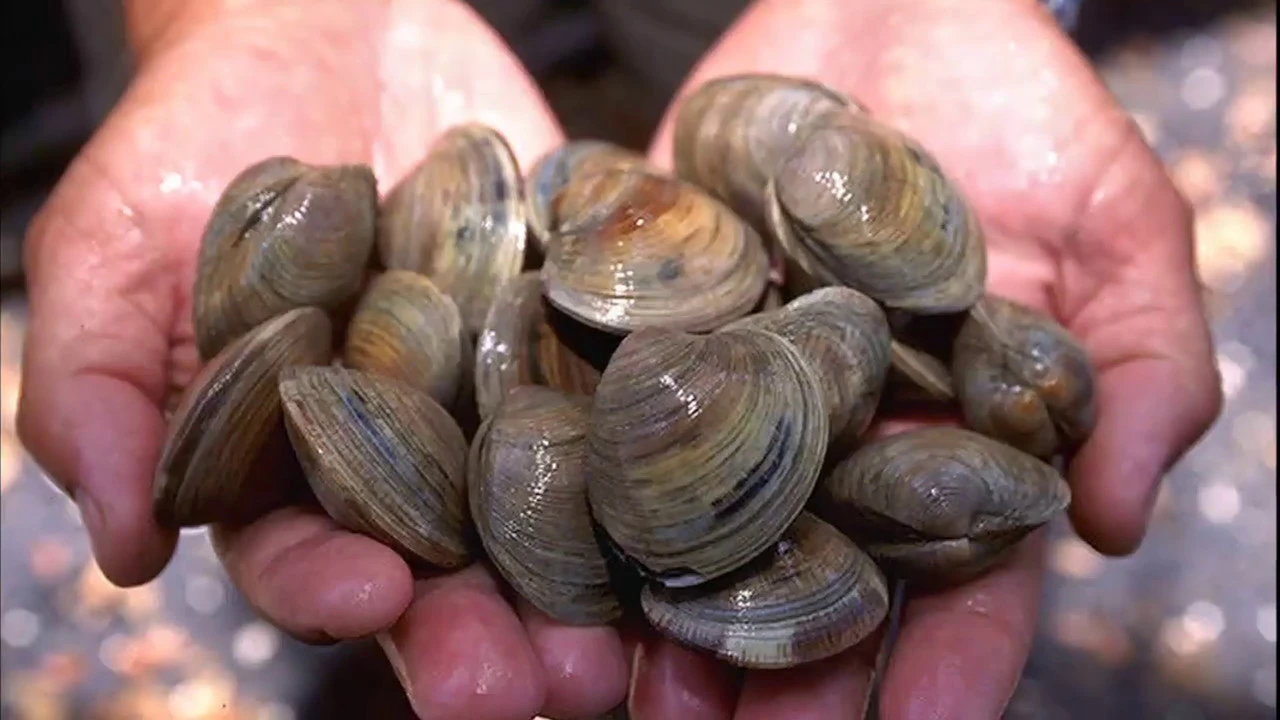
![Oysters vs. Clams vs. Mussels: What’s the Real Difference? [ID0712]](https://i.ytimg.com/vi/iEwCww-4va0/maxresdefault.jpg)


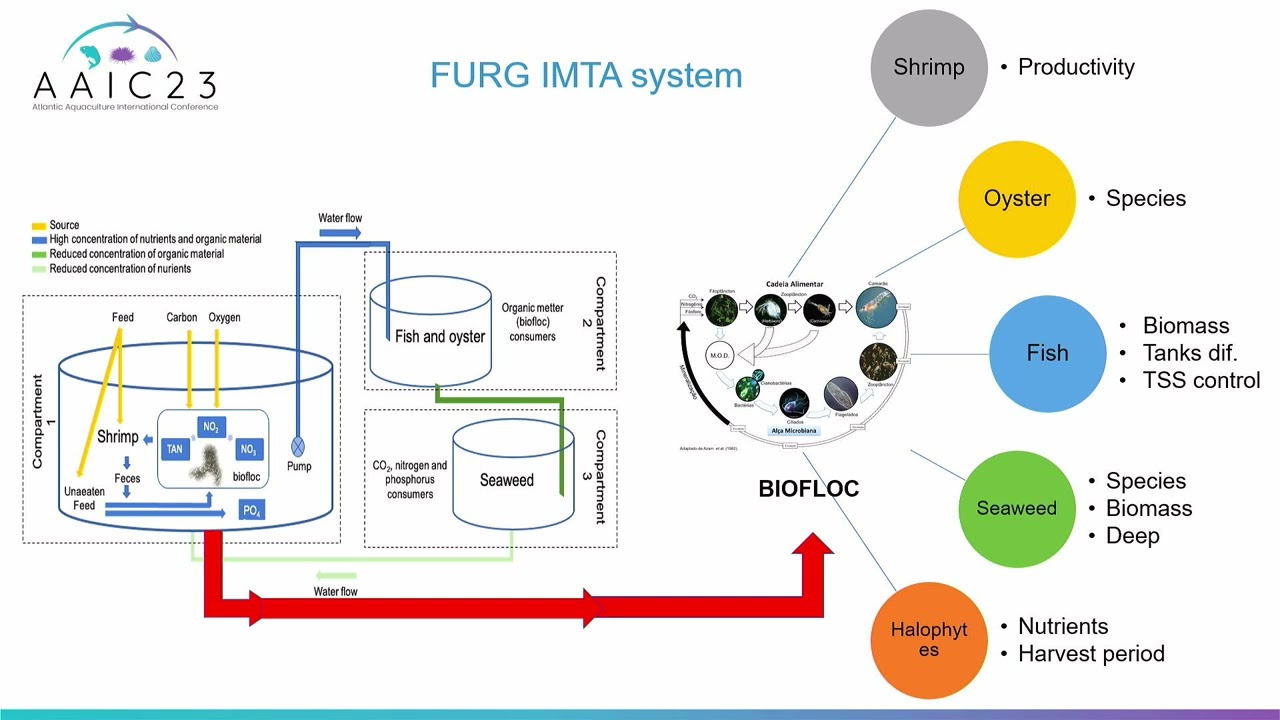







Integrated Multi-Trophic Aquaculture (IMTA) is an aquaculture method that utilizes fed species such as finfish to produce nutrients that feed lower trophic species such as shellfish, seaweeds, and benthic organisms, creating a self-sustaining ecosystem where inorganic and organic nutrients are absorbed from the environment, reducing environmental impact while maximizing space utilization across the bottom, middle water column, and surface areas of a marine site.
Integrated Multi-Trophic Aquaculture (IMTA): Sustainable Ocean Farming Systems
Added:The concept of trophic levels and ecological food webs, specifically how energy and nutrients flow between producers, consumers, and decomposers.
Fundamentals of traditional marine aquaculture (monoculture) and the environmental impacts associated with organic waste and nutrient loading.
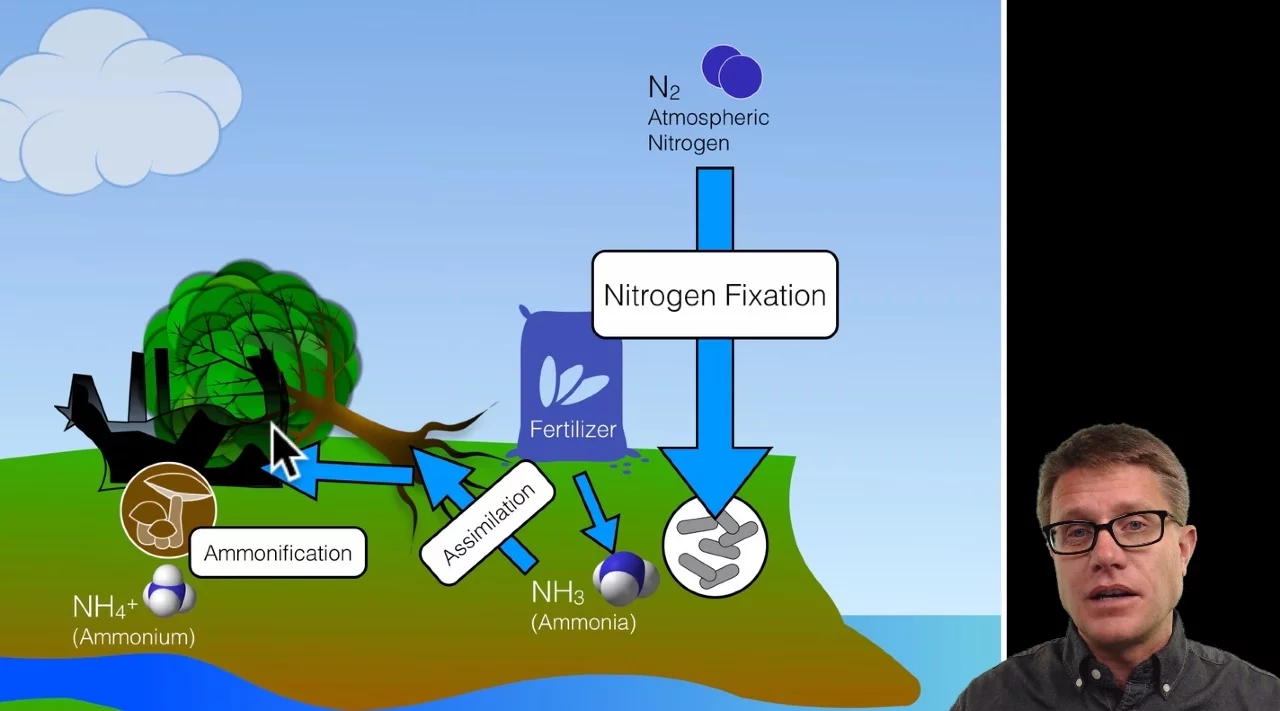
The biogeochemical cycles of nitrogen and phosphorus, including how excess nutrients lead to eutrophication in marine ecosystems.
Basic biological differences and ecological roles of finfish, extractive bivalves (like oysters or mussels), and macroalgae (seaweed).
The design and engineering of offshore, high-energy IMTA systems capable of withstanding open-ocean conditions.
Economic modeling and policy frameworks required to make co-culture systems commercially viable and regulatory-compliant.
The role of macroalgae in carbon sequestration (Blue Carbon) and its potential integration into global carbon credit markets.
Advanced bioremediation applications using marine organisms to mitigate industrial run-off and coastal pollution.
3.7K views81likes58:30Original Release: 2021-10-27
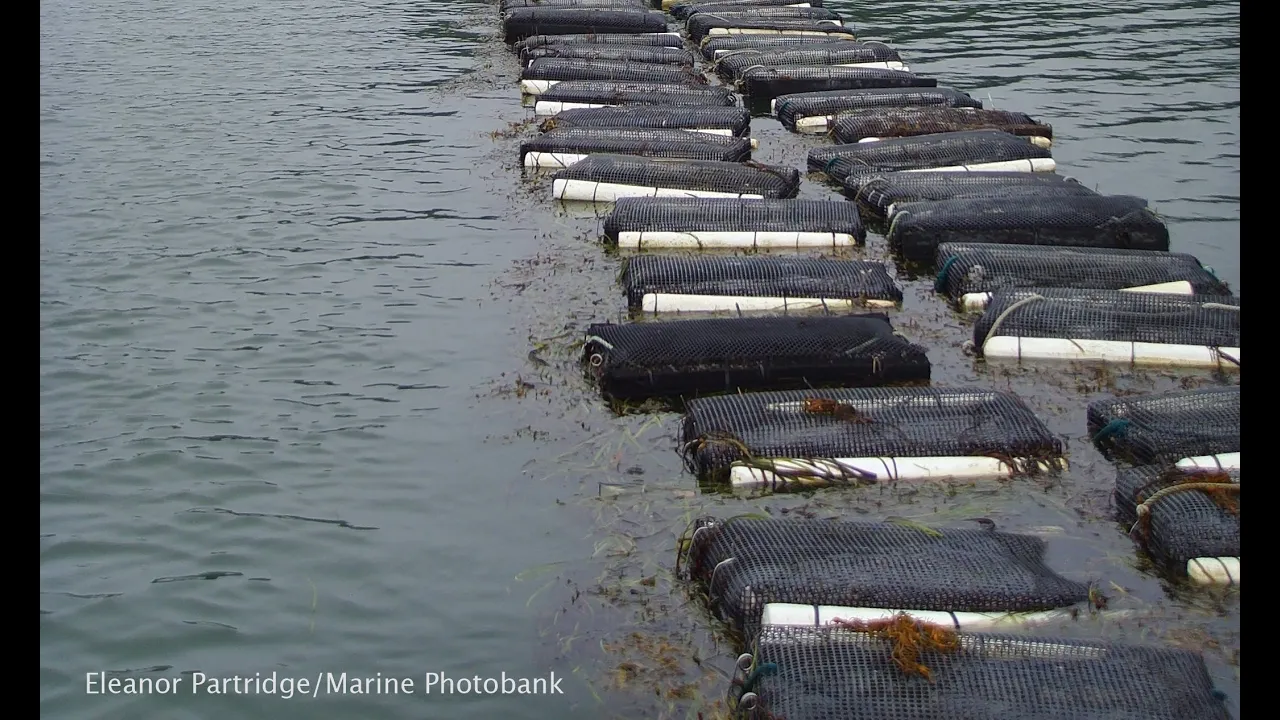
we know that everybody's time is valuable so we'll go ahead and get started uh dr michael chambers is an assistant professor at the center for ocean renewable energy housed at the university of new hampshire he's been working with open ocean farming technologies for over 30 years in both the auburn of both the u.s and abroad in the u.s he managed cage culture projects in the gulf of mexico hawaii and the north atlantic and more recently he's been developing and training fishermen on small-scale integrated multi-trophic aquaculture of steelhead trout blue mussels and sugar kelp on floating platforms additional efforts at the university of of new hampshire include development of novel submerged mussels seaweed and sea scallop techniques that can minimize potential entanglement of marine creatures again we thank you all for your time and participation and with that i will turn it over to you dr chambers thank you very much david i really appreciate the introduction and i appreciate the opportunity here to share some of the results from our imta research here in the gulf of maine with the u.s aquaculture society um quick correction on on my title i i have a number of titles at unh and that was one of them but my real title right now is research professor associate professor at the school of marine science and ocean engineering so with that um i like to share um some of the experiences we've been conducting here uh raising sugar kelp blue mussels and steelhead trout from a floating platform before i get started i'd like to acknowledge many many people that have been involved with this project for the last 10 years without them this wouldn't be possible it's a broad variety of people including professors from unh field engineers and biologists industry partners a number of fishermen that have trained with us and are currently training with us the outlets that actually purchase the items that we produce and bring to local restaurants and certainly the permitting agencies that we didn't have their guidance we wouldn't be able to conduct any of this work and then certainly the funding agencies including noaa sea grant and mrc grant and salt and stall canada so a little background about myself before we get started is as a marine biologist and a diver i had a unique attraction to offshore aquaculture for those reasons and as a biologist i really wanted to study the water but i also wanted to see what we could grow in the water and perhaps even sell it in the data to profit from it so during my master's at texas a m in corpus christi i was able to come onto a project with occidental petroleum company and they had access to platforms near shore texas about seven miles offshore in fact uh we were able to develop design and construct small cages that we could attach onto the legs of the riser the oil platforms and with that we developed uh automatic feed systems that would be placed into containers and and craned on top and utilized solar power to deliver feed and water down to the fish below surface and that was the real first project that i was able to cut my teeth on austral culture and they were able to raise red drama in florida pompano and bring them into markets and ports port aransas in texas for that project i was hired on at the oceanic institute on oahu and they had interest in funding from hawaii sea grant to develop an offshore project as well there we secured a site on the leeward side of oahu we brought in a sea station fish cage and we set stopped out uh juvenile pacific threadfin otherwise known as moy and li it's a local delicacy it's a small white flaky fish that is quite popular there and we will conduct two trials there and gather necessary data that then was passed over to a commercial farm that took the the site on over and i think it ended up going up to maybe eight cages uh and growing more there and then finally in 2000 i packed up the bags jumped and played with my family and came to new hampshire where they had a open ocean aquaculture project that was funded by noaa and the nine-year project uh had us work with a number of collaborators without the new england region we were able to permit a 30-acre site about nine miles offshore in 185 feet of water depth because this was exposed to the northeast we would have northeast storms that would come in with currents over two knots and seas well over 30 30 feet so all the technology we developed was to survive at this site and the cages we we focused on were submersible cage technologies and we tested probably six or seven different systems there um the beautiful thing about when you escape the surface and get down below surface the infrastructure and the livestock are really protected from that wave energy and so we were able to raise cod hadik and halibut there in addition to that we raised blue mussels and some different types of macroalgae species so obviously with my attraction to offshore aquaculture i started to put things in focus and certainly as you look from our planet from outer space it truly makes sense because we are 70 water um but yet we all more or less live and and uh develop food from land terrestrial animals and and we utilize fresh water but when you get in the open ocean you don't have uh those types of parameters um but um it certainly makes a lot of sense to go in this area where a lot of people really aren't in this space this is certainly further educated away from shore not cultural areas which can be quite crowded but also looking at our our food and how we're going to produce enough protein in the future it's very important to look at this environment because our our natural fisheries have plateaued at about 100 million metric tons since 1990 and we just cannot take anything more from the ocean otherwise we won't have anything left there um currently we're importing over 90 of the seafood we consume united states with an annual deficit exceeding 14 billion dollars and about half of that sets that percentage of seafood is farm grown um but it's grown in areas that we may not be aware of what the environmental characteristics are and that's one thing that's nice about epa in the united states and fda is we do have a high standard of regulations that secures the safety of our of our seafood and certainly as we look forward into 2050 we're going to have to produce a lot more seafood to maintain people on this planet so these are some of the main reasons that really has pulled me to this direction of farming the ocean um the other reasons i think are quite important to make people realize is that when you're farming offshore in the ocean you don't utilize fresh water as crops do plants and animals do on on land and that's really important as we look towards the future and are we going to have enough fresh water for humans and as well as crops and animals the other interesting fact is that animals grown in the aquatic media typically have better feed conversion ratios more or less that's how much feed you have to feed it per pound of flesh gain and in aquatic media it's quite good it's usually one to one one to two um in in crops well i should say animals such as chickens it's about three to one um cows is closer to nine to ten to one so there are efficiencies that allow things to grow faster and more efficiently in these aquatic environments so let's circle back to where we began talking about integrated multi-trophic aquaculture essentially this is an aquaculture method that utilizes fed species such as finfish to produce nutrients that feed lower truffle species such as shellfish seaweeds and even benthic critters and in this process the inorganic and organic nutrients can be absorbed from the environment creating less of an impact from those nutrients from the fish when the fish are not excreting the lower torque species are still there filter fittings so they have ecosystem benefits by taking additional nitrogen phosphorus other elements from the water particulate matter to clean up that area in space and one of the forefathers of this is terry chapman chopin um this is a diagram he produced and he's somebody i follow regularly he's a royal champion in this area but they haven't heard from you should certainly look up online so we know it's good for the environment we know we can feed other lower tropic species but there's other benefits to it as well too um i mentioned the ecosystem services that it provides for the environment um but also if you have a primitive farm space whether it's an acre or 50 acres you can better utilize that space by going into this 3d dimension of utilizing the bottom the middle water column and the surface area by growing additional species some that you don't have to feed that are filter feeders this increases the probability by having other other species to sell and this sometimes can be beneficial during different times of the year when you might not be harvesting a fish per se also imta is is more socially acceptable and favored by regulatory bodies because of the low impact to the environment and in some cases and what we're trying to do to a certain degree is trying to break down the permitting berries related to fish aquaculture by growing other species together with them so one of our approaches since about 2010 was to look at small-scale aquaculture as opposed to the giant sort of large-scale farm offshore and reasons for that is that during that time there was changes within the law there's regulations that decreased the ticking of marine finfish decreased bag limits and so the fishermen were sort of in trouble and not sure what to do and so with that we started to look at small scale farming systems that would be user friendly easy for them to adopt the technology easy for them to you know more up next to and maintain this system and we wanted to look at a system that could grow multiple species so if there were concerns with over nitrification to the system this could help alleviate that so the basic concept we came upon was to grow three notable species in our area that are easily accessed and they include blue mussels steelhead trout and sugar kelp and the way this works is that we have the two bays that have fish nets where we stock out juvenile steelhead trout um and then we suspend the mussels and the kelp or other seaweeds from dropper lines that are attached to the floating platform that are around the nets so they're basically like a a biological blanket that can take the nutrients as soon as they're released and again if if the fish aren't releasing nutrients then they can take other nutrients from the environment as they can and to go a step further on this to better understand it and our research and our modeling based upon the nitrogen that we put in via the fish feed some of that nitrogen is retained in the flesh of the fish nitrogen is is taken up by the the shell and the flesh of the mussel and it's also taken up by the seaweed species and what we found after approximate analysis is that you need a three to one ratio to become more or less nitrogen neutral to the environment in other words you need about three ton of shellfish or seed reader combination both to every ton of fish to become hydrogen neutral and so with this this sort of paper model we set out to build a system that could do just that and our first system was funded by noaa sultan stall kennedy and incorporated a small scale prototype raft where we could demonstrate the production of two tons of fish five ton of mussels and one ton of sugar kelp and what allows us to do this is we have a real experienced engineering department where they're developing tools the last 20 years to help develop systems to go offshore that are structurally sound and moored properly so they can survive the environments and some of these tools include aqua finite element modeling that we have on a computer where we can take these systems design them set the parameters in and then we can throw waves we can throw currents at them and the computer will assimilate that sort of real world environment and we can look at the weak points where things might be bending too much there could be high loading and then we could try to resolve that in the next design before moving forward when we're happy with the the software modeling then the next step is actually to build a physical scale model and we have a 100 foot tow tank at the geochase ocean engineering laboratory where we'll build this prototype small-scale system and throw it in there generate waves and currents and and again do a visual sort of identification of weak spots uh in this system systems areas that might be of current so we can again reinforce it so it it bodes better when it gets offshore the third phase then is to actually build the system and take it offshore and evaluate there and typically when you do that we'll add load cells to the system so we can actually document what sort of loads we might see in the cage system or in the mooring lines and so this is all very beneficial information as we develop newer systems as we move forward and going offshore with aquaculture and so the first prototype was built up at jps industries in bristol new hampshire they basically produce this in two parts that could be usually trucked down uh bolted together on shore and craned into the water and um you can see by the photo on the right that the small size of it is quite manageable with small vessels that's a 22 foot boat that pushed it off shore to a two-point mooring site that is permitted by the u.s army corps of the new hampshire fishing game to conduct this research the research site you can see here i'll put my mouse on it this is where the farm's actually located this is where we grow all three species notably we have a number of other aquaculture sites even though we're a small state with a small coastline we do have a number of oyster farms up in great bay over 20.
this industry has really grown in recent years and then we also do have other seaweed and mussel farms in coastal areas of new hampshire and then also out here past the isle of shoals is where we had our open ocean aquaculture site um and so these are the active sites that we we currently are conducting research the offshore site is in a renewal process right now and we hope to get that into the near future to continue our work in that more energetic environment so how how do you culture three species from a floating platform we saw in terry's diagram where they had a salmon farm they had a mussel long line area farm and then seaweed growing but they weren't on the same platform and so doing this all together is a bit different and unique a little bit more complicated and so the process of doing that is essentially finding out which fish species is appropriate for your your area in our case we look towards some of the state hatcheries private hatcheries in new hampshire that purchase eyed eggs from trout lodge in particular the strain we like to work with is a diploid hall female strain and these eggs are brought in takes about two to three weeks for them to hatch on out and the juveniles then go into two meter circular tanks with fresh water flowing through and fed a crumble and as they get to be about four or five months old they're later put into a raceway outside with a flow-through system and raised to the size that we like to to gather which is about 150 grams before taking them out to the sea cages of course they're transferred in exact x with aeration and oxygen um in the past we would bring these fish down and stock them in the spring and raise them through the summer and the fall and harvest before winter time just because that was a good time of year for people to be on the water but we had issues with heat stress with the warming temperatures in the gulf of maine and particularly in august september the temperatures would get up to over 20 degrees sometimes 22 degrees celsius and we would have some chronic mortality as a result of that and one of the things we've done in the most recent grow out is to reverse that and now we do a winter grow out and the fish are doing much better in that type of model where they're going in when the water's cooling down they the steelhead trout they they love cold water and so this is something that we really change something now that's kind of a game changer for for what we're doing now again these fish are put out in the net pen for about seven months and we start them off at 150 grams they're fed a bio-organ trout diet now muscles this is probably the easiest critter to to grow um it's dominant in the gulf of maine it spawns two sometimes three times a year based upon the temperature usually around 10 to 11 degrees is what it likes when it spawns it will settle on pretty much anything whether you have a cage there or more in line on boats on lobster pots if you had your foot in the water long enough and probably settle on that too so it's it's very ubiquitous and we actually will take this green fuzzy rope uh produced in new zealand uh we put a weight on one end and we suspend it again around the frame of the floating platform and seed will settle on there twice a year and you can see initially when it settles out and then as it starts to grow how uniform it is and we typically will take this up to about 30 pounds per meter before harvesting and it takes about 16 to 18 months to get it to harvestable size which is about 55 millimeters in length sugar kelp is a little bit more difficult it again is ubiquitous and sort of grows everywhere it really likes to attach onto the hdpe floating frame and this is this is the wildcat pair that recruits naturally and then we also have vertical lines underneath this but we take this this wild kelp as it grows and it starts to produce soros tissue we remove that source tissue and we bring in the lab we clean it up with iodine we dehydrate it overnight in a refrigerator pull it back out and we slowly warm it up uh to the ambient sea water temperature which is about 60 65 degrees and during this process you release spores into the water the breath the water sort of turns like a brown color looking like tea and then we take those spores we pour them into this aquarium that has pvc pipe that has twine wrapped around it and they're inserted into these little other larger scale pvc pipes with water in them we pour the spores in there and we cover it and then we let them settle overnight and then we remove the seedline into the aquarium and provide flow-through and light and this is where gametes will form and it will start to grow into juvenile sugar kelp and the process takes about six to eight weeks before we will then take these little pvc pipes and we hang them from up here where it continually can grow to a size which you see right here and then from there we'll take this pvc pipe run a line through it and then attach it onto line and then just zip up and down that line and you can unspool that line right onto your culture line it works really effectively this kind of gives you a better sense of what it looks like the kelp droppers we view them off so they don't entangle same with the muscles and um the muscles again they're you know it's a year-round crop that goes for 16 18 months sugar kelp is a is a seasonal winter crop we stock that out in in november and will harvest early spring and now that's sequenced well with the fish as they grow out through the winter months and into the spring in addition to growing the kelp from the aqua fort raft we also have kelp long lines next to the system and this is where we can create higher densities it'll actually get longer and thicker and we use this for training people fishermen that have interest in kelp farming and this system is about 65 meters long it's stays about three meters below surface and again this line is seated on that grown over the winter time harvested in the spring so what we learned with the the prototype uh we applied towards another grant that was funded by noaa sea grant and we created the second generation which we call the aquaport this one is is larger scale more robust can handle greater waves and if taken offshore in the deeper water could produce up to 40 ton of shellfish and finfish and i'm happy to say we've just completed our our first winter garage with this system um we were hoping to take this thing offshore but we're not able to get permits in time due to concerns with the northern right whales so we kept it close to shore where we could conduct the winter grow out as a result in being in in water that's only about 35 feet deep our fish nets were only 15 feet deep so we couldn't produce the amounts that we would have liked to in deeper waters with deeper water nets and deeper muscle lines we were able to demonstrate the effectiveness of the system and the species all culture together so this is the trout the in this photo they're probably close to a kilo in size in that seven month period time we're able to take them up to close to two kilos so they're very very fast growing even despite the winter months when they were ground at temperatures of as low as three degrees celsius they continued to eat we never we never lost any weight with them which was notable um again you know early on they were fed about one percent i'm sorry three percent body weight per day uh when they're 150 200 grams and then eventually we work their way up to about one percent body weight per day as as they got over a kilogram um in initially when they're stocked out we'd feed twice a day and then as they got larger once a day and then in the winter time as we get down to three degrees we would feed twice a week so took less less labor to maintain them during those colder months and as a result um this is the harvest of of the fish we we did weekly harvest partial harvest where we would use a saint and pull out a portion of the fish and then sort of collect the larger ones allowing the the smaller ones to stay back and continually to grow out these fish were euthanized in an ice water bath and we would then bleed them and gut them clean them with fresh seawater and then pack them on ice into totes that you see on the left there those can hold about up to about 100 pounds we normally would put about 80 pounds in them and then we could transfer them to the different marketplaces outlets in portsmouth in boston now in addition to teaching fishermen how to to grow seafood it's also been a unique platform um to bring students out classes out to do field trips and let them see up close how things can be grown and um having this relatively close to shore makes it easy to get out there and interest of restaurants they bring out their staff white staff your chefs managers to to look at this and then some of them or most of them will actually then end up buying this and putting on their menu and serving it to the customers so it's nice to have a story behind your seafood that is locally produced in new hampshire and not produce someplace overseas that has to be sent sent in via a plane or vessel so that is a nice story and we've also been working with portsmouth brewery they've been taking the kelp and they turn it into a kelper called selfie which is quite notable and seasonal during the summer and fall months in the local area now in addition to training and education research and demonstration we are utilizing the platform to develop technologies where we can learn more about marine mammals that might be in the vicinity we're working with a company called synthetic and they have developed a marine mammal monitoring system that is on on our cage system right now it includes two hydrophones that are below the surface that you can't see and then two video cameras on top and it uses artificial intelligence to take collect data both video wise and sound wise to determine uh i thought marine mammal may be in the area and approximately how many and or how far away there might be from the system and it utilizes a computer that that sends this to a cell phone and it collects the data there and notifies the person with the cell phone that a whale is in the vicinity which is notable for researchers that might want to go out and and you know make sure that there aren't any issues between the moorings and these animals and also to to notify the coast guard that marine mammal may be in the area and to notify mariners to to slow down so there won't be any vessel strikes in addition to working with this new tool where we're developing composite culture lines for kelp aquaculture and these are very different than the typical traditional polyester or nylon rope and this is a sort of a it's a fiber great not fabric it's a fiberglass rebar and it has great tensile strength but it's a bit like raw spaghetti and if you bend raw spaghetti it goes to a certain point and it breaks and so the idea is if a whale were to run into this instead of it breaking and wrapping it around the whale as it breaks it doesn't sort of wrap around the hooks or fins of the whale and so it could swim through it without concern of entanglement and so we're funded by world wildlife foundation to investigate this material and other materials that ultimately could be more rail friendly in the gulf of maine and then our local markets are quite good i would say um traditionally and typically we take the trout out and we cut them leave the heads on and we get prices of between seven five to seven dollars per pound in this form um we also have been taking them to a live market down in boston where they pay five dollars a pound um this is not sort of the typical market um but we do feel there's potential here it seems like the live market has more interest in white flesh fish than the pink colored flesh and this is mostly to go into asian markets and the nice thing about the live truck market or any live chat market is there's no putting them on ice and gutting them and bleeding them it's much cleaner faster and you get paid the full price of everything in the fish not just part of the fish so we kind of like that and would like to look at opening up additional markets in this area mussels are certainly a local delicacy most of our muffins come from pi canada some come from new zealand um the muscle farmers in maine they sell everything they have there's a lot of room for muscle production offshore and so this this is a fair price for for the muscles that are grown there and the kelp in bulk um you can typically get about 65 cents a pound for it this is wet weight and this is taken up to atlantic sea farms in maine where they produce noodles kimchi and slaw and then proportional tesco to portsmouth prairie where it's then turned into selkie beer so the economics of this are very very important and you know getting just done with this recent harvest where we've got all the data we're we're crunching it right now we have a an economist that's going to help us you know create the numbers uh to look at the feasibility of this with with the current size and amount of production what i would say is that you know the economics are going to be variable based upon the water depth certainly in our case with our nets only being 15 feet deep we could produce about seven ton of fish per net so a total of about 15 000 pounds in one garage cycle of this system if you had nets that were 50 foot deep you could triple that production and so that's something that's that's notable uh if you want to be more profitable certainly the muscle lines and the kelpines can also be longer and deeper so you increase production with those as well too other things are our markets markets can be very tricky and when we had fewer fish we'd sell them for seven dollars a pound as we started to have more fish available uh the prices started to drop and so you have to watch your markets and try to make sure you get a fair price for for your efforts and then uh fingerling costs having a secure available source of fingerlings is really important so you can have continual production labor feed and of course vessel fuel and insurance are other factors that you have to consider into the economic package so what we learned this last year which was quite important is the winter growth versus the summer ground and we're very pleased because the winter environment is very different fishermen stop fishing for the most part so there's less lobster pots on the water less boat traffic reduce temperatures reduced sunlight we had less biofouling we didn't have to clean our net at all until the following spring uh with decreased temps and and light as well as sea lice wasn't an issue uh in the summer time it can be an issue and to overcome that we'll have to net our fish out and put them in the fresh water baths and and that will take care of the lice quite quickly we also found that putting the fish out as the temperatures are decreasing allowed for a much faster and better acclimation and that's always been a challenge when studying the fish out in early spring with temperatures coming on up and we also found in the the overall culture period survival was very high survival was 26 in both systems and so that was much different than when we were doing the summer grow it's where we had 80 percent survival also notable is is that we did not lose weight in the winter times despite the three degree celsius temperatures that's important so we're not wasting time just by maintaining them there and then as the temperatures came up in the spring we had accelerated growth we could not get enough feed into these fish and one of our concerns as we moved into the summer time is we knew the temperatures are going to be coming up again and we thought well we're going to have heat stress as we've had before with the fish in this case because the trout had been there for five six months and acclimated to that net environment acclimated to that saltwater environment they were able to acclimate to the increased temperatures as they came up and we did not have any mortality from heat stress and so that was something that was very interesting and we were surprised about and so you could take your fish longer into the summer even maybe to the fall and generally grow them to a larger size maybe up to four kilograms so that's something of interest in if you're going to conduct this type of of aquaculture you really need to look at your temperatures and when best to grow them whether you're down in new york or if you're up in in maine or canada the temperature profile is really important so um real quick i'll get through this this is just some of the typical steps that i would advise people if if you're wanting to get involved with this type of aquaculture is you really have to look at the permitting landscape in your individual state it varies from state to state very important to pick adequate sites that are semi-protected and to make sure those sites are not in an area that's heavily fished or uh recreational boaters are going through this area you want to make sure you you're a good friend um and and be careful as to where you put the system in before anything gets too far down the road you have to talk to local community the fishermen in particular and the regulatory authorities what steps you have to make so you can secure your your business plan you also have developed cage and mooring plans containment management plans where you're going to get your seed stock from daily feed plans operational plans on and on and also important is to is make sure that as you start growing this stuff that you have a good market outlet and that when you get your product to the to the front door of that that market outlet that they don't say oh i'm just going to give it three dollars a pound you got to make sure you can firm up not a good price where you can make money doing this um and you have to have a secure business plan and as i say and i think anybody in our culture knows you should always secure at least five years of funding before you venture forward with a business such as this right now we see a lot of viability of this technology in the gulf of maine in particular maine itself has a lot of near shore protected areas where this could be placed and fishermen could adopt this or other people could adopt this we find that the fishermen we work with lobster fish in the spring summer and fall they pull out in the wintertime and they're not doing as much during the winter time so again this is when this would be active and it kind of would offset their downtime by taking care of this system in the winter and spring before harvest and we certainly see this as a way fishermen can diversify their income and do this either part-time or full-time currently we're working with people in new hampshire and maine to get permits and we're also are involved with projects interested in doing the same sort of raw technology in new york in the gulf of mexico mexico and alabama and right now in puerto rico as well so we hope to see this go other places besides new hampshire also we're expanding our permit right now to look at other thin fish shellfish species in their area they include sea scalps which actually have been growing out there and they've done quite well in lanterns suspended around the aquaculture frame um other species that could do well include the eastern oyster and baleen oyster which is notable for being a higher salinity oyster we have quite a bit of those in the new hampshire coastline other high value seaweed species in cold dulls and we do have interest we have a researcher at unh david belinsky who does a lot of work with land-based receiving aquaculture of striped bass and this could perhaps be a summer fall species to grow in the system when the trout are not there so again another interesting species to work with and then we've also considered this technology for other warmer tropical areas such as the caribbean and we've been in contact with several island states down there for this and i think the fun part with impa is trying to figure out what species you would try to grow in each particular area and these are some species here that you know would be typical for the gulf of mexico some of these maybe could be used down in the caribbean um certain species like gracelaria sargassum there's mangrove oysters down in puerto rico and cuba and then there's a number of benthic organisms that could come on in and take up some of the nutrients as well in the bottom so this is something we hope to get more involved with in the future and to bring this to other other places the other thing too i would say um and you know in the caribbean when you have uh strong hurricanes that come through if you sight this well in a protected area and it's built properly you can survive these storms and and when these storms come through a lot of times the power is off for for weeks on end and anything in refrigerators goes bad so having something that's still there not utilizing electricity that can survive and still have live animals to feed upon could be a benefit to help secure a live food for for people on the island i'd like to talk about some of the challenges we've encountered as with any project we have a number of them permitting is is always a challenge um now we find it's more of a challenge as we go further offshore deeper waters where the northern right whale is a great concern because of its decreased populations and so the permitting uh is more difficult to secure um we are working on re-securing our offshore permit and we hope to have that in another year or so so that we can go off and use that site for for other types of developmental research in the open ocean social license is also another issue if you're going to bring this someplace some people may not like this in their backyard some people may not mind misinformation is another issue that we deal with particularly when growing fish we've had first-hand results from an ngo that called our research offshore industrial farming complex and hard to to see it that way when it's so small working with individual or different types of species but these are some of the things you face uh when you try to get permits um initially enough either ducks is a problem with their shellfish they can come in for a couple days and take out all the muscles and so we've taken care of this with putting out protective netting around the muscle droppers during the winter months and this now has protected them and allowed them to grow to to market size and then the other issue too that we're always concerned about is increasing water temperatures everywhere and certainly we see it in the gulf of maine and um how do we deal with this do we have to move further offshore in the deeper waters where the waters are cooler this is one way to look at this and moving forward and then lastly here in the next two slides i'm just going to plug unh a little bit um wonderful place to to work at they have had a number of years of experience exploring offshore aquaculture they have the tools such as their modeling and physical scale testing that they can take and put in order for different types of research projects we have incredible infrastructure as far as boat stocks um vessels and we have a strong team of engineers and biologists and industry partners that work with us in developing this technology so if anybody has interest in teaming up with this where the doors were right open and we look forward to doing so and then lastly here uh as i had spoke earlier we're still uh wanting to secure our offshore uh permanent farm and this is what we call sort of an offshore technology park where we want to secure a general permit so we can look at wave energy we can look at developing instrumentation or real-time environmental monitoring or past acoustic hydrophones to listen to whales as they go basically a learning farm that we can develop tools that'll better allow us to understand the ocean environment what can survive what can be grown and how to do it in a responsible manner that we don't harm anything out there so this is our big mission that we're working on next and hope we can get this in the water and if any company out there has interest in trying to develop or demonstrate a technology this is a place to do it so we look forward to talking to you if you have interest and i will gladly take questions now although we have a video we wanted to show you it's about five minutes on the imt system david do you think you could start that up yes did you stop sharing your screen i just did okay let's see okay here we go let me can you see that did it change yep we can see it okay here we go there's great potential in the united states because we have so much water that ranges from american samoan the pacific to the virgin islands that are federal waters that could be farmed just offshore of newcastle we have a small site that grows sugar kelp steelhead trout blue mussels and this year we'll have a few sea scalps early on when we were trying to grow fish here our experiments were focused on trout behavior fishermen would stop by and say hey what are you doing with those sea pens what's in there and we'd show the trout and that's where we decided that this might be something for them i'm a ward byrne i'm the captain and owner of the vessel sugar daddy i uh lobsterfish i tuna fish and as of the past two years i've been involved with the unh aquaphor steelhead trout program i had no idea what i was getting into but i said yes and i'm glad i did the partnerships we're trying to develop with lobstermen and with the local industry the working waterfronts it is crucial the stakeholders in the environment we would love to work very closely with them to introduce this technology to introduce training and it's the wider community that we're wanting to work with so they are the forefront of the working waterfronts within new hampshire and so we started looking at the permitting process but in this case uh epa stepped in and said well we have concerns about nutrients from the fish going in this river and this river already has too many nutrients we went back to the chalkboard scratched our heads a little bit and said well if nutrients is what they're concerned about what can we grow in addition to the trout that could pull those nutrients out of the water the fish nets are inside the floating platform the perimeter of the platform we can put in these lines that have weights and then we create this biological curtain around the fish that then are eating the organic and the non-organic elements that that are being released by the fish for every ton of fish we produce we have to produce three ton of kelp or mussels or combination both it becomes a nitrogen neutral model so we had done this for a while and and we enjoyed it and it worked and we get most of the kinks out and we're thinking about what are we going to do next maybe we should try something different and we're about to maybe i wouldn't say we're closing down the farm we're going to try something else that's when someone came running down the pier and said hey we want to buy this fish in in bulk because it's it's amazing and we had just um we never considered the fact that the fish was good we just wanted to to grow it and see if we can get a clean nice product out there and deliver it to market trout are very robust they're temperature tolerant they grow quickly and wind grown in seawater the flavor is spectacular and all the fish that we brought to market so quickly and people are always looking for more once we have harvested the cages this platform was built in the mind that it was a size and scale and it could be located in an area where fishermen could stop by on their way to the fishing ground to feed the fish and then as they came back from a long day at sea could stop and maybe do some maintenance or harvest the fish and bring them to marketplace the key here has been that this is a local thing that this is something that's born and raised in new hampshire never leaves the state it hatched in all subpoena hampshire came down we took it out to the farm we fed it a very nice clean diet we took care of them they lived in a natural environment we harvest them in a very humane and clean way two hours later they're in the in the store fishermen have interest in this but they want to look at how much time commitment's involved how challenging it is the ups and downs of it and then financially in the day are they going to make money growing anything in the ocean is challenging there's a very harsh environment there are all sorts of rules and regulations to follow and and we're just chipping away at it every successful harvest or every conclusion of a harvest it's it's a it's another victory a lot of the fishermen and my friends see my posts on facebook usually once a week and when we do a harvest or out there i'll do a post and you know they saw the fish and i think october 21st of 2020 we stalked them and they saw them when they were small there was a lot of questions and then now they see him and like you know wow if they can see the value of this and then hopefully one day maybe have their own little farm and do this and or their their sons and daughters come up and will have their own farm at some point in time too we can make it work we can find this economics we can produce something sustainable to just supplement their incomes if this thing you know could take off i think it would be huge you know i think it is taking off so in seven months transform these fish into a food and it's pretty good it's really good if you look at new hampshire we have a very small coastline you go to maine beautiful coastline lots of islands where you have areas that are semi-protected that's where this really has a lot of opportunity to go to hopefully we're going to grow this due to a movement and and hopefully deploy it in other parts of the world and be incredibly satisfying to go to the caribbean nation and just walk in there and see what they're growing and see how they're experiencing the concept i think currently in the united states it's challenging to grow fish in cages and not that aquaculture is perfect you know every industry has its issues but we're trying to do it the best way possible here and i think there are great ways to do it but you just have to do it right i believe it's sustainable in the right conditions a lot of farm fish have a bad reputation and these are not you know there's no junk in these pellets that we feed the fish it would be something to be really proud of be able to grow fish and bring them from local waters right to the table so locally it'd be pretty cool hopefully we'll see more of this in the coastal new england and hopefully uh we'll have more steelhead trout and mussels on our plate when we go out to the restaurants all right that's a very cool video thank you michael glad you liked it and yeah we did have a couple of questions come in uh if you'd like to try give them a go well first one was what kind of dropper ropes are used for natural sediments of mussels in maine and you may have covered that but you might just hit it again yeah there's several different rope types you can get we call it fuzzy rope and we bring it in from new zealand there are a number of companies that sell fuzzy rope in canada particularly pei canada um that you can utilize and hang off a dock and you can collect muscles in that manner as well too um you can also use just regular line uh typically a new line may not do as well as a as an older line so if you had like old lobster pot line you could hang that vertically from from structure or up here and that would collect muscles as well too very good the next question we had and i may have covered this one a little bit too are there any plans to test different combinations of finfish shellfish and kelp species i think um the one seaweed species we have a lot of interest in is dulce it has a higher protein content a higher value such a better price so we are working with some scientists in in maine and they're looking at ways to set seed on rope like we do with the sugar kelp it's not easy and but we hope that in the near future we'll be able to to vertically hang that instead of kelp um there are other seaweed species you can grow in the summertime and so that's something to consider as well a summer crop and a winter crop of different types of seaweeds i think we're fairly limited with our fish in new england trout is like i said is a fast aquarian species easy to get um when you look at say a cod or haddock or halibut seed production is is you know we used to have a few entities around it produced them one was great aquaculture they um no longer in business but that was a source that was great back 10 15 years ago but now that's that's an issue today saltwater hatcheries are more challenging to get egg to a juvenile size and so the grow out of some of these species in particular cotton haddock it takes about three three and a half years to get them to commercial size and so that's another factor where trout we can decide in a net pin in about seven months so all important factors that dial into the economics of this very good the next one was what do your oxygen profiles look like at 50 feet and does the kelp help um i i can't really say offhand at 50 feet um it's very you know typically in the wintertime you know we have over 10 percent milligrams per oxygen actually higher than that it could be closer to 11 or 12. in the summertime it drops down to about maybe eight or nine it's it's we have a lot of mixing in in the coastal areas we have a lot of water flow so we've never seen any significant dips in oxygen at the farm so let me yeah it's pretty stable and all right the next one and possibly the last one oh maybe there's another one but how many hours or days are required to acclimatize book trout after transferring from fresh water to sea water so there are some species that acclimate much better than others a steelhead trout rainbow trout is is one that is probably one of the betters other than than salmon um brook trout and brown trout we have had several of those that have been mixed in with our our rainbow trout and they don't do very well they typically die off within the first week we have done experiments on shore where we place the trout into acclimation systems that are 10 parts per thousand and we slowly add seawater to bring the 30 parts per thousand and that also helps too but it's another sort of step that can be expensive in doing this and what we found is by changing the season when you actually put the fish in the net pen as temperatures coming down they acclimate much better and faster to that saltwater environment great and we did have one come in from india i believe and it says please share your opinions suggestions about and i don't know if this is a typo but f-i-m-t-a in tropical and developing countries like india yeah i think there's a lot of potential there i think that's i would love to see um a warm water imta system together and it's really a matter of what species are there what you can access from a thin fish perspective as well as a shellfish perspective and seaweed and in our case with tourist species we just naturally collect and have them recruit on the farm and so you have to look in your individual area what what's there what's its value what what do people have interest in and then you have to figure out ways that you could get it to settle to grow further and take advantage of the nutrients from whatever finished species you have very good and last but not least i think we have one that says uh what kind of fcrs did you get and what was the feed price that you had to pay fcrs for close to 1.3 they were pretty good and the feed prices that we get for our buyer oregon trap feed is about 68 cents per pound and that diet um as you're younger it starts off at about 45 protein and then it goes down to about 39 protein content it's a good diet the fish grow very well on it we're happy with it what's nice too and this is important for any place you decide to do this is a local feed company and by organ which is owned by spreading is up in in portland so it's very accessible to to us to pick up and bring down to the farm very nice i think that's it for our questions so i just wanted to thank you again michael for your time and everyone for joining us and i guess with that we'll wrap it up all right thank you david and thanks for everybody to join today
Up Next
27:04
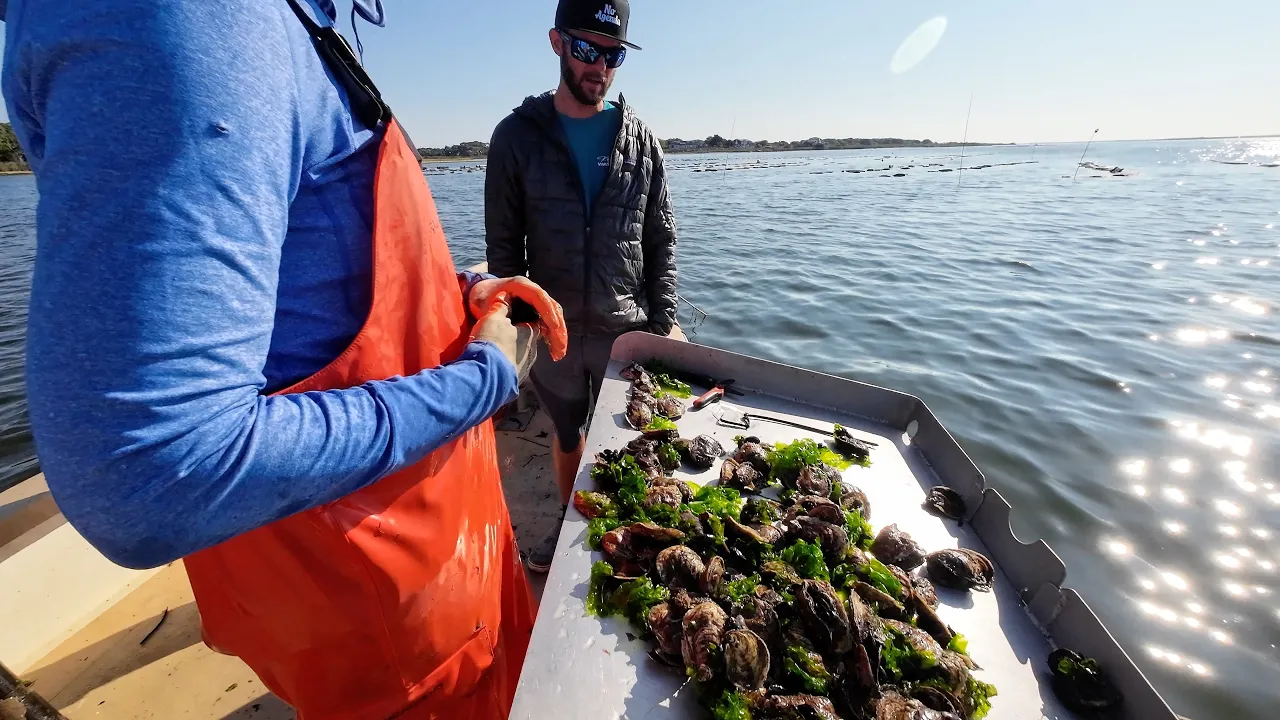
Kelp Farming and Sustainable Oyster Aquaculture on Long Island
@CookingWithClams
6K views•2024-10-13

15:54
Life in Biosphere 2: Sustainable Ecosystems & Human Survival
@TED
334.9K views•2009-06-16
14:30
Microplastics Everywhere: How Plastic Impacts Our Lives
@TEDx
100.9K views•2018-05-08
10:28
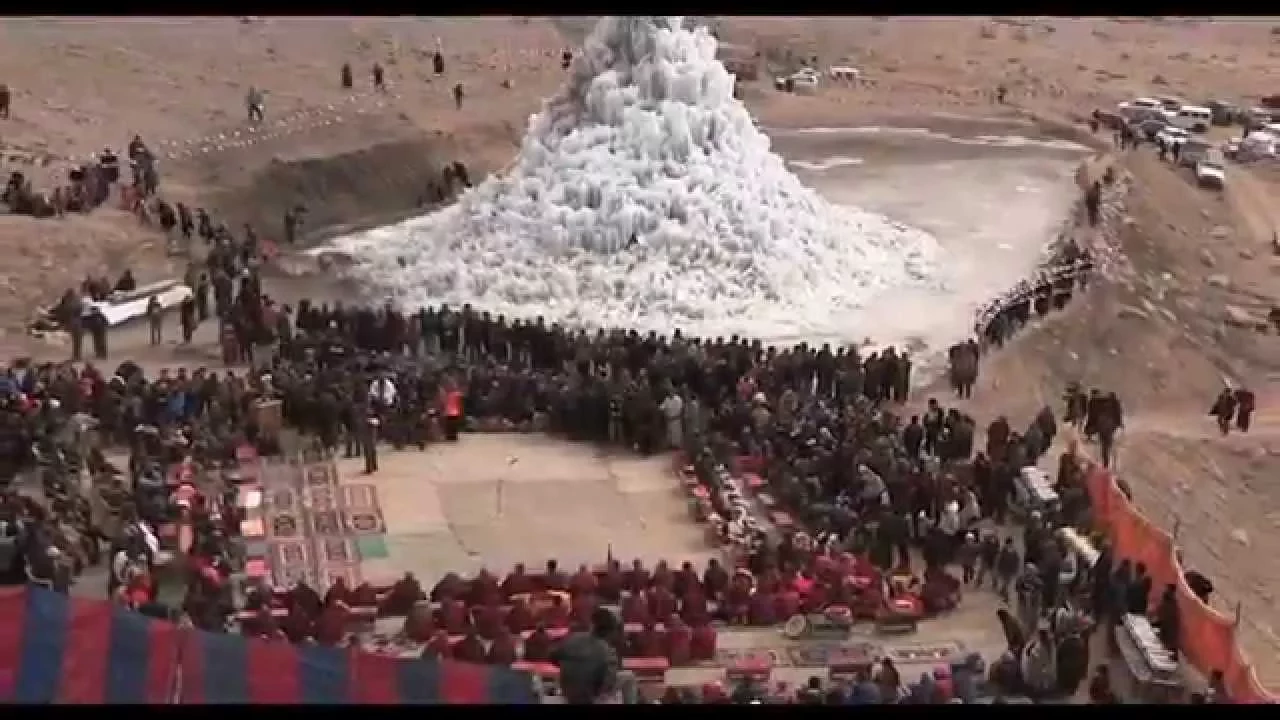
Ice Stupa Artificial Glaciers: Solving Ladakh's Water Crisis
@SonamWangchuk66
3.2M views•2015-05-03
Related Study Plans & Knowledge Roadmaps
Structured learning paths in Environmental Science
environmental-science
Ocean Noise: Cetacean Impacts & Mitigation
01Fundamentals of Underwater Acoustics
02Marine Mammal Bioacoustics
03Anthropogenic Noise: Shipping & Seismic Surveying
+ 2 more learning modules
16h5 modules
Explore Roadmap
environmental-science
Road Ecology: Corridors, Overpasses & Fencing
01Foundations of Habitat Fragmentation and Carnivore Ecology
02The Road Barrier: Ecological Impacts of Transport Infrastructure
03Principles of Ecological Corridors and Connectivity Mapping
+ 3 more learning modules
14h6 modules
Explore Roadmap
environmental-science
Ocean Acidification: Kelp Buffering & Shellfish
01Fundamentals of Ocean Chemistry & pH
02Chemical Pathways of Coastal Acidification
03Bivalve Physiology & Calcification Under Stress
+ 2 more learning modules
18h5 modules
Explore Roadmap
environmental-science
Ice Stupas: Glacial Retreat & Water Security
01Foundations of Glaciology & Mountain Hydrology
02Climate Change and Glacial Retreat Dynamics
03The Science of Ice Stupas & Artificial Glaciers
+ 2 more learning modules
14h5 modules
Explore Roadmap