













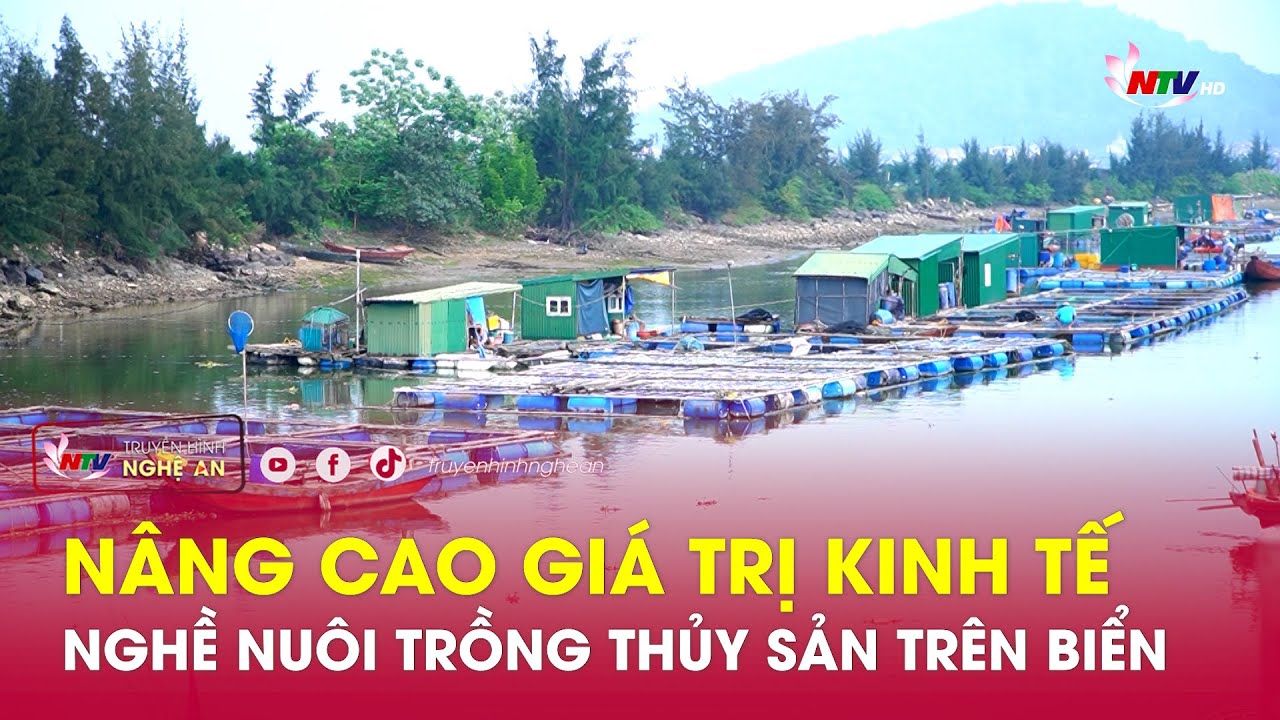


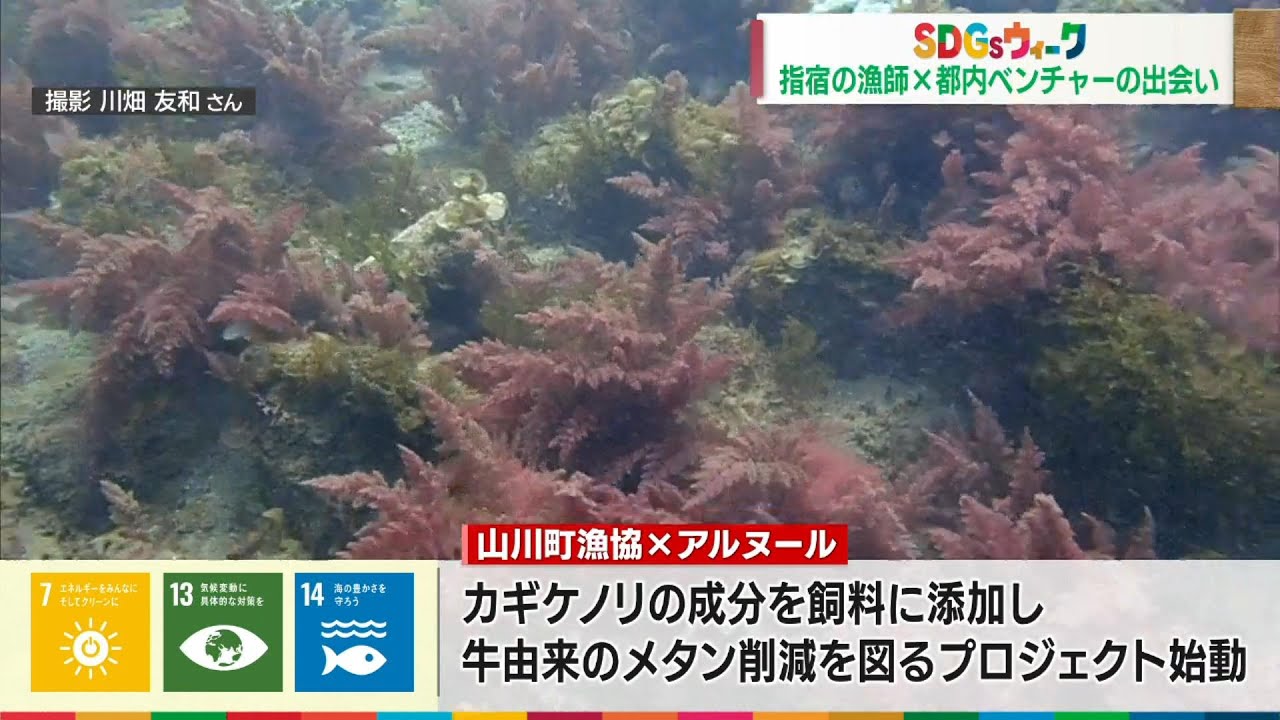
Kelp is a 100% sustainable crop that grows without fresh water, land, or fertilizers, making it an environmentally beneficial alternative to traditional agriculture. Sue Wicks, owner of Violet Cove Oysters on Long Island and the first commercially licensed kelp grower in New York State, demonstrates how kelp can be harvested and used in various culinary applications. Fresh kelp has a shelf life of only about 3 days, so it is typically frozen for storage. The video showcases two kelp-based recipes: a red wine vinegar kelp mignonette (a traditional vinegar, cracked black pepper, and shallot sauce) and a kelp pesto made with garlic, pine nuts, lemon, and gran padano. These preparations demonstrate how kelp can replace traditional ingredients like basil in pesto while providing a unique vegetal, briny flavor profile.
Kelp Farming and Sustainable Oyster Aquaculture on Long Island
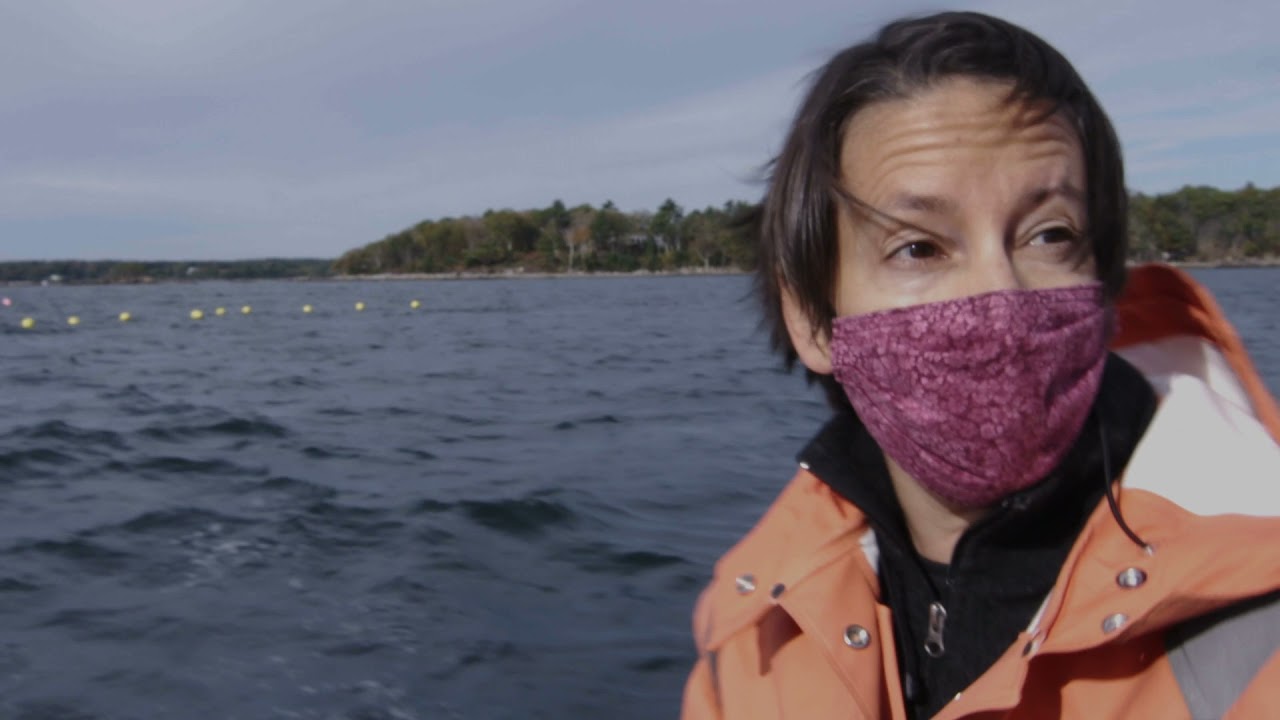
Added:hey turn arounds look who I got here what what's going on guys welcome back to another episode cooking mams will you know the Key West Waterman and that's miles over there you've definitely seen Miles on Aaron's Channel shooting some uh grouper we are on the Southshore Long Island and we are visiting an oyster and kelp Farm lovely owner of violet Cove oysters is going to explain everything kelp and everything oyster to us in just a moment we're just heading over to the boat now starting to understand the snowbird thing you [Laughter] know well you always have a place here along Island we ready we are ready right we haven't been in the water all week I love that wheel we're headed out to the oyster would you call them the oyster grounds um yeah I always call it a farm definitely um more of a farm than oyster grounds sometimes the oyster grounds are people are free casting the oysters in a Title Zone and we grow them in cages so an oyster Farm oyster Ranch so tell me about you your farm your operation so my name is Su Wix I am an oyster farmer my farm is called Violet Cove oysters and we also grow kelp we are the first commercially licensed kelp grower in New yor New York State um I've been doing this for 8 years formerly I was um an entrepreneur working on um a small startup and before that I was a college basketball coach and before that I was a basketball player there and before that I worked on my dad's boat so I'm back where I started your now the captain so we we talked a bit before and it's funny I always have it backwards because I get the idea for kelp and to visit a kelp Farm in the summer which happens to be the wrong time well it's always the right time to visit an aqua Farm um we just have seasons so kelp is a great one for oyster Farmers because it's during our slower time when the oysters are kind of in semi hibernation the kelp blooms and grows and explodes and growth um it likes the cold water so we plant our kelp let's say um every year a little bit earlier um probably November mid October and in March it explodes the growth is you could almost watch it grow before your eyes kelp is amazing it's it's interesting because kelp I feel like hasn't quite found its thing and we we were talking about this a little bit you picture it in just seaweed salad like when you picture a a pickle you picture a pickle you can pickle kelp but sometimes you just want to pickle so what is Kelps where where where is its where it can't be replaced by anything CU you can take kelp and replace a bunch of other things but what can you use kelp for that it can't be replaced by something else the one thing kelp does that none of these other things do it's 100% sustainable we grow this um crop with no fresh water no land and no fertilizers this crop is growing and as it grows the environmental benefits are profound yeah we always think of terms of um dollars and cents but the profound the most valuable um job that this kelp is doing is cleaning this Bay what is the bay that we are in we are in the Great South Bay and my section here is mar Bay small tiny Bay my family has worked on the water believe it or not I am the 19th generation of working on the water so that goes all the way back to Thomas Wicks one of the first settlers on Long Island in Huntington Bay a farmer I yeah so um every generation has had a Wix work on the water so when I turned 50 and started my farm I had an opportunity to be optimistic you have to be optimistic if you're a farmer that I can grow oysters in this Bay that those oysters are going to do benefit to this ecosystem and we're going to have oysters again so let me just tell you with the sugar CP with the restoration efforts of the the different um Mastic Beach conserves save the Great South Bay mares Bay project we have spattering of eelgrass again we had a wonderful season of um Bas scallops here for the commercial fishermen in a world where we hear so much bad news about the environment that a couple of few dedicated people are like I think we can do this I'm going to try even though everyone says it's impossible do it you know you're not going to save the whole world we're not going to get the microplastics out of the um Bay or the ocean overnight but that tiny little plot of land that tiny little water spot I can I feel I can do that and if we all do stuff we can do things well as as three miles do you like oysters I do all right so as three oyster lovers we appreciate your hard work all right so this is your your cool so we're in front of a beautiful nature preserve here and across the way is Fire Island National Seashore um all of these cages are my floating cages and there's oysters in just various sizes that have been growing um and in the back if you can see those yellow buoys all along there is where I grow my sugar kelp in the winter we'll plant that in hopefully mid October this year we're trying to get a little earlier and now how many how big is your operation meaning how many employees do you have it varies I've had as many as five of us out here only five only five and then now um I have three there's three I count myself as an employee absolutely um there's three of us can work this Farm having a good crew that works together has great chemistry is something kind of you don't want to mess around with so it's like okay this crew works so well together one more person so if that um could mess up everything so if the right person comes I'll hire them if not we'll just work ourselves over time and just you know work as a good group so the next time that you're at the oyster bar and you're turning your nose up to that $3 or $4 price just remember there are three people working an entire operation like this and it is backbreaking labor the water might be a little cooler here test it and see if it feels a wee bit cooler than um the other bed put my thermometer in it's actually not that bad a little bit just so that we don't look like three jerks just sending Sue out into the water there every oyster farm and oyster operation is different every single one so if you go back to Will peckham's Farm uh the West Robin oysters his boat he actually goes through the uh the farm it quite a bit deeper and it was a bit yeah it was quite a bit deeper and then in Ireland the farm is right up along the uh the beach and so everything is different so not one of us here thought we would be getting in the water so before anybody Reams me for sending somebody to go get oysters while or sitting here hanging out just know if we had known we would have gotten the water all right you're getting your getting your oyster delivery here oyers I'm just going to slip them up here that purple is an indicator of great health in the bay if you see an oyster that's white super white it's definitely bleached by the Sun but it's lacking all of these um micronutrients let's say that are in the water a healthy body of water so this purple indicates a very healthy body of water one of the things that we neglected to bring was an oyster knife but Sue just chucked an oyster with some scissors crunch get another one crunchy is that your first oyster from a straight from the farm it is yep all right that is delicious see I come from I come from Florida where in the Gulf they don't care what they look like they're just this giant Nest n and they come in the boxes like that and the fact that you guys like take care of them and make them clean and neat is just mind reolution the industry here in New York because those oysters to serve them in a raw bar to one of the highend places they're like no that doesn't look good on a plate absolutely not so when they came with this an individ ual perfectly shaped cup looks beautiful they're like yeah now listen that is ingenuity right there that might be a little crunchy I'm not going to walk you through opening oysters with a pair of scissors cuz I don't want you doing that at home but listen when you got to get it done anything is an oyster knife oh yeah there's just nothing like that North cold salt water that's the little salty flavor punch out long island cuisine B an egg so something Sue is saying that in the summer right now the oysters are spawning so they take on a little bit of a different taste where in the winter they're sweeter a little more crisp and not as uh I would almost say creamy I mean that's a bad word but they're Fuller they're yeah I mean they changed when people say oh give me a flavor profile yeah they love shells back in the water um it changes the oyster changes depending on the time of the year and now there's a flavor profile for sure you get more of that um vegetable veginal seagrass at the end because the water's filled with the um micro algae that it's eating so you get that beautiful one so if you get this oyster when they haven't been eating but they changed all of their um body to glycogen you're going to get the sweetness in the middle you'll get that Briney in the front always um and then you'll get a middle flavor that could be almost like a cashew creamy and then sweet from the glycogen and then at the end you're going to get very minimal third third Taste of the um the algae so now I think you're getting a lot of algae vinal green seagrass at the end and then always you know the signature of a Long Island Oyster is um the salinity the Briny oh yeah not to be too poetic but this is um when I was away from Long Island and I could have a Long Island Oyster it was almost distilled right into this little 3 in all those nostalgic memories of Long Island like I could taste them almost it like was packed in here like a sensy explosion thinking of one I'm a kid on my dad's boat one of my kid going over to Fire Island you all those all the smells come back up the the kelp on the um EP tide salt water all those different things like explode I mean if you taste it I mean after four or five Champagnes I'm not thinking that at all but the initial one it's very romantic and nostalgic love that yeah luckily these are neish scissors you just shuck this with shears just so everyone is clear that's you know that's pretty perfect like I had no boat I had no dock I had no nothing like I'm like all right I'll be an oyster farmer I don't know how to do it I have no idea but I just um through the application process um I just learned a little bit watching YouTube [Laughter] and then they the only way to learn how to do this because every Bay every body of water is different yeah you have to do it and that that is something I was saying earlier that's amazing to me is that so far on the channel we've gone to fiser Island we went to West Robin we're now here at Via Cove we I've gone to an oyster Farm in Hawaii in Ireland every single one is different everyone is different and it's it is it's it's amazing because it really is it just the bodies of water are different so then how you grow them is different so even if you took someone that had their farm and their body of water and moov them to a different body of water they would have to relearn absolutely we're heading back and sue actually has some kelp that she harvested that we're going to cook with and uh we're going to head back and talk kelp and you have some other products as well yeah I'm so curi ious what you're going to do with the kelp um I'm so straightforward and simple and with it I I know how I like it but I'd love to see what a a chef can do with this C okay so this is just Frozen blanch puree yeah huge huge huge thank you to uh Sue over at VI Cove oysters um and for sending me home with a little bit of her pade kelp now kelp fresh kelp only has a shelf life of about 3 days uh you have to use it so you can freeze it and that's what she gave to us here but I thought it out and actually ran it through a sifter just to get some of the moisture out so that it doesn't uh mess with our recipes now we're going to make two things we're going to make a red wine vinegar kelp Minette for Sue oysters and then we're going to make a kelp pesto and then we're going back to my's house and we're going to make pizza with the kelp pesto so minette's pretty simple if you've ever had it a lot of people can get a little weird with it but traditionally Minette is a vinegar cracked black pepper and shallot so what we're adding to the mix is the kelp and I thought it would be interesting because she grows the kelp in the same space as her oysters so they should have obviously a kelp and an oyster have their own flavor profile but they should have similar profiles due to where they are grown so we're going to dice up some shallot real nice and small and also the joy Minette you can make a pretty decent amount and and it will stay good in your fridge for a long time we'll add our red wine vinegar now a lot of people use little less harsh vinegar like champagne vinegar white wine vinegar but we're going big today and then crack black pepper good good amount big old spoonful of our Pure AG sugar kelp and that's it I'm going to put this aside and let it sit for a little while before we crack open some oysters now for our pesto we just have one clove of garlic this is all getting blended so we don't have to go crazy with chopping anything and then I have pine nuts lemon Gran pedano and GR Pano is a lot like parmesan cheese in my opinion it's actually better little more mild and a lot cheaper all right let me grab salt and olive oil okay we got our little quez art from the 7s here in [Music] our garlic our pine nuts our Granite pedano okay now we put in our kelp puree our lemon pretty delicious already we'll also in the meantime add our salt slowly add just a little bit of olive oil okay that's looking more like what I want give that a taste oh yeah okay now let's open some oysters this is from toadfish their oyster shucker they have two kinds and then they have this Kevlar little towel that's really good so that you uh you know if you miss an oyster you won't stab your skin you can pick up anything from toadfish with a discount just go to my description and the discount code is in there they are very very pretty but okay let's open a couple up here take your knife and it's all about applying the correct pressure and the right space and not too much pressure so you come into the hinge back here like so and you're going to wiggle in until you're in the Oyster like that now all we're going to do without applying any forward pressure we're just going to turn our knife like we were turning a screwdriver and then we're going to take our knife along the top because there's a muscle right here that we want to sever to me the most important part is not uh not severing or puncturing the uh belly okay got our oyster shell off of the top so you wipe your knife off and come underneath the oyster and slide it under that adductor muscle right there and now the oyster is separated and ready to eat all right got taste testers here so my mom's a purist in her oysters she doesn't put anything on them doesn't want them adulterated so I haven't dressed them yet okay but that is red wine vinegar kelp Minette eat an oyster eat one of Sue's oysters without anything first okay it's a good oyster very nice so the funny thing with Min nette is even when you make that much you're putting the tiniest drop on an oyster it almost I'll have that for the next four months there served me up one there how would that be that would be good a little more kelpy oh there we go nice and kelpy I like the mixture very much it's very tasty but I have to say I like the taste of a raw oyster better of course what's you feeling it's very I don't want to whatever the earthy word for SE in the ocean is it's like it's very earthy but Briny Briny flavors like you can taste like the land of the kelp if that Mak I don't know how to yeah no I get what you're saying I know how to say that uh it's very earthy in like a sea what's the word ve it's like vegetable like that that very that's good no I like it that very vegetate I don't know I don't know the exact I don't know the word for it I know we're going to look it up the brain the brain trust here is going to get on top of it and figure out the word but uh yeah it's funny when I talked to Sue and I mentioned yeah I'll make something with the kelp to put on the oyster she went oh no she goes I'm I'm a purist and I just like my oysters not grilled not anything just raw as is and I could couldn't agree with her more but a lot of people do like grilled barbecued oh no the pepper gotcha death he he died happy eating an oyster it's okay the lawn but my point being that if you do like Minette you could even make kelp cocktail sauce oh you could do you could do a lot of different things like it but yeah no it is it's a very nice sauce I could see on like fillets yeah of H fish all right very nice well we're going to grab our pesto head to mil house and make some pizza the word is vegetal vegetal vegetal it's when something tastes of plants and vegetation that's the work vegetal now we're locked in the car all right we'll see you at the house it was going to kill me if I couldn't think of that word not very good at this what do you mean looks perfect it's looking all right so so far this one this one not so much counting on you miles we're trying it'll taste good at Le trying to I was trying to be unserious and didn't get that I need that movie to come out I know yeah well next year right you don't know how that's going to taste Kel pesto the superfood pesto the superfood pesto is kelp a superfood it is do you have a olive oil yes right behind you oh it doesn't matter I was just rolling out oh yeah into the house we go well hopefully I make it this is a this is a risky game here watch she's doing a semester look how perfect that looks the straightest cut hey it's all right it's still going to taste the same all right in it tastes like celp it does it's but it's pretty good but it has that word again vegetal vegetal it reminds me of something that I can't think of seaweed no no hold on I need to think of this no it reminds me of something that I eat and enjoy which is size no I am like I don't enjoy this yeah oh go on the carpet I just put this [Laughter] on all right guys we're going to make some more pizzas um enjoy our time here with our friends but uh one thing I will say so kind of what I was saying earlier is that cellb hasn't found its it's thing and a lot of times you replace it so like kelp pesto I replace the basil with the kelp and the problem with that is that you have people that they then will miss the basil taste of of you know pesto so it has to come up with its own thing because you could do kelp chimmy Cherry but then that's chimmy Cherry so what is the kelp sauce I'm putting it on you guys out there to revolutionize kelp but I am happy with this and it is the the kelp absolutely came through it is a deep flavor and it's not a typical pizza topping but it's pretty darn good I'm pretty happy with this so all right guys thank you so much Sue uh I can't what a great morning out on the water and what a great day and now we got this great product to make pizzas with so thank you so much all right guys I will see you on the next one
Up Next

Integrated Multi-Trophic Aquaculture (IMTA) Explained
@sarabarrento5533
37.4K views•2013-10-30

Life in Biosphere 2: Sustainable Ecosystems & Human Survival
@TED
334.9K views•2009-06-16
Microplastics Everywhere: How Plastic Impacts Our Lives
@TEDx
100.9K views•2018-05-08
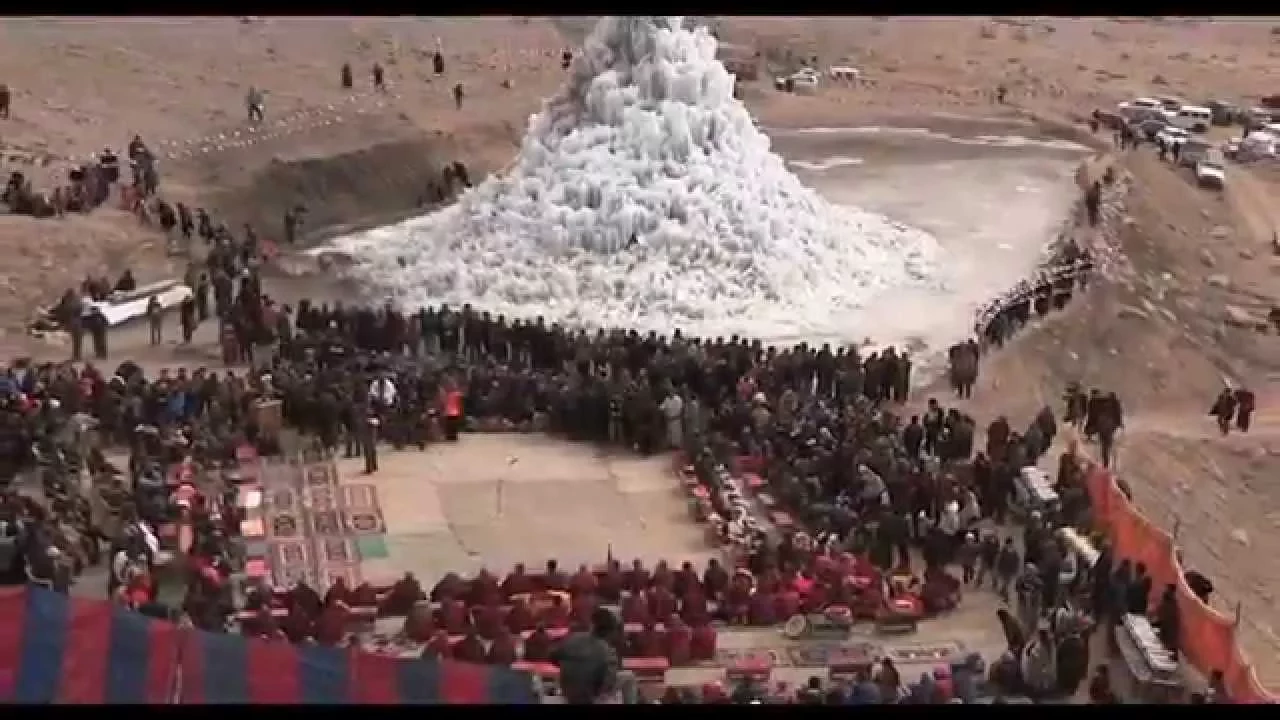
Ice Stupa Artificial Glaciers: Solving Ladakh's Water Crisis
@SonamWangchuk66
3.2M views•2015-05-03
Related Study Plans & Knowledge Roadmaps
Structured learning paths in Environmental Science