











![[RPB] Sesi 4 Belajar Kajian Lingkungan Hidup Strategis](https://i.ytimg.com/vi/iy9JV8uWHCA/maxresdefault.jpg)


Integrated Multi-Trophic Aquaculture (IMTA) is a sustainable aquaculture approach that cultivates multiple species at different trophic levels—such as fish (feeder species), filter-feeding bivalves like mussels and scallops, seaweeds like kelp, and deposit feeders like sea cucumbers—in a single system where waste products from one organism serve as nutrients for another, creating a self-sustaining ecosystem that reduces environmental impact while maximizing economic returns.
Integrated Multi-Trophic Aquaculture (IMTA) Explained
Added:Basic principles of monoculture aquaculture and its environmental challenges, such as organic waste accumulation.
The concept of trophic levels, food webs, and how energy and nutrients flow through an ecosystem.
The fundamentals of marine nutrient cycling, specifically the roles of nitrogen and phosphorus, and the process of eutrophication.
The distinction between fed aquaculture species (like finfish) and extractive species (like organic-extractive shellfish and inorganic-extractive seaweeds).
The economic models and market feasibility of commercializing secondary IMTA products (e.g., kelp, sea cucumbers).
Advanced offshore engineering and hydrodynamic modeling required to design multi-trophic farms in open-ocean environments.
Ecosystem carrying capacity modeling and spatial planning tools (like GIS) used to site and scale IMTA systems.
Biosecurity, health management, and disease transmission dynamics within multi-species co-culture environments.
37.4K views451likes8:28Original Release: 2013-10-30
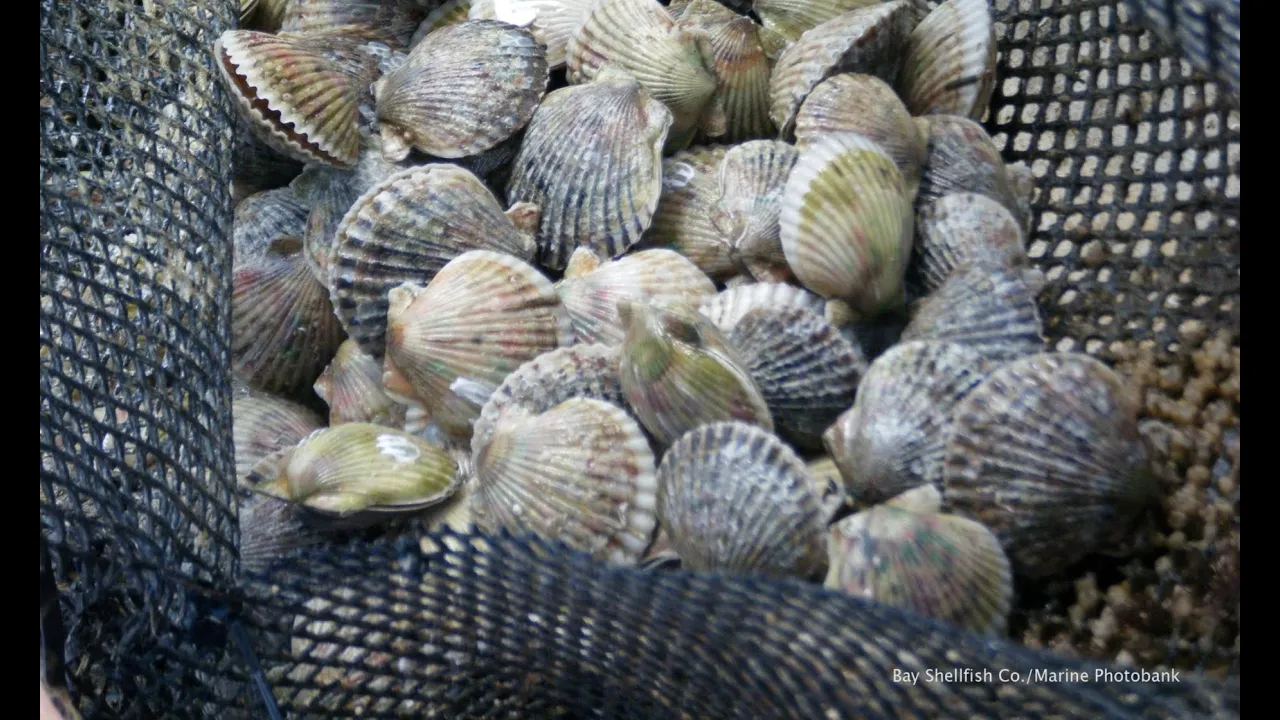
welcome again to this series on imta today we are going to finally discuss imta in the 21st century so in the previous episode we learned that in the 1970s there was an interesting research discussion on the cultivation of different species in a waste recycling type of system this was called polyculture type of system it was followed by three productive decades on what has been variously called ecologically engineered aculture and then it was ecological aculture to to simpler also integrated Maric culture was a a name that came across some researchers but then again this is not only about marine animals so another name came up and it was integrated aquaculture well understanding the need to harmonize all these names in 2004 theer shopa and Jack Taylor combined integrated aquaculture and multitrophic aquaculture into the term integrated multitrophic aquaculture but what is all this about anyway well the classic 21st century approach and Western concept of imta is to grow fish here you have the hmon invertebrates like muscles mainly B valves uh and and also seaweeds um mainly CP this this type of approach was usually associated with salmon cage agriculture type of systems but the key thing about imta as a concept is that the appropriate organisms to be cultured are chosen at multiple trophic levels based on their complementary functions in the ecosystem as well as their economic valure potential but what does multiple trophic levels exactly mean again well let's see this in the expanded version version and in more detail of the imta concept so in this example we have several trophic levels we have the feeder species the fish in this case then we have what called extractive species which in this case include both organic filter feers like the muscles and scallops these are generally bolves and we also have inorganic filter feeders the the seaweed in this case they CP but we also have the deposite feeders everything that is on the bottom of this uh ocean floor I mean the sea cucumbers the sea worms we also have sea urchins over here those are deposite feeders but how does this work and and why is it important so remember the model approach with inputs and outputs this is kind of similar so let's start with the fish the feeders so the fish are fed and as a consequence they usually grow but they also produce feces and other wastes such as nitrogen on the other hand some of the food is not eaten and settles to the bottom this can be Neutron inputs for the other trophic levels so let's see what happens in the tile for instance let's see what happens with the CP so basically what we see here is that uh it's a bigger version so we have the the fish they produce the nitrogen that they different forms and the seids can use this um waste this nitrogen waste this nutrient for them and and grow that was this part of the system here so I want you also to have a look at this system over here uh it's also important to bear in mind that this nitrogen is not only feeding the seaweeds it's also feeding microalgae that will also feed muscles let's have a look at the micro Al so nitrogen and phosphorus they they also are a a nutrient source for microalgae the D imag in itself it's a green Bloom of microalga um in the ocean uh this is just a kind of zoom in of the microscopy micro Ali and uh probably you've seen this in your aquarium if you have one and one way to get rid of these micro is if you have a seawater type of of aquarium you can actually add muscles because muscles they actually they're going to beat that micro so muscles are called filter feeders because they can filter that small organic particles as I mentioned the the green micro you're going to see them in this time lapse video with muscles in an aquarium this is the microalgae the green thing they filter the water gets clear and they also they expel the SE the Pudo fees in in feces uh this will settle in this case in the bottom of the aquarium they would settle in the bottom of the the ocean they also excrete the nitrogen just as as fish and other animals um you can't see this in the video of course um so this is the muscle bit of the equation let's look at the the deposit feeders then the deposite feeders use the organic particle nutrients the E and feed and and and waste also decayed matter for nourishment and I don't have a video specifically to show you the bottom of the ocean with the sea the C cumbers and seaw worms and lobsters all eating decayed matter and uneaten waste um so I will have to to give you a link to BBC One and this link is for the frozen planet which is an amazing series and there is an amazing time lapse image so I'll just show you one of the images from Frozen planets um bear in mind this is not what the bottom of a salmon cage looks like the species don't even exist in the habitat where the summon cages are and this is just to show you what deposite feeders and scavengers can do in the food chain and traffic level context so after watching this tutorial go ahead and click the link and I hope you'll enjoy the bbc1 frozen planet time lapse uh video so at this point I'm going to I need to tell you that MTA is is not just T that I've been showing you MTA is more than than just muscles and salmon and it was never conceived to be only this type of species or even to be only used in temperate Waters and within a few hundred meters um so imta is also concept that is can be uh like aquaponics like the the production of vegetables and fish this is this is a system that is a mixture between hydroponic so the production of vegetables in in the water system and aquaculture and fish here um and it can be a small system like this one this is Artistic and it was a concept uh proven by an artist it was actually built and it really looks like this and they do have fish uh in this tub and so it can be as small as this and it can be as big as this so this is um a renewable energy Park this this is a wind Park uh there is the uh energy production here but there is also the farming of CP of deposit feeders and other Speers over here this is fully integrated because it also integrates different uh um professions un like you have the Fisheries here we have fishermen that can take advantage of this system and we have also tourism and we also do need to have research vessels and and research in general to monitor this this system so there are many people in involved in this so for today this is what I have to show you uh it's still in the what I did and what I mentioned was basically the concept so on the next spot I will be talking about imta put into practice and from the business point of view so I hope you can join us
Up Next

60:58
Ocean Acidification Impacts on Gulf of Maine Shellfish
@mccf
279 views•2021-08-17

15:54
Life in Biosphere 2: Sustainable Ecosystems & Human Survival
@TED
334.9K views•2009-06-16
14:30
Microplastics Everywhere: How Plastic Impacts Our Lives
@TEDx
100.9K views•2018-05-08
10:28
Ice Stupa Artificial Glaciers: Solving Ladakh's Water Crisis
@SonamWangchuk66
3.2M views•2015-05-03
Related Study Plans & Knowledge Roadmaps
Structured learning paths in Environmental Science
environmental-science
Ocean Noise: Cetacean Impacts & Mitigation
01Fundamentals of Underwater Acoustics
02Marine Mammal Bioacoustics
03Anthropogenic Noise: Shipping & Seismic Surveying
+ 2 more learning modules
16h5 modules
Explore Roadmap
environmental-science
Road Ecology: Corridors, Overpasses & Fencing
01Foundations of Habitat Fragmentation and Carnivore Ecology
02The Road Barrier: Ecological Impacts of Transport Infrastructure
03Principles of Ecological Corridors and Connectivity Mapping
+ 3 more learning modules
14h6 modules
Explore Roadmap
environmental-science
Ocean Acidification: Kelp Buffering & Shellfish
01Fundamentals of Ocean Chemistry & pH
02Chemical Pathways of Coastal Acidification
03Bivalve Physiology & Calcification Under Stress
+ 2 more learning modules
18h5 modules
Explore Roadmap
environmental-science
Ice Stupas: Glacial Retreat & Water Security
01Foundations of Glaciology & Mountain Hydrology
02Climate Change and Glacial Retreat Dynamics
03The Science of Ice Stupas & Artificial Glaciers
+ 2 more learning modules
14h5 modules
Explore Roadmap