







![[2024] CHIA SẺ TỪ CHUYÊN GIA - CHIẾN LƯỢC TOÀN DIỆN TIẾP CẬN CHẨN ĐOÁN VÀ ĐIỀU TRỊ TIÊU CHẢY CẤP](https://i.ytimg.com/vi/mgrXd-P874o/maxresdefault.jpg)












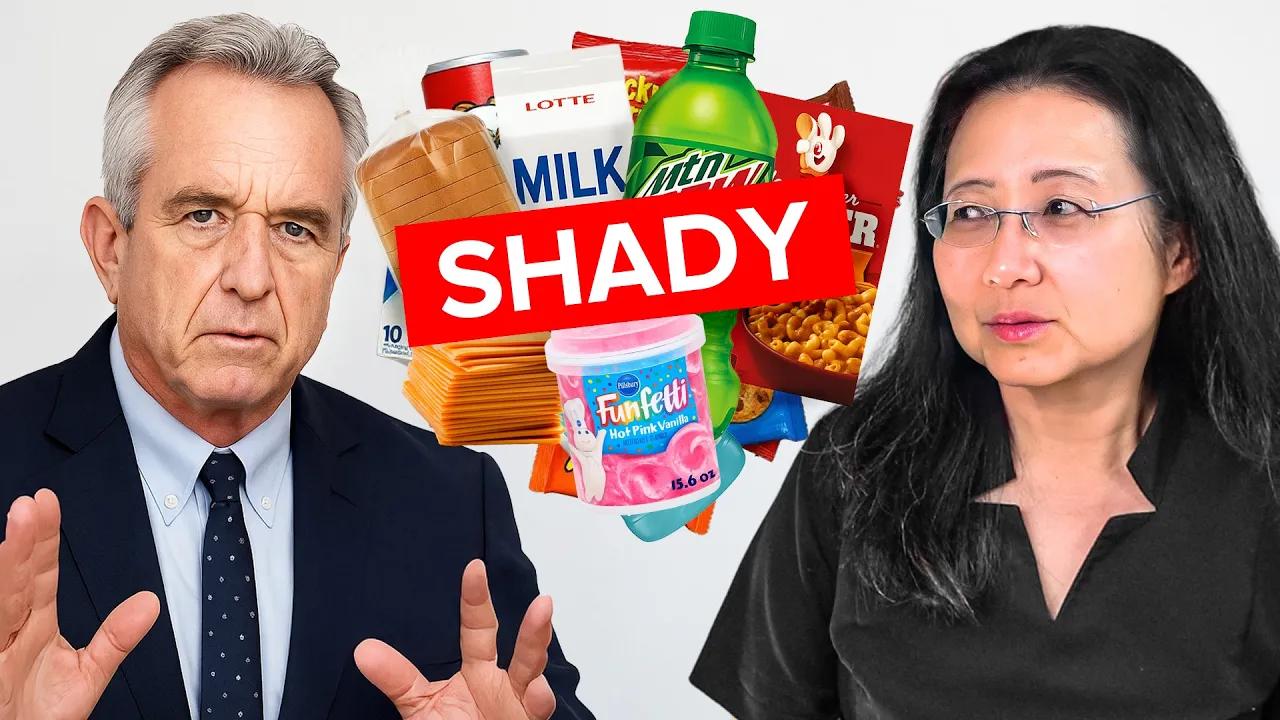
Ultra-processed foods, which now constitute over 60% of calorie intake in the US and UK, have created an unprecedented health crisis characterized by insulin resistance, metabolic syndrome, and chronic diseases. These industrially produced foods, designed for addiction and profit rather than nutrition, contain problematic ingredients like seed oils, added sugars, and artificial additives that disrupt gut health, cause inflammation, and lead to conditions including type 2 diabetes, fatty liver disease, and cardiovascular problems. The medical system is incentivized to treat symptoms rather than address root causes, while the food industry prioritizes profit over public health. This represents a generational health crisis that requires systemic change in food production, regulation, and individual dietary habits.
The Ultra-Processed Food Pandemic: Health Risks & Solutions
Added:well hello and I'm not sure if I'm welcoming Dr seil Dand or he's welcoming me because we plan to put this on both channels it's not the views that are important on a particular channel it's getting this important message out but seil thank you great to see you again oh absolute pleasure John good to be back with you now this was triggered really by uh Robert Kennedy Jr speech uh I've written it down uh Mayha May America healthy again yeah and uh I I did say on the interview I did with Neil Oliver on this uh once he's done that he'll be more than welcome in the United Kingdom because we've got a a few problems as well so for example ultr processed foods in the United States probably at least 60% of the uh calorie intake in the states and I didn't think we were quite as bad in the United Kingdom but a survey from the British medical journal has actually puted at ultr processed foods as 56.8% of total energy intake in the uh in the United Kingdom of course this has got huge implications but uh as a physician you see lots of diseases that are related to to Lifestyle what what is the the main messages and the main links do you think between lifestyle of which nutrition of course is a huge part and well-being and disease well I think the uh link is just about as strong as can be and the interesting thing is that you go back 2,500 years to what hypocrates was writing uh before we even had any of the modern technology and ability to look at data and he said the same thing that anybody's health and well-being is rooted in primarily what they eat obviously there are other holistic pillars but nothing comes before what you eat and as a practicing physician I've been in the United States for many years now and there is a trend culturally which I'm sure you and the viewers are familiar with what whatever happens in the US tends to come to the UK very fast these Trends catch on very quickly the UK is almost a satellite of the US so I must say in all my years of being in the US even when I first moved here 15 or so years ago America was not known for let's say being a a thin healthy country um but still it was something which wasn't entirely off the chart when I got here but something very strange has happened over the last 10 years and particularly The Last 5 Years I would say catastrophe is not a strong enough word we have something Brewing right now which is off the charts and it's truly unprecedented in terms of the health disaster it's created and the UK is really not that far behind every time I come back to UK I mean I come back every few months my family is there and I notice that the metabolic health of people visibly everything I'm seeing and hearing from my doctor colleagues in the UK is not that far behind and I would say just sort of as an underline to what we want to focus on the main reason for this is the addiction to cheap ultr processed foods and a complete change to the food environment over the last few decades which is truly unprecedented so I would see things roughly in three categories some people would say four categories I'd say uh unprocessed food or or natural food the the way God made it so it's you pick it from a tree or you pick the plant or you you uh you eat part of an animal or you eat an egg it's that their natural unprocessed products and then there's sort of semi-processed foods where you might add an ingredient or two or preserve it in some way but then we have this so some people would add an extra category of uh partly processed um spices and and cooking accompaniments like that but really what we're worried about is this ultrapress food and my thinking of this has developed really quite recently to thinking that another way to describe this would be industrialized or industrial produced food very often with multiple components very often with uh components in the in the diet that have in in the overall preparation of the food in inverted commas that have been messed around with for want of a better term maybe the vegetable oils have been hydrogenated or extra fructose has been added so we can have dodgy ingredients put together in disproportionate ways churned through a factory and then we end up with this product which kind of looks like food and maybe even tastes like food but but actually in a real sense isn't food is is that how you see ultr processed food yeah I think that's an excellent description um mass industrially produced food that we are not designed to eat this is very very new which is why we're seeing an unprecedented Health disaster and I believe that the line between processed food which is maybe what I had occasionally when I was young boy growing up in my Village in England where there would be like two or three ingredients but there wouldn't 17 ingredients like they there are now and now we've moved much more to these industrially produced foods that are just absolutely packed and what I'd like to impart if you're if our viewers here don't already do this once you get into the habit of reading ingredient labels you can't stop because this is when you're woken up to this and now it's a habit and and people in my family have started doing this as well because you think my goodness what's being added to the food and we can't really trust that authorities have properly vetted everything so you mentioned a few key things there you're looking for sugars which are added in ridiculous amounts often under different names syrup syrups Etc uh you have other additives which are highly pro-inflammatory uh you have seed oils um in the US there's three or four seed oils which are used a lot uh in the UK I believe the major one is rape seed oil we call it canola oil over here and you have to bear in mind that this is something all of what I just talked about are ingredients that we're simply not built for and it should come as no surprise that when we're consuming vast quantities those statistics that you actually cited I I've seen even worse than that in the US for example ultr processed foods are now over 70% of all calorie intake and in poor C in poor communities this is a kicker over 90% because it's cheap industrially produced highly addictive UK I believe 60 plus% and what a sea change because our grandparents and great-grandparents it was almost 0% they ate real food and this might taste good of course it is because the same scientists that worked for big tobacco have now gone over to big food and they deliberately make it addictive like something like a a packet of Doritos tastes good yeah of course it does I'm human I'm going to find it tastes good as well but it's been deliberately synthesized to make you keep on eating it and it's a an addiction situation now for millions of people sadly who think this is food think it's been vetted but it's actually not it's what I term Franken food and then when people feel hungry because they associate that with the the last fix as it were uh that the last satisfaction of the addiction they look for that same food again to partly because they're hungry but also to fulfill the addiction of these ingredients in the food that design that actually designed to be addicted to get you hooked on to a particular food I mean what is the what do you think the motivation of people is or Industries are that are making these foods do you think they've got our best health interests in a in in mind or do you think they've got other motivations for the way they're producing these Foods well I think quite simply if we look at this situation in the US and I'm I'm sure that the UK has a similar kind of industrial structure the bottom line is make as much money as possible and everybody needs food these are trillion doll Industries everybody has to keep buying the product over and over it's a good business model and then they keep making this food industrially produced they cut the prices make it cheaper pile all this absolute junk into it and more and more people bias and sadly it's the poorer people who end up worse affected and we're at a unique point in history where throughout history being overweight and obese was always a rich man's problem but now it's more of a poor man's problem and it it's so sad I see it every day in the US when I walk past grocery stores convenience stores and you see the poorest people coming out with this absolute junk often with their kids and you know or I know what's going to happen next as a doctor and we've all seen this in supermarkets you know watch people what they put into the shopping and the child's asking for a particular product and you can see that this is an a falling essentially toxic Ultra processed product that the child at a very young age has been a come essentially addicted to and then when you have children round and you try and Fe the feed them some sensible food maybe some vegetables and some eggs and some meat they sort of turn the nose up because they're so programmed to eat this appalling industrialized food with Incredible Health consequences for later in life exactly and I love that word it it is apping and uh it's funny I often say history doesn't repeat itself but it does rhyme and I believe that there was a very similar situation with cigarettes and tobacco in the 1960s and70s everyone used to smoke doctors used to smoke on Ward DRS patients used to be given cigarettes there was a complete ignorance of what is happening I actually truly believe that this situation is orders of magnitude worse than smoking and let me tell you why with smoking it took years to develop Heth health problems when did you ever see a teenager with lung cancer or another problem it took decades but you are seeing teenagers now with type 2 diabetes and fatty liver disease which has never happened before so in some ways weighing up to evils I'm not encouraging smoking by any stretch of the imagination but I believe ultr processed foods are far worse they're making people way sicker if you look back to the 60s and 70s complete ignorance from the medical establishment and mainstream media who are often paid off by cigarette companies they help out for as long as possible before they finally realize the damage that's being done and you're seeing the same things now but I am worried that by the time the Dam breaks because it will no mistake John break because this is going to bring down entire nations you can't have a situation now like in the US where 50% 50% of all children are overweight or obese and 20% of them have fatty liver disease which no pediatrician ever saw think of what this is going to be in 10 years time I worry that we're going to realize and I worry that the medical system which in the US is incentivized to actually make money from sick people especially younger people so there's no incentive from the top to fix this problem but when we do eventually realize I'm worried that it's going to be too late we are really dealing with a an epidemic in in both our countries well United States and the United Kingdom all the developed countries really and and indeed I think we could say a pandemic this is something that's affecting the whole the whole world now malnutrition to me Mal of course clinically we that just means abnormal doesn't it malnutrition and to me to me malnutrition takes two forms when people say malnutrition they tend to think of these horrible pictures we might get of horribly malnourished Starving Children which is wretched and of course is a form of malnutrition but we can also have malnutrition which is overnutrition eating too much of something so we mentioned the eating too many seed oils for example now these are often oils which are produced from relatively healthy oils to begin with but then they're processed at very high temperatures changing the chemical nature to trans fats changing the effect that it has on the body so we have too much of these we have too much sugar definitely too much sugar especially things like high fructose products and also we're eating things in food we shouldn't be eating at all like uh emulsifiers and colorers coloring agents and thickness and and flavors and things like that so I think a lot of the malnutrition that we're actually seeing is is overnutrition from certain specific components of of the diet do you think that's a reasonable way to look at the Obesity problem for example yeah it is and that's that's a really good point and frequently it's so interesting because as a front line doctor I will see patients that are overweight on or obese and we will check their blood test and they'll have a low protein and low albumin level showing signs of malnutrition which just shows uh firstly I don't consider a lot of this real food I believe it was Professor Robert lustig who said that the object of eating should be to feed your gut and protect your liver uh but actually what we're doing is we're destroying our gut and destroying our liver at the same time with these foods and they're not nourishing us they're not protecting our gut microbiome they're causing a lot of inflammation which is leading to immune disease uh cancers even we've had a a 500% increase in childhood gastrointestinal cancers in the last couple of decades wow now I think there are many there there may be a few factors that have gone into this I think a few things during the pandemic have contributed as well however this was actually a trend before the p pmic we were seeing it and this is why I'm so concerned and you would not believe how perverse the incentives are in the US you have to see it to believe it but venture capital is now most excited by chemotherapy infusion clinics and they're actually heavily investing in chemotherapy clinics across the US and the medical establishment is kind of jumping on board but not asking the question why are younger and younger people getting cancer and to me and many other doctors it's very obvious our bodies are being plowed with this with these toxic foods let's not forget as well the pesticides as well which are being used I mean at every stage of the process so obviously you're putting those in your gut your gut is going to react and it's just astonishing that doctors aren't waking up more and I actually think every doctor personally if they really care and they remember why they went into medicine should be waking up in a cold sweat every night wondering what's going on because 80% of everything we're seeing is due to insulin resistance and inflammation from a toxic food environment it's astonishing that we think the answer is to pile more medicines or give people semaglutide I mean had this catastrophe happened in the 1970s where doctors had more sense eventually and said you have to stop smoking I worry that if we had the same mentality then they would have said oh it's okay keep on smoking we'll just put this filter in your lung or we'll just inject you with something every month it's it's a ludicrous situation not focusing on the root cause smoking could be a good opportunity for people that make anti-cancer drugs and cancer is a good business opportunity sadly it is is a diabetes industry y yeah I mean uh I'm glad you raised that question there about uh agrochemicals so pesticides herbicides um and as well as a lot of artificial fertilizers as well um Robert Kennedy uh in his interview said said that there's a lot of agrochemicals that are allowed in the states that actually get into the food now in the UK it's bad enough but apparently in the states there's even more chemicals which aren't allowed in Europe that actually get into the food so you have this ludicrous situation where we might say to people look go and eat fresh food so they go into a supermarket and there's maybe some nice fresh apples or some strawberries but of course they could be actually contaminated with these agrochemicals it makes it really difficult and it's an extra layer of really contamination in our food as well as these industrialized so-called food products we have these synthetic chemicals which are there to optimize production and therefore optimize profit so there's a couple of things to be concerned about really yeah and and this makes it more difficult because I'm giving advice here go as pure as possible consume food cook from scratch buy natural food food from God from nature whatever you believe in and eat what your great-grandparents ate but then we know at the same time that it's probably laced with pesticides and chemicals I do think the rules in the UK and also the European Union are a lot stricter though so I I personally would trust food much more over there than in the US here I always buy organic I know that that's very prohibitively from prohibitive from a cost perspective for many people but I would still say if you can do it if you can't it's still better than ultr processed foods I try to buy locally from local farms Etc trying my best I accept that some will slip through um I'm very particular I notice when I'm out of the US I made videos about this I feel better I feel clearer and I think it's more than just a vacation I'm quite in tune with my body and I notice when I'm back in the US I start to not feel as good as clear and I'm sure some of this toxic junk is slipping through and it's it's horrible that millions of people have no other choice indeed and as you say particularly poorer people who need to fill themselves up and as you mentioned before if you fill yourself up with biscuits and Ultra processed food you're getting all these food components we don't want but very importantly you're also missing out on a lot of nutrients that we do need you you mentioned there that some of your patients come in who have obesity but low albumin levels which of course is the protein in the blood indicating these people don't probably have enough protein because there are essential amino acids we need these 10 essential amino acids out of the 20 to maintain normal health and if we're not getting those we're low on protein there essential fatty acids that we also need and um other things that people are often short of Even in our afferent Western countries uh things like the water soluble vitamins B and C people can be can can be low on and of course vitamin D we we know about uh quite a lot because we don't get enough natural sunshine and I suspect a lot of people are actually quite low in iodine as well which is essential of course for the development of the nervous system so it could well be that we have a generation of young people who don't have enough uh iodine to facilitate normal development of the nervous system and and as as soil is more and more exhausted we just Pile in more fertilizers and we can get the crops going up again but then we're taking out the the uh the trace elements from the soil that becomes exhausted so the Magnesium the zinc the selenium I mean we know selenium is an important antioxidant uh we know that magnesium is vital for cardiovascular health and zinc um a lot of good evidence that it's good for prostate health and of course essential for for wound healing I mean do you think we're kind of seeing a double pandemic as it were of overnutrition and undernutrition and and is there any particular nutritional deficiencies that you've you've you come across yeah I know you you raised some really good points there John when you're consuming ultr processed foods you're not consuming real food so you are going to end up deficient if you're relying on that for the buk of your calories I mean ultimately we moved so far away from nature I mean you look in nature um animals aren't walking around obese or nutrient deficient unless they get to the extremes of Life they have everything they need and they know what to eat nobody tells them what to eat they they know and we're basically animals too we're mammals we inside know what we should be eating Etc the problem is that we are being placed in such a toxic environment we're going for these foods and yes we're ending up with a ton of nutrient deficiencies as well no matter what the packet says the label says they fortify things it's not natural food at the end of the day sadly so yeah all of that goes along as well with with the insulin resistance which is the true pandemic driving a lot of what we're seeing now mhm yeah I want to think about some specific diseases that are caused by the ultra-processed sort of food diet so obviously if we think about heart disease is probably at the top and cardiovascular disease what's kind of the relationship between eating all this semi toxic toxic material and and the health of Our arteries do you think yeah this is a great point because um the ultra processed toxic foods will trigger a variety of processes in the body all linked to inflammation and if we go Upstream from what you said Upstream from heart disease Upstream from type 2 diabetes Upstream from even high cholesterol the link is insulin resistance most of the time so what happens is you consume this food as well as completely mucking up your gut microbiome which is a whole different topic and causing inflammation in your gut it then gets processed and because these Foods tend to be very high in sugars and carbohydrates refined carbohydrates they Spike up your insulin levels your pancreas doesn't know what it's being hit with and because people are eating so much of these Foods your insulin is spiking multiple times every day and then in the end you get insulin resistance and this is the precursor to pre-diabetes and type 2 diabetes often lasting for years in fact statistics now suggest that 50 % of under 18s are now actually insulin resistant if you do the blood test and this actually shows on blood test before even your glucose or hba1c becomes abnormal I've talked about this before there's an excellent blood test called hom IR where you check your fasting insulin and your fasting glucose you can plug those numbers into a computer and you can tell whether you're insulin resistant and I because I work with a lot of people to naturally reverse their insulin resistance we plug the numbers in and they didn't even realize that they were insulin resistant uh but that was going to lead to an eventual diagnosis of pre-diabetes but your body is trying to to fight back often for many years but eventually you do develop all of the problems of insulin resistance such as high blood pressure high cholesterol I mean in anyone under the age of 65 who has high blood pressure or high cholesterol 95% of the time they're insulin resistant and if they they could reverse that in a matter of weeks if they wanted to or start reversing it uh the body can recover and rejuvenate but that's the the common initial theme I would say most of the time there are lots of other processes going on with cell divisions and toxic effects and cyto kindes but I would say the insulin resistance comes first often for a few years then you start to see it manifested in the vital signs and the labs then you develop the atherosclerotic plaques and this is why I know this is a whole different discussion Statin medications which may fix the number and doctors get very excited about fixing the number but you haven't fixed the Upstream problem because all that inflammation and oxidative stress is still going on so you're eating all this sugar and that is obliging the pancreas to produce extra amounts of insulin so your insulin is going up really quite quickly because you're forcing the body and because the pancreas is a clever organ and it's a great organ it can do this maybe for quite a long time oh yeah higher insulin output it can compensate but all the time you've got that high insulin output you're wearing out your insulin receptors because the the insulin is going to work only by binding onto receptors and people become insulin resistant so they need more and more insulin to get the same blood sugar lowering effect and this is insulin resistance and this leads on to inflammation all these the so-called metabolic syndrome diseases and I was amazed there n I'm surprised 95% of people with high blood pressure below the age of of 65 um insulin resistance is is the root cause of that yeah and this is not talked about enough at all um but yeah you you described that very well you eventually your body can't cope anymore with these surges of insulin I mean sugar is so toxic to the body Your Body Works immediately to bring the levels down in your whole bloodstream there's only about a teaspoon four grams or or so of sugar that's it and we're consuming I've heard some estimates close to 100 G a day we we're pounding our bodies with sugar remember carbs get broken down into sugar as well and eventually our bodies can't cope and by then there's already been a lot of damage and we're highly insulin resistant but very reversible in the early stages so the vast majority of people uh watching this if they dramatically cut down the amount of sugar that they are consuming and the simple carbohydrates especially that they're consuming uh the carbohydrates with a high glycemic index then basically they're going to give the pancreas a holiday pancreas won't be forced to produce this massive amount of compensatory insulin and the insulin receptors won't be getting hammered all the time by this insulin causing insulin resistance and do you think there can be quite a high degree of recovery oh absolutely I mean I see people with type 2 diabetes pre-diabetes who reverse it very quickly um almost complete reversal within a m matter of months uh but it's not easy to do and I would like everybody listening who this might apply to you shouldn't blame yourself if you're the victim of a toxic food environment you live a very hectic life you're used to consuming these foods and you're actually addicted to them and coming off them is not easy but it can start with small changes and that can add up relatively quickly and and people don't realize this is not just physical health this is actually mental health your brain is being pounded as well with the these unnatural spikes of insulin and there is a an enormous link research has proven this with depression anxiety stress and it all links together with this common theme of insulin resistance which goes hand inand with excess body fat and obesity it's almost guaranteed that if you carry excess body fat in men it tends to accumulate in the belly what we call visceral fat in women um around the butters thighs that area different body fat distribution but if you have excess body fat you almost certainly have a degree of insulin resistance MH and of course once the arteries do become disease we're going to reduce the blood supply to the heart heart attacks angina reduce the blood supply to the brain Transat es schic attacks dementias um Strokes even um they call dementia type 3 diabetes now there's such a strong link with the seli for these are just just ongoing and and very extensive you also mentioned fatty liver disease there s just tell us a bit about fatty liver disease and why this is so important please so fatty liver disease basically means fat has accumulated within the liver and this has accumulated again because of many of the processes I described basically there is a process called denovo lipogenesis where excess carbohydrates are converted into fat molecules and stored many different areas but predominantly the one we're worried about here is the the liver and fatty liver disease can be a precursor to ultimately liver failure and we are seeing now for the first time fatty liver disease in kids uh I've heard statistics 20% of all kids in the US now have fat deposits in their liver keep in mind a pediatrician 30 years ago would not see this in their whole career and now fatty liver disease and type 2 diabetes which goes with fatty liver disease are the biggest explod conditions in kids we have clinics full of under 18y olds with fatty liver disease so most people out there could get a scan you may have already had a scan and it's it's often an incidental finding we find all these fat deposits in the liver that shouldn't be there your great-grandparents definitely didn't have those fatty deposits in the liver and it's all coming back to the the unifying theme we imagin but the bottom line is if you have fat in the liver it's a very bad sign it's already a sign that your body is overwhelmed and you're at significant risk of additional illness indeed yeah and of course it's also pro-inflammatory so you're releasing these inflammatory cyto kindes that can be circulating all around the body and causing all sorts of other inflammatory processes like Ral disease like like brain disease it's um pretty bad news all around really um what do you think the link is we know there's a link now don't we between obesity and certain forms of cancers um do you think that's mostly As a result of the the Obesity or as a result of the uh components in the diet causing cancers more directly yeah I think it's a mix of both Remember by the time you become overweight or obese and accumulate body fat your body's already become overwhelmed and again this is not meant as a an insult to anyone we have to be honest in medicine and science but obesity is an unnatural State when was the last time you saw an obese animal in nature never did and it was very rare UH 60 or 70 years ago and now it appears well it is statistically the norm now in the US we have 50% of all adults in America obese not overweight I'm actually talking about obese and the link with cancer cannot be overstated because not only are those adipose cells creating a pro-inflammatory envir environment but the sequence of events which led to obesity are also directly linked to cancer so if you think about it like this what is cancer it's uncontrolled cell division and cancer are for forming all the time in everybody and basically your immune system immediately picks it up and destroys the cancer cells that's how it works but something has gone wrong when people actually go on to get uncontrolled Division and then the point where they get a tumor and then unfortunately it can spread and if an environment is very inflamed toxic mitochondria are not working correctly much more likely to have uncontrolled cell division so if you have a family history of cancer it's really in your best interest to work on your excess body fat and obesity and I would also like to add this caveat we're living at a time now where these anti-obesity drugs are being pushed and that again might be a temporary Band-Aid uh obviously they work because anything that paralyzes the stomach is going to stop you from eating I mean same as if you tape someone's mouth shut for one to for better example obviously if you're not consuming calories you are going to lose weight but again you're replacing one problem with another that's not a long-term solution people who stop the the drug semaglutide in the US which is now being dished out like candy almost people getting it on the street already we're seeing enormous problems with that drug a lot of intestinal complications obstruction there's a link with pancreatic disease thyroid cancer and I think there's going to be more that's going to come out so at the end of the day the only way to really deal with this problem is fixing the the root cause issue and it's taken you many years and many daily decisions to get to a state of being overweight inflamed obese but is something and it's tremendously empowering to know that this is the one risk factor which is in your control there are many things which are not and that's why I'm so disappointed with the medical establishment particularly in the United States which is really pushing the Mantra that obesity is not something that's in your control it's all genetic here's an injection let's make some more money that's the attitude on this side of the pond yeah it's a very medicalization sort of problem of what is essentially a lifestyle or largely for most people or a lot of people a lifestyle issue and of course with obesity there's so many other problems I've listed a few here Dental Health joint problems uh osteoarthritis breathing difficulties relationship difficulties work problems but I want to go on to ask about mental health um how strong do you think the link is between diet and lifestyle and dementia and the anxiety and depression all of us could do with a little bit less of exactly oh there's an absolutely enormous link um just at a basic level we've all known since we were very young if we exercise endorphins start flowing we feel good when we've had a good workout we feel good afterwards so we can see immediate effects uh but there is an enormous body of research already out there that if you're carrying around excess body fat again because of all of this inflammation um your brain is not going to be as clear as it should you're going to be more stressed anxious depressed am I saying that being in perfect shape and exercising is going to solve all your problems of course not but it's all about trying to tick as many boxes as we can and why add to something through lifestyle um so yeah those links are there and we've already said many in the medical community including myself essentially called dementia type 3 diabetes because there's such a strong link that's not saying everybody with dementia has diabetes but is saying that yes we know that diabetes is one of the biggest modifiable risk factors for getting dementia and and certainly the insulin resistance is a big risk factor for for for for dementia I guess you got your brain cells are going to have either too much glucose they're going to be in a hyperosmotic environment or they're not going to get enough and uh and I know dementia features can improve quite dramatically sometimes when people go onto keto diets oh yes y because because uh they lose the ability to metabolize the glucose now we mentioned microbiome once or twice there a bit of a buzzword at the moment I think we'll probably better say something about it um the way I see the microbiome is is in the gut there's huge amounts of bacteria obviously which are supposed to be there of course uh and they largely feed on the residue of our food so we have two things and I'm going to try and get this the right way around we have prebiotics which are the fibers that the bacteria will feed on and probiotics which is actual bacteria itself so when we eat fermented food for example we have probiotics and some of those bacteria that we eat the healthy bugs a small proportion of those will get through the acid in the stomach and get down through to colonize the the the colon um do you think it's important to eat a wide variety of fruit and vegetables the sort of the the Tim Spectre um uh thinking um that we need 30 different types of vegetables a week ideally to have a wide variety of fiber so we have a wide variety of the bacteria and who knows virus isn't even some fungi in the microbiome um or do you think um a more keto diet where people are eating less fruit and vegetables there's kind of a bit of a debate there what do you where do you sort of stand on that at the moment yeah so so the keto diet undoubtedly does work in fact coming back to mental health for a second there have been fascinating studies that children who go on keto diets reverse their bipolar disorder and other conditions ADHD uh the issue I have and and this is also when I work with people I want something which is sustainable over the long term and people enjoy so keto diets might work yes because you're not getting the carbs and um you're cutting out a lot of the toxic junk but is it sustainable over the long term I believe you can you can achieve the same goals by adopting other Common Sense measures including a a low carbohydrate diet the microbiome is a super fascinating area and this again is going to be found to be a unifying Factor I'm sure and maybe an initial stage of many of the illnesses we talked about just then the insulin resistance Etc as your microbiome is disrupted so we all get our microbiome from our mother actually upon birth um and it is the trillions of organisms yes I said trillions not billions of organisms which naturally reside on in your gut and these need to be all in balance with each other and generally speaking my school of thought as well is that the further we move away from nature the more we disrupt it so we've already hopped on about Ultra processed foods do you need 30 types of fruits and vegetables well I'm not a one-sized fits all person uh different things work for different people some people hate Tomatoes some people hate red peppers so you can never make broad rules but what I will say is this you can have a common sense diet which has a good balance I'm a big fan of the colorful full vegetables and fruit some sometimes especially when I'm working with diabetics and pre-diabetics you want to be a bit careful with fruit because they're high in sugar so be careful go for the lower glycemic ones like organic blueberries for instance but generally you can't go wrong with a good array of uh vegetables uh colorful so red peppers tomatoes Etc try to get a wide variety I don't know whether I'd be on board with saying yeah you have to have 30 types and make it a tick boox as long as you're getting a good variety and you're exercising common sense I think I think the idea of eating a rainbow is a really great idea because you're getting the flavenoids these polyphenols exactly antioxidants which can reduce the the inflammation which of course is brilliant and I I think this is just just a just bit of a ramble now from me you know given that we are basically designed to be hunter gatherers is the way I look at it I suspect that uh our hunter gather ancestors at certain times of year would have a glut of cabbages and other times of year have maybe a glut of apples maybe we should be eating Foods in season um it's just sort of a way I think about it and that means as well we can eat the the foods which are real foods real fruits and vegetables but those which are cheaper at the time so it's it's an economical way to eat as well if we eat more seasonally exactly yeah um I mean I mean nothing that we do is that is close to Nature is likely to be bad for us yeah uh so as you said yeah they they wouldn't have routines they couldn't go to a Tesco or sabes and and buy a whole load of things out of season like we can which are imported so yeah they they were doing all those things and also a lot of people try to make the the point during debates that oh um why do you talk about hunter gatherers or what people did hundreds of years ago because they only liveed till 20 or 30 on average well I think that's a very skewed statistic because actually they were a lot healthier than we are today and the only reason for that statistic is that a huge number of um infants used to die uh High child mortality a lot of mothers used to die during child birth there were no antibiotics there was no good hygiene but actually if you look statistically once people reach 20 or 30 unless something else happened like they had to go to war or something they actually lived very long and they were actually healthier than we are today it's a bit of an unfair question NE really we hadn't planned this but um we know that there's data from the second world war where mothers in the Netherlands were malnourished in 1944 and uh they went on to suffer more metabolic diseases uh and things in later life and and that was actually passed on through their germ line to the Next Generation Um and we know the importance of the first thousand days so if we're conceived on day one then we're born 9 months later at whatever that is 250 days and and then the first few years of life the first thousand years is when the epigenetics is all kind of set up that determines the way that we're going to function genetically and and physiologically really throughout our lifetimes and the health of our reproductive cells that are going to go into the Next Generation do you think what we're seeing now with ultrapress foods with the what we might call the hyper nutrition and the hypon nutrition that we talked about it it's got great effects for children is this going to be lifelong and could this potentially carry on to become a bit of a generational problem yeah this is why I'm very concerned with uh what's happening right now and uh as I mentioned earlier we're only at the tip of the iceberg and and this is not talked about enough either we have a huge number of mothers giving birth in the US and UK who are very metabolically unhealthy and the mainstream media will harp on about oh these systemic disparities or whatever but nobody will ever talk about the fact that we have a high infant mortality rate in the US because the mothers are so sick they have diabetes their babies have problems there have been case reports of babies being born already with fatty liver disease I mean you you can't make this stuff up this is again unprecedented nothing like this has ever happened in history and these are huge numbers which have all exploded in the last 10 years and I'm I'm very very concerned that's why I can't understand why more members of my profession are not literally standing on rooftops with loudspeakers if they truly care for health and well-being uh because this is all going to hit us very hard in a few years and hit us it will the question is how much damage would have been done and can we ever really recover from it yeah most people don't realize the magnitude of this situation uh it's getting worse it's massively significant we've got uh an epidemic pandemic of chronic ill health which is largely treatable we are almost as if we puppets of Big Industry we're being manipulated by people that produce food not the individual farmers of course they're they're great it's this corporate thinking um where food is being produced in an artificial way we haven't even talked about some of the appalling things that are going on in terms of Animal Welfare that that we have to have getting we need to have natural animals having a good life in a field yes of course we have to eat them but but it has be done humanely we've got that whole area there we've got this whole industrialization I'm really concerned about particular individuals and particular corporations and the amount of influence they are currently buying up over our food supply exactly because if someone does control our food supply then they control us make no doubt about about it you know we will prioritize eating over pretty well uh anything else that is a a big concern and we just need to take out this whole idea that that profit is more important than health and if that means government regulations then it means government regulations what we can do and we're trying to do now is is upgrade the realization of people to how serious an issue this is and how much they can really I think transform is not too big a word transform their own individual health and and the health of their their families I mean I mean how how do you see the way forward what what what advice can we give to let's give some advice to governments and then let's give some advice to individuals maybe governments first of all if you were in charge what would you tell governments to do okay I would be quite radical as as you can imagine but you you stated some absolutely fantastic points there John so first and foremost I don't think anybody out there wants to be sick and especially nobody wants their kids to be sick so if you frame it like that nobody wants sickness the problem is people don't realize the extent to which they are trapped and particularly in the United States the um the system is rigged against them from the very beginning um I believe wasn't it during Margaret Thatcher's time that there was some famous incident in Parliament when someone said playing for you was like you go out to the middle and you realize your cat Captain has broken your bat so you're already you you're already playing in a a field which is rigged against you so know this if you want to take control of your um fam's of your your health and your family's health you have to understand that the authorities are not going to protect you as you may think they are they're not going to be giving you good advice in the US we have a situation where the entire government is basically bought out by the pharmaceutical industry coming back again to my statement about how history doesn't repeat itself but it does Rhyme so throughout the last few hundred years you always had one dominant industry John before it was the War Industry for hundreds of years and every 10 years they would make a ton of money by marching millions of young men out to the front lines go die they make their money some people get more power and control and then for the latter half of the last century it became Big Oil that became very dominant for a bit now it's a pharmaceutical industry and you have to see it I'm sure you've seen some of the statistics the amount of power they wield in the US which then filters through to the UK 2third of congressman and Senators take money from Big farmer they're by far the biggest lobbying organization turn on the TV next time you're in the states cable TV which I cancelled a long time ago thankfully but sometimes every single ad is a big farmer ad this industry is completely out of control and you have to see it to believe it if you're from overseas and I believe they are so entrenched that getting them out is going to be really tough it would take a brave person someone like RFK coming in charge and saying at an executive level there are things in the US that could be done immediately there could immediately be a big farmer ad ban for a start that's something a president could do with his cabinet you could immediately reform the organizations like the FDA which take 50% of funding from pharmaceutical industry there was an amusing incident a couple of weeks ago where someone called the FDA out and said you take 50% of money from Big Industry how can you be independent and working in the best interest of American and they actually put out a tweet afterwards saying No this is factually incorrect we take 48% from Big Industry no joke in the UK it's 86% mhr medic Healthcare products regulatory agency it's 86% funded by industry it's even worse yeah how could these industries ever be independent and then at a doctor level now I don't want to be too harsh on doctors I know being a doctor is a hard job but there has to be some collective responsibility here doctors cannot just put their heads down and say oh we'll just work in the system we'll have a complete disaster unfolding around us and think that the answer is to throw pills injections and do profitable procedures on people they have to take responsibility too and I would immediately I think this would have a huge effect every physician Society in America you cannot take more than $50 a year from Big farmer if that actually happened you would see change within a week because these doctor organizations that set guidelines protocols and make recommendations are all on the payrolls of big business so doing that would have an enormous effect it's not a but things like that at a top level could be done very immediately very fast it's not a bad business model though really is it we we can produce all this Mass agricultural food using industrial agricultural techniques and make some money on that then we can make some money from processing uh Foods we can make some money from Ultra processed foods we can sell that to people and make some money off them again then and then we make them sick so we can make some more money off them again giving them drugs it's actually quite a quite a slick business model really yes it's a merry round which is why I know so many people are are banking it's just hard not to be cynical isn't it that that's really is quite quite difficult from an IND idual level though yeah I mean the nutrition scientists who work for the US government are all deeply entrenched in Big Industry and that's why they put recommendations forward getting things like sugary processed foods into kids lunches across the US and they say things like Cheerios are better than eating scrambled eggs this is complete lunacy and it would make a good comedy script if it wasn't real yeah right just if few maybe just a quick fire to finish the ne if you don't mind for for the individual um uh eating vegetables good yes eating vegetables vary of vegetables yeah yeah and and and and a wide variety of colorful veget and fruits fruits are okay be careful if you're already pre-diabetic or diabetic and need to work on those blood sugars but generally yeah I'm a fan of fruits eggs are fantastic a complete superfood um don't listen to anyone um who says that eggs are dangerous um and they are bad for you while promoting cereals eggs are fine me meat and fish meat and fish are fine now the issue again is a lot of people who um who eat meat and fish there's a big carnival Community online who experience some health benefits and the main reason is they immediately cut out that process junk a lot of them are all about um organic pasture raised that model wouldn't work for hundreds of millions of people so remember that if you're eating meat that is standard meat it's pumped with hormones and those animals probably have metabolic syndrome a horrible situation you mentioned Animal Welfare it's terrible treatment of animals and U I also even on a a spiritual level I believe in energy flow and if you take an animal that's completely miserable its whole life and then you kill it and eat it that energy that negative energy is going to enter you as well so as far as I'm concerned bad on a number of levels but essentially people are consuming animals that are sick and diseased and they've they've shown this they they've shown meat from other countries compared it with meat in the the us from the same animal and it looks completely different it's a different color and and of course also from a spiritual point of view the Bible is full of uh advice on animals and an animal welfare do don't don't muzzle The Oxen that grinds the corn and there so many scriptural reference to to it as well exactly and it's common sense I mean I only buy pasture raised eggs I want my the chickens that lay the eggs that I eat to be very healthy and happy for their whole lives legumes peas and beans lentils peas and beans are are great yeah they're they're also high in protein you have to be a bit careful with carbs but many vegetarians out there get a large amount of protein from legumes and beans nuts are great um I'm a fan of nuts you do have to be a bit careful because they're high in calories so while I say yes Eat Real Foods if you're trying to lose fat it is going to be a calorie deficit issue as well and I know a lot of people who will try to be losing weight but then they'll eat like a big big bowl of nuts and right there is like 5600 calories so as long as you're you're careful nuts are are good they also contain protein and many vitam of course fat and protein do tend to make us feel Fuller for longer they have a high sort of cessary we was satiated for Longo if we eat these things absolutely yeah especially Protein that's why it's a good idea to add protein in as much quantity as you can to every meal and if you look scientifically at insulin spikes carbohydrates and sugars obviously spike your insulin levels the most proteins and fats are way less in terms of insulin Spike so they need to be a core part of your insant resistance reversal strategy I love cheese so do I love cheese as well high in calorie um yeah I'm I'm a a fan of cheese again as long as you're you're sensible you've got some protein there you will get some fat uh but again if you're buying high quality cheese there's no reason why you can't enjoy odd cheese and of course for every food really that we've mentioned there there's the real food and then there's the ultr processed industrial impersonation of food so you can buy cheese which looks like cheese but actually isn't cheese um it really it really is quite complicated we've got to look at the labels and make sure we're eating the genuine product we need to eat food not industrial mush and uh yeah and a good great example as well is is nuts um I made a video on this that you go shopping half of the the bags of nuts have seed oils added to them you have to buy the raw nuts I'd also advise people to be really really careful with bread it's technically the most most heavily processed food in the US and UK bread should only contain four or five ingredients but you look at bread and I've done this in the UK as well it's it's full of artificial rubbish and people buy the whole wheat and multigrain and think that it's good but look at the label that probably the biggest thing if anyone wants to start this journey just start reading ingredient labels and you will your future self will thank you for this because once you start you can't stop once you see it you can't and bread so often it's got emulsifiers preservatives extra sugar all sorts of things that simply shouldn't in my view and I'm sure in your view simply shouldn't be there we'll just the last one we'll say I think should we talk about beer beer okay yeah whether it's good or bad yeah so um alcohol interesting this came up the other day I'm not an extremist with most things um alcohol can be consumed in a sensible way I will say this in the hospital I meet a lot of 90 plus year olds and I I love talking to these people and the amount of times I because I ask him like what's your secret what's your advice the amount of times I hear oh I have a a cocktail every now and then and and and that's what does it for me I hear that story all the time so I think alcohol is good where you have to be careful is at the end of the day it's a um Toxin and especially if you're trying very hard say to lose fat or reverse your your insulin resistance I wouldn't advise more than one drink a week if that's your goal am I saying you can't go to the occasional party and have more I'm not saying that I'm just saying be mindful of the fact it's probably not the best thing if you have worked it is very uh calorific as well of course so and of course don't smoke get plenty of exercise interact with others love people let people love you get Outdoors yeah stress sleep stress is a big one um need uh need to work on those cour levels if they're elevated you're going to find improving your health difficult get enough sleep every night um work on all of those things but you will be surprised um and this is a big part of what I teach as well a lot of people look at these things and they think this seems overwhelming and yes it does it it's difficult to change but I want everybody to remember that you're simply a collection each one of us is just simply a collection of our habits and you can change habits very quickly and go very very slowly and each habit adds up and before you know it within a few weeks you can be a a whole new person and your brain is not set in stone neuroplasticity is there and you can pretty much mold yourself into whatever you want over time you just adopt the right habits and behaviors and before you know it you will look back and say my goodness was I really that way with all that excess weight I was depressed I was stressed I'm never going to go back to that don't underestimate how bad you might be feeling right now because of the Environ absolutely real change is possible I I've worked with people who have been complete alcoholics who have completely stopped I've worked with people that have smoked for 10 20 30 40 years who have stopped smoking I've worked with people who've been significantly obese who have lost and become normal weight all these things can be done through working with yourself and getting help from those around you make it a team effort make it a team project we're human beings we interact with other people that's what we do but there is great hope and uh IM immense hope and things we can do for the future things can be way way better and as seil said you can look back and say what the heck why didn't I do this sooner really start thinking about it today yeah absolutely very well said NE as always fascinating I learn every time we talk of course and uh thank you very much thanks for having me joh okay
Up Next
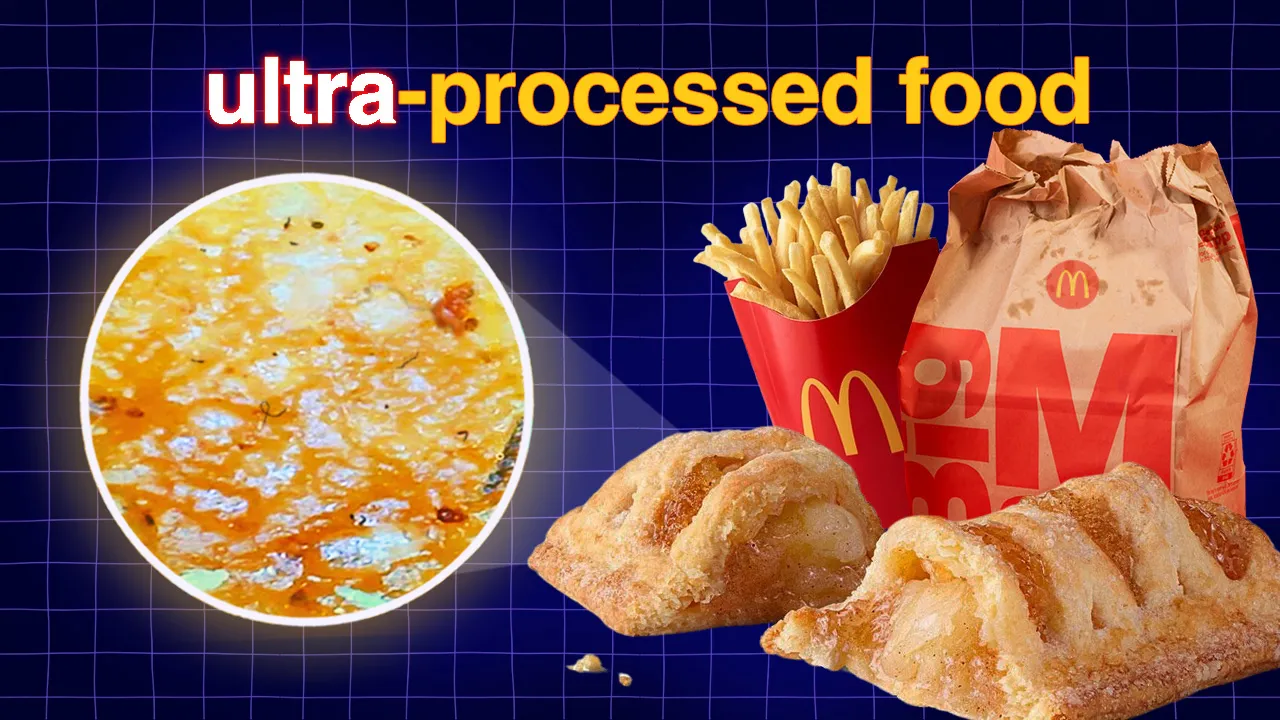
The Health Risks of Ultra-Processed Foods and How to Avoid Them
@KianaDocherty
2.5M views•2024-03-04

Triumph of Orthodoxy Icon: Byzantine Art & History Explained
@BenCallan
2.1K views•2024-08-06

FastAPI vs Flask vs Django: Choosing the Right Python Web Framework
@TechWithTim
302.5K views•2024-05-26

Game of Thrones Opening Credits: A Cinematic Analysis
@gameofthrones
46.3M views•2011-04-18
Related Study Plans & Knowledge Roadmaps
Structured learning paths in General & Interdisciplinary Studies