

![Mitochondria [ Cell -2 Part 2 ]- [ Histology ] - د/عبدالوهاب](https://i.ytimg.com/vi_webp/mn3Ld_dFyfk/sddefault.webp)












![REPLAY BIO[K+] SOX B2 | Cadena respiratoria, estrés oxidativo y vía de las pentosas](https://i.ytimg.com/vi/-B1zjQ6Q5rY/hqdefault.jpg)



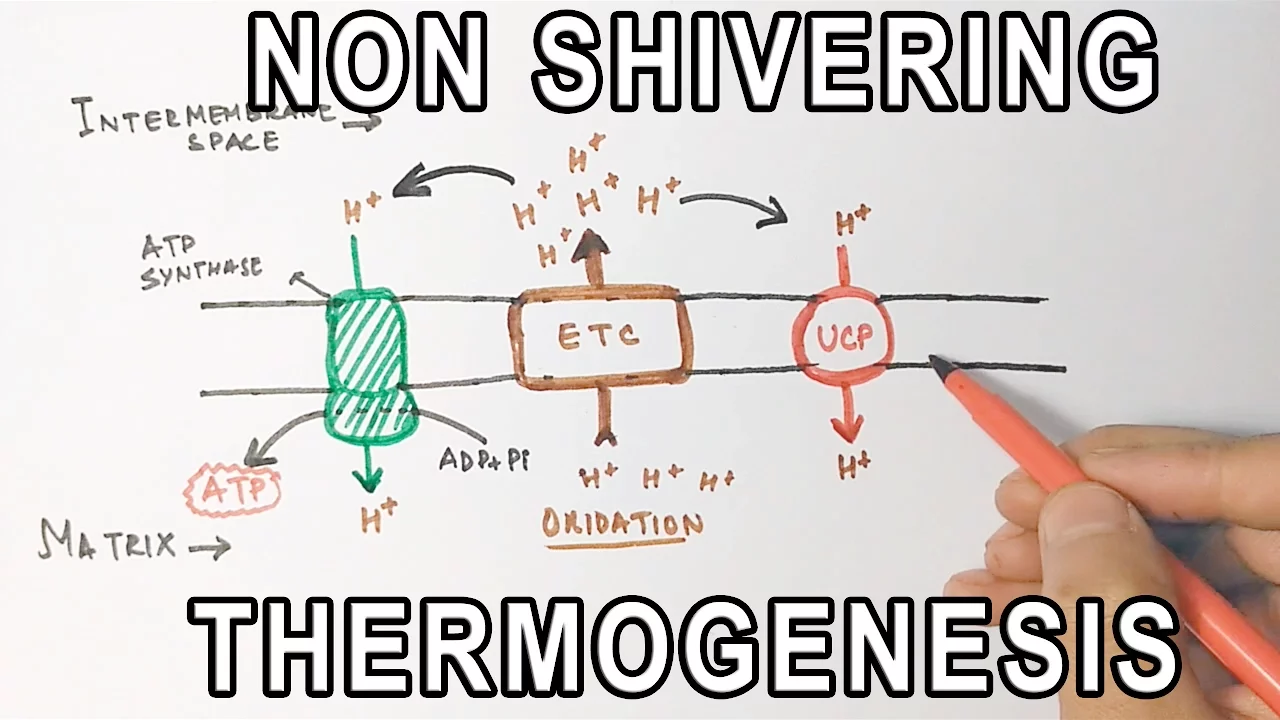
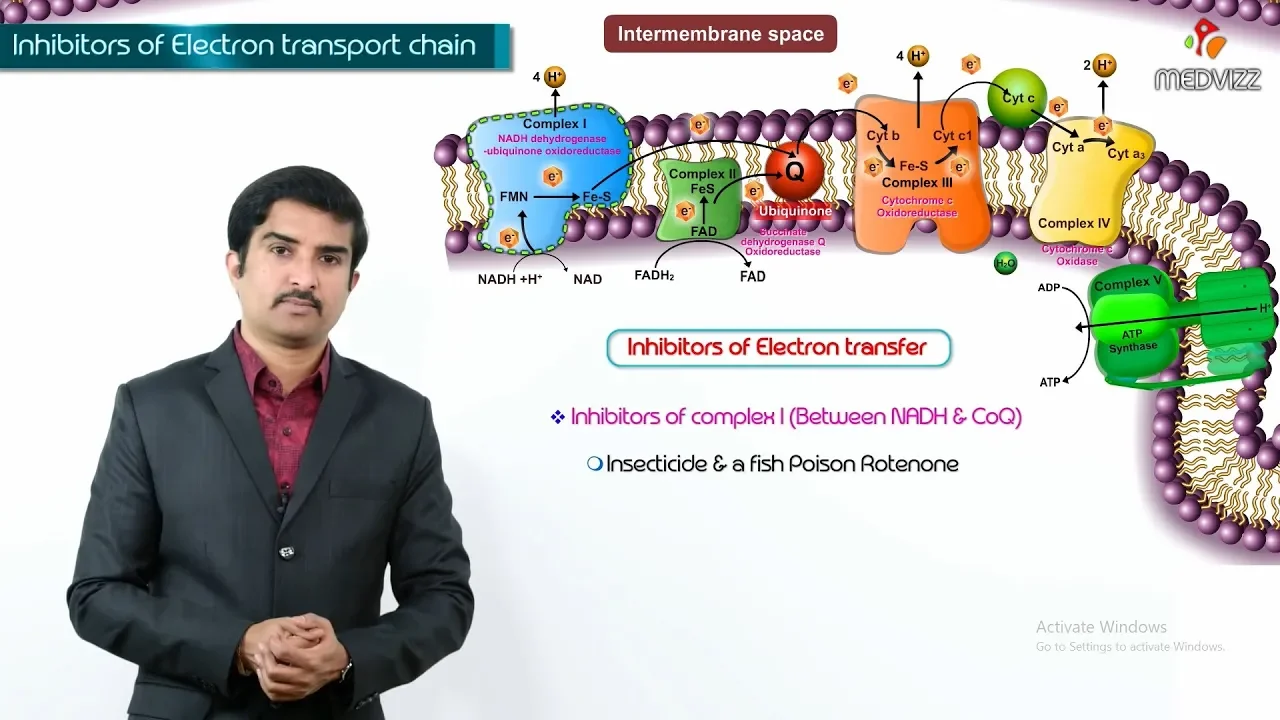
ATP synthase (F1Fo ATP synthase) is a membrane-bound enzyme complex consisting of two domains: the Fo domain embedded in the mitochondrial membrane that translocates protons from the intermembrane space to the matrix, and the F1 domain containing three alternating alpha-beta subunits where ATP is synthesized through rotational catalysis. The Fo domain contains multiple C subunits (typically 8-10 depending on species) that rotate as protons translocate through them, driving the central gamma shaft which contacts different beta subunits in sequence. Each beta subunit cycles through three conformations (Tight, Loose, Open) to catalyze ATP synthesis, with one full rotation producing approximately 3 ATP molecules. The P:O ratio represents the number of ATP molecules produced per oxygen molecule reduced during oxidative phosphorylation; starting from NADH yields a P:O ratio of approximately 3.7 (requiring about 2.7 protons per ATP), while starting from FADH2 yields approximately 2.2 due to fewer protons pumped by complex II.
ATP Synthase Mechanism & P:O Ratio | Oxidative Phosphorylation
Added:hello and welcome to our final lesson on chapter 15 oxidative phosphorilation we'll be looking at ATP synthes and the p ratio ATP synthes is also called the F F1 ATP synthes notice this is fo not F0 o because it's sensitive to aligo this is the portion the fo domain that's actually embedded in the mitochondrial membrane this is the portion of the protein that actually translocates protons from the inner membrane space to The Matrix side the F1 domain is the portion that kind of looks like a lollipop and that's where we're actually going to make ATP as mentioned in the last lesson it's sometimes called complex 5 because it's so tightly coupled to electron transport and of course our last component in that chain is complex 4 it was Ephraim racker who first purified and identified the function of the F1 domain it was John Walker who shared the Nobel Prize in chemistry in 1997 through his work in helping to solve the ATP synthe structure and here's a more detailed representation of that structure here so here's our mitochondrial membrane here's the pide where we're accumulating protons and we're going to translocate those back into the Matrix the inside here's our f o cylinder as you can see it's composed of multiple C subunits identical in this case there are 10 though it does depend on the species and the nature of the ATP synthes as far as how many C subunits it contains it's this portion that rotates as Illustrated here one proton per C subunit and as it translocates that proton it rotates as you can see in The Black Arrow here it rotates in the counter clockwise Direction so this is the portion of the structure that's rotating here's our F1 portion as you can see composed of a trimer of diers that is Alpha Beta Alpha Beta Alpha Beta subunits and the two are connected that is fo and F1 through this Central shaft pictured here in green it's our gamma shaft it's more directly connected to an Epsilon subunit the important thing to keep in mind here is that it's the fo portion that rotates because the gamma shaft is connected to those C cylinders it rotates along with the c cylinders however the alpha beta subunits of F1 are fixed relative to the membrane because they're directly connected to these B subunits here's a top down view of the F1 portion from the inside a ribbon diagram and you can see these alternating Alpha Beta subunits it's actually the beta subunit that binds the nucleotide although the location uh which binds the nucleotides pretty close to the alpha subunit pretty close to that interface so here we have one beta subunit bound to ADP in yellow a separate B sub beta subunit bound to ATP and One beta subunit that's empty so clearly differing affinities for a ADP and ATP and yet these beta subunits are identical primary secondary and tertiary structure identical the only thing that's different is their confirmation and that has to do with their connection to that Central gamma shaft and that's pictured here in this green Helix so how does this work what was Paul Boyer who shared that Nobel Prize in 1997 because of his elucidation of this mechanism it's called rotational catalysis because it's the turn of that shaft that drives synthesis so remember it's the fo cylinder embedded in the membrane that translocates those protons as it does so the cylinder turns and along with it that gamma shaft remember that Alpha Beta core is fixed so as that shaft turns it contacts a different beta subunit and that's why the confirmation differ so three possible confirmations pictured on the right here our gamma shaft is pictured as this purple triangle here the the subunit that it is directly contacting it converts to the confirmation o or open where it has a low affinity for both ATP and ADP it's differently connected to the other beta subunits on one it converts it to a tight confirmation in which it's tight bound to ATP the other is in the L confirmation in which it's Loosely bound to the substrates let's see what happens as we translocate protons and rotate that gamma shaft counterclockwise as you can see it changes the beta subunit that was in the T confirmation to an O confirmation and it thereby releases ATP the one that was in the L confirmation changes to a t confirmation and that's what C izes the synthesis of ATP at the same time it changes the confirmation of the O beta subunit to L in which case it has a high affinity for substrates let's turn that gamma shaft one more time 120° again T becomes o and releases ATP o becomes L and binds substrates and L becomes T and makes a TP so as that gamma shaft makes one full rotation in that F1 domain it contacts each of those three beta subunits and each one in turn will make ATP so one full rotation three ATP molecules produced it takes about three protons to pump for each ATP that's made if we separate the F1 domain remember that's the portion that actually catalyzes the synthesis of ATP if we separate that from fo it actually catalyzes ATP hydrolysis but not too surprising when we consider that from a thermodynamic point of view hydrolysis is highly favored over synthesis so if there is no fo domain there's nothing to drive rotation of that gamma shaft we we're relying on the translocation of protons to find will give us the energy to make ATP if we can't translocate protons then we can't make ATP so the bottom line if is if there is no proton gradient we can't make ATP by this method so the electron transport system creates the proton gradient the ATP synthes uses it they're tightly coupled but not directly it's akin to what we saw in chapter n in the case of secondary active transport one transporter sets up the gradient another one uses it so in this case the electron transport system sets up the proton gradient and the ATP synthes uses it well how much ATP can we make in this way this is referred to as the p ratio the P has to do with the number of phosphor relations of ADP to make ATP and how does that relate to the number of oxygen molecules that got reduced in other words the number of electrons transferred so if we start with nadh and we transfer those electrons through complex one down to our final component down to our terminal acceptor oxygen in the process we move two electrons we Pump 10 protons and we've half reduced our oxygen molecule the mitochondrial ATP synthes has eight C subunits in its f domain and remember one proton is pumped or translocated through each of those C subunits so one full rotation means eight protons pumped and in that full rotation we've made three ATP molecules or 2.7 protons for 1 ATP so our po ratio in that case is slightly more than three in other words 10 protons pumped and it takes 2.7 protons to make 1 ATP so our po ratio is 3.7 however if we start with complex 2 we haven't used complex one and remember complex 2 does not pump protons so we're essentially starting at qh2 in that case then we only pump six protons when we half reduce oxygen so our po ratio is reduced to 2.2 this is another good lesson on if we pump were protons we get less energy we make less ATP you'll notice it's never a whole integer and that's because we pump an even number of protons but we make an odd number of atps the actual po ratio in the cell is slightly less than this because some of the proton gradient is dissipated by other processes this concludes our studies on chapter 15 oxidative phosphorilation our next chapter chapter 16 deals with the subject of photosynthesis and in our first video Lesson for chapter 16 we'll look first at the organel within which photosynthesis takes place we'll also look at some of the types of molecules that are involved in capturing sunlight
Up Next

Motor Proteins and ATP: Physics of Cellular Transport | Lecture 17
@illinoisncn
577 views•2013-10-25
Bacterial Communication: Quorum Sensing and Biofilm Formation Explained
@JHUAAP
12.6K views•2011-06-28

DNA Supercoiling & Topoisomerases Explained
@fundamentalsofbiochemistry9572
97.6K views•2014-06-12
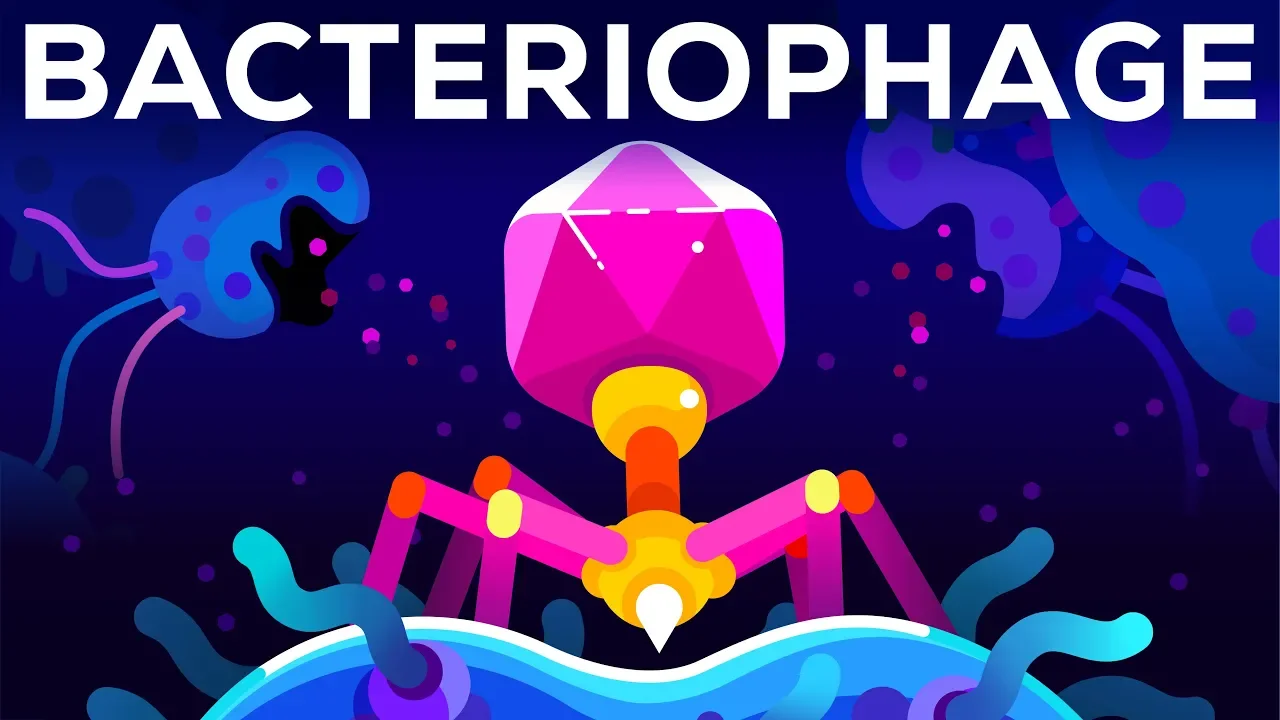
Bacteriophages: Earth's Deadliest Killers and Future Antibiotics
@kurzgesagt
34.6M views•2018-05-13
Related Study Plans & Knowledge Roadmaps
Structured learning paths in Biology