




![Europa - wytęż wzrok i znajdź życie [SOLARIS]](https://i.ytimg.com/vi/DRcYhqNheEM/maxresdefault.jpg)














![[수면다큐]⏳ 시간여행 – 과학이 말하는 진실은?|자기 전 틀어놓는 영상](https://i.ytimg.com/vi/hZXm9H6Od1g/maxresdefault.jpg)
NASA's Europa Clipper mission, launching in October 2024 and arriving at Jupiter's moon Europa in 2030, will investigate whether this icy moon harbors conditions suitable for life by examining its subsurface ocean through ten scientific instruments including cameras, spectrometers, and radar, building on evidence from Hubble Space Telescope observations of possible water plumes and Galileo spacecraft data showing Europa's magnetic field and tidal heating mechanisms that suggest a liquid water ocean beneath its icy crust.
Europa Clipper Mission: The Search for Life on Jupiter's Moon
Added:The concept of the 'habitable zone' and how astrobiologists define the essential ingredients for life: liquid water, an energy source, and key chemical elements.
The Jovian system and the Galilean moons, specifically Europa's position relative to Jupiter and its basic physical characteristics.
The physical mechanism of tidal heating, which explains how gravitational interactions keep Europa's interior warm enough to sustain a liquid ocean despite being far from the Sun.
Basic principles of robotic space exploration, including how scientific payloads (like radar, magnetometers, and spectrometers) gather data remotely.
The study of terrestrial analogs for ocean worlds, such as Earth's deep-sea hydrothermal vents and subglacial Antarctic lakes.
Advanced methods of biosignature detection, including how scientists analyze chemical and isotopic data to identify potential signs of alien life.
Comparative astrobiology of other icy ocean worlds in the solar system, such as Saturn's moons Enceladus and Titan.
The technological and engineering challenges of future surface-landing missions, including the proposed Europa Lander and ice-penetrating cryobots.
Planetary protection policies and the ethical and scientific protocols governing the prevention of biological contamination on other celestial bodies.
128.8K views8.8Klikes12:04Original Release: 2024-09-12
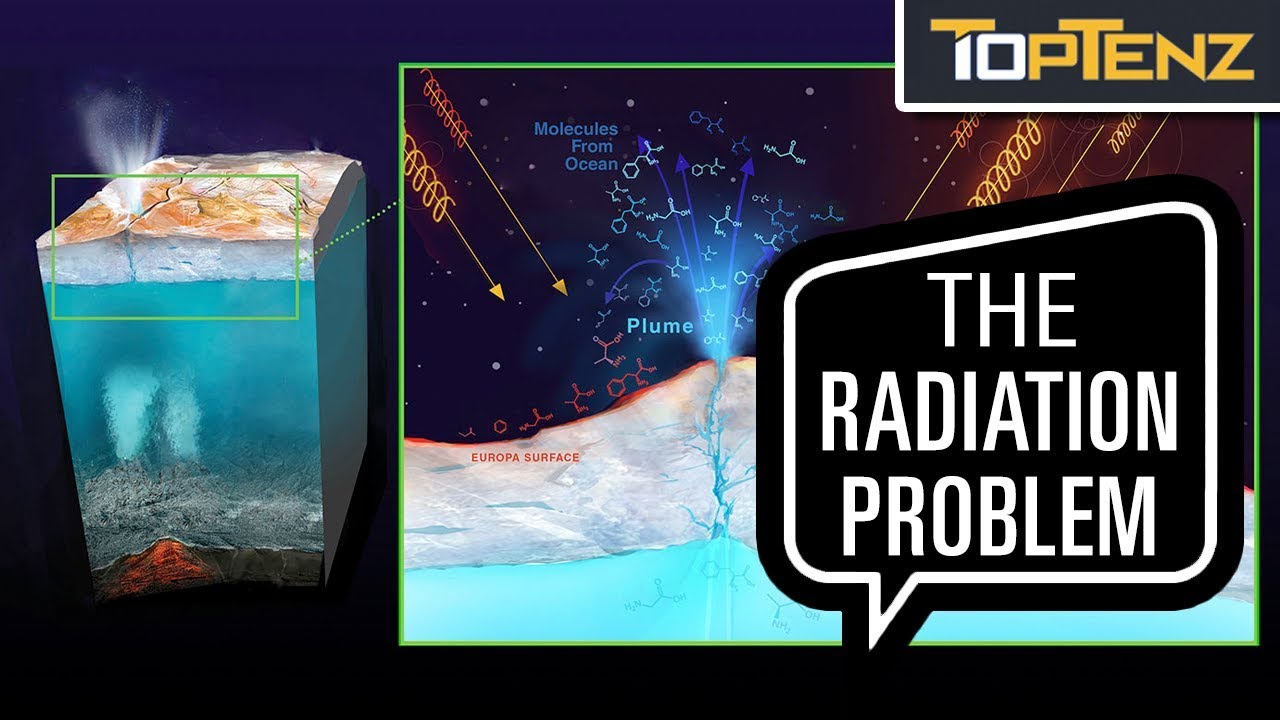
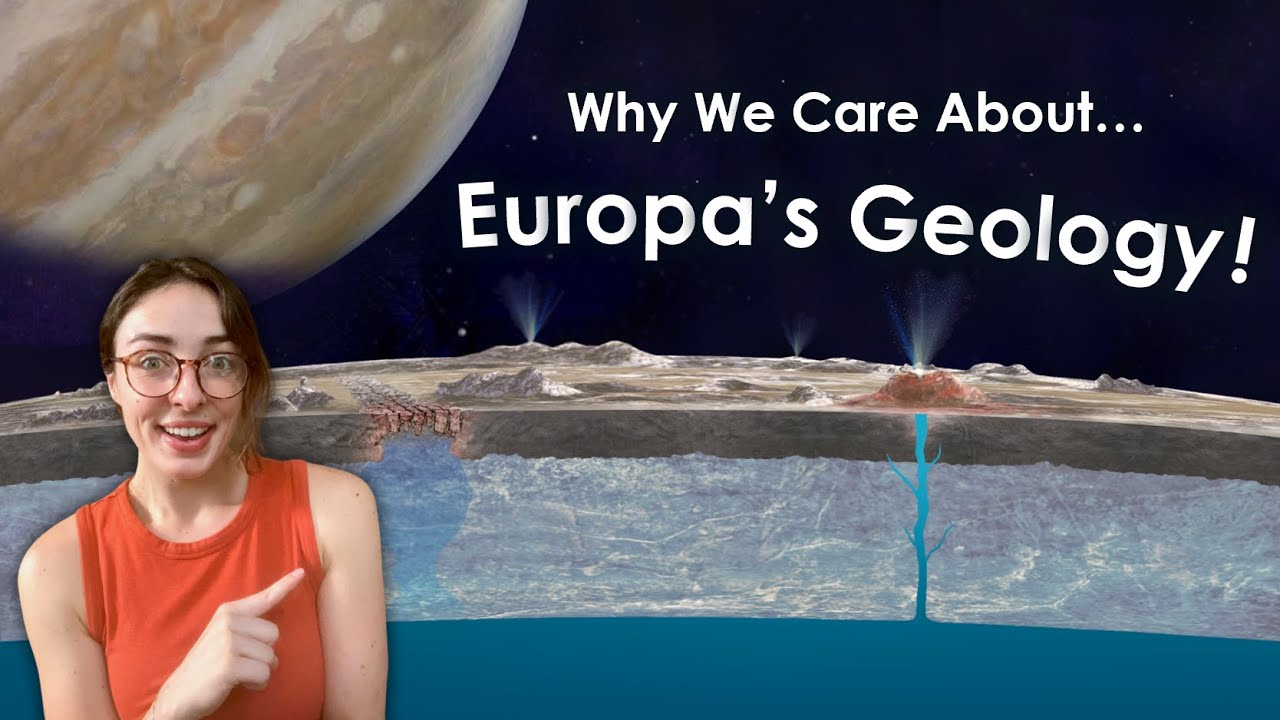
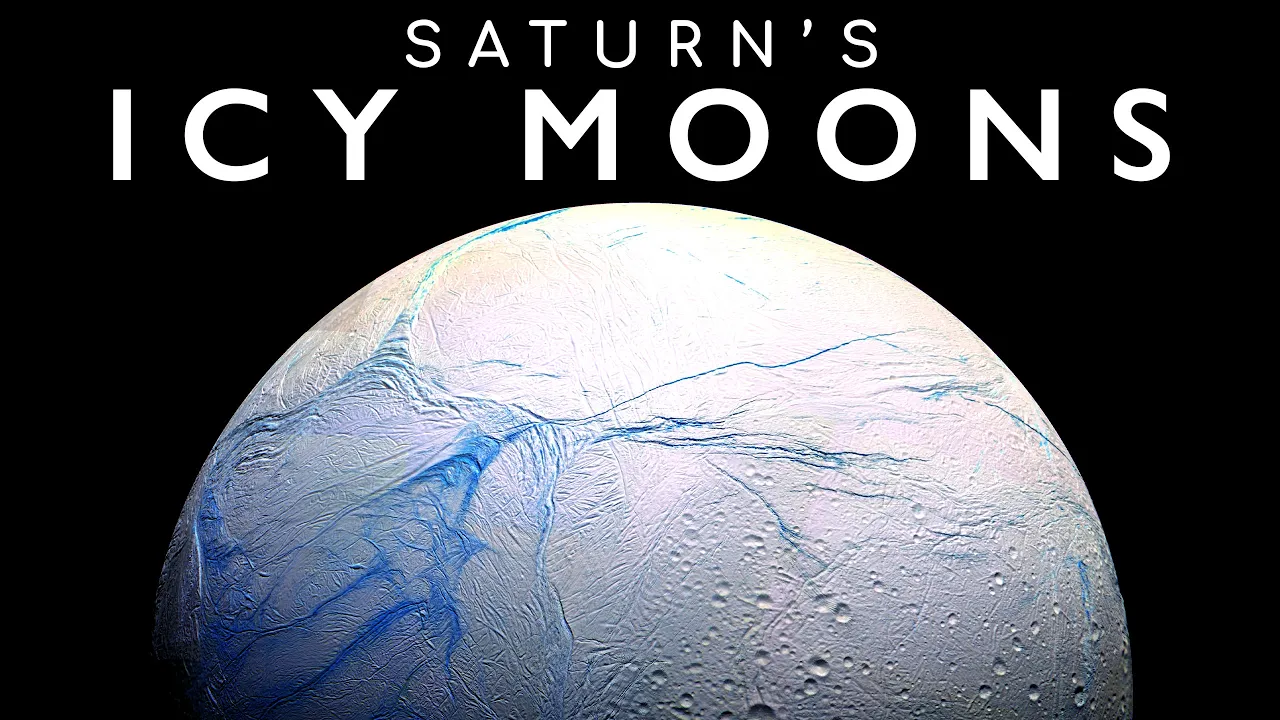
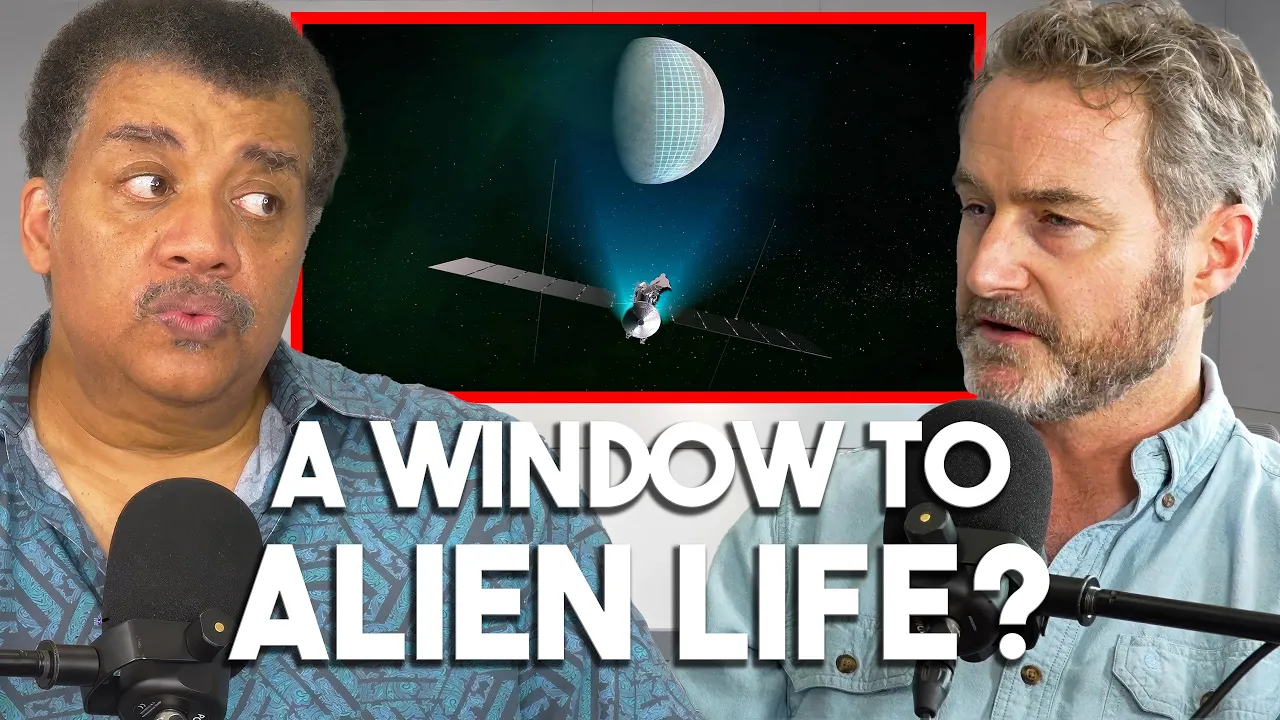
where are we most likely to find life in our solar system outside of Earth Mars Venus or maybe even Europa a moon of Jupiter the more we study the moons of the gas giants the more they surprise us with Saturn's moons and cadus and Titan turning out to look like pretty good candidates for finding life Enceladus even has plumes big geers coming from its poles suggesting there's a liquid water ocean beneath its icy crust the Cassini mission to Satan even flew through those plumes and found that the water contains the building blocks for life and with that Discovery there's now a lot of moons that are thought to have this outer icy crust with a liquid water ocean underneath them and one of those is Jupiter's moon Europa which is why NASA have decided to send the Europa Clipper Mission there to investigate and it's set to launch very soon in October 2024 but want arrive at the Jupiter system until 2030 now its main mission while it's there is to figure out if Eur is habitable to life or not and just to clarify when I talk about life we're talking about like very simple life like single cell life like bacteria things like that rather than saying you know is it habitable to humans but still that's why there's a lot of Buzz around this Mission so in this video we're going to dive in and chat first about what Europa is like and why we think it has a liquid Ocean second why NASA picked Europa over Saturn's moon Enceladus for example for this Mission and finally what experiments the Europa Clipper Mission will do to test whether Europa really is a habitable world where life can survive now you might not have heard of the Europa Clipper Mission before especially if you live outside of the US where it doesn't get as much coverage in the media and also when you see things like this in the news that are talking about the habitability of planets like Mars for example or one of Jupiter or Saturn's moons how do you know that that news is reliable take this story for example on how blasting glitter onto the surface of Mars could potentially make it more habit for Life the headline makes it sound so sci-fi but this new story is based on real scientific research thankfully with ground news I can see that this research had over 18 sources reporting on it from around the world but the majority were outside of the UK so I would have missed it with my usual news sources now I've been working with today's partner ground news for just over a year now and what I love about their platform is how easy it is to see for a given story whether the majority of sources covering a story are considered highly factual or not on top of that it's incredibly useful for spotting any potential biases in reporting so ground news gives you this handy bias comparison tool to help compare how Publications across the political Spectrum reported on the study's findings so I can really easily see how left leaning Publications tend to focus on the technical aspect of the Nano particle glitter method whereas Center leaning Publications tend to focus on the Practical challenges and broader implications their app and website was founded by a former aerospace engineer who used to work on missions for NASA you know that their NASA and their space news coverage is going to be excellent which means I'm able to discover stories that I otherwise would have missed which is one of the main reasons I continue to use ground news so I'm delighted that ground news continues to be a longtime supporter of me and my channel especially because they are completely subscriber funded so that allows them to stay free of all the potential biases that come with paid advertising online so head to ground. newsd Becky or scan the QR code on the screen for 40% off their top tier unlimited access Vantage plan to stay informed so thanks again to ground news for sponsoring the video and now let's get back to chatting about the Europa Clipper Mission and let's start with what's Europa like and why do we think it has a liquid water ocean under its crust so Europa is the sixth largest moon in the solar system after the other Galilean moons of Jupiter Saturn's moon Titan and our own moon at just a few hundred kilometers or so smaller it has the smoothest surface of any known object in the solar system so you think about Earth's surface right we've got these huge mountains and valleys and craters look at the Moon too right that's absolutely Pock marked with craters whereas you Opa surface is very smooth it has barely any creat impacts like all the other moons of the solar system meaning your ropa surface is fairly new right it's young it must have been renewed or replenished recently by something the surface is also crisscrossed with a network of cracks ridges and patterns of what's known as chaos terrain on the icy crust and the current best hypothesis to explain that is that the icy crust is floating on top of a subsurface ocean now add to that the Hubble Space Telescope back in 2014 appeared to image what looked like plumes erupting from the surface of Europa like what we saw on Enceladus now with Enceladus we had Voyager and canini Reporting on the plume's existence from very closeup whereas elow Space Telescope is in orbit around Earth right so the evidence is a bit weaker but you can see at the 7:00 position here in this image there is possibly something there and just for clarity stake here Nas like superimposed on top the image of Europa from the Voyager probe when it flew by in the ' 80s just to give you a sense of scale of these plumes with that scale you can then actually work out okay if these are plumes that the Hub Space Telescope has detected then how far do they actually rise above europa's surface you work out it's around about 160 km or so and the idea is that that is then falling back down onto the surface of Europa that's what's renewing and replenishing the surface and keeping it looking so young but it's not just this tentative plume detection that we have to support this idea that is a liquid water ocean under europa's crust in the '90s the Galileo spacecraft showed that Europa has a magnetic field how do you get a magnetic field well charged particles moving through Jupiter's much stronger magnetic field would definitely do it suggesting that there is a conductive salty liquid beneath the surface of Europa and to top it all off there's also the fact that Europa orbits Jupiter in a very squashed oval shape meaning that every 3 and a half days as Europa orbits Jupiter it comes much closer to Jupiter experiencing much stronger pull due to gravity and then moves further away again again lessening that P you to gravity Jupiter is so much bigger than Europa that its gravity is actually strong enough to deform europa's shape as it does this this constant flexing of its shape actually heats the interior of Europa keeping anything that might be under the surface a liquid like a liquid ocean now all of this evidence that we have is technically indirect evidence and the plumes detection is very tentative unlike the ones that we have from Saturn's moon Enceladus which brings me to why NASA is sending this mission to Europa rather than Enceladus or any other Moon well there's a few reasons the first being that we've been studying Europa for longer than we have Enceladus so there's a much richer scientific knowledge base about Europa and that means there's more questions that we know to ask because of it so although we know Enceladus definitely has plumes and we've been able to do that direct sampling of the material in them with Cassini there's actually more that we know we can learn by going to Europa I'm sure we'd learn a lot Lo by going to Enceladus but quantifying what that actually is like in a pitch to NASA to get them to actually fund a mission to one of these moons of a gas giant is much easier with Europa than it is with Enceladus plus there's also the obvious answer of Europa is much closer than Enceladus and so emission to Europa benefits from shorter travel times less fuel requirements just making it less of an ask in terms of budget and Technologies essentially it's cheaper to go to Europe plus Issa the European Space Agency is also sending juice to the Jupiter system to study the other moons of Jupiter it's actually launched already but won't arrive until 2031 a year or so after Europa Clipper but it'll have different scientific instruments on board that will help complement what's on board Europa Clipper so we can just get a better understanding as a whole of the Jupiter system and the Galilean moons so with all that said what experiments will Europa Clipper do to actually test whether this is a habitable world or not well let's start with what instruments it's got on board because there's 10 that help it to achieve its scientific goals there's two cameras one for visible light images to capture high resolution images of the surface and then an infrared camera so like a thermal camera to work out like the temperature of the different regions perhaps if there's like a pocket that's warmer closer to the surface and we can work out okay what temperature is it and is it a liquid or not then there's two instruments for probing the magnetic field around Jupiter and these are going to work together to see how the magnetic field of Europa changes as it orbits jup juper this is also what NASA is going to use to confirm the existence of any liquid ocean under the surface of Europa along with measuring its depth and its solinity and the thickness of the ice crust around Europa too then it has an instrument for measuring the strength of gravity that Europa experiences as it orbits Jupiter and how europa's own gravitational field changes along that orbit around Jupiter which should help reveal its interior structure and again confirm if there is this subsurface ocean there it's also got a radar detector so radar is when you send out light waves usually radio wavelengths to bounce off objects and time how long it takes to come back so you can work out how far away they are so with this we can work out sort of like the surface elevations on your Roper like the altitude of various different features are but also the radar has been designed to be powerful enough to actually penetrate the icy surface and again confirm if there is a subsurface ocean there then it's got two spectrographs which split the light into a rainbow to look for the traces that atoms and molecules leave on the light reflected off the surface of Europa so we can work out what it's made from it's got one that does this in ultraviolet light which is good for detecting signatur from gases like water vapor for example again to confirm if there are plumes present and one that does this in infrared which is better at working out what the ices and salts on the surface of Europa are made from now both of those are going to do that from afar but Europa Clipper also has two more spectrometers which will do this with gases and particles collected from around Europa itself in a direct measurement of what's there and this is going to be crucial to work out if there are the building blocks for Life present on Europa especially if there are plumes that Europa Clipper can actually fly through and collect material from so the good news is that together all these instruments will give us a really good understanding of Europa and its potential to support life with them we can work out the thickness of the eyce shell and what it's made of and what any liquid ocean under the surface is made of if there is one plus all the chemical reactions that are going on on Europa and the energy sources that come from both Jupiter and Europa itself all of which are critical in working out if Europa is hosting life or not so with the launch imminent in October 2024 with the 3we launch window opening on the 10th everyone is excited to see this Mission finally launch towards the Jupiter system and Europa the bad news is that we're going to have to wait until the 2030s for Europa Clipper to actually make it to the Jupiter system into Europa and finally get an answer to that question of whether Europa is hosting life oh oh hello the Mew came with a big leap okay you can stay there if you want I'm sure everyone who's watching will be very amused by oh you want the ribbon and the ribbon's stuck in the book that's what you want isn't it hang on a minute anyone else's cat obsessed with the like page marking ribbon these are plumes that the whole Space Telescope is detected they seem to be rising what are you doing making such an noise in the '90s the Galileo spacecraft actually showed that Europa has a magnetic field yeah play with this on the floor it will make less noise yeah you jump down there we go the thickness of the ice crust around Europa too well at least you timed it right I'm going to start looking like a bond villain in my videos here pip if hi you on my knee wow hello okay you going to try and jump to the to the sofa okay just is mine ah claw tripod ah
Up Next

14:08
Neil deGrasse Tyson Explains the Sun: Size, Sunspots, Solar Flares
@StarTalk
271.5K views•2021-07-27
61:17
First Billion Years of the Universe with the Square Kilometre Array
@iaaudc
121 views•2022-05-26
16:40
JWST Finds Evidence for First Stars in Universe
@DrBecky
243.6K views•2024-04-04
6:10
Gamma-Ray Bursts: Cosmic Snipers Explained | Astronomy
@kurzgesagt
15M views•2016-07-31
Related Study Plans & Knowledge Roadmaps
Structured learning paths in Astronomy
astronomy
Reionization: Pop III Stars, IGM & 21cm Line
01Foundations of Cosmology & the Early Universe
02Population III Stars & Cosmic Dawn
03Physical Mechanisms of Reionization
+ 2 more learning modules
17h5 modules
Explore Roadmap
astronomy
Planetary Rings: Dynamics, Roche & Resonances
01Foundations of Gravity and Orbital Mechanics
02Tidal Forces and the Roche Limit
03Structure, Composition, and Collisions
+ 2 more learning modules
10h5 modules
Explore Roadmap
astronomy
Asteroseismology: Stellar Waves, Ages & Cores
01Foundations of Stellar Astrophysics & Wave Mechanics
02Stellar Oscillation Modes: P-modes and G-modes
03Mathematical Framework of Asteroseismology
+ 2 more learning modules
35h5 modules
Explore Roadmap
astronomy
Adaptive Optics: Physics, Engineering & Control
01Foundations of Wave Optics and Wavefronts
02Atmospheric Turbulence & Optical Distortion
03Wavefront Sensing Technologies
+ 3 more learning modules
35h6 modules
Explore Roadmap