


![Dans quoi l'Univers est-il en expansion ? [La FAQ de l'Univers]](https://i.ytimg.com/vi/_kO2kp9je5o/maxresdefault.jpg)





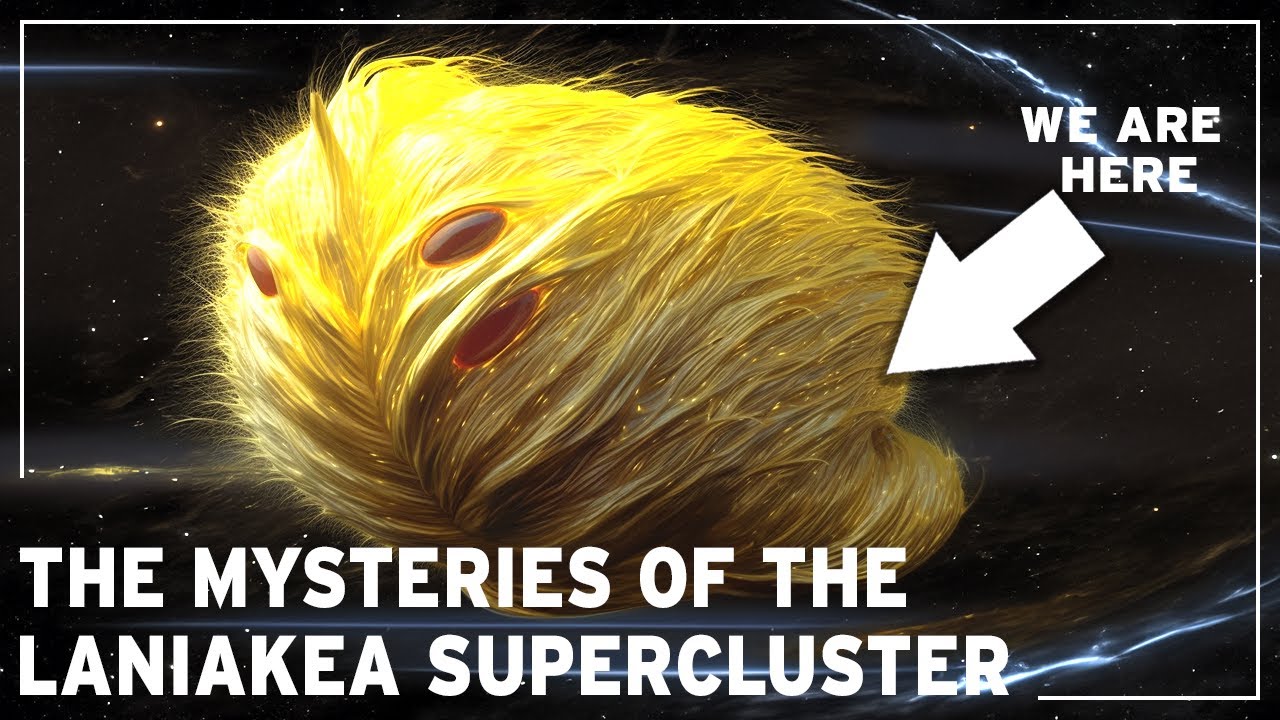


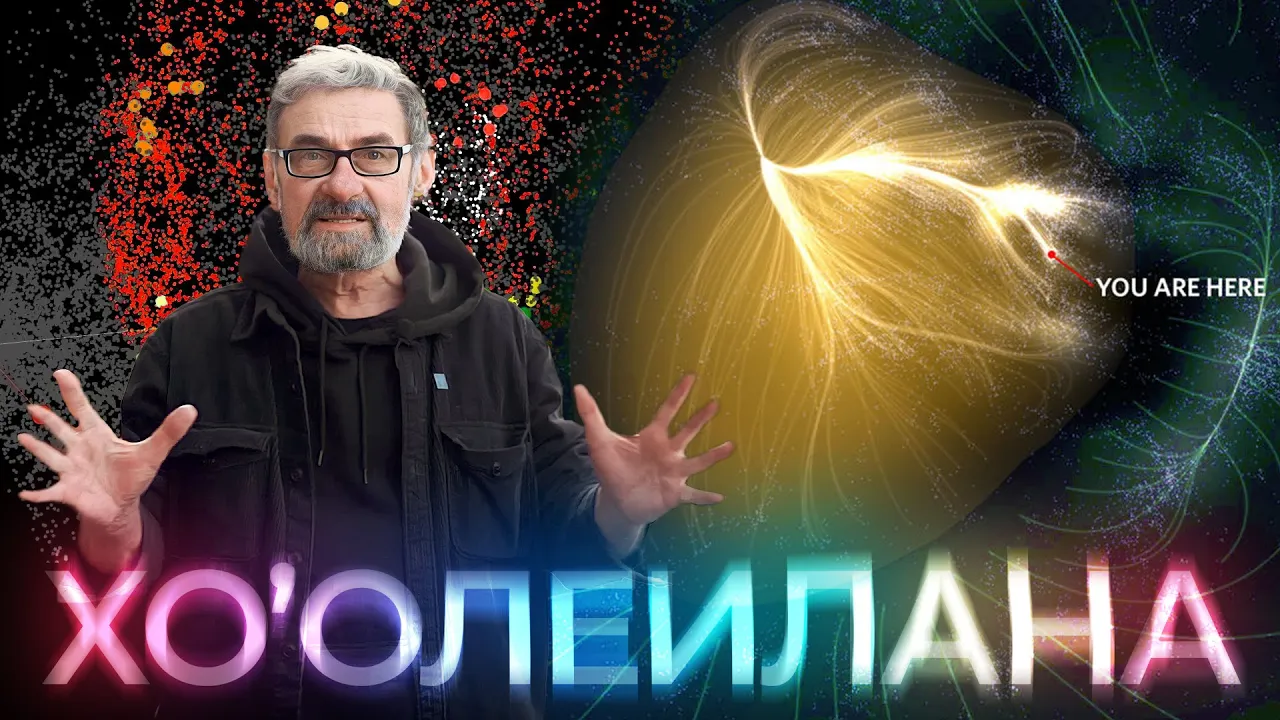

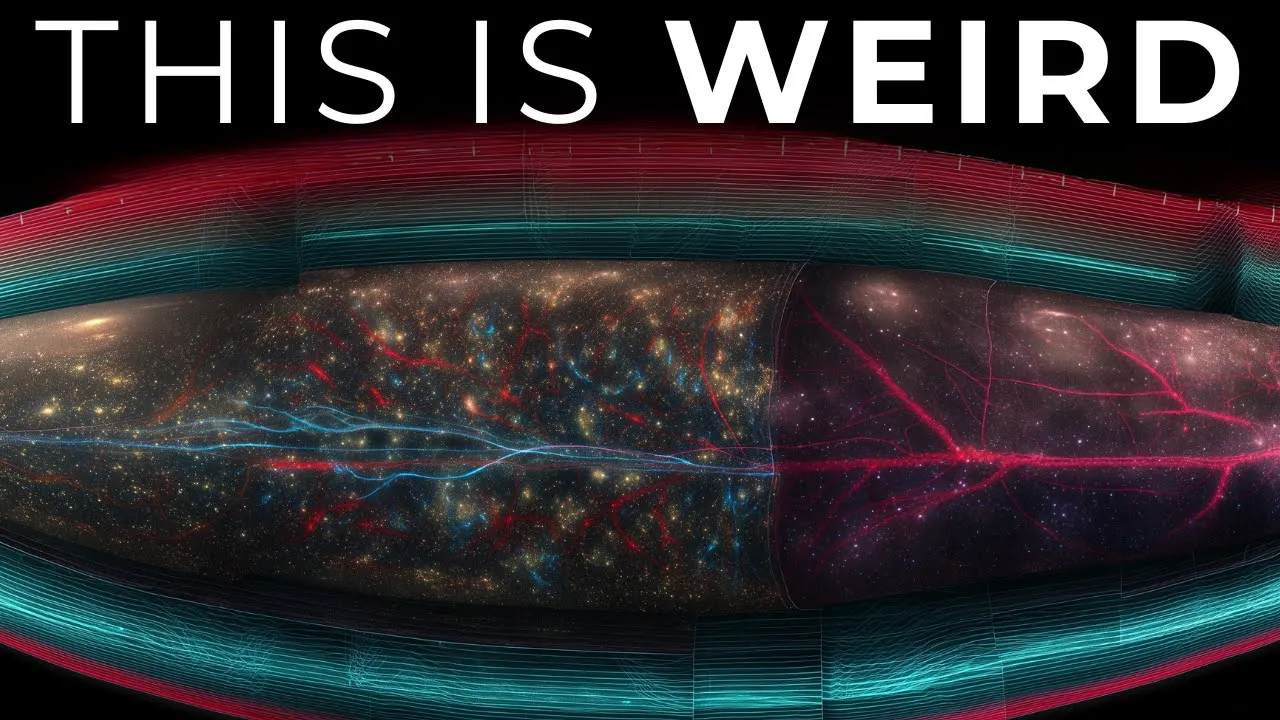



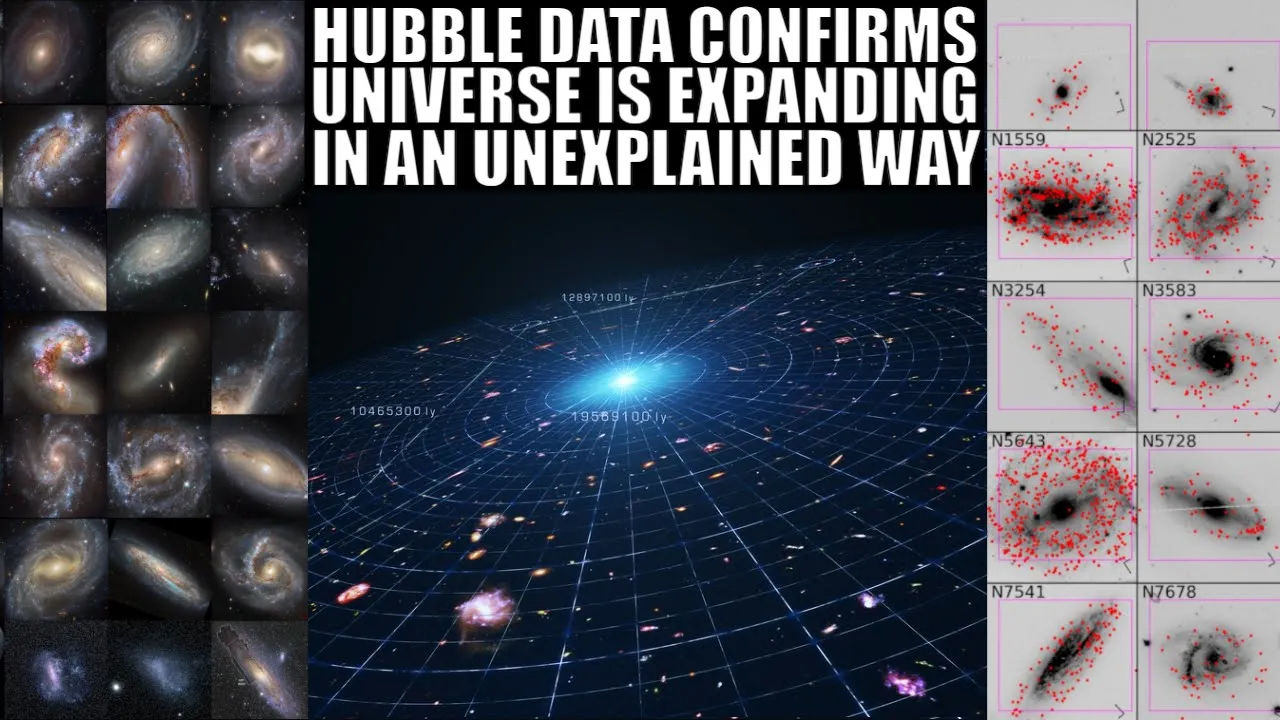






A new study by Giani et al. (2023) investigating the Laniakea supercluster of galaxies has made the 'crisis in cosmology' (Hubble tension) worse, not better. The research found that because the Milky Way is located in this dense supercluster of over 100,000 galaxies, the peculiar velocities (random motions) of galaxies within the cluster create systematic errors in measuring the Hubble constant—the rate at which the universe is expanding. When these peculiar motions are properly accounted for in calculations, the measured expansion rate increases by approximately 0.5 km/s/Mpc, making the discrepancy between the two main measurement methods even larger. This occurs because galaxies in the cluster have both the overall expansion-driven motion away from us plus additional random motions due to gravitational binding within the cluster, which affects distance measurements using standard candles like supernovae. The study highlights how our position within large-scale cosmic structures can introduce biases into cosmological measurements, and upcoming JWST data may help resolve this tension by providing more accurate distance measurements to nearby galaxies.
Laniakea Supercluster Worsens the Hubble Tension Crisis
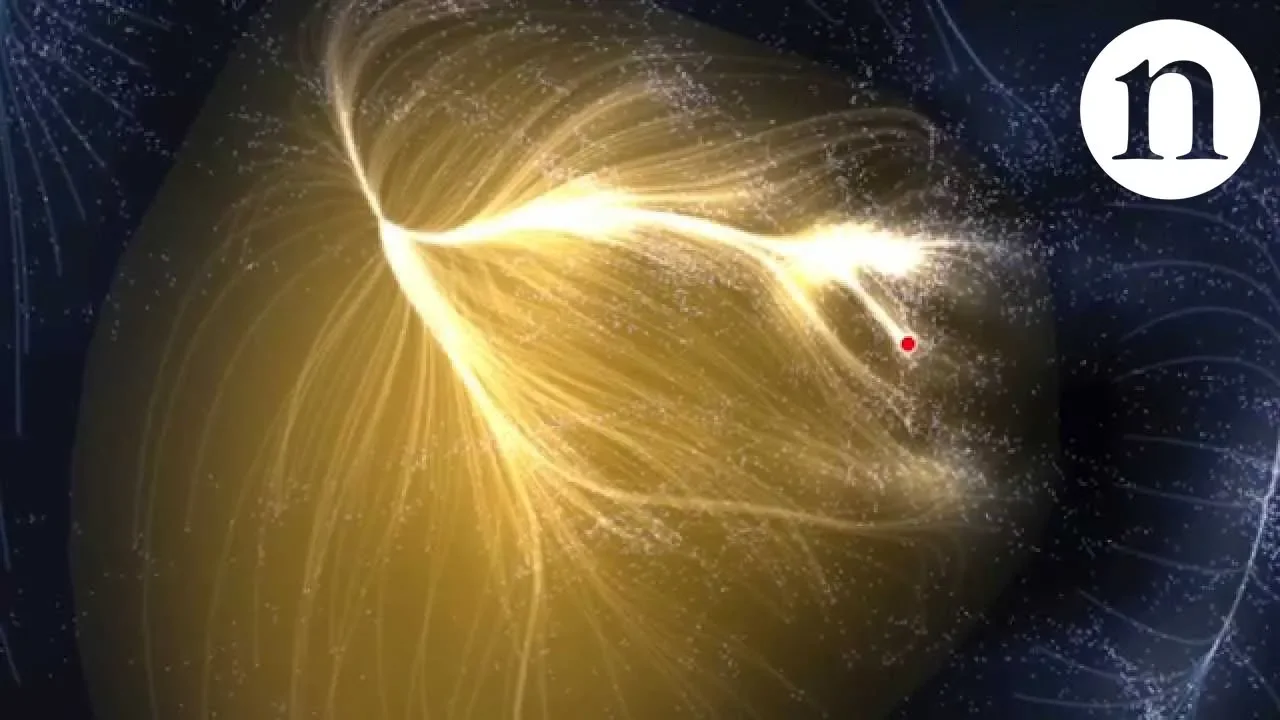
Added:this video is sponsored by brilliant the crisis in cosmology or the Hubble tension whatever you want to call it is the biggest problem in astrophysics right now and a new research paper came out this month from Giani and collaborators trying to help solve that problem but they just ended up making it worse now I've made a lot of videos on this channel about the crisis in cosmology before which I'll link below if you want more detail but a quick recap essentially this crisis is that we have two main ways of measuring the current expansion rate of the universe and therefore also the universe's age I.E how long it's been expanding for and as those two methods have gotten more precise in their measurements over the past couple of years they now no longer give us the same answer within the uncertainties on those values and they completely disagree with each other this number on the rate of expansion of the universe is called the Hubble constant hence Hubble tension one method uses observations of relatively nearby gy gxes in the universe around us and the other method fits a model to the cosmic microwave background the echo of light left over from when the universe was just 380,000 years old and essentially what this method does is it evolves a model from the cosmic microwave background through the entire history of the universe to try and give us what we see around us today and from that you get the expansion rate this is our best fit cosmological model of how the universe has evolved and it can explain a lot of observations that we've made but it doesn't give us the same rate of expansion as measured in observations of the nearby universe so obviously this problem has been the focus of a lot of research papers in the last decade too many to cover here but essentially what the conclusions boil down to is that this could be explained by two possible scenarios either there's something wrong with our best model of the universe that would be the most exciting option because it would mean brand new physics that we've never thought of and a whole brand new model of the universe and we could learn so much more the second option is that there's something wrong with our observations of the local Universe perhaps an observational bias or a bias in the way we're taking the data or something that we've just not taken into account a slightly more boring option but one we definitely have to investigate and it was this option that this paper by Giani and collaborators was investigating by studying the Lan AA super cluster of galaxies but they actually made this whole problem worse concluding that those two values should actually be further apart if you take into account the lania super cluster of galaxies when you calculate the expansion rate of the universe so in this video we're going to chat first about why ganian collaborators decided to investigate this super cluster Lan AA second what the corrections were to the expansion rate of the universe and why these results made the tension worse third some caveats to This research and their findings and then finally how new jwst data coming hopefully very soon might help solve this problem so let's start with the lania super cluster all right so one of the ideas for what could be causing the Hubble tension is if the Milky Way is in an underdense region of the universe so there are less galaxies there the normal there are more space between galaxies so you estimate the rate of expansion of the universe as fast than it actually is but giian collaborators point out that the Milky Way is actually in what's known as the lania super cluster of over a 100,000 galaxies first discovered in 2014 by Tully and collaborators when they determined that all of these galaxies were gravitationally bound together so if you have a Galaxy in a cluster then its motion through space is really going to be dominated by if there's a Galaxy nearby to it that's pulling on it due to gravity so as we look at those galaxies in a cluster from here on Earth yes there is going to be some overall motion away from us of like the whole cluster due to the fact that the space between us here on Earth and the galaxy in the cluster is expanding but the Galaxy is also going to be moving randomly on top of that motion that seems to be there because of the expansion just because of whatever Direction it's moving in the cluster and we call this peculiar motion or peculiar velocities now when a cluster of galaxies is really distant like the ones we've been seeing with Jade T recently then that random motion that peculiar motion is pretty much negligible compared to the apparent motion of the cluster away from us due to the expansion of space but when a Galaxy cluster is that much nearer to us then that peculiar motion does start to matter especially when you are also inside the cluster as is the case with the Milky Way and lania so Giani and collaborators set out to model Lanaya assuming its shape was roughly an ellipsoid so sort of like a kiwi in shape where you can cut it three ways and get three different shapes out because it has three different radial lengths along each of the three different axes and then from there you can then start modeling The Peculiar motions peculiar velocities of the galaxies within that cluster that's separate from their apparent velocities away from us due to the expansion of space and you can see this in this nice 3D plot here now areas color blue are where galaxies and the cluster have peculiar motions that are coming towards us and in red is where they have peculiar motions that move them away from us now that much of a difference in the velocities of these galaxies is a big deal because this is what we need to calculate the expansion rate of the universe which brings me to part two because how you measure the expansion rate in the local Universe anyway is You observe how fast galaxies appear to be moving away from you from how much the light is red shifted by so as the universe expands it stretches out the light waves and a longer light wave goes to redder colors hence red shift and then you work out the distance to that Galaxy using something known as a standard candle something like a supernova that goes off with the same brightness wherever it is in the universe so from how bright it appears you can then work out how far away is the Galaxy that that Supernova is in and you plot one against the other and you get this nice correlation between the two and the slope of that correlation is the expansion rate of the universe but if these velocities that we measure from the amount that the light's been red shifted are wrong because of all this peculiar motion these peculiar velocities in the cluster the slope will also be wrong and the rate that you measure will be wrong plus once you've got that slope that rate of expansion you can then use it to calibrate everything else so if you measure a Galaxy's red shift you then can use the slope to work out well how far away is it then but if your slope is wrong then the distance to those galaxies that you measure will also be wrong and if we think about it the Milky Way is in this cluster of galaxies so the other Galaxy members are going to be found across the entire sky in all Direction so it's not like it's going to affect just your measurements in One Direction in the universe it's going to affect everything across the entire sky so this plot shows you how wrong those distance measurements are if you don't take into account The Peculiar motions of galaxies in the super cluster on the X and Y AIS here are coordinates known as right Ascension and declination they're essentially like longitude and latitude in the sky and essentially the darker the color here the more wrong you are in your distance measurement but of course you can also work out how how do all of these peculiar motions of galaxies in the cluster affect the rate of expansion of the universe that you measure and Giani and collaborators with their 3D ellipsoid model were able to see a difference in the expansion rate along each axis of the cluster finding that the super cluster seems to be expanding along its longest axis but actually Contracting along the shortest so you can tell this is going to have a big impact and so to quantify this they actually took the data that had calculated that measurement of the rate of expansion that we saw before using Supernova in nearby galaxies and then recalculated it based on the fact that they know that the lanaka supercluster gives us these random peculiar motions and they found it would actually increase in value by 0.5 km per second per megap Parc taking it even further away from the estimate from the other method essentially they made the crisis in cosmology worse now of course like for any research project there's always some caveats first of all that ellipsoid shape that sort of kiwi like shape that ganian collaborators used to sort of model the lanaa super cluster is a vast oversimplification of the incredible complex structure that it actually is and of course Giani collaborators do address this point themselves in the paper stating that it's at least a first pass on this incredibly complex problem and with this oversimplification at least does allow them to put some numbers on this to get an idea of what the effect could be the second caveat is that there could actually be a void beyond the lanaka super cluster so a void is a really underdense region the exact opposite of a super cluster where you have barely any galaxies there therefore less gravitational interaction and therefore the expansion rate of the universe in that area will be larger than it actually is on average in the rest of the universe which means the rate that you measure from local observations will be higher than it actually is bringing that value down and then negating the effects that the L super cluster puts on the value that you measure there's a lot of people that have looked at this option over the years and Guan and collaborators point out that this could be a possibility one that they actually intend to study in a future piece of work so where does this leave us with the crisis in cosmology well for me it just makes me even more anxious to see the results from two new James face telescope studies that I know are coming very very soon that are aiming to tackle this problem one from Adam Reon collaborators looking into whether we're measuring the brightness of our standard candles wrong because we can't separate their light from other stars like it's an idea that's known as biased bright observations and we got our first hints of what J had found with just one Galaxy published in a study earlier this year by recent collaborators which I covered in a video on this channel which I'll link below and then secondly this study by fredman and collaborators which aims to use three independent methods to measure the distances to galaxies with jwst to work out if there is any observational bias that's been affecting either of those methods that's then following through into our estimates for the expansion rate of the universe those observations will have been taken by jdst already because they were scheduled for its first year of operations we are somehow already into JD's second year of observations where is time going seriously so we know those two bits of analysis should be published very soon and we'll hopefully know whether it really is the local observations of the universe that are causing this crisis in cosmology or if it's the first option and if so that would be really exciting because then there'd be a lot of like renew research efforts into brand new physics and a whole new model of the universe before we get to the bloopers would you like a fun and easy way to learn more about cosmology the study of how the universe came to be and evolve to look like what it does today because that might sound incredibly complex but the sponsor of this week's video brilliant helps to break down a topic like cosmology into manageable Parts with fun Interactive lessons that you can do at your own pace Interactive Learning has been shown to be six times more effective than passive learning like listening to lectures so brilliant really is one of the best ways to learn science maths data science and computer science with thousands of lessons from basic to Advanced topics whether you're a complete beginner or you're ready to write code for a quantum computer but I've really been loving their new course on how language learning models behind AI tools actually work you know the ones that help you write things with just a few words as a prompt so to try everything brilliant has to offer for free for 30 days head to brilliant.org Becky or you can click on that link in the video description down below and the first 200 of you that do are going to get 20% off brilliant's annual premium subscription so thank you so much to brilliant for supporting this Channel and now roll those bloopers why immediately when I've shut down does it feel like there's something in my eye to Work O spat everywhere the sort of like ellipsoid in shape which is kind of like a kiwi kiwi kiwi very cles to shiwi they're two very different things so I've left the curtains open today which is why you might have noticed that the light looks a little bit different maybe you didn't notice the thing maybe you did if you did and you either liked it or you didn't like it let me know down in the comments was this better worse I like a nice little light you know cozy let's chat about space kind of glow to the video but it just felt a bit too glowy last week you know so left the curtains open this time did you like it who knows whether anyone will have even noticed hble tension pushing down on meing down on you there's a crisis tension
Up Next

Understanding the Bortle Scale: Dark Sky Classifications Explained (2025 Guide)
@smalloptics753
17.6K views•2022-11-17
First Billion Years of the Universe with the Square Kilometre Array
@iaaudc
121 views•2022-05-26
JWST Finds Evidence for First Stars in Universe
@DrBecky
243.6K views•2024-04-04
Gamma-Ray Bursts: Cosmic Snipers Explained | Astronomy
@kurzgesagt
15M views•2016-07-31
Related Study Plans & Knowledge Roadmaps
Structured learning paths in Astronomy