










![[공무원행정학, JW김종욱행정사-공무원징계 및 소청심사, 행정심판, 출입국 전문] 제9강 - 총론 : 정부규제](https://i.ytimg.com/vi/vne2pGeAJ7E/maxresdefault.jpg)












Government-subsidized welfare programs and private sector involvement create perverse incentives that keep people in poverty; when taxpayer money flows through private companies contracted to run social programs, those companies maximize profits by charging higher fees, reducing services, and creating dependency rather than helping people escape poverty, as seen in examples like earned income tax credit services, housing vouchers, Medicaid administration, and dialysis clinics that profit from keeping patients dependent rather than facilitating transplants.
How Poverty Persists: The Economics of Systemic Inequality
Added:The difference between income inequality (disparities in annual earnings) and wealth inequality (disparities in accumulated assets).
The fundamental concept of economic mobility, specifically how intergenerational mobility measures a person's ability to change their socioeconomic status relative to their parents.
The basic functions of government safety net programs (e.g., welfare, Medicaid) and how tax structures (progressive vs. regressive) impact different income brackets.
The principles of corporate incentives and microeconomic behavior, including how profit maximization can sometimes lead to market failures or negative externalities.
The study of 'regulatory capture,' exploring the mechanisms through which private industries influence government agencies to write laws in their favor.
Advanced policy interventions aimed at dismantling systemic barriers, such as Universal Basic Income (UBI), federal job guarantees, and progressive wealth taxes.
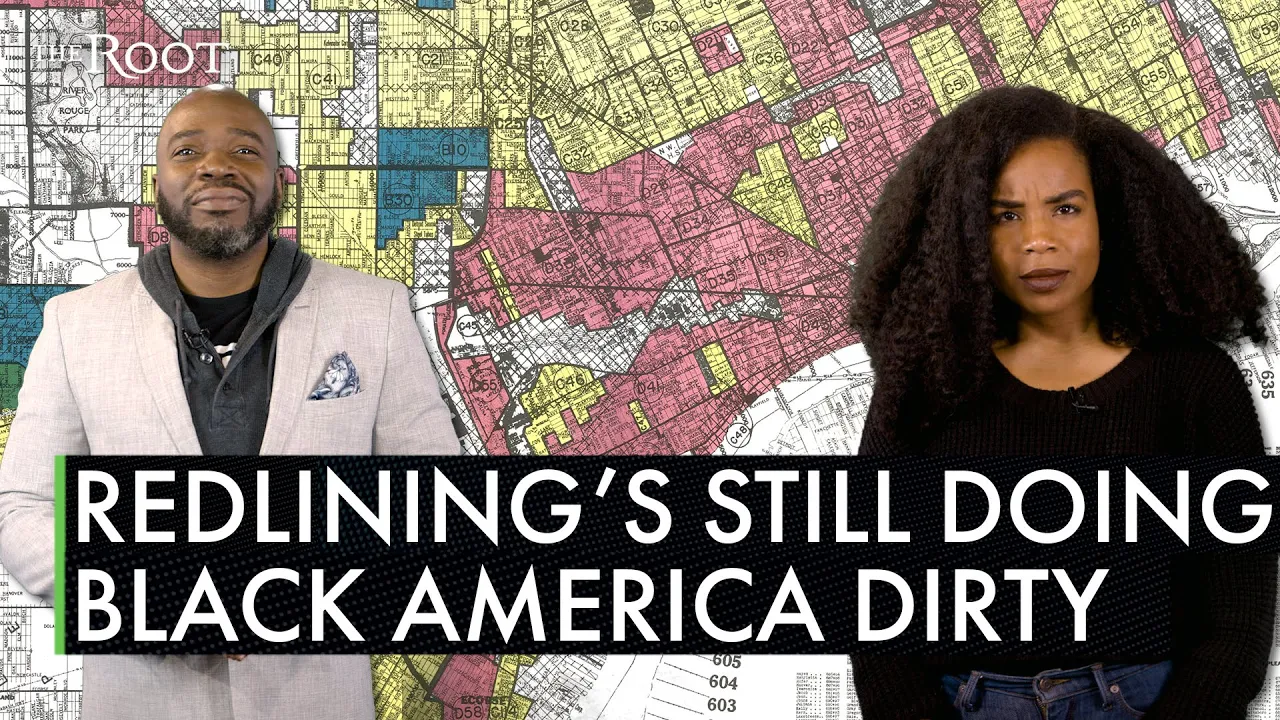
Spatial and geographical economics, focusing on how zip codes, historical redlining, and local property tax-funded school systems perpetuate generational poverty.
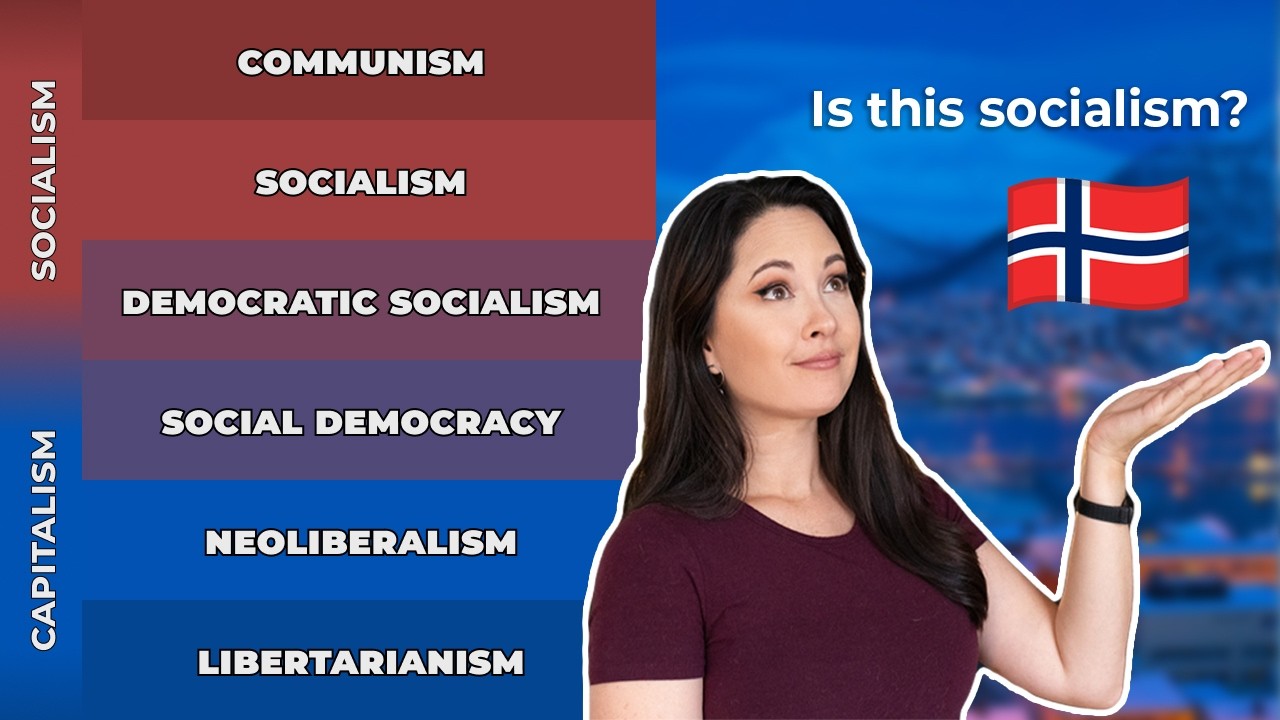
Comparative economic systems, analyzing how social democratic welfare states (e.g., the Nordic model) mitigate inequality compared to neoliberal market economies.
54.1K views3.6Klikes24:13Original Release: 2026-03-09
In America today, we have an active business model of keeping people in poverty because it is actually very profitable to keep people in poverty, just kind of barely scraping by. And the crazy part about this whole industry is that a lot of the money that these businesses make actually come directly from taxpayer dollars, which is very frustrating because these companies are making billions and billions of dollars off the backs of hardworking Americans and they're supposed to be helping people get out of poverty. And the problem is the system looks kind of like this. taxpayers pay into the system via taxes and then these companies that are contracted by the federal government get a large chunk of that money to go ahead and implement different services that are supposed to help people in need. So to understand how this works, we got to go back to the 1960s and back then the poverty rate in America was actually pretty high. It was over 20% who were living below the poverty line. So, the federal government kind of launched a war on poverty, so to speak. They introduced programs like Medicaid, Medicare, food stamps, and housing assistance. Prior to this time, none of these things actually existed. And here's the thing, at first, it actually worked. This actually did bring people out of poverty. For the first 20 years or so, it was pretty successful. But once you fast forward to the 1980s, things started to change. Government spending absolutely exploded during this time and the economy was struggling.
Then they start asking the question, what if the private sector could run these programs more efficiently than the government? Well, typically the private sector is more efficient than the government in the business world. The problem however is the private sector is motivated by profit, not by doing the greater good. So what ended up happening is the government increasingly started outsourcing a lot of these government programs to private companies. So then you had a system where taxpayers paid into the government, government paid to private contractors, and then that money went to people receiving benefits. And those contractors were supposed to make everything run better. But once profit enters the picture, all of the incentives suddenly start to change. One of the easiest places we can see this in action is the earned income tax credit, which is basically a tax refund designed to help lower income workers and families with kids. It can be worth up to several thousand per year. And it's supposed to be a simple sort of tax credit. You earn below a certain amount, you check a box on your tax return, and you receive the credit. But because doing your taxes in the United States is so complicated, you have companies that advertise tax services to lower income neighborhoods during tax season, and they promise to help you get their tax refunds quicker. Sometimes they offer refunds in advance or short-term loans while you're waiting for your tax refund. But the problem is those advances come with a lot of hidden fees, interest, and other costs. kind of like a payday loan. So, in the end, somebody who's supposed to get this, let's say, $4,000 tax credit, it ends up actually generating revenue for all these tax companies instead. And that's one of the first examples of the problem. Another example we can take a look at is housing assistance vouchers. Instead of building massive public housing complexes like some other countries do, here in the United States, we use housing vouchers.
And if someone qualifies, the government helps pay part of their rent, which is known as section 8. But that system creates some weird incentives. And because the landlord knows the government is helping cover the rent, in some cases, that leads to landlords charging significantly higher prices than the actual market rate. When you look at cities like Washington DC, for example, there have been situations where apartments that should be renting for around $1,600 a month are renting for $2500 a month or more under the voucher programs, which essentially means that taxpayers are subsidizing inflated rents while the landlords collect the extra income. Why there's no law against doing something like that, I have no idea. And then the next part of this equation is something you've probably never heard of, which is corporate welfare managers. These are companies that actually administer welfare programs for the government. One of the largest ones is called Maximus.
They handle things like Medicaid eligibility, welfare program administration, and processing benefits applications. Over the years, they've grown into a multi-billion dollar company. And the goal was efficiency like we talked about earlier. But if a company receives a fixed contract from the government to run a welfare program, their profit depends on reducing costs, which means fewer staff, longer wait times, and stricter eligibility decisions. And in some cases, states that have outsourced these services have seen major spikes in people being removed from programs or facing long delays getting their benefits approved.
And from a business point of view, this is good business, right? It cuts down the operating costs and improves the company's margins. But for people waiting for health care or assistance, those delays can have some serious consequences, as you can imagine. And today, I'm walking in Pride Park, right across from the Miami Beach Convention Center. And there's a lot of problems created around the healthc care aspect of things, too. Because for example, Medicaid reimbursements for dental work are relatively low. So a lot of dentists do not accept it, right? But some dental chains are actually built entirely around the business model of Medicaid patients, which means the more procedures that they perform, then the more reimbursements they receive. Sounds pretty good. But that creates another set of bad incentives, right? performing unnecessary procedures just to get the reimbursements. And this problem can be so prolific that there was actually a case of a dental chain that paid tens of millions of dollars in settlements after accusations that patients were receiving treatments that were not medically necessary. And this comes back to the incentives, right? If a system pays providers per procedure, there's pressure to increase the number of procedures because after all, this is how we're making their money. Same thing happens in the dialysis industry. And this is pretty sinister, guys. Take a look at this. When you have kidney failure, you need to have dialysis done on a regular basis, probably several times a week, just to stay alive. But the treatment is very expensive, and so the government heavily subsidizes it.
And like we've talked about before on this channel, anything that the government subsidizes will become more expensive. And this is no exception.
These dialysis companies are for-profit companies and they are also reimbursed per treatment. And that means every time somebody sits in the chair, the company receives a payment. And the problem is dialysis is supposed to be a temporary service you receive while you're waiting for a new kidney. But the transplant referrals can actually reduce revenue for these companies. So what do they do?
They don't give out so many referrals.
They don't want people getting new kidneys. It's more profitable to keep you sick and on the edge of your life in the chair instead. Investigations into this have now shown that for-profit dialysis clinics refer fewer patients for transplants than compared to nonprofit facilities, which once again highlights how these incentives can really backfire. So, you can see the theme here with a lot of these things are these are all programs that are designed to help people in need who are struggling in some way or another, right? whether it's with their health, with their finances or whatever. But because everything is rigged in such a way that the government heavily subsidizes these programs funded by taxpayers, then there are a lot of bad actors that can take full advantage of that money and overcharge for everything. Guys, that's the same reason that college tuition is so expensive.
College tuition was reasonably priced before the government started offering student loans. Housing was extremely affordable before we had the 30-year mortgage, which was backed by who? The federal government. So, you can see how every time they get involved in something and try to make things better, it actually makes things far worse. And then now everybody wants them to get involved with everything, right? People say, "I can't afford housing." They need to get involved. They need to find a way to make housing more affordable. I just talked about how these home equity investment companies are basically stealing people's home equity over many years by signing them up for these contracts that are advertised as no debt. People want the government to get involved in that and somehow regulate them out of existence. But haven't we already seen time and time again that these regulations actually just amplify the problem in some way or another or it fixes one problem and then three or four more new problems crop up. So the overall issue here is that when you have billions and billions of dollars in taxpayer money flowing through these private companies, naturally they are going to take as much of that as they can in profit, right? Which means less of it makes it to the people who actually need it the most. And then everybody who's in favor of, oh, I don't mind paying my property taxes or I don't mind, you know, seeing a tax increase so that way we can have all of these welfare programs and this and that. Just realize that most of that money never actually makes it to the people that need it the most because of all of these insidious incentives. These incentives ensure that most of that money is being squandered and going directly towards putting money in these corporations pockets. And funny enough, they don't have any regulations on how much money they can earn. Right? Out of all these regulations, they don't regulate the profits that these companies are allowed to make. My guess is probably because a lot of the people who are involved in these for-profit companies have very strong relationships with all the regulators and policy makers who come up with all these programs to begin with.
So they are all shaking each other's hands behind closed doors and everyone's making a killing from this while the people who need the money the most are suffering. And that's just the government side of problems. There's a whole another part of this we can look at which are how little corporations are paying people these days. In fact, there are 20 companies right now that are paying poverty wages, guys. And they are all very familiar brands that you have heard of. I'll throw up this chart here on the screen which shows all of these 20 major companies, okay? And the crazy thing is when you look at them, almost half of them have seen their pay actually drop substantially when you factor in inflation going back to 2019.
So, their wages at these companies are actively going down at companies like FedEx, Ross, Costco, Dollar Tree, AutoZone, Best Buy, Target, Chipotle, Tyson Foods, MGM Resorts, and the other half, you can see wages are going up when adjusted for inflation, but they're still at poverty levels. Companies like Amazon and Dollar General, O'Reilly Automotive and Home Depot and Lowe's are some of the better ones on this list, but it's still not good. And how we know that these companies are paying poverty wages is because of the amount of their employees who are on these very government assistance programs that we just talked about. 15 out of 20 of these companies pay median wages below the income threshold for Medicaid eligibility.
And 13 of the 20 pay wages low enough to qualify for food stamps. Walmart, for example, 29% of Walmart's employees in the state of Nevada are on Medicaid. And they have an estimated 468,000 Walmart employees nationwide who are on Medicaid. Amazon, it's actually even worse. They have 48% of their workers in the state of Nevada on Medicaid and an estimated 577,000 employees nationwide on that program.
Also, many of these employees cannot afford housing even with a full-time job. So, every single one of these 20 companies paid median wages below $59,600 a year, which is an income needed to afford the average US two-bedroom apartment. And that's why you have people working full-time jobs and need to work an extra full-time job or a part-time job on top of that just to be able to afford this stuff without any sort of government help. Guys, it is insane. And seven of these companies actually pay a median wage below $25,000 a year, which is roughly the price of a used car. And of course, the CEO pay is not going down. Those people have huge compensation packages. This is a similar situation we see with the insurance industry. I've highlighted this in the past, how insurance rates are at record highs as well as the CEO bonuses and profits that they make. Take a look at this chart here that shows you all of the CEOs and their pay. And it is just staggering, guys. Like, I'm not going to go through all the numbers, but you can see the highest one on this list here is CEO from Starbucks. They're making $95 million a year. CEO of Target's making 20 million a year. Lowe's CEO is making 20 million a year. Tyson Food CEO is making 22 million a year. Walmart CEOs making 27 million a year. I mean, how many of you out there would love to be earning that kind of money each year, guys? That is just staggering. I mean, I I couldn't even imagine like what do you even do when you have all this money?
You know, that's why you see the luxury sector of real estate thriving because you have guys like this that make so much money, they don't know what to do with it. They got to do something and a lot of them end up putting it into real estate because it's a safe, solid asset, you know, that they have something tangible that eventually ends up appreciating over time and then a lot of the rest of it makes it into the stock market. Also, with these 20 companies that are paying poverty wages right now, they also spent $260 billion buying back their own stock between 2019 and 2024.
And some of that money could have been used to increase wages for all their employees, increase benefits, something, right? Give some of it back to your employees. But no, we're going to do stock buybacks instead. And as long as this situation continues, you can rest assured that you're just going to see the gap between the rich and poor in this country continue to grow. Guys, it is built in to our business model and the way things are operated here. So, it is a guarantee that that situation is just going to continue to get worse over time. Then of course the problem is a lot of people who are poor who see all of this and are waking up to this they look at it and say well that's why we need to go to socialism or communism because clearly capitalism doesn't work.
But what really doesn't work is this fake form of capitalism that we have in this country where the government plays favors, right? And they subsidize these certain industries that they see fit and then these private companies get to make a killing off of those government subsidies while other businesses are not subsidized at all and have to earn their money the hard way. I think if we were a true capitalist society that nothing would be subsidized everything would be allocart guys. Anything you want it needs to be paid for by the person who wants it. That's it. There are no government subsidies. Every company has to earn profits the oldfashioned way and that's it.
But that's why so many employers these days are now offering a benefit which employees basically deem to be necessary these days which is taking paycheck advances. Okay. The latest in our financial crisis that we have going on is called earned wage access. More than seven million workers used it as of the 2022 figures and they accessed about 22 billion dollars in early wages that year and the number of transactions just between 2021 and 2022 grew by over 90%.
But basically what this is is these are services that different employers offer to their employees where they can access their paycheck money early. kind of like a payday loan, but something that's integrated directly with the company and your payroll system. One of these companies is called Daily Pay, and there's about 6 million eligible employees, and about 34% of workers had opted into the service. And keep in mind, guys, this data is already four years old. So, we are way behind the curve and I would imagine that once there's some sort of update on this that the numbers are much higher than they are or were back in 2022. So, what these companies do is it allows people to withdraw part of their paycheck before payday. And sometimes it's instant within the same day. And this is often marketed as an employee benefit. And it's actually become more popular than even having a 401k plan, which shows you the state of affairs right now and how poor people have become. It has now become normal for people to borrow from tomorrow in order to pay for today. And now that this is being marketed as a benefit from employers, this is a very dangerous thing people are getting themselves into. And a lot of times, unfortunately, it's out of necessity, guys. A lot of the same companies that offer this are on that list that pay poverty wages. So, they got everything figured out. Going back to what we said in the beginning of this video, everything is designed to keep people poor. These government help programs keep you poor. these big private companies pay just enough where you still qualify for a lot of these government programs essentially having the taxpayers subsidize the wages that these people are not earning at their jobs. So this also exposes that a lot of people just don't have the money to make it to the next paycheck. Like forget about living paycheck to paycheck. That would be an upgrade for people who are living on this system because that would mean at least you're having enough money come in each week from paycheck to paycheck to live. In this case, it's not enough where you need to borrow from next week's paycheck just to be able to survive. That's much worse. And it's said that employees lose about $300 per month on average to fees, penalties, and interest when using these services. And they even market these services as a way to avoid using payday loans, but this is essentially the same thing. Maybe the fees and interest rates are not quite as high as the payday loan companies, but it's still bad. And the companies who offer these services say that it actually helps increase employee retention. 90% of workers feel more positive about their employer if they do offer it. 76% say they feel more in control of their finances. and turnover drops by about 30%. And you can see how this cycle can get vicious very quickly.
You know, oh, I'm a few hundred short this week. Let me borrow it from next week. Next week comes, you get your paycheck, it's substantially lower because you already borrowed from it and you have to pay back that loan with interest and fees and now you're going to have to get in the cycle of doing it all over again. This quickly gets out of control, guys. And then you factor in other forms of debt like credit cards and buy now pay later, it's over. I mean, for doing this, about 90% of its users pay at least one fee. And the average annual fees paid is about $70 a year. And individual transaction fees range from 60 cents to almost five bucks. And actually, they encourage you to take smaller withdrawals, but more frequently, which increases the total fees that you pay. But it seems like, oh, I'm not borrowing that much. I'm only taking 50 bucks. I'm only taking a hundred bucks. So, it makes it seem like it's not so bad. But if you do it more often and you're paying more fees, then it ends up costing you more in the long run. Now, the good news is some banks are starting to offer this service for free, like Capital One, Region Bank, and Wells Fargo. They actually allow their customers to receive direct deposits up to 2 days early with no fees. But a lot of people still prefer these earned wage access programs because it allows ondemand withdrawals any time, not just a couple days before your direct deposit. That's another key sign that shows just how hard up for cash people really are. They prefer those programs because they can get the money anytime they want it or need it versus just waiting a couple days before getting paid. And just like the home equity investment companies, these ondemand withdrawal companies are starting to face lawsuits. Guys, there was a lawsuit from the New York Attorney General against Daily Pay, alleging deceptive lending practices, and several states are now introducing legislation to regulate earned wage access programs.
Congress is even trying to figure out whether these programs would count as loans or not. Well, of course they are.
Obviously, it's a loan. you're borrowing from your next paycheck. Shouldn't be that hard to determine if this is a loan. Clearly, it is. But of course, these companies have lobbyists that are pushing legislation that prevent these services from being classified as credit product. So, I'm telling you, man, everything is designed now to keep you poor. And you have to be aware of all of these things that I talked about because if you are even utilizing even one of these programs I talked about in this video, then there is a good chance that you are being held back financially in some way. And you might not have even known about it until right now. And that's really what this video is about, guys. Just about awareness, helping people understand how everyone's being taken advantage of and how a lot of our taxpayer money gets stolen. And also understanding when there's anything on your local ballot when it comes time for election to raise taxes for whatever reason, this isn't really going to work because doesn't matter how high they've raised taxes. Guys, if we paid 100% of the money that we earn in taxes and we live in a communist society, everybody would still be broke because they would keep promising and promising that all this money would go towards the better good and help everyone out. when in reality it would just continue to make you poorer as all the private corporations that suck up that money get richer and richer. Share this video with a friend who you think might need to know this stuff. And if you enjoyed this video, make sure you subscribe to the channel. If you don't want to wait for my next video to come out, check out this one on the screen right over here.
and I'll see you in the next
Up Next
88:33
Who Caused the Housing Crisis? | Jerusalem Demsas Explains
@TheAdamConover
118.1K views•2024-09-18

5:07
Impact of Yuan in Indo-Russian Trade Amid Sanctions
@WION
261.9K views•2022-07-01
10:33
Behavioral Economics Explained: Rationality, Nudges, and Risk
@crashcourse
1.1M views•2016-03-12

113:18
The Age of Easy Money: Fed & Inflation | Full Documentary
@frontline
21.2M views•2023-03-15
Related Study Plans & Knowledge Roadmaps
Structured learning paths in Economics
economics
Sovereign Debt: Defaults, IMF & Restructuring
01Introduction to Sovereign Debt & Government Bonds
02Debt Sustainability & Credit Ratings
03Anatomy and History of Debt Crises
+ 2 more learning modules
12h5 modules
Explore Roadmap
economics
Market Design: Matching Theory & Gale-Shapley
01Introduction to Market Design and Price-Free Markets
02Two-Sided Matching & The Gale-Shapley Algorithm
03School Choice Systems and Mechanism Design
+ 2 more learning modules
10h5 modules
Explore Roadmap
economics
Impossible Trinity: Forex, Capital & Policy
01Introduction to Monetary Policy and Central Banking
02Exchange Rates and International Capital Flows
03The Mundell-Fleming Model
+ 2 more learning modules
8h5 modules
Explore Roadmap
economics
Healthcare Economics: Market Failures & Systems
01Introduction to Healthcare Markets and Market Failure
02Asymmetric Information and Adverse Selection
03Moral Hazard and Insurance Design
+ 2 more learning modules
12h5 modules
Explore Roadmap