








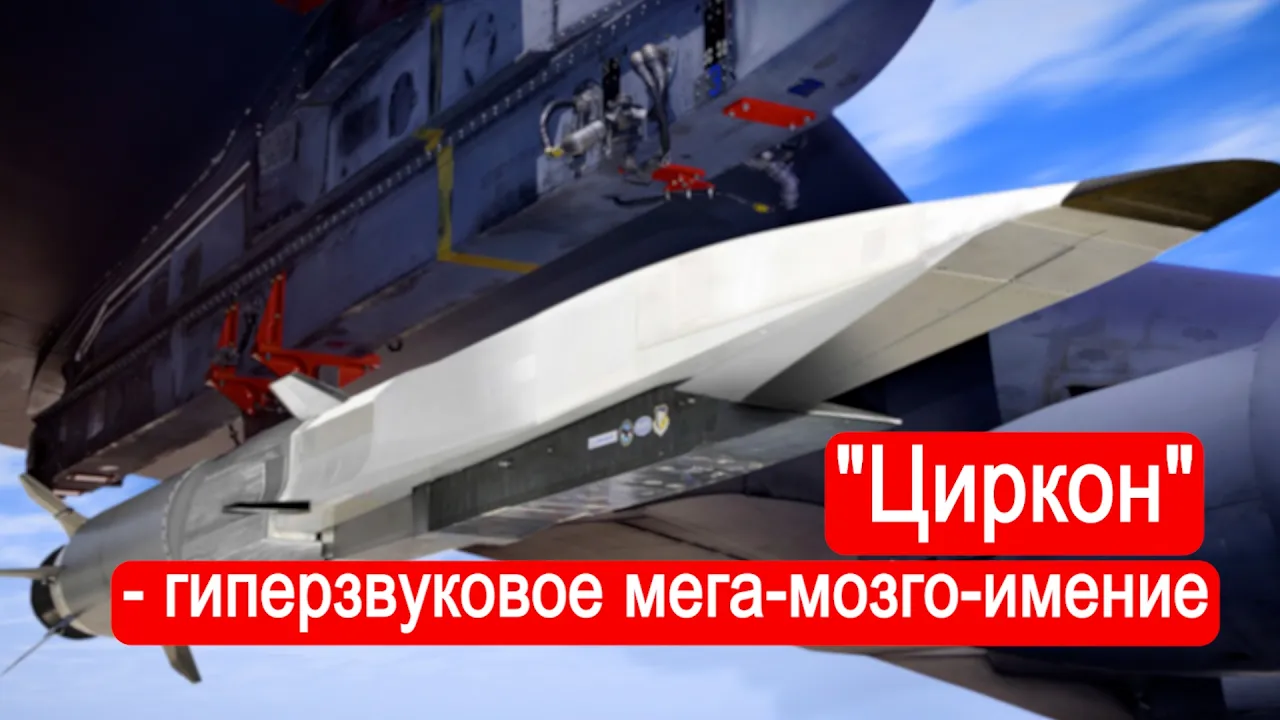



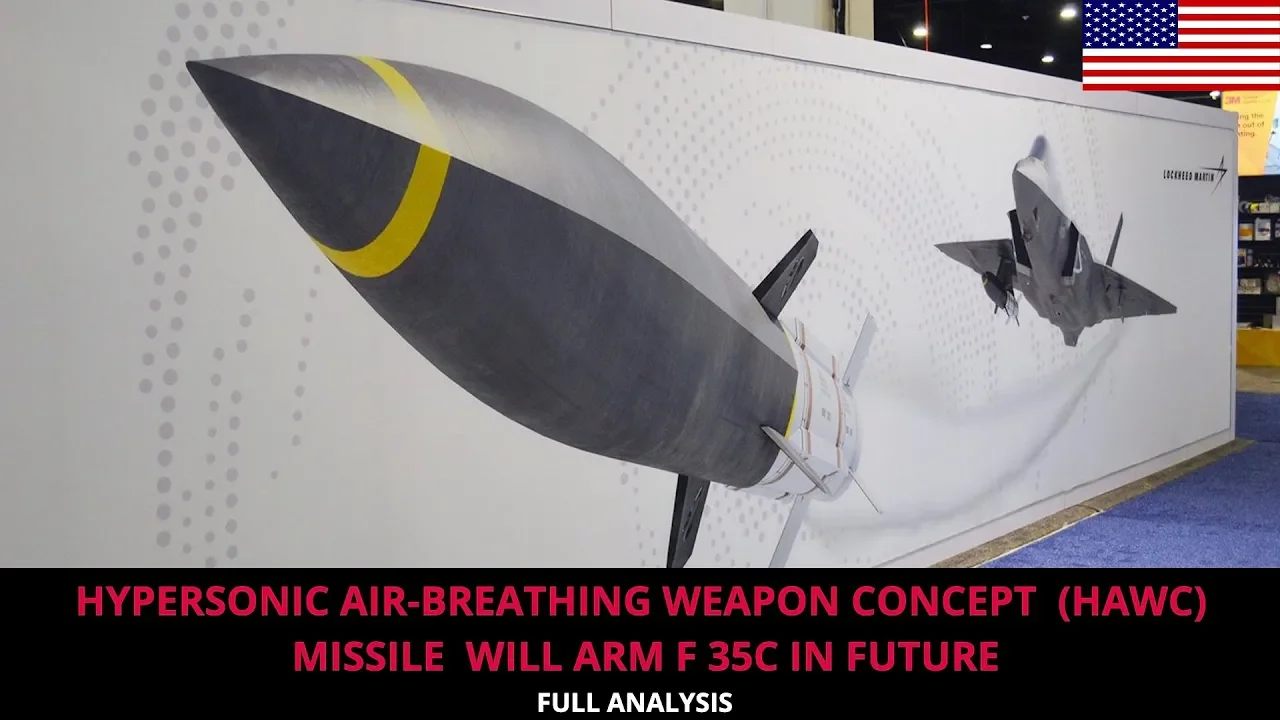










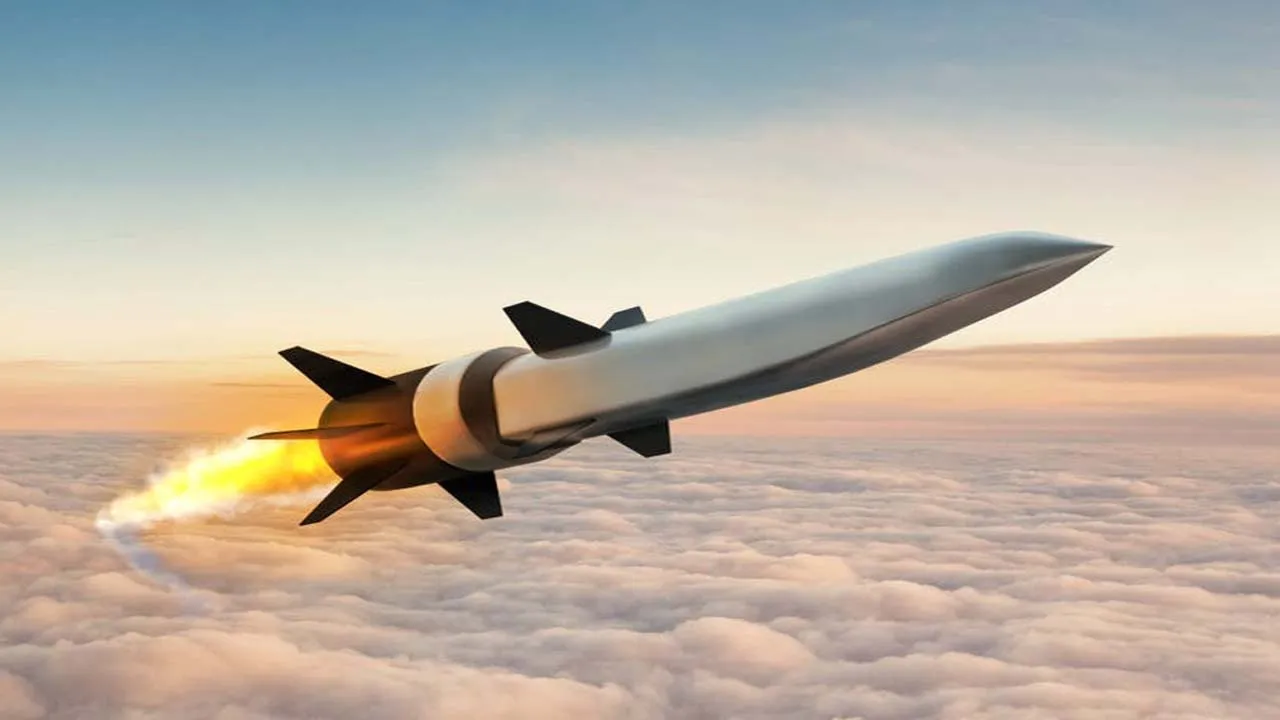






Hypersonic missiles, defined as weapons traveling at speeds above Mach 5 (approximately 6,000 km/h), represent a revolutionary advancement in military technology that challenges existing defense systems and strategic stability; unlike traditional ballistic missiles with predictable trajectories, hypersonic glide vehicles (HGVs) and scramjet-powered cruise missiles can maneuver unpredictably during flight, making interception extremely difficult and potentially destabilizing international relations by compressing decision-making timelines and encouraging preemptive strikes.
Hypersonic Missiles Explained: The New Nuclear Arms Race
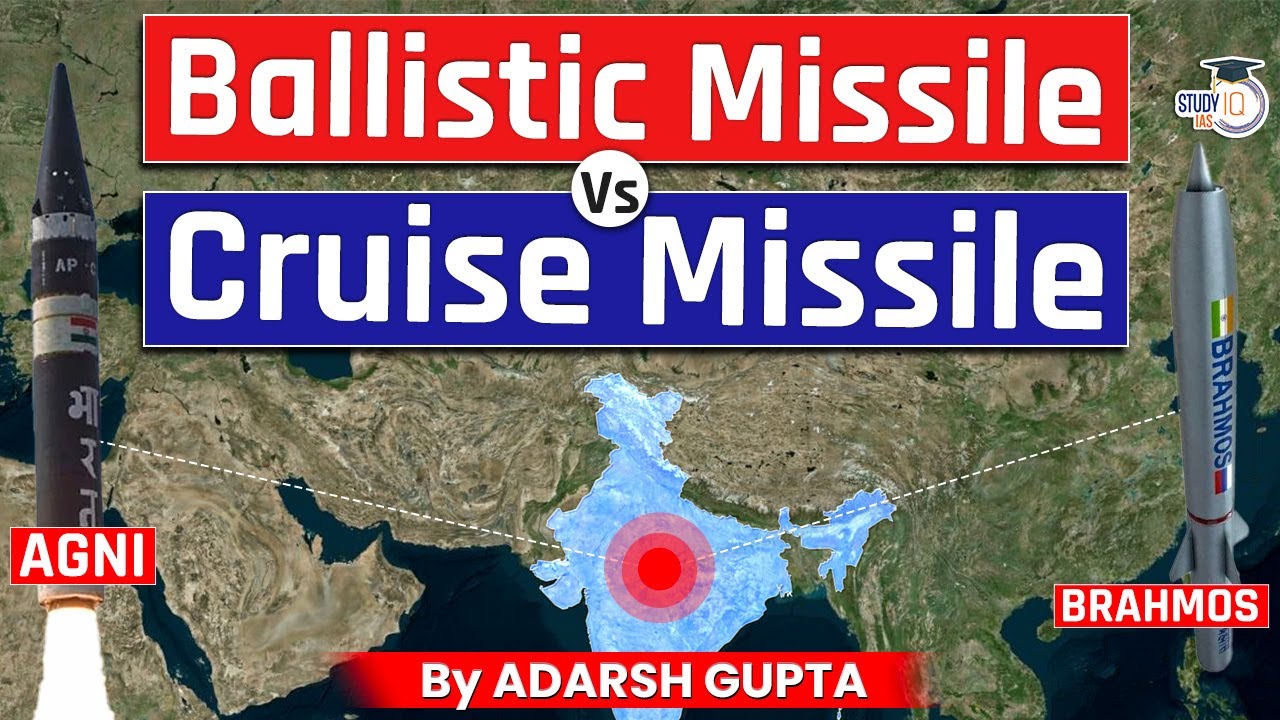
Added:The fundamental distinction between traditional ballistic missiles (parabolic trajectories) and cruise missiles (powered, atmospheric flight).
The concept of Mutually Assured Destruction (MAD) and the history of nuclear deterrence during and after the Cold War.
Basic aerodynamics and speed classifications, specifically defining 'hypersonic' speed as Mach 5 (five times the speed of sound) and above.
The mechanics and limitations of current global missile defense systems, such as radar detection thresholds and interceptor capabilities.
Advanced propulsion technologies driving hypersonic flight, such as scramjets (supersonic combustion ramjets) and rocket-boosted gliders.
The diplomatic challenges of international arms control, specifically how hypersonic weapons bypass existing non-proliferation treaties like New START.
Emerging counter-hypersonic defense technologies, including space-based tracking constellations and directed-energy weapons (lasers).
The specific geopolitical strategic doctrines of major powers (such as the US, China, and Russia) regarding 'Prompt Global Strike' capabilities.
484.7K views3.5Klikes12:24Original Release: 2022-05-27
picture this a weapon that's fast agile almost impossible to stop and it could be carrying a nuclear warhead that weapon already exists we don't know how to defend against hypersonic missiles people will become more trigger-happy there are no rules about who can have hypersonic missiles which means they're being made and refined at an astonishing rate so a three-way arms race could already be underway [Music] ever since the start of the nuclear age we've been living among weapons that could technically destroy the world several times over in the 1960s and 70s there were billions of dollars poured into nuclear and chemical ones at the peak of the cold war the us and the former soviet union had more than 60 000 nuclear warheads between them that number is now down to about 11 000 but to put that into perspective blowing up just 100 of those nuclear weapons would cause huge problems [Music] severe famine and exposing everyone on the planet to high levels of uv radiation one reason why that nuclear threat was and is still kept in check is this idea of mutually assured destruction basically any nuclear launch by russia would result in an immediate retaliation by the us causing catastrophic destruction to both nations but hypersonic missiles are upending that principle they're very difficult to defend against the most advanced air defense systems in the world just can't calculate the math fast enough to be able to intercept these weapons especially because they can maneuver that poses real strategic issues for missile defense describing something as hypersonic means it flies much faster than the speed of sound [Music] that speed is otherwise known as mach 1.
this is the distance you travel in seven minutes at the speed of sound about ten times more than you travel driving down a road at a hundred kilometres an hour commercial planes fly subsonically meaning slower than the speed of sound the concorde famously flew at mark 2 or twice the speed of sound anything above mach 5 or about 6 000 kilometres per hour is considered hypersonic now hypersonics have actually been around for decades in 1949 an american bumper rocket reached a speed of 2.3 kilometers per second that's about seven times the speed of sound several decades later nasa made a demo version of what it called a rocket plane which could theoretically fly eight times the speed of sound but the project was never finished in 2004 nasa successfully flew its hypersonic experimental vehicle or hyperx just below seven times the speed of sound pretty much all the intercontinental ballistic missiles in existence can also be considered hypersonic because they reach speeds above mark 5 but all of those examples could only travel at those speeds for short periods of time until now the technology that allows for sustained hypersonic flight is here hypersonic missile technology is not new intercontinental ballistic missiles have been around since the 1960s and they have part of their flight trajectory is hypersonic the difference with a intercontinental ballistic missile is that it follows a predictable path ballistic missiles are launched on a large rocket and fly on a predictable trajectory determined by gravity that takes them out into space and then back into the atmosphere again so let's compare that to hypersonic missiles they're launched on smaller rockets that keep them within the upper reaches of the atmosphere there they can maneuver around unpredictably and in the final few seconds of flight dive and strike a target that atmospheric sweet spot means they're only detected in the final stages of flight they're able to very quickly move side to side so they're they're more like the snitch in harry potter's quidditch game much more difficult to catch and predict the movement of right now there are two types of hypersonic missiles being developed the first a hypersonic glide vehicle or hgv relies on a rocket to boost it to a high altitude it then glides to its target along the upper atmosphere maneuvering along the way the second hypersonic cruise missiles these also travel at a lower altitude but the difference is they're powered by a high-speed jet engine called a scramjet this allows them to easily change course and be fired from more places like jets and submarines a scramjet is different to a normal aircraft engine because it doesn't have any turning blades or components inside it it's basically a big tube where you mix fuel and air together they burn and it provides forward propulsion just by the fact that the vehicle vehicle's moving so fast russia and china have made some serious inroads into hypersonic technology the df-17 a ballistic missile specifically designed to launch a hypersonic missile was on display during china's 2019 military parade and they tested two nuclear-capable hypersonic missiles which circled the globe in 2021 the kremlin says it's used what's called a kingshill hypersonic missile that means dagger in russian during the invasion of ukraine targeting an ammunition warehouse in the country's west u.s military intelligence has suggested russian forces have used them repeatedly since these attacks would mark the first ever use of hypersonic missiles in combat they're a kinzel hypersonic weapon that they used in ukraine twice now is really the 9k 720 iskander short-range ballistic missile that they started developing way back in 1988 so russia's hypersonic efforts aren't really all they're made out to be but china's very [Music] the two nations russia and china have openly said that their investments in hypersonic weapons are to counter american influence china's r d infrastructure is so robust that they really pose probably the most potent threat in the hypersonic arena and so what does the us do it's now racing to catch up we're behind in hypersonics we failed to deter russia last year what are you what do you mean we're behind in hypersonics but the us is committed to only developing conventional hypersonic weapons or non-nuclear weapons but a hypersonic nuclear weapon can be a hundred times less accurate than a conventionally armed weapon and still sort of accomplish the mission because of the relative size of its blast radius a conventional weapon is a much smaller boom so it has to be significantly more accurate and that's really sort of slowed the us's progress down the u.s department of defense has requested 4.7 billion us dollars for hypersonic weapons research and that's on top of the 3.8 billion they asked for last year and they've already done a few successful tests which means right now the us has two functional scramjet missile technology demonstrators no nation has a hypersonic scramjet powered missile in service so the us looks to be in the lead australia's in on this too we've been testing hypersonic flight at the warmer testing range in south australia since 2009. i'm very pleased to join two great friends of freedom and since then we've committed to the orcas agreement between australia the us and uk it says the orcas partners will work together to accelerate development of advanced hypersonic and counter hypersonic capabilities so what does this all mean well the big picture is that this could completely change modern warfare and diplomacy as we know it the fact that they're utterly indefensible at least as we know them right now really could make things a bit more complicated in the psychology of warfare it provides an opportunity for a first strike against another nation's government or weapons stockpile hypersonic weapons are so fast that there would be very little time between a launch being detected and leaders deciding whether to retaliate people will become more trigger-happy the compressed time frame to make a decision makes people much more likely to want to be the first strike as opposed to the second strike because you can't preserve your second strike capabilities if a country detects a hypersonic missile coming at it and suspects it could have a nuclear warhead on it it may immediately respond in kind by launching its own nuclear missiles and so some people have argued that hypersonic missiles do raise the risk of a nuclear exchange a u.n report concluded that countries could expand the conditions necessary for the use of nuclear weapons in response to the deployment of hypersonics the report said that these ramifications remain largely unexamined and almost wholly undiscussed so they're basically saying nuclear war could be inching closer and closer and no one is doing anything about it in fact the collapse of existing arms control agreements inherited from the cold war has made the whole situation worse we've got to really work hard on preventing deterrence breakdown revitalizing arms control adapting it to today's world and and then reinforcing and really having a very serious discussion about the future of the non-proliferation refugee regime and how we have to strengthen its weaknesses so without any barriers the development of hypersonic weapons technology is underway in europe japan india iran israel south korea brazil australia and apparently north korea once all these nations have these weapons in service the real race is going to become who's got the most capable weapons instead of just who has the fastest one report found there's probably less than a decade now to substantially hinder the proliferation of hypersonic missiles and their associated technologies in the time it's taken you to watch this video until this point even the slowest hypersonic missile could have traveled a thousand kilometers that's more than the distance between sydney and brisbane the single biggest risk of this technology is what it could do to destabilize geopolitics with tensions at a 30-year high the clock is ticking to wind down this escalating arms race you
Up Next

17:12
Hypersonic Missiles: Problems and Strategic Realities
@SandboxxApp
595.6K views•2022-06-17

12:54
Triumph of Orthodoxy Icon: Byzantine Art & History Explained
@BenCallan
2.1K views•2024-08-06

9:49
FastAPI vs Flask vs Django: Choosing the Right Python Web Framework
@TechWithTim
302.5K views•2024-05-26

1:42
Game of Thrones Opening Credits: A Cinematic Analysis
@gameofthrones
46.3M views•2011-04-18
Related Study Plans & Knowledge Roadmaps
Structured learning paths in General & Interdisciplinary Studies
general-studies
Elevator Engineering: History, Physics & Cities
01From Hoists to Safety Brakes: The Dawn of Vertical Lift
02Hydraulic vs. Traction: The Engineering Physics of Elevators
03Modern Speed, Safety, and Algorithms
+ 2 more learning modules
12h5 modules
Explore Roadmap
general-studies
Rubber: Material Science, History & Geopolitics
01Origins of Natural Rubber & Mesoamerican History
02The Chemistry of Natural Rubber & Vulcanization
03The Geopolitics of the Rubber Boom & Colonization
+ 2 more learning modules
12h5 modules
Explore Roadmap
general-studies
Containerization: Evolution, Logistics & Trade
01Ancient Trade & Bulk Cargo: Amphorae to Barrels
02The Industrial Revolution & Cardboard Packaging
03The Containerization Revolution: Malcom McLean
+ 2 more learning modules
12h5 modules
Explore Roadmap
general-studies
Textile Tech: Evolution, Labor & Global Impact
01Pre-Industrial Textiles: Handloom & Cottage Industry
02Mechanization: The Spinning Jenny to the Power Loom
03The Factory System & Global Labor Transformation
+ 2 more learning modules
10h5 modules
Explore Roadmap