




![Hypersonics [Aerodynamics #20]](https://i.ytimg.com/vi/bbaSjdYESkk/maxresdefault.jpg)








![[긴급/분석-258] 미국, 실시간 위성 정보-한국과 한 달 째 공유 안 하면서.. 골든돔 방어 체계 전환.[정광용TV, 레지스탕스TV]](https://i.ytimg.com/vi/ZNovaOap8V0/maxresdefault.jpg)







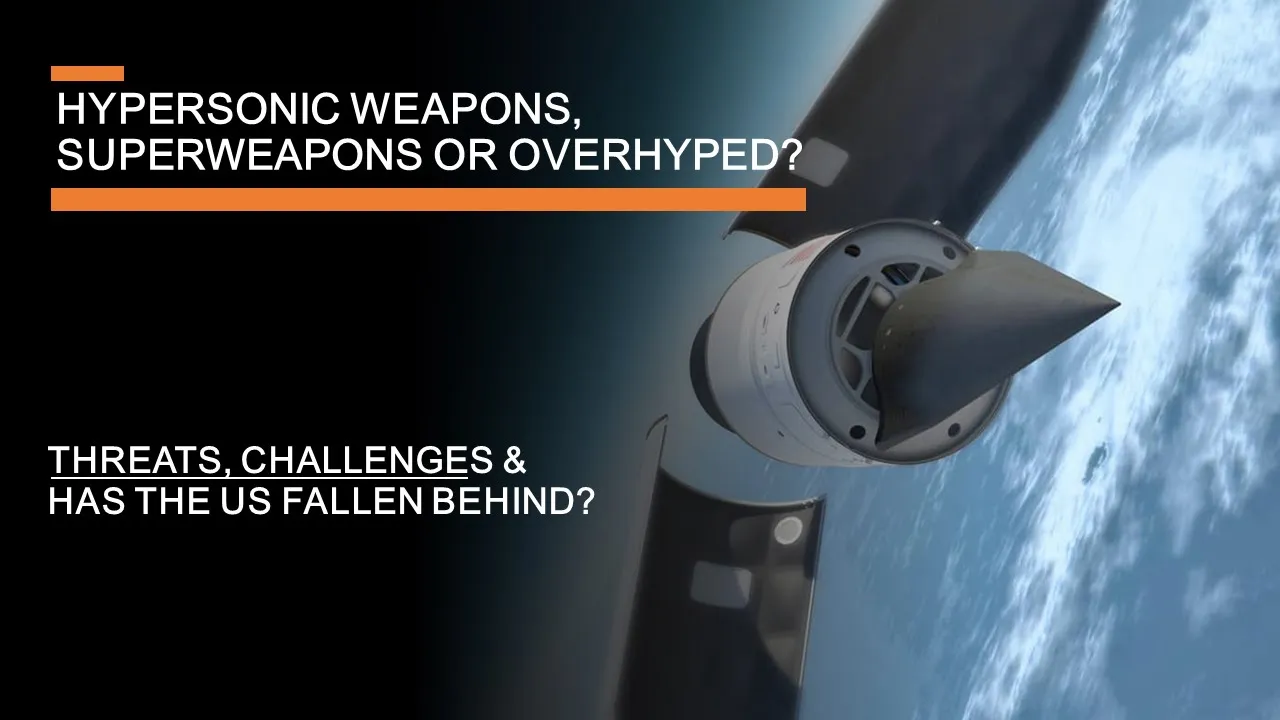


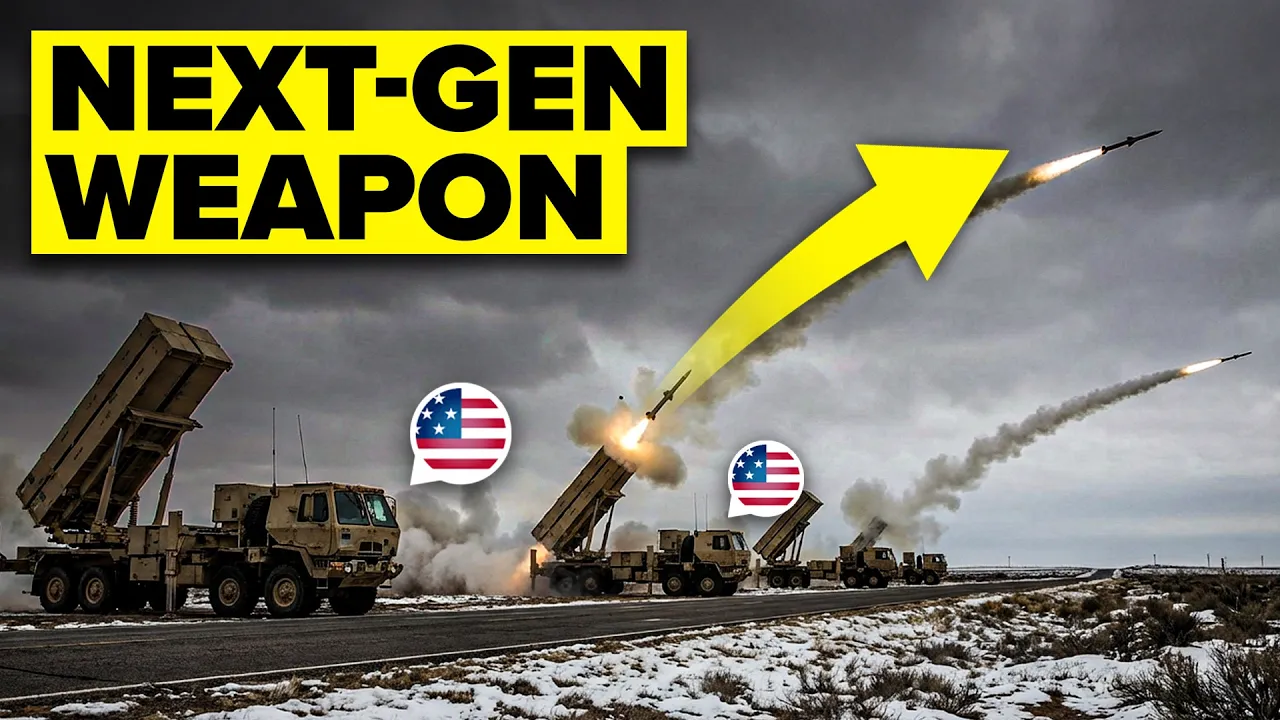

Hypersonic missiles, despite their impressive speed and maneuverability, face significant limitations including extremely high costs (up to $106 million per unit compared to $2 million for conventional cruise missiles), unclear strategic necessity given existing nuclear deterrence frameworks, and the fundamental reality that launching multiple cheaper missiles can achieve similar effects through saturation rather than speed alone; their true value depends on how they are integrated into specific combat strategies rather than simply possessing the fastest technology.
Hypersonic Missiles: Problems and Strategic Realities
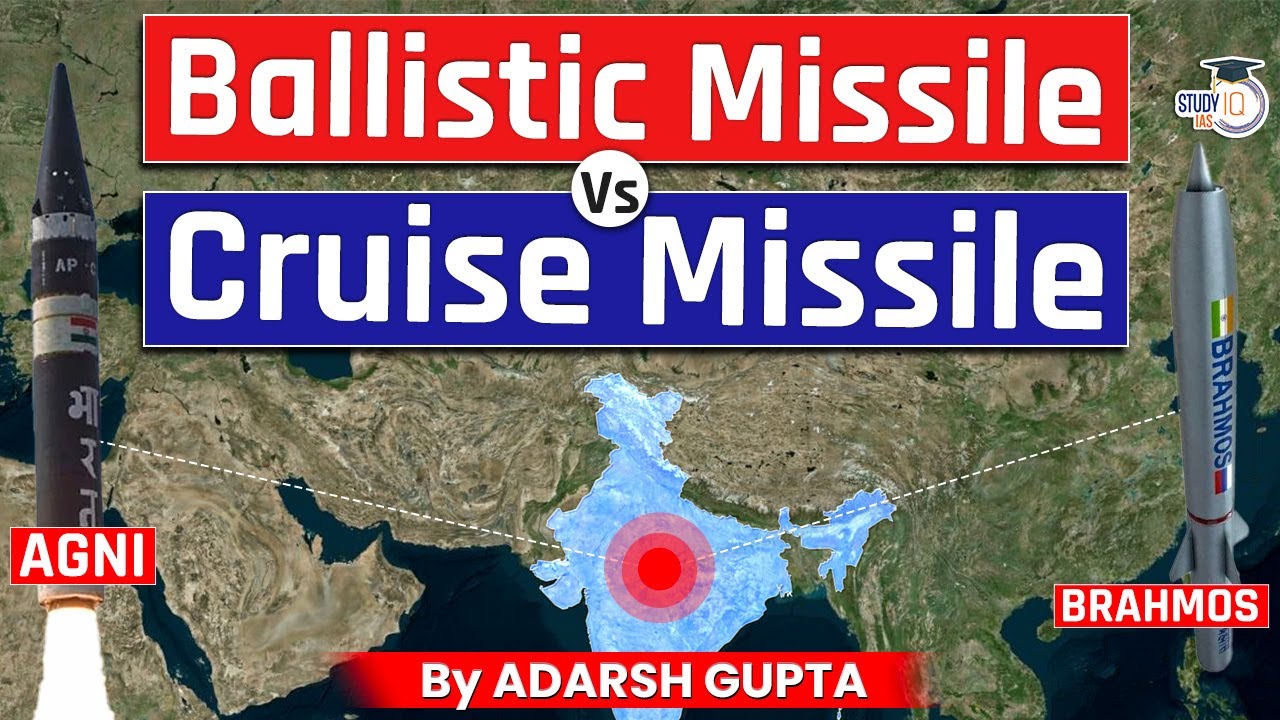
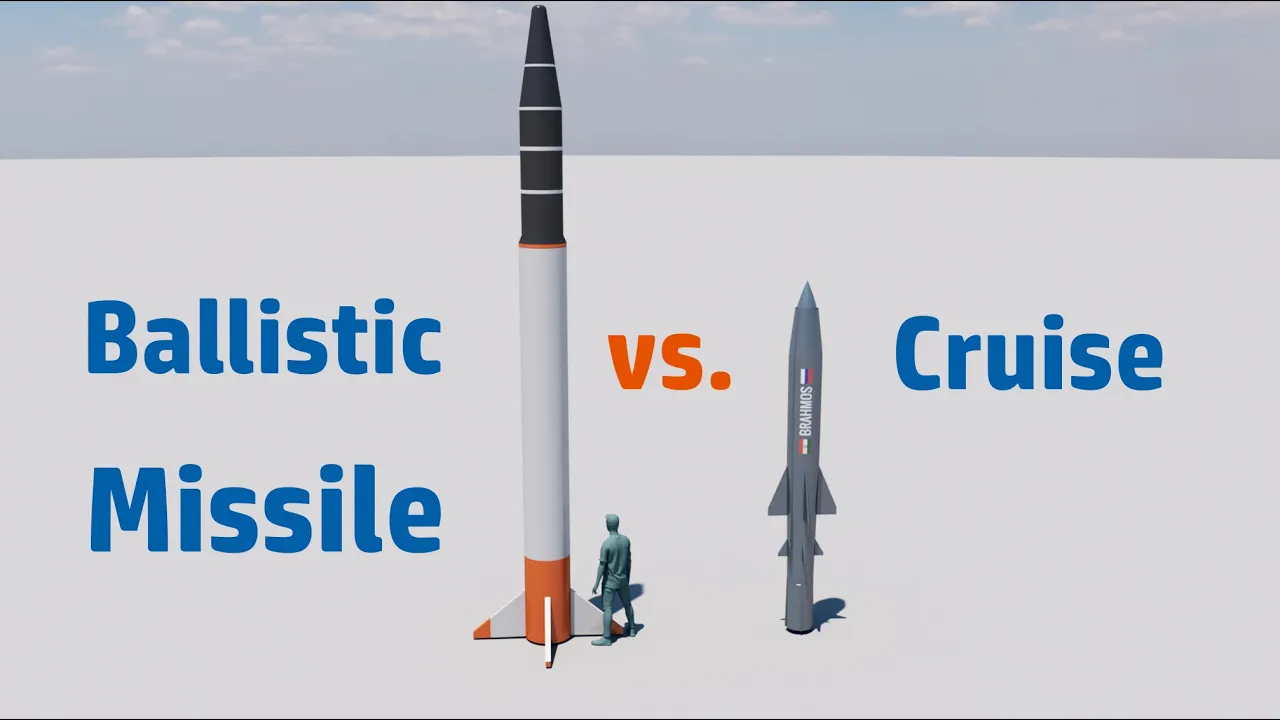
Added:The distinction between ballistic and cruise missile trajectories, propulsion systems, and flight envelopes.
Basic principles of aerodynamics and thermodynamics, specifically the definition of Mach numbers and the concept of hypersonic speed (Mach 5+).
Cold War-era defense concepts, including Mutually Assured Destruction (MAD), strategic stability, and deterrence theory.
The fundamentals of existing missile defense architectures, such as early-warning radar systems and terminal phase interceptors.
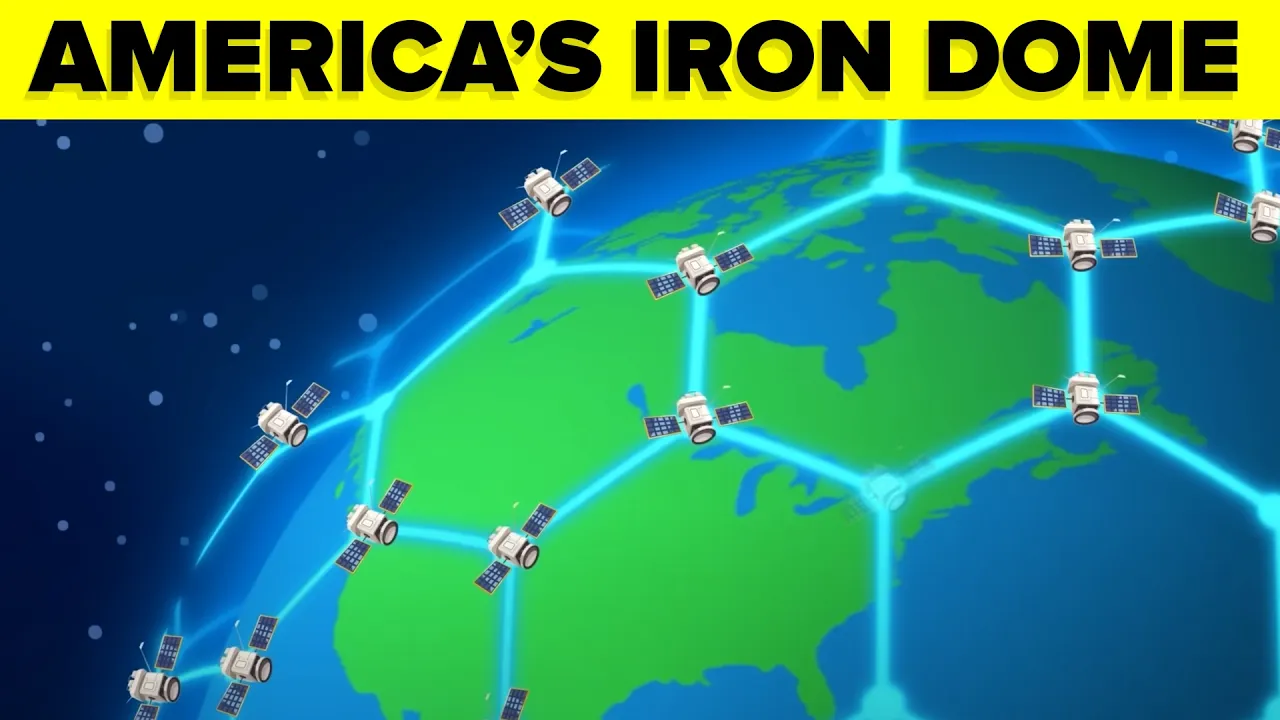
The development of next-generation missile defense technologies, including space-based sensor layers and glide-phase interceptors.
The impact of hypersonic weapons on international security frameworks, arms control treaties, and non-proliferation regimes.
Materials science and thermal management engineering required to withstand extreme heat and plasma generation during hypersonic flight.
Comparative analysis of how major global powers (the US, China, and Russia) integrate hypersonic capabilities into their modern military doctrines.
595.6K views14.7Klikes17:12Original Release: 2022-06-17
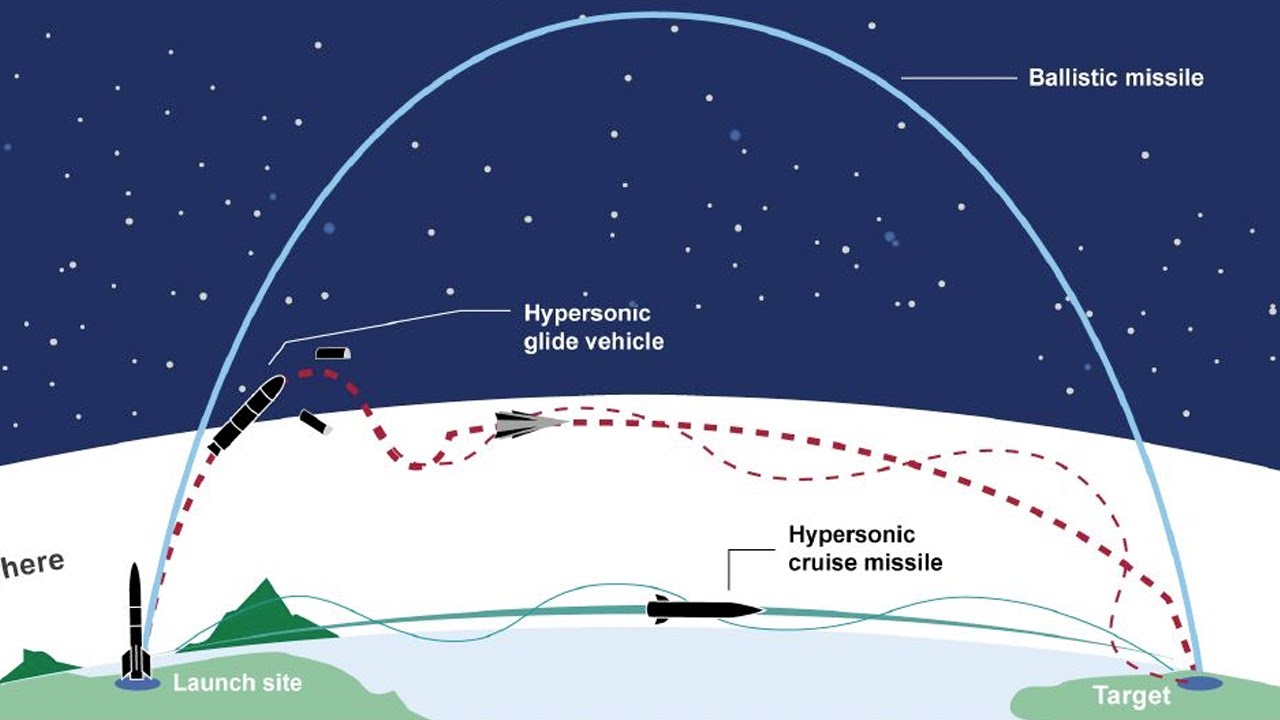
with an arms race ongoing between the united states russia and china to field new hypersonic weapons the internet seems to have drawn battle lines between two camps those who believe hypersonic missiles represent the future of warfare and those who think these new weapons are just more trouble than they're worth let's talk about some of the biggest problems hypersonic weapons face and why neither camp is completely right i'm alex hollings and this is air power like so many raging debates on social media and in the comments beneath videos like this the internet's distaste for nuance would have you believe that there's only one correct answer when it comes to hypersonics continued investment in these weapons is either a life or death enterprise or an exercise in media hype and the military industrial complex's insatiable need for urgent new defense initiatives to pad investor pockets but the real world is more complicated than hot takes on twitter and the complicated truth about hypersonics is that they could be either hypersonic weapons could be either game changers or entirely unnecessary and the defining variables between those two outcomes really come down to how they're developed how they're built and how they're leveraged in a fight hypersonic missiles come with a whole litany of technological economic and geopolitical problems that may render some high mock efforts pretty much useless while others may end up entirely vital right now to be honest most of them are still somewhere in between we've talked a lot about hypersonics in the past and how they could feasibly be used so in the interest of giving you good balanced context this time let's talk about some of the biggest problems facing hypersonic missiles today and why the way a nation addresses these problems will dictate the actual value of these systems in the 21st century but before we dive into that let's run through some context really quickly hypersonic is a term used to describe vehicles that can travel at speeds in excess of mach 5 or around 3 838 miles per hour but the phrase hypersonic missiles has come to mean something much more complicated in modern parlance technically speaking ballistic missiles have been reaching hypersonic speeds pretty much since their very inception with hitler's v2 and the united states as well as many other nations already has huge stockpiles of weapons capable of achieving these speeds as one example america's nuclear minuteman 3 icbms which have been in service since 1970 fly at speeds in excess of mach 23 when people refer to hypersonic weapons today what they really mean are missiles that can travel at these extreme speeds and maneuver along the way and it's that maneuverability combined with speed that makes them so difficult to intercept and as a result so important right now there are only two forms of modern hypersonic weapons that we can confirm meet the uninterceptable criteria for the modern use of the phrase hypersonic boost glide weapons and scramjet powered hypersonic cruise missiles russia and china each have one of the former boost glide weapons in service in the avant-garde and dfzf respectively no nation has managed to field an operational hypersonic cruise missile to date but the united states seems to have the inside track in that regard hypersonic boost glide vehicles aren't all that different from the warheads on traditional long-range ballistic missiles at least in the early stage of their flight path they're carried into the upper atmosphere via high velocity boosters but are released at lower altitudes and then they glide at high speed mach 20 or more in some cases down toward their targets unpowered hypersonic cruise missiles on the other hand use experimental propulsion systems called scramjets to fly more like an aircraft at hypersonic speeds flying along a fairly horizontal flight path at speeds as high as mach 10 or maybe even better nasa predicts potentially as high as mach 15. at speeds above mach 5 a maneuvering weapon is practically impossible to stop with existing air defense systems and that's where the value of these weapons can be most easily appreciated but there are other important values to hypersonic weapons like how quickly they can reach the target and the incredible kinetic force they can transfer into the target once they do now that we've all got a basic understanding of hypersonic weapons let's dive into the problems that they bring with them and you really can't talk about hypersonic problems without starting at cost a recent pentagon estimate suggested that the hypersonic missiles the u.s air force has in development are probably going to cost as much as 106 million dollars each and that's a huge problem despite having the largest defense budget on the planet the united states military also has the highest operating costs thanks to a high level of training and standard of living for its troops truly globe spanning obligations and its reliance on advanced technology so while it may seem like there's nothing uncle sam can't afford the truth is he really can't afford to stockpile 100 million dollar missiles the navy's hypersonic weapons are expected to be a bit cheaper at a still daunting 89.6 million dollars per unit some estimates place the lowest costing u.s hypersonic missiles at around 40 million each and that still represents just a massive price tag for a single weapon that can destroy a single target just to help put this in perspective in 2021 the pentagon reported the per unit cost of the air force's f-35a was about 78 million dollars in other words one hypersonic missile for the air force or the navy will cost more than the most advanced aircraft in history and even the cheapest hypersonic missiles america has in development still ring in at around half the cost of an f-35 that's mind-boggling money that high cost doesn't just make it difficult if not impossible to purchase a large volume of these weapons but it also shines a light on one of the biggest and most legitimate criticisms levied toward hypersonics because the fact of the matter is there just aren't a lot of things a hypersonic missile can do that you couldn't already do with cheaper missiles let me explain the most commonly cited selling point for hypersonic missiles is that they can't be stopped by existing air defense systems and while that's true that argument comes with its own problems as we've discussed on sandbox news before nations have a tendency to overstate the efficacy of their missile defense systems when talking about them in public there's good reason for that deterrence is a game of managing perceptions so you'll be hard-pressed to find a nation like russia or the united states making statements in the global media about just how easy it is to get missiles past even their most advanced air defense systems so let's use an example that's based largely in reality in april of 2018 the us uk and france fired 105 subsonic cruise missiles of various types at targets in syria that were tied to a chemical weapon attack on civilians the week prior the u.s and its allies reported the attack was an overwhelming success but russia countered in the press as russia tends to do arguing that they had actually managed to intercept more than 70 of those inbound weapons intelligence gathered in the days after really substantiated america and its allies claims with reports from all three nations showing that the syrian forces did indeed fire more than 40 interceptors at the inbound missiles without successfully hitting even one but let's just pretend for a minute that russia never lies and they were telling the truth then it would still mean that their air defense systems let more than 30 of these slow-moving weapons cruise on by and find their targets the majority of the weapons used in this strike were tomahawk cruise missiles that max out at around 550 miles per hour which is more than 3 000 miles per hour slower than the slowest hypersonic weapon the reason for that is honestly really pretty simple even if russia's s-400s were in syria or america's patriot missile system and even if those systems were magically capable of downing 100 of the missiles they launched interceptors after all it would take to beat them would be launching more missiles than they have interceptors for and that's where the question of cost becomes so important because the latest and greatest iteration of america's subsonic tomahawk cruise missile only costs around 2 million dollars a piece contrast that against 106 million dollars for one hypersonic missile and the problem becomes pretty evident you could launch 53 tomahawks at a target for the same price as one hypersonic missile the math associated with intercepting a single missile moving at speeds above mach 5 is too complex for systems to manage today but it is after all just a matter of math whereas launching more missiles than there are interceptors to intercept is a matter of just physical reality and that's a lot harder to overcome if you launch just 100 million dollar hypersonic missile at a target there's always a chance that the missile might malfunction or that it could get intercepted by a lucky shot but if you launch 10 or 20 or 50 tomahawk cruise missiles at that same target well there are no guarantees in combat but it seems very very likely that at least one if not more than one of those missiles are gonna make it all the way through and then there's the question of speed because as we've already discussed hypersonic missiles are extremely fast but it's not their speed per se that makes them so special and we know that ballistic missiles already achieve hypersonic speeds but here's the twist hypersonic boost glide vehicles launch a lot like ballistic missiles before they start their unpowered gliding descent maneuvering all along the way and every coarse change adds friction and reduces air speed and as a result ballistic missiles launched at those same targets will often find them first now most nuclear nations don't use ballistic missiles with conventional ordnance because it's really difficult if not impossible to distinguish between a nuclear and conventional ballistic missile launch but as we've seen from russian forces in ukraine air-launched ballistic missiles can be used in combat without starting a nuclear war so if speed is really what matters most hypersonics aren't always the right choice and this brings us to the last problem i want to talk about today and that's that hypersonic missiles don't necessarily fill an important strategic need russia's kh-47m2 kinzel may not be all they claimed it to be but their follow-up the avant-garde boost glide system is indeed a hypersonic weapon in modern terms but because russia's avant-garde is a nuclear weapon it doesn't actually create any strategic value in a real way avant-garde is a hypersonic missile developed mostly to give russia the opportunity to say they have a hypersonic missile all for the sake of garnering global press coverage and appearing to be on the cutting edge of defense technologies it's no secret that america's mid-course defense system the air defense apparatus intended to protect the us from nuclear attack just couldn't stop a russian nuclear strike if one were ever to occur right now russia has a stockpile of some 4477 nuclear warheads with more than 1500 deployed on ballistic missiles and aircraft if you believe their statements if russia were to launch a nuclear first strike with just half of those icbms america's defenses would be completely overwhelmed and unable to prevent the majority of them from making landfall so if russia could already turn the us into a nuclear wasteland with decades-old missiles that are collecting cobwebs in siberia what difference does it make that they could also launch some of those nuclear warheads in extremely fast boost clyde weapons the truth is it makes no difference at all and that's why the us isn't working to match russia's nuclear hypersonic capabilities i can't say for sure that russia will never push its luck regarding mutually assured destruction but i can say one thing with near certainty if a nation ever decides to use a nuclear weapon against another nation it'll probably end poorly for all of us but if it doesn't it'll definitely end poorly for the nation who used the weapon i mean honestly if there was ever something that could unify the majority of the global community around a single cause being ticked off at the country that just rolled the dice on all of our survival would probably be it so let's cut to the bottom line are hypersonic missiles all hype or are they worth continued investment the answer is both to some extent the value in hypersonics doesn't really come from their individual capabilities but rather in how they're integrated into an overarching combat strategy how they meet specific needs how they add capabilities this point in particular really hit home for me in a recent conversation i had with mike benitez now mike is a former f-15e weapons officer and the founder of a great aviation newsletter called the merge they are not a sponsor i just love the merge now mike started his career as an enlisted marine just like me but then he transitioned to an aviation career in the air force and then after he got out he went to work on capitol hill in the office of senator mike rounds before doing analysis work for a number of reputable defense outlets mike said to me and i quote weapons aren't that different than any military program they're developed with specific features to solve a specific problem if a weapons design can't stand up to the test of interoperability and complementary then there should be serious debate on why they're being developed and deployed in the first place let me put that another way hurrying to develop hypersonic weapons just to win the headline war over who can claim to have the fastest missiles first offers very little beyond prestige and attention for a nation like russia there's actual value there because they use that attention and prestige to try to help push their foreign weapon sales efforts and get some money into their defense apparatus but for the united states there's not much incentive to fight that fight so instead the u.s has prioritized fielding weapons that offer real tactical capability that can create reverberating strategic effects that approach is less headline friendly but it's ultimately aimed at winning wars rather than garnering headlines the nuanced truth about hypersonics is that they really can offer game-changing capabilities in a near-pier fight only when leveraged with distinct use cases in mind otherwise all they offer is a very fast moving hole to throw a whole bunch of money in the truth is fielding the first or even the fastest hypersonic missile doesn't matter nearly as much as fielding the right one that creates new combat opportunities or fills an urgent strategic need making fast missiles just to say you did is one thing lobbying them at barnes and ukraine may even be another but winning the hypersonic arms race is a question of value added not headlines garnered i know i didn't say much about chinese hypersonics in this conversation that wasn't an intentional omission it was just that this video was getting pretty long but if you want to hear me talk more hypersonics i've been doing a lot of it on tiktok lately i know not everybody likes tiktok but i'm a journalist and i've gotta go where the people are so if you're already on there feel free to check me out at alex howlings52 just like you can find me on twitter and with that ends yet another edition of airpower from sandbox news i'm alex hollings make sure you swing by sandboxnews.com today and every day for the latest in news entertainment and motivation from all around the force if you got anything out of today's video make sure to click like and subscribe down below and don't forget to leave me a comment so i know what i should cover next and of course make sure to tap on that bell icon so you never miss a drop from sandbox news [Music] be [Music]
Up Next

54:06
Sexual Harassment Prevention Training in New York State
@NYSLabor
658.9K views•2023-04-11

12:54
Triumph of Orthodoxy Icon: Byzantine Art & History Explained
@BenCallan
2.1K views•2024-08-06

9:49
FastAPI vs Flask vs Django: Choosing the Right Python Web Framework
@TechWithTim
302.5K views•2024-05-26

1:42
Game of Thrones Opening Credits: A Cinematic Analysis
@gameofthrones
46.3M views•2011-04-18
Related Study Plans & Knowledge Roadmaps
Structured learning paths in General & Interdisciplinary Studies
general-studies
Elevator Engineering: History, Physics & Cities
01From Hoists to Safety Brakes: The Dawn of Vertical Lift
02Hydraulic vs. Traction: The Engineering Physics of Elevators
03Modern Speed, Safety, and Algorithms
+ 2 more learning modules
12h5 modules
Explore Roadmap
general-studies
Rubber: Material Science, History & Geopolitics
01Origins of Natural Rubber & Mesoamerican History
02The Chemistry of Natural Rubber & Vulcanization
03The Geopolitics of the Rubber Boom & Colonization
+ 2 more learning modules
12h5 modules
Explore Roadmap
general-studies
Containerization: Evolution, Logistics & Trade
01Ancient Trade & Bulk Cargo: Amphorae to Barrels
02The Industrial Revolution & Cardboard Packaging
03The Containerization Revolution: Malcom McLean
+ 2 more learning modules
12h5 modules
Explore Roadmap
general-studies
Textile Tech: Evolution, Labor & Global Impact
01Pre-Industrial Textiles: Handloom & Cottage Industry
02Mechanization: The Spinning Jenny to the Power Loom
03The Factory System & Global Labor Transformation
+ 2 more learning modules
10h5 modules
Explore Roadmap