













STEM education requires integrating multiple subjects (science, technology, engineering, and mathematics) through hands-on experiments and real-world applications rather than relying solely on theoretical instruction; effective teaching strategies include case studies, group discussions, and practical activities that help students understand abstract concepts like friction and activated carbon purification by connecting classroom learning to everyday experiences.
STEM Education: Friction, Water Purification & Hands-on Learning
Added:Basic understanding of the physical force of friction, including how surface textures affect resistance and motion.
Fundamental knowledge of water impurities and the basic concepts of filtration and the water cycle.
Familiarity with the core tenets of STEM pedagogy, particularly the value of active, hands-on learning versus passive instruction.
Elementary concepts of measurement, specifically how time is quantified and tracked during scientific experimentation.
Advanced topics in environmental engineering, such as chemical water treatment methods, desalination, and global sanitation challenges.
The study of tribology, focusing on the mechanical principles of wear, lubrication, and friction in engineering applications.
Curriculum development strategies incorporating the 5E Instructional Model (Engage, Explore, Explain, Elaborate, Evaluate) for STEM disciplines.
Research into cognitive development and metacognition to understand how hands-on scientific inquiry fosters critical and original thinking in students.
159 views2likes35:06Original Release: 2026-03-21
which I can from in the foreign countries. It totally works on ST. How much quantity you are using? What technology you are using salad making, fruit carving, fireless cooking.
We are not waiting for the resources to be provided by the school management or the principles.
physics.
They don't know all these things.
STEM is the internet it's not related only science and maths science or maths daily routine use how much water you are drinking how much it's coming out from your body as a sweat as a urine chemical reaction what is that one teacher Some students feel burden of some subjects. Why is it so?
Suppose annual function. We are planning for annual function. Some teachers are saying, they can't study.
It's too difficult history to learn.
Why we that is only the stand Better prepare it yourself.
Use it.
That is the reuse.
But actually we are not using these things in our daily routine life.
have to fill your tummy.
That is only the stem.
That is only the stem.
Is not like that case studies because some are also sitting here. Case studies are totally different.
You have to do the research.
about maths.
That time it was very difficult for the teachers to find out.
We are in comfort zone.
teachers.
We are in private schools.
In STEM, you have to include all the subjects.
Arts, history, it's not so easy.
Economics is not so easy.
Governor powers governor duties govern and powers. What is it? It's only you have to integrate all these things.
Beautiful command. You are quite good expertise in your particular subjects.
But as a principles we are facing this problem because 30 students are studying in the class.
You need to help out but parent because both are working and they have no time for their kids.
India, Western countries, foreign countries, they all are adapting our Indian system, Indian culture.
And what we people are doing, listen, think over it.
>> [clears throat] >> So why we are so impatient ideas.
We need to be very friendly. STEM means you have to go to with the group discussion. You have to go to the open environment to discuss all the subjects correlated by each other.
How much?
Simple. Find out.
You feel very glad that measurement as cones are gas.
They don't know.
You just take two three samples of the soil and show it.
Tell the students to do their job.
Go to the website and go through these links djus.
Ac.
So what I observed in my students from BSC to MS is they are somehow cramming the topic and presenting in the exams and getting marks good for nothing in this direction. You can only achieve certain excellence only if you are creating original thinkers.
This is a must.
If you are justating me, you have to have approach an approach which goes in the direction of original thinking.
So finally I would say just let them know about the programs being organized in Hayana in the context of STM so that they can take a part in that and learn about it. So if anybody would like to ask any question regarding uh things which I just mentioned most welcome.
IC is a is a see I'll tell you a very deep story how did I get to know about IC I was a master student at MBU and I didn't know about it one of our teacher told in year3 Google you have to Google something you will get the answer so understand so it's a big big problem. So please get your student acquainted with the opportunities in this country and you can help the country in very manner because they will make a mindset to go to these places.
So any questions there are many other programs I can tell you but it's it's highly recommended there is another institute called Dhaic research center.
So I just request to create students of level that they can think originally without copy pasting the material and they get higher aspiration to achieve highest goals in the field of STM.
Please if anybody would like to ask any anything.
Okay. I see uh you can Google all this as told by my teacher told 22 years back. So great going. Thank you very much.
[applause] Thank you sir for the very fruitful information. A big round of applause for sir. [applause] Good afternoon everyone sitting here.
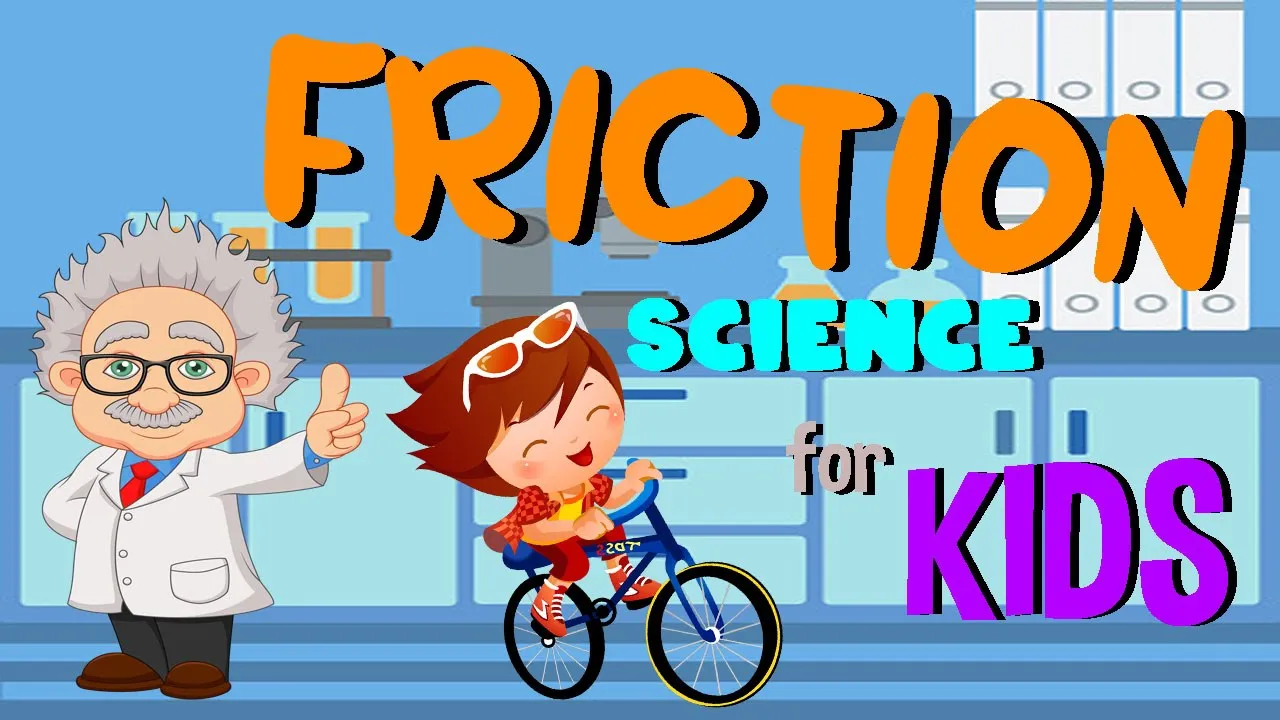
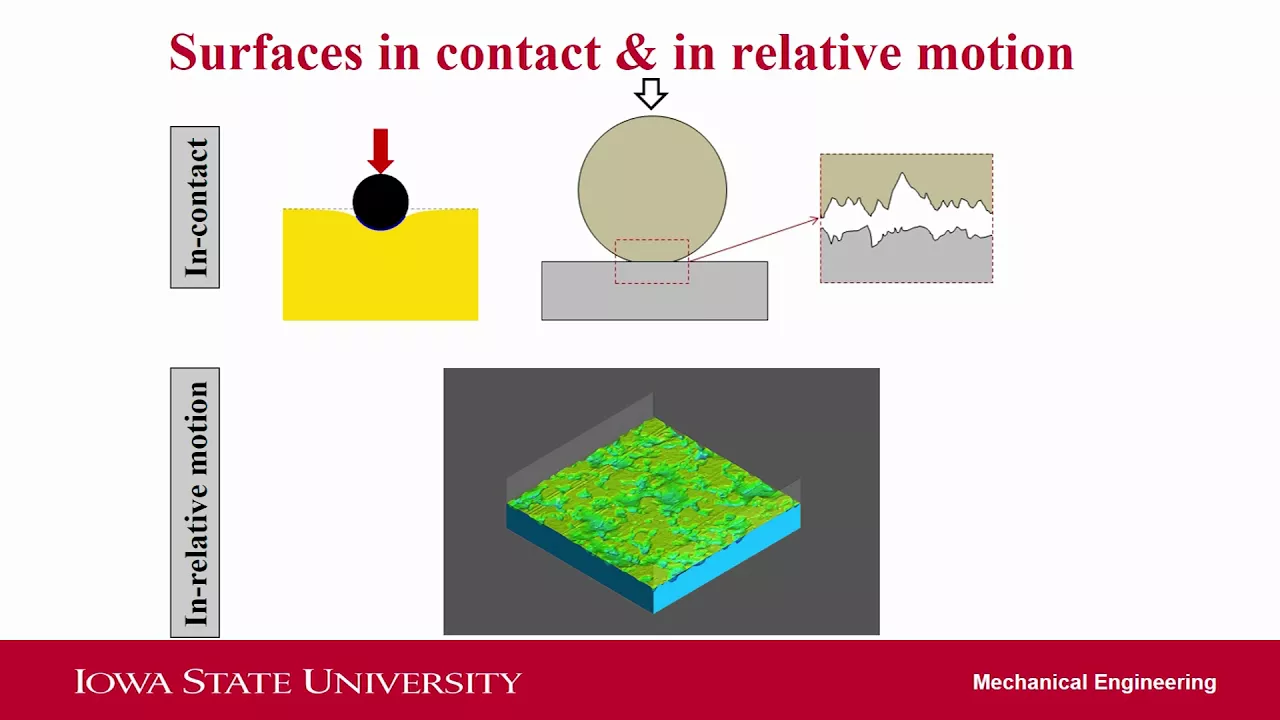
My topic for the case study is for the teacher level of the class which is friction and its effects where the students some of the students find it very interesting and some of the student find it very boring. So I would like to discuss a case here. Now first of all I would like to give the introduction a very brief introduction about the fiction. Many of you must know about it.
A picture is a force that opposes the motion of the surface over another. It plays a significant role in our daily lives while walking also and while traveling while driving the vehicles on the road. Whatever the difficulties we find and the students may find.
So sometimes it is helpful and sometimes it is very undesirable also. So the case study explores the effects of friction through a simple classroom activity. So here is the general example of the profile of the student. So I take an example Mr. Rohit. Rohit who is a very bright and intelligent student and finds and thinks every time that he could understand or and get the better explanation every time he has a concept in his mind. So it is a super class A he is uh he's especially interested in science and shows coposity in exploring how things work in the daily life. So he actively participates in experiments and classroom discussions as well. So through these topics sometimes discussions may get boring and sometimes we can find a various set of examples through which uh student might have a very interesting channel. So students discuss it with themselves. So the topic of the case will be friction and its effects. So the topic includes the concept of frictional force and the types of friction which the child is going to understand its causes its factors affecting the friction.
So the types of friction here we have the basic friction we discussed in the class like static friction we have where an object is placed over an object over a surface. Now here the question arises about the surfaces also. How for example static static static friction rolling friction and fluid friction advantages and disadvantages of it and ways to reduce their increase. how we can find it in the daily life where in a kind of ease where we can see it.
So where we have uh another set of difficulty like surfaces complexion we have for rolling the object or for sliding the object. So how we can decrease the friction or increase the friction. So for example I take the big pieces of friction uh like we can use losing lupence for studying this experiment we have to perform such kind of experiment for that better explanation to the student. So how can the student can get a better knowledge from it by already having a understanding we cannot make the student look half like this. So description of the problem is Rohit was facing difficulty understanding the abstract concept. The teacher goes on explaining the concept like in the verbal way.
So we have a kind of frictional forces how different types of surfaces affect the amount of friction. So where the child can get a better explanation how the object can move or how the object cannot move. So what are the he was able to recall the definition but he could not able to get the answer. So what kind of explanation is given he's trying to apply the concept in real life context and experimental situations. So here we have the reason of difficulty. So lack of hands-on experiences like a student sitting in the class find out the teacher keeps on explaining and two or three of them are doing. So for them we have to create a groups for that and visualization of the effects of vision.
Second is there's a confusion between the terms of static sliding and rolling friction difficulty in understanding why friction is sometimes helpful and why it is harmful also. So like in sports activities also we have seen that many spikers use the uh different kind of shoes for getting a grip on trailing on the mountains. So through these we can show them all the screening or the digital concept they can have a experience on the screen.
So we can take a remedial measures uh for them. We can conduct hands-on activity which are also part of the STEM education. Rohit was involved in lab activity where we test different surfaces. First of all for to make it easier and better explanation we have to make them understand about the surfaces.
What what kind of surfaces can be there for that for the easier way of friction like sandpaper. Sand is very rough and the other kind of surfaces are very smooth. So if we get keeps on walking we cannot stop for a while.
We can take an example of glass wood and measures the different friction levels using spring balance and weight.
So we can relate it with real life examples also like uh for the walking beering steering and car tires on the road by sprinkling powder on the canon board for that smooth friction.
Use of videos and animation. Short visual aid showing types of friction and applications also can be used for better explanation. Group discussion with the students. encourage pure learning with exchange understandings with classmates.
By uh doing such type of measures, he was able to come through the different types of definitions which he was not able to explain.
Though it showed improved and was to classify the different types of fiction and synagogues.
So we have different examples in the machinery parts also where machine doesn't work. We can s oil also by showing them how friction improves in a better way in real life science.
Now we have last conclusion. The students with hands-on experience and learning can get a better way of explanation on conial examples. So overcome challenges and the learning strategies also can be improved through this.
Thank you.
Any questions?
Thank you.
>> Good afternoon everyone.
>> Very good afternoon sir.
My topic name is the chemistry behind water purification using activated color and my subtopic is environmental sustainability through stand.
Firstly you all are aware that water is a crucial resource everything you all are sitting in front of your table water is everywhere.
So due to urbanization as well as urbanization industrialization water bodies become impure.
So water bodies become impure. So we try to clean water because water contains various minerals vitamins.
So that we need uh we need as uh we need on our daily life functions. Water is essential for our body functions.
So we use activated carbon to make auto purify. So first we start the topic.
My introduction is firstly we talk about what is activated carbon then application of activated carbon and type of activated carbon then working principle behind water purification then benefit of activated carbon and its application and next.
So what is activated carbon? Activated carbon is a carbonious highly porous absorbing medium that has complex structure composed of friendly carbon atoms.
Activated carbon surface main activated carbon.
There is a difference between absorption and absorption. Absorption absorption is a surface phenomena while absorption is a work phenomena. So activated carbon work on surface phenomena.
So firstly we know that what is the application of activated carbon. Activated carbon is used in it has immense applications. Firstly it used in indoor air purification. Then it's used in chemical industry and used in waste gas industry. Gas m industry, drinking water purification as well as power industry. Our main topic is drinking water purification. Next type of activated carbon. There are many type of activated carbon. In this uh we select two to three types of activated carbon. First is granulated activated carbon. Its shape is irregular shape.
Size ranges from 0.2 2 to 5 micrometer harder and longlasting mm used in both liquid and gases. Next slide.
Then next type of activated carbon is powdered activated carbon. It is also known as PAC.
It size ranges from 5 to 150 Armstrong coarser and finer.
Usually [clears throat] used mainly for liquids liquid phase absorption and next type of activated carbon is extruded carbon. It shape is cylindrical and diameter ranges from 1 mm to 5 mm.
for mainly gas phase absorption. Next ma'am activated carbon filter. Its main use is that it absorb chlorine gas. Water contain many impurities from which it come. It contain many impurities, many organic substance like triomethane known as THM. It's the waste water also contain some odor some smell included that. So activated carbon absorb it's a surface phenomite absorb all the organic matter all the organic matter absorb smell because it is used in gas phase and liquid phase it absorb it absorb the impurities in the charcoal there has been treated with oxygen carbon contain charcoal charcoal when treated with oxygen so gases is trapped in between the carbon particles and the water remains outside the pores and highly carbon provide surface area of the water.
There are two type of filters used in activated carbon. First is carbon block filter and granulated activated filter.
The main difference is that carbon block filter has low flow rate while granular activated filter have high flow rate.
It is made up of solid block of water.
Next slide please ma'am.
Benefit of activated carbon is that efficient removal of organic matter like chlorine, gas and any other contaminants contaminants and organic matter and it also remove the smell. High surface area, high efficiency of absorption as well as easy to operate.
When you write something relative to each other, high or small or big or large, you should present the equal estimated values. Surface area number in the percentage how much exactly what number has to be.
>> Okay sir.
Next it application is activated carbon filter is used in drinking water treatment, river water treatment, groundwater treatment and waste water treatment.
Can I use marker?
In our traditional methods, water bottle body is given and some water is when it is come to our home, it passes through many mediums, sedimentation tank, loading tank, filtration ation tank, then chlorination tank and then go to home. And in this activated carbon filter, it consists of very blocks uh blocks made up of plastic any container type maybe steel or not. It contains only gravels and on the top activated carbon is heated and nosles are here. And when we put water bodies water into the [clears throat] activated carbon tank then we do not don't require any type of sedimentation tank loading tank chlorination tank from this we can use this perspective and go to pick a pure water and go to home then this challenge are identified by me the statement Okay, this lead me to pause and reflect on effectiveness on my teaching approach. So challenges identify difficulty in abstract comprehension. Some learner found it's hard to understand the concept of partial arts like butter and half bar lack of visual clarity despite the toy pro the confusion between art and I and the need for more differentiate visuals and approaches become evident. Third is mix learning in a classroom with diverse learning level while some student reflective question.
Reflection questions are how can I how can I make time simpler for student who find a idea difficult? Are the teaching I'm using sufficient and appropriate for every learner? Word strategies can ensure better concept value through experimental learning.
Future study strategies to bridge the observed learning gap improve understanding. I plan to introduce colorcoded clocks and to differentiate R and minute design. Use story based learning where student act daily routines and match them to time on clock. Create pure learning growth.
Pairing competent learner with those needing sports. Incorporate more calendar games and real life during activities like planning the school events, birthday events, etc. Use digital tools and simulation to provide repeated and interactive practice for those who reach it.
Conclusion. The experience in mind that teaching foundational concept like time and calendar require more than demonstration. It depends a deep understanding of students individual needs by taking by notes of explanation and a patient including approach posture clarity confidence and curricul.
Thank you.
Up Next
8:09
Arduino pH Sensor Interface: Calibration & Working Principle
@TechTooB2
17.1K views•2021-07-15
30:32
Ultrasonic Transducers: Resonant Frequency Measurement and Horn Design
@imajeenyus42
229.9K views•2017-02-22
54:16
Polymer Environmental Degradation: Mechanisms & Stabilization
@iit
1.8K views•2012-07-10
33:39
How a Student's Question Saved a NYC Skyscraper from Collapse
@veritasium
22.8M views•2025-04-26
Related Study Plans & Knowledge Roadmaps
Structured learning paths in Engineering
engineering
Building Acoustic Levitators: Physics & Arduino
01The Physics of Sound and Standing Waves
02Piezoelectric Transducers and H-Bridge Drivers
03Arduino Programming: Generating 40 kHz Signals
+ 2 more learning modules
14h5 modules
Explore Roadmap
engineering
Building Peltier Cloud Chambers: Particle Tracks
01Cosmic Rays & Cloud Chamber Physics
02Thermoelectric Cooling (TEC) Fundamentals
03Custom Liquid-Cooling Loop Design
+ 2 more learning modules
18h5 modules
Explore Roadmap
engineering
Yagi-Uda Antennas: Modeling, Build & VNA Test
01Introduction to RF and Antenna Fundamentals
02Yagi-Uda Antenna Design Principles
03Antenna Modeling and Simulation in 4NEC2
+ 2 more learning modules
18h5 modules
Explore Roadmap
engineering
ECG Monitor Design: Op-Amps, Filters & Noise
01Electronics & Breadboard Basics
02Op-Amps and Instrumentation Amplifiers
03Bioelectricity and ECG Fundamentals
+ 2 more learning modules
18h5 modules
Explore Roadmap