




![E1.1 Nuclear physics and energy levels [IB Physics SL/HL]](https://i.ytimg.com/vi_webp/HSh4Rgs8ljo/maxresdefault.webp)







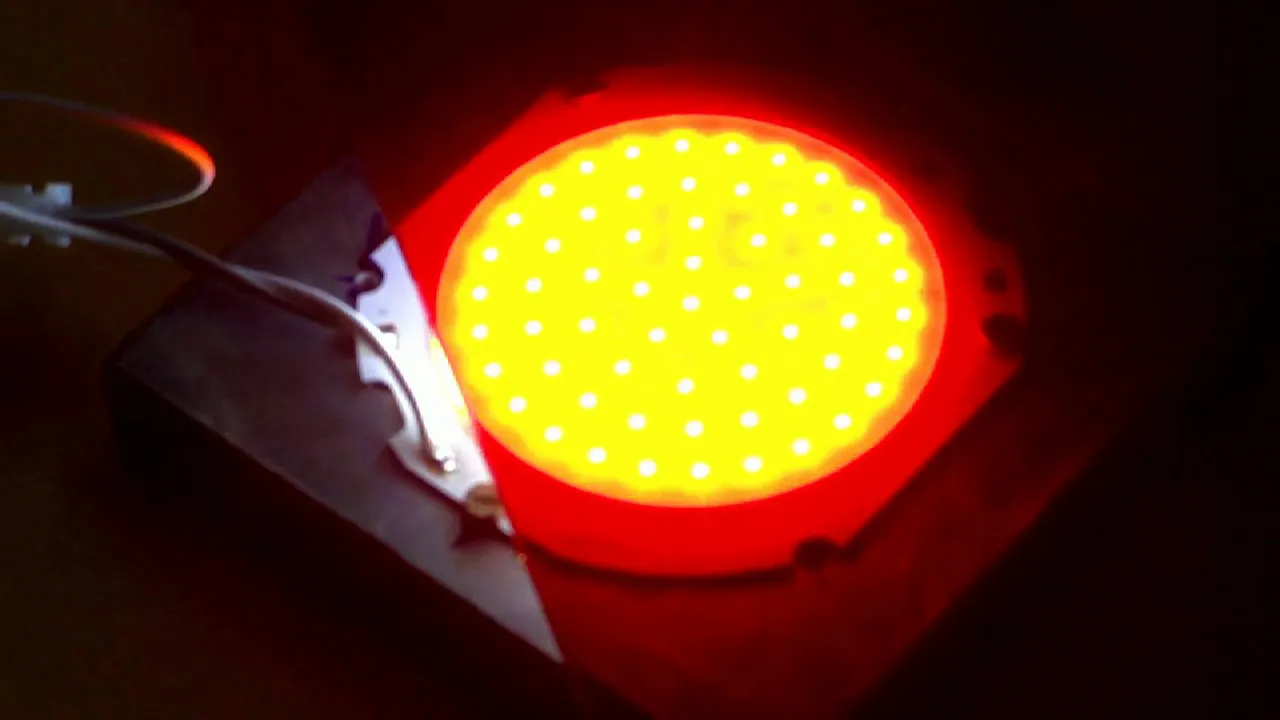



LEDs (Light Emitting Diodes) are solid-state lighting devices that convert electrical energy into light through a process called radiative recombination, where electrons and holes in a semiconductor material combine and release energy as photons; the emission wavelength (and thus color) is determined by the band gap width of the semiconductor material, with blue light being particularly challenging to produce efficiently until recent advances enabled white LEDs through blue LEDs coated with fluorescent substances that convert some blue light to longer wavelengths.
How LEDs Work: Physics of Light Emitting Diodes Explained
Added:Basic semiconductor physics, including bandgap theory, n-type and p-type doping, and the behavior of electrons and holes.
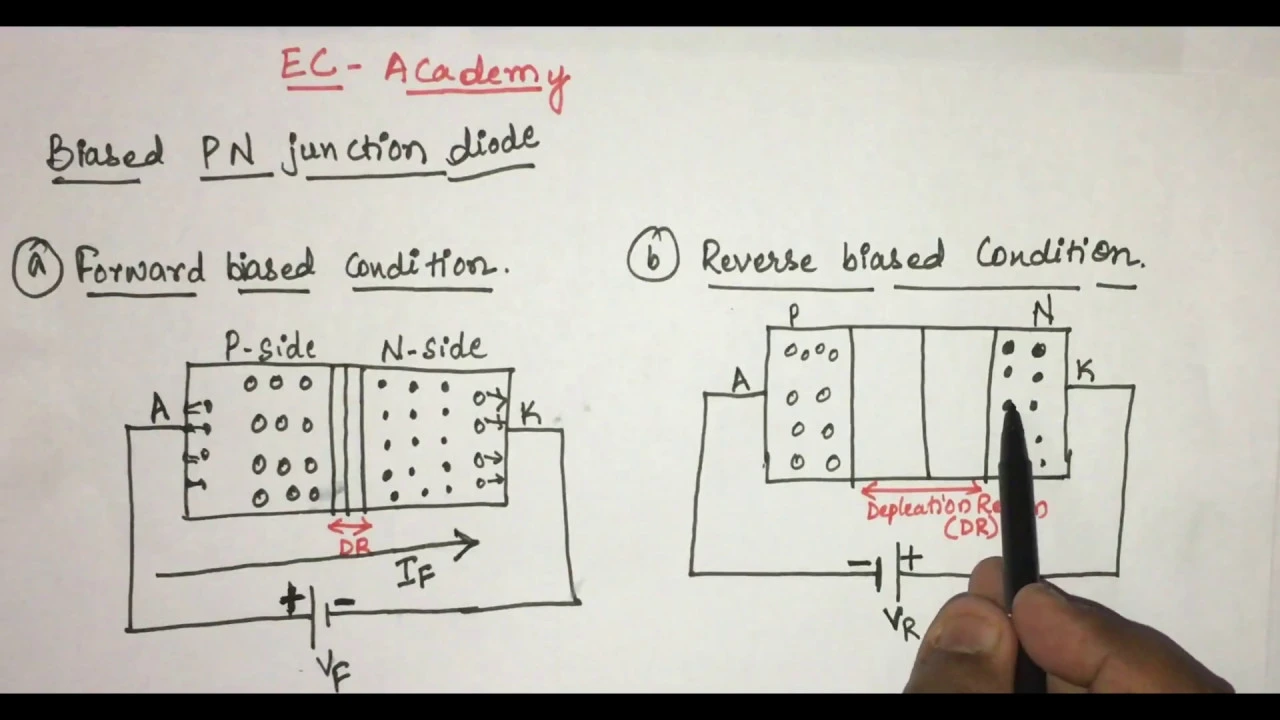
The fundamental operation of a standard p-n junction, particularly how it behaves under forward-bias conditions.
Elementary quantum mechanics concepts, specifically photon emission and the relationship between energy levels and light wavelength.
Basic electrical circuit principles, such as electric current, voltage drops, and the IV characteristics of diodes.
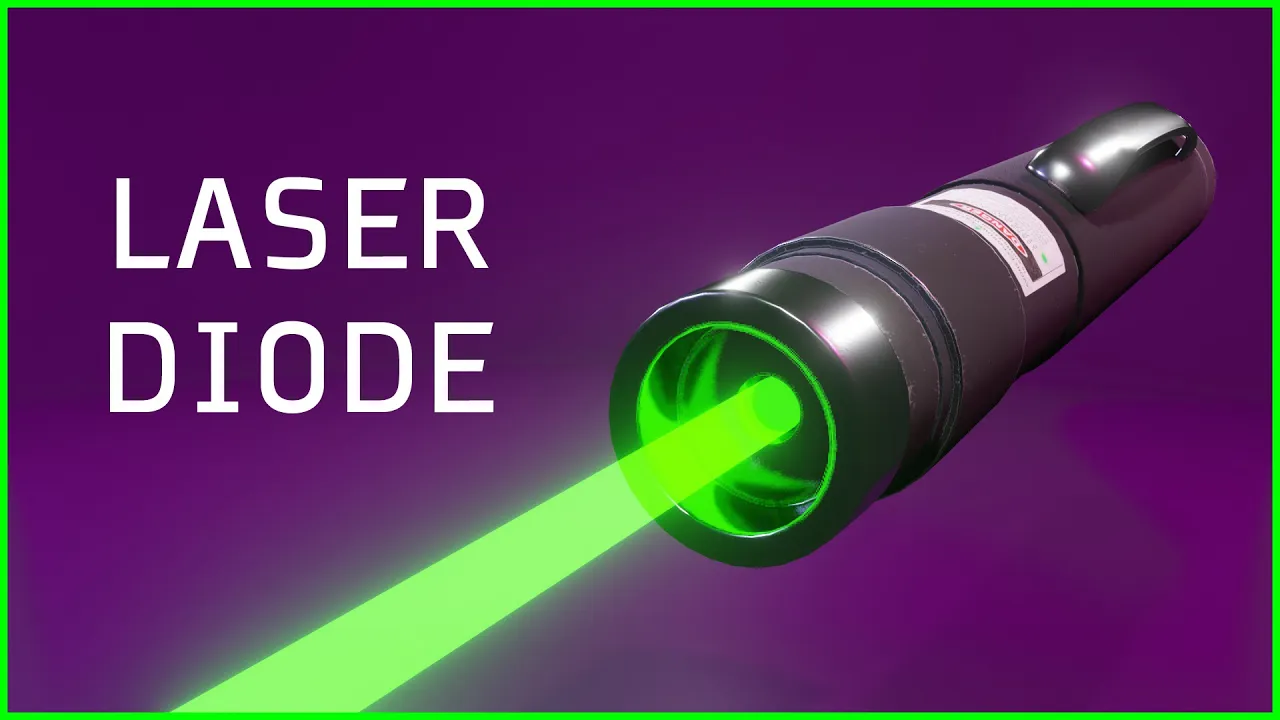
The physics of Laser Diodes, focusing on stimulated emission and optical cavities versus the spontaneous emission of LEDs.
Advanced display and illumination technologies, including Organic LEDs (OLEDs), Quantum Dot LEDs (QLEDs), and Micro-LEDs.
Practical engineering considerations for LEDs, such as thermal management, phosphor chemistry for color rendering, and LED driver circuit design.
The study of related optoelectronic devices working on inverse principles, such as photovoltaic cells (solar cells) and photodetectors.
1M views10.3Klikes9:10Original Release: 2015-07-16
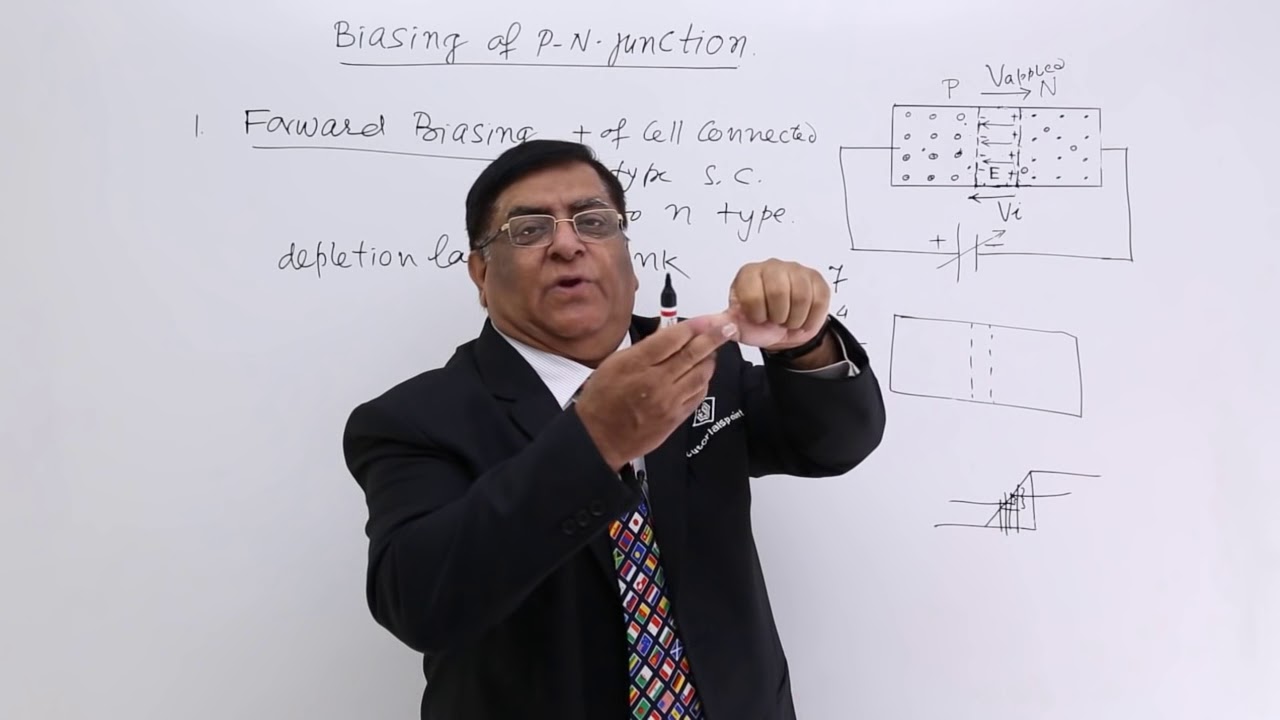
[Music] a new type of device for lighting spreads over the planet the LED it isn't really a new device some way or another it has been used for decades all around the world what is new however is having achieved greater emission power than a few years ago and also making it provide white light its Advantage is that it uses up less energy than traditional incandescent lamps a traditional lamp needs to be heated to emit light and a great deal of energy is wasted Ed in the form of heat moreover the materials suffer at very high temperatures recently several types of energy saving lamps have become popular the first energy-saving lamps that replaced incandescent ones are fluorescent which contain gases inside on the other hand LEDs are fully made up of solid elements and can be made very small in addition LEDs can be controlled allowing new applications such as the generation of any visible light spectrum on demand optimizing energy costs and information transmission this is known as smart lighting originally the word LED stood for light emitting diod mode currently it is used as the acronym for light emitting device primarily the basic structure of an LED was a PN Junction formed by specific semiconductor materials in the previous video of this series where we presented the PN Junction we could see that there are two charge carriers in semiconductors electrons and holes the PN Junction is a structure that under certain conditions can spatially separate electrons and holes by forward biasing the device which consists in applying a higher voltage in the P than in the N material the current flows through the structure causing the electrons and holes to meet in the same region of the space this process is known as carrier injection when there are many electrons and holes in the same region of space more than those Corr responding to their equilibrium values carrier re combination is enhanced and energy is emitted in semiconductors free electrons always have higher energies than those electrons forming the bonds between atoms the range of energy values that free electrons have is called conduction band and the energy values that bound electrons have is called valence band since the holes are the absence of electron in the atomic bonds holes have energies corresponding to the valence band there can be no electrons in the semiconductor with energies between both bands therefore this interval is called band Gap when a free electron recombines with a hole in the valence band the free electron ends up occupying a bond in the structure filling the empty state in the bond in this process the electron releases energy as heat or as electromagnetic radiation to make Rec combination more effective the PN Junction is replaced by a hetero structure an active Zone composed by several thin layers of materials having different band Gap width is embedded in it the band Gap width in some layers is lower than in the surroundings electrons tend to occupy the lower energy levels available in these layers therefore that region becomes a kind of well for electrons because they have lower energies in it than in the surroundings once they are inside it is relatively unlikely to escape because they would need extra energy for that holes considered as the absence of electron behave in the opposite way this structure brings electrons and holes to the same region of space allowing an increase in the probability or rate of radiative recombination the intermediate region is designed to be very narrow to obtain a high concentration of electrons and holes therein since in this situation the device would emit more radiation thus the LEDs achieve greater energy effic icy given that a major part of the electric energy supplied is converted into light moreover the energies of the emitted photons can be selected by choosing the appropriate materials for the intermediate region photons can have a wide range of energy values and there is an energy interval in which photons are perceptible to the human eye this radiation is known as visible light the colors we see are due to the different Photon energies lowest energy visible photons are red and highest energy visible photons are Violet the Breakthrough in lighting technology has been getting materials to emit blue light efficiently the controlled emission of red and green light was possible before but with lower efficiencies currently the majority of the LEDs used in lighting are based on a blue LED coated with a fluorescent substance this absorbs some of the blue light and re-emits it with longer wavelengths the mixture of photons leaving the device is white light which may have a bluish or yellowish Hue if higher or lower energy photons dominate respectively this depends on the well-known device color temperature this is the Spectrum obtained for a white LED and we can compare it with the spectrum of sunlight a large proportion of the spectrum that provides an incandescent lamp which has physical mechanisms different from the LED is in the infrared as a result the incandescent lamp radiates a great deal in an energy range that is not useful for lighting and and therefore it becomes very hot consequently its efficiency is much lower a new variant in the design of these devices is the use of organic materials characterized by low manufacturing costs flexibility and the possibility of obtaining large surfaces of LEDs they are called o LED which means organic led the progress on LEDs is continuous and major Innovations are expected in the lighting technology in the following years something in a [Music] sound [Music] yeah
Up Next
11:17
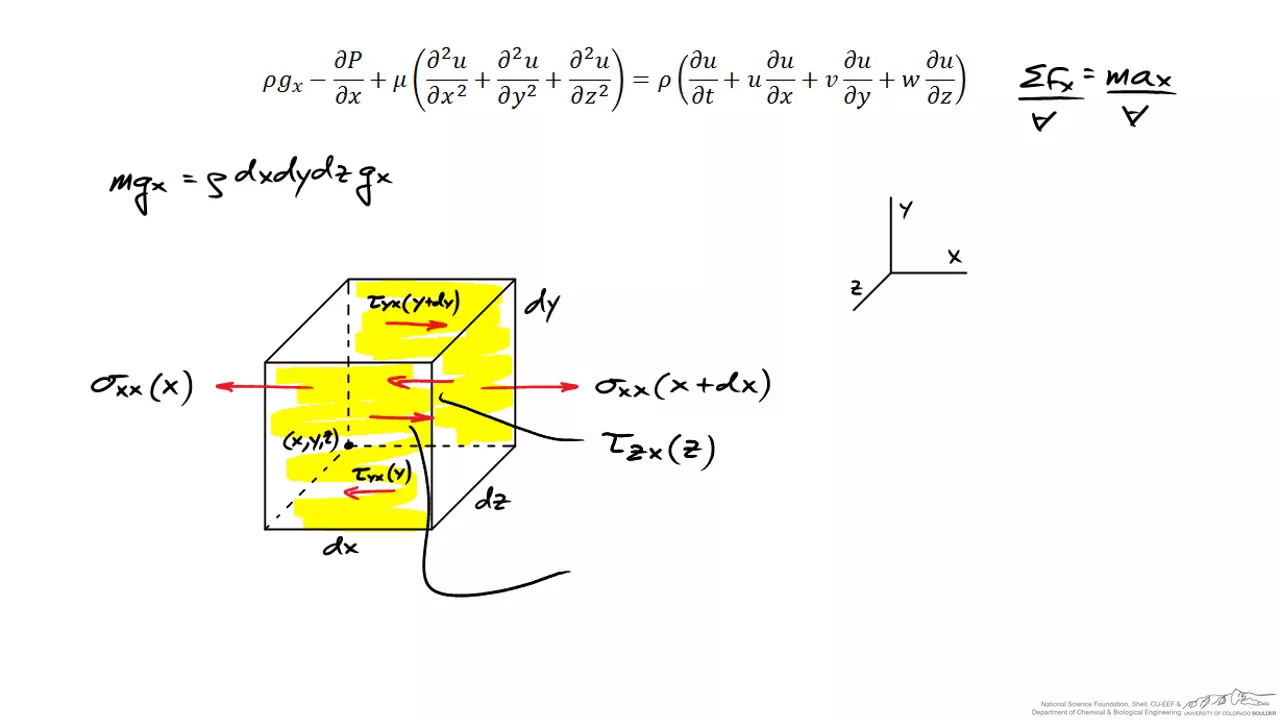
Navier-Stokes Equations: Derivation from Newton's Second Law
@LearnMechE
379.5K views•2017-10-23
73:35
Deriving Maxwell's Equations in Geometric Algebra (QED Prereqs) 11
@XylyXylyX
2.6K views•2024-09-08

10:36
The PN Junction Explained: How Diodes Work | Semiconductor Physics
@fmgomezcampos
1.2M views•2013-05-04

33:44
The Blue LED: A Decade-Long Scientific Challenge Explained
@veritasium
46.5M views•2024-02-08
Related Study Plans & Knowledge Roadmaps
Structured learning paths in Physics
physics
Medical Physics: Imaging, MRI & Radiotherapy
01Foundations of Radiation and Matter Interaction
02X-Ray Imaging and Computed Tomography (CT)
03Magnetic Resonance Imaging (MRI) Physics
+ 3 more learning modules
15h6 modules
Explore Roadmap
physics
Nuclear Physics (Decay, Fission & Reactors)
01Atomic Structure and the Binding Force
02Radioactive Decay and Half-Life
03Nuclear Fission Mechanics and Chain Reactions
+ 2 more learning modules
12h5 modules
Explore Roadmap
physics
Soft Matter (Polymers, Colloids & Rheology)
01Foundations of Soft Matter & Thermal Forces
02Polymer Physics and Macromolecules
03Colloids, Surfactants, and Self-Assembly
+ 2 more learning modules
38h5 modules
Explore Roadmap
physics
Analytical Mechanics: Lagrangian & Hamiltonian
01Mathematical Foundations: Calculus of Variations
02From Newtonian Mechanics to Constraint Dynamics
03The Principle of Least Action & Lagrangian Mechanics
+ 3 more learning modules
28h6 modules
Explore Roadmap