
















![[6] High Lift Devices](https://i.ytimg.com/vi/XzDZx_WxtGQ/hqdefault.jpg?sqp=-oaymwEmCOADEOgC8quKqQMa8AEB-AG-B4AC0AWKAgwIABABGBMgVCh_MA8=&rs=AOn4CLDxUTjHUfsDtysBCXQ72_6w3t54lw)
![Cosa sono flap e spoiler [Lez.10]](https://i.ytimg.com/vi_webp/l-Q9roRJIps/maxresdefault.webp)

![Cosa è il bang sonico [Weesk 36]](https://i.ytimg.com/vi_webp/FvjXEMREnoo/maxresdefault.webp)
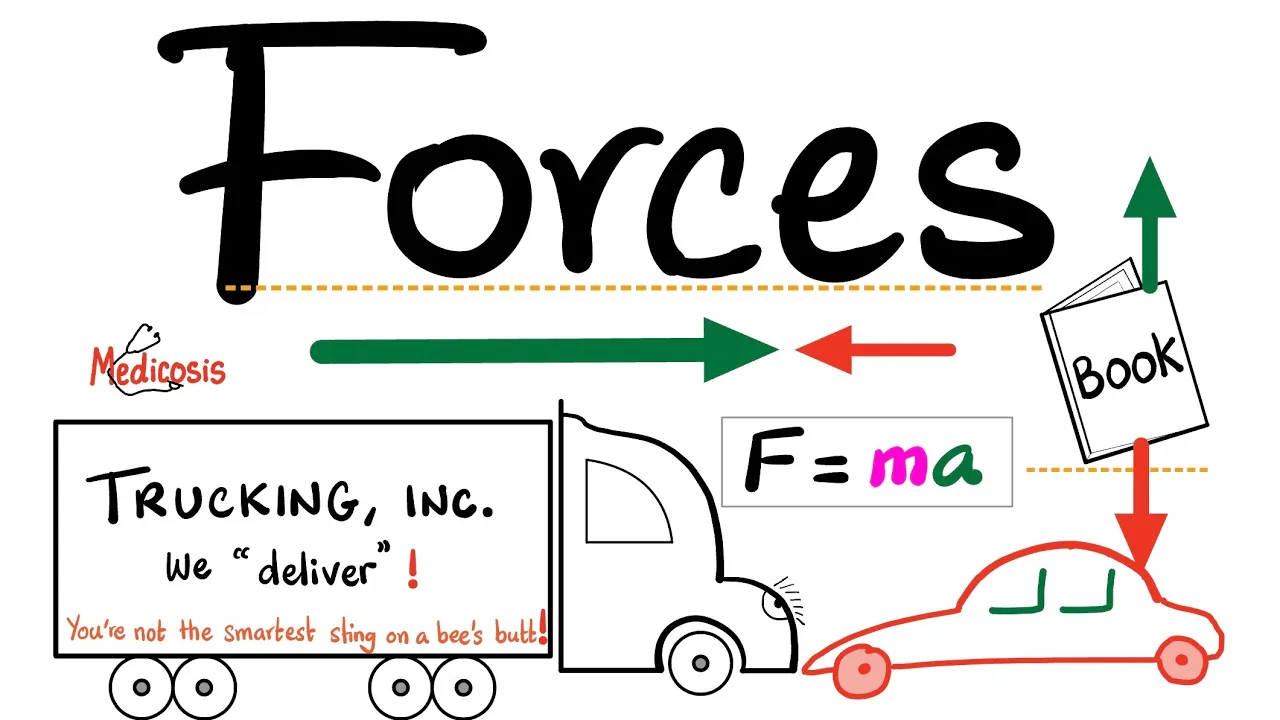
An aircraft remains airborne through four fundamental forces: lift (upward force generated by wings via Newton's third law and Bernoulli's principle), weight (downward gravitational force), thrust (forward propulsion from engines), and drag (opposing force). Lift is created when air flows over the wing's curved upper surface, causing air to accelerate and pressure to decrease, while simultaneously deflecting air downward. The amount of lift depends on airspeed, angle of attack, wing design (camber, aspect ratio, and area), and can be controlled by pilots through these variables. Drag comprises parasite drag (increasing with airspeed squared) and induced drag (increasing at low speeds due to wingtip vortices). The total drag curve reveals the optimal glide speed (L/D Max) for maximum endurance during engine failure, while the backside of the power curve requires significant power to maintain altitude at slow speeds.
Principles of Flight: Aerodynamics Explained for Pilots
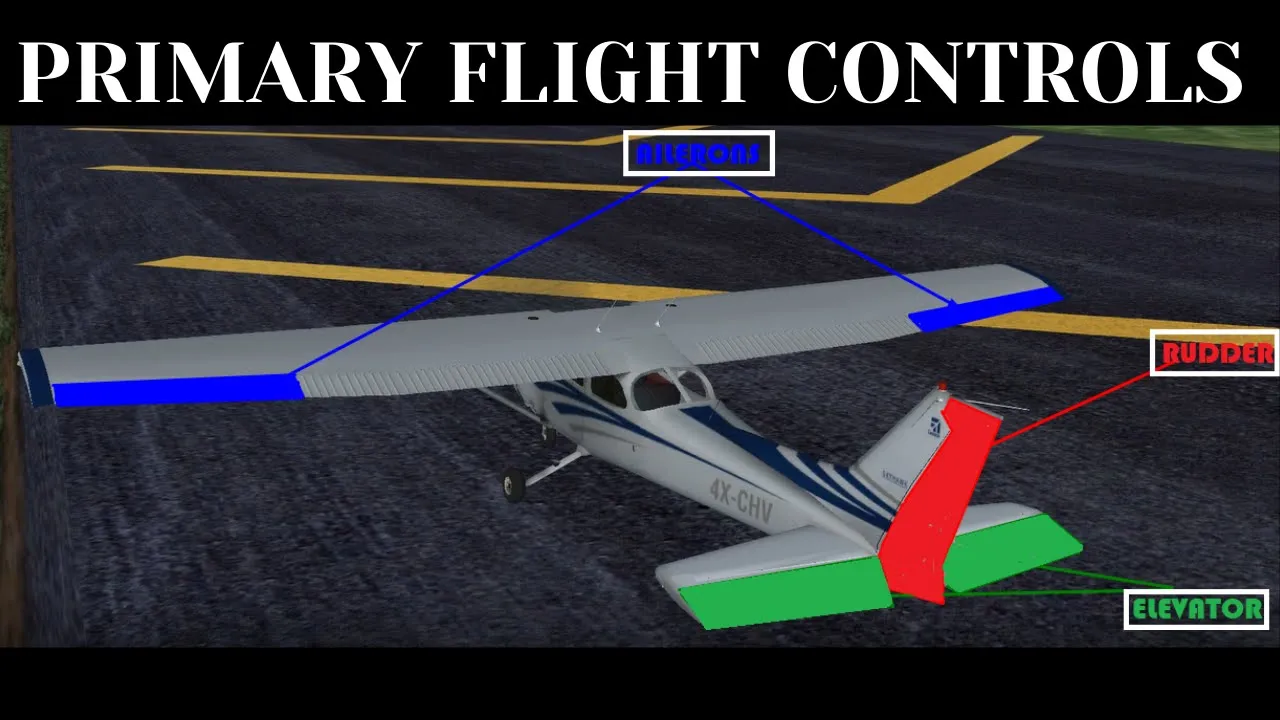
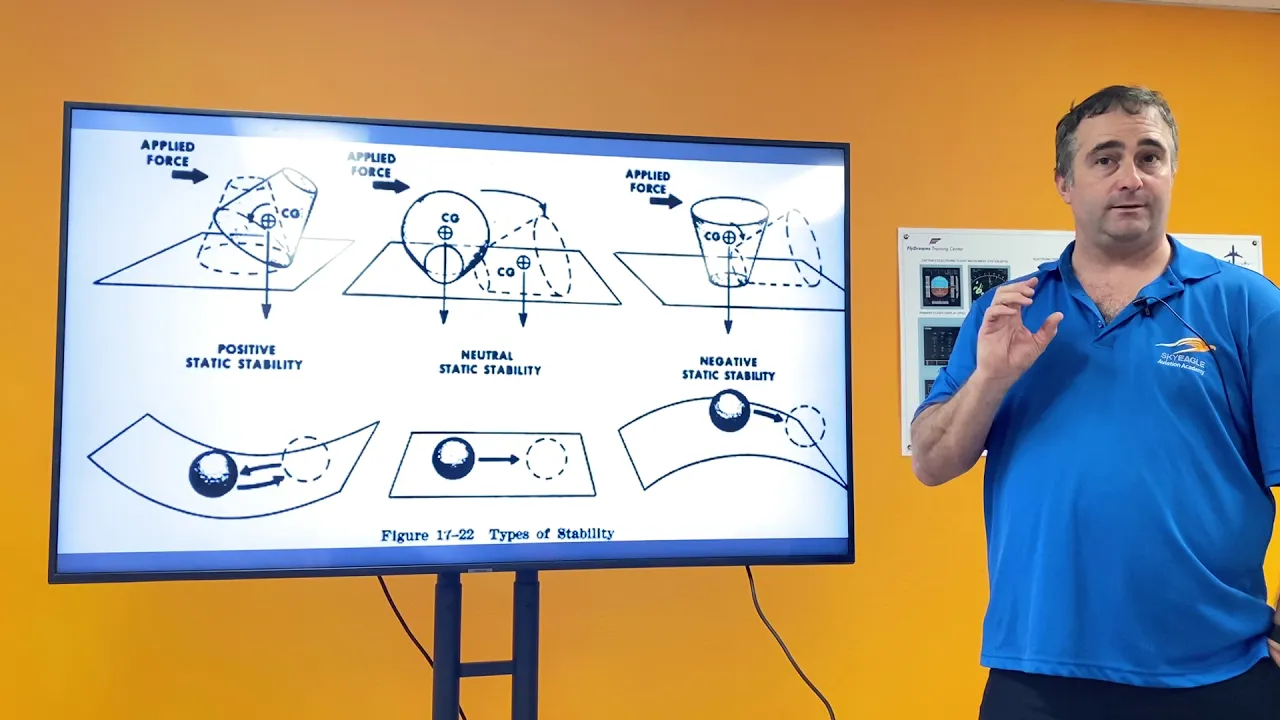
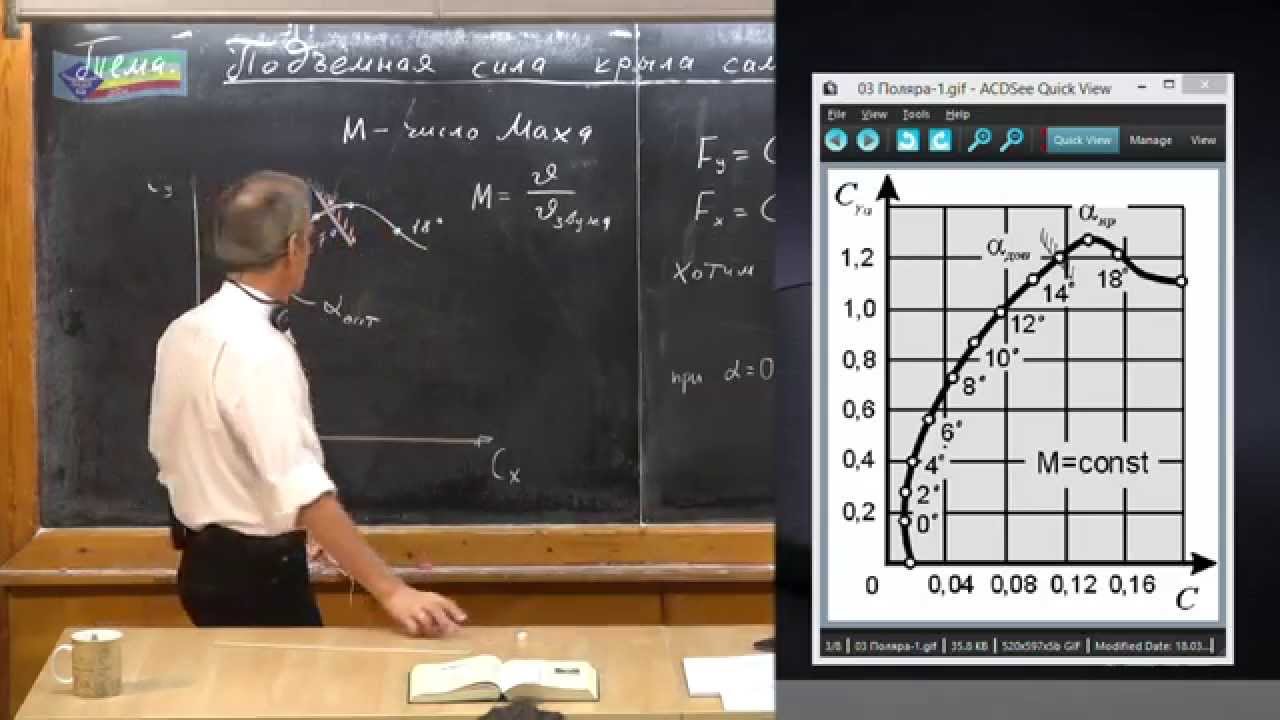
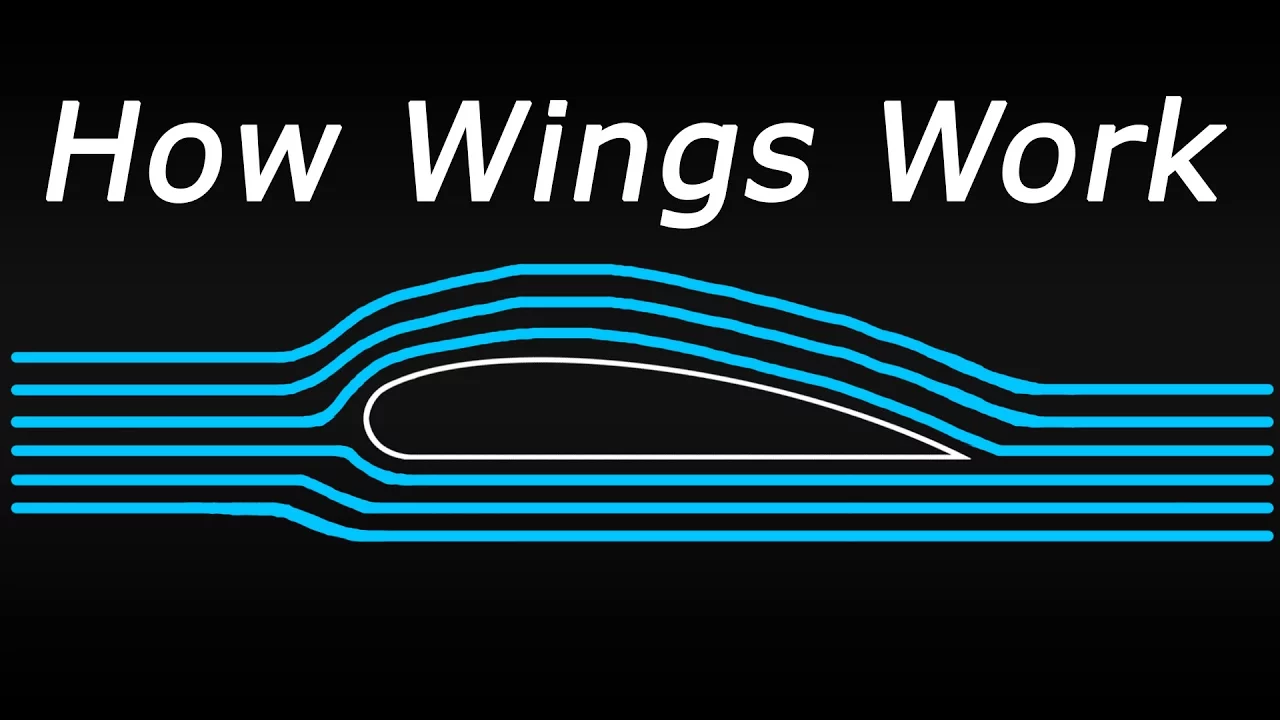
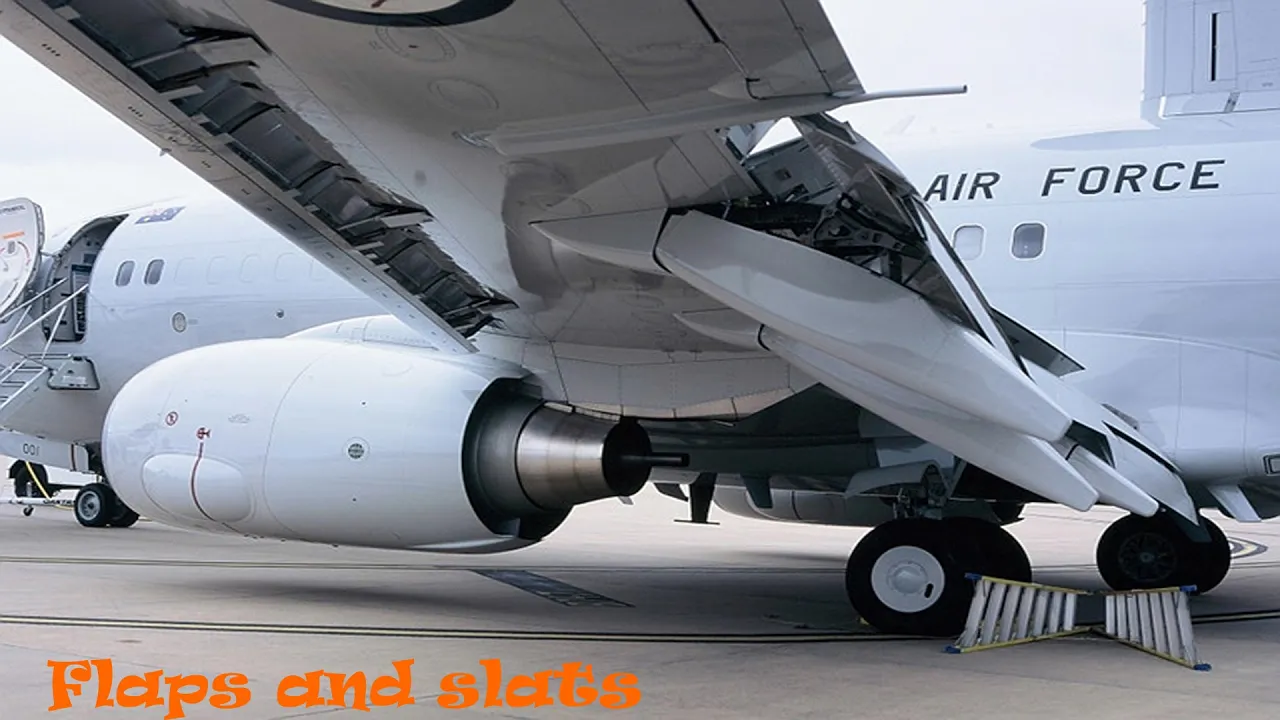
Added:while an airplane is in flight there are four forces acting upon it they are lift weight thrust and drag lift is the upward force created by the wings as air flows around them and keeps the airplane in the air weight is the downward force toward the center of the earth opposite lift which exists due to gravity next we have thrust this is the forward force generally created by the aircraft's propellers or turbine engines which pulls or pushes the aircraft through the air finally there is drag drag is the force acting in the direction opposite of thrust which fundamentally limits the performance of the airplane when an aircraft is maintaining its heading altitude and airspeed it is said to be in straight and level unaccelerated flight in unaccelerated flight lift equals weight and thrust equals drag let's look at these four forces in a little more detail the key to an aircraft being able to fly is lift looking at a cross-section of a wing we can better understand how the lift gets generated a wing is a type of airfoil air foils in general are just any surface that generates an aerodynamic force as a fluid in our case air moves around it don't confuse a fluid with a liquid fluids or any substance that deform under an applied stress liquids gases and plasmas are all considered fluids in addition to the wings all the flight control services as well as the propeller are considered air foils the aircraft's fuselage is even an airfoil but it's not very good at producing lift before we get to in depth let's introduce a few new terms the forward most point of the wing is called the leading edge the aft most point is called the trailing edge if we connect these two edges together with an imaginary line this line is called the cord line as an airplane flies through the air the path that the plane travels along is known as its flight path the airflow that flows around the airplane as it travels through the air is known as the relative when the relative wind is parallel to but opposite the aircraft's flight path the angle between the wings cord line and the aircraft's relative wind is called the aircraft's angle of attack the angle of attack is a major factor as to how much lift the wings generate so now that we've got those terms out of the way how does a wing actually create lift well there are two major theories working in unison that explain the creation of lift these are Newton's three laws of motion and Bernoulli's principle while all three laws of motion applied to flight the third law has the most significance to lift production Newton's third law states that for every action there is an equal and opposite reaction if you stick your hand out of a moving cars window you will notice that your hand will want to lift up by rotating your hand you were deflecting the air that comes in contact with your hand downward and as a result the air will push your hand up this is similar to how a wing works in normal flight as air flows around the wing the air gets deflected downward as it flows smoothly around it and as a result the wind will lift the wing up the other main theory of lift is Bernoulli's principle the principle states as the velocity of a fluid in this case air increases its internal pressure decreases we can visualize this by having air flow through a tube with a narrower middle section which we call a venturi as air enters the tube it is traveling at an own velocity and pressure when it arrives at the narrower portion the velocity increases to allow the air through as the airs velocity increases the airs pressure decreases then as the air exits the narrower portion it returns back to its original velocity and pressure now let's flatten the top part of the tube granted the effect will not be as pronounced but there will still be a change in velocity and pressure as the air moves through now how does this relate to a wing well if we replace the bottom protrusion of the tube with away in essence we have the same thing as a venturi as the air passes over the wing each layer of air gets deflected less and less until finally we reach a layer where the air is not disturbed at all from the wing this can be thought of as the top of the venturi an airplanes wing is shaped similar to that of a venturi the top is rounded while the bottom is relatively flat because of this the air traveling over the wing will increase in speed and as a result will have a lower pressure than the air below the wing this imbalance in pressure is called a pressure gradient wings are designed to create this kind of pressure gradient because air always moves from areas of high pressure to areas of low pressure since the wing is stuck in between the two areas of unequal pressure it is lifted towards the area of low pressure by the force of the higher pressure air trying to move to the low pressure side of the wing now that we've covered the two theories behind lift let's discuss all the factors that determine how much lift is produced the best way to discuss this is through the lift equation don't worry though this isn't a math lesson lift equals one-half times the air density times the surface area of the wing times the airplanes velocity squared times the coefficient of lift for the most part this should be fairly straightforward the only one that might confuse you is coefficient of lift the coefficient of lift is simply just a number that is associated with a particular shape of an airfoil as well as the airfoils angle of attack generally speaking there are really only two ways a pilot can control the amount of lift the wings can generate airspeed or angle of attack the faster the airplane travels the more lift the wings will generate similarly the higher the airplanes angle of attack the more lift the wings will generate however there's a limit to this angle let's look at this using a chart the chart is plotting the coefficient of lift of a particular wing as its angle of attack increases it will continue to increase until a certain angle of attack called the critical angle of attack after this point the wings will still create lift but the amount of lift created is decreased this is called a stall more information on stalls will be covered in a future lesson in addition to the aircraft's airspeed and angle of attack there are other factors that affect the amount of lift created by the wings however the pilot does not have control over these factors these factors have to do with the design of the wing itself and consist of the wings planform camber aspect ratio and wing area the wings planform refers to the shape of the wing when viewed from above the camber is the curvature of the wing a wing with zero camber would be considered symmetrical about the chord line camber is usually designed into an airfoil to increase the maximum coefficient of lift and thereby minimising the stall speed of the aircraft the wings aspect ratio is the relationship between the length and width of the wing generally the higher the aspect ratio the more efficient the generation of lift is for example gliders have really long skinny wings giving them a higher aspect ratio compared to a Cessna 172 finally there is the wing area which is simply the total surface area of the wings the larger the wing area the more lift the wing can produce looking back at the lift equation we can see that the wing area is incorporated into the equation the rest of the wing shape factors are merged into the coefficient of lift variable we saw how pilots can control the lift generated by the wings by changing the aircraft's airspeed and angle of attack however most airplanes come equipped with one or more additional ways for the pilot to manipulate the wings and in essence change the shape of the wings these are called high-lift devices the most common of which are trailing edge flaps or just flaps for short high-lift devices such as flaps are designed to increase the lift and drag generated by the at low air speeds flaps are particularly important for the approach and landing phases of flight use of flaps during a landing allows the pilot to fly at a fairly steep descent angle without gaining airspeed and allows the airplane to touchdown at a much slower airspeed flaps can generally be lowered in steps or more precisely in set degree amounts initially the input of flaps will increase lift by a larger amount with only a small increase in drag as the flaps are extended further usually around the halfway point lift increases only slightly and the amount of drag created increases rapidly now that we have an idea on how lift is generated let's discuss the three remaining forces starting with weight weight is the force of gravity pulling the aircraft back down to the earth this force always acts vertically downward to the center of the earth no matter what the aircraft's attitude the weight force always extends and pivots from the center of gravity also known as its CG keep in mind that the weight of an aircraft is not constant it will vary with the equipment that is installed as well as the passengers cargo and fuel throughout the flight the weight will slowly be decreasing as fuel is burned to power the engine next is thrust thrust is the forward acting force opposing drag which propels the airplane through the air in most general aviation airplanes thrust is generated from the propeller larger Jets get their thrust from their turbine engines similar to lift thrust is generated from the same principles as lift but in a horizontal direction a propeller is an airfoil as such as it rotates its blades accelerate the surrounding air towards the aft end of the aircraft and as illustrated with Newton's third law the equal and opposite reaction results in the aircraft moving forward and finally we reach our last force drag drag is the force opposing thrust which limits the forward speed of an aircraft there are two types of drag parasite and induced drag there a drag is a direct result of the air resistance as the airplane flies through the air there are three types of parasite drag form drag interference drag and skin friction drag to learn about these three types check out the bonus video on parasite drag the amount of parasite drag varies with the speed of the aircraft as the airplane speed increases the amount of parasite drag will increase in fact the amount of parasite drag you experience is directly proportional to the square of the airspeed for example an aircraft traveling at 120 knots will experience four times as much parasite drag as the same plane going 60 knots at the same altitude the other kind of drag is lift-induced drag more commonly called induced drag while the wing is creating lift behind the wing is a downwash of air at the same time the airflow around the wingtips are creating vortices that spiral from below the wing to above the wing as these vortices wrap around the wing they actually change the downwash angle of the air flowing over the wing this in effect tilts the direction of the lift created backwards this shift from completely vertical lift to slightly aft lift is due to induced drag induced drag as higher at slower air speeds and decreases as we increase speed this is because induced drag is worse when the airplane is flying at a high angle of attack like when we are flying slowly one way that a pilot can experience reduced induced drag is by flying and ground effect when flying within a wingspan of the ground the ground itself changes the downwash of the air flowing over the wings this shifts the lift vector forward and reduces the amount of induced drag pilots can take advantage of ground effect when performing a soft field takeoff this lets the airplane lift off the ground before the regular liftoff speed however they'll need to hover over the ground for a few seconds to increase their speed before they can continue to climb out if we take both induced and parasite drag plot them on a graph and add them together we get a new curve representing total drag the lowest point on the total drag curve shows the air speed at which we make the most amount of lift and the least amount of drag this value is called L over D Max or as pilots know it our best glide speed pilots should be familiar with this number because in the unlikely event of an engine failure this is the speed at which they'll want to glide down to the ground and a no wind condition this speed will give the pilot the best glide ratio meaning that they'll be able to stay aloft the longest to maneuver to their intended field for emergency landing note on the left side of the total drag curve the slower you fly the more drag you create in this region of air speeds sometimes called the backside of the power curve the pilot will actually have to add more and more thrust to counter the high amounts of drag being created in fact if they want to accelerate out of this range of air speed they will have to add an excessive amount of power maybe even full power one other thing to keep in mind at slow air speeds is that there is much less airflow traveling over the flight control surfaces as such any input you make on the flight controls will not have the fast response one would be used to the flight controls will feel mushy and they may require large inputs before any real response is felt while the finer details of the principles of flight can seem a bit overwhelming at first gaining a basic knowledge of how the airplane flies provides the pilot full understanding of all the forces at work and the best methods and techniques for controlling their aircraft a good pilot doesn't just drive their plane from point A to B but instead understands the art and science of how their plane flies
Up Next
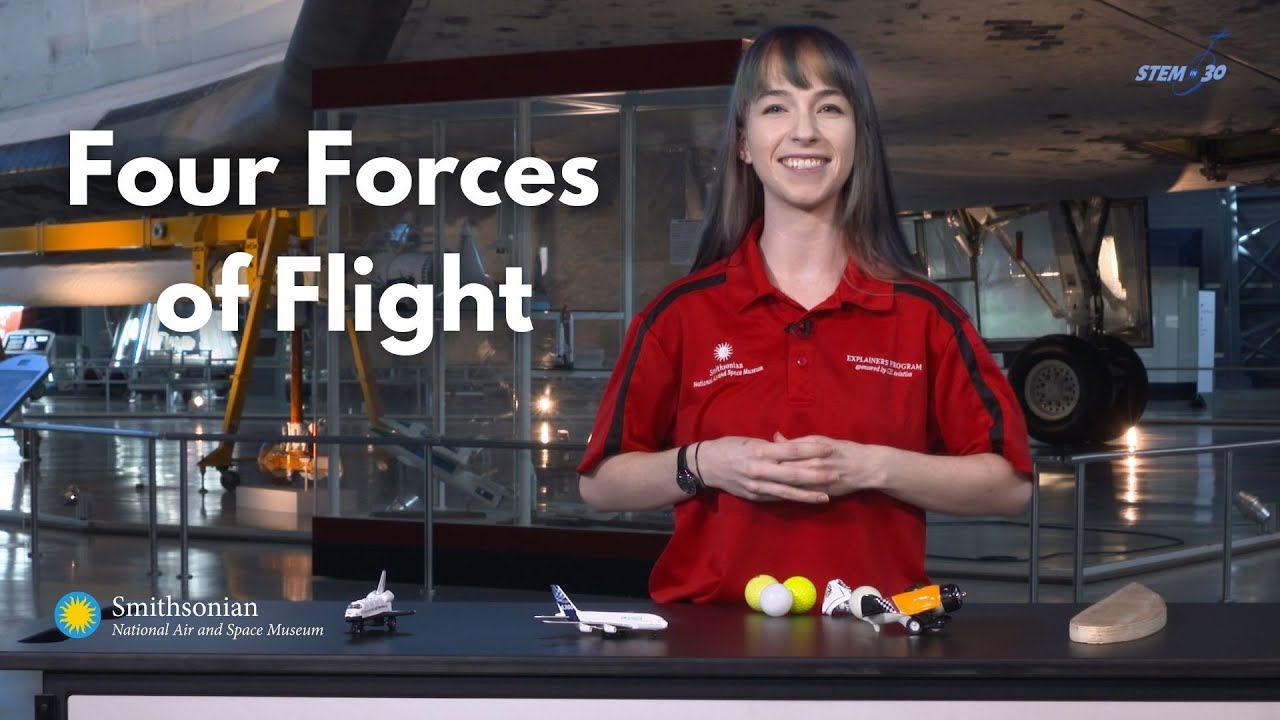
The Four Forces of Flight Explained | Physics of Airplanes
@airandspace
126K views•2020-09-10

21cm Hyperfine Transition in Neutral Hydrogen: Radio Astronomy Basics
@AaronRobertParsons
12.4K views•2011-10-13

NMR Spin Physics I: Zeeman Effect, Resonance Condition & Larmor Frequency
@nptel-indianinstituteofsci8064
2.3K views•2024-01-17

Entropy and the Second Law of Thermodynamics Explained
@veritasium
27.5M views•2023-07-01
Related Study Plans & Knowledge Roadmaps
Structured learning paths in Physics