



















Coal mine reclamation has evolved from large-scale, acre-by-acre plowing and seeding to small-scale, site-specific approaches that preserve existing vegetation and adapt to changing site conditions. The Boston Coal Mine Project in Colorado demonstrates this evolution, where reclamation techniques were adapted from New Mexico's dry-land methods and implemented through partnerships with Mountain Studies Institute, Southwest Conservation Corps, and Fort Lewis College. The project achieved 60% tree and shrub success by amending soil with biochar and compost, installing straw wattles for erosion control, and preserving native vegetation, while also addressing acid mine drainage and protecting wildlife habitat.
Abandoned Coal Mine Reclamation: Boston Mine Erosion Control
Added:Fundamentals of soil erosion and hydrology, specifically how water runoff affects unvegetated, disturbed land surfaces.
The environmental impacts of legacy coal mining, including soil acidification, loss of vegetation, and slope instability.
Basic concepts of land reclamation versus ecological restoration, and the regulatory frameworks governing abandoned mine lands (AML).
Introduction to dry-land (arid/semi-arid) ecosystem dynamics, including water-scarcity challenges in vegetation re-establishment.
Advanced soil bioengineering and geomorphic reclamation design techniques, such as mimicking natural landforms.
Long-term monitoring protocols for reclaimed sites, including vegetation cover sampling, soil geochemistry analysis, and remote sensing.
The economics and policy of abandoned mine lands (AML) funding, including the role of federal grants and public-private partnerships.
Comparative studies of wet-land vs. dry-land reclamation techniques and managing acid mine drainage (AMD) in diverse climates.
263 views2likes25:14Original Release: 2015-08-25
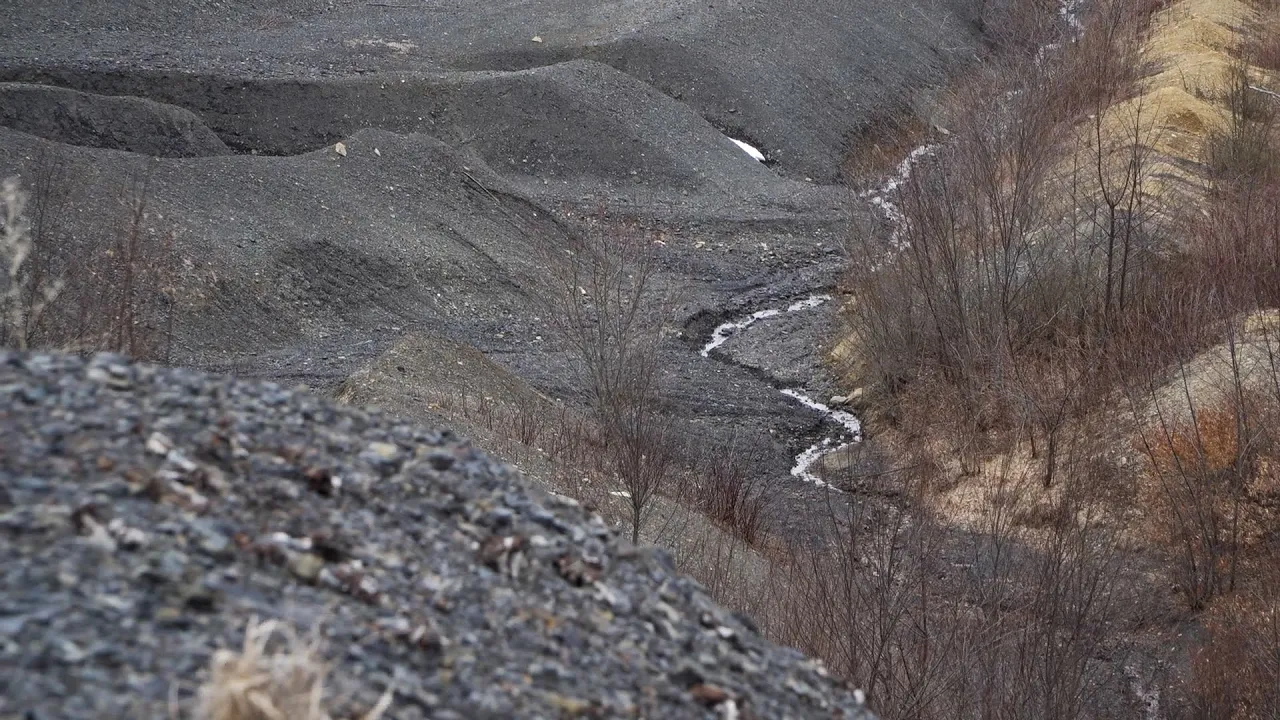
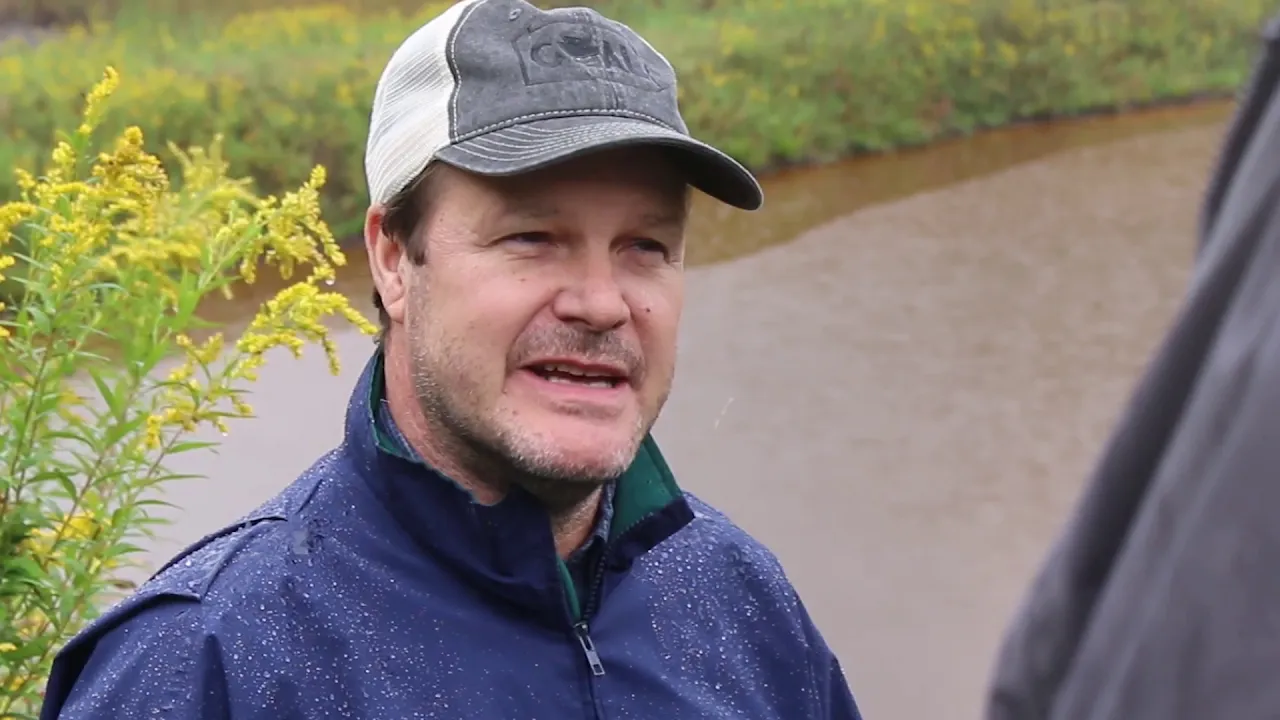
thank you so on my desk I said I work for the division of Reclamation line and safety and for every ton of coal that is mine in the state the office of surface mining takes that money it puts it in a pot and then they hand that money out to the states um that had coal mining in them to complete coal mining reclamation and so Colorado gets a portion of this funding and so in turn the division of reformation mining safety does a lot of reclamation at coal sites and that's probably one of our first and foremost jobs at divisional reclamation writing safety or is the one that started us it was our bread and butter and so um in recent years in Drago and in the San Juan coal basin we've done less we we've done a lot of coal reclamation in the past at these abandoned coal mine sites and in the 80s and in recent years we've done less but we seeing a slight resurgence lately with needing to revisit some of these sites that we've done reclamation on in the past and that fits in with this this tie-in of like the evolution of reclamation and evolution of the site and so when I was asked to talk about coal mine reclamation I had to decide what to talk about because did in the past three years we've done three projects and they all been really interesting and we've put out a coal mine fire on the southern ute reservation where we just a coal mine caught fire and we dug it up and and cooled it off and a very interesting project was a coal mine fire started on due to the Weber fire near make us and so under that project we on the forest fire moved across Menifee mountain and started to but started some coal mines on fire and so we dug those up and cool doze off and while those are interesting projects just because there's fire and flames and heat and on and a lot of money was spent a lot of different equipment I think that the the most fitting one to talk about would be the Boston my erosion control project it's a project that shows how us how this reclamation has changed through time and how the needs of the site are changing through time on due to just environmental changes or even just slight changes on a site can change the needs of of reclamation so we're going to talk about the Boston my erosion control project it's like and uh it was a success and we're talking about it today because it use some different new techniques to reclaim mataki about it because we share technologies with other agencies and other groups and we had collaborative partnerships with Mountain Studies Institute and Southwest Conservation Corps and local entities and and Fort Lewis College we're talking about it because um we believe that this showed a shift in how we were claim from large-scale by the acre plow and a site under and and um seeding to looking at recreation on a small scale and preserving even singular clumps of grass jen and really changing our amendment for each area depending on on what we see in see on the ground so kicking it from the acre size down to the square foot let's design it by the square foot now and we're also talking about the successes of preserving the site for the wildlife and preserving the history on the site and then once again our partnerships on this site were so important and that was one of our goals for reclaiming this site on this coal mine site was to involve the community it's like so I'm going to start by talking about the Boston mine itself we're going to talk about the history of the Boston mine just because it's really interesting and ties into the San Juans we're going to talk about acid mine drainage and luckily I don't need to go over all the details Devon wherever and we'll talk about the project that at the time the division of minerals in geology completed in 1992 and then we'll talk so we used to be the division of minerals in geology and now or division of Reclamation mining and safety so I'll say drms so just shorten it because it's a mouthful and then we'll talk about the 2013 erosion control project which I think was a huge success slide so the Boston mine is located in the San Juan Mountains it is located right outside of Durango Colorado on the backside of parents peak if you've ever gone up leitner Creek to access the colorado trail you've driven past it it's located on Colorado Parks and Wildlife property so this site is preserved for wildlife that's its main purpose is to preserve the site for wildlife and it happens to have a mind on it so the Boston mine also known as the parent speak number one is an abandoned coal mine it was mined from the turn of the century to about 19 26 in mind the Menifee formation of the Mesa Verde group for all the geologists out there and uh it uh the coal range from about two feet to 8 feet thick and there remains on site about 4,000 cubic yards of coal waste so coal waste is similar to to the hard rock mine waste that we see it's just the the waste from mining the coal it wasn't good enough to burn not a high enough carbon content to go to the train or to go to the smelter to help so this this site supplied the train and the smelter to smelt the minerals that we got from silverton and and mostly from silverton and once again owned by Parks and Wildlife so we're trying to protect the bio bike on this site there's the rocks the Menifee formation has coal in it and so that's what we're reminding the point lookout sandstone is one of those notable features so you could track it across it to that same same type of rock you know that you see there at Mesa Verde sticking out the point lookout here's a historic picture of the site that I got off the internet somewhere showing the rail grade and showing on there is a mind carb slope that goes up up the slope here and goes underground in and a lot of these remnants are still preserved on site so the history of the site was really important to us to preserve this is the town side of parent a little known fact there is a huge town up there right behind Durango so here is a mine car that's still on site and you can still see the remnants of the old rail grade that went into the mine and so it's just it's neat to see the history of the site a mind map um this is showing the entry where the mine cars go up your the tipple here into the into the mountain and then showing areas that are burned out and worked out and so yeah so what we were getting in the for the acid mine drainage which we'll talk about next is we're getting water backing up against this this outcrop here which is not a portal and coming out so we're getting acid mine drainage out of this coal mine site on acid mine drainage pyrite oxygen water equals acid mine drainage we'll just boil it down so the odd thing about this coal site is we're used to acid mine drainage here in the San Juans coming out of these far rock mine sites mining gold and silver but we're not used to thinking about acid mine drainage from coal mine sites at least not in the West so this is a really unique site it's not we don't see acid mine drainage coming from other coal mines even in the immediate vicinity this is a real unique place where there happens to be a little bit more pyrite in the coal and we get some acid mine drainage and along with that some other minerals contributing zinc and copper and manganese and not the pH of the water was two and a half it was two and a half and still is um so we think that somehow water was getting into these mine mine workings through a collapse mine working in a drainage so water was coming down the drainage entering the mine workings and getting backed up against the outcrop and coming out about 10 to 25 gallons a minute of this low pH high metals water so the focus in the 90s was let's deal with this deal with this water and get rid of our our metals problems on the site so it the the flow was even so high that sometimes it reached 20 gallons a minute all the way down a mile from the site down entering leitner creakin and had orange flowing just similar to the hard rock drainage orange water come in from the site which is that iron precipitates coming out of the water making it discoloring it so in 1992 School of Mines and Bureau of Mines and the division of minerals in geology all got together and decided to support the School of Mines effort to install a sulfate reducing bioreactor which once again Devon talked about and that's just an upflow treatment system that uses let's move on to the next one it's an upflow treatment system that uses limestone and organic matter and usually gravel for hydraulic conductivity to treat water to make it an oxic to precipitate metal sulfides out and when you do that then you get rid of your metals they're trapped in that in that cell that point so in 1992 we did just that we put in a French drain we collected the water we sent it down to a sulfate-reducing bioreactor cell on the site and started treating water and we use for this just for interesting we used mushroom compost as our as our carbon source and we saw that this site was working in 1992 and maybe 1993 and was raising the ph and removing metals um at that same time that we did this project we closed a portal in the in the drainage and this was a collapse into the mine workings that we filled with foam and then we covered with dirt so we essentially got rid of the hole so it could no longer capture water here's a schematic of the site showing the crown whole throwing the seepage area and then showing the wetland treatment and next aerial photo showing the same thing a more recent aerial photo flown by us showing the 4,000 Ubik yards of coal waste showing some existing ponds that were there you know I i was i'm guessing maybe in the they were installed even maybe in 1920 but uh ponds to catch sediment were already there for us they're filling up fast the acid mine drainage steep area there's a lot of severe erosion coming off of this area now after 1992 there's the wetland treatment sell all filled with sediment and here's Steve standing out we're looking at the site we went out there from about 2010 we started going out there and and looking at the site and we'd heard that on that there was a lot of severe erosion issues and there's a dry pond the acid seep area showing a bunch of salt crust but not a but not any flow now acid seep area again even early in the spring and showing no flow I'm still pretty dry so sometime between 1993 in the present the site completely changed and there's no more water at the site we go up there and maybe we saw 5 gallon with five gallons per minute once and I typically we see no no water so there's no reason to have a wetland treatment system anymore or a sulfate-reducing bioreactor and um we think maybe the closure of that that crown hole caused the water to go away from the workings no longer getting trapped against the outcrop so severe erosion exposed pipes just down cutting broken pipe that's just showing salt crust because it's pretty and the wet wetland treatment cell filled completely with sediment you know two or three feet and just overflowing and down cutting and so this is where our partnerships come in and Mountain studies came in and they started running vegetation trials for us they ran vegetation trials using biochar and compost and limestone also and they amended it at different ratios and gave us a recipe to decide what to amend with at this site and so biochars is basically a piece of charcoal burned in a low oxygen environment with a distinct structure that allows for water retention and has other added benefits of a higher pH and sequester's carbon then we used compost compost at the site happened to be local we didn't want to use manure because we didn't want to introduce weeds to the site so we used beer mash from steam and wood chips and so you know biochar is becoming less innovative but what's if it's still being used as a soil amendment so we considered that kind of an innovative step in using that at the site and then the real innovation though came from the technology sharing that we did with a new mexico up man and Wineland group they're not here today but they provided some new and exciting dry land reclamation techniques that they've been using just across the border like in Raton in their coal basins and so we adapted those and and started using those in Colorado which we're big on sharing between the different states and the different entities so we were able to do that and then we change the revegetation perspective from big-scale ploughing acres under 22 looking at each separate area and leaving even small clumps of grass standing and not not plowing them under and so we did a lot of work by hand at the site so in 2013 we started the project it was funded by office of surface mining and the tax and every ton of cold it's mine and it's on the Colorado Parks and Wildlife property so here's a horny toad protecting him Anna and we were also protecting their main focuses peregrine falcons in elk but I'm so weary vegetated five acres goodness and the specific soil amendment was two and a half tons of biochar and four tons of compost breaker and then we mix that into the top eight inches of soil and huh we had to hand deliver it up the slope so that was winches and pulleys and then hand mixing and leaving even just tiny clumps of vegetation standing and working around what was there due to this fragile desert environment that we were working in and then we included limestone on the asset areas so here we are mixing biochar compost getting ready to take it up the hill there it is it's pretty dark black here we are mixing it into the acid area so we have some limestone spread out to more limestone getting mixed in and then so straw wattle and stabilization this is what we borrowed from New Mexico so this is where every two foot vertically we placed a straw tube on contour across the slope so you imagine every two foot there's a straw waddle on the slope and behind that straw bottle we made a little flat area and behind those flat areas that's where we had a microclimate for shade and water and mulch to cab to help the plants get a better establishment and the positive thing about these straw waddell's is they can leave the site as the land form as it was with the coal waste piles in the history of the site and they degrade with time and then they they're not so they're not disrupting much that's what it looks like in GIS version and then we also mulch the site the entire site with mulch and we had to hand mulch it and hand crimp it because we'd already put the straw wattles down so our our contractor on this site are MC consultants with excellent they do a lot of work for a lot of a lot of the people in this room and they did a great job here they are hand crimping we also installed check dams in the drainage so here's the drainage before it was down cut like 4 feet since 1992 so we came in and put these check dams in and then they're working now and they're backing up sediment and it will hopefully fill the channel back in as it as we get more storm events we also had to do a mine safety closure also in the drainage another hole in the drainage so I'm hoping we filled this one with foam and covered it with dirt that will get even less water entering the mine we had to be worried about that and so we put a tube in it that sticks above the surface and doesn't capture water though and so there's the air shaft with a closure in it and so tree planting we planted 20,000 live trees and shrubs and that's a lot conservation seating and restoration grew them all for us in the spring and then we planted them in the fall so we played mostly Gamble's oh because that's what we saw growing on the site and but also sagebrush Ponderosa and non mahogany and we're finding that they're all kind of surviving um similarly they're all doing really well of course the sagebrush is like taking over but so we had then another partnership that we brought in was the Southwest Conservation Corps we brought them in on their a group that does work for cheap provides a lot of Labor they educate their their core members and come out with a positive experience to impact their lives and so they planted 20,000 trees and eight days with the help of conservation seating and restoration doing watering and helping move materials and heavy equipment and then we also brought in Fort Lewis College which is one of our goals at the initiation of this project to UM to bring them in so we headed the geology students come up and they learned about the site then they helped plant trees for an hour there's all the trees and shrubs and little tubes and volunteers and so our partnerships that was one of the successes of this is partnering with mountain studies in the Conservation Corps and Fort Lewis and partnering with Parks and Wildlife to give them what they needed on the site to protect wildlife instead of it just making that the focus of the project and of course office of surface mining for giving us money and our contract or our MC and our other contractor conservation seating restoration so here's a core member planting trees here's what it looked like um with almost all of implanted so they're really close together in these surprising things we're seeing like sixty percent survival and that's really high and uh so we're happy my daughter volunteer and so here is an aerial photo I don't know this is going to show up too well but here's an aerial photo before and then in Google Earth after you can see all the little squiggles on there so it's it's pretty intense and indifferent and so we're proud of the project are there any questions and I saw you putting check dams I swear I have not heard a busy dicor his work on controlling erosion it's really good stuff to check it out and what we talked me out okay and I forgot the other bus all the foam I don't know what of my other colleagues think on foam a long time 100 years should we just throw that out anybody it's a you know it's like a plastic it's going to last for a long time as long as you keep it covered with dirt if it gets uncovered then it starts a photo to grade did you hope your 20,000 classy you planted any sort of irrigation pipes or veg snail natural rainfall yeah we've watered him when we first put him in and now it's just natural waterproof just once watch this once right when we planted them to give them a little kick start yeah I think that um we're at a tipping point on this coal waste it happened to be pretty you know although we saw acid issues for coming out of the outcrop we did not see acid issues in the coal waste pile which is weird and over the Cobra yeah the coal waste pile and I think it was kind of at a tipping point we're just a little bit of organics and stuff got it going I spent beer hotson and Farley yeah you have to encourage people and driving a green beer well I guess when you go to steamworks they don't need any encouragement they go through a lot of beer there was there any mixing my straw wattles I mean any kind of Michael materials or anything like that mushroom mycelium for example no we did not use that no mushroom compost or different uh we're what you mentioned my Celia at one point I thought today or know something about mushroom composter Oh mushroom compost you're right we could um mushroom compost was in the wetland treatment or the sulfate reducing bioreactor as the organic matter okay yeah kind of a weird different purpose do any geochemistry or spectrographic analysis of the whole source or did you have the history studies from the cold sores uh we did not do any of that we just sampled the water in the coal waste conservation seating and restoration so they grew them all for us yeah are they drank up there in rifle they were formerly Colorado you first more money that's okay so uh we didn't have time to do a survey on this this specific air shaft but we felt airflow and the Colorado Parks and Wildlife is really concerned about wildlife so we just decided to go ahead and maintain airflow in that line in case bats should want to use it and the phone does not affect know the pipe goes down and is surrounded by phone but it doesn't cover the end or anything so it doesn't hurt them or what month did you bring those keys we planted them in late-september early October that's good yeah Hey thank you
Up Next

14:34
Comparing 7 Low-Turn Compost Bioreactor Designs
@DiegoFooter
117.1K views•2021-06-17

12:54
Triumph of Orthodoxy Icon: Byzantine Art & History Explained
@BenCallan
2.1K views•2024-08-06

9:49
FastAPI vs Flask vs Django: Choosing the Right Python Web Framework
@TechWithTim
302.5K views•2024-05-26

1:42
Game of Thrones Opening Credits: A Cinematic Analysis
@gameofthrones
46.3M views•2011-04-18
Related Study Plans & Knowledge Roadmaps
Structured learning paths in General & Interdisciplinary Studies
general-studies
Elevator Engineering: History, Physics & Cities
01From Hoists to Safety Brakes: The Dawn of Vertical Lift
02Hydraulic vs. Traction: The Engineering Physics of Elevators
03Modern Speed, Safety, and Algorithms
+ 2 more learning modules
12h5 modules
Explore Roadmap
general-studies
Rubber: Material Science, History & Geopolitics
01Origins of Natural Rubber & Mesoamerican History
02The Chemistry of Natural Rubber & Vulcanization
03The Geopolitics of the Rubber Boom & Colonization
+ 2 more learning modules
12h5 modules
Explore Roadmap
general-studies
Containerization: Evolution, Logistics & Trade
01Ancient Trade & Bulk Cargo: Amphorae to Barrels
02The Industrial Revolution & Cardboard Packaging
03The Containerization Revolution: Malcom McLean
+ 2 more learning modules
12h5 modules
Explore Roadmap
general-studies
Textile Tech: Evolution, Labor & Global Impact
01Pre-Industrial Textiles: Handloom & Cottage Industry
02Mechanization: The Spinning Jenny to the Power Loom
03The Factory System & Global Labor Transformation
+ 2 more learning modules
10h5 modules
Explore Roadmap