















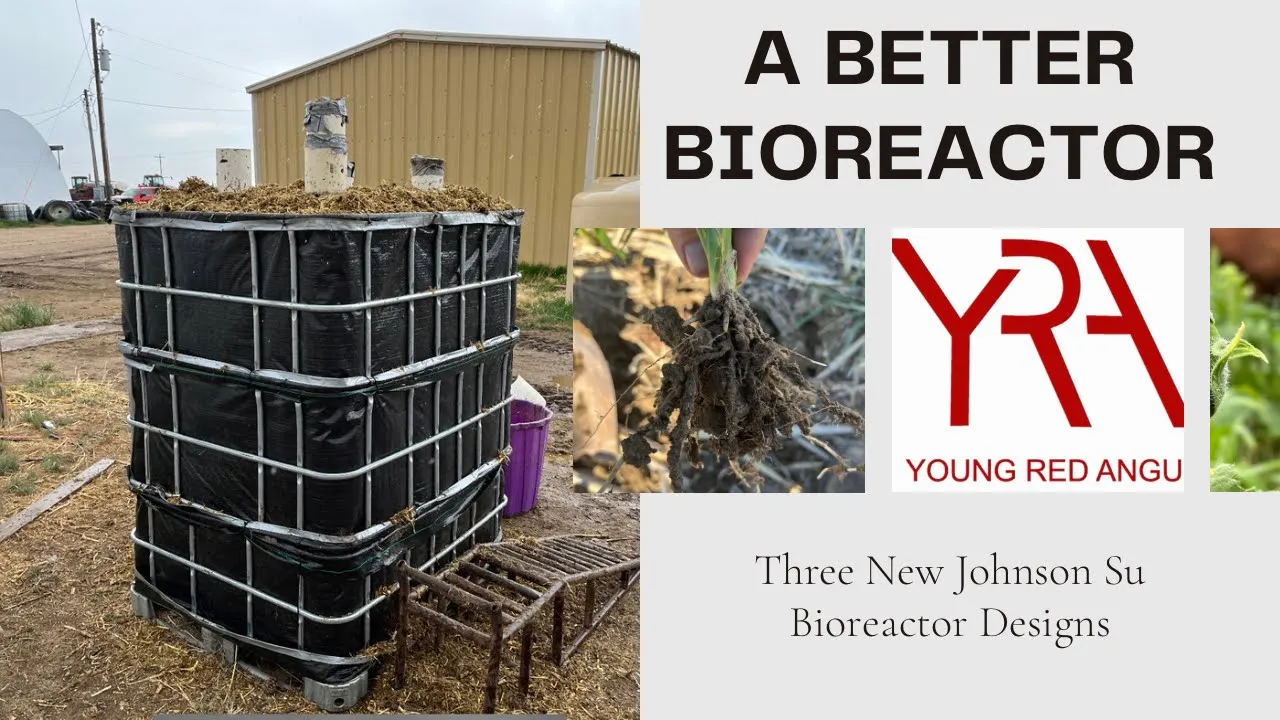
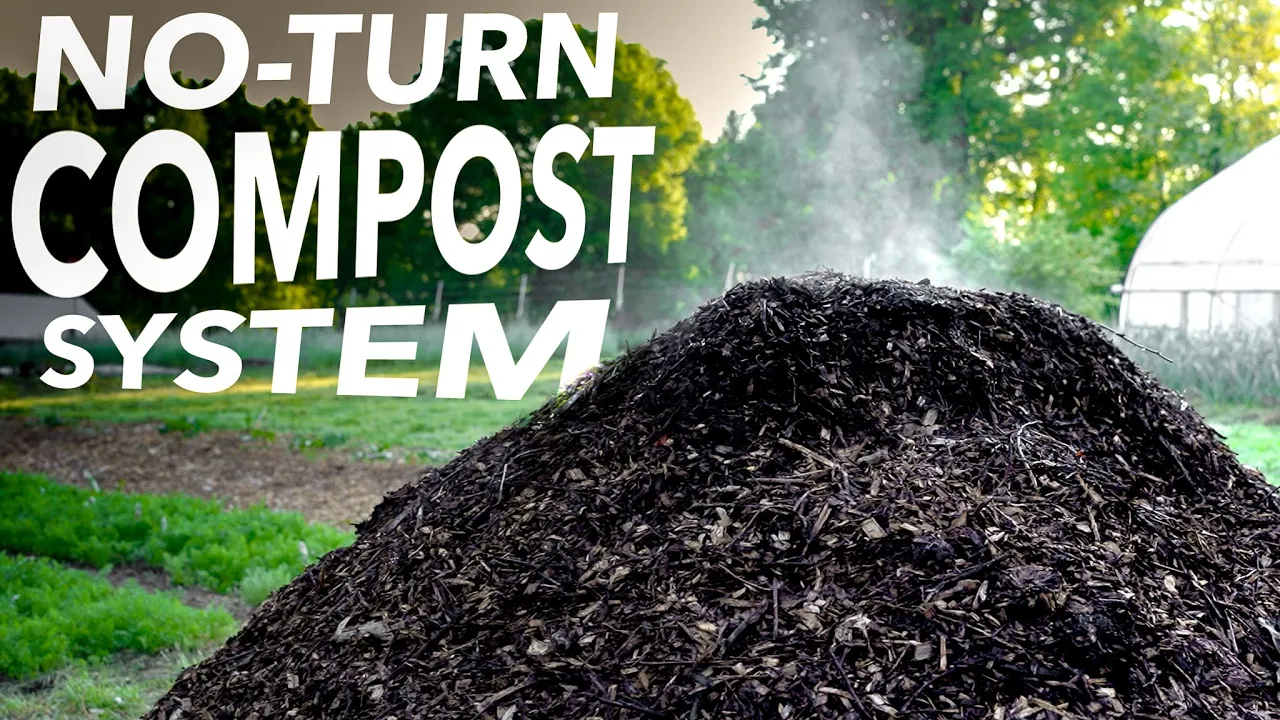








There is no single 'best' composting method; multiple Johnson-Su-inspired bioreactor designs (including traditional with air tubes, modified versions without tubes, single central air pipes, ground-contact systems, double-ring reactors, and the simplest 'duh method' of piling organic matter with vertical supports) can successfully create high-quality compost without turning, and the optimal choice depends on individual circumstances, available materials, and local conditions rather than following rigid purist guidelines.
Comparing 7 Low-Turn Compost Bioreactor Designs
Added:The fundamental biology of aerobic decomposition, including the role of bacteria, fungi, and actinomycetes in breaking down organic matter.
The concept of Carbon-to-Nitrogen (C:N) ratios and how balancing 'greens' (nitrogen-rich) and 'browns' (carbon-rich) materials impacts compost health.
The importance of oxygen in composting and the physical differences between aerobic and anaerobic decomposition processes.
Basic temperature phases of compost, specifically the transition from mesophilic to thermophilic temperatures and its role in pathogen destruction.
Advanced design and construction techniques for specific passive systems, such as the Johnson-Su Bioreactor or static aerated pile (ASP) systems.
Techniques for monitoring compost health non-invasively, including interpreting temperature curves and moisture retention without turning the pile.
The ecological benefits of low-turn compost, specifically how minimal disturbance preserves fungal hyphae and boosts the fungal-to-bacterial ratio in the finished product.
Methods for formulating compost teas and liquid extracts from biologically rich, passively aerated compost for targeted soil inoculation.
117.1K views3.2Klikes14:34Original Release: 2021-06-17
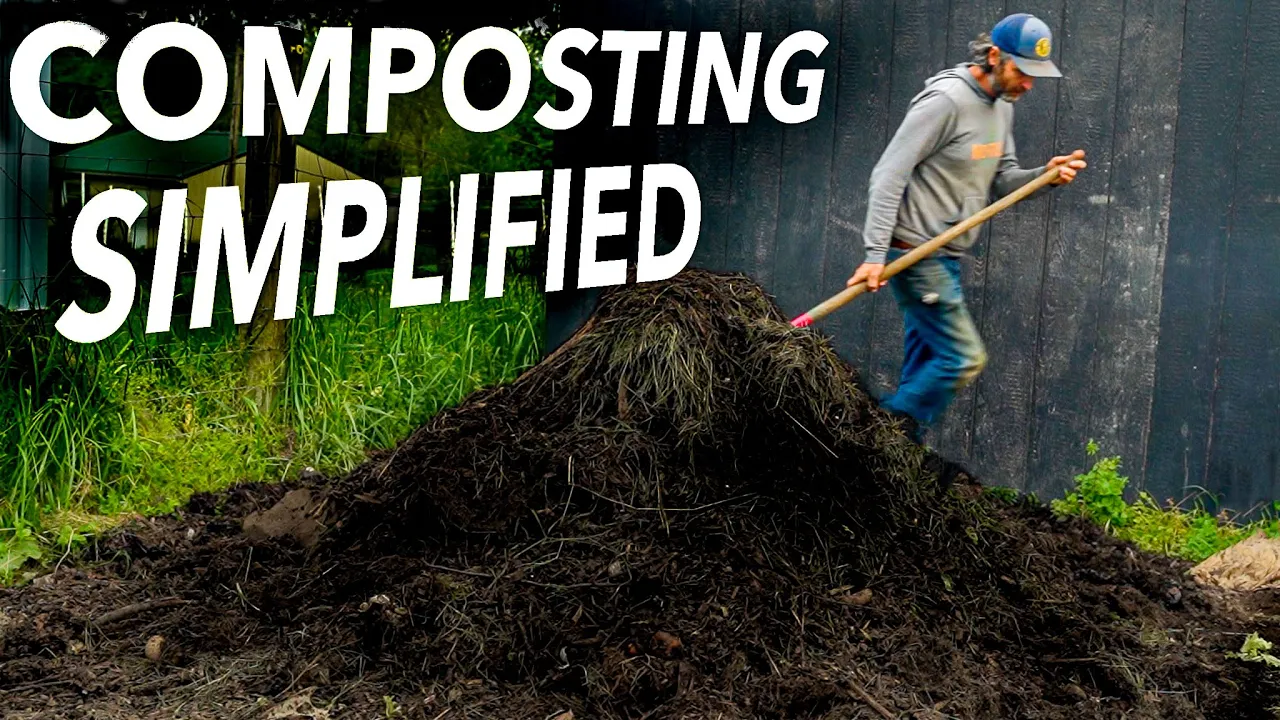
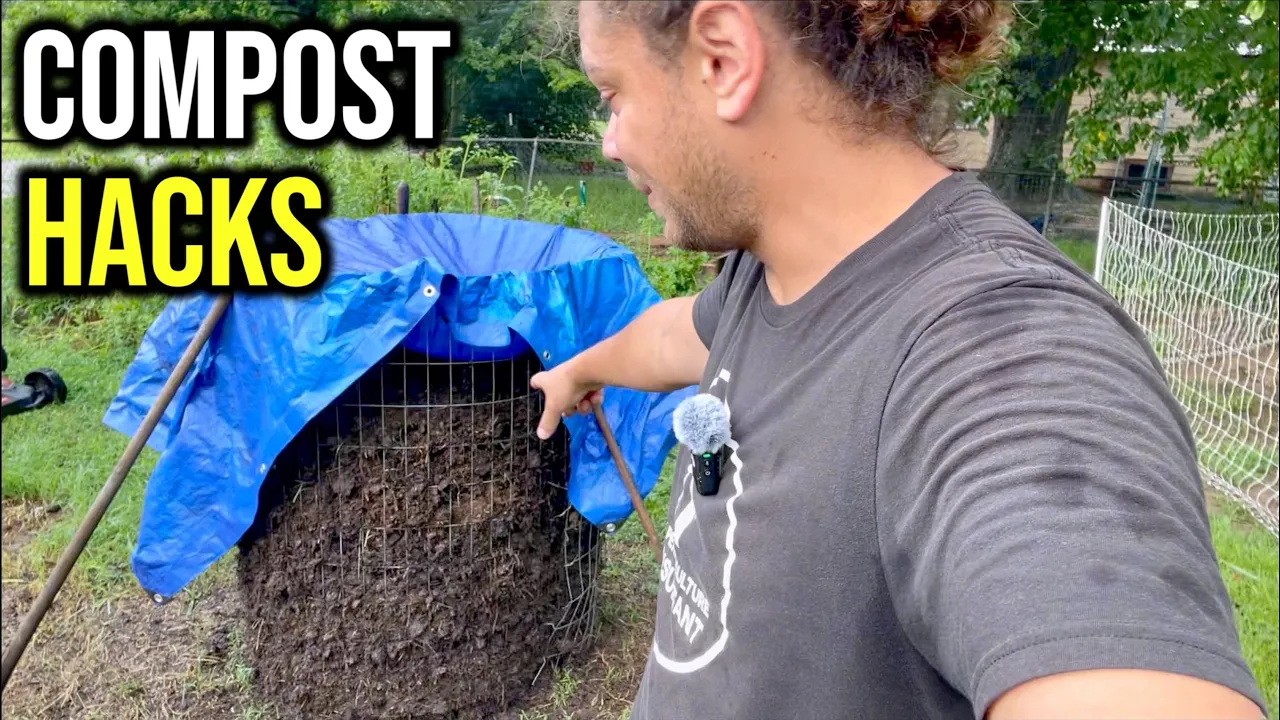
if you're turning your compost then you're probably working too hard today i have six low work no turn composting options to hopefully simplify composting for you forever let's get after it option number one the traditional by the book johnson sue bioreactor now i understand that somebody out there is going to tell me why this isn't exactly a johnson sue bioreactor down to the millimeter but it's pretty close this bioreactor has a 44 inch diameter outer ring it's sitting on a pallet for aeration and it was filled with six temporary air tubes that provided passive ventilation those tubes were later removed and worms were added to the system the materials all break down over time in an environment that encourages fungal growth and diversity one commonality between this reactor and all the reactors that you're going to see is you can fill them with whatever type of organic matter that you'd like from garden waste to straw to manure to grass clippings to leaves to wood chips while you can fill these reactors gradually it's best to fill them all at once option number two is the johnson sioux inspired bioreactor minus the center air tubes this has a 44 inch diameter outer ring it's sitting on a pallet the difference between this reactor and a traditional reactor is i filled it without adding the central air tubes later worms were added and here it sits passively composting in place so why no air tubes great question the main reason i didn't add air tubes to this reactor is i wasn't actually sure that they were needed this pile is getting air from all sides 360 degrees around this circle you're getting air penetration through the landscape fabric you're also getting it through the bottom of the pallet and through the top there's a lot of surface area of this pile actually exposed to air now it's a 44 inch diameter circle air can only penetrate so deep into the piles so maybe that central core actually goes anaerobic but i'm not so sure it does because you have large particle sizes in the form of wood chips in there providing air space and you also have worms in the system and what do worms do to soil they open it up they create tunnels they allow air to flow through it so i think worms are providing a lot of aeration to the pile another great benefit of not having the air pipes in the pile when you fill it is they are a pain to work with it's a pain to fill the pile with those air tubes in it and i've also found it very problematic to water the pile with six vertical holes throughout the pile when you put water on top a lot of times it just wants to run into those holes and it goes straight through the whole pile and out the bottom of the pallet having a nice flat surface on top of the pile will make watering easier and hopefully make the moisture content in the pile a little bit more uniform will this work we'll see it's a test in progress i know the purists would hate this because it's not exactly what dr david johnson did but you got to start somewhere if you want to find new results then you got to try new things option number three a johnson sioux inspired bioreactor with one central air pipe instead of the six central air pipes that you'd have in a traditional johnson's who bioreactor that are spread out uniformly across the surface area of the cylinder this one has one single air pipe in the center of it and it's not just one single air pipe it's actually three of the pipes that would be in a johnson's who bioreactor taped together all in one unit and those three make up the single central air venting in this reactor other than the single pipe this is the exact same as the johnson sue bioreactor filled all at one time 44 inch diameter outer ring it's sitting on a pallet worms were added to the system so we're gonna see how does just one air pipe allow the system to work why just one air pipe it takes away some of the problem of having six holes in the pile watering is going to be easier filling is going to be easier it also maybe solves some of the problems of this reactor which has no pipes in it if enough air isn't getting into this pile well then maybe adding one central larger air tube into this reactor will allow air to get to that center which otherwise might have gone anaerobic so yes this is a work in progress we'll see how it works but i think it's gonna work option number four is a johnson sue inspired bioreactor no pallet everything else is the same 44 inch diameter outer ring no pallet filled with six central air pipes later removed after filling and worms were added to the system why no pallet my theory is that by allowing the bioreactor to sit directly on the ground you're allowing microbes in the soil to make direct contact with the organic matter that you're trying to compost so any organisms that you might want to have help break down your organic matter in the reactor can have access to the reactor directly via organic matter soil interface worms other organisms can go from the soil directly into the contents of the pile and start breaking it down that's potentially a big benefit because now you don't have to add worms to the system worms are finding the system along with fungi bacteria and other organisms will this help the results we'll see one critique of not having the palette is you're sacrificing airflow for biology since the pile isn't raised off the ground it doesn't have that air below it to pull from hence no drafting effect is sacrificing airflow for that biological interface worth it i'm not sure results are tbd my gut says it'll be fine because the pile has a lot of air coming into it through the outside landscape fabric and also through the top of the pile and you also have a worms in there helping aerate the system so i don't know how necessary it is to have to be on a pallet but results will come later down the line option number five is the diego double ring reactor aka blue steel aka magnum aka the device for people who can't compost good now this reactor is much different than the traditional johnson su bioreactor in terms of function and size for one it's a lot bigger we have a six foot diameter outer ring with a two foot diameter central inner ring these rings are enclosed by just chicken wire giving you a lot of airflow and a plastic free design this pile is sitting directly on the ground to allow worms direct access to the organic matter but worms also were added to the top surface to help speed up the compost one of the big concerns that people have with this system is this outer mesh they think it's going to really cause the pile to dry out and that hasn't been my experience at all now i don't think the design of any of these reactors really has a lot to do with the moisture level inside them and i know what that sounds crazy but i think moisture level is more aligned with the materials that you have in the reactor than it is with the design of the reactor what do i mean by that manure is going to hold a lot more moisture than wood chips so if you fill a reactor with manure it's going to hold a lot of water compared to the same reactor filled with just wood chips so moisture wasn't a concern the contents in here are moist and moisture is the essence of wetness another concern about this reactor was airflow and you might say how is airflow actually a concern look at how open it is well people were worried that having it directly sit on the ground you weren't getting that drafting effect up through the bottom of the pile how much of an effect has that had well i don't know you be the judge this reactor started out full right to here and now we're way down here off camera it sunk about halfway so do you think lack of air flow has actually been a problem in the decomposition process or has this actually worked you know i'm not actually a scientist but i do have eyes and just looking at these results i would say hmm that looks like it worked option number six a mini double ring type reactor what we have here is a single outer ring creating a 36 inch diameter why 36 inch diameter well i had a piece of leftover scrap fence and it just happened to make a 36 inch diameter circle so that's what i went with the piles passively aerated through the outer ring of the pile and through the single central air tube which will be removed shortly after filling this reactor also has full ground contact it's not sitting on the pallet because we want that biological interaction between soil and organic matter in the pile one unique thing i'm doing with this reactor itself is i'm not adding worms to it i'm going to just let this sit and at the end we'll look at the results and we'll see how many worms are in this pile solely through them choosing to be in the pile they can migrate up through the bottom if they want to if i added worms that would screw it up because i put the worms in the pile we're going to see if worms actually choose to live in this helping to break it down so we can get some sense of how well does reactor ground contact actually work that actually sounds smart one thing i love about this design is it's simple and easy and it should be replicable anywhere around the world most people can get a piece of scrap fence and they can get some sort of pipe to put in the center if they can't get a pipe you could even put a log in the center while you fill it and then later remove that log leaving the void to provide airflow those are six low work no turn johnson sue inspired composting options for you but i got a little surprise i actually have a seventh option and some of you aren't gonna be able to handle this option but not for the reason that you might expect are you ready option number seven is what i call the duh method here's what you're going to do you're going to take a bunch of organic matter you're going to pile it up on the ground and then you're going to stick a few pipes or logs or bars or pieces of wood in it vertically and then you're going to water it and then you're going to pull those pipes out and walk away and keep it moist and guess what over time it's gonna break down and turn into compost mind blown i know if you just pile stuff up on the ground provide air provide water it'll break down now i know i'm talking local to some of you right now and i like it zoolander reference you don't need fancy rings you don't need pallets you don't need to over think this this is all fun and good and maybe it makes great compost but guess what there are a lot of ways to make great compost so of all seven of these options which one's the best i got a little secret nobody actually knows i don't even know dr david johnson doesn't know either or you don't know either the one writing all those comments below you don't know which one's best you don't have a lab so don't tell me you know what no he didn't just say that that mother oh my god what the dear diego you are wrong and here's why all of the johnson sue purists are screaming at me right now saying dr david jonathan said do it this way and you're not doing it that way you effed it up stop doing that and stop telling people to do it the wrong way well all you pers i'm inviting you to step out of the box or reactor and actually do some independent thinking and think on your own and i actually think dr david johnson would encourage that i think he would applaud that there isn't just one right way to do this there are a lot of variables involved here climate materials what you have available how much water access you have how quick you're trying to get compost what texture of compost you're trying to make there isn't a one fits all recipe this is not picking up a box of your favorite cake mix at the grocery store and cooking it in antarctica alaska san diego madrid spain in australia where you're going to get the same results every time if we were going to do the same composting process in all those locations we'd probably all get different results and we should expect that yet the purists say well there's one way to do this they are imposing the solution not arriving at the solution shame on you nobody knows which one is the best and the best is even a hard thing to answer what does best mean best texture the best to grow plants the nicest looking are you looking for some sort of magical ratio if we put this under an electron scanning microscope like do you need a certain fungal the bacteria ratio and if yes why do you know that that's best do you need a certain number of microorganisms in here do you need a certain texture of the pile like what is the best so when people say that they make the best compost or one method makes the best compost you should be asking them how are you defining best because best is really best for you best for you your materials that you have access to and your location so find the system that works and resonates with you and go with that you'll be fine at the end of the day you're not going to screw it up nature does most of the work here in fact nature really does all the work here organic matter in organic matter concentrated out it's easy so get composting thanks for watching and until next time be nice be thankful and do the work
Up Next

23:00
Tottenham Court Road: Exploring Its Dark London History (5 Tales)
@Robslondon
98.9K views•2023-09-17

12:54
Triumph of Orthodoxy Icon: Byzantine Art & History Explained
@BenCallan
2.1K views•2024-08-06

9:49
FastAPI vs Flask vs Django: Choosing the Right Python Web Framework
@TechWithTim
302.5K views•2024-05-26

1:42
Game of Thrones Opening Credits: A Cinematic Analysis
@gameofthrones
46.3M views•2011-04-18
Related Study Plans & Knowledge Roadmaps
Structured learning paths in General & Interdisciplinary Studies
general-studies
Elevator Engineering: History, Physics & Cities
01From Hoists to Safety Brakes: The Dawn of Vertical Lift
02Hydraulic vs. Traction: The Engineering Physics of Elevators
03Modern Speed, Safety, and Algorithms
+ 2 more learning modules
12h5 modules
Explore Roadmap
general-studies
Rubber: Material Science, History & Geopolitics
01Origins of Natural Rubber & Mesoamerican History
02The Chemistry of Natural Rubber & Vulcanization
03The Geopolitics of the Rubber Boom & Colonization
+ 2 more learning modules
12h5 modules
Explore Roadmap
general-studies
Containerization: Evolution, Logistics & Trade
01Ancient Trade & Bulk Cargo: Amphorae to Barrels
02The Industrial Revolution & Cardboard Packaging
03The Containerization Revolution: Malcom McLean
+ 2 more learning modules
12h5 modules
Explore Roadmap
general-studies
Textile Tech: Evolution, Labor & Global Impact
01Pre-Industrial Textiles: Handloom & Cottage Industry
02Mechanization: The Spinning Jenny to the Power Loom
03The Factory System & Global Labor Transformation
+ 2 more learning modules
10h5 modules
Explore Roadmap