










![Universalizing/Ethnic Religions & Languages [AP Human Geography Unit 3 Topic 7] (3.7)](https://i.ytimg.com/vi/VMi4ffwoQFA/maxresdefault.jpg)

![How LANGUAGES & RELIGIONS Diffuse [AP Human Geography Review—Unit 3 Topic 7]](https://i.ytimg.com/vi_webp/vhmK-UVTRMc/maxresdefault.webp)















Human migration is driven by push factors (negative conditions forcing departure) and pull factors (positive attractions drawing arrival), creating complex patterns that shape cultural landscapes globally; the Indian diaspora exemplifies this, with over 18 million people of Indian descent living abroad, demonstrating how economic opportunities, historical events like colonialism and indentured labor, and environmental changes collectively determine where and why people move, ultimately contributing to cultural diffusion and hybrid identities worldwide.
Human Migration: Push and Pull Factors Explained
Added:Basic definitions of demography, human geography, and the distinction between immigration and emigration.
The historical context of European colonialism and the system of indentured labor, which laid the foundation for early global Indian migration.
Fundamental economic principles of labor supply, demand, and wage differentials as basic motivators for population movement.
An introductory understanding of cultural diffusion and how traditions, languages, and religions spread across geographic borders.
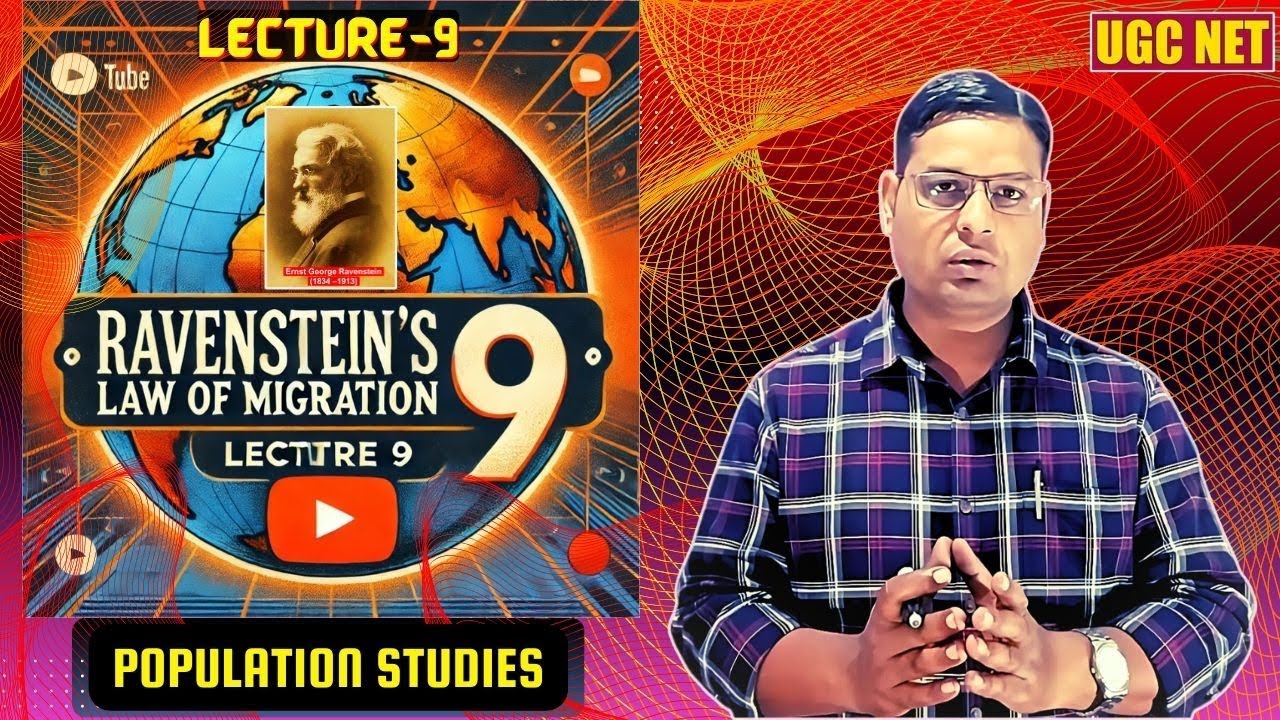
Advanced theoretical frameworks of migration, such as Ravenstein's Laws of Migration and Everett Lee's push-pull model.
The economic impact of remittances, focusing on how capital sent home by diaspora communities affects the GDP and development of origin countries.
The concepts of 'Brain Drain' versus 'Brain Gain' and their long-term implications on the intellectual capital of developing nations.
Comparative analysis of global immigration policies, border control ethics, and the sociological challenges of assimilation and multiculturalism.
340.7K views4.3Klikes11:16Original Release: 2021-11-01
If you’ve been watching since the beginning, you know I love my childhood home and the giant oak tree it wraps around.
In fact, as we’re filming this I just got back from visiting it - and my family - for a month.
Yep, I packed up my things, said a heartfelt goodbye to Alfonso and Romeo my two pet rats (who were lovingly looked after by a friend by the way), and returned to my childhood nest.
But as much as it means to me, I had to move away from where I grew up for school and to travel to do the work that I do telling stories about how humans adapt to environmental change.
I was really privileged in my decision to do that, but voluntarily or involuntarily, leaving a home behind is something millions of people all over the world can relate to.
Like in 2021 there were over 18 million people from India and of Indian descent living outside of India.
And today we see elements of Indian culture all over the world.
Moving that many people and creating those cultural melds didn’t just happen overnight.
People have been migrating and transplanting since before recorded history.
And understanding the reasons people migrate can help explain some of the cultural, and even economic and political patterns we see around the world.
I’m Alizé Carrère, and this is Crash Course Geography.
INTRO After asking “Why is this here, and not there?” in geography, our next big question is “How did this get here?”.
From air pressure, to Malaysian architecture, to potatoes and bananas, geographers study the movement of just about anything on the planet… or off, but that’s another series!
In geography, people moving from one location to another at any scale is called migration.
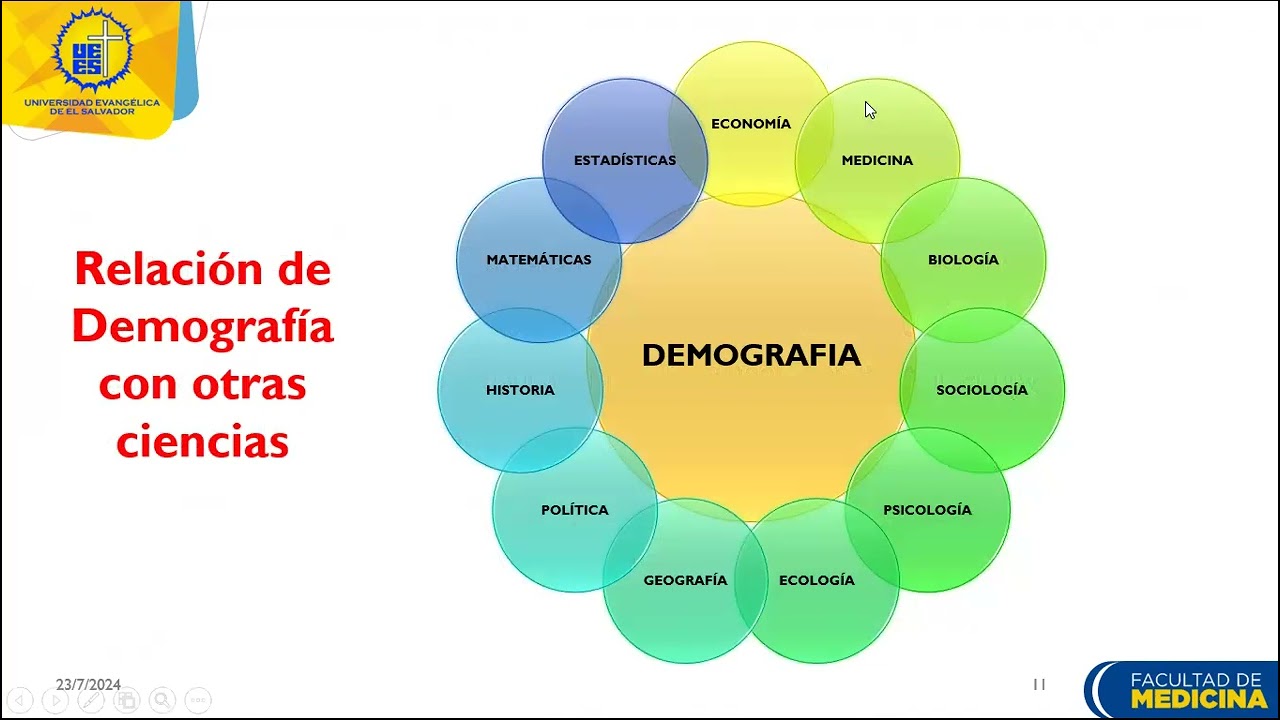
Migration and how populations grow and change is a key part of population geography, which studies the composition, movement, and size of a population over space.
Much like ideas and innovations diffuse, people move too.
So for the next two episodes we’re going to examine how populations move and change, and some of the consequences of those movements.
Let’s start by exploring how people from India made it all the way to the Caribbean islands of Trinidad and Tobago -- it’s a complex story.
Originally, the islands were home to the Arawak and Carib speaking peoples.
But through war, slavery, and intermarriage, this population had largely been eradicated or assimilated by the time sugar plantations were started on Trinidad by the Spanish in the 1780s and 90s.
So in order to operate the plantations, people from West Africa were enslaved and underwent forced migration to the islands.
Then in 1834 the British, who now controlled the island of Trinidad, outlawed slavery throughout the British empire.
So the British government needed to find a new way to bring cheap labor to the plantation fields.
At this time, the British colonial empire was vast and included control over most of South Asia, including the countries we now call Pakistan and India.
So the British began advertising to Indians that they could come and work in Trinidad, promising them decent working conditions and pay.
The promise of better wages was what in geography we call a pull factor.
That means people moved because something pulled or attracted them to a new place, like better wages or a safer living environment.
But people can also be motivated by a push factor, like the poor living conditions for some in India that pushed people to consider moving to Trinidad.
This situation illustrates a type of economic migration.
If a person lives somewhere where it’s difficult to make a living, they’re more likely to look elsewhere to find new opportunities.
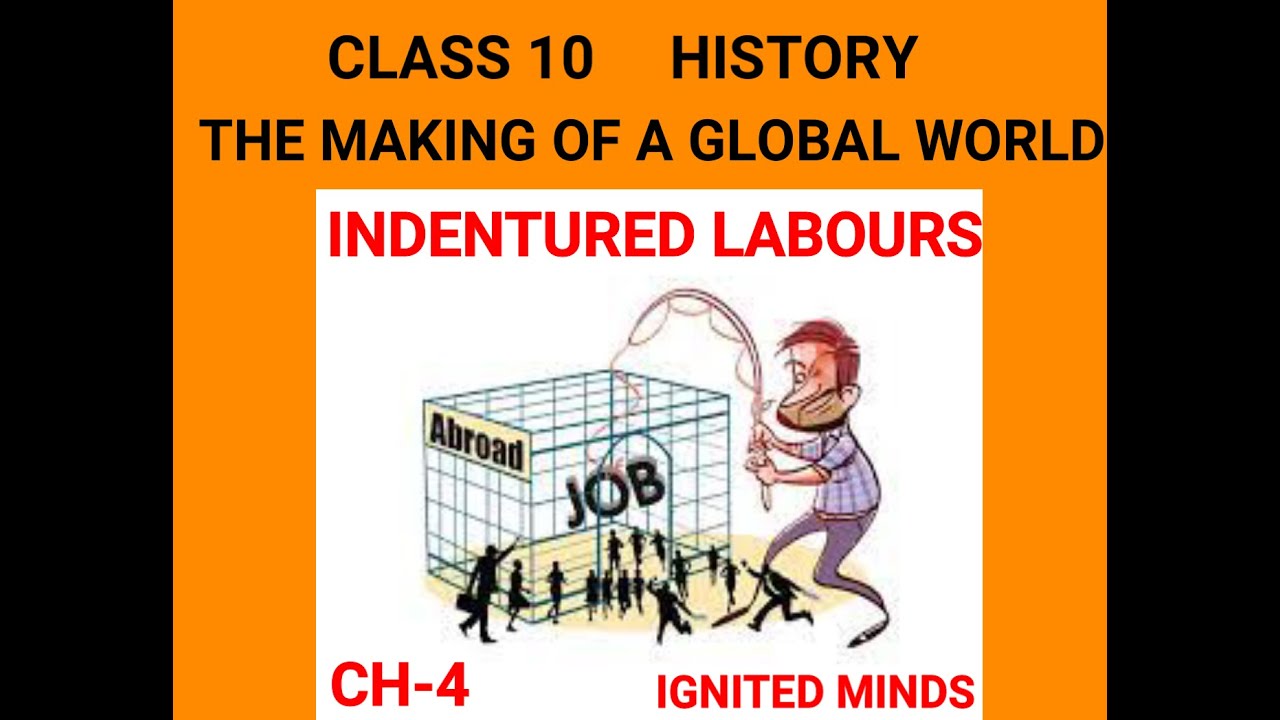
So pushed and pulled from India, people migrated to Trinidad as indentured labor where they were contracted to work for low pay on an estate for a set period of time, often for years, and often as a way to pay off the cost of their travel to the new place.
Indentured labor can be considered a sneaky way to enslave someone without calling it slavery, but there seems to be some evidence that at least in Trinidad and Tobago, there were a range of outcomes.
Some Indians were able to go back to India with saved income, some Indians bought land to stay on the islands, and some were treated horribly, wanted to go home, and weren’t able to.
Because so many Indians remained on the islands and mixed their cultural traits and families with the people of West African and British descent who also migrated there, it created a unique creole culture.
So we’ll see Indian food with West African and other twists, and music that blends elements of all of these cultures.
But the 1800s were far from the first time Indians left the subcontinent and migrated.
We have records going back at least 2,000 years, and some say 3,000 years, that Monsoon Migration driven by the monsoon winds was happening between India, the Persian Gulf, and East Africa.
This seasonal or cyclical migration happens when people migrate in a back and forth pattern, and we see this a lot in migration tied to agriculture where work depends on harvest seasons, or in this case, transportation patterns.
Pulled to new regions by the promise of trade and profit, sailors would leave the West Coast of India and ride the prevailing winds to the Persian Gulf.
Then, as the winds shifted months later, the sailors would sail back to India.
And because of how long the sailors would stay between wind shifts, traditions were often shared as well as innovations and goods.
But while trade hubs and cultural enclaves grew in coastal places like Tanzania, East Africa also holds a history of forced or involuntary migration.
Either as enslaved people or indentured labor, the British would use Indians to create a class of people to oversee the Africans in Africa and for manual labor.
As slavery and servitude ended in the 1800s, many Indians stayed in the only home they knew, places like what’s now called Uganda and South Africa.
They then encouraged a wave of voluntary migration, or the movement and settlement of people of their own choosing.
People were pulled to stay in Uganda, and pulled other people from India to come and join them.
At first this movement to East Africa was mostly men, but over time, with people wanting to make the trip back to India less frequently, other people eventually joined the men to create families there.
Chain migration like this reduces the uncertainty of migration because those moving to another place join others in their existing network.
In particular, Uganda was one place where people of Indian descent wove themselves into the community throughout the 1800s.
They became business leaders and set up schools.
And place names in Uganda, like Shimoni Road named for the Shimoni islands which are part of India, even reflected elements of Indian culture!
Indians were a part of Ugandan culture for at least one hundred years, but that doesn’t mean they were accepted in the country they lived in.
In August of 1972, most Indians were expelled by the Ugandan military leader Idi Amin and became refugees, or someone who no longer feels safe in their home due to conflict or persecution and has to move.
India didn’t claim most of those forced to leave as Indian citizens.
Many of them had lived in Uganda for a couple of generations, and they didn’t identify with the country that shared their physical features, or even some of their cultural practices.
Instead, over half of the 55,000 Indians being expelled had British passports and were able to relocate to the United Kingdom.
And others were able to find homes in neighboring countries like Kenya, where some refugees settled until it was safe for them to return to Uganda in 1986.
Where a nation of people moves to is called the migration field.
In this case the migration field of those expelled from Uganda in 1972 included India, Kenya, other countries with British ties, like Tanzania, and Great Britain itself.
Like many of these refugees, when someone is deported, or removed from a country they call home, they often have nowhere to go.
However, return migration can occur when a person goes back to stay in their country of origin or citizenship.
Like those with British passports were returned to Britain, even though most of them had not lived there before.
In 2020 the world saw 26.4 million refugees, and an additional 56 million people who had to leave their homes for environmental or economic reasons.
Refugees are part of reluctant migration, or people who feel they must move for safety reasons or are pushed by a fear of death if they stay.
Increasingly, climate change is one of these factors pushing people to migrate.
Refugees are supposed to have protected status, but as unlivable situations become increasingly widespread, there are a lot of refugees in the world right now.
Refugee camps like Kutupalong outside of Cox’s Bazar in Bangladesh are supposed to be temporary but can become permanent.
International organizations like the United Nations attempt to create international protections for refugees to provide safe migration routes.
Despite those efforts, the Missing Migrants Project estimates that at least 5,000 migrants die every year attempting to relocate.
For some people, the push factor of risk of immediate death at home is worth the risk to try to reach a safe country in which to rebuild their lives.
So just today we’ve seen there are millions of Indians living in the Caribbean, in the United Kingdom, and in the Middle East and East and South Africa.
This is called a diaspora -- in fact the Indian diaspora is the largest in the world.
And while migration is the movement of a person from one place to setting up a home in another place, a diaspora indicates that a nation, or people who share a cultural trait, has willingly or otherwise left their homeland.
The people in a diaspora may not have been born in the place they have a cultural affinity for, but at some level, there’s a desire to keep a cultural or even physical connection to that place – some people even describe it as a longing to return home, even if there isn't a place to return to.
In 2020, the bulk of Indian migrants are voluntary economic migrants working in a wide range of places, including the Persian Gulf.
That millennia-long relationship continues today, with Indian workers mostly working in oil fields and other manual jobs like caregiving and cleaning.
The workers are majority male, and they send money home as remittances to help their families access greater economic opportunities.
But as oil prices fall, and oil demand decreases, fewer Indians are migrating to the Gulf, which will change the international migration field and economies based on remittances yet again.
While all of these types of migration sound large and dramatic and receive the most political attention, most migration actually occurs within the same country.
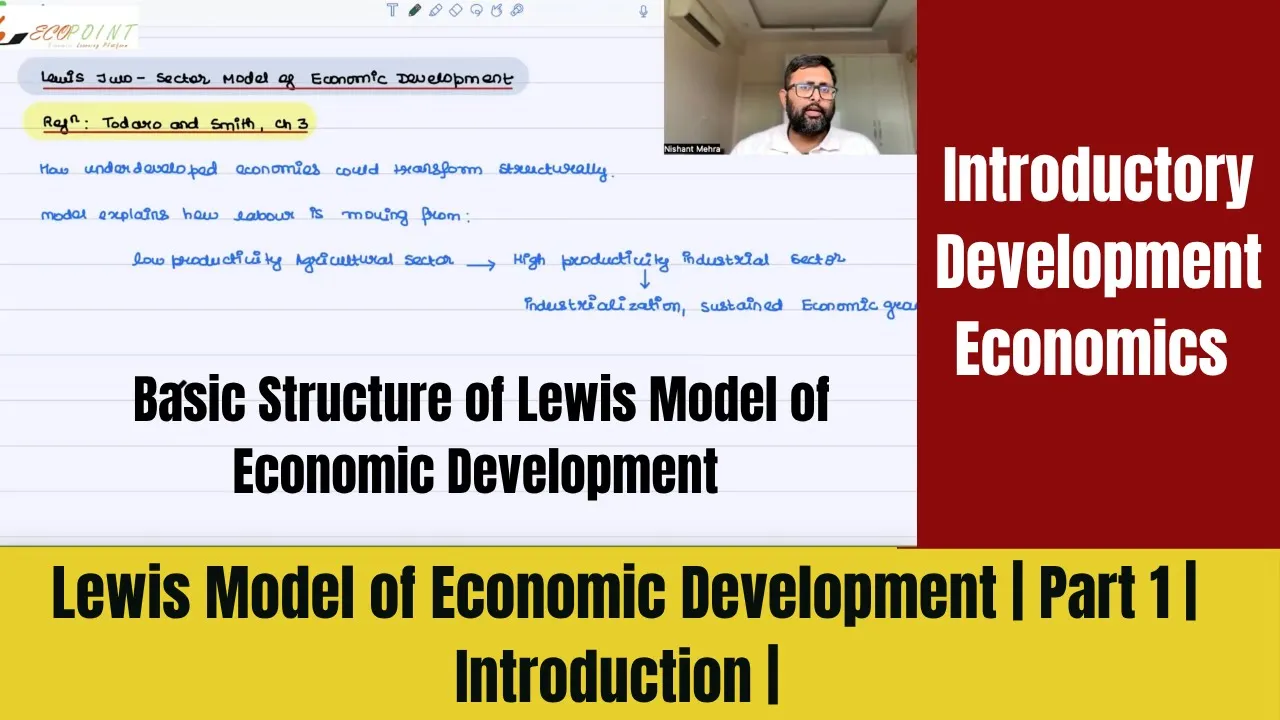
Internal migration like this has often happened as people from rural spaces are pulled to the economic opportunities in urban spaces where there may be more available jobs.
In cases that aren’t a matter of war or disaster, migration patterns often start first with a move from rural to urban, then maybe from a regional urban center to a bigger city within the same country, and then, a move internationally.
This is called step migration, when a person makes moves that are more and more drastic.
But even step migration, like all migration, is fairly risky.
Many migrants only migrate internationally when they feel they have no other option because an international move can mean leaving behind cultural and family networks, which provide emotional support.
Understanding how, why, and where people migrate, and the economic forces and power dynamics that push and pull people, helps explain the cultural landscapes we see.
And because of migration, we get the beautiful mix of food and music places like Trinidad are known for.
Or the cultural complexity of a place like Zanzibar and its history of monsoon migration, colonialism, and empire.
As people mix and mingle around the world, innovations develop as we take elements of our own cultures and share them with the cultures of others to create something new.
And all of these human migration patterns grow out of political and economic patterns, which we’ll dig into deeper next time with how populations change across the globe.
Many maps and borders represent modern geopolitical divisions that have often been decided without the consultation, permission, or recognition of the land's original inhabitants.
Many geographical place names also don't reflect the Indigenous or Aboriginal peoples languages.
So we at Crash Course want to acknowledge these peoples’ traditional and ongoing relationship with that land and all the physical and human geographical elements of it.
We encourage you to learn about the history of the place you call home through resources like native-land.ca and by engaging with your local Indigenous and Aboriginal nations through the websites and resources they provide.
Thanks for watching this episode of Crash Course Geography which is filmed at the Team Sandoval Pierce Studio and was made with the help of all these nice people.
If you want to help keep all Crash Course free for everyone, forever, you can join our community on Patreon.
Up Next

151:42
Contemporary Brexit Debates: Public Opinion and Political Discourse Analysis
@m.j.nicholls
69.4K views•2021-04-08

12:54
Triumph of Orthodoxy Icon: Byzantine Art & History Explained
@BenCallan
2.1K views•2024-08-06

12:44
Healthcare Systems Explained: Models & Building Blocks
@crashcourse
130K views•2022-09-15

1:42
Game of Thrones Opening Credits: A Cinematic Analysis
@gameofthrones
46.3M views•2011-04-18
Related Study Plans & Knowledge Roadmaps
Structured learning paths in General & Interdisciplinary Studies
general-studies
Elevator Engineering: History, Physics & Cities
01From Hoists to Safety Brakes: The Dawn of Vertical Lift
02Hydraulic vs. Traction: The Engineering Physics of Elevators
03Modern Speed, Safety, and Algorithms
+ 2 more learning modules
12h5 modules
Explore Roadmap
general-studies
Rubber: Material Science, History & Geopolitics
01Origins of Natural Rubber & Mesoamerican History
02The Chemistry of Natural Rubber & Vulcanization
03The Geopolitics of the Rubber Boom & Colonization
+ 2 more learning modules
12h5 modules
Explore Roadmap
general-studies
Containerization: Evolution, Logistics & Trade
01Ancient Trade & Bulk Cargo: Amphorae to Barrels
02The Industrial Revolution & Cardboard Packaging
03The Containerization Revolution: Malcom McLean
+ 2 more learning modules
12h5 modules
Explore Roadmap
general-studies
Textile Tech: Evolution, Labor & Global Impact
01Pre-Industrial Textiles: Handloom & Cottage Industry
02Mechanization: The Spinning Jenny to the Power Loom
03The Factory System & Global Labor Transformation
+ 2 more learning modules
10h5 modules
Explore Roadmap