







![[정치는 팀킴] 윤 대통령의 언론관, 그리고 언론의 자유 (김만권 & 김은지)](https://i.ytimg.com/vi_webp/FqhaGhefFIY/maxresdefault.webp)






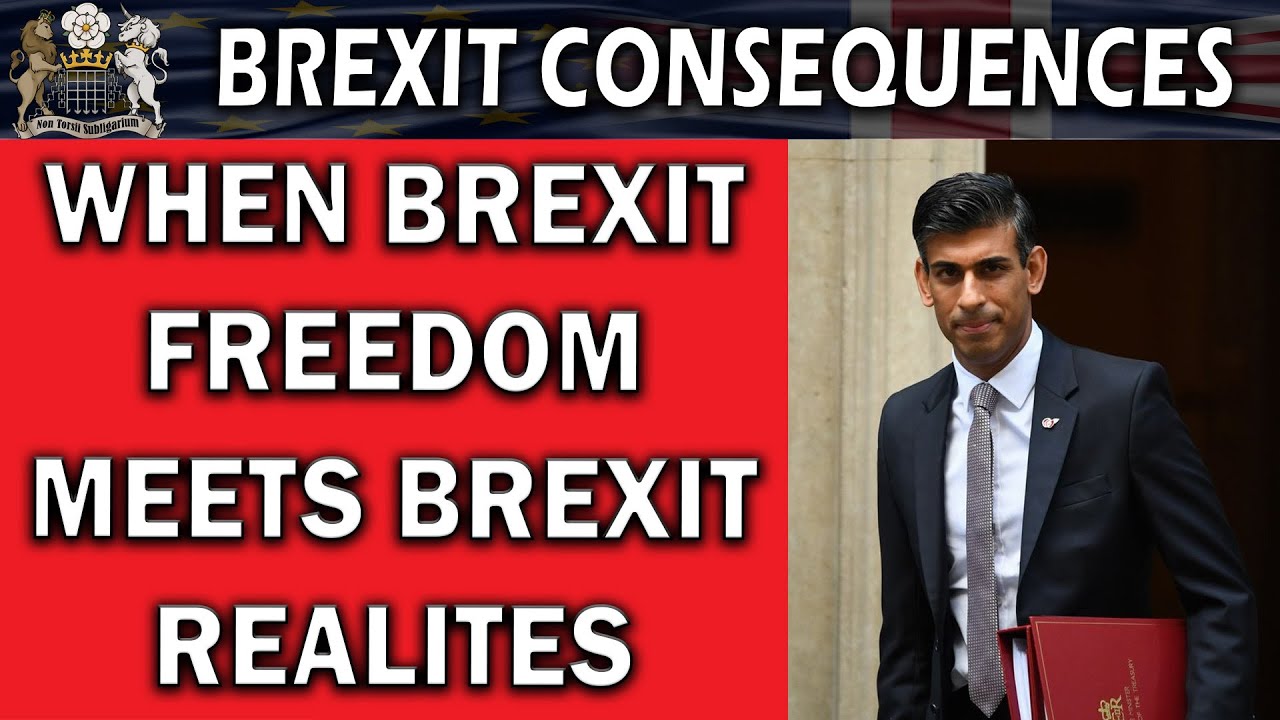

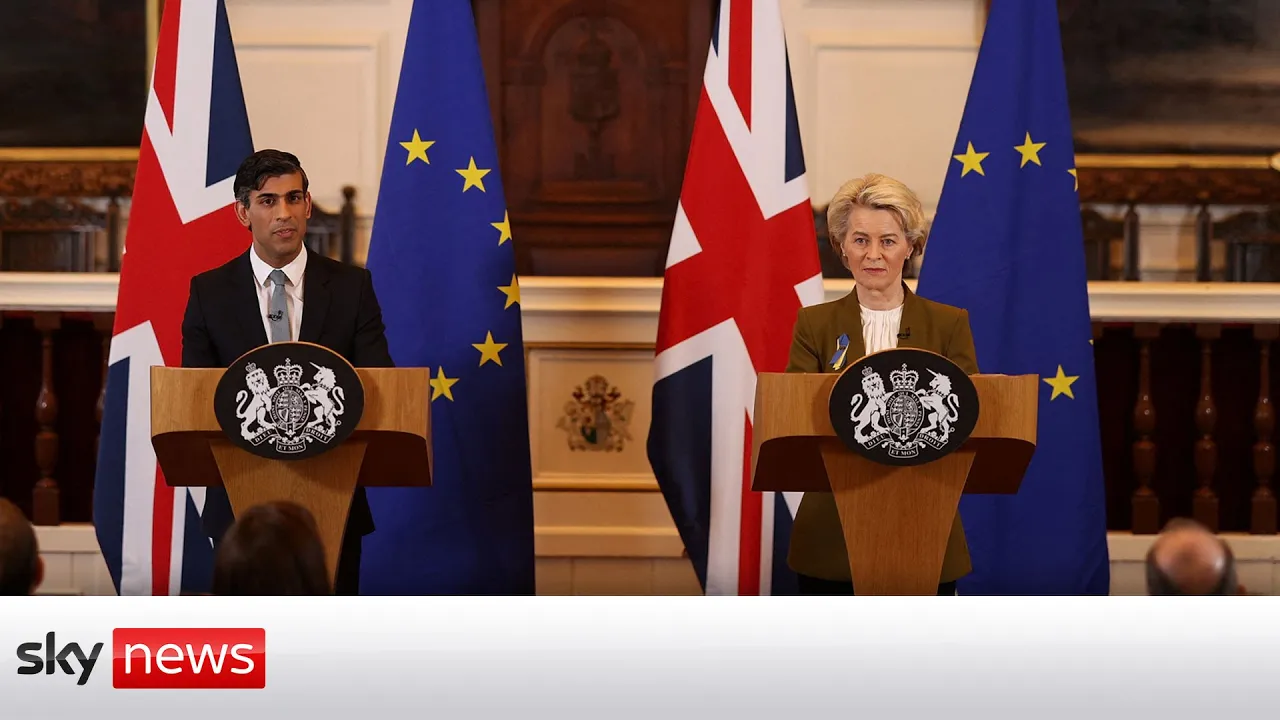
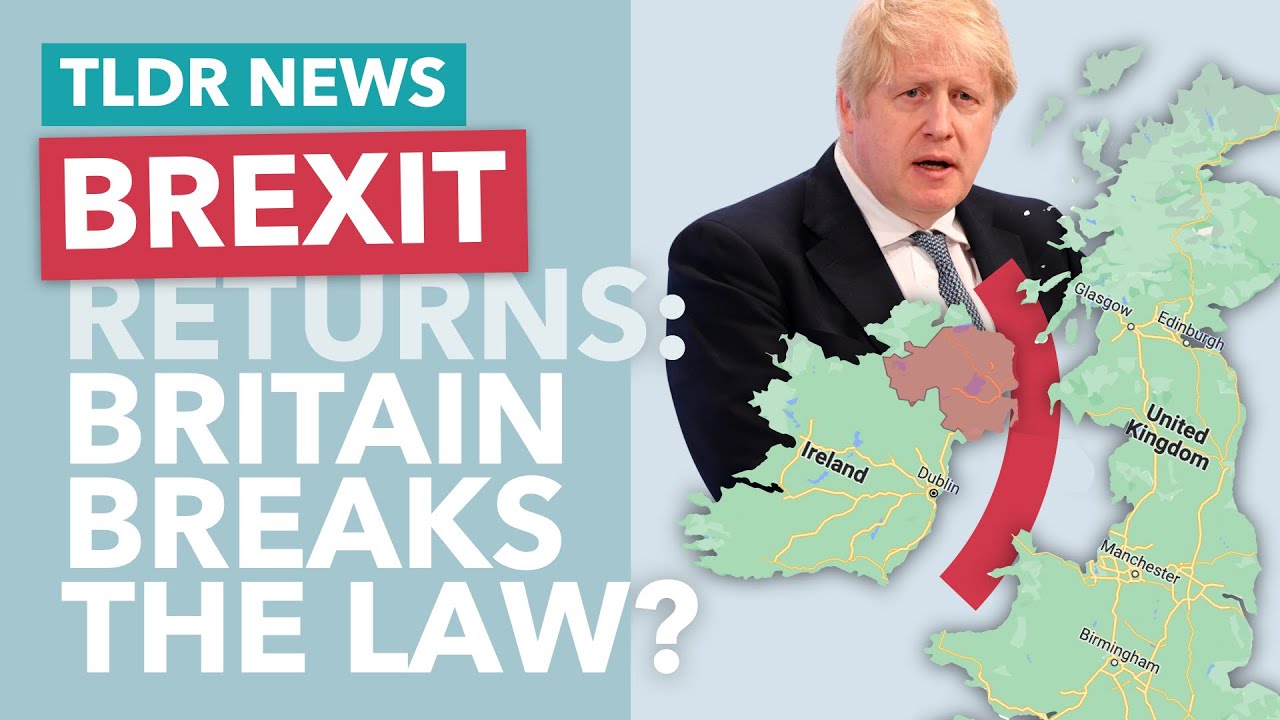
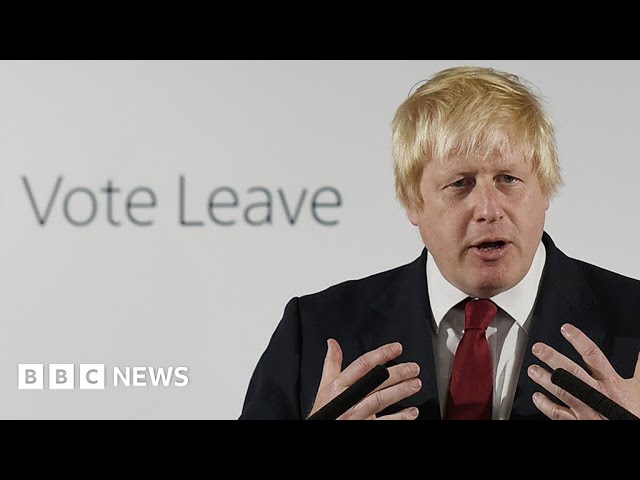


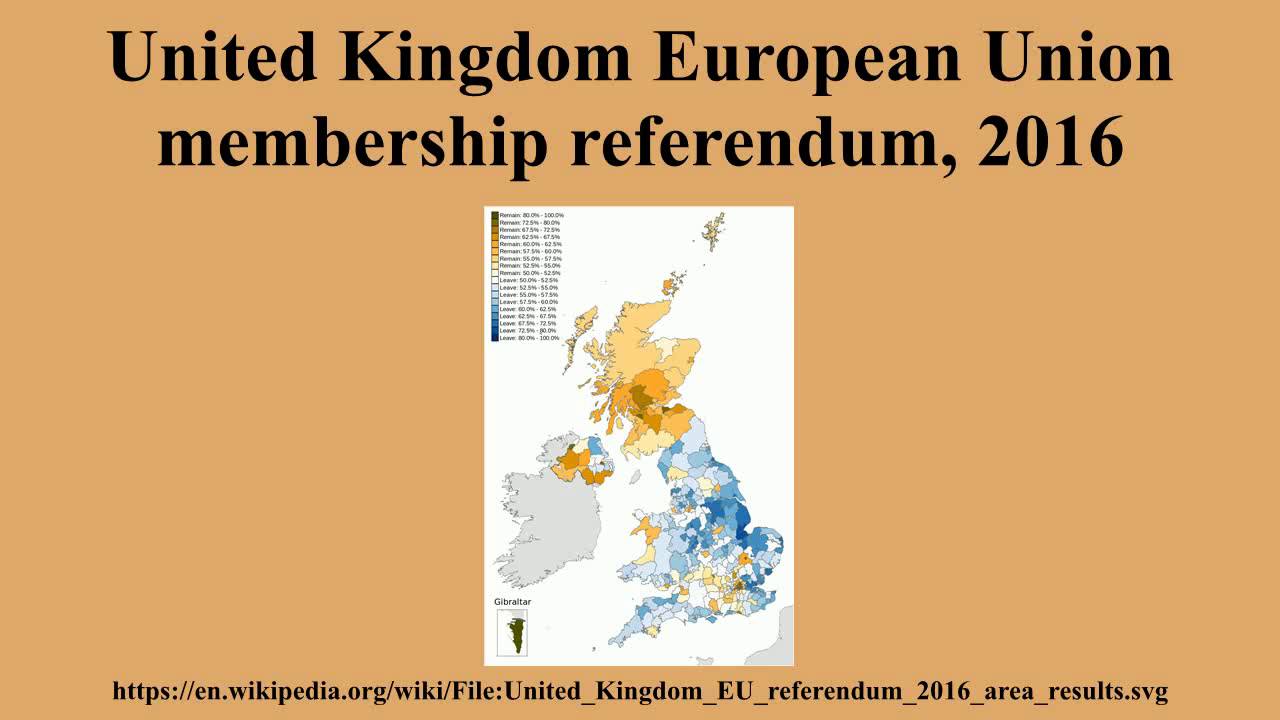
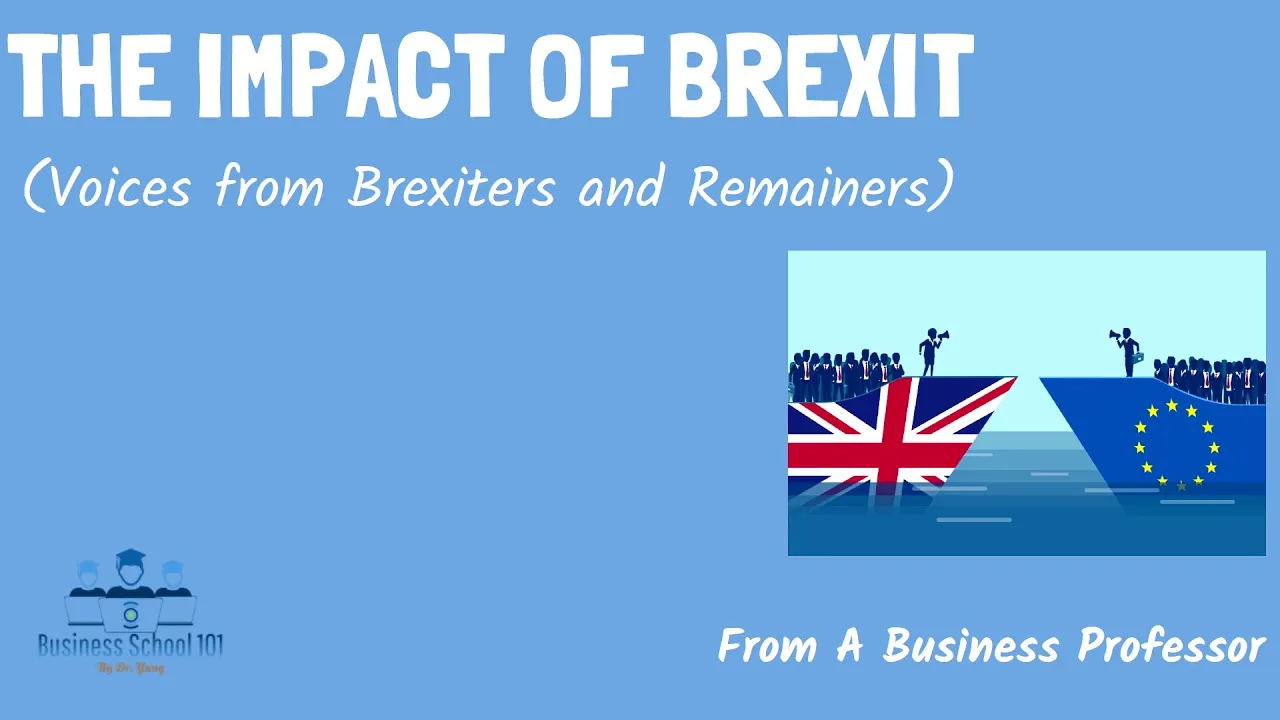
The UK referendum system allows citizens to vote directly on significant national issues, such as EU membership, enabling democratic participation in major political decisions. In the 2016 Brexit referendum, approximately 17.4 million voters chose to leave the EU while 16.8 million voted to remain, demonstrating the complexity of national referendums where outcomes can be closely contested. The referendum process involves citizens voting on specific questions, with the result determining the direction of national policy, though subsequent implementation requires parliamentary approval and negotiation.
Contemporary Brexit Debates: Public Opinion and Political Discourse Analysis
Added:A fundamental understanding of the 2016 UK European Union membership referendum (Brexit), its historical timeline, and the key political arguments for 'Leave' and 'Remain'.
Basic concepts of political discourse analysis, specifically how language, framing, and rhetorical devices are used to influence public opinion.
An introductory knowledge of the UK political spectrum, including the core ideologies of major parties like the Conservatives, Labour, and Eurosceptic factions.
Theories of media influence and public sphere communication, illustrating how media acts as a platform for political expression and public debate.
Advanced methodologies in Critical Discourse Analysis (CDA) to systematically deconstruct institutional political speeches, policies, and news media.
Comparative political analysis examining the parallels between Brexit rhetoric and other global populist and nationalist movements (e.g., in the US and mainland Europe).
Investigation of post-transition Brexit realities, including the socio-economic consequences, Northern Ireland protocol debates, and newly formed trade agreements.
The study of algorithmic polarization and echo chambers in digital media, analyzing how modern public opinion is shaped online compared to traditional broadcast formats.
69.4K views602likes2:31:42Original Release: 2021-04-08
[Music] worcester park esme can you call me back when you get to worcester park not really because i'm here now and i want to speak very disagreeable sorry go ahead esme right um i'd just like to say that i don't understand why we can't have a vote to ask scotland to leave the uk and join the eu because that would be great because then they could join the eu right but they're in the vote on that yeah they're in the eu who's in the yeah but we should have a entitled to have a vote against them being in our country and joining the eu well technically scotland is not in our presumably you mean england yes no it's not in england scotland is not in england not really not technically that's not true well it is part of the uk actually it's part of the uk but it's not in england the uk is not a country i'm sorry say again you want to i want the i wanted that look they had a vote yes to say that that they don't want to be part of us okay they want to be part of it so i want to vote to say i don't want them in our country they're not in our country that it's a separate country you mean england they had a vote to say that they didn't want to be a part of england is that what you said they wanted to be in england yeah but they're not in england as me i mean these are just small details which will get you shouted at north of the border in fact i'm thinking about shouting at uh shedding at you about it now and i'm south of the border i think with the whole country is part of the uk scotland i might be wrong wales wales even chain in where i am okay well i yeah the jury is out on whether team should actually be a thing never mind about being part of this being a thing how dare you speak to me about team so you want to banish scotland no yes i'd like to get rid of them right because they talk too much they're too loud i don't like them and they've they're always disrespected for some unknown reason but i don't know i'm welsh myself so i you know i don't care and why are you reading the weather forecast why am i reading the weather forecast you read the weather port cast yeah because it's the weather out of your job but part of my job you read the weather poker you should be you should be concentrating on other things like well taking educational and well-thought-out calls like this uh margaret thatcher is not the greatest leader okay i didn't like her that much um i think clement hatley and churchill possibly yeah but not margaret thatcher right somebody gave me a pencil um i'll write this down yeah we'll do it now and i will be voting for nigel farage because that's where sutton is okay nigel farrar sutton is in nigel farage no no he's not in any way he's not i mean he may be somewhere but he's we voted out in sutton okay yeah and i'm gonna be following him you may have voted out but i doubt that the good people of saturn voted out i may be wrong if you like i may be wrong yeah so now i know you listen to it to me uh i listen to you okay so i've got to go now because i i've had thank goodness for that that's the best thing you've said so far esme you've got to go okay well don't don't let me uh delay you any further bye bye sum that call up for us a big sack of monkey nuts stockton on tees hello brian yeah good evening there oh god i mean i mean hello hello well you know question time total bias to remain he always overlooked with lower load with remainers all the time same as daily politics everything the bias is unbelievable now what you mean brian is that there was one person on there who said something you disagreed with no yes well i'm not saying what they said nick what i'm saying it's always three to one three minutes to one lever right well i don't know who else was on that program i don't watch that can you watch it no i won't watch it i refuse to watch it i won't do my homework next to you no well you're talking about the thing on sky no on them um oh well what's that thing with um uh what's it on the sky isn't that called the daily politics it's on it's on in a weird time of day it's obviously it's on about night listen to me it's on about nine o'clock in the morning um with uh you know the uh the big guy jabba the hutt it's on about nine o'clock in the morning uh which is such a weird time to have a politics show who's who in politics is watching that program people watching tv at that time of day want um want game shows and you know what all that the antiques program rubbish the bbc serves up i i'm i'm real upbeat the way brexit is going is this you upbeat i'm very upbeat about it i mean the conservatives i would hate to hear you when you're down the conservatives and the labor destroying themselves brilliant brilliant but the longer this drags on the weaker they're getting well the weaker we're the weaker we're all getting these two parts are getting weaker by the day well as they as they're as they represent much of the country that rather implies that the country is also getting weaker and and i wanted theresa may out but i'm not bothered now i'm about she stares as she goes because the longer she stares the more we're going to get brexit the more you're going to get brexit explain that to me because the only thing as they get weaker and weaker is leave with either a trade deal or no deal but the current the concern is now in a position where they can't even go for customers union single market because they'll just get wiped out the general election you know they put themselves in a corner and they still can't get rid of that i'm the bossy as i said he stares as he goes now and and later now they're just the same they can't decide what they want they don't if they want a second referendum watson tom watson he wants to go the other way well this is what we this is why we elect our parliamentarians not we don't elect robots we want people to think for themselves and this is what you get when you give control to parliament you have a lot of independent-minded people who come to decisions based on who come to decisions based on their own opinions and the information that they have at hand but we all know the opinions they don't don't know what they're doing they can't agree with each other yes but not being able to agree with each other is not the same as not knowing what they're doing this is what a democracy is like brian i thought this is what people like you wanted to give control to parliament but you don't you don't want to give control to parliament you want to take control for yourself and tell parliament what to do i don't yes you do yes you absolutely do what i want shall i do i want i want these two useless parties to keep losing power because enough for purpose they can't agree with each other both main parties they will they can't agree with each other that's not their that's not the point of them to agree with each other you call these parties when it suits you you simply don't know what they're doing now you're saying they don't know what they're doing just because it suits your argument no that's two different arguments i'm saying that they don't know what they're doing on whatever issue it might be at hand but your but your contention is that they must be given control so in that regard parliamentarians do know what they're doing they're they're deciding oh god they've lost control of another point that's what i'm trying to say nick you've lost control control on everything not just brexit but there's controlling the police controlling everything that's because we have become a country that just attends now to those that shout the loudest and those that shout the loudest are just saying as with one voice as though their the rest of their their happiness health and welfare depends on it that they want brexit above all else they don't care about crashing the economy and they don't care about to the nhs and they don't care about the police and they don't care about the schools they don't care about anything they just swam brexit you've got the other bombshell now haven't you corbin is going to stop the queen yeah no it's not the queen it's not the queen he's snubbing well trump then if trump yeah and and vince cable's gonna do the same yes you know you'll probably agree with that dearness well what's wrong with that oh god why is it that people like you brian seem to think with every on every given issue in the same way i bet you have a similar opinion on being polite you would call it you would call it political correctness you're against it yes yes you're against political correctness but you're for the queen yes i'm not i'm not for the queen i bet you are i'm not a royalist i'm not a royalist i bet you are not i bet you are down to your union flags more than media i've got a fair idea of you up and down yeah i could uh i could draw a diagram of of your every waking thought swiss cottage hello amen hello nick joy mike how are you getting on i'm super thanks for asking we're coming to the end game whereas he's on his horse as i told you you can see him settling up now is hard to know where one ass ends and the other starts well you know the thing about it is well i don't think it'd be that bad for you nick series i don't think that bad for anybody i think he's gonna call an election very very quickly yeah you're going to make a deal with farage and i think ferrari is going to do a cracking move on on um what's her name now i can't remember ed ball's wife i can't remember he's going to stand again against the yorkshire and just destroy her this is just undemocratic that's what the problem is this is to sign democratic what they try to do to take it away from the people i mean you might not agree with it wait wait a minute back up what are we talking about now which is undemocratic well everyone's talking about a second vote in the second mission right just treating like mad these people it's not it's not really cheating to give the people uh more democracy is it but no well i can understand that beliefs and andy right she lost by seventy percent thirty percent in wigan right she hasn't been heard the right i think it's iran coming with ed balls this is right she goes by 69 or something they haven't been heard of them they're sweating now they know they're going to get done all right what's going to happen let labor's going to lose that 40 50 seats up there you look at matt and you say yellows out and brings in london yeah scotland's you know the rest is just green you know the other way around it's just it's just it's just it's just you can't odds it people want it green well i just said look at a map yeah visualize the map right people have voted people vote to stay in white is london and scotland that's what it is and then the people well that's not that's not entirely true most most urban areas voted to stay in yeah have a look at that doing them have a look at matt you've got some of that you will not have a look at this sounds like homework look at matt i am not going to look at the map giving me homework it's the weekend but sir newcastle right maybe a little bit of one or two places yeah but the rest of the map is just completely that way i'm not sure that's true i refuse to do my homework i will not learn look at a map yeah most uh i think most urban areas voted to remain and most uh ex-urban areas voted to leave ain't that true apart from scotland we'll agree with that yeah do you think mr barney would be happy about this do you think that you think they'll just turn around and speak speak the way to boris or somebody else or whether they spoke to theresa may or laughing at did you see the thing on bbc2 towards that region no i did not is this more homework you giving me now watching fred brexit honestly it's just amazing the way of the irish people over there my people already said oh we got them trapped no okay all right everything's going to be fine everything's going to be fine now theresa may has gone because she was a traitor uh presumably and she was trying to uh engineer our staying in even when it appeared as though she was trying to get us out and when the when the next fella comes in assuming that it's going to be a fella let's uh let's assume that that's true and he doesn't get anywhere just as theresa may didn't really get anywhere then what then what are you going to do call him a traitor here is an important call in wimbledon hello barbara hello barbara hello yes hello yes who am i speaking to who am i speaking to it's barbara barbara is it yes are you sure yeah can you prove it am i talking to nick abbott yes barbara oh hello i'm sorry i just switched off the the radio i'm sorry i wasn't aware of it you you turned me off but you called anyway i turned off the radio just to be able to speak to you um nick i must tell you one thing i've been listening to you for the last four months yes and it struck me that and i apologize for the use of the words but you struck me as someone who a little bit of a clown a clown a clown i'm sorry i i just didn't like your way you you you talk about on the radio and this silly remarks and everything but that wait a minute you've been listening to me for four months you've only just figured that out sorry yes i've been listening to you for four months yes and you've only just realized that you don't you've only just realized that you don't like the show four months you've been listening yes because you're a bit slow on the uptake barbara i mean how long does it take you to make your mind up about something crying out loud four months what i want to tell you nick yes is that the first time today i've heard you're saying and i've never heard it before what saying that you said that we that is uk yeah we actually sold our rights to fisheries yes right and i've never heard it say from anyone else i was never aware of a factor right well it's all there to if you just looked it up barbara than taking nigel farage's word just look it up it's available on an internet near you have you got the internet where you live of course i do course i do but i've never heard i remember nigel farage talking about fisheries yes and all other politicians and saying as soon as we come out of the european union we'll be able to claim our rights and whining and moaning yes anyone's saying right you say you just took on board everything that he said as though it was the truth why should i believe you lake look it up barbara where where does your information coming where is it where is it coming from your information if you look it up on the internet barbara then you wouldn't be asking me look with your eyes not your mouth please do not be rude i'm not being rude this is excellent advice barbara for from now until the end of time you will never hear a better piece of advice look with your eyes not your mouth please ask you okay if you write somebody please ask you what are the benefits of us staying in the eu uh free trade with the largest trading block in the world okay but um aren't you aware of a factor that we've been talking we've been told for many many months that or if not yes that uh that there is a a high percentage of people living on the bread line in the uk yeah do you think that's going to be improved by us leaving the european union absolutely if that is the cows which are you agree with how well exactly this is the question i want to ask how how why is it that we are part of the eu which supposed to be so great for this country yes why are we why do we have really is your question let me just skip ahead to the end of your question is your question if if the european union is so great why isn't my life perfect is that your question no yes my question is why is it so beneficial for us to stay within eu which have been for years when we have so many people living on the bloodline yeah exactly what i just said if the european union is so great why isn't my life perfect that's your question isn't it no yes nick i do not care about your life being perfect what i'm saying is no i don't mean my life i mean you saying my life as in your life now you god i thought that was understood my life i'm not saying about my life or your life i'm saying no this is not about you if your opinion is so good it's so great why isn't life perfect we have so many people living why isn't life perfect yeah that's not going to be improved by leaving the european union barbara it's called life isn't fair get used to it by staying within the eu just tell me that it will be less disadvantageous for us to leave no wait for less disadvantages for us to stay there you go things will be better off if we stay than if we leave barbara and that's been proven already by the effects but it's been proven already by the effect that you know that listen to me it's going to be improv it's been proved already by the effect that it it has already had on the economy but our economy is good doing great is it based on what you're doing better than in germany or france and what what leads you to that assertion barbara it's not the assertion nick if you happen to read don't tell me this is something else that nigel farage said you happen to read foreign press from france and they have on any other european union countries you know that some countries are really struggling i'm not even going to mention greece which is completely completely bankrupt but that has nothing to do with the european union either that's the way that's the special way in which the greeks used to lead their financial lives so are you telling to me but all these people who are who are really living on the bread line in greece nothing to do with the european union no it's the the it's the it's the ridiculous financially inept way that the greeks used to lead their lives all right so it's very okay so please tell me why is it that 50 percent of the young spaniards between the age of 18 and 24 are unemployed that has nothing to do with the european union there's nothing to do here explain to me how it does have something to do with the european union so what yes tell me why why what is it about what the european union is doing that has caused that to happen tell me you know can you repeat that please no not really oh yes what you're saying is that everything that is wrong with life is the fault of the european union that is your assertion in a nutshell well that's an i'm sorry to be um barbara but that is an asinine suggestion a european union is not really opinionated as we think it is european union de facto it's the union it's the franco-german union and all the people apart from all of the other countries it's all about france and germany yeah absolutely yeah of course yeah yeah 100 percent no margin for error there 100 you say but i'm actually i'd happen to to to disagree with you and i'm saying you're ignorant barbara that makes it that makes you wrong then doesn't it read foreign press find out what's happening in each individual country within europe you don't need to read you don't need to read the foreign press to find out what is happening in other countries barbara it's called international news we cover it here great so obviously you don't actually pay much attention i pay an enormous amount of attention enormously and you're coming for all this nonsense you're coming when you say nonsense you mean it's something that you disagree with or it's or rather it's not even something that you've that you've made a conscious decision on one way or the other it's just that you've heard your favorite politician say that it's this way and it creates a noise in your brain to hear something that says yes it's that who's paying me to support the european union absolutely because nobody can say anything positive about the european union without actually being paid money yeah obviously someone must be doing that you obviously you're all for barbara in in moments of quiet contemplation when you when you when you're sitting in a darkened room with a bucket on your head are you hearing this noise between your ears [Laughter] we're following that lady this entire country has decided that that lady is the person that we want to follow here's another one bedford hello rob oh yeah hey all right good thanks good um i mean i saw my ballot paper as well and to tell you the reasons for why although probably you'll probably take the mickey out of it um is i did vote to brexit the reason why i spoke the ballot paper was by the labor or conservative which are really in my in my idea was really worth talking about um neither of them followed the rules of what i would regard as democracy and honored what the people vote for can we just can we just can we just revisit that vote we know that the vote was gained through criminal activity we know that that's true people have been fired people have been fined and admitted guilt so there was that it see it seems the more you look at it it seems less like democracy and more like the stealing of democracy by people with unlimited funds two ways to look at that nick yeah if there was all these lies that were being told by um you know the people who wanted to brexit uh then why on earth were they not corrected at the time because people weren't people weren't interested in facts they were they were voting on feelings isn't that isn't that the job of the rem the remain side to point that out as as of when these lies were happening that's like telling somebody in a bar who just got hit in the face by a complete stranger that it's their fault for having a face no it's entirely not like that no it is like that you just said that you just excused the lies perpetrated by one side and saying that it was the fault of the other side for not correcting it no i'm saying that when two people are putting are up for debating something that is the side it's up to the other side to say listen what he's saying there is a lie and this is why he's saying it's a lie but if you know if if the remains aren't putting that side across then you know well then i go back to my previous comments which you just dismissed and it's exactly what you're saying you're saying that the lies perpetrated by one side are actually the fault of the other side for not correcting them i'm not saying what i'm saying is i'm not excused by it though excuse me what i'm saying is it's two parties are to blame here yeah for you keep telling me that you're not saying that and then you keep reiterating the exact thing that i'm accusing you of bob are you can you hear yourself so i mean i didn't even mention the lies you brought that up i mentioned the um the the criminality that was behind the vote one side overspent by 10 and the vote was won by three percent coincidence not really and we still don't know where the money came from the biggest donors in political history are we don't know got no idea millions and millions and millions of pounds were spent on a massive highly sophisticated highly targeted advertising campaign the likes of which politics has never seen because it hadn't been invented up until just recently nobody had the capability of doing it and certainly didn't have the funds in order to do it an unlimited amount of money seems to have been spent on taking us out of the european union and people still go on about it was the will of the people and it was and um and not enacting it is against democracy as though none of the uh the criminal activity around it existed we're just dismissing it entirely hadley once again simon yeah can you hear me i can now oh cool right okay what's that about violence i'm not threatening any violence no i'm glad to hear it but never do it it's crazy violence begets violence as a fact anyway so we're talking about silence johnson oh yes him is that what i'm on here for you've changed so much since i've phoned in you've changed your topic so much i'm just not sure where i'm standing now i know it's like my mind's all over the place where are you standing simon i'm actually sitting in headley not standing right can you call me back when you're standing all right i'm standing now oh okay you know what i don't believe you i don't think you just stood up all right no that's true i just made out i am now standing up no i don't believe you i still don't believe you where was the groan where was the groan when you get when you got up i heard no uh hefting well that's good point because i am physically challenged when standing but yes amazingly the painkillers work okay so what am i talking about i've got no idea but i think maybe maybe you're taking maybe you're taking too many painkillers i think that's probably what it is so what color are they doing do you pop them snort them what no i i take they're they're provided by the gp so yeah that's sure and apart from that i can get them over the counter like ibuprofen and paracetamol etc right i still don't know where we're going with this because this is not a topic but it's almost its own about it it's almost as though this show has no direction home well they stand for the host isn't it yeah i think that the host is an idiot no one should listen to this program you can jump in any time you like simon no no of course you're not an idiot you're doing very well nick why'd you beat yourself up like that for crying out loud can i get some help here please true true true but you know i i i support where you're coming from yes even though you've no idea where i'm going no no no but i i'm sure i can answer where you're going to so what is it about is it about boris becoming the pm or with his issues his privacies well i mean that's one thing i i really want to talk about is the fact that is it true that we all believe that a person going into public life should never have any private life at all whatsoever because they've done that well it would be a good start to have no private life that requires a police presence can we can we at least settle on that i think if you wake the neighbors up with your screaming and you're banging and you're shouting whinging and whining and moaning then that is not private anymore that is public and no one else does that right what you're saying no one else that should be considered to be the leader of the country that is what i'm saying i mean if you can't keep it together to not have a blazing row that actually wakes the neighbors up to the point that they think that there's been um violence inside and then and the police needs to attend then yeah i think we've got a uh a problem of personality uh and what was the police verdict uh please remind me well the verdict was uh no such incident ever happened we have got no record of that uh ever happening we are keeping totally strong about that it was a figment of your imagination and um please watch please please look at this watch ticking back and forth forget everything that we've ever said i think that was pretty much their their line but anyway it's been entertaining simon i've got no idea what that call was about do you uh you've just told me okay and you've told me what the police have said and you are underscoring the fact that they're the police are lying bastards because oh okay wow that came out of nowhere i was not thinking that's where that was gonna go did you no i am stunned rock back on my heels i am who's calling manchester hello dave hi there nick how are you doing great mate wonderful um yes so excuse me my point is and i've been planning this and it's all going to plan we need to become the 51st state breakthrough from europe which we are doing and join america wonderful we'll take the dollar lose the pound marvelous okay take back control and give it to a bright orange screaming baby that sounds great no no no it's not it's not just one guy donald trump isn't america he represents the uh land of the three home of the brave and all that sort of stuff and they agree with that and that's no no no that's just basic respect yeah it's just basic that's basic science that is yeah no yeah it's what it is right so what about what about the taking back control part i thought that that was the whole plan yeah yeah take back control build them build a bloody wall around britain right and you can cut no listen let me just say this take back control okay let's okay is this just a silly call or is it worth pursuing no no no sure we're going to build a wall around around britain really build a role if you haven't got borders you've got anarchy and it's a big well we do have borders we're an island dave we have a natural border we're an island look at the map yeah and it needs looking after we need to protect our borders yeah well i'm sure we and that's all we need to do and that's what america so we're going to build a wall we're building a wall okay i'm building a wall i'm building a wall okay i'm building a wall billions of walls we're going to build a wall all the way around the billions of walls okay and you've been thinking about it keep the borders in control somebody should build a wall aborting folks in me honestly yeah we need to control all boards oh respect to everybody all right thanks a lot dave keep thinking it's obviously what you do best um hello brian in stockton on teas yeah good evening nick hey brian are you coming you caught me on a slipper champion there nick oh really should i put you back on hold celebrating the coronation of boris the coronation yeah isn't that an outrage they look like giving him it done uh they certainly do and uh you just never know though you never know until the uh the the nags are all over the line you just never know anything could happen in this race of uh asses i looked at like jerky things in the future and my vision is this nick that he puts pressure on the eu finally puts pressure calls the bluff and he says no deal you're not getting a 39 billion well no we can't we can't not we can't not give them the 39 billion just a sec and and then i see them all right the toilet right and pulled up poor old junk lodge he's going to be the back of the kiwi he can't hardly walk another man run you know what's gonna happen don't you he's not going to make that toilet is he yeah i look at things like that and i think there will he's going to appear weirder than i thought and i think that happened the civil servant block she had finally some pressure is going to be put on them pressure what pressure you're not one of these people that thinks that uh they need us more than we need them are you they don't need us i knew it no but they're living you're living in a fantasy land brian right right we'll we'll clash it as a game of cards shall we this this talks has been gone for three years now i think they have still very lit me little in their hand they've got a busted flush really now what have we got right what i'm trying to say is we've ended up this position with this withdrawal thing because the eu want us to remain no they don't no they did they don't really right well most of the people most of the people in this country want us to remain right let me finish first then you can come back they i think they want us to remain they always have done the problem is the civil servants and threes are may want this really to remain the civil servant you can't possibly think that all of that shoe leather was taken in desperately trying to keep us in she was trying to negotiate as leaving the civil servants we know the remainers they wanted to remain really the only brian the majority of the people in this country want us to remain so i don't know where that argument's going no but what the civil servants were supposed to be doing was getting us the best deal that could yeah and in truth all i wanted to do was stay as close as i could and pretend to leave so it's not i don't know what i i honestly don't know what people like you are objecting to in this deal it seems like a perfectly reasonable deal a perfect uh stepping stone to march forward into our glorious future uh trading a close trading relationship with our biggest trading partner rather than to turn our back on them and make enemies of the people that we sell half our stuff to there's only one one in this argument trying to make enemies that's the eu you're the ones who trapped me what is it what is it that you object to about the deal that theresa negotiated you know the only thing they have in their hand and then the deck of cat then i'm there and they're having this is money money and jobs and trade and you know everything that we rely on that's the only thing they've got the only thing we've ever done is threaten us we're going to do this we're going to do that with what threaten us with what what have they threatened you we've never ever tried to negotiate a trade deal which there need as much as brian we haven't even started on the trade part yet this is the deal to leave the trade part comes later this is supposed to be the easy bid no we know because the civil servants and theresa may let them do that because they're still in truth they wanted to go along how can you not know this after three years we're that it's the negotiation at the moment is leaving the trade negotiations start after we've left we know that because it was all coked up it was a deal set between the eu and our civil servant it was all a bluff right you've got boris coming in now i i under i understand that you you that there's there's this vague sense of um uh of having one uh put over on you and um you're being like you're being conned in some way but i i really don't think you know you you've got any concept of what's happening here brian can i ask you a second after three years you weren't even aware that this what this the negotiation is going on at the minute isn't even about trade right let's let's let's tell the truth right the eu wants to remain really but we want this to remain i think it's a bit it's a bit charming a little bit charming a little bit a little bit sad that you think that once we leave the eu that your life is going to be somehow um revivified it's going to be transformed in some way that so finally you're going to achieve everything that you dreamt of in life brian as you can screw your eyes up and um hold your breath but you're never ever ever going to be a kardashian i hate to break the news to you it's just not going to happen next to the working class right to a working class 50 or 60 pound a week is a bonus or a hundred pound and that could happen if it's a success so wait wait a minute you think you're gonna get free money you're talking rubbish you're getting nick you think you're gonna get free money i'm saying if it's a success and we make more money this company makes more money you couldn't get the hundred pound mark working question that's right you could do or well why stop there you could get a million pound more no but we're traveling realistically aren't we no well it's it's just as realistic i'm just i'm just taking it a step further all right i'll roll back a bit we could all get a thousand pound a week more look at that new record that's coming out [Laughter] [Music] i don't know is it is it the same as the old record i think so all that scratching is making me itch put the needle in the record and the drum beat goes like this [Music] oh i've heard that record over and over and over again change it please in the highlands hello nigel that's me yes well we voted to leave what we voted to leave the european union who we are not stupid who voted i voted and my wife voted oh that is the wii right okay yes yeah my husband and i and many other people as well voted for that who i want their names british the british people oh then yes and they are not happy with politicians that do not recognize their contribution to the governance of this land they're not happy united kingdom hey people of great britain stop whining the people of great britain know perfectly well what is a good idea they don't need politicians and academics and media people to tell them what to think yeah experts experts and their so-called facts yeah these kind of people i like to see them doing a real job of work i used to work for the fella called jury dogs came from aberdeen where the accident is called the direct accident we don't all speak like we come from glasgow and jordy says john okay god you've been waiting like about half an hour to say that uh but you're not stupid at least you proved that walton on thames andrew hello how are you good thanks good good good um so boris he's a funny one isn't he um i think i think people give him a hard time because of you know kicking the little kid over and you know that comical sketch that we saw well wasn't sketched but you you know where i'm going that and and i think that i think that he will be a good leader i think that but what makes you think that based on his previous performance no i think that and i know this sounds like maybe perhaps uh uh incorrect comparison but i see a bit of winston churchill in him in terms of his police nice in terms of his ability to uh in terms of his ability to go right that's what i'm gonna do i'm gonna do it and i'm gonna follow through with it but i hope that he i hope that he is able to stick to that when it comes down to the to the to the theoretical yeah but what in his previous performance in any of his positions leads you to feel that he is somebody who can um stick to anything [Music] it's a good question um i think that the job that he's doing at the moment and his fears what self-promotion but i i thought i thought well so first of all i thought that um theresa may was handed she was handed a poison chalice right yeah of course she was you know we know that yes um you call it a poison chalice i call it a turd sandwich from her inept predecessor i think this is nonsense yes she tried to fashion a uh she tried to fashion a michelin meal out of what she was given but you can't do that with a turd sandwich even heston blumenthal will tell you that no i completely agree so i i think that that was a bit of a and i can't say the word but it wasn't it was a bit of an s show let's put it out it was a bit of a bit of a mess um i think that the hard brexit thing i i think i don't necessarily agree with it but equally what choice do we have my personal view just go with the deal that we've got there's nothing wrong with the deal that we've got the deal we got gave us everything that we wanted but the people who want us to leave with no deal will refuse to accept anything that is not nothing they want nothing because they've already bet against the british economy and they'll in it will only pay out hundreds and millions of pounds if the pound tanks significantly uh more so than it has already and that will happen with a no deal brexit which is why i feel that a lot of the money people behind brexit because they all seem to be millionaires and billionaires the people who are really trying to direct the country in their chosen way they will make their money if we crash out with no deal which is why the uh which is why they keep coming up with all these objections which don't really make much sense to me about theresa may's deal or any other kind of deal is colin tottenham hello saul oh hello yes sir oh sorry nick you keep everyone holding on for so long no wonder people lose their thread yes sorry about that it's all my fault i take full responsibility he's complaining about being made to wait too long whinging and whining and moaning i mean the last guy was 45 minutes but i mean yeah anyways but anyway i love your show thanks i'd like to be more cool i'd like to see more callers but then i do like listen to you as well but i was just thinking look god he's got a request i'll get anne-marie minhal on the phone and she'll take your request i think you've got i wanna i wanna i just wanna hear you try and find a positive in because it doesn't work with our democracy so we'll be in exactly the same place what do you mean it doesn't work well because we got constituency democracy so we can't have a referendum it it doesn't make any sense to have another thread and we'll just come back it didn't make any sense to have the first referendum yeah but therefore we can't have another one because it doesn't it doesn't work it doesn't make sense we can't keep on you know if it's the only way to go if it's the only way to um to break the parliamentary deadlock then will you tell me another way no no because that won't break the parliamentary deadlock because it's not to do with parliamentary policy it's not to do with constituency politics so we'll just end up going around the full circle well then the only other way is to have a general election and hope that one party that has a positive um uh policy on this issue is uh gets a majority but that's probably not going to happen either we can't have a generation because the general election will just be about leaving because because there's all sorts of people knocking at the door that want to sort of do that so everyone's so intense right now unfortunately we've just got to leave but we can't leave and so basically nick you've got to find i mean i wanted is there any way we could just find a possible way through positive about leaving because i just i think i'm defeated in other words you've been you've been beaten into submission by people yelling at you yeah but also by you moaning i mean i just feel like there's got to be a positive because i've got to look for something well tell me what it is well you've had you've had three years to figure it out what is it right okay here's my positives i think that as we're a large economy it's going to be you know it's going to be a good thing since we're sort of a sort of nation of self-employed people it's gonna be good everyone's gonna be inspired to go out there and i reckon we'll get more trades so more trade where's the more trade going to come from what is it that we're gonna buy or sell that we don't already buy and sell maybe we'll inspire us to to just do something different we're going to invent new things i don't know you know we have to take a leave out of the boris thing here i believe okay let's just do it you're just trolling me now back under your bridge troll [Laughter] maidenhead hello sandra oh hi nick um i've been a city on the show for many many years but never actually rang in to speak to you and are you going to shoot me down um i actually rang to speak to you about um donald trump's visit but before i did how i do you said earlier about what laws are the year brought in that nobody likes for once for me is this light bulb business you know they played carl i know something they ruined them sandra sandra sandra please speak directly into the phone i am speaking into the phone can you hear me well i can now oh sorry yeah light bulbs oh for crying out loud yeah they've ruined our light bulbs you know um but moving on about this donald trump is it are we on speakerphone no right so please speak directly into the phone oh sorry i thought i was you're getting very excited and you're just waving the phone around in front of your face you're coming and going sandra sorry can you hear me now i can hear you now sorry the thing with light bulbs is with their train they're trying to save the planet the amount of energy that is used up with the old incandescent bulbs is phenomenal and you and you can tell that that's true because when they're on you can't touch them can you all of that energy is going into heat not light therefore if you multiply that by all the light bulbs in the country or the world the amount of energy that is required to produce the heat not the light is absolutely unbelievable so somebody had to do something and i think you'll find the entire world is uh is either following along or taking the lead i don't know who did it first uh whether it was the eu or not but congratulations to them the problem for a short tip period was that bulbs hadn't been um invented yet to recreate the light of the old incandescent bulbs but the light bulb industry would never have done that just like the car industry would never have made engines more economical to run if the governments if governments of the world had not enacted regulations that forced them to do it um okay but can i just mention about this donald trump visit please okay but my father served on d-day my uncle was shot down in a lancaster in bomber command and he lays in a french cemetery just before d-day and i think i know some people don't like donald trump and i don't like some of the things he does and he says but i think we should respect him as the president of the united states no especially coming over no no we will respect him as the president of the united states of america when he respects the office of the president of the united states of america and that's not some child that sits in bed eating chicken out of a bucket searching their tv channels for positive images of himself while he tweets insults to former miss worlds yeah i know i understand what you're saying about him as a person but the thing is the people in america elected him to be president he's now not as many not as many as voted for hillary but let's just let that pass well anyway i just think we should show him the respect as president of the united states in memory of all those fallen folks oh please sandra what on earth has that got to do with uh the fallen from old world wars god let's get off the history channel for crying out loud this bit this country is still fighting world war two i don't think we should forget one more two in i mean yeah i know and the germans are all nazis and they're coming to get us it's just painful sandra please the stop watching the hitler programs i can't stand it anymore but thanks for the call so nice to hear from you after all this while it's calling axe bridge hello lewis oh hello nick see that's where joe brandon i went to university oxbridge oh is it yeah no was it the brunell universe corrector mundo ah you know i don't really i think i think phoning the old bill is a bit far fetched for it but i have to say one thing is i'm going through the brexit rally on the 30th of june and you know if someone decides to throw battery acid over my face so i think i'll be uh i think i'll be agreed yeah yeah yeah nobody should throw battery acid or anything else for that matter over anybody disgraceful but anyway moving on from that yeah i'll give you more what is what is this march you're going on it's the big vision at the nec in birmingham um tickets are two pound fifty two blooming much what do you get for two pound fifty um nigel farage oh my god are you getting you get him anyway you're paying 2 pound 50 or he's paying you to show up no i'm paying 2015. right in addition i'm paying 22 pound for a return fare uh on the on the train line um probably 12 pounds on tfl fares i haven't had any work coming in freelancing wise for about about three weeks now so it's probably not going to work out as financially feasible so who who is this who's organizing this big vision what is this big vision i hear so much about it's but what it is it's uh brexit's manifesto the brexit party introducing manifesto oh that's nice i don't know what it is yet but that's why i'm attending to see what it's all about because it sounds very interesting um you know the festivals aren't really my cup of tea well all my mates are down there this weekend i'm just listening to you you're making me less miserable because you always make me laugh even steve allen i've got cracked open a few cans of fosters so i might have scouts but i think you i think gout is the const you have to no i see i don't know what i'm talking about now do you do not take medical advice from me or any other kind of advice for for that matter but don't isn't gout the product of having a more concentrated alcohol uh well i have every fight about canada this summer all right okay so you do not limit yourself only to uh beer i don't take any drugs like uh like some of the uh politicians once did upon once upon a time sure yeah once upon a time yeah they did it just once and it was a mistake and they regret it they've regretted it every moment since i'm sure what a load of cobblers honestly he's taking troops of richard gere and boris johnson who couldn't find uxbridge with a sat nav in my constituency which is falling to pieces i always wondered about that how often does boris johnson actually show up in oxbridge well i've never seen him there at all i'm always in the good job and every uh every other day i'm in the good job when i get a moment spell i'll go down and have a chat with the locals where's the good jar is that that's rich good john it's one of the weather spoons it's cheap and cheap on the high street full of old voices yeah i'm sure it is i'm sure it is yeah i worked in a pub for five years during the day so i know exactly the kind of people that show up there ah well people like me miserable whinging whitening and moaning yeah that's about it stop whining they sit at the end of the bar and nurse a bottle of stout for about three hours and uh and complain and complain and complain whinging and whining and moaning yeah that's about right yeah i i also have this little game i've got going on in the pub where uh who can cough the loudest that have you ever ever heard of that before that's a game it's a game in my mind well how does the game work well someone starts off in the corner going and then i might i might add my little bit yeah and then it will go around and round in circles and it just won't stop it goes on all night all day um happens all the time wow that sounds that sounds like a fantastic game boring are you out of your mind oh it's brilliant when you're reading the paper as well yeah i was reading andrew pierce's column earlier on just uh coughing away coughing away yeah it's fun oh yeah well i think that redefines the word good and fun your call is important to us yes sir your call is important to us luke in bromley hey it worked hello good evening what well i sent i sent a message as a bit of a joke to say luke's on our next caller and i am your next caller oh wow well anyway all right so you didn't see that okay no i did not okay well welcome to saturday everybody um i'm phoning because actually i've just finished uh a meeting in our house if you like we have a christian group on friday nights it's all very good when we talk about stuff and also have a bit of a laugh stuff stuff uh like life and about oh live don't talk to me about life it's basically like a real live lvc except we have no wonderful presenter for yourself yeah but anyway uh so give me your address and i'll be right over you might [ __ ] one night but uh okay listen right i know you work for tonight you can't but anyway uh so i wanted to just say that one thing we are quite happy about as christians is that this whole brexit we you mean you no you're surely not speaking on behalf of all christians uh quite a few because we're pretty much on the brexit line you but you just mean you though okay i'll speak on my behalf but i was speaking to a few other people who agreed this evening and that is that's all all these uh uh the brexit partisan that's coming in and so on is actually bringing us more in line with british traditions values and uh essentially we're sort of rolling it back again a bit rolling what back again rolling back the liberal sort of progression that we've been seeing liberal in what what do you mean by liberal progression because progression sounds quite good liberal also sounds quite good so which bit are you complaining about it can be but i think probably the thing the fact that anything goes anything that anyone says uh goes and to be honest i prefer to have some boundaries in life as a christian obviously in the bible has boundaries and therefore we prefer to stand by those but what do you mean by boundaries you mean telling other people how to live their lives uh no we don't tell other people it's boundaries which are written in the bible but you do you do tell other people follow what we say or the um the conclusions that we have drawn from reading a book that was written by persons unknown thousands of years ago or you will burn in hell that kind of thing uh yes well okay listen no yes or no no not not not in that way i wouldn't be so kind or not to condemn anybody individual people really i thought that's what religious types did all the time i thought they lived to condemn other people hello hello again yes i'm here go on what did you say what i just said never mind you move on what okay you're scratching the mic every time you do that i'm not scratching anything other than my head at the moment fine so what's the most important thing to do then as far as morality and in terms of uh in terms of sort of keeping this this world in check without it all going sort of everyone against everyone doing anything we like what do you want to i want to run at that one again what's your question that makes interesting radio but it doesn't make an interesting conversation not so far no luke i can only imagine how fascinating your little uh in-house discussion was it's it's no i think it's fine to consider things in life which are very important marriage is important supporting one another helping each other giving money loving one another right you sound like you live in a commune not at all i have lots of sounds like a call from 1972.
[Music] i own quite a big company i employ people i do lots of good things i'm sure you do too well i don't know about lots what do you mean by lots of good things what do you do that's good you know i i i basically without saying any any names but uh i have a uh i clean a company a project which is 360 million pounds project that's quite good right so you're a rich man remind me what um what the bible said well remind me what the bible said about rich men again because um i forget what was it that they said again in the bible well that's one of the things that people who um proselytize just to skip over bits that are associated with them they just think oh well that's uh well we'll just ignore that part and then we'll concentrate on this bit over here which makes us feel superior okay thanks a lot luke um uh i wish you all the best tami says i'm quite confused i usually listen to remainer nick abbott but have heard and but have heard and and seeing thinks saying he now supports wto brexit were hey thoughted we'd get there speaking sense so listening now three exclamation marks high church and hard brexit does that make sense negative let's have stockton on t zlo brian yes hello nick oh my god hey you know what they're they're all crawling at the woodwork tonight aren't they hey you know what nick what why are you sweating plans for nigel we only want what nigel wants you will be happy you will be happy what do you think about these words doing nick nigel what what whining about being asked perfectly reasonable questions on television i thought it was pathetic i'll tell you elsa's gonna be happy as well boris johnson becomes prime minister yeah i seriously doubt he will don't make a deal one you'd have to be out of your mind to want to be prime minister at this point no but if he becomes prime minister boris johnson he'll make a deal with nigel farage i very much doubt it and that will cut later completely out of the picture they'll be finished i very much doubt that the conservative party will do a deal with nigel farage johnson will i think they'd probably rather leap off beachy head air deals it's coming back right the fourth floor what on earth makes you think that boris johnson would do a deal with nigel farage the boris johnson would want to share the limelight with nigel farage you're out your mind brian you've got the reason why i think it is as long as you don't sing it right they're withdrawal deal right the fourth one looks like and voted down she'll go with it she'll go with a deal yeah sir boris johnson becomes prime minister ugh right and what you want with that deal that withdrawal deal it's got to go wither that's finished as well right and that leaves an open playing field for a brexit mp like bruce johnson or donald grab right yeah the whoever the people can recognize the most it's name recognition at this point it's not what they will do or what they stand for anything like that who's the most famous what could happen after that nick if that happens she's gone a withdrawal has give deal gone he's got a brexit prime minister in and what could happen then is this we've got to get credibility back the conservative party they've lost all credibility through not delivering brexit so they have to deliver a good brexit credibility back a good brexit what does that mean a good brexit what does a good brexit mean so what i think will happen is this what does a good brexit mean will you listen for a second nick just why are you saying that i'm just curious as to what you're talking about what does a good brexit mean a trade deal i'll leave with no deal that is going to clean brexit there's no clean brexit state and a customs union they'll lose all credibility do not become concerned with them being in power even though it might actually benefit the nation to do that but but we're past benefiting the nation we just want what you want now whoever shouts the loudest gets what they want and regardless of what it will do to the country nobody seems to be cared about that and it doesn't care one jot about that anymore it's just whoever shouts the loudest yes believe me my crystal ball is better than yours and they will have to do a deal with the brexit party what will happen is but they won't though the conservatives are not going to do a deal with nigel farage brian you're out your mind will there will be another election they will if there's another election will you think that there's going to be a reverse takeover by nigel farage of the conservative party no national fraud is not going to be in power the concept is still going to be in power that's why they're going to make a deal with him it cuts the concept what happens is in all of the constituencies right what what would leave nigel farage will put somebody there to stop the labour the legal walk with him and that leaves it wide open that means for certain that labor can't win a general election well neither can the conservatives and neither can uh nigel farage nigel doesn't want to win it doesn't want to win he just wants to deliver brexit he'll do the deal you'll do the budget well you think that he'll do you think you'll just cut your thing it'll just dry up and blow away once once we're out of the european union you think that that'll be it he will no longer require his place in the limelight nick if if her deal goes down which it will she goes it won't and the deal goes with it yeah you've said that already i bet you're a tenner they do a deal right well i don't bet particularly with people that i don't know on the phone but they're not going to do a deal conservative boris johnson is not going to share a stage with nigel farage that's never going to happen boris johnson has grander ideas than that he sees his place in history not making some grubby deal with a bloke off the telly come off it brian you're not that daft let's have a call in ipswich hello gary hello nick i am great mate um i i've listened to you for a number of years now yeah um and you hate this show yeah yeah well i i kind of like it when it's funny but um sometimes it is sometimes not sometimes it's serious sometimes it's uh a little bit off the wall yeah sometimes it's blue sometimes it's green but you've got six hours a week and and in those six hours over the year you've not given me one good reason why i should be thinking i should stay in the eu and even though you say we over this side that want to leave didn't know what we were voting for i i don't actually think you guys no that's not no it's not that you didn't know what you were voting for it's everybody voted for their own thing but people are trying to rewrite history and claim that everybody who voted out voted out for the same reason they didn't nor did they vote out wanting the same outcome you you see your analogy about the two boxers a and b and whatever yeah who would they ever thought that we were going to get 350 million pound back straight away for the nhs nobody in their right mind would have believed well gary if you've met people you'll know that the vast majority are not in their right mind well we know this because you've you've had a poor lady that said she's watched eight years of game of thrones in three weeks yeah you know that that's that's like throwing away three weeks of your life no it's not not if you're enjoying it it isn't that was a that'd be a great way to spend eight weeks or three weeks is it isn't there such wonderful things going on in life well you can do that and watch television as well you know but it's like saying listening to the radio is wasting your life or looking at flowers i mean if you if you spend all day going like walking through the park and looking at flowers is that wasting your life because you're not doing something else i i listen to the radio when i'm in the car when i'm in the truck and because it's a great way to pass time as i'm uh driving up and down the highways of life yeah well why not but does that suggest that it is not a good idea just when you're not doing anything at home to sit and i've been having quite contemplation and listen to the radio i've got too much going on my end well like what why is your life so busy well i've just had a great little break away um i've had four four nights in a lovely little um hotel uh up on the east coast where i was told the weather was going to be awful this week on the east coast and and i've actually got a suntan and i feel fit and healthy i've been out in the sun all day and the fresh air i'm getting skin cancer so yeah there's a negative that you've come up with every time you can't see the positive in life and and that's that's the the weary thing about sometimes you should be more positive in your attitude but by positive you mean agree with you about brexit yes that's exactly what you mean no no if we got differing opinions but but you see the the differing opinion about brexit was um 17.4 million votes third yeah third 16.8 million voted to stay yeah most of them couldn't couldn't be bothered to get off their butt about a third yeah there's a third of the third and a third yeah yeah yes so so at the at the end of it we weren't told um if it's neil nil at 90 minutes and uh somebody scores in injury time that's not going to count were we you know it's it's i don't i don't i don't follow that but what i said about the boxes is absolutely true somebody said well here's box a and his box b now you don't know anything about what's in either of those boxes we understand that but i'm so i'm going to tell you what's in the box in box a is a vast amount of money and in box b is a dog turd now which would you like and people said i'd like box a please because my i'd rather have a box of money than a box of uh doggy do but they lied about what was in box a box a contained doggy do too or they switched it the other way around or whatever you want to say but you they would they lied to you about what was in the box but because you voted for the box based on their lies they then claim that that is the democratic will of the people it's not so so what was in box b then um this dog turd yeah what what what was in there with this dog turd the dog a load of people spinning uh yarns was george osborne in there was obama no the the doctor the dog turd was in box a and the dog was in box b ah well i i look at it this way um i i'm i'm all for a challenge uh and if somebody uh said to me in 1975 i wasn't old enough to vote but i actually would have voted to join the you know the eec as it was then because they told me this was going to allow us to put our trade across borders and it did and and yeah but they didn't tell us what the rest of it was right okay well i could i will i could ask you about what is that is aggrieving you about what happened next but you probably wouldn't have an answer other than saying all of it no no what agrees me is there's a hundred thousand people in brussels and the hague and strasbourg that are on hundred thousand pound salaries or euro salaries with pensions um we have just become uncongested with politicians layers and layers of them that are unaccountable and and they're making well they're not unaccountable gary any more than the politicians and the civil servants in this country are unaccountable in fact less if in fact more so they are more accountable our last two in a few weeks or months our last two mps will not have been voted for by the population our head of state has never been voted for what sounds democratic about that well that that that's because she got in by default [ __ ] she can't talk about the queen or teresa teresa he's a theresa may initially um and then she had the uh um election in 20 you know getting so far back now 2017 that that that actually was done on purpose to the evolved parliament into a hung parliament it was done on purpose so that neither labour could come it don't be daft lad this is conspiracy theory tinfoil hat nonsense and consequently they dumb down parliament and look what's happening people just haven't got an what does that mean well they've done it so that um parliament hasn't done anything of any note for nearly three years now and and that's whose evil uh that this is the plan of europe parliament it's the plan of europe and certain um officials within the civil service big business um oh no no no no uh no i'm gonna have to stop you there george soros yeah it's all george soros fault is anybody interested in facts no all right i'll give you some euro skeptic politicians and this is the economist you know but uh it's it's it's called the economist what do they know about the economy euroskeptic politicians and newspapers especially british ones are fond of referring to the officials of the european union as unelected bureaucrats the president of the european parliament is in fact an elected german mep let's have a call in banstead anne hi nick um i voted leave and now i wish i hadn't i'm sure voted god i've heard that so many times purely selfish reasons yeah my son um was really really ill and moving to spain up in the mountains with other brits that are over there has saved his life in what way he was a heroin addict nick well you can't get heroin in spain no it's not funny come on now well how did moving to spain of being an addict he went through rehab he was at death's door because he relapsed okay one of his friends who made it through rehab who lives in the wilderness in spain has taken him over there and within a couple of months i've got my son back who would be dead now if he was still here so i'm just worried now um you know when brexit kicks in what's going to happen if our people come home or uh you know what's going to happen when brexit you tell me you're more educated than me i don't know nothing and nobody does anymore we've got no idea what's going to happen you'll probably be able to stay over there but we don't know do we the reason people voted brexit nick is because it does it it affected working class people and that's why they what do you mean it affected them well being with europe you know we were competing for jobs for people and we're going to be competing with jobs with people from all over the world from now until the end of time until until the planet blows up we're going to be competing with for people uh with people internationally for jobs yeah but outrage is alone nick that's got nothing to do with the european union anne no i know that's why i'm talking to you you know you seem to know more about it i don't know anything about anything trust me on that i am absolutely well anyway i um on the subject of boris and um um jeremy um i don't think either of them are fit to govern but i suppose we should have boris because um jeremy desecrated the nhs didn't he when he was the help of minister so what do we do what do we do he desecrated this i had no idea he tried to shut down louisiana and things like that you know and uh he's just telling people what they want to hear yeah well they both are you think that the nhs is the nhs is safe in boris's hands no i don't i don't think anybody from any party is fit to govern our country quite frankly no one no i think we're in crisis i really do and i feel like joining my son in spain to be honest okay i'll see you at the airport pack some sunscreen thanks a lot anne archway hello terry that didn't work i'll try it again archway hello terry bongiorno hello hi yes terry hi nick um well you know i mean i basically am surprised i'm on the radio today because i've only signed up to have a moan and when you talk about moaning and me whinging and whining yeah you know when when when you talk about just now um the trade bodies coming out and saying you know it's all it's all going down the pan and it's a bit like a bunch of pyromaniacs saying it's all on fire you know when you listen to the evidence when it's presented coherently it's very easy to see why we can't compete 75 percent of all cost increase across energy incentive users is because of european union climate policy oh yeah it's all the eu's fault well you can't separate the truth from the lies if you're not going to listen to real statistics dude the collapse of the car industry has got nothing to do with the eu the collapse of the car industry is another story but that's because you know whilst that's the biggest part of our manufacturing industry people don't seem to be coming into the country and having any problem tooling up getting second-hand bans and taking taking their their skills out and dominating second-hand vans has got nothing to do with the with making cars but you have to have you have to look you know where do we go with any of this where do we go with the trump thing i'm not a huge trump fan as i was at the beginning when it was just between him and clinton and i've seen his lack of action on on the north pacific ocean problems and stuff we've spoken about before that you don't like speaking about but you know he's just said it looks bad with taker we'll take a look and and the world spins faster and faster and he goes yeah just just trust me i'm uh i'm a really smart person always to that effect yeah indeed there's some things that are just beyond him you know and when he speaks about the nhs he probably doesn't he's never been i i wouldn't be surprised if he didn't know what the nhs was so i forgive him because he probably thought he was being kind saying of course we'll have a look you know no that's not being kind telling people that everything is on the table is acting the big business tough guy that's not doing us a favor even if he didn't know what the nhs was it's buying time and he bought some time you know buying time to get out the country without getting milkshakes you know but you know bless him yeah i know that people are keen on throwing milkshakes about but i would seriously cancel against trying to milk shake the president the united states of america i think he's got teams of people to prevent that very thing happening but did you notice though that when we recently had this i can't even remember what it was about now european election you know the whole country went a different color the whole of england went a different color what do you mean well it's color voted overwhelmingly for this this new shade of brexit didn't it this brexit party you know and now the country voted overwhelmingly were you talking about well they they topped the charts number one yeah what was the turnout what was that yeah i can what was the turnout well yeah exactly so they got 30 percent of 30 what is that what does that add up to terry but then when we look at the profit i think it's about 10 maths fans yeah which is hardly overwhelming but then when we look at when we look at that result and then we look at what's happened with it it's like it's almost like you know the the call went out to the hard left to say you know we're not fighting to survive now we're fighting to win you know hard left there's people on the left that want to leave just as much as people on the right this is not a left right issue okay well if you start from there then we have to cut a little bit more of a line on this you know i phoned up because i was getting really depressed i mean i love you i've got another one another one that's getting depressed cheer up maze but you know i think sometimes you have to give just think what if if he was depressed just think what would michael gove do do that well you know there's a whole panoply of things he could do from up the nose to you know in the bong or whatever but he chooses to basically if your receptionism very well isn't very good by the way ladies and gentlemen he said bong not anything else that begins with the b keep it clean terry oh i can't speak to anybody that uh is as depressed as you sound cheer up is calling brighton hello nick hello mate how are you doing yes good thanks how lovely yeah i just want to talk about the things you were saying earlier actually lovely every day all right daddy brian's quite nice today i bet it is yeah yeah so uh you're talking about monaco as in uh as in uh it's not the same as it's gonna be here in uh great britain not yeah it's fourth biggest or fifth biggest country financially in the whole of the world so i'm not sort of getting where you you're getting that and i feel like you're putting putting putting it all down a bit you get my feeling no no i don't get your feeling yeah you sure you've not not been negative and trying to say yeah yeah you've been a bit negative come on you know you've been a bit negative just a tiny bit nick a little bit just a tax haven only benefits those who are rich enough not to avoid paying tax i'll just have a wild stab in the dark here nick i'm guessing that you're not rich enough to not pay tax correct then it's not going to do you any favors if we run rush to the bottom of the barrel and start scraping it to uh to persuade the international criminal super rich to come and park their money here even more so than we're doing already it's not going to do any favors to those who aren't absolutely loaded if you're a millionaire you'll do just fine if you're a billionaire you'll do better it's all the rest of those poor dopes that are going to be screwed basically because a country only works if a significant number of people earn enough to pay tax to keep that country going and if you're in if your entire business model is to attract those who don't pay tax well who's going to be paying all the tax then who's going to be left to pay all the tax to keep all the things that we rely on as a country the nhs and the police and the people that do the potholes in the road and all of that to jazz once per show stockton on tease like brian oh no i've just been way late it's like i've just been um held up at the pass i'm leaving your tennis player he's he's he's british yes because he's been successful eunice scottish because you're unsuccessful i mean haven't you got it yet come on boss is the man he's the man the man everybody i'm not even sure he's a man everybody wants to talk about him yeah he is the man of the conservative party that's why he's going to become prime minister because he is the biggest name in the conservative party but that's not a good reason to elect a leader to elect him leader it doesn't matter he's going to be you can't stop it i know that i mean you're going to read up yoga thing which is i've read about it you never get anything like yoga you're going to say that they just asked they just asked people their opinions there's nothing wrong about that these are the people these are people's opinions they're not making this stuff up yeah it's a yoga poll yes but it's a hugo poll on attitudes not on whether people are going to vote one way or the other is these are attitudes what do you think at this moment in time hunt is no good for the to be prime minister why not have somebody who can is on the same level with charisma with everything to challenge nigel farage it doesn't make no difference no nigel nigel farage is never going to be the prime minister of this country the conservative party are never going to go into a coalition with the nigel farage party and nobody else will go into a coalition with him so all he's going to do is to swipe the conservatives feet out from under them and then uncle jezer or whoever happens to be in charge of the labour party will step nimbly over them and explore the throne if boris johnson doesn't deliver brexit on the 31st of october nigel fras could become prime minister that's so that's how serious it's getting pleased brian he couldn't even he couldn't even get his man over the line in peterborough which is about the most brexity place in the country hey we're looking into it by the way nick i think it was fixed yeah yeah sure it was you've never mentioned that yet yes you've never mentioned that yeah hey brian let me throw this back at you you lost get over it no you haven't lost it yet the police are inquiring you i lost get over it you know i've heard that so many times people like you've been throwing that at me so many times over the last few years you lost get over it they said hey whinging and whining and moaning yeah but you lost brian get over it hey i like the sound of that hey brian other you lost you lost get over it it might be overturned hey brian you lost get over it hey it doesn't matter about losing that one you know you can lose a battle as long as you win the do you think that nigel farage is going to win the war and become the prime minister of this country you're out your mind i mean previously i did think that you were you know a little bit uh but now you have confirmed my suspicions if you don't deliver brexit on the 31st of october which probably warned and i don't believe that boris johnson will either boris johnson will no he won't what what on earth from his his record makes you think that you can trust him on this right you have to reason there no answer the question what what no i'm going to do it okay circus root go ahead we'll take the uh you've got you've got trees in there underneath time saying we're going to deliver it in march this is the scenic now will you imagine if boris johnson keeps saying this job the 31st and he doesn't deliver it yes then what you've got to say he'll go the same way just to reason here what in in your favorite imagination do you think will happen what will happen will happen but it doesn't matter he he will have to deliver brexit on the thirty-first drug then if he doesn't and if he doesn't in some form what does that mean well you know he's going to go backwards theresa may deal with get the backstroke done but that should be binned really because there's a lot of other things right well here's here's the news brian they're not going to bin it they've said over and over and over again they're not going to build it they're going to they're ireland under the bus just to uh appease jacob reese smith chris what the red car is like under the bus no he hasn't it's the opposite of the truth right i don't know what brian what is in the water in stockton on tv what have you been smoking up there i want to see the energy might make him if they might join the brexit party reason to just leave it on october 31st the erg will make him yeah do you think that jacob rees-mogg is going to bow down to uh nigel farage's rule you are out of your mind jacob rees-mogg is very friendly with farage now well i don't make no difference whether he's friendly with him or not your sisters joined them hey i'm telling you nick i'm telling you if he doesn't deliver it on october 31st he probably won't look the concept of practice finished if they don't well the conservative party will probably be out of power for a while but then they've been in power for a while if you just look at the history of the country parties tend to be in power for about 10 years and then they're out of power for about 10 years more or less that's the way it goes and so they've had 10 years and the country thinks right that's it uh next and so we'll have the labor party for 10 years we're certainly not going to have the nigel ferrari the labour party need brexit to be over now as much as a conservative bridge at the moment the both of them your brand's nick [Laughter] not a chance particularly as he is the one that said out loud that we should have a second referendum we should have a second referendum and where does that leave you we're only making plans yeah nigel's not making plans for us there's not a moment to lose ealing hello anthony oh hello nick well for the fake of my relatives in canada in sandoval ontario and vancouver and you're canadian let's get some packs out because what you're giving out is opinions and i mean you've got so much wrong where do we start i don't know i start at the very beginning it's a very good place to start right we'll start with nigel farage nigel farage he said he would give out his other policies uh after the uh election after he's thought them up yes can't wait yeah he said that and you didn't say that now um well i can't i can't talk about his policies if he hasn't invented them yet no he's going to give them our answer i'm just telling you when he's thought of them yeah yeah yeah well let's go you didn't say that you said you didn't have anything well it doesn't if he hasn't got any yet then he doesn't have any yet he has them yet he concludes he's not to give him that anyway right so he's got he's got policies but he doesn't want to tell them what tell us what they are yet i see well that's up to him if you go to the party that uh i'm an ex-labor guy still pretty late but still pretty left and i just vote for uk they do have policies which sound very socialistic and one and their policies are to nationalise all utilities i have a lot of trouble with you tillage now that sounds like labor labor used to talk about that you have trouble with utilities what trouble do you have with utilities well you you've got tim's water which is forced its way in here you've got the railways you've got the crossed its way oh we made private by the bloody torres yeah so i mean we don't saw that because i'm coming from the left okay not coming from the right and i go for socialistic sort of things and as this business about northern ireland people the reason don't think about northern ireland because theresa may has this terrible life with his awful dup party which is absolutely no idea i said that people didn't think about the the border between the uh the north and the south before the referendum nobody thought about it you did but well i did because what i would have done well what i would have done with northern ireland i've got no time for i'm sorry for the people who live there i would have given a referendum to say that they could go back with the cell or become an independent country which scotland wants to become but we should have given that offer to northern ireland what do you mean scotland wants to become a separate country you mean some people in scotland yeah and i don't agree with it well whether you agree with it it's neither here nor there well they didn't vote for it thanks to the scottish but all his business has been caused by the awful tony blair who invited those parliament whales didn't want one and it's all his example and when it comes to the currencies tony blair's fault which bit is tony blair's fault it is most of all this business we've got uh you know with immigration he's tony blair's fault because of his policies how is it tony blair's not affected how is it tony blair's fault well if you don't know a very good book out by douglas murray i'll wait until i'll wait till the video comes out but how is it tony blair's tony fault hasn't been in power since 2007.
yes he started all the problems we've got with too many people coming in and what do you mean by too many we have full employment how is it too many too many it's a bit like greece greece hasn't got the economy and we don't have the accommodation if you don't care a damn about english people like me that don't have a lot of money then care about the workers coming into the eu you have to sleep in the street yes auntie that is not the fault of the galaxy that's not the fault of tony blair tony blair has not been empowered since 2007.
tony blair and you if you want to read the book by douglas oh i don't you but the point is well remain ignorant which you are as far as that goes not reading a book that you just mentioned is not the same as being ignorant anthony well it is because it's all down there it isn't birth well one that wrote in that book is neither here nor there you cannot get beyond tony blair ceased to be in control of this country in 2007 what year is it problems that we have today so that has nothing to do with so the immigration level of in this country has nothing to do with theresa may because because he because he didn't have any control of him no listen to me listen to me the immigration problem as you put it in this country has nothing to do with theresa may uh none of you would choose a mate well it has a lot to do with as well she's carried on the you know not controlling anybody we haven't got the houses or the facility you don't go back there is not oh god well anyway the problem with the lack of housing is that successive governments since the second world war have failed to produce enough housing in this country germany has been able to do it we haven't some years have gone by and we've built 5 000 houses yes but in 1978 the hideous english started to put housing in as an investment and that's why the prices went up from 1978 onwards no the pricing the prices have gone up because of a lack of supply which is the fault of successive governments that's the problem and has precious little to do with tony blair who who has not had this on his desk for 12 years well he started it off oh if you if you read the book which you won't read no i'm not going to read the book just some random book that you've got all of your information from anthony i'm not remotely interested i know it's been reviewed on lbc oh well it's been reviewed you should have said somebody else has read it you mean yeah well more than just me but the lbc people you're you're not interested you're not interested in facebook well i'm not interested in what you perceive as being the truth well ask any remainer and i'm not a remainer if they had if they were homeless if they had any trouble with housing that has nothing to do with tony blair it has more to do with the current conservative government than it has to do with labor and since the war the conservatives have been in power for about twice as long as labor have so it's down to them if you want to apportion blame it's the conservative government and successive conservative governments i mean labor do not get a clean sheet on this but it is because there is a lack of housing in this country too few houses have been built ipswich hello gary hi nick how you doing i am great mate um you know i swear i don't don't do it i saw ken from the highlands on the telly at the protest during the week there was a a middle-aged elderly guy sort of with a stick with a placard saying god is good or whatever and he spoke in a scottish accent yeah and it sounded just like ken i couldn't believe it there he was in the middle of it the thick of it right who's kate wait he's the star of your show oh the fella that says have you heard the word of jesus nick that guy you know all these people that went uh go to glastonbury and leave all their rubbish and tents and whatever yeah i i used to think these are the sort of people that cared about the world and the planet no they they pretend that they do they they pretend to themselves that they do and and they they were the ones that would be up in london protesting against trump and um climate change and extinction and and now you're telling me they don't care well they don't care if it causes an inconvenience so so but in that regard they're just like everybody else so i'm totally disillusioned now i'm i'm just totally beautiful well i hate to be the one to break it to you gary but nobody cares about anything at all other than themselves and their personal pleasure at this moment i i would have thought you would have talked about the change uh uk party because that would have been fun and if if i had the funeral march on my sound effects board i'd be playing it right now but i don't so i'll give them this instead the change uk party when that guy before the break was talking about meditating and levitating and god knows what ayden um i i thought he was gonna say put your hands out in front open them up look into your hands and express i thought it's going to be a brexit free zone you know just put your hands out in front of you and uh and make it make a squeezing motion i will be so great to women i cherish women yeah just act just do what would donny do oh yeah oh he'd have a good laugh at all these people i'll tell you i i actually um will give you labour one fair and square on thursday um so why can't you accept that we won fair and square on the 23rd of june because there was nothing fair and square about it it was a crooked referendum that was won by uh dark money that came from who knows where well um i wonder how much money labour spent um canvassing and doing the rounds on this um within the rules it's utterly irrelevant how much money they spend well i reckon they must have busted the gut to get well so did the brexit party bust gut are you kidding like they weren't trying they weren't expecting to win well we we only had a few weeks didn't we oh please nigel farage has been at the tip top and most of the political discourse for years now they didn't come out of nowhere it's the nigel farage party well what i don't understand is the eu want to investigate nigel for taking supposedly money from aaron banks and yet they probably wouldn't have investigated peter mandelson wait a minute jeffrey they probably wouldn't what what does that mean they probably wouldn't well [Music] you keep coming back like a hemorrhoid hallelujah no offense oh yeah hallelujah she has finally gone hmm oh we're over jew she'd lost the plot yeah you sound overjoyed brian this is you happy and she will this mess she's left the mess she's left the next person coming in the mess she's left was the mess she inherited no it's a mess she designed no she didn't design it um her dopey previous predecessor designed it i think this is nonsense you know summit you keep calling david cameron all the time yeah i think brexit will become a success in the end you know will be a big success yeah sure you'll haven't eaten more humble pie over david cameron because david cameron will go from zero to hero when it happens david cameron is never going to be a hero he's just not the heroic we found out in a couple years no we'll find out now and i'll tell you what good riddance to theresa may she's gonna she's the worst prize minister in a long time you know she just deserved that out of the deck she didn't know what she was doing i mean to bring that back a fourth time could stop talks with labor liberty brook talks off and who do you think would replace her and do a better job what did she try to do she tried to fashion a route down the center to displease the least number of people she was that disillusioned she was she would give her give away the crown jewels just to get her deal but she was it was a joke it wasn't really her deal it was the only deal that was available to her and it's going to be the only deal that's available to ever takes over anyway she's past news i don't want to talk about though well you brought her up yeah she was useless right and now she's out of our life she's out of our life and i don't know whether to laugh or cry i don't know whether to live or die and it cuts like a knife she's out of our life you know what i'm looking forward to in a couple of years and brexit is a big success i'm looking forward to the faces on the establishment when the queen says arise to nigel i just want to see the look on the faces it's probably the queens as well and it's going to happen ryan you're you're in that case i'm a nut case i'm telling you he will go down history yeah as the best politician ever will be yeah yeah sure he will well the the politician that rails against uh career politicians as a career politician that guy you're gonna have to eat 17.4 million pieces of rumble pineapple well i like pie you're gonna have to love it okay but she has left a mess are we nick can i can i have ice cream with the pie helps it slide down more easily i mean what happens now nick you know bring maybe boris in his favorite yeah and well he's his favorite where he lives well his favorite with the bulkies he's four he's got john with the bulkies i think he's gonna be you know i think i think rob's second favorite yeah grows about ten to one nearest to him golf michael golf yeah but like ken clark said today the the most popular and the most obvious rarely actually get the job yeah i think contracted here and you were going on about uh people saying i'm sorry though for it and he was the biggest culprit can clark i found over it enough well at least at least you haven't said anything positive brian but then in all the times that i've talked to you and it seems like forever that uh you've never said anything positive about anybody at all ever apart from nigel farage i don't think corbin's going to be long behind her actually i think you can go as well because watson wants him out kia stammer once well but keep going on about uh second referendum in truth the main thing they want is getting jeremy carvin out well there's a lot of people that think we should have a second referendum we should have a second referendum but the thing is right we're only making plans for nigel i'll keep saying that you'll keep putting that on nick you know and uh i never was that keen on that song oh sorry there's for two points a quiz making plans for nigel was by sc not squeeze it was by well now wait a minute you're looking like you're like i'm not gonna look it up my phone i promise you i'm gonna making plans for nigel mm-hmm i'm going to sit here in silence until i get it if it takes me three hours i've got another question for you after this so quickly oh god look this question we're all just making plans for an idol it's not three letters it's not strange this is it it's um three letters see now i didn't want a clue well yeah you took too long too long for who wait are you busy have you got some have you got somewhere to go taking too long you mean i'm taking i'm taking up your one more question for you what is theresa may's maiden name failure thanks a lot brian we don't accept questions on this show here's a call in stockton hello dave hello hi nick dave hi how are you i'm great mate good um my question was dave are we on speakerphone yes i am you want me to turn it off oh no it's worse than i thought nick yes hey nick oh it's like you just stepped into the room you've just stepped into my life yeah like you're here in person now go ahead hi nick um my general question was is why why do people feel that if people are earning more than a certain limit they should pay a higher percentage that to me doesn't really make sense i don't understand why someone who earned more than x amount should earn f should pay 50 percent of salary and someone earns more than a different amount should earn 25 or 30 of their salary well do you doesn't make sense to me well okay let me see if i can pick it apart for you do you enjoy living in an ordered society yes right do you enjoy um leaning in times of emergency on the health service yes do you appreciate public education i do all of these things must be paid for uh dave we are at the moment even though we are constantly being told that this is the fifth or sixth largest economy in the world we we can't afford that we can't even afford to keep the street lights on and we've got people who are suggesting that we take less tax from those that can afford it the most that makes no sense i disagree because why should someone that earns say 35 000 pounds pay you know 30 percent when someone who earns 55 000 pounds 50 pay 50 percent yes if that's the you know the the the demarcation that's made it it just doesn't make sense okay well uh it it does see what the one thing that people i'm not suggesting this is you but there's a certain misunderstanding that people think when they hear that you pay a certain amount if you earn say a hundred thousand pounds you earned you paid fifty percent say yeah uh and if you only earn ten thousand you only pay well you pay nothing actually so so twenty thousand you pay 25 whatever it is you don't pay the 50 on all of it you only pay the 50 on that amount that you earn above the threshold now i i understand that you get that but not everybody does yeah i i do i do but the point is is that the the real rich in our society don't pay anything they pay literally nothing um and that was proved by the panorama documentary on bbc recently where that ultra rich romanian who was a uk taxpayer paid 35 pounds 20 or something like that um but you know the the the normal uk taxpayer pays his rate you know and and this is what the problem is is why is i don't understand why the normal taxpayer you know the the person like me and you that goes to work and does our work and you know pays our taxes at the rate that we should because our company pays it for us all you know in your circumstance probably your your company not the company in short we have no option yeah but the point is is that why should there be different rates because those that well okay well i'll put it into numbers those that can afford it the least or the the other way around those that can afford it the most should pay the most if if we had a flat rate let's say wait a minute wait wait wait wait a minute if we had a flat rate of say 25 percent if you apply 25 percent to say 10 000 pounds a year then that would lead you leave you for the year with seven thousand five hundred pounds if you apply twenty five percent on a hundred thousand that would leave you with seventy five thousand pounds so that's a bigger number so those people can afford yeah so that's that's like to me that's that's that's palm mathematics because what i would rather do is is work in a norway type system where people got paid a fair a fair rate you know the person who was working you know in a coffee shop got paid you know significantly more than the person does in the uk well then be very careful for what you wish for although dave because norway i mean the scandi countries tax their citizens considerably higher with the result that i should point out because this is very important with the result that they are happier see people have the idea that if you if they're taxed less then their happiness will increase but it's actually the other way around if you look at a list of the countries and you rate you rank them on how much they tax their citizens and then you cross-reference that with how happy they are with the world happiness index that comes out every year or so you'll find that the countries that tax their citizens the most are coincidentally um the happiest and those that ask their citizens the least are down to zero percent in the um you know they are in the gulf states those people are the least happy so it's the opposite to how it's being sold to us yeah i think that's fair but i mean the thing that i think we can probably both agree on is that the the people that are paying the least are actually the people that should be paying the most and it's how you actually make those people pay what they should pay is what the right you're talking about the international criminal super rich and um multinational corporations yeah who play one country off against another uh in order to pay um virtually nothing at all who uh lo who have located their head office on a moon circular circling pluto for tax reasons yeah those people and and the problem is is that actually the i mean i hate to bring it back to this but the eu system allows them to do that to a certain extent the eu system the fact that the people can relocate to ireland or to luxembourg in order to reduce their taxes well i think you'll find that the eu is actually trying to do something about that in in that for as an example as you brought up ireland they are um punishing ireland so it looks the up through ireland's reaction by insisting that apple actually pay their blooming taxes there and i'll the irish authorities meanwhile are saying no no no we don't want their money and the eu are insisting that they take it so i think if it was a toss-up between a future let's say conservative government in this country versus the european union uh rainbow coalition then i would guess that the eu is going to collect more taxes and be in a position to force corporations to pay more taxes than uh the future leader of this country who will probably be crawling across the carpet begging corporations to come here in our post-brexit desperation but anyway dave it's been an inspiration if if not particularly funny uh rogedale hello aaron yeah dave yeah what i'm saying is i'm an old-school left-winger old-school anti-common market yeah uh and i'm saying that the whole the whole common market system uh eu system is a neuro liberal democratic club is it okay what what does that mean well it means that it holds us back i don't think that's what it means what's the what's the alternative to neoliberalism sovereignty in this country where we can elect a socialist government with proper socialist policies but what if that's what if that's not the will of the people aaron well that's democracy right so democracy is neoliberalism no no the eu is neoliberalism because it's not a democratic system but it is a democratic system which part of it is not democratic the parts that are unelected tell us what to do well this is true oh it's true oh you should have said that at the beginning then i would have taken you seriously yeah yeah don't don't tell me a lot of old flannel and then tell me it's true because i might have decided along the route that what you're talking about what you're saying is rubbish you're talking rubbish man you've got to tell me it's true before you talk rubbish and then i won't assume that what you're telling me is just nonsense that was priceless which which parts undemocratic uh the undemocratic part oh well well uh yeah you got that right but which but which bit's that uh the morning star who is against uh who actually is anti-eu the morning star the morning star yes what's this going to do with anything well you know you're saying that there's no well actually i'm saying from the left there's quite a lot of people on the left who do not buy into the eu project project right but what what bit of it don't you buy into all of it exactly all of it well can you be more specific aaron i'll assume that the answer is no but i'll pose the question anyway go ahead the reason that labor parties is where it is at the moment yeah is because of factorism the only the the reason they actually wedded the eu they actually uh supported the eu it was the away to get around that terrorism right so so so the travails facing the labour party at the moment are all the fault of margaret thatcher who hasn't been with us for decades aaron i mean when are they going to get their act together the labour party are you kidding me they're still in the doldrums because of margaret thatcher are they you gonna save uh any of this are they gonna save us yeah well i'm i'm my fingers are crossed that they don't save you i mean that the nicest possible way what is he talking about anybody have any idea no no i don't think he does either i'll just ask him do you have any idea what you're talking about aaron yes oh see i got that wrong yes i'm trying to connect this call in stockton on t's hello brian yeah good evening oh hello yeah i tell you what nick they're in big problems these two parties concepts and labour aren't there uh tell you what the cash they won't be up the ship the brexit party off now and serves them right they've asked for it and the brexit party i just get stronger and stronger as they get weaker they're trying to do a deal between each other with a custom union and maybe single market there must be room there's a brexit party they're laughing at them they're in trouble big trouble if they could even leave they could even quote a general election now the brexit party they're going to grow even further than brexit you know they're going to go further than brexit well a single issue party is going to go further than brexit yes but yes but they'll do it slowly they'll get this brexit which happens the video rules in about two or three weeks they'll do well there and then they'll make the policies after that when they get stronger we'll come up with some policies later that sounds like a great idea we've only gone three weeks for a month uh nick so come on give him a bit of a chance well these people haven't been weren't born three months ago no i mean they must have an idea about where to go and what to do nick now please nick when have you ever seen a party get a strong existing shot please go so far because we're gonna grow by the looks of it you know these these this party you certainly haven't got a mandate for anything but this party could could say that they don't have a mandate for anything i said they don't have any policies what they have got is the exact same number of people that voted for brexit it's just the exact same people that voted out in the referendum and now want to vote for uncle nige they haven't increased their uh tally they haven't increased their number at all it's just the same people but you're missing the point nick it is it's nearly half the country i'll probably have a country it's not half it's 30 the exact same number in the referendum the european union bribe 30 percent i've heard you say this half a dozen times about this 30 thing total rubbish it's it is not it is not rubbish it's 30 but what do you base the the accusation that it's rubbish on your feelings no you can only go by how many people set up divorce you were saying 30 like that all right then a lot of people didn't what could have been leavers and you you you're making up there are remainers you're talking rubbish no it's not it's much more likely that those that did not vote it is much more likely just not well if you want me to go and ask each and every single person who did not vote in the referendum why they didn't then we would be able to come up with facts but in the absence of that useless exercise we must to go on the uh likelihood and probability right because that's all we got your jump the conclusion that romero didn't wrote i didn't jump to the conclusion i thought about it and then came to a conclusion well you don't know that but you don't know what's up yes but you're arguing the opposite with even less information brian but i'm not saying i'm right you are not saying you're right now i'm saying we don't know what they would have ordered if you've got the 100 vote you don't know no unless we we don't know so where where have we got then in that argument but you were saying you do know i'm not no you weren't saying you do know because you were disagreeing with my assertion yes you were because you because you could see this thing it is 30 percent it is not rubbish right we have the local elections yesterday right stockton middlesbrough sunderland they all lost the overall control of councils yeah these are all leave regions that the country the labor is in as much trouble as a conservative so where but what's your conclusion then the conclusion is that right so you're gonna you're about to make you're hesitating because you're about to make something up yes you are okay so where where would those people that were used to vote conservative and labor where are they going to vote this is fact right of war yesterday this is fact nick but in okay down south later in the north and midlands they've lost over 100 seats in there and your assertion is that all of those people are going to vote for nigel farage that's how you started off this conversation which is completely made up brian in this the exact same thing you're accusing me of it which is kind of uh well it's precisely what i expect of you having heard your call every single day that i've done a show for as long as i can remember it's always the same cold brian nick the brexit partly when even on the paper if the brexit party would have been on the law collections paper yeah the liver would be brought breathe two or three hundred seats right you just made that up can you not hear yourself you're doing the exact same thing that you just accused me of doing there are no facts about what you just said it's all assumption well it's a very big assumption something very strong assumption and it will europe the strength of your assumption does not mean that there is more allied with facts because just as you feel it strongly doesn't mean say it's true look the fact that the numbers are telling you it probably is true numbers numbers numbers are telling me god can you hear yourself brian you just you just spent five minutes telling me that i'm wrong because i can't back up my assertion your entire conversation with me is based on assertions and stuff you've just made up and something that you wish to be true and what you think you're going to get out of this i just uh i'll all right i'll go ahead and ask what do you personally think you're going to get out of brexit we will get curious couldn't we will we get a better company better better explain how will we be richer because we will stop giving all that money to the eu for nothing right that's just a stupid i've got after all these years three years brian that is such a spectacularly stupid thing to say i just can't bear it anymore we give them all that money for nothing first of all here's a very important call in oxbridge lewis good morning uh good morning nick yes sir hello sir my company is actually called dysfunctional it means not operating or not working properly yeah and the idea of that is a complaints handling company i mean if you've got any issues that need to be resolved in terms of complaints handling the consumer rights that 2015 yeah i can adhere to your issues i have to say one thing if anybody has any complaints stop whining yeah yeah um i was listening to something today about um tony robertson i think he's an absolute idiot oh okay that has nothing to do what we're talking about of course not but you know i never know what you're talking about i just like to call you but would you agree that journalism is something yes i would i do agree that journalism is something and that is my very strong opinion stockton on teas hello brian yeah good evening good job here again well it's good to talk to you yeah sure push it back where have you been nick where have you been today uh overnight where have i been yeah nigel farage spoke to her cameras about peterborough where were they well i can't have been paying attention well i'll tell you what he said shall we i bet i can t but i can tell you what he said he said it was a great result for the brexit party and uh huh never really i bet he did and the uh the wave continues and we will be uh delivering a glorious success at the next general election and you just wait something like that no but it was but it was right i'll tell you what he said go on well roughly what he said i can't word for word he says that it wasn't true bad results see exactly that's what i just said but considering that they have all people on the ground have been doing this for people for two months they're just a new part you eight weeks old god and they didn't didn't know which doors to knock on just pick don't pick anyone and you'd have found a fan behind it right but the main thing was there was second this will keep pressure on these two parties and it's going like a dream at the moment no it's not yeah it's kind of like a nightmare no it's gone very well no not particularly you've been mourning no one you nick they won the uh the eu uh vote the other day uh by a much smaller margin than they were expecting they were expecting in the upper 30s touching 40 percent then they got in the lower 30s i bet they were very disappointed with that of course they didn't show their disappointment because um because they actually won it but but they won on a my tiny minority of the people who could actually be bothered to show up all of almost all of which were single issue obsessives i make my own opinions on these things and i think that was fairly good result that's my opinion not nigel farage's not yours not anybody's mine yeah and i think that was a fair result for them keeps pressured on yeah in the most brexit of brexit towns he couldn't even win there it's he's as successful he's going to be as successful as it as his various failures are becoming an mp the 26 percent the six points clear on the next general election yeah no they're not on the paul no they're not the lib dems the lib dems are and concepts are way out of it not a chance right i bet i bet come in the next general i bet come the next journey wait a minute i bet come the next general election they don't get more than a handful of mp in fact i would be willing to lay a fiver which is something i never ever ever ever do only mugs bet unless there's betting companies that are advertising on this show in which case it's a tremendous way to amuse yourself and it's fun for all the family i think you'll find that that is correct but i don't bet but i bet a fiver that they don't get one single mp well i'll get you a million times [Laughter] show me a million pounds brian i want you to show me in can't cash very confident can you right you you go with numbers like these numbers all the time when it suits your argument yeah you could have said the 2016. i i will i will i will bring up facts when it suits my argument i i know that nobody's interested in facts anymore brian why can't i accept these numbers then what numbers there's 26 percent that that by yoga that they're in a general election at the moment what why can't i accept that nick because it's it's one poll one goal does not a trend make anyway you'll be in morning morning yes you don't got 20 uh 30 odd minutes to go before yeah brian officially can i remind you you lost get over it i just want to throw i just want to bat that ball back at all you people who have been calling up the last three years you lost get over it so here you go hey brian you're lost get over it i'm going to push controlling back to you i mean come on i'll tell you what right you keep saying another thing on this program you keep saying these three words three words deal an ordeal you know and all this you you say these three words what the reveal or no deal count the words brian things like that right users have got one word only one word or no deal isn't that that stupid show that noel edmonds does that doesn't have a point to it yeah i'll have that box there whatever's in it that was kind of like the eu referendum here's two boxes i've mentioned this before here's two boxes we won't tell you what's in them but uh but believe me box a is the one you want to vote for and so everybody thought oh okay i'll vote for box a and guess what there was nothing in box a they lied to you when no deal is ever mentioned nick all are put behind is catastrophe one word yeah and they keep repeating it all the time that's right come on nick the wolf side down there experts experts say that if we leave with no deal then it would see nobody's remotely interested in the in the opinion of people who actually knows no stuff you said you say that i don't know what i'm voting for do you know what you're voting for remain yes the status quo tell me what you're watching for the status quo you've watched in the eu i voted remain because i've well if you want me to answer the question come on let's shut up a minute and i'll do it i voted remain because i i thought everything is going perfectly fine why upset the apple cart things are going along tickety blue huh but it's not gone perfectly fine in the eu with it it is it's not gone it's not it is heaven above in the european union brian and you know it's important you don't know what you're voting for it's only in the news now we're going to show listen i'm going to say this where i go they're going to assume the eu are going to you're the 28 nations because they won't go in line with a single market it's it's gonna blow up nick they're important they're not gonna do it they're not gonna do what they're gonna show the eu brussels are gonna show that for 28 nations are in the eu because the ones keeping land with a single matter and listen to them because they won't keep in line with the single market what does that mean you were saying that they will not go by the rules they want to they want more saying all that and and they it's it's today and they're saying they're going to sue them it's going to break up nick it's gone the majority of people in every single country in the european union bar this one wants to stay in the european union brian i i mean i hate to bring up a little thing called a fact but that is actually a fact so your position is the european union are going to sue the european union well that makes as much sense as anything else i've heard today but anyway as always de bruyne it was uh excruciating talking to you uh stockton aunties hello brian hey i'm getting all excited nick why is that two and a half weeks time they're gonna crown boris how are boris yeah you know and i can't wait for it our unelected next leader who will be answering to an unelected head of state and overseen by an unelected upper house thank goodness we're getting our democracy back [Music] don't don't start on that christine lagarde come on we know christine lagarde don't we you know it well what what do you know about her that's the woman of the wheeled in before the brexit bought with with obama in it she come out she said she imf she is he was that's right and industrial won't be fund and she said what to leave and you'll lose thousands of jobs businesses will crash yeah nothing happened that's incorrect to say that nothing happened brian do you get the news where you are the pound is uh between 15 and 20 percent down again wait a minute you you know you you're just exactly like nigel farage and all that lot you just throw out uh an incorrect point and then you just continue to or trump does the exact same thing and you continue to barrel forwards while people are saying well hang on a minute that what that wasn't right but in the meantime you said ten other things that aren't right it's just by by by by loudness of argument and continuing to speak that you win and um it's just uh i just can't take it anymore you're gonna let me back in well it sounds like you christine regard she's been investigated the principal bank the european bank let's go back to what you said before that she she said that the we would lose jobs she got the job nick she's been investigated for 300 million pound and she got found guilty of it and she's got the job i don't know about the other three or four it's a joke you're going in about hour and elected come on you know right look you get the boris johnson all the time wait a minute all woman you see exactly what i'm talking about you you he'll throw out an assertion like how ridiculous it is for us to talk about um from for me to say that we are um that our next leader is not going to be elected but it isn't our next leader isn't going to be elected our last leader wasn't elected either 0.3 of the population a completely unrepresentative sample brian look i'm not a conservative i haven't got a party right but it is a better way of giving it the country like like and you can't possibly be defending uh being right a new a new leader being installed without being elected you can't possibly be being can't possibly on the one hand criticize the european union for being undemocratic and then support the undemocratic uh rising of our new leader put there by a white middle-class well-off elite you keep calling boris johnson all the time right all the time and it shows you what a thin thing you having him you're going back 17 years when he said about uh watermelon smiles and picking 17 years ago in a paper article and things like that it's yours you brought it up but no but you put your own people like you keep coming out with it again it's throwing out lies i don't keep coming out with it you just brought it up right you brought it up to criticize me for saying it but i didn't you did yeah but a lot of people are you know that nick oh a lot of the people like her i mean you know you had the chuck ramon run a couple of years ago and in the end so yeah but it's it wasn't just that one thing though was it brian as you know full well it was a a a succession of um they call them gaffes but it's just being stupid and rude about people for commercial gain that's why he was doing it because it sells columns to uh people who already hold those opinions i mean it delights the the telegraph readers to um you know say uh racist things like that because that's what they think i can't but it wasn't it wasn't just an isolated incident it's like one thing after the other after the other after the other and is somebody supposed to to say to draw a line under everything they've ever said and said and to suggest that we shouldn't um take that into account when we're judging them as a person please disregard everything i've ever said or done i'm going to start afresh now is that your position i can't wait until he becomes prime minister personally because i'll tell you what all the others are boring oh okay all right all the others are boring that's what you want from our next prime minister somebody who's entertaining crying out loud brian turn on the tv you'll be amused but um claudia winkelmann won't necessarily be our next prime minister i just want to be amused holy moly oh god really really again stockton on teas hello brian yes hello nick yeah i've discovered recently that you don't just call this show every time it's on you call every show all the time yeah but you're my favorite you know oh yeah okay will you tell me that now uh eleven days until he takes over yeah he got the job yeah eleven dollars eleven beautiful days before our imminent demise and he shows that good out the way theresa may she was never going to live to lure proper brexit poor misses over three years she had but this block is coming in and if he delivers brexit in three months october 31st yeah he won't he's gonna he's gonna be a hero isn't he no he won't deliver it he'll come up with some old flannel about oh it'd be very very difficult at the moment and we really don't know we can't look forward at the speed that we can't why can't you believe what he's saying he's told you do or die we leave on 31st of october because he just went on television and told us that he previously didn't say what we'd seen him say on television he's he doesn't appear to be a believable person these trivialities he's got trivialities all the time you you're about him running about after women and that these he's his affairs and that everything is trying to bring him down now look it is 2019 nick he never hit them over a club and dragged them back to his cares come on be approved or what shot being prudent has nothing to do with prudish don't skip over the part where he just uh told um miss truth about telling the about saying that derek didn't leave because of what he did or did not say it doesn't matter it doesn't matter the problem was he was the wrong man in washington no he wasn't he was probably no he's not the wrong man in washington i mean he was no he wasn't when he said that would have come out yeah but that wasn't that wasn't for public consumption that's what that's what ambassadors say all the time that's not johnson's fault it's the one who leaked it no no he was no it was boris johnson's fault for not backing him he should have he should have stuck up for his country but he didn't he capitulated before the giant orange monster in the white house because as soon as it come out he was a wrong man in washington it's already unseen he's the right man and tree's amazing i would keep him you know but he's the wrong man once he's done that can't you understand that nick no i he's got to be replaced i do understand that but that has nothing to do with it you don't just you don't have to deal with it no it doesn't you know you've got you've got sir alan duncan come straight out and said to johnson you've threw him under a wasp yes now this this sir alan duncan she was treason may got the job as mp once she got the job she brought him straight back he was old nicole and duncan she brought it at roman reigns she brought him back and give him a job overseas give him a job overseas europe and america's no you know now it's the same thing mercy what what nigel farage is saying is they're supposed to be independent civil service jobs you're supposed to be independent i'm sorry i'm gonna i'm gonna have to raise a finger of objection here nigel farage nigel fraz doesn't want people who are independent he wants people who agree with him he wants a mixture no he doesn't i've just read out what he said we know he said that but what he's saying is oh now wait a minute you're saying we know he said that but when he said that he didn't mean what he said on screen all i'm saying is this he hasn't got his own way but we know all he says it's jobs for the boys daryl duncan's and all of them jobs for the boys you know and i don't know what that means jobs for the boy you mean jobs for the people who are most highly um uh suited for the task is that what they do i mean these this don't couldn't right i mean who would you prefer just a second we'll go to duncan should you give a top job in america's trading that right now this same duncan is trying to bring his own party down he's one of the 30 to try to deselect him in his constituency because the vote you know the thing is the mandate was was to deliver brexit and this block just wants to stay full on this duncan i don't know about daryl but he said he's supposed to be a big eu man as well but anyway but that has nothing to do with his position he's the ambassador to the united states of america whether he's an inner or an outer don't make no difference that's not his job you might as well say that he prefers um country and western music to uh rock and roll that doesn't make any difference either the thing is nick gallo is gone forget about we're going to get somebody else it was gone by christmas anyway but anyway it it because his position yes but don't you understand that it's that has nothing to do with it the issue here is whether our next prime minister sided with this country or or just fell down onto the floor and crawled across the carpet to gain favor with donald trump well anyway anyway he's going to take over on the 23rd to get out the way and then he starts on the cabinet of me hammond's gone livington i mean living in the day you know two thousand jobs the makeovers are going along and uh but he come out almond for 90 billion over 15 years come on nick this is far fresh didn't it come on finally yeah i know that in your version of uh i know that in your version of brexit everything is sunny uplands and uh with twenty birds on the trees but we've got a new prime minister coming in let's show a bit of optimism about things you know we tried three yeah trying to appease the eu it didn't work a different way okay well you call me back then and you'll try to um pull a success from the jaws of defeat i bet you're better better we ain't out at the end of october but you'll find some way of excusing that no doubt i'll talk to you then [Music] what is my [Music] so [Music] you
Up Next
23:29
27 Amendments Walkthrough: Constitution 101 with Jeffrey Rosen
@ConstitutionCtr
514.8K views•2022-08-30

12:54
Triumph of Orthodoxy Icon: Byzantine Art & History Explained
@BenCallan
2.1K views•2024-08-06

9:49
FastAPI vs Flask vs Django: Choosing the Right Python Web Framework
@TechWithTim
302.5K views•2024-05-26

1:42
Game of Thrones Opening Credits: A Cinematic Analysis
@gameofthrones
46.3M views•2011-04-18
Related Study Plans & Knowledge Roadmaps
Structured learning paths in General & Interdisciplinary Studies
general-studies
Elevator Engineering: History, Physics & Cities
01From Hoists to Safety Brakes: The Dawn of Vertical Lift
02Hydraulic vs. Traction: The Engineering Physics of Elevators
03Modern Speed, Safety, and Algorithms
+ 2 more learning modules
12h5 modules
Explore Roadmap
general-studies
Rubber: Material Science, History & Geopolitics
01Origins of Natural Rubber & Mesoamerican History
02The Chemistry of Natural Rubber & Vulcanization
03The Geopolitics of the Rubber Boom & Colonization
+ 2 more learning modules
12h5 modules
Explore Roadmap
general-studies
Containerization: Evolution, Logistics & Trade
01Ancient Trade & Bulk Cargo: Amphorae to Barrels
02The Industrial Revolution & Cardboard Packaging
03The Containerization Revolution: Malcom McLean
+ 2 more learning modules
12h5 modules
Explore Roadmap
general-studies
Textile Tech: Evolution, Labor & Global Impact
01Pre-Industrial Textiles: Handloom & Cottage Industry
02Mechanization: The Spinning Jenny to the Power Loom
03The Factory System & Global Labor Transformation
+ 2 more learning modules
10h5 modules
Explore Roadmap