




![APUSH Unit 3 REVIEW [Period 3: 1754-1800]—Everything You NEED to Know!](https://i.ytimg.com/vi_webp/1oNumKYNUaE/maxresdefault.webp)








![Supreme Court Landmark Case [Slaughterhouse Cases]](https://i.ytimg.com/vi/rcIP9dTsSc8/maxresdefault.jpg)










The U.S. Constitution's Article V establishes a two-step amendment process requiring either a two-thirds congressional vote or a constitutional convention called by two-thirds of state legislatures for proposal, followed by ratification through either three-quarters of state legislatures or specially elected conventions; this framework enabled four distinct periods of constitutional reform: the Founding Era (1791-1804) producing the Bill of Rights, Reconstruction (1865-1870) adding the 13th, 14th, and 15th Amendments, the Progressive Era (1913-1920) adding the 16th-19th Amendments, and the Modern Era (1933-1992) adding the remaining eight amendments, culminating in the 27th Amendment's ratification 203 years after its original proposal.
27 Amendments Walkthrough: Constitution 101 with Jeffrey Rosen
Added:The basic structure, purpose, and separation of powers established by the original 1787 U.S. Constitution.
The historical context of the American Founding, including the weaknesses of the Articles of Confederation.
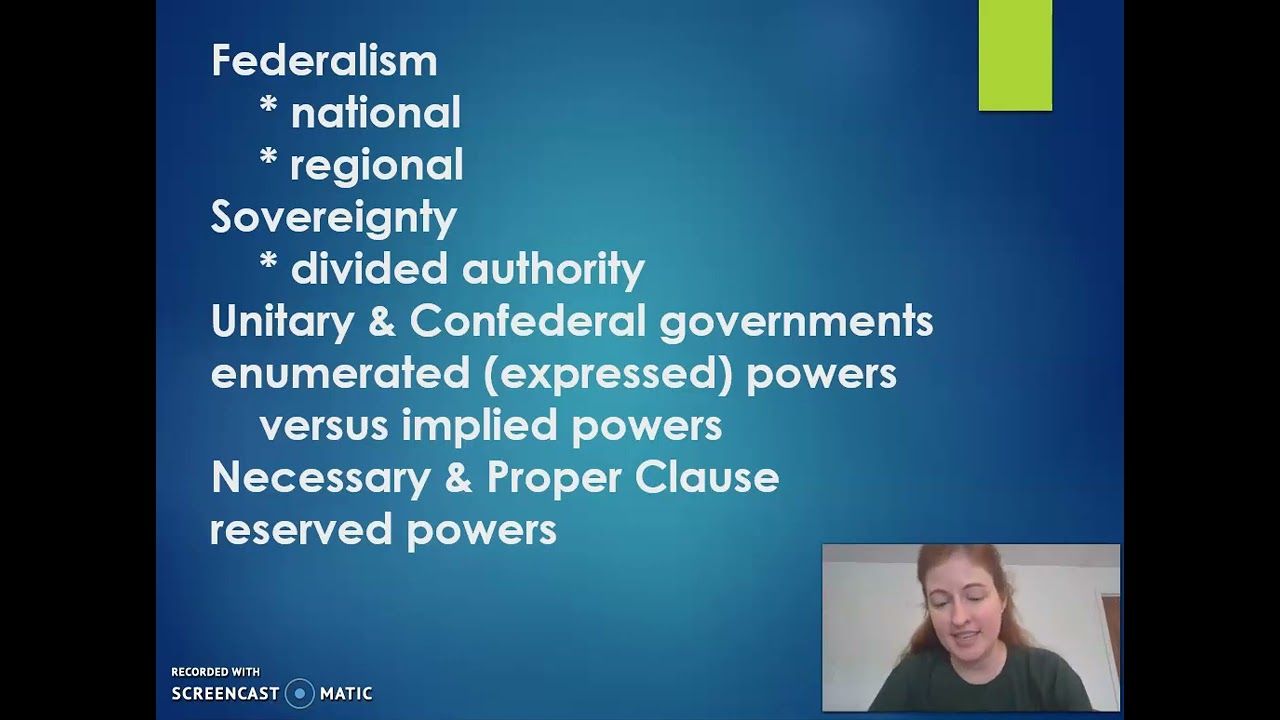
The fundamental concept of federalism and the division of sovereignty between the national government and the states.
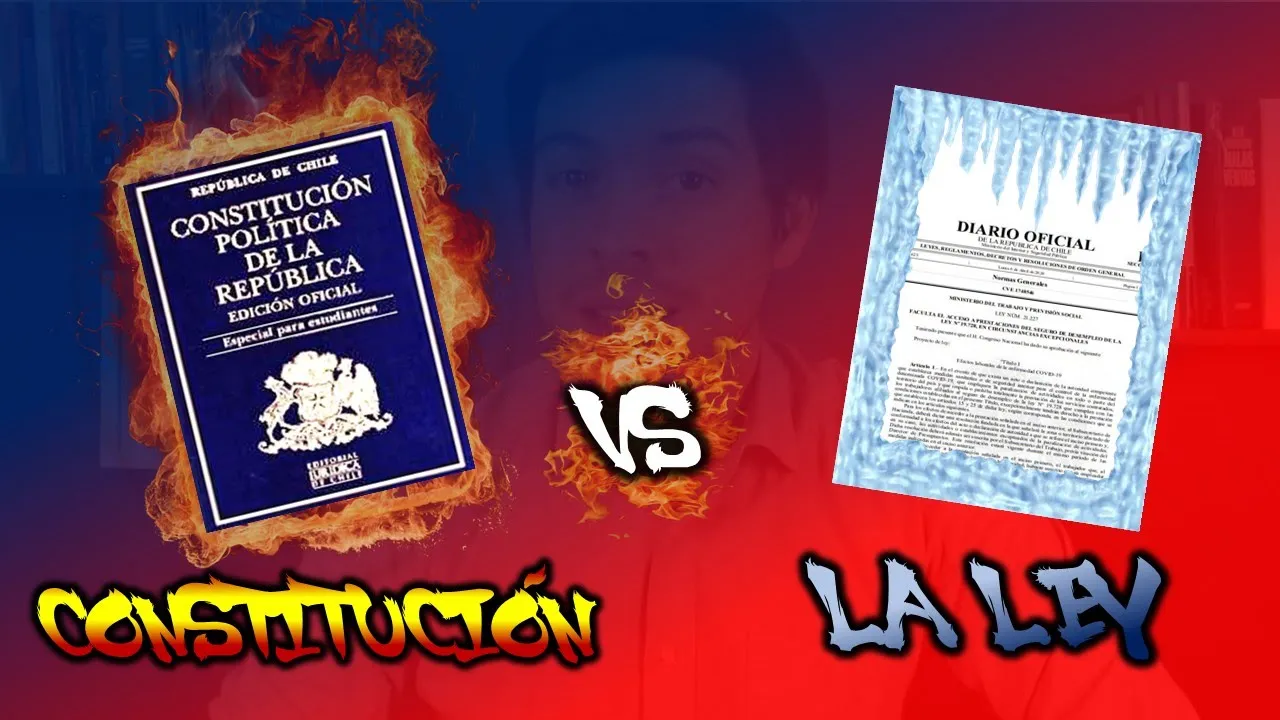
The distinction between constitutional law (the supreme law of the land) and statutory law (ordinary legislation passed by Congress).
In-depth analysis of landmark Supreme Court cases that have interpreted and shaped the application of key amendments, such as the First and Fourteenth Amendments.
An exploration of the legal debates and historical struggles surrounding the Reconstruction Era amendments (the 13th, 14th, and 15th Amendments).
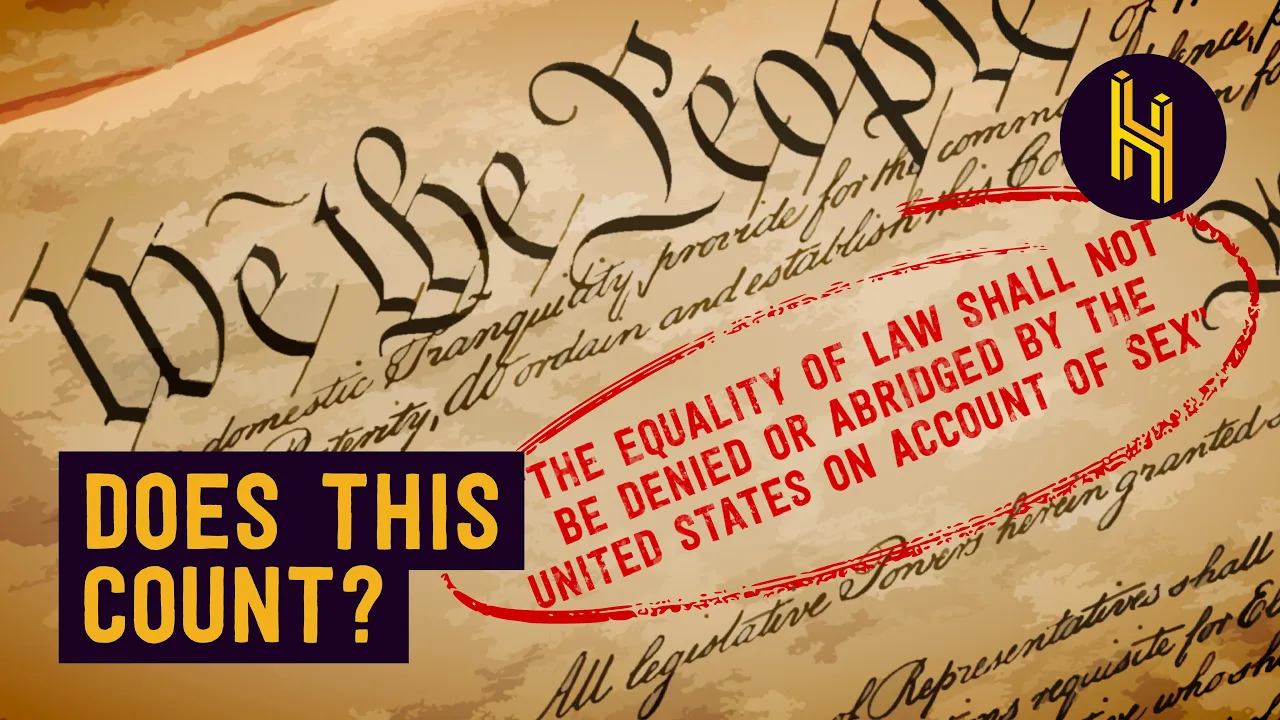
An investigation into the modern difficulties of the Article V amendment process and the analysis of prominent unratified proposals like the Equal Rights Amendment (ERA).
Comparative constitutionalism, comparing the rigid U.S. amendment process with the more flexible amendment mechanisms of state constitutions and other global democracies.
514.8K views8.3Klikes23:29Original Release: 2022-08-30
[Music] today we're going to talk about the 27 constitutional amendments so how do we amend the constitution article 5 has two steps proposal and ratification let's walk through them proposal there are two methods for proposing new constitutional amendments first congress can propose an amendment if there are two third votes in both houses of congress and that's been the pathway for every amendment to the constitution so far second article five gives the states a way to work around congress if congress refuses to act on proposals for constitutional reform state legislatures have the power under article 5 to force congress to call a convention for proposing amendments whenever the legislatures of two-thirds of the several states apply for one so that's the proposal phase of what about the ratification phase article five sets out two pathways for ratifying a new constitutional amendment and congress gets to choose which pathway to use amendments can be ratified by the legislatures of three quarters of the states or by specially elected ratifying conventions in three quarters of the states congress has chosen state legislatures for the ratification of all but one of our constitutional amendments we use state conventions for the 21st amendment which repealed the prohibition amendment all right now we're going to walk through all 27 amendments and we're going to talk about four different periods of constitutional reform we'll begin with the founding era which gave us our first 12 amendments including the bill of rights then we'll talk about the period after the civil war known as reconstruction which gave us the three constitutional amendments that some call our nation's second founding then we'll talk about the progressive era in the early 1900s which gave us amendments 16-19 and we'll end up with a modern era which added the remaining eight amendments between 1933 and 1992.
let's begin with the founding era the founding generation added almost 12 amendments in less than two decades and 10 of them known as the bill of rights were proposed by the first congress in 1789 and ratified very soon after in 1791.
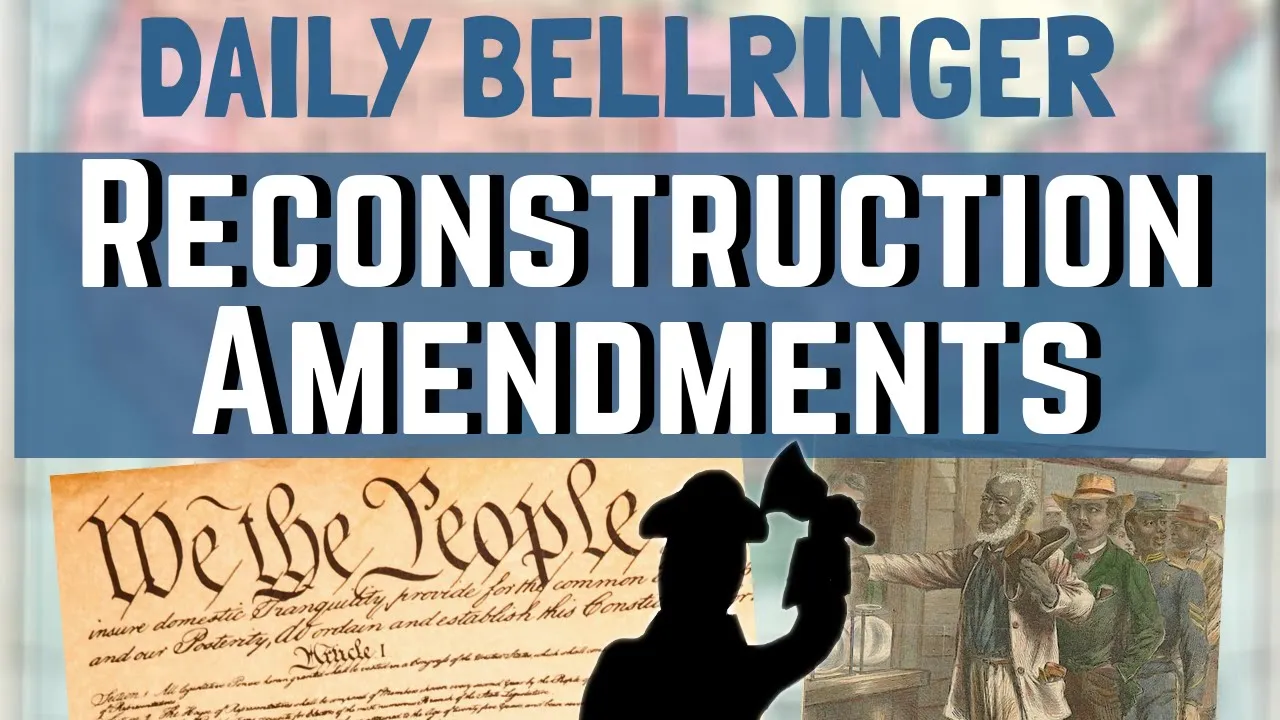
the bill of rights begins with freedom of conscience which is protected by the first amendment and the first amendment protects five freedoms religion speech press assembly and petition religion protects religious liberty in two ways it guards against government establishments of religion and it protects the free exercise of religion those are the core of the rights of conscience the right to believe or not to believe as we wish the right to think as we will and speak as we think as thomas jefferson so memorably said then we come to speech and press and government can't find jail or punish people based on what they write or say and in fact government cannot restrict speech unless it's intended to and likely to cause imminent violence that extraordinarily protective test for free speech comes from a supreme court case called the brandenburg case and it makes america the most speech protective country in the world now there are certain contexts where the government can regulate speech like defamation or in public schools uh but broadly the test and it's important to remember is the government can't restrict speech unless it's intended to and likely to cause imminent violence then we come to assembly and petition and throughout american history the right dissent has been crucial of course it was dissent that sparked the american revolution in that famous speech of james otis denouncing the writs of assistance that we talked about a while ago and the rights of dissent including petition and assembly are protected by the first amendment now we come to the military amendments which include the second and third amendments the second amendment was crucial responding to early concerns about standing armies and the importance of rooting the community's safety in citizen-led militias the supreme court's recent decisions in the heller and mcdonald case emphasized that the second amendment also grants an individual right to keep and bear arms subject to reasonable regulations then we come to the third amendment which was uh crucial in saying that you can't be forced by the government to house soldiers in our homes in times of peace this grew out of the british experience of the quartering acts of 1774 the founding generation saw these british abuses as tyrannical and saw this act as invading the sanctity of private property and of the home now we come to the privacy and property amendments protected by the fourth and fifth amendments the fourth amendment uh can be broken down into two big clauses uh first it says that the right of the people to be secure in our persons houses papers and effects against unreasonable searches and seizures shall not be violated and second it says that there's a warrant exception it says that no warrants can issue except with probable cause particularly specifying the place to be searched and the persons or things to be seized the big idea is that before the government can search your home or seize your property or effects or effects it needs a good reason uh as well as particularize suspicion now we come to the property protections of the fifth amendment and that's the takings clause which is connected to the founding generation's commitment to property rights the takings clause of the fifth amendment protects private property from being taken by the government for public use without just compensation and it means that if the government wants to take your property it has to be for public use and the government has to pay you a fair price for it now we come to fair process jury rights and the rights of the accused and these include parts of the fifth sixth seventh and eighth amendments let's begin with the rest of the fifth amendment which grants uh rights to criminal defendants including the right to remain silent and the right against self-incrimination you know that from the miranda warnings you have the right to remain silent or you can also plead the fifth if you fear uh self-incrimination the fifth amendment also guarantees you a right against double jeopardy you can't be twice uh tried for the same offense you have a right to a grand jury for capital crimes and you have the right to due process of law a central guarantee that the government cannot deprive anyone of life liberty or property without due process of law then we come to the sixth amendment which grants even more rights to criminal defendants there's a right to a jury trial in criminal cases a right to counsel remember if you're being interrogated by the police say the magic words i want a lawyer and you get one according to the sixth amendment you also have the right under the sixth amendment to a speedy and public trial you have a right to an impartial jury the right to be informed of what crime the government is charging against you there's the confrontation clause which grants you a right to cross-examine witnesses against you in person and there's the right to compulsory process for witnesses the court can order someone to appear in court as a witness for the defense if you do go to trial you get all of these rights guaranteed by the sixth uh amendment uh but it's important to remember that most uh criminal cases in the united states do not go to trial they're settled by plea bargains then we come to the seventh amendment which protects the right to a jury trial in civil that's non-criminal cases and this responded to a key concern of the anti-federalists that the original constitution only protected the right to trial by jury in criminal cases and many states didn't protect them for civil cases and then we come to the eighth amendment which protects the right against cruel and unusual punishment excessive bail and excessive fines it's rooted in the english bill of rights and also in the virginia declaration of rights uh drafted by george mason that famous anti-federalist who worried that a new and powerful national government would simply invent new crimes to oppress the american people then we come to the popular sovereignty amendments uh the ninth and tenth amendments the ninth amendment uh has been interpreted by many to recognize the existence of natural rights that come from god or nature not from government it says that the enumeration of certain rights shall not be construed to deny or disparage others retained by the people that retained by the people means retained when you move from the state of uh nature into civil society and the ninth amendment is designed to respond to james madison's concern that if you listed certain rights in a bill of rights people might wrongly assume that if a right wasn't written down it wasn't protected so the ninth amendment says don't do that don't interpret the bill of rights to be an exhaustive list our rights are so capacious because they come from god or nature they inhere in us as human beings they're not gifts of the government that they can't be reduced to a single list and then we come to the 10th amendment which reflects the constitution's commitment to federalism which is the balance of power between the national government and the states and it's meant to protect the reserve powers of the state saying that if a power isn't granted to the federal government then it's retained by the states or the people and that's why we can grant we can put the ninth and tenth amendments together and call them the popular sovereignty amendments they recognize that the ultimate sovereignty power in america rests not in the federal government or in the states but in the people themselves so that's the bill of rights now we come to the 11th amendment four years after the ratification of the bill of rights the american people ratified the 11th amendment in 1795 which bans the national courts from hearing certain lawsuits against the states uh scholars often refer to it as protecting the sovereign immunity of the states and then we come to the 12th amendment which followed the extraordinarily contested election of 1800 between thomas jefferson and john adams you may know it from the musical hamilton because it indirectly led to the duel that resulted in hamilton's death and after the chaos of the election of 1800 the 12th amendment altered the electoral college and addressed the central problem that led to such confusion in 1800 under the original constitution electors cast ballots not for one presidential candidate but for two and the second place finisher became the vice president the framers didn't expect there'd be national parties that nominated candidates and offered their own tickets for president and vice president but political parties emerged in 1800 the federalists led by john adams the democratic republicans led by jefferson and the two vote system led to this serious political crisis where it was very hard to figure out the winner of the election so following the election of 1800 we reformed the electoral college and the result was the 12th amendment which ensured that electors in the future would still cast two votes but one of the two votes would be for president and the other one would be for vice president now we're going to fast forward to the reconstruction era amendments uh we have to fast forward 60 years because there weren't any constitutional amendments but in during that period but after the civil war the bloodiest in american history 23 000 died or wounded at antietam we ratified three transformative constitutional amendments the 13th 14th and 15th amendments that began to fulfill the promise of the declaration of independence that had been thwarted in the original constitution resurrected by lincoln at gettysburg and by frederick douglass and inscribed into the constitution after the civil war the 13th amendment uh ratified in 1865 abolished slavery the 14th amendment ratified in 1868 inscribed the promise of freedom inequality into the constitution it made everyone born on american soil a u.s citizen overturning the dred scott decision it promised equality or equal protection for all persons uh as well as preventing states from denying any person life liberty or property without due process it also incorporated the bill of rights against the states and ensured that the states couldn't violate the fundamental freedoms like free speech and religious liberty guaranteed in the original bill of rights and finally we come to the 15th amendment ratified in 1870 which guaranteed the right to vote free of racial discrimination to all men white and black alike and all three of these amendments gave the national government new powers to enforce their protections now the second founding was not perfect the promise of the reconstruction amendments was supported almost as soon as they were passed by white supremacy and violence by racism and indifference by a desire for reconciliation between the north and the south and by the us supreme court which in the slaughterhouse cases reduced the promise of the 14th amendment to a nullity and ensure that it would take nearly a century of activism and courage culminating in dr king's speech on the mall to begin to fulfill the promises enshrined in the declaration of independence and the reconstruction amendments and we come to the progressive era amendments between 1913 and 1920 there were four amendments the 16th amendment which was ratified in 1913 gave congress the power to pass an income tax in fact congress had passed an income tax during the civil war but the supreme court uh struck it down um and after lots of activism following the supreme court's 1895 decision in the pollock case the 16th amendment was proposed and ratified and we've had a federal income tax ever since then we come to the 17th amendment which changed a very important structural feature of the original constitution the original constitution gave the power to choose u.s senators to state legislatures the 17th amendment gave that power directly to voters in each state and gives us the system we have today where voters select their senators through a popular vote the 18th amendment is the prohibition amendment which banned the manufacturer sale or transportation of intoxicating liquors it remained a live part of the constitution for 13 years americans soon had second thoughts and repealed it and that's why let's fast forward now to 1933 and the 21st amendment which is the only example in american history of a constitutional amendment repealing another one in its entirety uh here's the language from the amendment that says the 18th article of amendment to the constitution of the united states is hereby repealed and that was ratified in 1913. all right now we're going to go back to the 19th amendment which was ratified in 1920 an extremely important amendment which guaranteed the right to vote free of gender discrimination and culminated nearly a century of activism on behalf of women's suffrage the amendment followed decades of widespread experimentation in the states many states had extended the right to vote to women before the ratification of the 19th amendment but it would take many years in the hard work of the civil rights movement to make the promise of the 19th amendment a reality and to extend the right to vote in practice to all women including women of color and finally we come to the modern era where we find the remaining eight amendments to the constitution which were added little by little between 1933 and 1992 so we start with the 20th amendment ratified in 1933 which reduced the length of time between the most recent set of national elections and also changed when a new congress and president take office before the 20th amendment the new president and the new congress took office in march the 20th amendment shifted the startup date to january it meant that the you didn't have lame duck presidents who uh served for such a long time uh then the 22nd amendment uh which ratified in 1951 limited a president to two terms in office it resurrected the precedent set by president george washington who had stepped down after his two terms that president held for 150 years until franklin roosevelt was elected four times in a row and with the 22nd amendment the american people re-established the washington precedent and wrote it into the constitution the 23rd amendment ratified in 1961 guaranteed the district of columbia three electoral votes before the amendment d.c residents couldn't vote for president vice president now they can and then we come to the 24th amendment ratified in 1964 which banned poll taxes in national elections being forced to pay a tax when you vote it also gave congress the power to enforce the amendment through appropriate legislation southern states have long used poll taxes to keep americans from voting and when the 24th amendment was ratified five states still had poll taxes on the books um the supreme court upheld the constitutionality of those laws as recently as 1937 the 24th amendment uh said you can't do that and uh two years later the supreme court ruled that all poll taxes in national state and local elections were unconstitutional then we come to the 25th amendment ratified in 1967 which deals with presidential succession and in capacity not succession suck session succession is when a state secedes from the union the civil war established you can't do that succession has to do with what happens when the president is incapacitated and this amendment left open several issues that were not clear in the original constitution and it emerged as uh in response to new concerns about presidential incapacity after president kennedy was assassinated in 1963 and president eisenhower had also been ill and the amendment established a procedure for what happens if the president is ill or incapacitated then we have the 26th amendment ratified in 1971 this is an amazing amendment because it was ratified in only four months after it was proposed and it prevents states from discriminating against voters based on age if they're 18 years old before the 26th amendment most states still limited voting to 21 and older the 26th amendment is in part a response to the vietnam war and the basic idea is old enough to fight old enough to vote and congress agreed with that proposed the amendment in 1970 and the supreme court had ruled in the oregon and mitchell case that congress could only lower the voting age for national elections not state and local elections so that's why the amendment was proposed by congress and it was ratified in only four months uh in in march 1971.
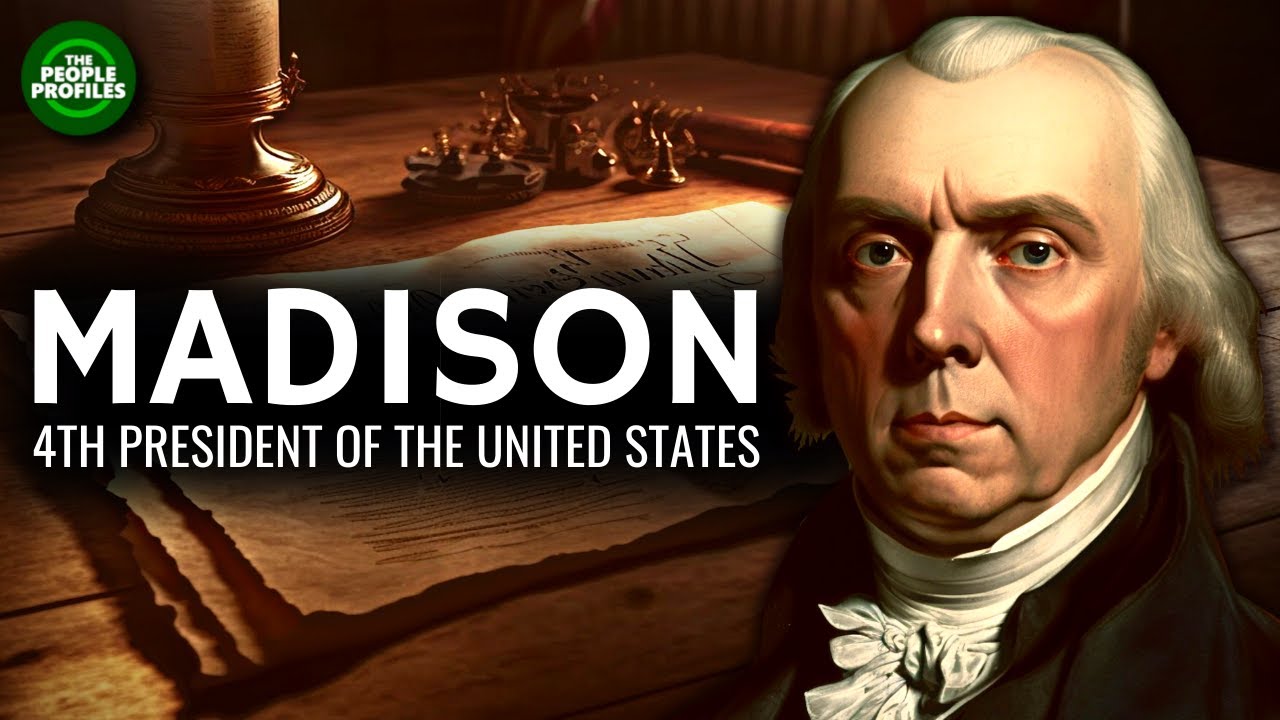
that's the shortest period for ratification ever and finally we've made it to the finish line the 27th amendment and the amazing thing about the 27th amendment is that it was written by james madison and actually proposed as part of the what became the original bill of rights and it was taken over the finish line 200 years later by a passionate student who thought it wasn't fair that he'd gotten a bad grade on his homework so here's what happened the 27th amendment prevents members of congress from raising their own salaries until there's a new election so basically a pay increase can't take effect until the beginning of a new congress it limits congress's power to give itself a raise it was first written in 1789 and proposed as part of the original bill of rights congress initially proposed 12 amendments and what became the 27th amendment the amendment the pay raise amendment was the original second amendment but it fell short after it was proposed of the three quarters of the states necessary to ratify it so it didn't become part of the constitution along with the rest of the bill of rights um the states then basically ignored it for decades every now and then another state would vote to ratify it but fast forward to 1982 the proposed amendment looked dead very few states had ratified it then gregory watson who was a sophomore at the university of texas got a homework assignment he was doing his research he found a chapter in a book that listed amendments that hadn't been ratified and he chose to write his paper about the original second amendment which became the 27th amendment and his central argument was that the proposal didn't have a time limit on it and article 5 doesn't have a time limit either so the amendment could still be ratified nearly 200 years later so gregory watson somehow got a c on his paper he appealed the grade the professor wouldn't change it so watson decided to appeal to his fellow citizens and he wrote letters to state legislators across the country many of them ignored him but one senator loved the idea that was senator william cohn of maine who pushed for ratification in maine and succeeded in 1983 this inspired watson to keep pushing ahead and from there amendment push gained momentum there was broader dissatisfaction with congress in the 1980s where voters thought that congress wasn't doing enough to help the american people so in 1985 five more states ratified the amendment and then finally in 1992 over two centuries after the first congress proposed the amendment uh three quarters of the states had ratified it and the 27th amendment became part of the constitution and now we have walked through all 27 amendments [Music] you
Up Next

17:33
UN Resolution 377 & The Fight for Peace | Roger Waters on Gaza
@rogerwaters
65.9K views•2025-05-12

12:54
Triumph of Orthodoxy Icon: Byzantine Art & History Explained
@BenCallan
2.1K views•2024-08-06

9:49
FastAPI vs Flask vs Django: Choosing the Right Python Web Framework
@TechWithTim
302.5K views•2024-05-26

1:42
Game of Thrones Opening Credits: A Cinematic Analysis
@gameofthrones
46.3M views•2011-04-18
Related Study Plans & Knowledge Roadmaps
Structured learning paths in General & Interdisciplinary Studies
general-studies
Elevator Engineering: History, Physics & Cities
01From Hoists to Safety Brakes: The Dawn of Vertical Lift
02Hydraulic vs. Traction: The Engineering Physics of Elevators
03Modern Speed, Safety, and Algorithms
+ 2 more learning modules
12h5 modules
Explore Roadmap
general-studies
Rubber: Material Science, History & Geopolitics
01Origins of Natural Rubber & Mesoamerican History
02The Chemistry of Natural Rubber & Vulcanization
03The Geopolitics of the Rubber Boom & Colonization
+ 2 more learning modules
12h5 modules
Explore Roadmap
general-studies
Containerization: Evolution, Logistics & Trade
01Ancient Trade & Bulk Cargo: Amphorae to Barrels
02The Industrial Revolution & Cardboard Packaging
03The Containerization Revolution: Malcom McLean
+ 2 more learning modules
12h5 modules
Explore Roadmap
general-studies
Textile Tech: Evolution, Labor & Global Impact
01Pre-Industrial Textiles: Handloom & Cottage Industry
02Mechanization: The Spinning Jenny to the Power Loom
03The Factory System & Global Labor Transformation
+ 2 more learning modules
10h5 modules
Explore Roadmap