













![[LIVE] A Chill Day of DNA Design (And Updates!)](https://i.ytimg.com/vi/3WkEiD2R7Ag/hqdefault.jpg)
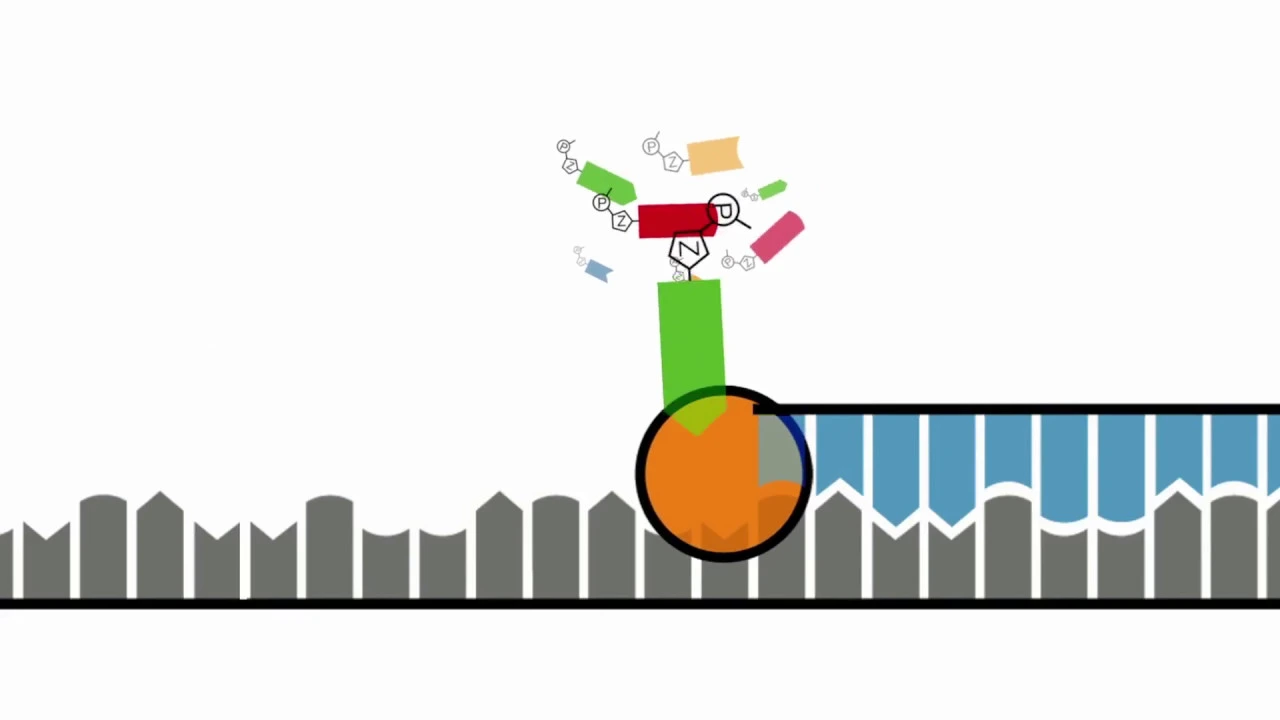






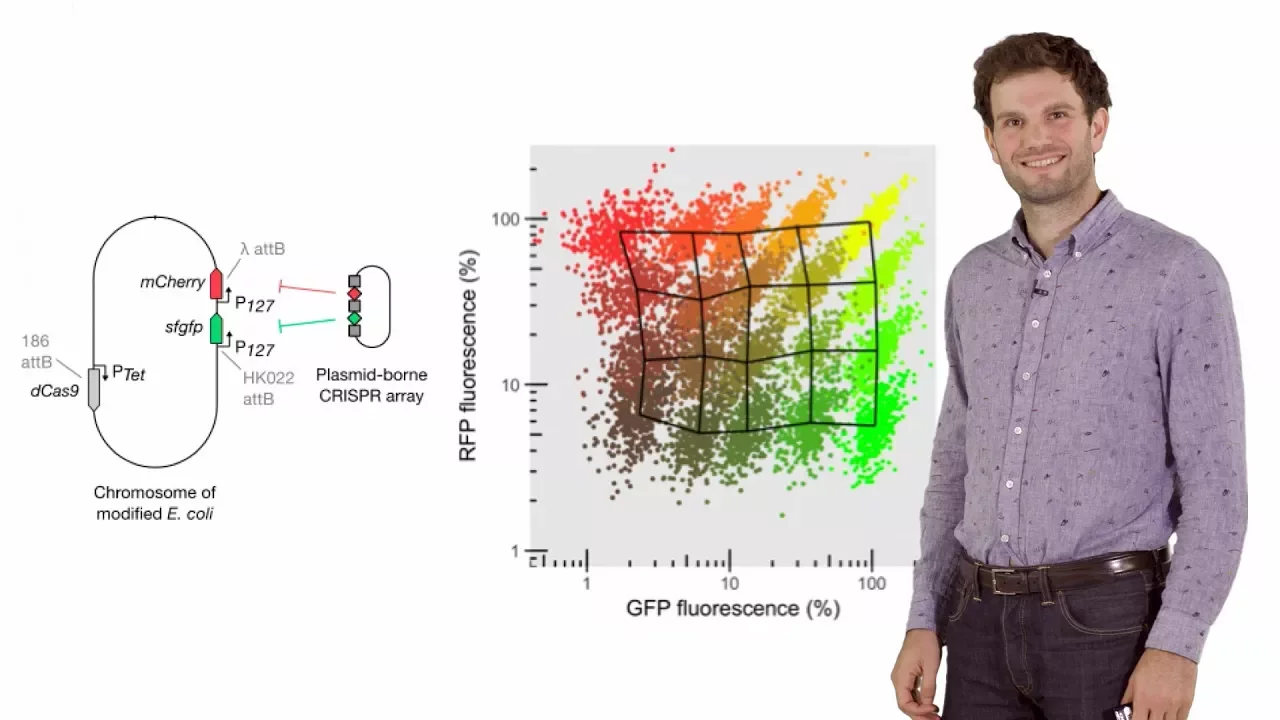

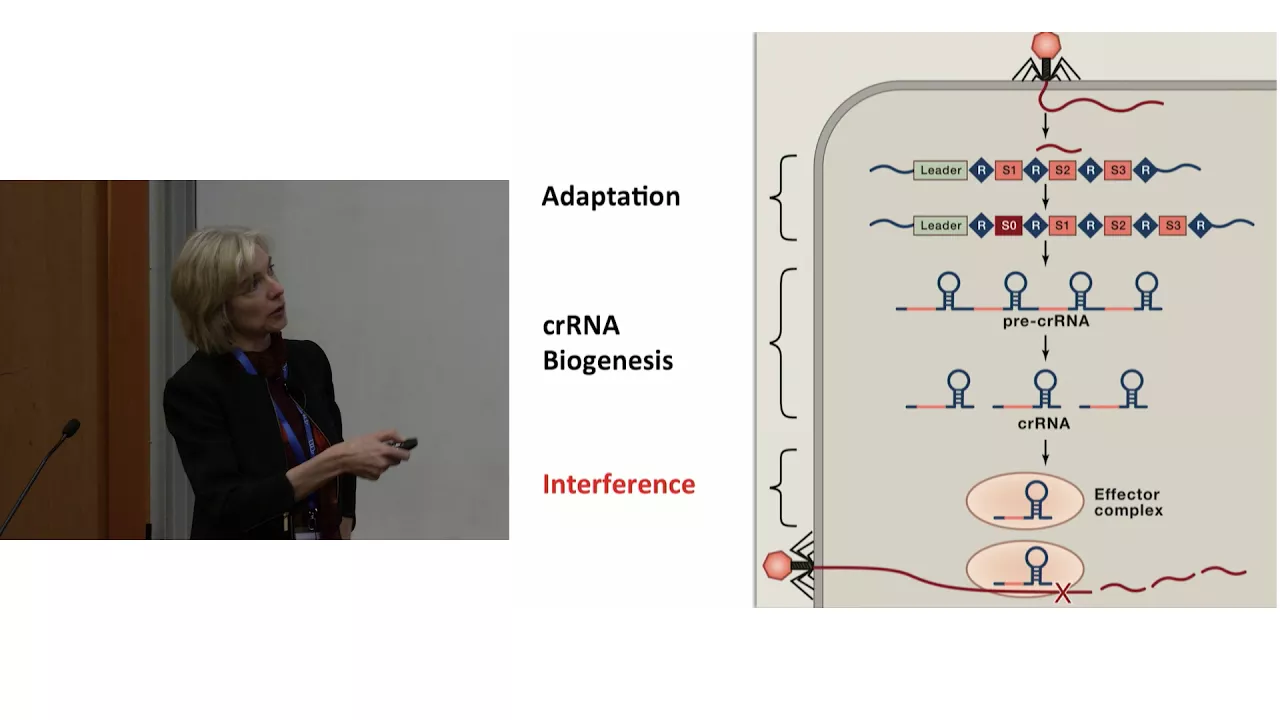

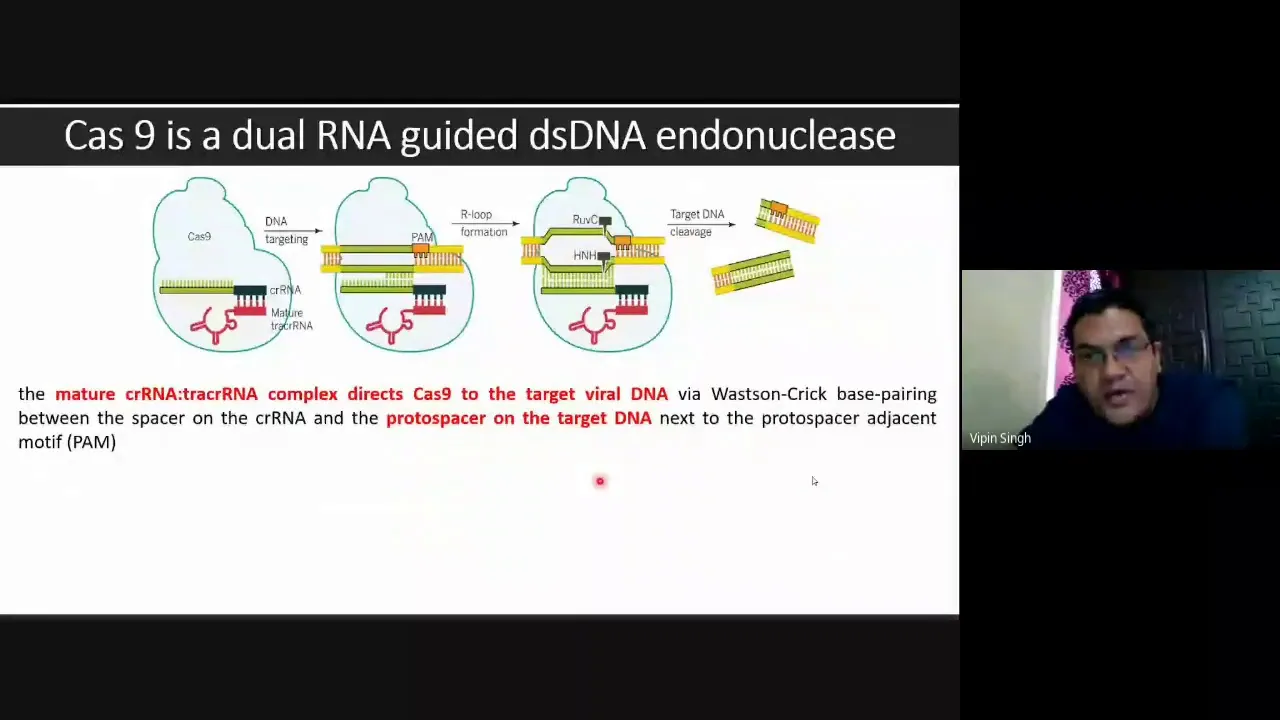
DNA cloning is a biotechnology technique that creates identical copies of a specific gene by cutting the gene with restriction enzymes, inserting it into a plasmid vector using DNA ligase, and introducing the plasmid into bacteria through heat shock; the bacteria then replicate the plasmid and express the inserted gene, allowing scientists to produce large quantities of desired proteins like insulin for medical applications.
DNA Cloning and Recombinant DNA | Molecular Genetics | MCAT Biology Prep
Added:Understanding of DNA double-helix structure, nucleotide composition, and complementary base pairing (A-T, G-C).
Basic knowledge of bacterial biology, including how bacteria replicate (binary fission) and the structure of prokaryotic cells.
Familiarity with the Central Dogma of Molecular Biology (how DNA is transcribed into RNA and translated into proteins).
Fundamental concepts of enzymology, specifically how enzymes act as biological catalysts to cleave or join molecular bonds.
Polymerase Chain Reaction (PCR) techniques used to amplify specific DNA sequences prior to or following cloning.
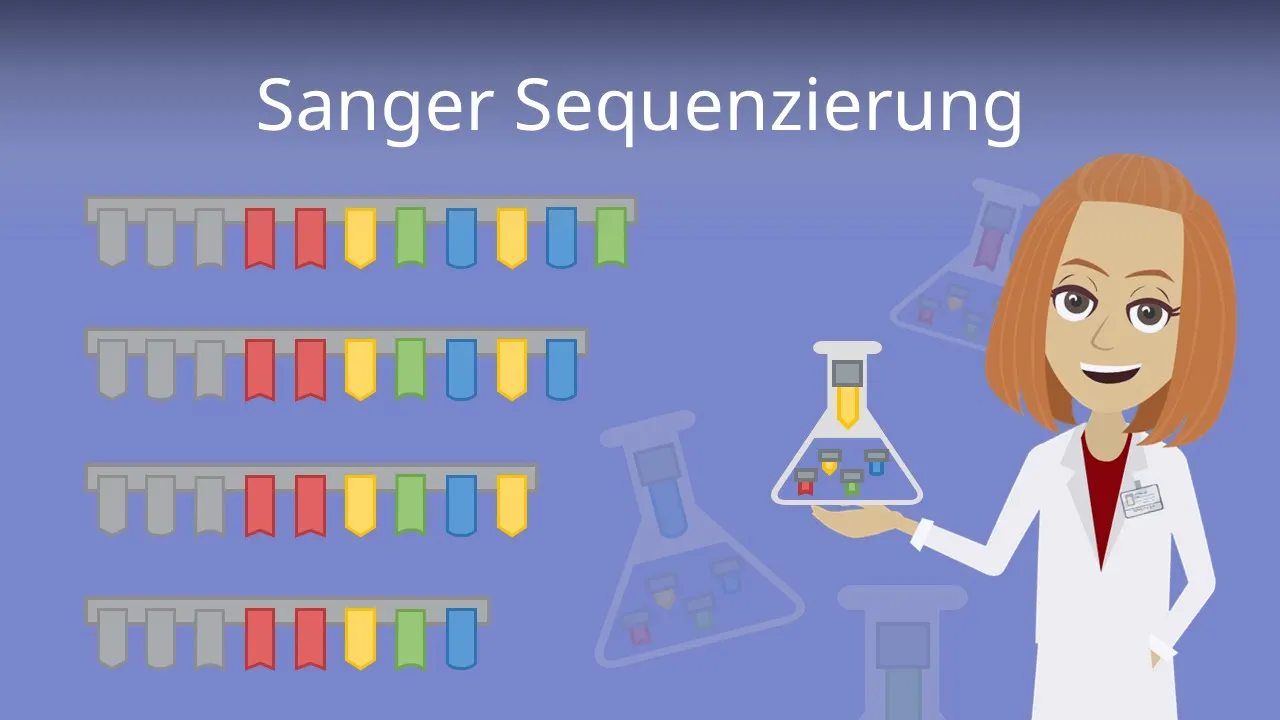
Methods of DNA sequencing, such as Sanger sequencing, to verify the success and accuracy of the recombinant plasmid.
Creation and screening of genomic and cDNA libraries to isolate specific genes of interest from an organism's entire genome.
Industrial and medical applications of recombinant DNA, such as the production of synthetic human insulin or growth hormones in bioreactors.
Advanced gene-editing technologies, such as CRISPR-Cas9, which allow for direct genomic modifications in eukaryotic cells.
1.2M views14.6Klikes11:07Original Release: 2016-06-02
let's talk a little bit about DNA cloning which is all about making identical copies of a piece of DNA and usually it's a piece of DNA that that codes for something we care about it is a gene that will Express itself as a protein that we think is useful in in some way now you might have also heard the term cloning in terms of the Clone Wars and Star Wars or Dolly the sheep and that is a related idea if you're cloning an animal or an organism like a sheep well then you are creating an animal that has the exact genetic material as the original animal but when we talk about cloning and DNA cloning we're talking about something a little bit a little bit simpler although as we'll see it's it's still quite fascinating it's identical copies of a piece of DNA so how do we do that well let's say that this is a strand of DNA right over here and I'm just drawing it as a line but this is a double stranded and I'll just write it down this is double stranded I don't want to have to take the trouble of keep drawing the multiple strands actually let me just draw let me just try to draw the two strands just so we remind ourselves so there we go this is the double stranded DNA and let's say that this part of this DNA has a gene that we want to clone we want to make copies of this right over here so Gene to clone Gene to clone well well the first thing we want to do is we want to cut this Gene out somehow and the way we do that is using restriction enzymes and there's a bunch of different restriction enzymes and I personally find it fascinating that we as a civilization have gotten to the point that we can find and identify these enzymes and we know at what points of of DNA that they can cut they recognize specific sequences and then we can figure out well what which restriction enzyme should we use to cut out different pieces of DNA but we have gotten to that point as a system ization so we use restriction enzymes we might use one restriction enzyme let use a different color here that that latches on right over here and identifies the genetic sequence right over here and cuts right in the right place so that might be a restriction enzyme right over there and then you might use another restriction enzyme that identifies with the sequence at the other side that we want to cut so let me label these these those those things right over there those are restriction enzymes restriction enzymes and so now you would have after you apply the restriction enzymes you will have just that Gene you might have a little bit left over on either side but essentially you have cut out the gene you've used the restriction enzymes to cut out your Gene and then what you want to do is you want to paste it into what we'll call a plasmid and a plasmid is is a is a piece of genetic material that sits outside of chromosomes but that can reproduce along or that could I guess we could say can replicate along with the Machinery of the or the genetic Machinery of the organism or it can even express itself just like the the genes of the organism that are in the chromosomes Express themselves so then so this is where we cut so let me write this we cut we cut out the Gene and then we want to paste it then we want to paste it into a plasmid and plasmids tend to be circular DNA so we will paste it into a plasmid and in order for them to fit the there's often times these overhangs over here so you might have an overhang over there you might have an overhang over there and so the the plasmid that we're placing in might have complimentary base pairs over the overhangs which will allow it easier it will become easier for them to react with each other if they have these overhangs so let me we're pasting it into the plasmid and this is amazing because obviously GNA this isn't stuff that we can like you know manipulate with our hands the way that we would uh copy and paste things with tape you're you're making these Solutions and you're applying the restriction enzymes the restriction enzymes are just in in Mass cutting these things they're bumping in just the right way to cause this reaction to happen then you're taking those genes and then you're putting them with the plasmids that happen to have the right sequences at their ends so that they match up and then you also put in a bunch of DNA ligase DNA liase to to connect the backbones right over here and we also saw DNA ligase when we studied replication so that is DNA liase which you can think of it is helping to do helping to do the pasting and so now we have this plasmid and we want to insert it into an organism that can make the copies for us and an organism that's typically used is or a type of organism is bacteria and eoli in particular and so what we could do is we could let's say that we have a bunch of let's say you have a vial right over here you have a vial and it has a solution in it with a bunch of eoli a bunch of ecoli and you actually wouldn't be able to see it visually but there's ecoli in that in that solution and then you would put your plasmids which you would be even harder to see in that solution and somehow we want the eoli that we want the bacteria to take up the plasmid and the technique that's typically done is is giving some type of a shock to the system that makes the bacteria take up the plasmids and the typical shock is a heat shock and this isn't fully understood how the she heat shot how the heat shock works but it does and and so people have been using this for some time so if you have a bacteria you have a bacteria right over here it has it has its existing DNA so this is its existing genetic material right over there let me label this this is the bacteria you put it in the presence of our plasmids so you put it in the presence of our plasmid and you apply the heat shock and some that bacteria is going to take in the plasmid it's going to take in the plasmid and so just like that it's going to take it it's going to take it in and so what you then do is you place the solution that has your bacteria some of which will have taken up the plasmid and you put it and then you try to grow the bacteria on a plate so let me draw that so let me draw so here we have a a plate to grow our bacteria on and it has it has nutrients right over here that bacteria can glow grow on it has nutrients it has nutrients and so you could say okay we'll put this here and then a bunch of bacteria will just grow so you would see things like this which would be many many many many cells of bacteria there would be colonies of bacteria you could just let them grow but there's a problem here because I mentioned some of the bacteria will take up the plasmids and some won't and so you won't know hey you know when when this this bacteria when it keeps replicating it might form one of these it might form one of these colonies so this is a colony that you like so this one is a good Colony put a check mark there but maybe this colony is formed by a initial bacteria or a set of bacteria that did not take up the plasmid so it won't contain the actual Gene in question so you don't want that one so how do you select for the bacteria that actually took up the plasmine well what you do is besides the gene that you care about that you want to make copies of you also place a a gene for antibiotic resistance in your plasmid so now you have a gene for antibiotic resistance here and so only the the bacteria I think it's amazing that we as Humanity have are able to do these these types of things but now only the bacteria that have taken up the plasmid will have that antibiotic resistance and so what you do is in your nutrients you do nutrients plus antibiotics plus an antibiotic antibiotic and so this one will survive because it has that resistance it has that Gene that allows it to uh not be susceptible to the antibiotics but these are not going to survive they're not even going to happen they're not even going to grow because there's antibiotic it mixed in with those nutrients and so this is a pretty cool thing you started with the gene that you cared about you cut and pasted it into into our plasmid let me write the labels down into our plasmid that also contained a gene that that con that gave antibiotic resistance to any bacteria that takes up the plasmid you put these plasmids in the presence of the bacteria you provide some type of a shock maybe a heat shock so that some of the bacteria takes it up and then the bacteria starts reproducing and as it reproduces it also is reproducing the plasmids and because it has this antibiotic resistance it is going to grow on this nutrient antibiotic mixture and the other bacteria that did not take up the plasmids are not going to grow and so just like that you can take this you can take this Colony right over here and put it into another solution or continue to grow it and you will have multiple copies of that Gene that are inside of that bacteria now the next question and I'm oversimplifying things fairly dramatically is well how do you you now have a bunch of bacteria that have a bunch of copies of that Gene how do you make use of it well uh the bacteria themselves let's say that Gene is for something you want to manufacture uh say insulin for diabetics well you could actually use that bacteria's Machinery we use its its its reproductive Machinery to keep replicating the genetic gentic information but you can also use its its its productive Machinery I guess you could say it's going to express its existing DNA but it can also Express the genes that are on the plasma in fact that's what gives it it's a that's what would give the bacteria its antibiotic resistance but it could if this Gene was sa for insulin well then the bacteria will produce will produce a bunch of insulin a bunch of insulin molecules which you might be able to use in some way and I'm not going to go into all the details of how you get the insulin out and how you could make use of it but needless to say it's pretty cool that we could even get to this point
Up Next

23:37
Mammalian Cell Culture Protocol: Counting & Passaging
@neilcross9417
126.9K views•2020-09-28
14:12
Quantitative Real-Time PCR (qPCR): Principle, Method & Data Analysis
@animatedbiologywitharpan
129.2K views•2023-09-06
23:33
Microbial Degradation of Plastics: Biodegradation Pathways & Sustainability
@majeedhammad
2.9K views•2021-04-11
16:04
CRISPR and Genetic Engineering: How Gene Editing Works and Why It Matters
@kurzgesagt
30.5M views•2016-08-10
Related Study Plans & Knowledge Roadmaps
Structured learning paths in Biotechnology
biotechnology
AAV Production: Transfection, Prep & qPCR
01Introduction to Gene Therapy and AAV Biology
02Mammalian Cell Culture: Suspension HEK293 Cells
03Upstream Bioprocessing: Triple-Transfection Optimization
+ 2 more learning modules
18h5 modules
Explore Roadmap
biotechnology
Building Gut-on-a-Chip: PDMS, Cells & TEER
01Foundations of Microfluidics and Gut Anatomy
02Cleanroom Fabrication & PDMS Soft Lithography
03Epithelial Cell Culture and On-Chip Seeding
+ 2 more learning modules
26h5 modules
Explore Roadmap
biotechnology
Optimizing CFPS: E. coli Extract & Yield
01Fundamentals of Molecular Biology and Translation
02Introduction to Cell-Free Protein Synthesis (CFPS)
03Preparing E. coli Crude Lysate (The Extract)
+ 2 more learning modules
19h5 modules
Explore Roadmap
biotechnology
Haematococcus PBR: Design, Stress & Astaxanthin
01Biology and Life Cycle of Haematococcus pluvialis
02Bench-Scale Photobioreactor (PBR) Design and Engineering
03Culture Media Formulation and Inoculation
+ 2 more learning modules
15h5 modules
Explore Roadmap