

















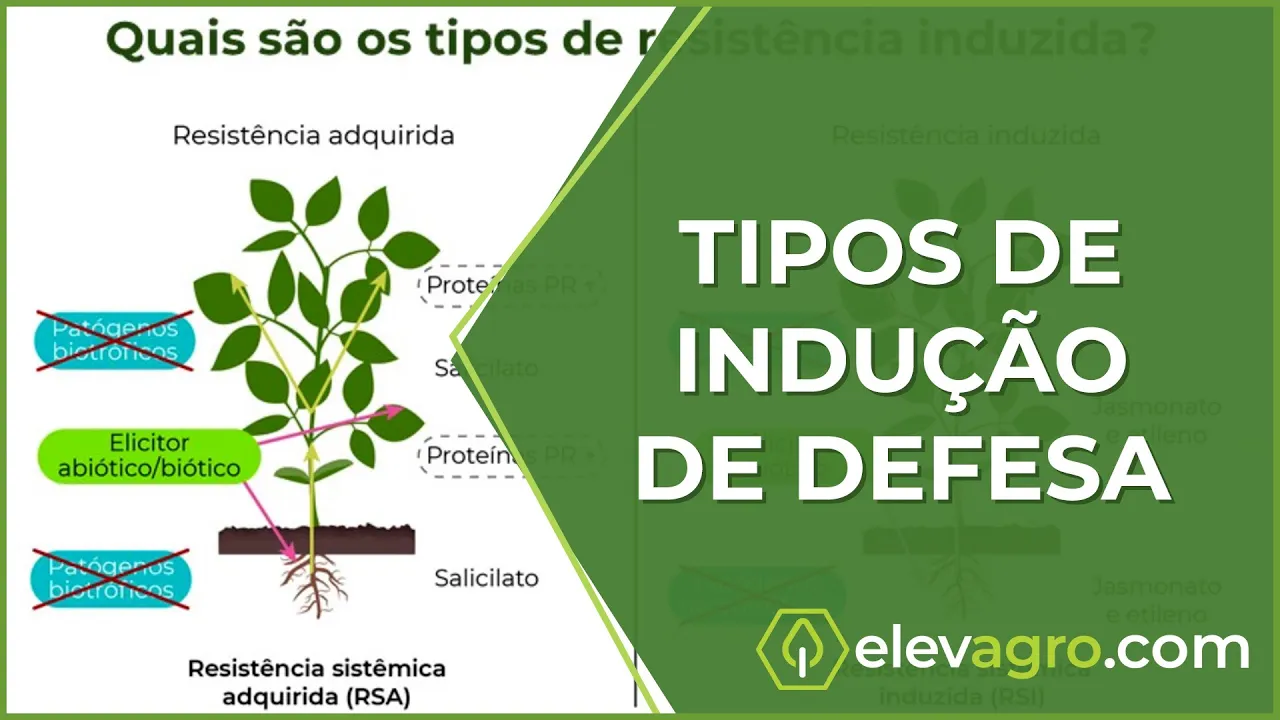




Systemic Acquired Resistance (SAR) is a plant defense mechanism where initial infection with an avirulent pathogen triggers localized hypersensitive response (HR) at the infection site, which then activates a systemic, long-lasting (up to 20 days) resistance throughout the plant against subsequent virulent pathogen attacks; unlike the earlier belief that salicylic acid was the signaling molecule, research demonstrates that while salicylic acid is necessary for SAR induction, it is not the actual signal that travels through the plant to confer resistance, making SAR a valuable tool for inducing broad-spectrum disease resistance in crops before pathogen attack.
Systemic Acquired Resistance (SAR) In Plants | Mechanism And Signal
Added:Understanding of the plant vascular system (specifically phloem transport) and how systemic movement of molecules occurs.
Basic concepts of plant innate immunity, particularly the distinction between localized and systemic defense responses.
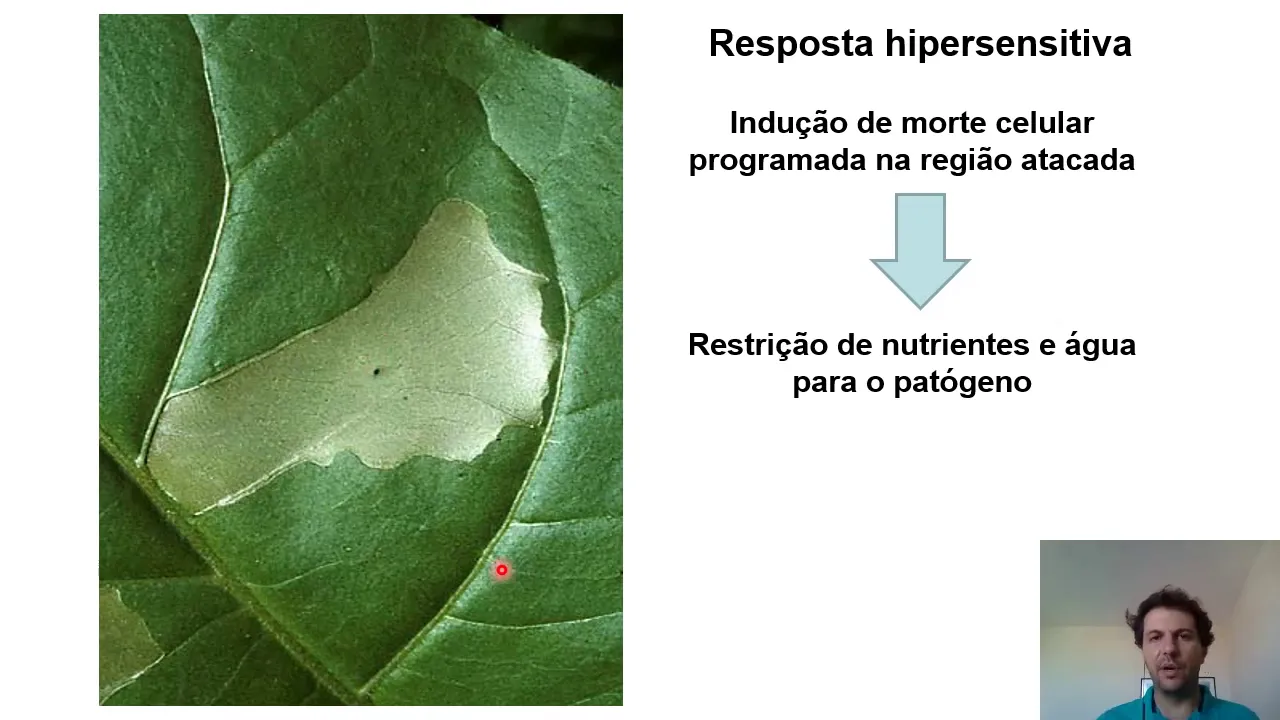
The mechanism of the Hypersensitive Response (HR), which involves localized programmed cell death to restrict pathogen spread.
An introductory understanding of plant hormones (phytohormones) and their roles as chemical messengers in plant growth and defense.
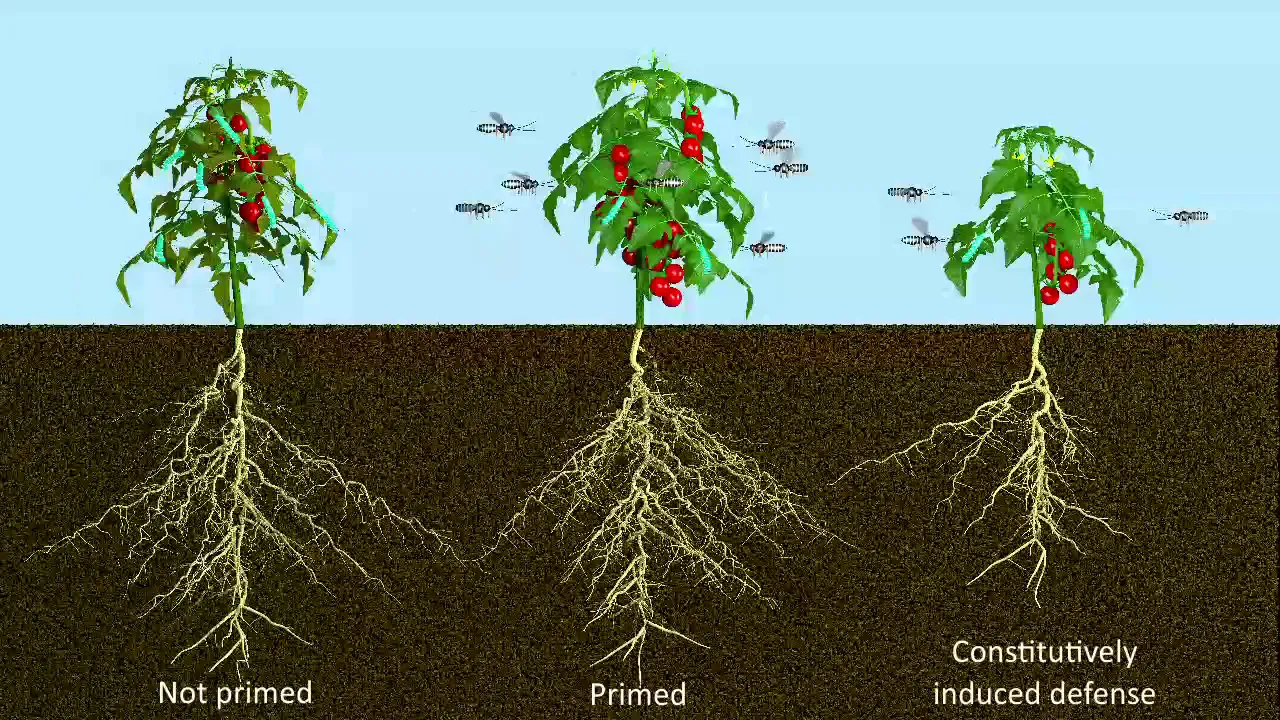
The phenomenon of 'defense priming', studying how plants prepare their immune systems for faster, stronger future attacks without active growth trade-offs.
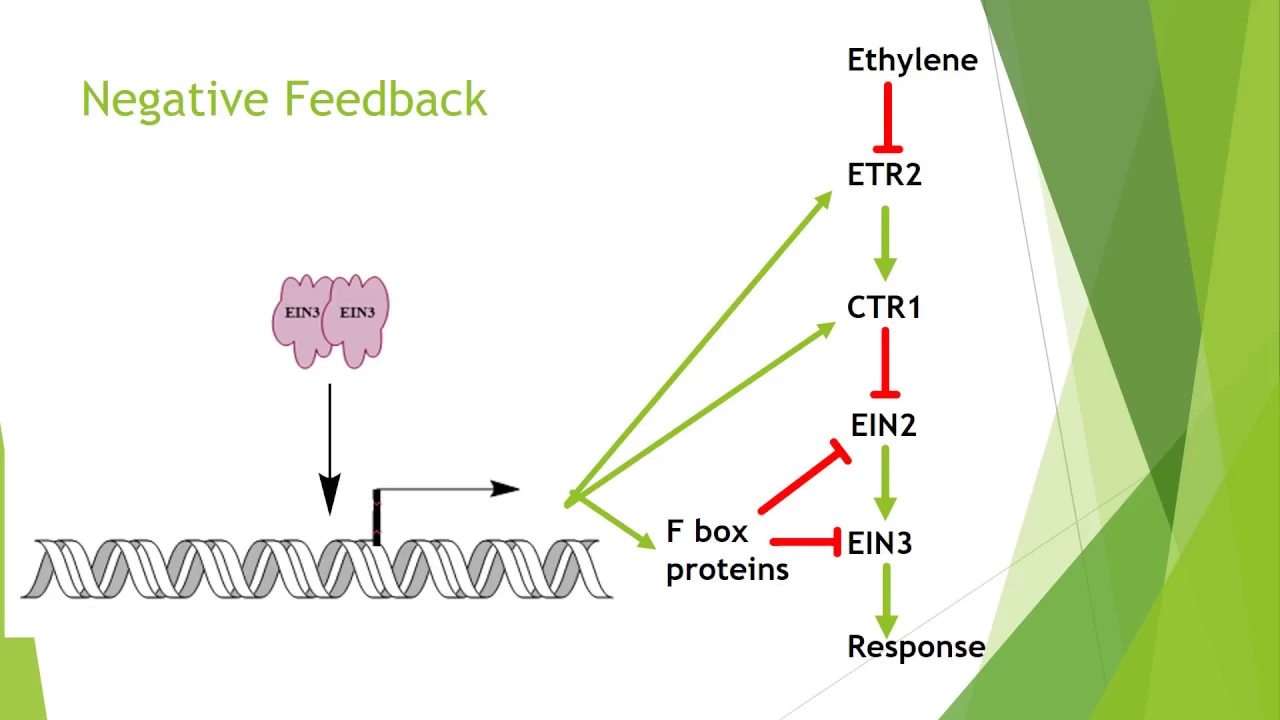
The molecular 'cross-talk' between salicylic acid (SA), jasmonic acid (JA), and ethylene signaling pathways, which helps plants prioritize defenses against different types of pathogens.
Induced Systemic Resistance (ISR), comparing SAR (triggered by pathogens) with ISR (triggered by beneficial root-colonizing microbes).
Agricultural applications of SAR, specifically the use of synthetic plant activators (elicitors like acibenzolar-S-methyl) to protect crops from disease.
8K views122likes23:50Original Release: 2020-05-14
during the beginning of this course we came across work of Alvin Stegman who in 1915 while working on Syria rust first time Hughes done hypersensitive response or HR he defined it hypersensitivity of blonde towards respond joy he noted that the area showing a char became dead he also found a correlation exists between HR and resistance and those varieties which showed a chart or resistant one while those which showed no HR one susceptible one HR is quite regularly used in the plant pathology laboratories all over the world either to assess the resistance of the plant variety or to assess the pathogen SP of a microbe here you are seeing a plant pathology student injecting a unknown bacterium inside the tobacco plant to see whether it produced the HR or not and on the right side you categorically can see a dead necrotic brown colored spot appeared where the bacteria is injected while the portion of the plant which is injected with the sterilized water remained green so it means that the bacterium injected here are blond pathogenic and secondly the tobacco plant is either resistant or non host to it but the important thing is also here to note that the HR is confined to a certain area that is why HR is also known as localized required resisted why we use the acquired because this resistance is due to the injection of the microbe if the microbe is not injected then the plant would not exhibit any kind of resistance Frank Rose was a teacher and a researcher in the Cornell University and after the 36 years of statement discovery of HR he performed an experiment on the tobacco mosaic virus in order to see the impact of HR on the overall resistance of the plant so he used an other term which is known as systemic acquired resistance which we are going to see how it work I try to elaborate the work of Frank Ross buys this simple picture on the left side you are seeing a tobacco plant which has many leaves 1 2 3 4 5 and when this tobacco plant was inoculated with a tobacco mosaic virus and if you look at that I gave it a black color so what happened that this tobacco plant showed the disease symptoms which are the appearance of mosaic area it means that the strain which is used in the inoculation was the virulent one and the tobacco plant was susceptible against it but in an other plant the Frank rose changed his strategy this time he inoculated the lower leaf of the tobacco plum with an other viral tobacco mosaic virus strain and I gave it a green color so it is again tobacco mosaic virus but it is different from the first one what happened next was the production of HR and from this tank man what we know that only those varieties are resistant one which gave HR so it also means that this strain of the tobacco plant which is shown written in the green latter is the Navy ruler one and the tobacco plant against it is the resistant one that is why it is producing a char but interestingly what happened next that on the same plant he inoculated the strain which is the virulent one and against which this tobacco plant is susceptible one but this time the disease is not occurred it means that now this plant is not only resistant against the a virulent strain but the virulent strain of the same virus and he repeated this experiment by first inoculating the a virulent strain to the upper leaves and inoculating the lower leaves with the virulent strain but he got the same result that every time the tobacco plant not show resistance against the a virulent strain but also the rueland one so from that he inferred that this resistance which is activated in this tobacco plant is actually somehow related with the localized acquired resistance or HR which not only confined the pathogen but also make this blonde systemically resistant against the virulent pathogen and he used the term systemic acquired resistance yeah and interestingly he also noted that this resistance remain viper not for one two or three days but up to 20 days it means that if you initially inoculate the a virulent strain the plant remained resistant against the virulent strain not for one two days but for the twenty days and other finding of the Frank Ross was that this resistance is not only effective against the same strain of the tobacco mosaic virus but this plant is also become resistant to other strain of the viruses as well as against the pathogenic fungi so the systemic acquired resistance is not only effective against the same strain but it is also give a generalized kind of resistant and plant once the systemic acquired resistance activated in in it remained resistant against couple of pathogens so because this resistance is not only confined to a specific area like in case of a chart though they use that or he used the term systemic acquired resistance so from that one I think every one of you now understand what is the systemic acquired resistance secondly if you little bit compare it with the vaccinations which is going on in the animals and the humans in case of vaccination we were given some kind of polio vaccine in our childhood or the vaccines of the measles or the TB and our body remained resistant for the rest of our life so here the concept is almost same but we are not we not use the word vaccination why because the plants don't have antigen-antibody reaction and secondly the plant defense system is not circulating it don't has any kind of T cells white blood cells or the memory cells so in plants we use the word systemic acquired resistance but if the similar kind of phenomena if it occurs in the animals and the human then the word vaccination is used if we want to define what is the systemic required resistance it is the systematically activated resistance after primary infection with the necrotizing pathogen this resistance is different from the non-host resistance as it is activated by some a virulent pathogen it produces the symptom but most of that time it is not observable in the field its symptom in the form of HR but it is so menu and tiny bar we can hardly see it in the field and that is why we don't realize that the plant are exhibiting systemic acquired resistance while they are growing in the field but every plant exhibited systemic acquired resistance that is why it remain viable and life despite the presence of so many virulent pathogens in the field after the Frank Ross paper on the systemic required resistance which was published in 1961 everyone in the Plant Pathology community was convinced about the systemic acquired resistance and totally agreed what Ross found in his research but the one question remained pending what was the nature of the signal which was produced at the localized acquired resistance at the H our area and then it traveled all over the plant and make this plant systemically resistant even against the virulent pathogen you don't need to be genius to find this signal molecule this signal molecule must be present where there is a char is going on and if we travel down all over the plant is it must be present in the vascular tissue but it shouldn't be present in the xylem tissue because the xylem tissue is made to take the water from the soil and then distribute it all over the block it means that the signaling molecule not only present at the area where the HR is going on but it should also be present in the flowing part of the vascular tissue and thirdly this signaling molecule must be present where the systemic acquired resistance is exhibited against the rule and pathogen so experiment after experiment the people find out that the signaling molecule which is present at HR in the flowing tissue of the risk flow imp part of the vascular tissue as well as in the area where the final ESR is exhibiting is the salicylic acid so people are convinced that the systemic acquired resistance is due to a signal molecule which is known as a salicylic acid salicylic acid is the plant hormone which not only has significance in plant health but it is also very important for the human health and it is one of the medicine which is listed in w-h-o we all used dis pre whenever we have headache and the discipline is basically acetyl salicylic is a later on the importance of salicylic acid in this systemic acquired resistance also came from the different experiment especially from the loss of function mutant which unable to produce the salicylic acid and that butane which unable to produce the salicylic acid also unable to show any kind of systemic acquired resistance similarly the plants which are transformed with nagi gene and nagi gene produces salicylate hydro oxidase which degrade salicylic acid and such plants which are transformed with Nagi Jean also unable to show the systemic acquired resistance and this sportive evidence is enough to believe that the systemic acquired resistance is not without salicylic acid and salicylic acid is actually the signaling molecule on which systemic acquired resistance is based till now many plant pathologist believe that the salicylic is said is the signaling molecule in the systemic acquired resistance without which systemic acquired resistance is not possible the second part of this belief is okay that without the salicylic is said systemic required resistance is not possible as we already seen in case of loss of function mutant and the plants which are transformed with the Nagi gene but the first part that the salicylic acid is the signaling molecule in the systemic acquired resistance is ruined wrong with an excellent paper which we are going to discuss in the next slide in 1994 almost 33 years of Frank Ross discovery of systemic acquired resistance a paper was published and through this paper the authors prove that the sella Cilic is said actually not the signaling molecule in the system make acquired resistance so I want the you people pay attention to understand how they prove that Sarah silica said is not the signaling molecule in the systemic acquired resistance they took to tobacco plants one plant where you can see the X word means that this is that tobacco variety which is known as Zen tea and then there is an other tobacco plant where you are seeing the world and understand that this tobacco plant is transformed with the nagi gene we already know that those plants which are transformed with the nagi gene unable to show any kind of systemic acquired resistance why because the nagi gene actually declare produced the enzyme which degrade the salicylic acid so first they actually perform a crafting experiment where they use the sign stock and the rootstock so first they want to know whether their grafting work or not in this case they grafted Zen tea plant on the root stock which is also Zen tea and then they inoculated the root stock with the a virulent strain which produce HR and then after that they inoculated the same plant with the virulent strain and this plant exhibited SAR it means that air grafting works in the second case they crafted the Nagi a plant on a root stock which is also Nagi gene and at the root stock first they inoculated the tobacco mosaic virus there is no production of HR both in the root stock as well as in the sign stock which means that they are grafting also work in case of Naja plants and they don't allow the salicylic acid production and as a result of that there is no as a or in the third experiment they change their strategy and they use Nagi plant as a sign stock and does then tip and as the rootstock first they inoculated the Zen tea plant vida a virulent strain of tobacco mosaic virus so if it is a virulent strain the Zen tea plant produce HR against it it means that the salicylic acid is produced and this salicylic acid traveled through the flow him to the upper part of the plant and when they inoculated this Nagi signs talked with the virulent strain the there is no production of the systemic acquired resistance but it makes sense the why because despite the cell acetic acid is produced despite it traveled but because it is the plant is chalant is the transform with the Nagi gene and that learned degraded the salicylic acid so there is no production of the systemic acquired resistance in the third in the last part of their experiment they used Nagi plant as the root stock while the Zen tea blonde as the sign stalk and we all know that in the Nagi plant there is no production of salicylic acid while in the Zen tea plant there is the production of salicylic acid is possible so what they did so I again say please put little attention over here so they inoculated the Nagi Woodstock with that tobacco mosaic virus there is no production of HR because there is a no production of salicylic acid because the Nagi plant carries the enzyme which degrade the salicylic acid but interestingly rather astonishingly when they inoculated the virulent strain on on the sign stock which is a Zen tea variety the SAR produce it means that there is SR can be produced without salicylic is said act as a signaling molecule why because if the salicylic acid is the signaling molecule it is degraded over there and if it is degraded over over there and then it should not be present in the phloem and it should not be traveled to the sign stock but the sign stock still exhibiting the SAR so from this experiment they prove that the sella Selleck is said is necessary for the systemic acquired resistance or for the induction of the systemic required resistance but that salicylic acid is not the signaling molecule so I again emphasize to put more attention to this part of the talk and if still you not understand we you can ask me the question about it so from this experiment the authors concluded that salicylic acid was not a signal molecule because if rootstock carried no g gene it meant that salicylic acid was decorated but still when science talk Xanthi inoculated as a SAR was produced despite it is proven in 1994 but still you can find in many books where the authors claim that the salicylic is said is a signaling molecule in systemic acquired resistance which is wrong Elysa like I said is just necessity for the induction of systemic acquired resistance but it is never signalling molecule in systemic acquired resistance a systemic acquired resistance is one of the key area in plant pathology and people using it as a tool to induce resistance well before the attack of virulent bio troughs and the second thing the people or the farmers also applying salicylic is said to induce a systemic acquired resistance in plants because the application of salicylic acid is easy and the second since silica said is very cheap and the safe chemical but as a plant pathologist we must always remember that the systemic acquired resistance is only effective against the bio troughs or the Hemi bio troughs means these are those pathogens which live in a living host but it is never effective against the necro troughs those pathogens which first kill their host and then live on it and if you apply it against the necro troz it will help them and there would be more disease so at this point I would like to finish my first part of torque on the system make a quiet resistance and I hope that all of you have a basic idea what is the systemic acquired resistance and how it induce and how it works have a nice day goodbye
Up Next

9:19
Gene-for-Gene Hypothesis in Plant Disease Resistance
@taneesree
23.9K views•2012-12-18

50:12
Bacterial Communication: Quorum Sensing and Biofilm Formation Explained
@JHUAAP
12.6K views•2011-06-28

5:35
Enteric Nervous System Explained: The Gut's Brain | Neurobiology Lecture
@alumniu6029
438 views•2018-09-12

7:08
Bacteriophages: Earth's Deadliest Killers and Future Antibiotics
@kurzgesagt
34.6M views•2018-05-13
Related Study Plans & Knowledge Roadmaps
Structured learning paths in Biology
biology
RNAi: Biogenesis, RISC & Gene Silencing
01Molecular Biology Foundations: DNA to Protein
02Introduction to RNA Interference (RNAi)
03Molecular Biogenesis of miRNA and siRNA
+ 2 more learning modules
10h5 modules
Explore Roadmap
biology
Mycorrhizae: Signaling, Biophysics & Ecology
01Foundations of Mycorrhizal Symbiosis
02Molecular Signaling and Root Colonization
03Biophysics and Bioenergetics of Nutrient Exchange
+ 1 more learning modules
11h4 modules
Explore Roadmap
biology
Circadian Clocks: TTFL, SCN & Periphery
01Foundations of Molecular Biology & Gene Expression
02Introduction to Chronobiology and Actograms
03The Core TTFL: Molecular Architecture of the Clock
+ 3 more learning modules
14h6 modules
Explore Roadmap
biology
Population Genetics: Math, Drift & Selection
01Genetic & Probability Foundations
02The Hardy-Weinberg Principle and Baseline Models
03Mathematical Modeling of Natural Selection
+ 3 more learning modules
18h6 modules
Explore Roadmap