




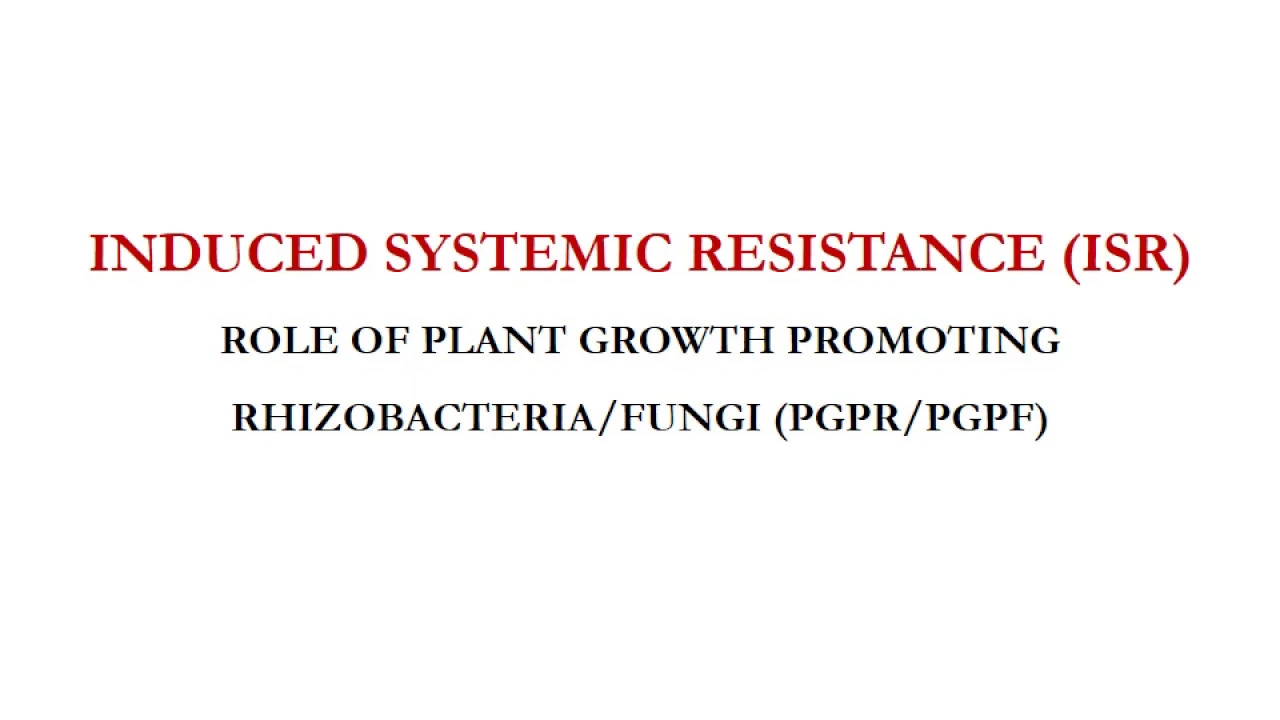




Plants employ two distinct systemic immunity mechanisms—Systemic Acquired Resistance (SAR) and Induced Systemic Resistance (ISR)—to communicate defense signals from infected to uninfected tissues. SAR is pathogen-activated and relies on salicylic acid signaling, involving modified SA molecules that travel through the phloem and require conversion by SABP2 enzyme in distal tissues, ultimately activating pathogenesis-related genes for broad-spectrum resistance. ISR, triggered by beneficial root-colonizing microbes, operates independently of salicylic acid and primes plants for faster jasmonic acid/ethylene-based defense responses. Both mechanisms prime defense gene expression in distal tissues, creating broad-spectrum resistance within 4-6 hours post-infection, with applications including salicylic acid analogues like BTH for crop protection and microbial mixtures for sustainable agriculture.
Systemic Acquired Resistance and Induced Systemic Resistance in Plants
Added:all right hello everyone this is liz brauer again for module three part two uh for your plant immunity uh course fall 2020. so today we're talking about sar and isr and both of these are a part of the systemic immunity of plants and so basically this is how plants communicate from one sort of infected tissue to a distal tissue completely uninfected tissue and activate defense responses in the distal tissue to produce sort of broad spectrum resistance um so the two forms that we have in plants are induced systemic resistance or isr and systemic acquired resistance sar so the difference between these two things is basically that induced systemic resistance isn't produced by root colonization by beneficial microbes so there's quite a few microbes that we'll we'll talk about with allison pretty soon um that actually promote the growth of the plant um during colonization here and those actually also induce a form of resistance so systemic acquired resistance is specifically activated by pathogens um there's a couple of other sort of small differences between them as well one is that isr is independent of salicylic acid whereas sar is dependent on salicylic acid both of them involve unknown mobile signals although with the case isr we don't have a lot of candidates sa or you'll see there's quite a few that have been discovered but no single one seems to be the key signal and in both cases sar and isr are both prime defense gene expression and so again these are the beneficial microbes that can colonize the roots of plants and you can see they really change the root architecture here and they're making the leaves grow a little bit faster a little bit fuller and what they're actually doing is um infecting the roots here or um just colonizing the roots growing around them and uh producing some sort of signal that moves to the leaves and these leaves are um are altered in such a way that they're primed for producing cows much quicker and also for um producing gel jasminic acid or ethylene based defense gene expression much faster this seems to involve npr1 which we talked about in the context of being the the receptor for salicylic acid so sar by contrast is dependent on sa in the primary infection site it's usually initiated by the hypersensor response but there are cases where um map triggered immunity will also induce sar and again we have a mobile signal moving to distal tissues but in the case of sar that's inducing salicylic acid and salicylic acid based defense gene expression so these are called pathogenesis-related genes or pr genes and these are actually pretty effective at producing resistance in lots of different types of plants and not just for sar but in general if we over express them for example we see pretty good disease resistance depending on the pathogen so this occurs within about 46 hours after infection the signal moves through the phloem and the big question mark has always been what is the moba signal that's producing this type of response we do know that there's sort of two different branches of sar one is seems to be sa dependent the other is nitrous oxide dependent in terms of the signal that's produced in the primary infection site excuse me now there's been multiple signals found as i will show you so i'll just talk about one of them today modified salicylic acid is in one of these signals and seems to be um producing the primary tissue and then moves through the form to the secondary tissue and it has to be converted back to salicylic acid by this enzyme here sabp2 for the sar to work and so this is just an experiment showing that proving that point that when you have the knockout for that sabp2 you see disease this is a tobacco mosaic virus so normally when you prime osalicolic acid in the primary infection site you would see no disease in the secondary infection site which is what this leaf is this is the wild type version whereas you knock out that gene and you all of a sudden you see more infection in the secondary infection site so this is just basically to show that you need this enzyme in that secondary infection site in order to have effective sar so what this seems to be doing is actually converting this back to essay so here's just a very broad overview of what happens uh in this process in the primary infection site we have hr for example so we'll have um some part of the lesion will be producing so much salicylic acid that basically the receptor npr1 will monomerize it will move into the nucleus and it will bind with mpr3 and will be degraded and this will allow for program cell death to occur now in sites where there's a little bit less salicylic acid accumulation you have monomerization of npr1 again it goes into the nucleus but instead of being degraded um it's no longer bound by this npr4 and it's able to bind to transcription factors and activate gene expression and so that's how you generate sort of um immune responses in this primary infection site so in addition to that it's also producing all of these mobile signals um i'm not going to talk about them too much today it's complicated um but they they move between the leaves and the phloem they activate our pr genes to suppress a secondary infection actually also affect dna damage responses um and priming of just um gene expression and some of these things can actually be passed between generations so a parent plant can actually sort of prime the immune responses in the seeds the next generation by going through this process but the mechanisms involved in that are still a little bit unclear so in addition to just our understanding of how this works we've taken advantage of this phenomenon in agriculture and a couple of different ways so there's actually uh salicylic acid analogues called bth for example these are things that you have been patented and that you can buy as a farmer um in order to spray onto your plants and activate your plant's immune system usually it's for specific um like high value crops like tomatoes as opposed to just spraying fields all the time that wouldn't really work against pathogens all the time because you would be reducing your yield by doing that as well but there's also protective micro mixtures that kind of like a microbiome for the plant that you're selling to farmers and this mixture of microbes um are basically some of those microbes that induce isr and will produce a growth benefit um but will also activate um the immune system in theory and will also protect against on plants so um i think this is being developed currently this is kind of a hot area in terms of industry um and in some cases it seems to work well in some cases it doesn't and i think part of the problem with using this is is of course the environment always comes into play and uh plant pathogen interactions are complicated and when you involve an extra microbe um it can be complicated but uh it also can work sometimes so um so the jury's still out on that a little bit okay so i will talk to you soon for our next journal club on friday see you there
Up Next
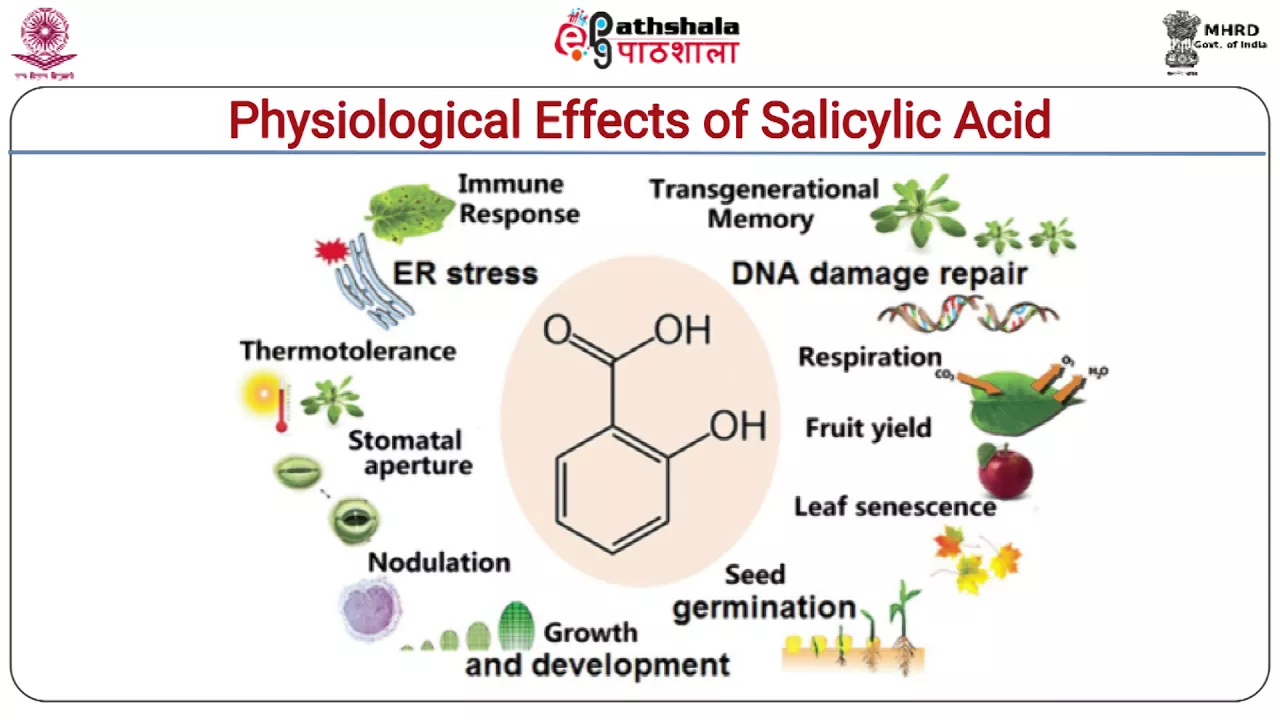
Salicylic Acid: Plant Hormone Biosynthesis & Signaling
@Vidyamitra
15.5K views•2017-11-16

Bacterial Communication: Quorum Sensing and Biofilm Formation Explained
@JHUAAP
12.6K views•2011-06-28

Enteric Nervous System Explained: The Gut's Brain | Neurobiology Lecture
@alumniu6029
438 views•2018-09-12

Bacteriophages: Earth's Deadliest Killers and Future Antibiotics
@kurzgesagt
34.6M views•2018-05-13
Related Study Plans & Knowledge Roadmaps
Structured learning paths in Biology