



![How to Sell Your Movie to an Audience — Film Marketing Strategies [Stages of Filmmaking Ep. 5]](https://i.ytimg.com/vi_webp/X1tn9gaqSJU/maxresdefault.webp)













Mind Trap (1989) is a low-budget action film that employs a meta-narrative structure, presenting a movie-within-a-movie scenario where the protagonist Shana is filming a film within the film, creating layers of reality that challenge viewers to distinguish between the narrative and the filmmaking process. The film features Dan Haggerty in a cameo role, utilizes a clapper device for scene transitions, and concludes with an ambiguous ending where Shana disappears into the dream room, leaving the audience uncertain about the film's true conclusion.
Mind Trap 1989 Analysis: Low-Budget Action Film Secrets Revealed
Added:Basic principles of low-budget and B-movie production constraints in late 20th-century cinema.
The concept of narrative structures, specifically nested storytelling, frame narratives, and meta-fiction.
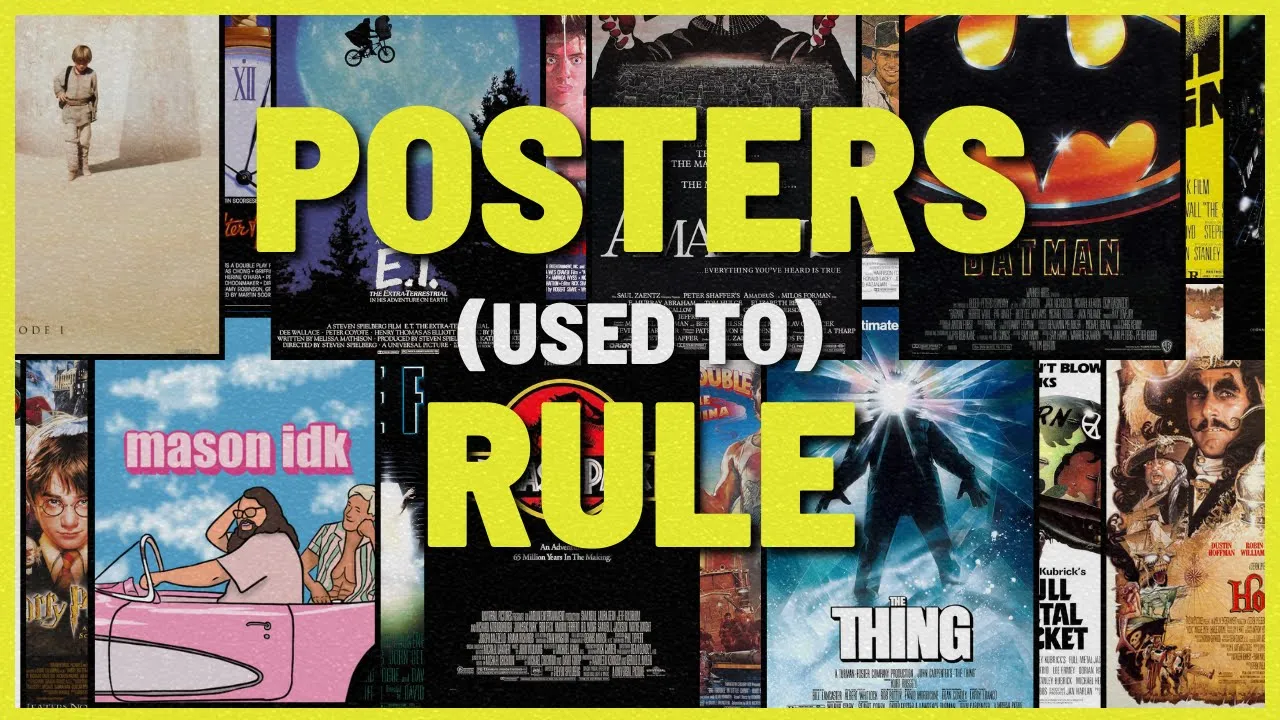
Fundamentals of film marketing and visual communication, particularly the role of theatrical poster design in the pre-internet era.
Basic elements of film sound design, including the role of ADR (Automated Dialogue Replacement) and audio-to-video synchronization.
Advanced techniques in micro-budget and guerrilla filmmaking, focusing on creative problem-solving for audio and visual limitations.
The history of late-1980s direct-to-video distribution networks and how they shaped the low-budget action genre.
Critical analysis of cult cinema and the cultural and academic appreciation of 'so-bad-it's-good' movies.
Semiotics in movie poster design, analyzing how visual rhetoric and graphic trends manipulate viewer expectations.
508.8K views11.4Klikes26:02Original Release: 2020-04-06
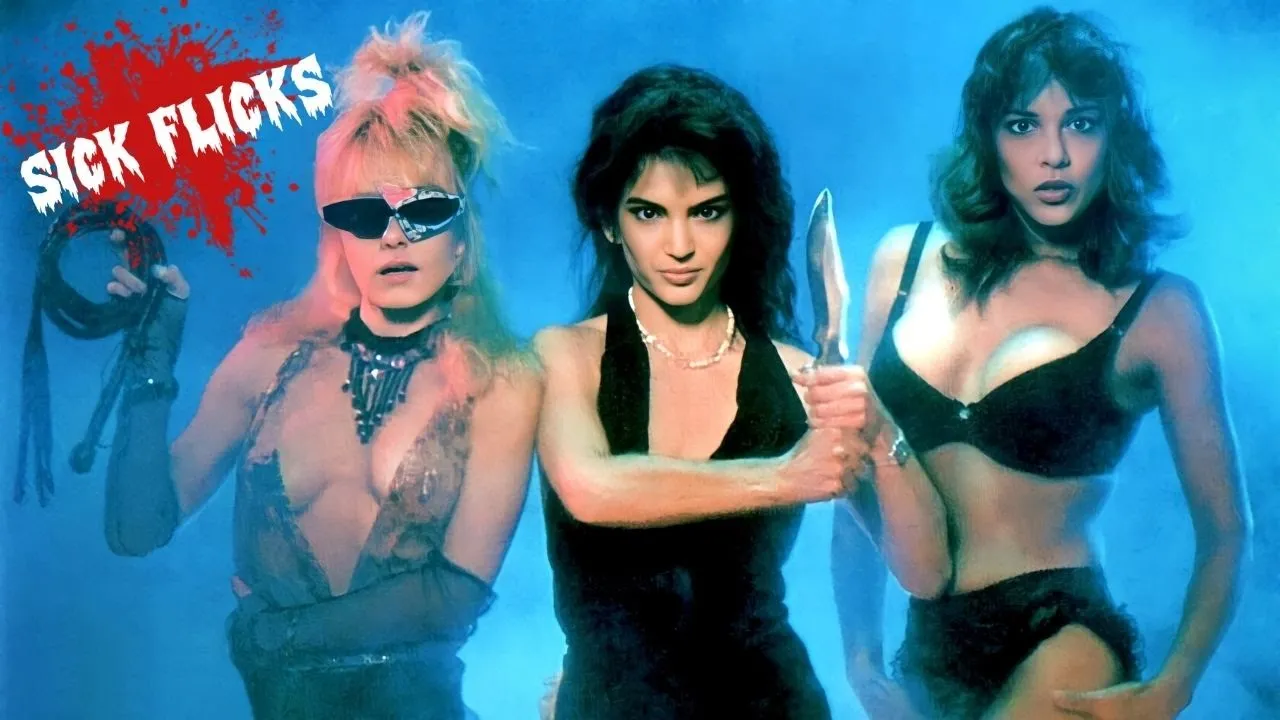
hey guys welcome back to a brand new episode of the show and on this episode I'm gonna be talking about a movie that you've probably never seen before and that needs to change its mind trap a low-budget action movie from 1989 that totally changes the game when it comes to action movies from that decade because well I'm gonna show you why the mind games start right away and I'm talking about the poster of course just look at this thing a cerebral puzzle that will have you scratching your head long after the movie's over right in the middle is a person holding a gun but there's no way to tell who is holding the gun because they're wearing gloves but what's going on back here behind the gun is that a fire don't know can't see it now most movies will put predominantly the main characters on the poster but with mine trap you get Dan Haggerty and he's only in the movie for a couple scenes and also I don't even know who this is supposed to be the poster also says total mind seduction but there's nothing sexy about this movie at all so there you go a movie that plays mind games right from the start and the poster you just got mine trapped I think as I mentioned Dan Haggerty is in this film and I reviewed a movie with Dan Haggerty about five years ago and the weird thing is is that there's a lot of similarities between this film and that film mostly with the production side of things it's just like with elves the audio in this movie is terrible sometimes the recording is bad other times it's the mixing but in either case it makes understanding exactly what is going on in this movie that much more difficult so the movie starts with this man sneaking into a safe and stealing a bunch of diamonds well our protagonist Shana sleeps until this guy steps on the cat's tail Shanna manages to kick the cat into his face and runs into the kitchen but there's nothing in the cupboard you know for all this we're gonna have to disguise this it's a rape-murder jewel heist but it is a rape-murder jewel hide that this guy is all that more effective not water okay I'm kind of confused but let's just keep going with this thing anyways she manages to trip him with the rug by only using one foot somehow and shoots him in the stomach turns out this is actually a trailer being towed by a truck and here's where we find out that this was all a movie see most movies start off by showing you the movie you intended to see but with mine trap you get a movie inside a movie so that you can be all confused like wait what this is so wait I thought that what oh oh that's pure brilliance it's a movie inside of a movie yeah it's like Inception except it's a movie you just got mine trapped again see there's there's many layers to this it's a labyrinth of storytelling I'm telling you right now kind of in fact it's so intricate and complex that I don't even know a lot of what was going on it was just past me you know my mind can't can't comprehend all of the layers and subtext so I guess this was the latest movie that Shana starred in and to be honest with you I kind of want to see that movie because if that's how it ended I have many questions the first being how did this man sneak into a house while it was being driven down the highway but we're never gonna get the answers to those questions so we can't dwell on that we just have to forge ahead here there's a very intricate complicated story ahead I can feel it and you know me when I got a feeling about things it's usually right like 10 years ago when I felt it would be a good idea to do a show covering these these obscure hilariously bad movies and I thought this will be a good idea good use of your time the audio in this scene is so poorly recorded you really have to strain just to understand what they're saying here which is weird because they use ADR on one of the other characters here so it makes you wonder why didn't they do that for the other audio that was so bad what you end up with is this weird mix of bad audio and clean audio I wish you told me that before you sent me up there well I thought the queen of the beach you'd have a nicer place to stay in a small cell like that listen buddy they don't pay us a lot of cash in the Navy to defend the likes of you anyways Shana's director Sergei tries to get her to do an audition for this Republican media consultant Roger Radtke who makes political campaign commercials and when she doesn't really see him into it he acts like she's throwing away this massive opportunity so meanwhile Radtke has a chef cooking up food in a sound booth for some reason and his assistant walks in with her boobs hanging out not sure as to why this is I guess it's to make him look like a pig but it just seems kind of ridiculous and if you thought the audio was bad in the last scene just check out this smash up of different recordings I don't care if it's the president United States on the phone that's why got the timer now you got the photos for that negative Anderson spot yeah sir keeps me hid but keeps me in tune with America that's what keeps you in touch with the nineties sir absolutely absolutely and I have it on good authority that there's some very high people in the Pentagon who will not use Cremora they have entire battalions a witness is just waiting so this is Shana's father apparently he's supposed to be dead but he goes into the men's room to retrieve something that was hidden in the paper towel dispenser hey can't a man have any peace and quiet metella what you see no this guy is in a stall yet somehow he just knows it's him so he ties this guy up and walks down the hall where apparently some guy is aiming a bow and arrow at him but guess what it was just another one of Shana's movies that someone was watching I bet you thought it was really happening you just got mine trapped again and this is the brilliance of this movie with all these twists and turns you're never really quite sure exactly what is happening and what's not happening it never gets annoying ginger so I guess Shana's sister works at this I don't know military hospital and now the guy from the stall is out looking for her dad and he runs across the hall to the room now I understand that her attention in this moment isn't focused on the hallway but how could you not see this in your peripheral vision how could you not notice somebody running across a giant empty hallway and wouldn't her awareness be raised a little considering that she just thought she heard her dead father call out her name clapper on it's a good thing he said that out loud to establish that right from the beginning because believe it or not it's actually a very important part of the scene so Shaina and Ginger's father Shayne starts searching around this room when suddenly the lights turn off I don't understand why I thought the lights were controlled by a clapper and for those of you who don't know or maybe too young to remember the clapper was a device from the 80s that you could use to turn on and off electrical appliances like television or lights so instead of having to physically push a button or flick a switch you could just do this so you can imagine if you had a house full of these things you just be hearing all day just which seems weird now but you gotta remember this was back before the whole world suffered from non-stop anxiety maybe it was the start of all of this anxiety who knows all I know is that now people would much rather install a microphone from a giant tech company into their house and let them take care of turning on and off the lights anyways ginger comes into the same room and for some reason has to say the slogan first clapper on Piper off okay I'm sorry this is starting to feel like product placement now is this whole scene just an ad for the clapper while you think on that I am going to go through and disinfect my whole condo with these Lysol disinfectant wipes because right now we have to stay healthy we have to stay clean and after shooting an episode I wiped down all my equipment with the wipe that kills 99.99% of viruses and bacteria seriously though I'm actually not sponsored but Lysol if you are watching could you help me out a bit you know toss something my way and I'm not talking about money just send me some more of these wipes because I have a feeling by this time next week these will be the most valuable thing on the planet so now there's this back and forth clapper war between ginger and her father who was trying to hide until finally he's like hey I'm gonna be dead soon again and the bad guys are going to take over the mind control division so take this key and hide it then the Russian bad guys come in and just unload hundreds of bullets into this guy it's so hilariously gratuitous but I will say that this just goes to show how effective the clapper is at detecting loud collapse a truly remarkable product ahead of its time in many ways somehow after being turned into a human sponge Shane is still able to talk to ginger we ice the girl - wait wait just just another second all right I have to say that it's actually very polite you know giving her another second to live right after you killed her father right in front of her like you okay take a second or two so I guess this naval officer figured something was wrong when he saw the guard passed out on the floor instead of the dozens of gunshots I am sir commander Maurice Johnson attached to the Navy Special Forces first class so I'm not exactly sure what's going on the bad guys are with the Navy and working with the Russians I don't know who I'm kidding I don't know why I try to explain the plot sometimes especially when this whole scene feels like it was written and performed as a joke they killed him for his team okey yes what key I'll keep my eyes open for that key they killed my father they were after his key what key um never mind hmm I'm gonna keep an eye out for that key so they I don't know arrest ginger for some reason hey I met your sister yeah gotta get a new agent are we gonna do anything about that guard passed out on the floor I'm gonna lock you in here when I decide what to do [Applause] [Music] ah yes one of those rooms that can only be locked from the outside so ginger calls for help and usually in this type of situation you'd have somebody on set like a script supervisor reading the lines for the person on the other side of the phone just so that the actor can time out the delivery of their lines but I'm not really sure what they did here girdi is it security yeah you get all of this conversation starts hello security yes is this security no I like to I like to say that just to mess with people and as I was just saying I don't think they had anyone reading the other characters lines here because she barely gives any time for them to respond so it just ends up with her talking over him most of the time you know funny thing you know tenant Rainer good friend of mine and somehow you locked me into his office can you come get me out oh that would be great great next we have one of my favorite things as well no a musical performance and not just one - so I'm just gonna hit the old fast-forward on that Bruce finally shows up to let ginger out and instead of just acting casual like oh thanks I accidently got locked in somehow she hits him with a flagpole sorry Bruce I'll explain later or you could have just done none of that and there would be no need for an explanation I mean obviously he had no idea what was going on ginger goes to the party to tell Shana and her mom that she saw their dad and that they killed him again everyone is really messed up from this news and then Shana's fiance or whatever is like man that sucks but I gotta go take care of the horn for me it's not every day that a man gives you his horn but if he does ladies you guard that ship with your life Robbie and his damn air horn don't speak ill of the horn Shana air horns only come along once in a while they can be used for a variety of things such as calling for help but most importantly annoying and scaring the [ __ ] out of people so they go back to mom's house to talk about what their dad said before he died and then we cut to outside where up no looks like we just had a cut to the painting that their mom is sitting in front of kind of an odd cut but okay you know what I was another mind trap I totally missed that one didn't even see it coming man do I feel foolish suddenly the Russians break in and ladies and gentlemen for the next few minutes this movie is going to provide you with some incredibly believable reactions for these guys be killed your husband if he will be happy to kill you bastard that's not kind of where the key is you kill my I really do love this though just throwing the arms up in the air and that freezing you killed my husband we also get some more of the mix-and-match dubbing here we have no interest in you lady it's your daughters who need to do the talking now I promised some believable normal reactions and I was not lying just check out this acting here your father would have been proud of me love - Shaina - girls you took - you were great crazy but great I like oh she goes from watching her mother being killed to just accepting the situation in the blink of an eye it's like she went through all the stages of grief that would come from watching a parent dying in the span of about three seconds it's like bang well um you were great crazy but great I mean the Gunsmoke hasn't even cleared and she's just like well she was a great mom not perfect but but still well that's that so they decided to go ahead and rape ginger and ginger kind of looks at Shana and asks her to do something and do something Shana does she manages to stop the rape by taunting the guy and that's when I finally hit Shana the air horn Robbie gave it to her for a reason maybe a situation just like this it was meant to be because nothing scares away murderers and rapists like the sound of an air horn that's a scientific fact you can look it up but something about the pitch makes it impossible for them to get any sort of satisfaction from their crimes so they just bail so then Sonia shoots the air horn and then shoots ginger because they forgot that the air horn is only effective against men ginger that immediately tells Shayna where she hid the key but Sonia hasn't even left the room Sonia throws a grenade on the floor and Shana tries to help ginger get out of the house somehow she doesn't have enough strength left to take an extra step out the door but does have enough strength to push Shana out of the house so they're gonna explodes and this is actually a lot smaller scale than I was expecting considering that this is the couch anyways the next day Shana is I don't know sitting inside of the house I think and some military officer is like hey I need some leads and I mean if this is the same house where the murderer and the explosions took place in wouldn't this be take like would this be a crime scene you know maybe the investigation taking place and quite frankly I'm not expecting some kind of master performance here but Shana just basically lost her whole family she literally just watched her mother and sister get murdered and there's really not much of a change in her attitude now this is probably one of my favorite parts of the movie Shana is going through a binder of photos and can't find any pictures of the suspects Sonya and mojo and then suddenly she just looks out the window and there he is so mojo runs out of the building and proceeds to stop and make a pay phone call to Sonya I guess they take him in and then someone calls this officer I don't know his name but he clearly has a crippling apple addiction anyways I have no idea who's calling him because the audio is so terrible but they order him to release mojo in the next scene the Russians have Shana's husband captured and cut off his finger and then mail it to Shana at her exploded house which she's still living in for some reason and they call her and tell her that she'll get Robbie back when she tells the authorities that and I'm quoting here mojo isn't the guy that didn't do nothing that is a triple negative there folks you just got mine trapped again there's the single negative which is negative the double negative which makes it a positive and the legendary triple negative which flips it back into being a negative so technically the line does make sense then surge eight calls to tell her that she's got an audition but either something went wrong with this VHS transfer or they just cut off his line in editing things are really tough right now yeah I know I heard the news but I thought well it might get your mind off of things and it is Roger actor Rakta I thought I came at that and then the weird thing is they switched the audio from sounding like he's on the phone to sounding like he's in the same room with her and it is Roger when is it Friday that's right Shana finds Robbie in the back of a car and then has this moment where she speaks to her dead family and vows revenge on the Russians with the least amount of emotion possible and then she gets right to work by sitting around and reading kind of takes all the air out of that monologue I mean how serious is she about this whole thing promising to avenge the death of her family and then sitting on the couch and reading a book it's kind of a far cry from the action-packed total mind seduction that we were promised on the cover by the way we're already halfway through the movie and we have yet to see this dream room they keep talking about this is apparently the plot of the whole movie I mean this is what the Russians are after they're trying to get to the dream room and use it for evil what is it where is it let's see this thing so Shana takes Robbie to the hospital and tries to explain this missing finger as part of an accident with an electric can-opener we were using the can opener on supervise this was really the best answer you could come up with imagine all the thoughts running through this doctor's right now was this some kind of industrial size can opener well what do you mean unsupervised are you eight you need some kind of a can opener safety expert there to guide you through the process then they just find mojo walking to his car somehow and follow him to a museum and here it's a combination of the poor audio and the terrible attempt at a Russian accent but I really don't understand what's being said here it's basically about the key or something but again here's the weird thing this audio recording is mixed with another one how many hands make light or if they say in your country it takes more than one gulag make an archipelago now boys and girls let's not lose sight of what has brought us together in common cause I have no great love for Sonja this pops up in so many of the movies that I've covered and it drives me nuts I just don't understand it I mean no I wasn't there during the production obviously so now I don't know what happened maybe they couldn't get the actors back all the actors to do the ADR who knows but if you're gonna rerecord part of a scene because of audio issues or whatever why not rerecord the whole scene this whole thing sounds like garbage so Shana decides to infiltrate their little hideout by dressing differently of course mojo recognizes her but I guess it's a good thing he's an idiot because Shana somehow convinces him to take her to his boss as if it's going to benefit him somehow so he lets her drive his car and at one point she stops and tries to run away but gets caught so then once again he lets her drive I get the idea that if you drive you're kind of left vulnerable to her but based on the way she's driving man she's more of a danger behind the wheel than in the passenger seat so then through an editing sequence that reminds me of something I did in high school mojo is thrown from the car and gets impaled then Shana walks up on top of a pile of trash and has her own Luke Skywalker moment which I find quite weird wouldn't you want to leave the scene as soon as possible then we have a sequence where Shana is in a shootout with a bunch of guys but it turns out it's just part of the commercial she's in another fight trap but it also turns out that they were using live ammo during the shoot which is no doubt going to come into play again at some point in the movie anyways they capture Shana and it turns out that Robbie was helping them the whole time which I don't understand I mean man talked about commitment to the con dude let them cut off his finger so anyways they tie her up and set a bomb to go off in three minutes but she convinces Robbie to stay and have sex with her even though you know a bomb is about to go off and that's exactly what happens but it's a good thing Shana flipped him towards the bomb which somehow protected her from the explosion which makes absolutely no sense I also like how the bomb explosion seems to be smaller than the grenade explosion we got earlier so Shana hides in the staircase going down to I guess the dream room maybe I don't know it wasn't paying attention Sonia and rat could come back to check on what happened and for whatever reason don't see her right in front of them so she stabs Sonja which kills her instantly and then a long chase happens through this corridor until Shana is finally able to kill Radtke which she takes a lot of pleasure in a little too much if you ask me but whatever to each his own and now finally this is the dream room we finally get to see it at the very end of the film Shana starts having all these horrifying dreams which lead to them all hanging out on a boat and then she disappears from the dream room so I don't know the movie just ends did she die did she go into the dream world who knows and that ladies and gentlemen is the ultimate mind trap you probably thought this movie was gonna have a coherent conclusion and that boom mind trap nope it's over in the end I think we can make the conclusion that the whole movie was a giant mind trap based on the poster at least again Dan Haggerty was barely in the movie and I still don't know who this is suppose that supposed to be ginger I don't know she never wore this outfit in the movie and there was no mine seduction much less total mind seduction unless you count Shana you know seducing her you know fiance or whatever in the room with the bomb that was about to go off I guess that's mine seduction you know take your mind off the explosive device and on the sex really the only accurate thing about this poster is the gun there were guns in this movie and that's my trap I hope you all had a lot more fun watching this video that I did watching this video but as usual thanks for watching guys and I'll see you next time
Up Next
10:20
Memento Screenwriting Analysis: Reverse Chronology Explained
@LessonsfromtheScreenplay
671.3K views•2017-08-22

23:14
Visual Analysis Essay: How to Analyze Graphic Novels in College Writing
@nataliepleimann5941
1K views•2020-10-14
4:55
Film Blocking Techniques for Directors: Space, Shapes, Lines
@StudioBinder
1.9M views•2018-07-23

4:00
Evolution of Darth Vader: Anakin Skywalker's Animated Journey Across Star Wars Films
@TellItAnimated
13.4M views•2019-03-30
Related Study Plans & Knowledge Roadmaps
Structured learning paths in Film Analysis
film-analysis
Sensory Cinema: Foley, Haptic Sound & Texture
01Introduction to Film Sound and Foley Artistry
02Micro-Sounds, Textures, and Extreme Amplification
03Haptic Audition and Film Phenomenology
+ 1 more learning modules
12h4 modules
Explore Roadmap
film-analysis
Breaking the Fourth Wall: Mockumentary & Satire
01The Invisible Wall: Basics of Cinematic Illusion
02Looking at the Lens: Direct Address & Character Glances
03The Mockumentary: Satire, Realism, and Complicity
+ 2 more learning modules
12h5 modules
Explore Roadmap
film-analysis
Analyzing the Long Take: Cinema, Space & Ethics
01Foundations of Film Grammar: Montage vs. The Long Take
02Choreography and Mechanics of the Simulated One-Shot
03Phenomenology of Film: Real-Time Spatial Continuity
+ 1 more learning modules
14h4 modules
Explore Roadmap
film-analysis
Anachronistic Music: Period Drama & Subversion
01Foundations of Film Sound and the 'Needle Drop'
02Traditional Authenticity vs. Revisionist History
03The Rise of the Anachronistic Soundtrack
+ 2 more learning modules
12h5 modules
Explore Roadmap