
















Mid-century modern architecture in St. Louis emerged after World War II as a radical departure from classical design, characterized by simple geometric forms, open floor plans, natural materials, and integration with the landscape; this architectural movement was championed by pioneering architects like Ralph Fournier, Gyo Obata, and Buckminster Fuller, who created innovative residential and commercial structures that initially faced criticism but have since gained appreciation and preservation efforts from organizations like Modern STL.
Mid-Century Modern Architecture: St. Louis Documentary
Added:Understanding the fundamental tenets of the Modernist architectural movement, including the philosophy of 'form follows function' and the rejection of historicist ornamentation.
The socio-economic impact of the post-World War II boom, specifically suburbanization, and the rapid technological advancements in building materials like reinforced concrete, steel, and plate glass.
Basic architectural terminology associated with mid-century design, such as cantilevers, curtain walls, open-concept floor plans, and integration with nature.
A general historical overview of St. Louis's urban development and demographic shifts during the mid-20th century.
Deep-dive into the works of prominent mid-century architects associated with St. Louis, such as Eero Saarinen (designer of the Gateway Arch) and Gyo Obata.
The study of historic preservation theories, urban planning policy, and the specific structural challenges of conserving 20th-century architectural heritage.
Comparative analysis of St. Louis mid-century modernism with other regional styles, such as California Desert Modernism or the Sarasota School of Architecture.
Exploration of the transition from Late Modernism to Brutalism and Postmodernism in regional American civic and residential architecture.
547.2K views4.5Klikes1:28:34Original Release: 2020-03-06
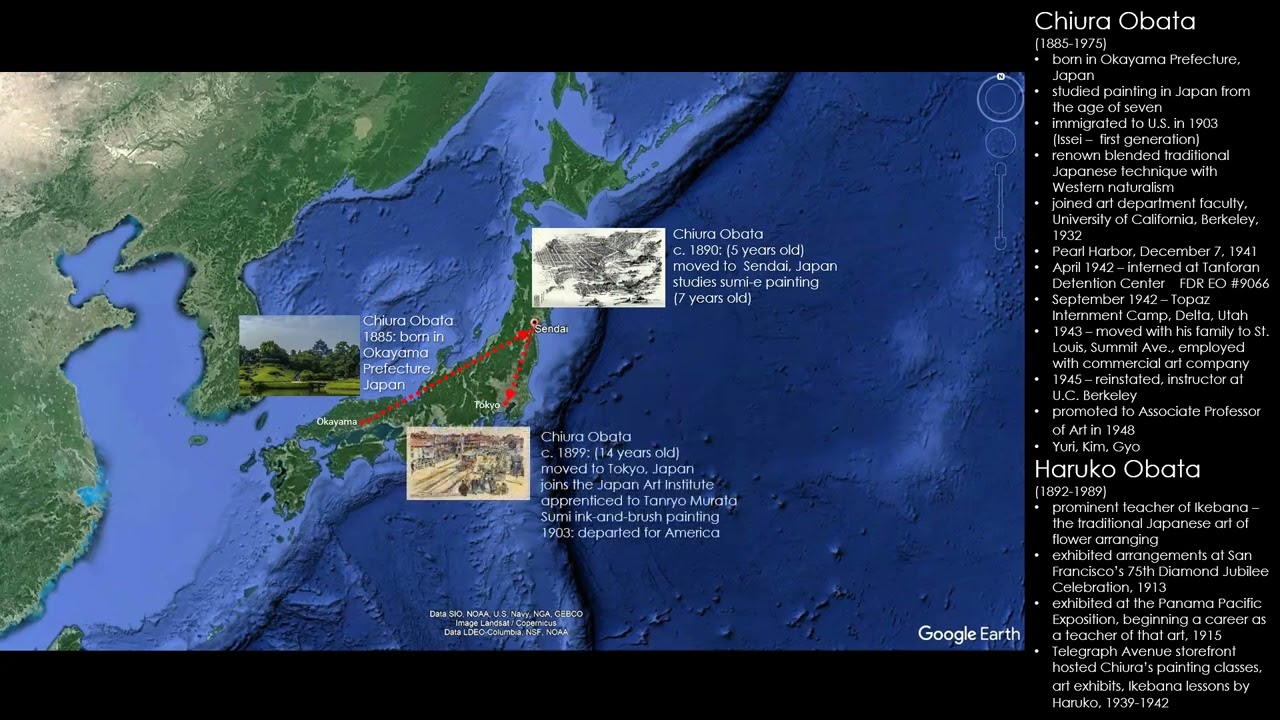
support for mid-century modern in st. Louis was provided by Mackey Mitchell architects crisp winter evenings at Steinberg rank hot summer days at the old Busch Stadium exploring the stars at the planetarium weekends browsing Northland shopping center suburban neighborhoods of modular homes and the loved ones who once lived there now we refer to the design style of these places as mid-century modern but for those who watched them being built in the 40s 50s and 60s they were simply thrillingly modern the st. Louis landscape is filled with buildings that dared to break the classical mold at a time when the whole world was looking for new answers to old questions for three generations they have sheltered some of our fondest memories and appeared in cameo on countless family photos [Music] nostalgia is a powerful thing but it doesn't always translate into preservation which is exactly the challenge that many mid-century buildings have been facing since the late 1970s come on it's the saucer this is a cool building you don't want to tear this - huh - new two-seam historic they were often viewed disposable at best and at worst to blame for the city's failed attempts at urban planning but lately thanks to the efforts of preservationist and a renewed appreciation in both the public and the architectural community for the style these buildings are being reconsidered and restored but what exactly defines mid-century modern architecture its form or its function or both how do three bed one bath modular homes come from the same origins as the Gateway Arch or the climate Ron why was the nation and st. Louis so ready to embrace this radical new style of design the story of mid-century modern architecture isn't just about buildings and artistic vision it's about the belief that the way life is lived can change and change for the better when we first moved in there were curtains and I took them down immediately the main thing that I love about these houses is the way they relate to where they are and in other words they distill the place they're in it really is an enchanting setting how the house integrates with the yard and the landscaping almost invisible threshold from the interior to the exterior there's some brickwork on the inside of the house that melts right into the brick patios it definitely feels like our backyard is an extension of our living room we feel like we're on vacation our own house I think that's pretty neat it's the closest thing to living out of doors yet undercover having like a sense of like peace and stillness at home this house is still very current and contemporary feeling up to 1950 it's not a spring check it that really is ageless [Music] built into the existing landscape with simple lines an open floor plan and lots of natural light mid-century modern homes were originally designed with lifestyle not status in mind considering how radical the form was their widespread popularity was an indication that people were ready for a change in that early 20th century the agility of classical power government banking industry will start laid bare by the depression there's a lot of sort of search for a new progressive vision for America architecture was one of the most important ways in which America endeavored to redefine itself as it survived the Great Depression and watched the destruction of European cities and their classical buildings during the world wars one of the earliest and most well known pioneers of this new vision was Frank Lloyd Wright who looked past the traditional uses and forms of architecture and towards a future where built environments were sensitive to the natural world and enhanced the lives of those living or working in them using clever strategies like built-in furniture to maximize space and clerestory windows to harness natural energy and light right Suzhou nian houses also showed that this new way of building and living could be affordable he was just one of a number of architects who were searching for ways to create particularly houses that met the needs of modern living but didn't necessarily hark back to previous eras the roots of it were a kind of rejection of the formality and very kind of stifling patterns of 19th century living where people didn't typically go outdoors very much they put heavy curtains on their rooms big emphasis on having a lot of objects in your house took a lot of servants to clean and maintain the original impulse really was to do away with all that simplifying and in a way democratizing sort of direction although the earliest example of modern architecture is said to be Lewis Sullivan's Wainwright building constructed in 1891 the American public at large hadn't had much exposure to this radical form of design until 1932 when the Museum of Modern Art curated an exhibition called the International style this collection of photographs and models from Europe and the United States introduced and endorsed the emerging form of architecture to an audience outside the architectural community and that not only showed it in New York but it toured around the United States so that had a big influence on popularizing this movement one of the buildings featured in the exhibit was a school built for the progressive Bauhaus art movement in Germany founded by Walter Gropius in 1919 the Bauhaus philosophy valued equality and encouraged students to collaborate and experiment with a variety of art forms to promote the common good in the grim aftermath of World War one inspired by frank lloyd wright's belief in the social function of design and architecture students and faculty increasingly focused their creative energy on solutions to the severe housing shortage as a school moved away from traditional systems and beliefs even the building itself became an expression of a departure from the past Walter Gropius built a large building complex therefore the school which then served as a model and still serves as a model for architects who were wanting to design in the modern style buildings with flat roofs straight lines and no ornamentation began to emerge all over the world but architects weren't simply trying to imitate the Bauhaus aesthetic they also wanted to emulate its progressive attitude some of their earliest clients were medical professionals who were hoping that their new modern office buildings would echo the rapid advances in medicine and instill a sense of trust and confidence in their patients in fact the first commercial mid-century modern building in st. Louis was designed for an orthodontist Leo Shanley in 1935 by up-and-coming architect Harris Armstrong and so that architecture sort of pointing to a more ideal society right giving people a hope that's that's not based on these fallen systems but on models like the Bauhaus that are expressly Galant air shortly after the international style had introduced Bauhaus to the United States the Nazis rose to power and viewed the school and its teachings as a communist threat refusing to replace faculty with Nazi sympathizers the school closed its doors for good many of our house teachers and alumni fled to America where they would find an influential place in some of the country's top universities it's really kind of a strange story in a way yeah if it hadn't been for Hitler who knows what would have happened to architecture but all these immigrants in art and architecture had a big impact on the United States by the time the world was finally over modern architecture was being viewed as a form of enlightenment and progress I think the public was very open to modern design because people had been talking about what is our post-war world going to look like [Music] sat through the last army lecture signed the last Navy pay voucher and come home to love and affection after World War two American soldiers were returning home to a growing economy and the desire to settle down nothing like a nice June wedding but today there's something you've got to take care of before choosing a ring but while the country was about to experience an economic boom there was a severe housing shortage in many cities including st. Louis often resulting in cramped apartments and no privacy for recently reunited couples developers set their sights on the open land beyond the city lines in an effort to meet this demand for affordable housing the Veterans Administration made guaranteed mortgages possible so people that really didn't have large bank accounts could borrow the money and start a house and the developers of the early subdivisions were very much attuned to that that's one reason why most of the houses in the early subdivisions are quite small we're making homes for for people that couldn't afford a big house you know that was their starter there were only a few more adventurous builders that were willing to consider modern design developer Burton dinky not only took a chance on the modern style but also on to young architects to design the homes for his subdivisions world war ii veteran and soon to be nationally famous Ralph Fournier was still a student at Washington University and his wife Mary Jane had recently graduated as the school's fourth female architect working with the forneres designs Dinky's firm modular homes in Kirkwood Missouri produced pre-cut prefabricated panels to almost instantaneously create Pleasant affordable neighborhoods really revolutionary at the time that allowed the builders to really be cost effective with their solutions you know they sold for about fourteen thousand dollars and it was easy to work with because we had panels that were two foot four four foot four six foot four so if you wanted to make a bigger building you could just add either one of those panels and so they were able to erect the the posts and the beams in the roof and then come back and dry in the building erected those panels in about two days the inverted donkey walked the neighborhood with a survey crew and incited each house specifically to capture views to capture natural sunlight large glass windows were south-facing if possible and also to kind of scream privacy for your neighbors you know the houses are somewhat close together so they were very deliberate in where they put those public spaces in one house that were next to say more private space a bedroom on the adjacent house each room really has a great view they're very connected to the outdoors vertically because of the high ceilings you could see the clear stories and then see some of the stars at night those were other items that went into a lot of those contemporary houses bigger windows not the old-fashioned colonial double hung windows with Mars and them and all that kind of thing so you could see the outside which also make makes a room feel larger it's not any bigger but it makes it look larger because you don't have a wall and look at they did attract people who were interested in modern design which of course turned out to be a much larger proportion of the population than they anticipated the layout of the home too reflects a new sort of idea about how family life can be arranged breaking away from the little chambers where her life was separate and hierarchical to something where everybody's seeing each other over the hearth or in the dining room and those spaces flow together and you know you only really remove yourself to sleep so modernism is promising both hire new sets of relations now there's a lot of young people that we're looking for a new way of living Ralph told me at the time there was probably 10 to 12 other young architects and designers there were first owners of these homes ralphing and mary-jane being one of them I graduated in 52 and then 53 my wife and I opened a little office started in the house until my son got on the drawings one day added his incentive so after that we rented an office and at the beginning 60 years later another husband-and-wife team would start their own architecture business in a home designed by the four years we've owned Studio lark for seven years we founded it in 2012 most of our clients come here at some point during the process of designing their projects and that's one thing we love about our house is we can use the sloped roof for example in the way that shapes the ceiling on the interior we can also point to the texture of the stone and the patterning of the mahogany paneling and we can have a conversation about how we can take you know draw from that as inspiration and apply it to their own projects inspired by the design decisions that went into her own home Jessica reached out to Ralph to learn more about his and the late Mary Jane's practice I wrote him a handwritten letter and then he called me one night I'll never forget it I told him I live one of his houses and we just started talking a lot so I spent three years researching for New Year's work and curating an exhibition in 2014 I did a short film documentary absolutely his work and his design sensibilities have influenced our practice the kind of hornier signature of design that's how I think that natural materials ample natural light open plan concept he liked to really nestle the houses in the topography allow the roofs to sort of follow that landscape but he was able to pull off so early in his career is truly commendable facilitated by new highways and federal mortgages st. Louis ins began to hurry towards the promise of a backyard and a little more elbow room they didn't see that they were damaging the city by moving to suburban development because at that time their jobs and all of their retail were still in the city but of course this would change [Music] okay spoiler alert I've already seen this program and it's terrific don't go anywhere you're gonna want to see the whole thing you're gonna see a lot of structures that you're familiar with some that you're not familiar with but it is just a fascinating delightful program we have special guests with us here in studio so don't go anywhere tell you what you do get by the phone and get ready to call 805 six eight nine zero nine nine you can talk to one of our volunteers or you can text give after you dial that number because we have some very special thank you gifts just for this show first of all why don't you call and become a member at the six dollar level and we will send you the DVD of the program we're watching right now mid-century modern and that's yours with just a six dollar ongoing monthly contribution to the nine Network if you'd like to join us at the eight dollar level well we have something else very special and that is this book modern architecture in st. Louis again Chuck full of text and photos of structures that you are familiar with and the background on on these architectural wonders are just fascinating that's yours our special thank you gift to you when you become a member at the $8 ongoing monthly contribution level join us at the $12 or the $10 ongoing monthly contribution level and you'll get both you'll get the DVD of the program that we're enjoying right now plus you'll get that fabulous book you'll get both of those when you join us at just a $10 ongoing monthly contribution level and then we have one more and this is the big combo at the $20 ongoing monthly contribution level you will get the book modern architecture in st. Louis you'll get the video the DVD of the program we're watching right now you also get a selection of note cards once again with some of these mid-century modern structures on in in graphics on the on the cover and you can make them into thank you get thank you notes or get well notes birthday notes whatever you like you'll get that plus you'll get to come to the home tours modern STL home tour that's going to happen in the fall we don't have a specific date on that yet but it will be in a neighborhood that is filled with mid-century modern houses and you will get to come and walk through that tour we'll hear more about that from Jessica in just a moment but you'll get the tour you'll get the note cards the DVD and the book at the $20 per month level let's go on over now to kate Durbin and our very special guests and we do have a special guest here in studio this is Jessica sunny and she is an architect here in st. Louis as well as the vice president and a member of the board of modern STL and I think probably a lot of people until tonight or until today we're not familiar with that name can you tell us about modernist yeah sure we are a member based not-for-profit organization that works to celebrate and preserve mid-century modern design and modern and contemporary design here in st. Louis we are 10 years old we are celebrating our 10th anniversary this year yeah so we are very excited about that we have a number of very fun events annually we host the neighborhood tour every year so we're very excited about that I can tell a little bit about it yeah because I think a lot of people are thinking about their membership here at the Nine Network would be interested in knowing if they went on a tour like this what would that involve right so typically they are definitely in a neighborhood that is filled with mid-century modern houses last year we were in sun-swept so if your audience is familiar with that neighborhood it is only Creve Coeur that's right all right and so it's right off of Limburg the year before that we were in Ridgewood which is featured prominently in the film and then the year before that we were in Sugarcreek ranch it's a really fun event a lot of people come out we typically have hundreds of people oh he said like it's a walking tour of the neighborhood that's right right and you people stay outside or any of the homes open or does it depend absolutely so there will be normally there are around half a dozen to a dozen houses and those home owners open their doors there beautifully decorated and the tour goers get to walk around the neighborhood into the homes talk like the homeowners it's a lot of fun it seems like more and more people who are buying mid-century modern homes I mean if that's had its had such a rise you know for a long time it probably was like you know that old thing and you know these are really kind of weird their design strange but now people are really excited about the architecture they're excited about ceramics from that time they're excited about furniture boy there's a couch I gave a way that I could kick myself but so people who buy the homes tend to decorate that matter as well yeah um it depends I mean we really like to say that we believe you know people should celebrate what is already really great about the architecture of the house but then upgrade it for modern lifestyles so um it depends I wouldn't say you know we like to say that people maybe don't necessarily want to treat them like a museum but like a house what makes sense it makes sense well if you are interested in seeing some of those houses and how people use them and live in them you may consider becoming a member of the Nine Network right now let me make it really easy you can go to ni n E and E T org that's nine net dot org or you can give us a call or now you can even text at eight hundred five six eight nine zero nine nine and just text give we make it easy for you and we're gonna be back thank you so much for what you've talked about so far we'll be talking more about modern STL in just a bit but first we're gonna go back to will and he's gonna tell you more about our thank-you gifts I certainly am but I you know I do want to remind you that this is the kind of program this is a signature program for the Nine Network this is a program that you won't see anywhere else it's a program that helps you look up at television as opposed to looking down or something that is just brain candy or our background noise this is a program that you will enjoy and talk about tomorrow and for weeks to come and it's a very special type program and only the kind of thing that you will see here on the Nine Network and it depends so much on your support so please call us right now we have some very special thank you gifts it'll make it all the more fun to become a member of the Nine Network join us at the six dollar ongoing monthly contribution and we will send you the DVD of the program we're watching right now and that is something that would be very nice to have to pull out every now and then and kind of remember there because there are so many structures so that you're going to see throughout the program and the history in the background it's nice to have things like this for reference as well as entertainment that's yours at the six dollar level join us at the eight dollar level and we have this fascinating book modern architecture in st. Louis and it's full of photos and texts about many of the structures that we'll be seeing in this program and many more that you won't that's yours with an eight dollar monthly contribution to the Nine Network join us at the ten dollar level and we'll send you the book and the DVD you'll get both and that really is a bargain that's yours with just a 10 dollar monthly contribution to the Nine Network don't forget anything over six 360 dollars you'll also get nine passport and that's an app that allows you to look in on a library of nine that programs hundreds of them that you can pull up anytime in the day or night on your smartphone your television or your your computer and then we have the twenty dollar level and that is the big combo you get the book the DVD you get a pack of note cards with some of these special structures on there in text and the tour of the mid-century modern neighborhood more on that later [Music] the best work for design the best contracts for tract housing office building strip walls schools churches immersion Santos County great new buildings and they're all going modern and so so much more of them instance your mind footprint will be developed in the suburbs the foreshadowing of everything that would happen for the rest of the century where the city goes one way in the county goes the other for the past century downtown st. Louis had been a collection of bustling streets and smoke-stained commercial buildings along the riverfront deciding a clean sweep was an order block after block building after building came down to make way for a new identity it was a very important place dust really internationally as well and I think people like Joseph Pulitzer really wanted the city to sort of emulate New York at that point that New York was becoming the world capital at the end of World War two it seemed like st. Louis had the potential to become a city like that and st. Louis things in the 1930s is going to have a million people by 1980 people were living in large families in very small apartments so the crowding was really a very real issue there was a lot of focus on what we're starting to be called blighted areas a lot of the houses didn't have indoor plumbing they had been built as luxury housing before these new technologies so a lot of wealthier people just started to move farther west those were also the areas the only areas where African Americans arriving to work in factories mostly in the 19-teens were allowed to live in an effort to alleviate overcrowding and improve housing conditions principles of modern design such as space management and efficiency were applied to the urban renewal plans sometimes at the expense of whole neighborhoods and communities a lot of federal money for slum clearance from the 30s really down into the 70s tremendous eventually amount of displacement and some player been planning marries itself to scientific modernity principles of rational management of space and production and that's the context of doing things like pruitt-igoe and building these high-rise projects that they were really modeled after of New York City Housing Authority projects but that was part of this idea that the city needed to be remade a lot of towers like mansion house on getting built Edward Ross Holmes showpiece Stadium the overcrowding was lessening and the city was able to improve the overall standard of housing there was a sense that st. Louis was transforming itself into a cosmopolitan post-war capital the new airport all the new religious buildings it was all part of that people were willing to invest in these buildings because they saw a great future for st. Louis modern design reflected post-war America's desire for a fresh optimistic view of the future great minds artistic vision and new materials made anything seemed possible enforcing it Louis the timing was perfect as it prepared to choose the design for a national monument that would commemorate westward expansion initially the classical forms that dominated the Washington DC landscape were looked to for inspiration especially the Jefferson Memorial but America's part in World War two delayed the project and literally changed the shape of the city's unforgettable symbol the design of the memorial that is up in the air it could it could be a giant obelisk or a temple all that is making young architects this is an opportunity to do something with classical temple that won't get any press at all point away for in 1947 a competition was held to determine the monuments design not only were the majority of the submissions modernist but so was the jury which included influential architects Richard Neutra and willing werster the decision was then to award the first prize to Eero Saarinen who was at that time just a young architect so that launched Eero Saarinen career he became one of the leading architects of the 1950's in the arch before it's ever even built before it's even committed to construction drawings becomes the symbol the City on letterhead signs advertisements think Louis then gets a magnificent moment part of the national narrative is anchored on the larger-than-life colossal abstract arch in st. Louis federal money and federal ideological endorsement behind modernist showing here that the classical tradition was no longer the proper style for big monumental government projects but the creator of the arch wouldn't live to see it reach its soaring height sarin and died of a brain tumor in 1961 years before construction was complete the monument was finally dedicated in 1968 by vice-president Hubert Humphrey and he gives a speech in which he says everything built in st. Louis will be measured by the arch endorsing modernism and endorsing change these twenty years between that speech going back to the competition you know great day is for mid-century modernism it's Lewis whether it was expansion in the county or reinventing the city once again World War two played a major role in the development of those who are commissioned to bring this vision to life in a perfect storm of tragedy timing and opportunity st. Louis gained some of the greatest modern architects in the country my grandmother used to tell me that my father knew when he was five years old that he wanted to be an architect it was just he knew it as a freshman at the University of california-berkeley Ghia Obata was enthusiastically pursuing his lifelong dream of becoming an architect but the world was at war and soon international events would determine the course of his future my father was totally focused on architecture school you know we're not paying attention to political and world events the Japanese were beginning to be segregated out of society in California moving inland and away from the Pacific military zone was one of the only ways for Japanese Americans to avoid internment camps a few businesses and schools were open to accepting these refugees as workers or students including Washington University in st. Louis and my grandfather told him that he needed to pay attention and and try to get outside of California to continue his architectural education so he looked into Wash U because it was the closest architecture school to California at the time so he applied I don't think he thought much about it but then the executive order came out to relocate all the Japanese a colonel in the Army who is a friend of my grandfather's came one night and said here's a pass for your son get him out tonight because they're gonna take everyone else tomorrow and so he got out on a drive that night and came to st. Louis and my father's brother and his sister and his parents were all relocated to internment camps the next day fellow japanese-american Richard hen me spent months in an internment camp before he was able to enroll in Washington University initially interested in aviation he decided to pursue architecture instead and was classmates with Obata my dad has always said that he was so accepted in st. Louis he's always spoken so highly of salus because it was so welcoming to him at that time it's amazing that Wash U except at japanese-americans these distinctive voices would join the murmur of modernism that was growing louder at Washington University despite the growing interest in modernism among both students and faculty the University's architectural curriculum had remained fairly conservative local architects like Charles Eames and William venuti actually dropped out of the Washu program in the 30s because they were interested in Frank Lloyd Wright and there was no support for that Walter Gropius the founder of the Bauhaus had come to the Harvard Graduate School of Design in 1937 totally modernized the curriculum and that set an international model already famous for designing the Muni faculty member Joseph Murphy became Dean of architecture at Washington University in 1948 and shifted the school's focus towards modernism Murphy really then builds out a faculty that includes people who are my parents to design it's the people coming to teach at Washington University leaves a big mark like physical mocking Eugene Macky jr.
who later founded the firm Murphy and Mackey with Joseph Murphy we're coming as young rising stars and working with a young faculty so it's sort of I think excitement and cross-pollination a lot of returning veterans were able to go on for the first time to get you know college degrees or graduate degrees they're very critical of classicism things that associated with fascism and totalitarian regime so they were very enthusiastic modernist these ideas not only were open to consideration but were being explored with the kind of ferocity and curiosity that people very new to an idea bring in Murphy really encouraged and then that leaves its mark in the built environment of st. Louis practitioners like you George Cross the bomb shaped the map sixties and seventies but it wasn't just the modern style that these architects embraced they also saw the aesthetic and economic benefits of some of the new building materials and techniques developed during the war and began to apply these to the vision for a renewed city the city of singles decided to recreate the central part of the city that began around 18th Street all the way up to Grand Avenue and most of that was pretty bad slum Council Plaza was part of the original Mill Creek Valley urban renewal project and it reflected the optimistic look to the future that was so prevalent at the time it was two apartment buildings with a large office and retail complex we knew that the budget worked tight so we couldn't use a lot of fancy material on the outside so we did something unique we poured it out of concrete with the aggregate exposed and we same blessed of the aggregate so there became a finished surface it worked out pretty good saved a lot of money to give the whole thing a little bit of flair the architect Richard Henry designed the circular Flying Saucer kind of gas station to be right at the entrance since everything else for what was rectilinear they were taught the need for a strong shape to emphasize the location whether you stopped there for gas in the 60s late-night tacos in the 90s or a coffee yesterday henry's flying saucer building immediately brings to mind the Jetsons which is to say the future the overhang a hyperbolic paraboloid made of thin shell concrete is held in place by beams that are based at angle piers in the building Center thin shell concrete was important factor for the whole modern movement and it allowed these circular buildings Bauhaus building in Dessau was all right angles and flat roofs some of the doctrinal modernists really thought that introducing curves was a betrayal of the aesthetic of modern architecture but fortunately we had great architects like Eero Saarinen and Dikembe who were willing to go beyond them a few years beforehand me designed the Flying Saucer as an exclamation point for council Plaza his washington university classmate Gyo bada was also experimenting with in shell concrete with magnificent results I still love the smell of concrete freshly poured concrete just it it takes me back to those days well when I was like five or six I was fortunate to be able to spend a lot of time with my dad so he would take me to construction sites so the Priory took advantage of new construction techniques that happened after the war I think a lot of contractors were like we're not doing this I don't we have no idea what this is but I think someone at Macarthy saw those drawings and said this is we need to know how to do this we need to figure this out because this is the future so they figured out they could build a wooden frame and then spread the thin steel concrete over it and then it would dry and they would take that form and move it [Music] the forms of priory really imply you know sort of reaching up and into the sky reaching you know it's a very spiritual kind of movement when you look at it from the outside it's that beautiful white form but the windows of dark so you really see this contrast of the white concrete shell and then the cow wall window system when you go inside it's like this light film space I mean it I love that it has those two different attitudes in a way it's really one of my favorite buildings I think this is a wonderful indication of how widespread the acceptance of modernism was that even church groups designed modern buildings the a-frame seemed to lend itself to churches because it had the same soaring effect that Gothic architecture has in the case of synagogues ever since the middle of the nineteenth century the Jewish community in the United States had been looking for styles of architecture that would separate them from Christian places of worship and give them a distinct character when Bonet emunah decided to move to university city they hired one of the great modern architects of the very foundational pioneer era erich mendelsohn who had been a refugee from the Nazis in Germany already internationally famous the building he designed for them in 1946 was considered the first modern synagogue in the world as other large congregations moved West they also did modern designs the temple Emanuel was designed by BER Moody and mutro it's worth seeing the philosophies and ideals of modernism were interpreted and expressed in a wide variety of buildings and homes throughout the middle of the 20th century but it took the mind of a futurist to inspire one of st. Louis's most famous modern structures GED think Dow made of aluminum and originally enclosed in plexiglass panels the climate Ron at the Missouri Botanical Garden was the world's first completely air-conditioned greenhouse it's not designed by Buckminster Fuller but it's a Buckminster Fuller concept and Fuller was an important influence in the mid 20th century that he was the kind of self-taught engineer college dropout who became very interested in energy flows and efficiency he was also connected to some of these avant-garde art and architecture circles these two realms of thought and practice inspired fuller to design the geodesic dome which he thought was the most efficient way to enclose space using the least amount of material very modernist kind of idea his original idea was it would be housing and it would be demountable and could be expanded quickly but while the vision of leafy suburban streets lined with geodesic homes never came to be the design turned out to be perfect for a green house in the late fifties people who had worked with him a firm called synergetics in North Carolina designed it and then they worked with Murphy and Mackay the st. Louis architects initially was going to have other climates all under the same dome I would have four different climate zones those didn't work out that well so it became what it is now a tropical greenhouse but it's a very interesting example of some of these mid-century ideas but the post-war optimism that contributed to the mainstream acceptance and application of modernist architecture began to lose its shine and eventually so did the buildings [Music] we will be going back to the program in just a few minutes but we want to take this opportunity right now to thank all of you who are members of the Nine Network because you have made this program possible local programs are produced because you provide the dollars to have someone go out and research it and write it and film it and find the experts and then edit it and put it together and get it on the air you make that happen so please if you are not yet a member won't you join us now and if you are enjoying this look at mid-century modern and st. Louis know that this is just a broad overview of the topic there is so much more to tell there is also so much to tell about the other architecture that we have here in st. Louis we have such a deep variety of styles there are so many stories to tell and we are just spoiled with the beauty of the buildings here in our area we can produce more programs just like this with your help so please whether you decide to go online at and I and II and et org that's 9 net org or you can call us or you can even text us at 800 five six eight nine zero nine nine and text give you're gonna become a member in just a few minutes but the impact of your gift is going to be there throughout the year let me tell you a little bit about the thank-you gifts when you do become a member if you join us at just six dollars a month we're going to say thank you with great local programming along with mid-century modern in st. Louis the program that we are enjoying right now if you decide to join us at just eight dollars a month this is a terrific book beautiful photographs it was put together by Professor Eric Mumford of Washington University the School of Architecture over there and you would certainly enjoy that or at ten dollars a month you'll receive both the book and the video a great deal right there or I think this is terrific at $20 a month your sustaining membership is going to get you all the great programming along with the book the video the note cards which I think there's still over there and we'll can tell you about those but you'll also have the opportunity to be a part of a very special modern stl home tour these are tours that will take you through a neighborhood in the st. Louis area to look at mid-century modern homes and mid-century Matar I'm sorry modern stl the organization that put together has been doing these for the last few years and they tend to sell out so we are very grateful that they have allowed a number of tickets here for members of the Nine Network so whether you decide to join us at $6 or $8 or $10 or $20 a month you're going to get a very special thank you but you're also going to know that programs like this programs that celebrate our area and our region and take us a little deeper into its history are only possible because we have our members won't you please call text or go to 9 net org and I am here with lady you've already seen her in the program this is Jessica Seanie sunny sunny Jessica sunny who with her husband Aaron they're both architects they live in a mid-century modern house you've seen that in the program as well in addition she's also vice president of modern STL which is a group which of enthusiasts of this kind of architecture but also they are very much involved in preservation I'd like to know more about that how do you know the what have you preserved and and why do you preserve it right so preservation is absolutely the top priority of our organization we really work to get the message out about the importance of mid-century modern architecture in st. Louis we you know drum up a lot of enthusiasm with events like our house tours and really we're working to save as many of these buildings as you know we can in residential especially many houses are threatened with being torn down or have been torn down certainly the saucer building which is featured in the film is a major sort of triumphant story of ours but absolutely preservation is a top priority of ours is there more than an average number of these buildings in st. Louis mid-century modern was it was a big here may be bigger than Indianapolis or Kansas City here I mean it's hard for me to compare this metro area to those metro areas but we absolutely have an abundant building stock of mid-century modern buildings the neighborhoods that are featured in the film like Ridgewood which is in Crestwood you know there are more than 200 houses in that neighborhood alone in Sugarcreek ranch where our house is there are more than 60 houses so I would say absolutely and those are just really the neighborhoods in the in st. Louis County we definitely have a number of really great mid-century gems in the city as well so I would say yes we have a very rich building stock when it comes to mid-century modern design why is it important to preserve these buildings I mean is it just a curiosity thing I mean why is that so important right well I think it depends on who you ask but I think you know not only is it important for their their role in history but they're well designed you know people love these houses and love these buildings for the same reasons that we love living in one the large panes of natural glass the connection to the landscape the high ceilings the natural materials they're they're well designed and you know I think in many cases better designed then then maybe some of the buildings we see in present day so I think that's why it's so important to preserve them tell me a little bit in our combo package one of the items they get four items in that but one of them is the tour of mid-century modern houses tell us about that tour I I didn't get to it in much detail it's so fun we have usually hundreds of people that come out and you're in the our visitors are free to walk the neighborhood they can come in and out of houses talk with the homeowners and they really get a glimpse into a variety of mid-century houses there they're you know they're the our favorite event all year long you're the owners tend to put on the dog a little bit kind of spruce things up absolutely and there are snacks there's a lot of you know socializing it's really it's really a fun event now that's going to take place I know in the fall we don't have an exact date on it yet but fall weather in st. Louis is very nice good time that's right that's right usually it's in September or October okay well let's go back over to Kate and hear all about that's right of course we're going to end with that combo but let's start at our membership level of just six dollars a month at six dollars a month is the sustaining member you're supporting all the great programs here on the Nine Network and we're going to say thank you with your very own copy of mid-century modern in st. Louis it is the program that we're enjoying right now and you will enjoy it without membership breaks so consider that if you join us at just eight dollars a month you are going to get this beautiful coffee table sized book it's modern architecture in st. Louis it comes from Professor Eric Mumford of Washington University I was looking through it earlier the photographs are just breathtaking wonderful yours are just eight dollars a month supporting the nine Network at ten dollars a month you'll receive both so that is wonderful you'll get the book and the video and if you join us at $20 a month besides our sincere and grateful thanks we're in great programming you'll get all the things that I've talked about as well as the note cards that were designed by Nick Maggio a board member modern STL really really lovely very clean bright graphics and you will get tickets to the home tour that will be led by members of modern STL you know that's a ten year old organization for enthusiasts of mid-century modern and contemporary architecture people who want to preserve and protect and celebrate great architecture here in st. Louis we want you to preserve protect and celebrate the great programming here on the Nine Network by becoming a member right now you can do that for as little as six dollars a month eight dollars a month ten dollars a month whatever membership level makes sense to you and in return you are going to see great television on four separate broadcast channels there's nine kids nine create nine world and what you're watching right now PBS the broadcast station all of that 365 days a year 24 hours a day because you become involved with your station the Nine Network give us a call text or go to ni n e an e t-- org thanks [Music] by the 1960s international style influenced buildings were no longer radical they were normative moderate choices or maybe even conservative all of these buildings were built with clean lines and simple forms but as those things started to age if they weren't maintained well you end up with buildings that have sort of lost their original luster other elements are being added on that aren't specifically appropriate for the the period and things start to look a little ugly there's also the issue in the nineteen seventies of the American energy crisis suddenly the glass walls really are not energy efficient Architects in the seventies are trying to figure out how to make buildings more energy passive and to do that they have to be even more functionalist than the modernist say it cut the lock in the mid 70s there was a series of kind of expose books showing how original ideals of the modern movement a better design for everybody we had really been dropped promises of a bright future we're built environments contributed to human happiness and harmony remained unfulfilled as cities emptied racial tensions persisted in the country found itself back at war a lot of this urban planning is accused of being sort of disastrous modernist it destroyed neighborhoods it unworkable projects the story is more complicated this destruction of pruitt-igoe has an influence because it casts urban renewal and it's suspicious light the easiest thing to do for planners who don't want to blame their profession and politicians who don't want to blame policy or power is to blame the architects not the housing authorities inability to you know keep the place in good order or not the planners who decided it was a good idea to have a giant 57 tank or super block and so Minoru Yamasaki it seems the culprit in crude I go for a long time and that leaves a stigma ironically in its attempt to reform failed policies broken systems and toxic environments modernist ideals and architecture had simply become the new scapegoat for these old problems as the next three decades rolled by many of these one-time radical buildings were being neglected or torn down here in st. Louis the baby boomers were busy preserving their grandparents architecture soulard and Lafayette Square they didn't really care much about those environments that they grew up in but in the 2000s some of the same elements that had kick-started the modernist movement at the beginning of the previous century contributed to its revival it takes a younger generation to appreciate what the older generation no longer cares about it as they entered adulthood Generation X would begin to do for mid-century modern but their parents and grandparents had done for Victorian architecture and wild half-finished McMansions lined quiet streets after the 2008 recession the modest modern homes that Fournier and others had designed for young families we're still providing an affordable option six decades later there is a sensibility that is found in mid-century modern houses that people are drawn to even if they can't quite articulate why I've heard neighbors in this neighborhood say it was just right when I had three kids in the house and then when the kids moved out it was still just right I really think that's what it is it's quality of life mid-century modern architecture and style is not just experiencing renewed popularity and revival but also acknowledgement that it is a historic movement worth preserving and many of the buildings are being saved through the act of repurposing they've got a degree in urban planning and I found after six years of tearing buildings down that the way to say cities is actually to keep the building standing and work on what we have I grew up with the Northland shopping center the early 2000s when they started talking about how they were going to tear down I took a drive back there to check it out brought my camera then I pull into the Northland parking lot and I came home we spent all of these years studying architecture and learning about the history I had completely forgotten the environments that I grew up in but here it was that geometry and the textures I spent the next three or four years exhaustively photographically documenting every cubic foot of Northland the clock was ticking because they didn't start tearing it down in 2005 while I was working on it is when I realized that all of the buildings from that era were in danger we did inventories of historic resources in the county we stopped in at the end of the depression with the buildings that were built after 1940 we didn't even include in our surveys so we had to make up a lot of lost time starting about 2005 because so many mid-century modern buildings still look so well modern public perception tends to lean towards the idea that they are too new to be historic leaving them overlooked for preservation and vulnerable to tear downs when the land they sit on seems to be worth more than the building itself despite the fact that many of the structures are at least 60 years old in 2009 a failed attempt to save the sound Louie apartments on Lindell would bring mid-century modern preservation activists together to form modern STL [Music] we're really interested in celebration and preservation of the mid-century modern we've done lots of home tours lots of open houses to not only help preserve these structures but to really get people to interact with the architecture so many of these buildings were designed top-to-bottom by the architect including some of the furnishings inside so really to get a good sense of how the building functions and its original intent and how the design works you absolutely have to get inside to experience that come on in we see the texture of the California redwood that is echoed on the interior of the house as well as the exterior here in the kitchen we have white birch veneer the method for applying the veneer is known as blueprint matching so we actually see the veneer as it continues across the door panels and that was again very intentionally coordinated by Ralph Fournier throughout the mid-century it became common for architects like for Nia to have their plans published in lifestyle magazines and this widespread circulation further acquainted the public with modern design Better Homes and Gardens featured idea homes and in 1956 it was four years to sign that was chosen for the honor yes they picked me because they saw some what I was doing for Burton dinky it was after we did Burton's house it was after we did sun-swept it was after we did Craig woods so they had seen all of those that probably thought well this guy's got a little bit more because I have first one was built I think up in grief core and from there they took pictures it was in the magazine and then they built it 93 different cities in the United States the home that Fournier designed for builder Burton dinky is an excellent example of what the architect was truly capable of when unrestricted by budget or a suburban layout and as admittedly his favorite perched high on a river bluff the house was saved from demolition 25 years ago by landscape artist and Lois and her husband Frank float Ron we came in through this back door and I was uncharacteristically quiet because at that hour of the day this room was the color of butter because it's constructed of wood it's like living inside of a musical instrument you can tell by my big beaming smile it's been a privilege to live in this house Brittany and Jeff Allen didn't have to save their mid-century modern home from demolition but found their own way to create awareness and build community around the collection of beautiful work by architect Charles King in Belleville Illinois I am obsessed with our house [Music] Jeff I kind of pushed me you should start an Instagram account like people need to see what we're doing share King with the world after serving as a b-17 pilot in the war Charles King and his wife Audrey settled in her hometown of Belleville he was one of the co-founders the Sports Car Club and Illinois so he wouldn't have a gate on the rallies and Audrey would drive she was pretty haste behind the wheel when he wasn't spending his time around fast cars the prolific architect designed over 130 buildings for the small city between 1947 and 1961 including his own home he often remark that you know he believed was in the business of solving problems for the best example is the farthing house here in Belleville on Main Street which became known as the house in the hole because the roof was leveled with the street that was early design and it became one of them I think touch tones of people caused them to hire Charles to do their house because he it's an example of taking a site that's not easy to design house for and it did a did a great job he also had some design tenets that he would be pretty firm about watching him sell that idea to affect the good design that you have in mind and also satisfy the client it takes a certain skill a certain charm most of his work is still alive and well well careful as the Ellen says I just started just for fun throwing some pictures up and I did not know how interested people would be in it even if the community hasn't heard of Charles King they know his work it's all over the city it's in the homes in the City Hall is a Charles King design it's fun to build that community of people who also appreciate it or people who live in homes and are going through the same you know challenges or exciting things that we are there not many people in their 30s who want to stay at home every weekend and do home projects but that's us it is very enjoyable to see the Renaissance of mid-century modern design and in particular his homes but while homeowners like the Alan's and the Belleville Historical Society work hard to preserve and document his designs a few of Kings buildings still fell through the cracks fire station in downtown Belleville it was a beautiful beautiful handsome brick building they demolished at the wake of the parking lot and Charles King is part of what Belleville was a built time to destroy his work or to destroy the work of any architect you're destroying a piece of the history that created you know the city that you live in I truly believe that because of our fight in 2009 even though we lost the San Louie we did get the attention of the politicians and the people who pass or decline on development you also had the ascendancy of social media where you could make a page and get everybody on board and they're standing behind you making a big stink modern stl members applied what they have learned from their failed attempt to save the building on Lindell to launch one of the most well known preservation campaigns in st. Louis history when the building was being rehabilitated it was listed on the National Register of Historic Places and the developer used the federal and state tax credits to rehabilitate the large buildings and then announce that he was going to tear down the little gas station which was really the signature building of the whole complex so people were upset because of the loss of the building but also the hypocrisy there was a major up for and they had 12,000 faithful Kipps objecting to that come on it's the saucer this is a cool thing you don't want to tear this de ha it's great that so many people rally around that structure not necessarily all of them because of the design a lot of people had memories of it just as a place they would go to get food at Del Taco or when it was Naugles some people remembered it from when it was Phillips sixty-six gas station when it was built but there was a lot of emotion I think for people tied to that building the the speed with which they were able to develop a constituency for that project that was a phenomenon that really was on a national scale so they asked my help in trying to preserve it and so we suggested alternate use for it eventually we convinced the developer that maybe this would work and and you know now we have a we have a very successful Starbucks we get to keep our saucepan I think everyone's happening and it has led to a lot of other saves including the triple a building on Wendell well good yes I am now I'm supposed to have how many people or you know for it and and I knew what could be done was it so you know I was happy to help in 2013 it earned a preserve Missouri award we were all invited down to Jeff City Richard had me he got to come with us and accept that award Richard Hemi was the architect of Northland shopping center but for every successful preservation effort there are many more buildings that are lost due to neglect politics or private owners prerogative the collection of mid-century modern buildings in downtown Clayton is currently under threat including the one that started it all it's in good condition and it's currently slated to be demolished for a new urban mixed-use development in downtown Clayton it may be easy to miss the Shanley if you're not looking for it but the building certainly gives context to the modern business district that grew up around it as well as the architect Harris Armstrong who would one day become known as the Dean of architecture in st. Louis a finalist for the Jefferson expansion memorial his unforgettable designs can be seen all over the city and county but preserving the work of Architects like Armstrong doesn't always involve protests or petitions my house is not a museum but I do try to retain a lot of the original character though one of the challenges facing those who rescue mid-century modern structures from wrecking ball or abandonment is that they can be notoriously tricky to restore thanks to their unique materials and building techniques realtor Ted white lives in a home designed by renowned architect William Bernoulli and recently chronicled his careful updates to the historic property on his blog st. louis-style so when I read it the master bathroom I I found some tile that I had actually seen in a Frank Lloyd Wright house outside of Chicago and I thought oh my gosh that's the same tile I'm looking for a lot of the styles of the mid-century period has been revived for example Herman Miller furniture company has reintroduced a lot of the textile designs and furnishings that they made 50 years ago the biggest thing I did that I really hesitated for a while was putting in skylights before I made that decision there was another bernoulli design house and Ladue that i was looking at in the kitchen there were skylights original skylights so I said ok it's ok it's that balance between the preservation of what's there and then keeping it modern as in modern for today's standards in a space that you can actually use and live in and feel comfortable renovation not only preserves these homes for the future but also leaves a much smaller impact on the natural environment that they were respectfully built around there is nothing greener than a building that is already standing I've always said that by enhancing these homes you actually do save it you know because it makes it more current and unsellable it especially like younger people you know if we look at some of the rough Fournier houses those get gobbled up because they provide that sort of dwell feeling you know an open floor plan big windows there is a way to be cool and live in the suburbs and it was already invented and already exist and you just have to go back and buy one of these houses we've done lots of homeowners workshops which really give people some of the tools they need to understand where they can source materials where they can find contractors that might be a little more sensitive to the design of the types of home that they live in keeps it to to the mid-century period I really have tried to help promote these architects and the homes with a listing we're talking about this bernoulli designed house this Harris Armstrong design house so that you know people appreciate their pedigree and it gives them value when Jeff and Brittany Allen bought their Charles King designed home they also inherited the rules caretakers to its history people have collected everything and saved it like any like little like tokens of the history of the house so we have all of the original blueprints it was all here when we bought the house and they said here this box of stuff is for you so that's cool it's been so well-loved forever like everyone who has lived in this house has appreciated what this house it it's been well over a century since the Wainwright building first gave st. Louis a glimpse at modern architecture and the possibilities to come for many the American day dreams that were born during the Depression or far away in the trenches became their reality when peace and a good economy enabled affordable housing and grand public buildings that pointed towards the future at the center of it all was the arch symbolizing st. Louis has long history of looking towards a new horizon its base stood where centuries old neighborhoods once had an intentional statement the times were changing as unique and groundbreaking as modern buildings looked in the middle of the 20th century they were still echoing shapes patterns and ideals that had come hundreds and sometimes thousands of years before but instead of simply repeating a cycle drawing from the past helps you leave in these new buildings together with the old the portal to st. Louis is the Lambert Airport terminal and to me that's such a fitting symbol of everything I see and good responsible and it'll actually sophisticated modern design the vaults are based on the Roman Baths of Caracalla and a classical source if you didn't know that just think it's the glorious dazzling water entry point but that faulty is awesome president our Art Museum in the Great Hall overhead from 1904 and so it's this really not rejection the rear tick ulation of the past that I think makes modernism Aseema was so powerful because it's taking it in it's spinning it ever so slightly to show us something new as possible we missed the first [Music] well that segment really did have a personal memory from me when they were talking about Charles King the architect over on the east side and Belleville they showed Hassan Chevrolet and my dear old mother worked there for about 15 years and we lived right around the corner from there this was a nice st. Louis and she'd walk to work and that interesting that that's still considered to be a mid-century modern piece of architecture but anyway you saw lots of buildings there that I'm sure you recognized as well and that's the sort of thing that makes the program like this so very very interesting and fascinating it's part it's part of our history in addition to being architectural history we hope you'll support it right now by becoming a member of the Nine Network call us at [Music] 800-548-1868 [Music] when you join us with just a $10 per month ongoing monthly contribution and then we have the $240 level that's $20 a month and we get it all for you you get the modern architecture in st. Louis book you get the DVD you'll also get two tickets to the modern STL home tour that'll be coming up in the fall there's no specific date yet but it'll be in the fall and you'll get to wander around a neighborhood that has several of these mid-century modern homes and you'll get to tour them and you'll also get several of these cards and these they each feature one of the buildings that we've been looking at this one has the climate Ron this one has the Abbey from the Priory this one has the saucer building and this one has the st. Louis planetarium there they're blank on the inside so you can make them any kind of card you like you get that in addition to all that other stuff at the $20 per month level let's go back over to Kate Durbin now and our very special guest and the special guests I hope you had the opportunity to hear from before but this is Jessica sunny she is a principal with Studio Larkin located in Kirkwood and you and your husband are part of that right that's right yes Erin together yes and you also have another architect there that's right there are three of us total yeah so that is great and if you have a mid set a mid-century modern home or I guess really any architecture that you not only like to design the whole thing you like to go in and design the interiors and help people use their space yeah that's right we are a full services architecture and interior design firm it's so fun what we do we really love what we do well what kind you interested in mid-century modern oh I think really back in 2011 we were living in a beautiful older 1920s home in South City and we have such a great deal event that's right here that's and we had renovated that house and so we had sort of done an older home and we wanted to look for more modern houses and we started house-hunting and that led us to discover Ridgewood in Crestwood which is in the documentary right and then Sunset Hills and then Kirkwood and that's ultimately where we ended up yeah and so I said that we had so many of the 1920s homes and even even before that and we are so well known for our brick buildings here in our brick homes but there's a lot more there is a lot more here and what are some of your favorite mid-century modern buildings Oh many of them were featured in the documentary which was fantastic by the way I mean I think that Nine Network did such an awesome job with the film and Carib onager the yeah director or the producer was just amazing and writer and voiceover love ya know she did a wonderful job um I love priory I mean I just love the power of that building and the interior space of that building yeah I agree with you it you know you do get in there and you do feel like it is elevated and for a church that just makes so much sense you know you just yeah and I loved the stories in the film about the experimentation with the thin shell concrete forms and how his daughter says that the smells of her childhood were concrete I mean I just loved that building and that piece of the film ethical Society I think is gorgeous I barely would like that the the video with the light coming through the stained glass was just beautiful yes and we were talking off-camera about how different the interior can be from the exterior and how I think that's really illustrated with that building because the wood ceiling on the interior rubbed the main space and then the stained glass windows and how they're activated with light coming through right you drive by it and I think that you notice the roof that roofline but other than that it's just sort of you know long flat building but then you come in and it is so warm yeah you know the wood and the light yes that's right yeah and the arch I think you know you can't live in st. Louis and not love the arch and I think it's a fantastic example of mid-century architecture right I think one of my favorites from my childhood and it's gone now but the park more that was a Clayton in Big Ben you know it was just even as a kid I thought you know the interior was kind of kitschy and all that but I noticed the the mix of materials and the way the roofline was and it was just special and I think it's I think what's really great is how those memories you know really impact us and we you remember that even now we don't have that building anymore right but but that memory has been sort of imprinted well we hope that you have some of your favorites and that you're loving the show and like learning a little bit more about mid-century modern and we hope that you help support it by giving us a call or texting give to eight hundred five six eight nine zero nine nine well thank you Kate I want to go through these gifts one more time because they're very special and you may have been looking at them and trying to make up your mind so let's help you do that right now if you'd like to call and join us at the six dollar level we have the DVD of the program that you've just watched mid-century modern the entire program is there for you to watch whenever and wherever you'd like that yours with just a six dollar monthly membership gift to the nine network join us at the eight dollar level and we have something very special this is modern architecture in st. Louis it's a book it's a softcover it's full of photos and text and history and detail about so many of the buildings we've seen in this program and many more that we haven't seen that's yours great addition to your library that's yours with an eight dollar ongoing monthly contribution to the Nine Network don't forget every every membership above $60 also gets you your and passport and that allows you access to dozens and dozens and dozens of nine Network programs that you can watch anytime and anywhere on your smartphone or your computer you could even watch it on your television imagine that that's yours at any membership that goes $60 and above now we also have the $10 ongoing monthly membership that will get you the DVD and the book modern architecture in st. Louis you'll get the book and the DVD that really is a nice nice package that's yours with just a $10 per month ongoing monthly contribution to the nine Network and then our big combo and this is very special you get the book you get the DVD you'll also get two tickets to that very special modern stl home tour that's coming up in the fall we don't have a specific date on it yet but it'll be a neighborhood that is full of these mid-century modern homes and you'll get their tour the inside and the out it'll be a lovely fall day and st. Louis you'll get two tickets for that and then finally you will get a box of these special cards these are blanked on the inside cards I've got one right here as you can see it has the the climate Ron on it there they're all blank on the inside so it can be a get-well-soon or how you doing or anything you want you get that in addition to all the rest at the twenty dollar level call us and support the nine Network right now [Music] support for mid-century modern in st. Louis was provided by Maggie Mitchell architects [Music]
Up Next

16:01
Bauhaus Architecture: A Tour of the Historic Gropius House
@TOHClips
29.7K views•2020-12-06

12:54
Triumph of Orthodoxy Icon: Byzantine Art & History Explained
@BenCallan
2.1K views•2024-08-06

9:49
FastAPI vs Flask vs Django: Choosing the Right Python Web Framework
@TechWithTim
302.5K views•2024-05-26

1:42
Game of Thrones Opening Credits: A Cinematic Analysis
@gameofthrones
46.3M views•2011-04-18
Related Study Plans & Knowledge Roadmaps
Structured learning paths in General & Interdisciplinary Studies
general-studies
Elevator Engineering: History, Physics & Cities
01From Hoists to Safety Brakes: The Dawn of Vertical Lift
02Hydraulic vs. Traction: The Engineering Physics of Elevators
03Modern Speed, Safety, and Algorithms
+ 2 more learning modules
12h5 modules
Explore Roadmap
general-studies
Rubber: Material Science, History & Geopolitics
01Origins of Natural Rubber & Mesoamerican History
02The Chemistry of Natural Rubber & Vulcanization
03The Geopolitics of the Rubber Boom & Colonization
+ 2 more learning modules
12h5 modules
Explore Roadmap
general-studies
Containerization: Evolution, Logistics & Trade
01Ancient Trade & Bulk Cargo: Amphorae to Barrels
02The Industrial Revolution & Cardboard Packaging
03The Containerization Revolution: Malcom McLean
+ 2 more learning modules
12h5 modules
Explore Roadmap
general-studies
Textile Tech: Evolution, Labor & Global Impact
01Pre-Industrial Textiles: Handloom & Cottage Industry
02Mechanization: The Spinning Jenny to the Power Loom
03The Factory System & Global Labor Transformation
+ 2 more learning modules
10h5 modules
Explore Roadmap