


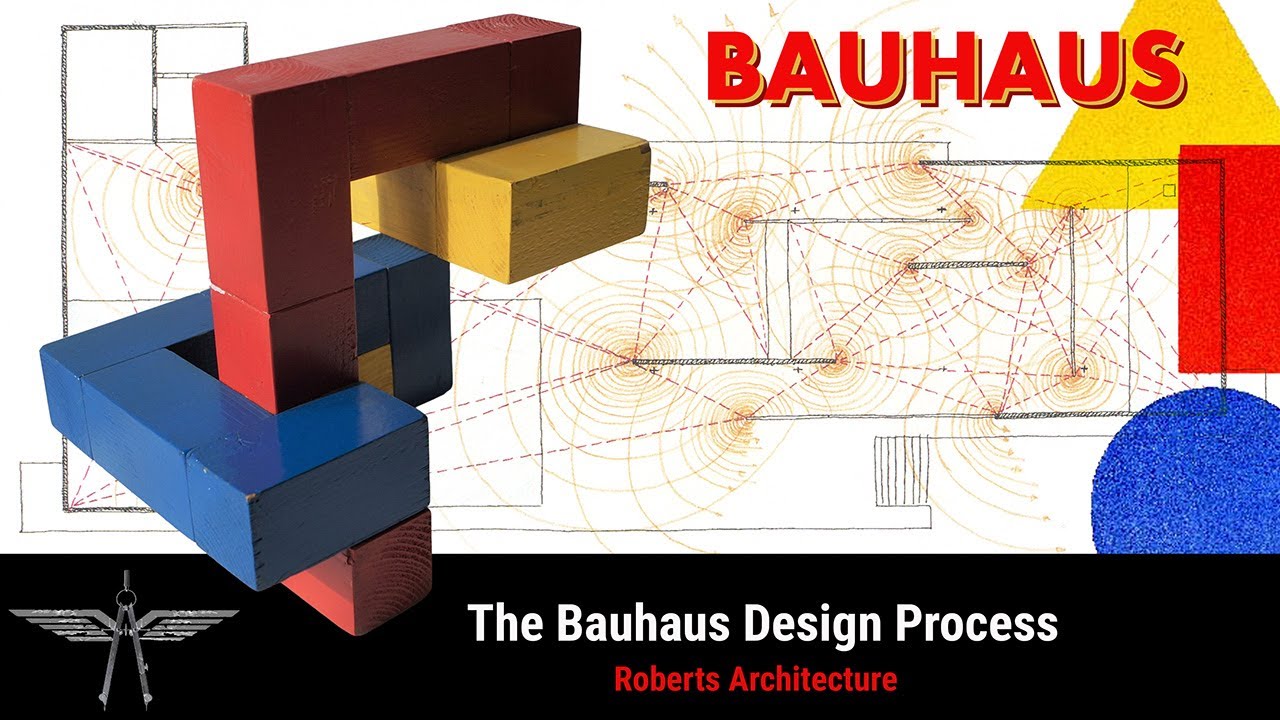









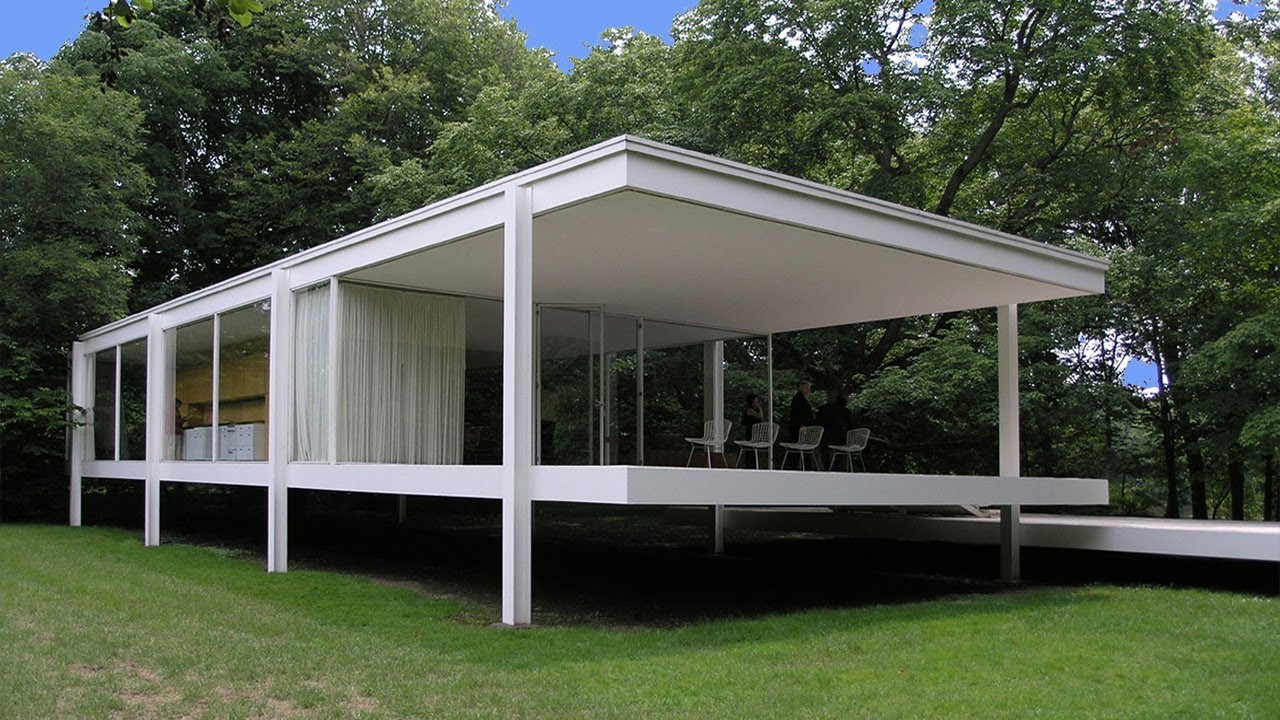









The Gropius House (1938) in Lincoln, MA exemplifies Bauhaus architecture through its innovative use of industrial materials (steel, aluminum, bakelite), flush curtain walls with uninterrupted surfaces, flat roofs, and functional furniture design; it demonstrates how modernist principles of simplicity, geometric forms, and the integration of art into everyday life were applied to residential architecture, with Walter Gropius conceiving the house as a living teaching aid to demonstrate his design philosophy.
Bauhaus Architecture: A Tour of the Historic Gropius House
Added:Origins and philosophy of the Bauhaus school in Germany, including its emphasis on functionalism and the integration of art, craft, and technology.
Core design principles of Modernist architecture, specifically the concept of 'form follows function' and the rejection of historical ornamentation.
An overview of Walter Gropius's career, his role as the founder of the Bauhaus, and his eventual emigration to the United States to teach at Harvard.
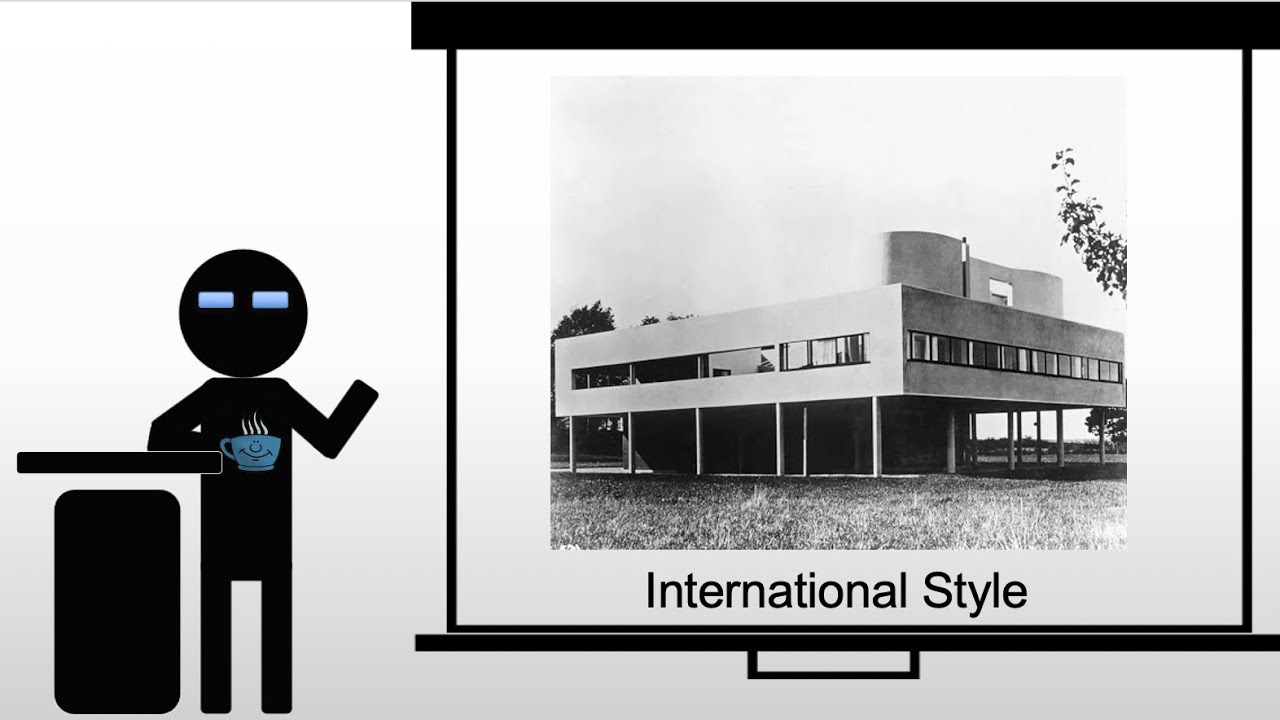
Basic characteristics of the 'International Style' of architecture, such as geometric forms, open floor plans, and the use of industrial materials like steel, concrete, and plate glass.
The historical influence of Bauhaus émigrés on American architectural education and the evolution of the Harvard Graduate School of Design under Gropius.
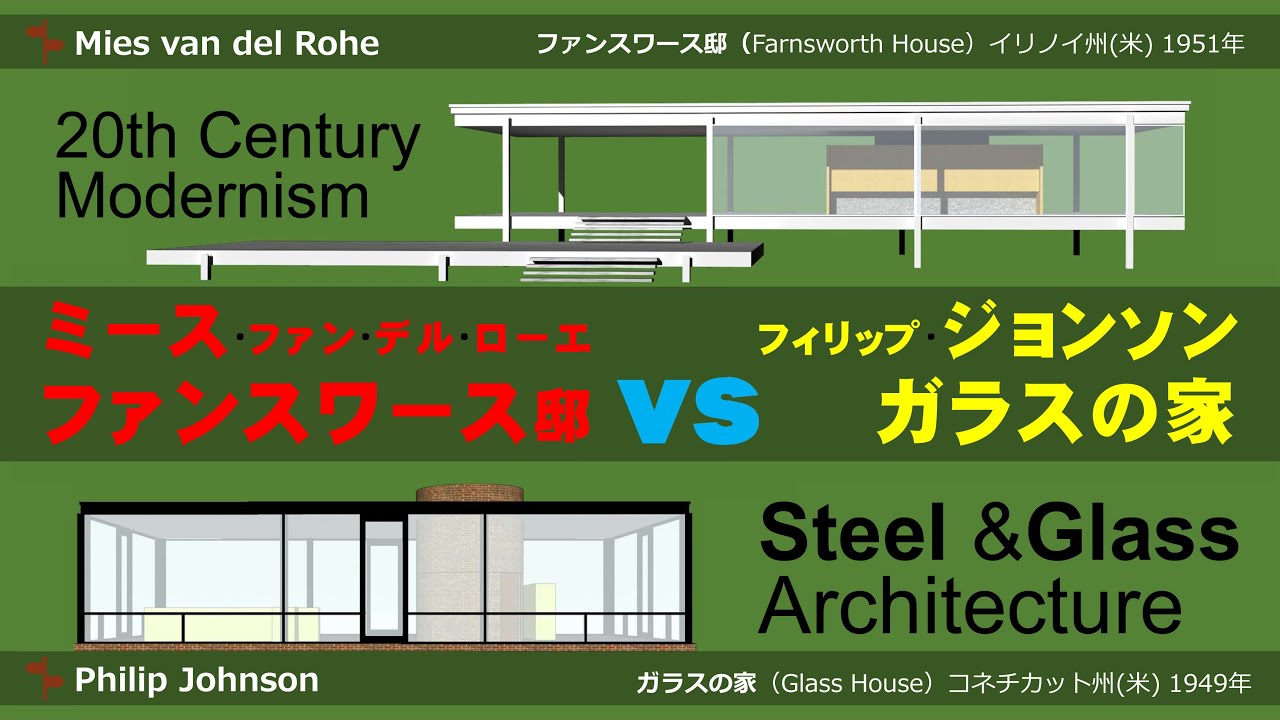
Comparative analysis of other iconic American modernist residences, such as Mies van der Rohe's Farnsworth House and Philip Johnson's Glass House.
The challenges, ethics, and methodologies of conserving and restoring 20th-century modernist buildings that utilize early industrial materials.
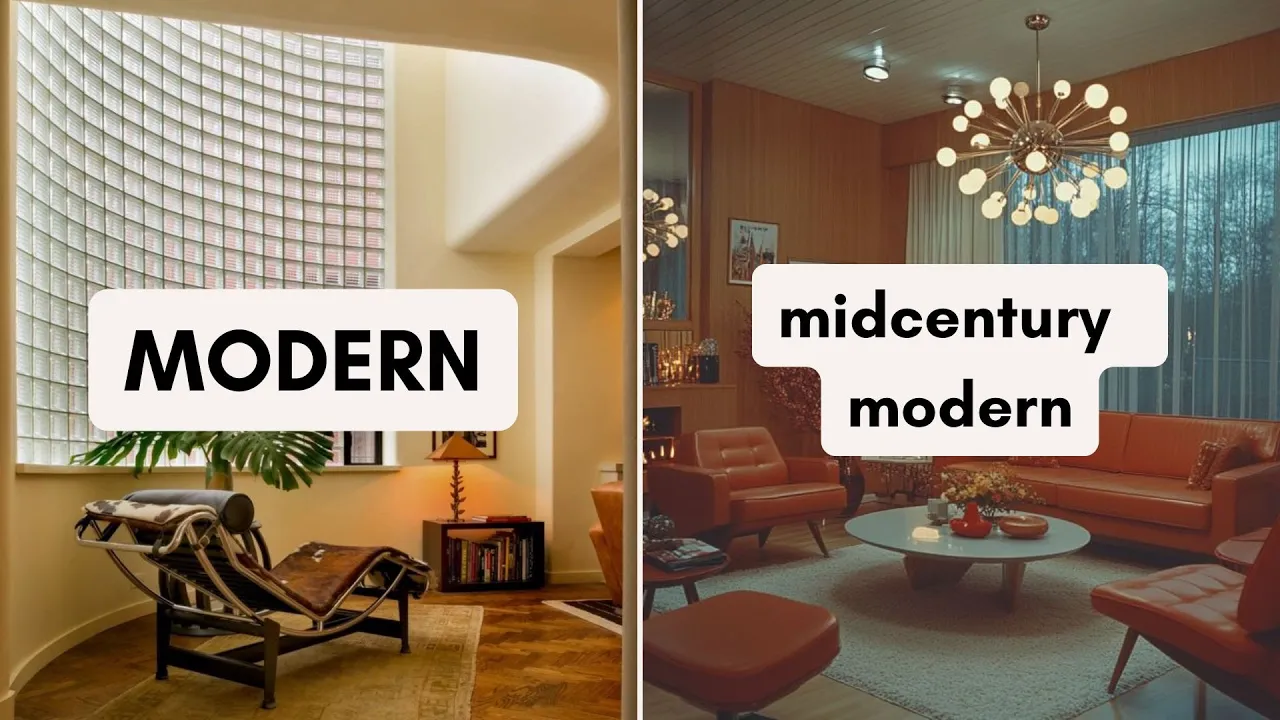
How Bauhaus principles directly evolved into Mid-Century Modern residential architecture and consumer product design in post-WWII America.
29.7K views492likes16:01Original Release: 2020-12-06
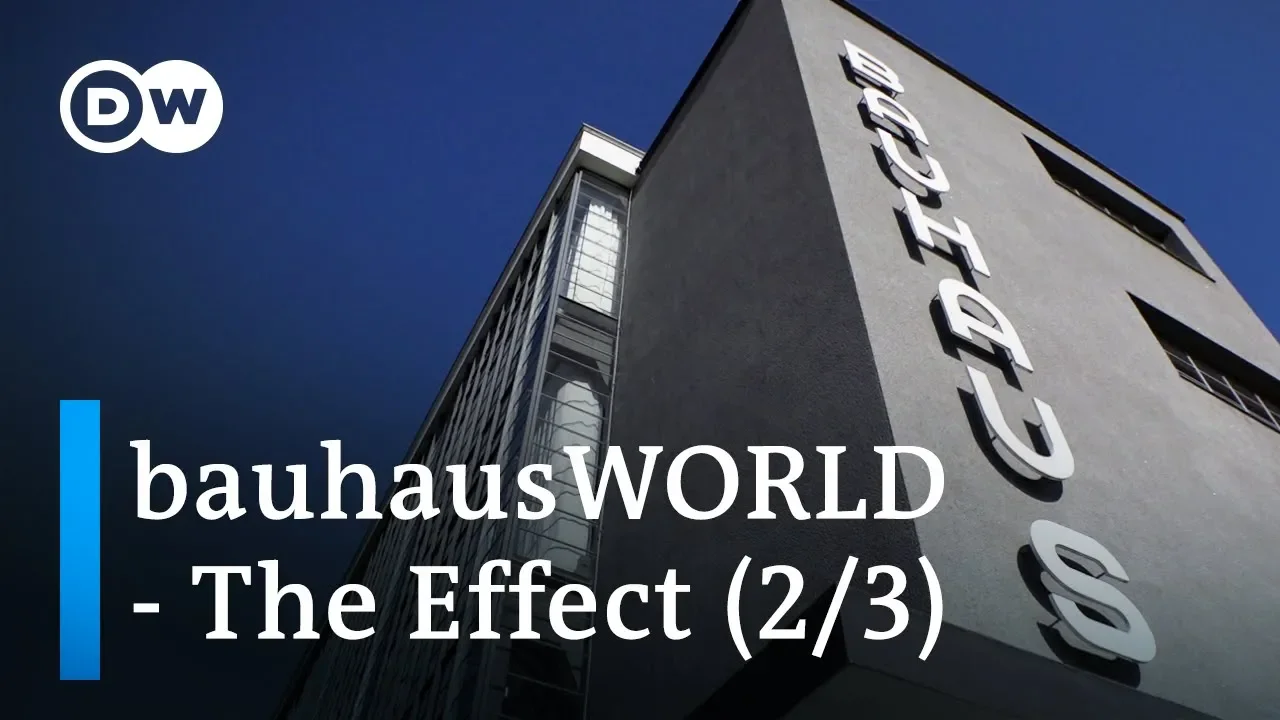
we were given a wonderful tour of the of the home by tom lingle who is with the society for the preservation of new england antiquities take a look behind this low-key facade are classic bauhaus innovations here in the rear you see typical characteristics like the uninterrupted sides and flat roof remember this is the granddaddy of today's modern ranch house doesn't that flat porch roof remind you of a carport in the 1930s walter gropius pioneered the curtain wall for the first time in american architecture both exterior and interior walls are completely flush nothing interrupts the smooth lines of this house and all this is accomplished with simple industrial building materials the spiral staircase looks handmade but it isn't it's an industrial model that ties in beautifully with the rest of the house even the futuristic sculpture is made of aluminum well after this introduction i couldn't wait to get out of the rain and take a look inside well it's a pretty grand wet day to visit the walter gropius sure is kind of a gray day for a monochromatic house oh neat this is like walking back into 1940 19. what's the year exactly 1938 38 1938 terrific yeah the curtain in the in the front uh kind of closes it off from the the drafts and separates this area look at this a place to you're forced to wipe you're forced to wipe your feet no way to get in without doing it it's just dropped in but it's part of the design that's right that's right very custom place huh yeah well no i mean all of this stuff is pretty much industrial fixtures this uh coat rack here is uh just standard tubing and plate glass bolted up into the ceiling but the staircase time it's a remarkable piece i mean you can't tell me this isn't custom cut no it's again all just standard elements available at any uh building supply store the chrome tubing here maybe it's from a plumbing supply place this is 1938. i imagine you could have got all this yeah yeah cork flooring and um but what about this wall it looks it's not plaster it's wood but that's right oh it's your standard um your standard yeah it's collaborative there's sky boards and uh just turned up on the vertical instead of horizontal painted white so you get some nice little shadow lines oh new england that's right but what a great idea and yet it's also very ba house uh here the uh building that groce is probably best known for it kind of summarizes all the major elements where was this location this is dessau germany all the major elements of modern architecture the glass curtain wall the flat roof um this was all built in the 1920s wasn't right 1923.
and then when hitler took over uh basically threw the bauhaus people out he didn't like the bauhaus he wanted he wanted empirical kind of that's right yeah that's right monumental architecture they break this up and stored hay in it i guess during the war is that right now tell me about these light fixtures again this is standard uh catalog items from the 30s they vaguely remind me of movie house light fixtures that's right probably moving house or you know kind of art deco business office lobby type stuff now how many rooms are there down here well um let's go into the living area here really the family kind of considered this as one big room uh great view of the landscape out here believable um standard factory plate glass okay i was going to say picture windows in 1930 no no definitely not just a very standard industrial sash with large plate glass the furniture here too uh kind of the thing we began to think of is seeing every day but these are all prototypes for furniture that later um was massive was mass produced that's right that's really fascinating so these are kind of not knock offs off the assembly line they're things that he designed and were first actually marcel boyer his colleague designed them he's responsible for most of the furniture in the house i see now tell me about the glass wall over here is this original this is all original uh 1938 and it basically provides illumination between the study behind and the dining room here this is so elegant it's very incredible and very simple use of uh industrial materials this is essentially a precursor of plastic that's correct that's correct what they call bakelite they used to make the big black telephone that's right that's right um and it would have been the buffet here right that's correct that's right serving area uh and here's a photograph of mrs gropius uh probably taken uh around the time of the second world war in london in london lovely lady that's right well this is really like being in a well it is a music it is really it really it is a museum house and uh it's really kind of a museum of uh modern design yeah this chair is arrow serene uh one of gropius's favorite american architecture and one of the big names in 20th century design that's correct and this was a gift to gropius on his 70th birthday from his colleagues which would have been what in the 1960s uh 50s 50s because this is really back in in style now that's right high style i guess it's coming back that's right that's fantastic must be worth a pretty penny too it probably is yes and these uh tables here are again boyer designed from 1923 when the bauhaus moved to dessau the stacking table yeah and all just basically chrome and again bakelite finish of course one thing that hits you after you've been in the house for two minutes is the fact that it's low on color there's a lot of black and white and and steel and and slate and very simple industrial natural materials yeah uh really relying on proportions and stuff like that for the design and of course uh punctuated by the occasional uh work of art this painting here by lotus los maholinage which was a gift from the artist's wife to the gropiuses um again all very uh simple simple elements here this that's right a high five this no this really says it all because in 1938 everybody was listening to mcgee and molly on these big wooden cabinets with a green crystal i mean radios and this man was already into hifi components that's right that's right these are original this is where it's called the original yep yep this is all the original location it's like in the 50 years that uh they were here nothing really has been moved nothing has been moved a few pieces of furniture have been moved over the years but basically everything is as as it was when they first moved in in 1938 marvelous yeah and there's some nice little uh how about this furniture oh this is one of my favorites this was designed by marcel broyer in 1934 when he was in england and is made out of laminated birch plywood bentley steamed and this too has received you know has come into mass production uh this was a gift to the gropiuses at the time the house was completed it's neat you can buy something like this or very similar to it that's right that's right and then there's other little elements that are kind of nice this um element the book wall here is really a gropius uh invention these were really industrial elements these standards here the shelf standards the shelf standards that's right and he really brings them out into uh residential use for the first time it's like he went and went amok in an industrial industrial supply store that's right all this wonderful stuff into the home that's right i didn't realize you know you never think about who invented the shelf bracket i know well he didn't invent it but he certainly used it for the first time uh in this this was the day bed that gropius would use he'd read here uh work on his correspondence is it also a bauhaus piece of paper also a bajo's piece from 1923.
and what are those this is one of my favorite little elements in the house these are a pair of reading glasses so you can look right down here sort of make sure your shoes are tied or read something right here while lying down well lying down real nice great fun wonderful what's over here this is the study the other side of the glass wall the other side of the glass wall again very elegant very elegant um this is the desk where walter and his wife issa worked it originally had been designed for their study in dessau so it was when it was brought over from it from germany originally had some shells up above here but they were taken off to fit up against this window i guess when they left germany they still could take their things they took most everything with them that's right did this wasn't his drafting tip no this wasn't this was where he worked on his uh lectures and his books his ideas he's really uh i think probably most importantly a philosopher uh and a theorist that's a very interesting point and uh he and his wife collaborated on most of their work i love the lamp oh was that really also an original this is an original bauhaus piece uh made in the metal shop yeah under the direction of breuer um and this was meant to go over their typewriters the typewriter or whatever whatever they were writing so it's nice it's really an early example of task lighting which is so popular now in current office design marvelous it's real nice can we continue yeah let's take a walk upstairs bob i think it's really important to remember that the gropius has felt this house was a teaching aid that they used to let their students and colleagues and other architects learn about their basic design ideas and by living here or coming and visiting and participating in the house and talking about design yeah this was his philosophy you've got a sense of what he was working with now where are you taking us here this is the master's switch to suite dressing area dressing area right here these wonderful terrific fiberglass this is actually the same material as downstairs that's correct in the buffet and then another serum and chair terrific it looks like somebody was just here about to get made up and dressed hey that's right mrs gropius's jewelry is still here and one of my favorites uh this hat this is a hat that's a hat made out of aluminum that was a serious i am it was designed for the grope fest which was an annual party healthy architecture collaborative um it's made of aluminum they were all supposed to be white metal right that's right that's right and it was a neat little quirkiness yep yep very nice hey you know i like this he's got a plate glass wall here but he's got a mirror attached for her interesting visual games yeah he played we played there now what's uh in the bathroom here mirrored doors mirror doors wonderful this is like 1938 indeed isn't it absolutely the twin lavatories like everything else in the house uh just what was available in a catalog black and white these nice uh aluminum coated lamps which give a nice soft light and this extraordinary favorites here wonderful commode wonderful toilet uh is that an american design or an italian from the 1930s is that right and as a matter of fact in 1945 when gropius needed some replacement parts he wrote a wonderful letter to the manufacturer saying that it was what he thought the best design toilet fixture he'd ever seen uh not a square edge on it and there are similar ones on the market today i didn't realize that was american that's beautiful then let's go into the master bedroom he's big on using colors and textures in in fabric special areas by bringing fabrics that's right this is i believe iranian here uh cruel work cool work and then this is all just white chenille on white chenille that's right another bah house lamp and side tables end tables designed by gropius here uh all his shaving his uh reminiscent of uh mondrian the retainer that's right that's right and then another feature that i rather like these lathes attached to the wall for hanging pictures or things like um this branch so that it's almost like a bulletin board it's almost like a bulletin board you don't destroy the wall surface and this is the same size as the window here so it really says that the artwork on the wall is just as important as the artwork that's the landscape out here interesting yeah it helps draw your eye out exactly where shall we go next let's go on into the guest room again wonderful wonderful use yeah of textiles and all the furniture is bauhaus first house from 1923.
the beds and the marbles little bedside tables they can just creep right up to your bed so that you can right in bed or take a meal there that's right when you're in those little turning a pivoting surface pivoting surface here and a wonderful little clock sort of a bar house design excellent white and black and red white and black and red except of course for the mural murals uh one of them for the unesco headquarters in paris and the other one for the harvard graduate center uh from 1949. that's a wonderful photograph yes now is that here at the house that's that's right in here in the next off the next room and this is the um and that is mrs gropius on the deck in 1947 it was for an article that was written what it was like to live in the house 10 years later fantastic can we see that yeah we can you can right in through here okay this is another bedroom this is another bedroom this is the daughter's room again all the expanses of glass just makes you feel like you're outdoors exactly a nice little item that he's installed here so that we can have these kind of views is this heating system there's a fin tube radiation radiator down below here and uh air space underneath false wall kind of and these uh right here registers here so you can essentially bathe the cold window with warm air and giant window that's right sure you need privacy this is quite a desk isn't it yeah this is a designed by gropius in 1919 when he was at weimar germany when he first became head of the bauhaus school there tell me about the chairs oh yes this is one that we're all familiar with now this is commonly known as the paperclip chair is this the granddaddy of this is the granddaddy of it this is number two and this was handmade uh they've now achieved mass production which was the original intent but this is breuer's first well actually the second model done in 1923. fantastic and then again the use of materials here fabrics oh yeah this is the daughter's sleeping alcove which can be shut off from this which was kind of the study and play area you know what's really neat here is the way he has these channels to hang the drape from right recessed right into the ceiling so that the line of the ceiling is never broken it's a very clean design that's right again the textile is fantastic stuff isn't it yep you can really look at the weave now where's the deck oh it's out here out this way sorry it's raining because this is really very dramatic when it's sunny well yeah this is the classic uh the pink wall yeah that's right it sure is wet it sure is well as i understand it the uh the house has only recently been donated to the society for the preservation of new england antiquities that's right in 1983 when mrs gropius died it came to us and last june we began to open it up as a historic house museum we have it open every weekend from the first of june to the middle of october and then the first weekend of every month from november through may so now we're really into the efforts for restoration that's right conservation within a couple of weeks we hope to start restoration of the house uh beginning on the roof and uh the upper floor here and next year we'll do downstairs fix up the windows and that kind of stuff well no not only is the house very very impressive but the landscaping and the grounds are fabulous it's all that pine tree is extraordinary that's right um as a matter of fact the gropius's ashes are both spread around the grounds and this is really kind of a uh monument to them a shrine to the house to move our house into into the gropius's uh efforts on behalf of the design ideals tom thanks for the tour thanks very much
Up Next

10:38
Jeff McBride's Magical Lineage: Precursors & Time Theory
@ProfessorOddfellow
7.6K views•2008-11-18

12:54
Triumph of Orthodoxy Icon: Byzantine Art & History Explained
@BenCallan
2.1K views•2024-08-06

9:49
FastAPI vs Flask vs Django: Choosing the Right Python Web Framework
@TechWithTim
302.5K views•2024-05-26

1:42
Game of Thrones Opening Credits: A Cinematic Analysis
@gameofthrones
46.3M views•2011-04-18
Related Study Plans & Knowledge Roadmaps
Structured learning paths in General & Interdisciplinary Studies
general-studies
Elevator Engineering: History, Physics & Cities
01From Hoists to Safety Brakes: The Dawn of Vertical Lift
02Hydraulic vs. Traction: The Engineering Physics of Elevators
03Modern Speed, Safety, and Algorithms
+ 2 more learning modules
12h5 modules
Explore Roadmap
general-studies
Rubber: Material Science, History & Geopolitics
01Origins of Natural Rubber & Mesoamerican History
02The Chemistry of Natural Rubber & Vulcanization
03The Geopolitics of the Rubber Boom & Colonization
+ 2 more learning modules
12h5 modules
Explore Roadmap
general-studies
Containerization: Evolution, Logistics & Trade
01Ancient Trade & Bulk Cargo: Amphorae to Barrels
02The Industrial Revolution & Cardboard Packaging
03The Containerization Revolution: Malcom McLean
+ 2 more learning modules
12h5 modules
Explore Roadmap
general-studies
Textile Tech: Evolution, Labor & Global Impact
01Pre-Industrial Textiles: Handloom & Cottage Industry
02Mechanization: The Spinning Jenny to the Power Loom
03The Factory System & Global Labor Transformation
+ 2 more learning modules
10h5 modules
Explore Roadmap