












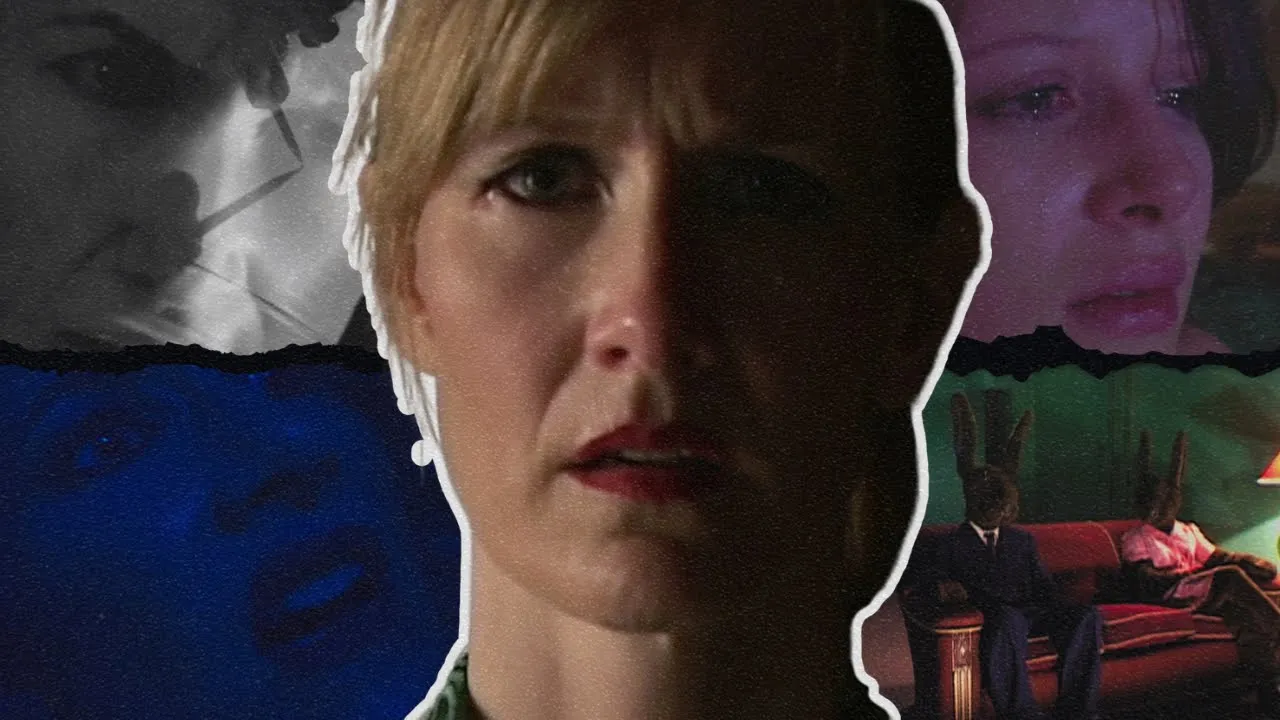



Every artist and magician creates their own precursors—earlier works that foreshadow their innovations—because our knowledge of later works retroactively shapes how we perceive earlier ones; this concept, illustrated through Jeff McBride's magical techniques and their historical parallels in Renaissance art, demonstrates that artistic influence flows bidirectionally through time, with later innovations redefining how we understand the past.
Jeff McBride's Magical Lineage: Precursors & Time Theory
Added:An understanding of Jeff McBride's contributions to modern magic, particularly his integration of theater, mask work, and ritual into illusion.
Familiarity with the key literary themes of Jorge Luis Borges, especially his metaphors of the labyrinth, mirrors, and non-linear time.
A foundational knowledge of Magical Realism, specifically how it blends mundane reality with fantastical, supernatural elements.
Basic comprehension of philosophical theories of time and the concept of retroactive artistic influence (how a modern artist changes our perception of their historical precursors).
Advanced study of narrative magic and theatrical theory, focusing on how to weave complex philosophical and literary themes into live illusion.
Analysis of artistic lineage construction, exploring how creators retroactively select and redefine their influences to shape their current identity.
The practical application of magical realism techniques to stage craft, scriptwriting, and visual storytelling.
An exploration of other contemporary artists and filmmakers who utilize non-linear temporal structures and labyrinths as central thematic devices.
7.6K views0likes10:38Original Release: 2008-11-18
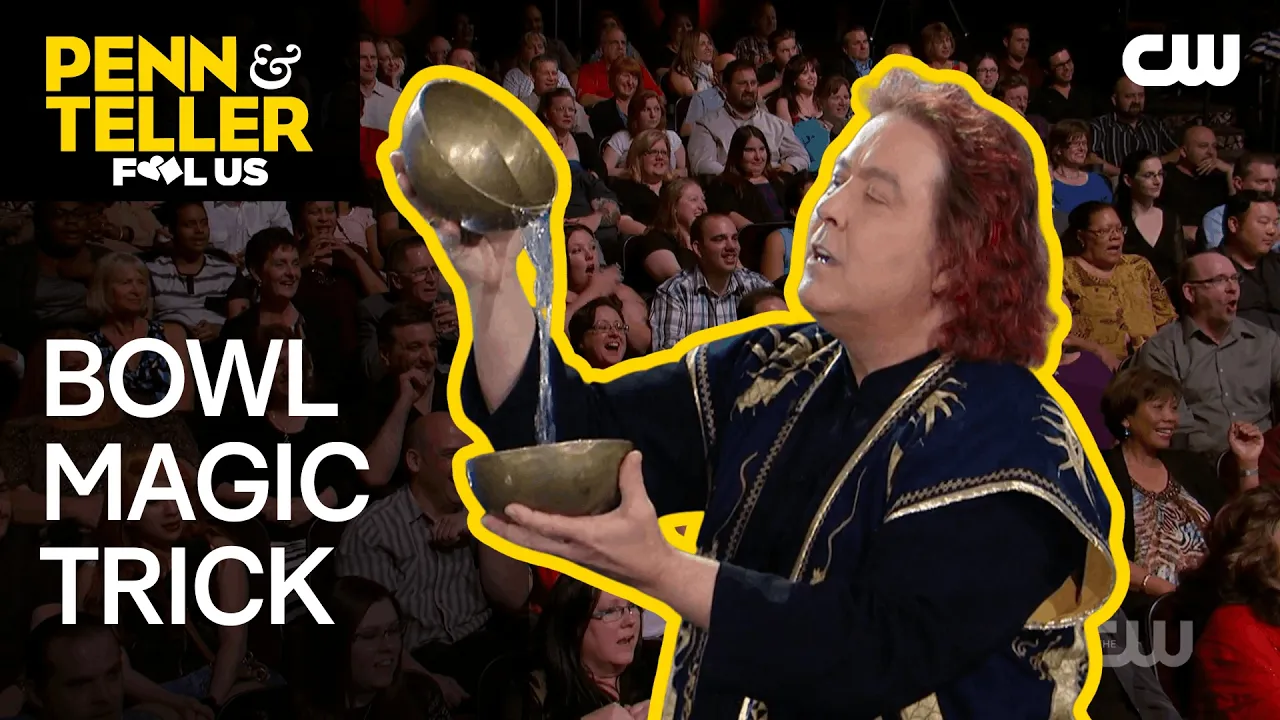
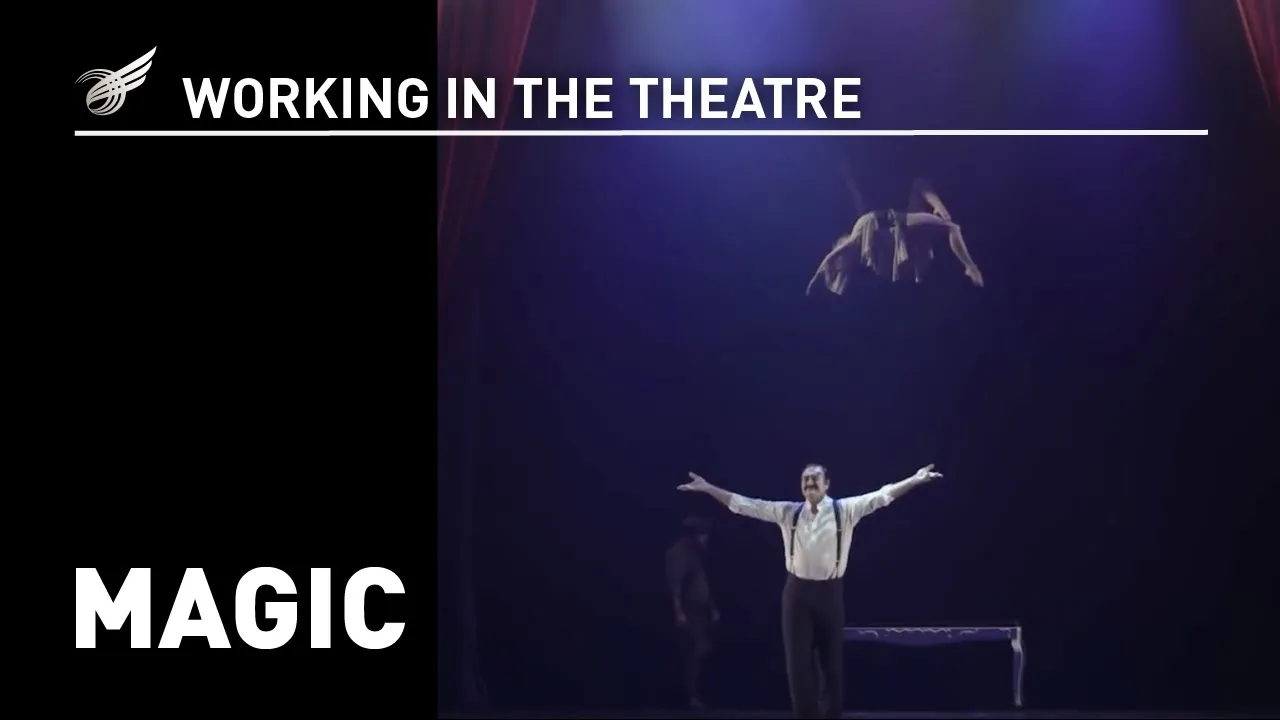
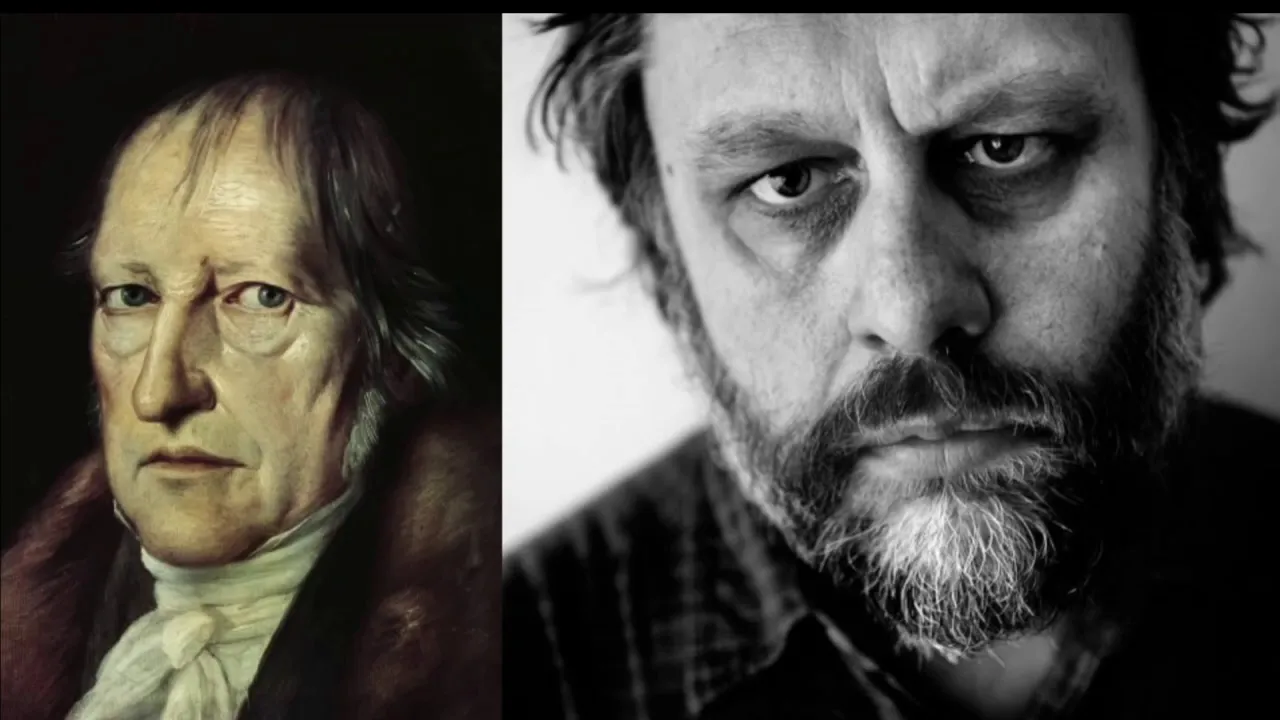
as a dynamic teacher Jeff McBride is marketly influencing future generations of magicians but his influence can also be traced back through time to Mystic seers who predate his own body of work the proof of this was established by an Argentine wizard of words named Jorge Luis bores allow me to explain as a founder of magical realism Bor erased the line separating the real from the Fantastic he envisioned time as a grand labyrinth in fact he believed in an infinite series of times a growing dizzying net of Divergent convergent even parallel times this network of times approaching one another forking breaking off perhaps even unaware of one another for centuries Embraces all possibilities of existence one of Borge's most eccentric pastimes was something he never actually got around to doing namely a study of Fran kafka's precursors kafka's works of magical realism and existentialism continue to be the most influential in Western literature there are more dissertations written about Kafka than any other author save Shakespeare ores originally considered kfka to be as singular as the Phoenix of rhetorical praise but after frequenting kafka's Works he came to recognize kafka's voice in diverse literatures and periods now where has never formally documented his research save for some notes about the Kafkaesque elements in the following six sources number one Xeno Paradox against movement a moving object at a can never reach point B Because first it must cover half of the distance between the two points and before that half of the half and before that half of the half of the half and so on into Infinity this is exactly the problem in kafka's novel The Castle number two Han Yu's appal a 9th century fable about how everyone knows that a unicorn is a supernatural being of good omen but because it does not figure amongst domestic beasts it's not easy to find and it resists classification so we could be face to face with a sacred animal and not be certain what it was number three Kirk guard's religious writings such as the Danish North Pole Expedition Danish ministers declare that such Expeditions are beneficial to the Soul's Eternal wellbeing yet they admit that such trips are difficult and perhaps even impossible finally they announce that any trip let's say from Copenhagen to London is properly considered an expedition to the North Pole number four Browning's poem fear and Scruples of 1876 in which a man believes he has a famous friend now he's never seen this friend nor been helped by him but Tales are told of the friend's Noble traits and athenic letters circulate about then one day someone calls these traits into doubt and handwriting experts deem the letters to be apocryphal the man asks in the last line and if this friend were God number five Leon bl's histories which relate the case of some people who have any number of maps and globes and atlases railroad guides and Trunks but who never managed to leave their hometowns before they die and number six Lord duns in his fantasy story in which an invincible Army of Warriors leaves an infinite Castle conquers kingdoms crosses deserts scales mountains fights monsters but never manages to reach the city glimpsed from afar so we see that bores found many pieces that resemble Kafka but not all of them resemble each other in each piece he found kafka's idios to a greater or lesser degree but had Kafka never written a line then no one would perceive the kfka as quality it wouldn't exist bores found works that foretold kafka's writings but he observed that our knowledge of Kafka noticeably sharpens and deflects our reading of them put another way those earlier authors did not read their works the way we do now ores concluded that every writer creates his own precursors modifying our conception of the past as well as the future the the world according to Jeff McBride like that of Kafka is certainly unique and yet we can see McBride's precursors in the world of art unmistakable McBride esque moments jump out at us from Engravings carved long before McBride himself took to the stage with our knowledge of McBride's body of work we can't help labeling these other works as McBride esque and indeed we're tempted to trace McBride's effect on Art backward through time here now now are some examples of McBride's precursors in 2000 Jeff McBride shocked the world with his illusion show Abra cadasil those shock wavs went back in time to 1556 influencing the Engravings of Renaissance Visionary Claude paradin in paran's engraving a chalice is filled from a Transcendent Source a Celestial hand The Chalice of course recalls the Holy Grail symbolizing a spiritual Quest involving sacrifice Now The Magician's hand is empty to fill the Chalice he must tap an inner Wellspring in another paradin engraving from the same year Celestial hands break free from handcuffs our higher Powers cannot be Shackled In McBride's presentation the captive escapes his chains and sees that his captor is the true prisoner and bride brings a small chest to the stage symbolizing the microcosm containing the macrocosm paradin illustrates this truth in 1556 inside the chest are the linking rings inside the circle is nothingness inside the circle is the universe the magic of light and dark and life and death McBride displays one ring symbolic of a self-supporting unbroken commitment to the Eternal circle of existence in mythologist venzo cartari illustrtion in 1571 we see an alchemist holding the oroboros the oldest mystical symbol in the world it's the cosmic serpent swallowing its own tail symbolic of the cyclicality of the universe Eternal renewal McBride manifests a bouquet of feather flowers just as in paran's engraving of 1556 from dormant branches spring blossoms McBride as Merlin find a future King Arthur in the audience to teach the mystery of the miser's dream in paran's engraving a Celestial hand pours endless coins onto a night's helmet spiritual affluence self-renews in McBride's signature flying cards extravaganza the 52 archetypes of the deck spin through the air sometimes the hand of Fate deals in unexpected twist in 1697 Lauren chroniger depicts a queen of hearts floating in the air literally a woman's cameo in a heart shape levitating McBride's fan and butterflies presentation addresses themes of emergence and transformation a butterfly emerges from its cocoon its wings fanned and uplifted by the power of belief the great lesson here is that transformation gains strength through dedication paradin immortalized this mystery in 1563 McBride signature streamers from the hand depicts the profound truth that energy travels in the direction we cast it supporting our desired outcomes the English recor Henry peachum depicted a Divine hand shooting streamers in 1612 similarly we have perin's engraving of a cane that explodes and streamers and confetti and Sparks another McBride signature the Flaming sword or wand is symbolic of how the light of perfect wisdom dispels ignorance paradin depicted this in 1556 the beat of a Shaman's drum summons a presence from Beyond and Echoes a cosmic heartbeat emblem artist kprince Carl's 1677 engraving show Celestial hands beating a drone following a miraculous feat Mana from Heaven McBride signature snowstorm is depicted in paradin engraving of 1556 a magic mirror reveals The Masks of one's Persona in paran's engraving of 1563 the mirror is like a halo over the figurine head reflecting his spiritual nature when we see the final mask we see the true face beneath the skull this is depicted by Johan Casper lavater in 1775 McBride signature water Bowl's presentation communicates the lesson that one drop at a time an empty bowl fills with water this truth was illustrated by yakob wolf V foran in 1501 finally in McBride's Grand levitation of his assistant a maiden floats between two pillars hanging in balance between the polarities of nature in Gom R's engraving of 1574 the two-tailed mermaid represents the dark side of the Greek love goddess Aphrodite her two thrashing Tales symbolizing the birth and death of her affections reminding us of how instinctive energy comes from a deep unconscious part of ourselves as the maiden Rises McBride takes one of the poles as his own further communicating the dualities of masculine and feminine now the secret of Jeff McBride's Mastery of time is simple though by no means easy he who illuminates the present in his own terms redefines the past in Applause as in prayer hands come together when oppos it's unite thank you
Up Next

22:34
Every Commandment in Seven Deadly Sins Explained
@AnimeUproar
2.8M views•2019-05-02
20:08
Hollywood Fantasy Orchestrator RPG Expansion Pack Tutorial Walkthrough
@HighResolutionJapan
1.1K views•2024-03-08

9:49
FastAPI vs Flask vs Django: Choosing the Right Python Web Framework
@TechWithTim
302.5K views•2024-05-26

1:42
Game of Thrones Opening Credits: A Cinematic Analysis
@gameofthrones
46.3M views•2011-04-18
Related Study Plans & Knowledge Roadmaps
Structured learning paths in General & Interdisciplinary Studies
general-studies
Containerization: Evolution, Logistics & Trade
01Ancient Trade & Bulk Cargo: Amphorae to Barrels
02The Industrial Revolution & Cardboard Packaging
03The Containerization Revolution: Malcom McLean
+ 2 more learning modules
12h5 modules
Explore Roadmap
general-studies
Textile Tech: Evolution, Labor & Global Impact
01Pre-Industrial Textiles: Handloom & Cottage Industry
02Mechanization: The Spinning Jenny to the Power Loom
03The Factory System & Global Labor Transformation
+ 2 more learning modules
10h5 modules
Explore Roadmap
general-studies
Pharmacology: Botany, Patents & Biopiracy
01Foundations of Ethnobotany & Traditional Medicine
02The Birth of Synthetic Chemistry: Aspirin & Penicillin
03The Battle Against Malaria: Quinine to Artemisinin
+ 3 more learning modules
12h6 modules
Explore Roadmap
general-studies
Writing Surfaces: Papyrus, Parchment & Paper
01Ancient Foundations: Clay, Stone, and Egyptian Papyrus
02Parchment, Vellum, and the Rise of the Codex
03The Chinese Rag Paper Revolution and the Silk Road
+ 3 more learning modules
9h6 modules
Explore Roadmap