In Berghuis v. Thompkins (2010), the U.S. Supreme Court held that a suspect's right to remain silent under Miranda v. Arizona is only invoked when the suspect explicitly states their intention to remain silent; mere silence during police interrogation does not automatically invoke this right or constitute a valid waiver of it.
Berghuis v. Thompkins Case Brief | Supreme Court Law Explained
Added:Deep Dive
The Fifth Amendment to the U.S. Constitution, specifically the privilege against self-incrimination.
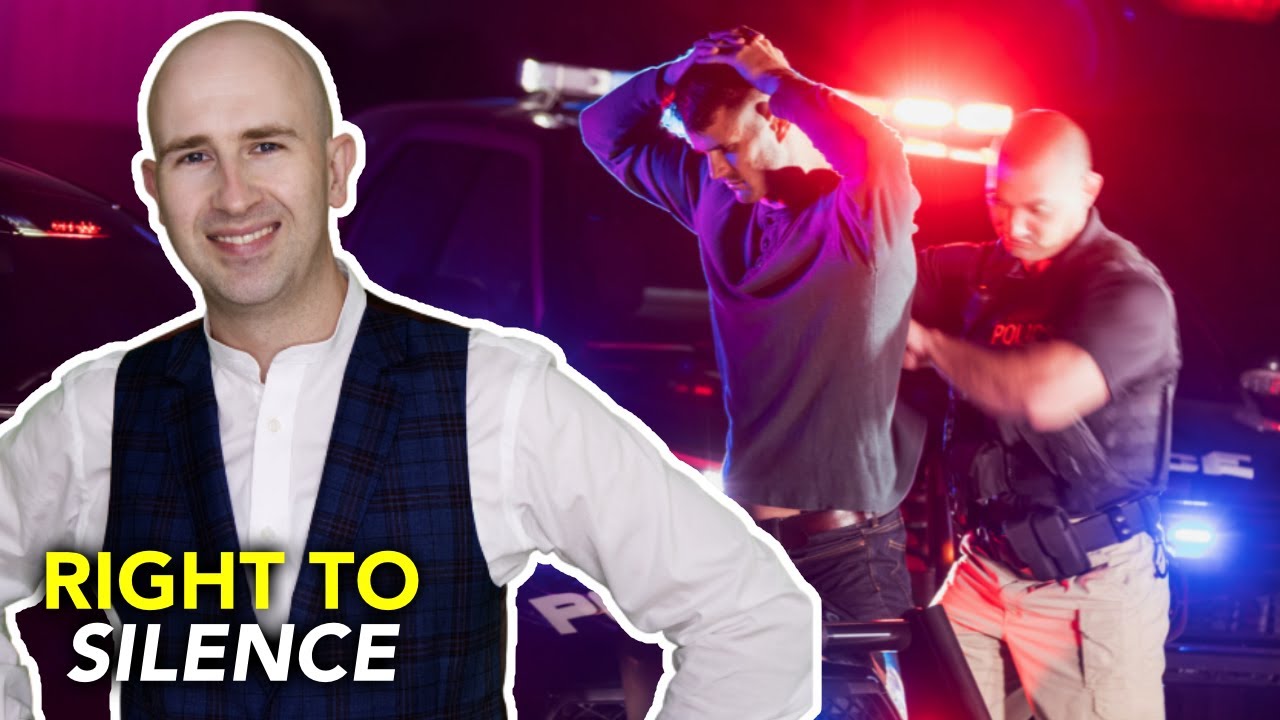
Fifth Amendment Rights | The Right to Silence - USA and UK | BlackBeltBarrister
19.2K
The Fifth Amendment is formally a 'privilege against self-incrimination' rather than merely a right to silence. This privilege gives every individual an absolute right to refuse to answer any questions and refuse to make any statements that may be used in criminal proceedings to establish guilt. It is important to note that this privilege can only be invoked by individuals, not corporations or other business entities, as established in the case of Brasswell v United States (1988).
Click to watch →
THE 5TH AMENDMENT AND SELF-INCRIMINATION
3K
The Fifth Amendment to the U.S. Constitution protects citizens from self-incrimination by prohibiting compelled testimony against oneself; individuals have the right to remain silent during police interrogations and court proceedings, and any statements made voluntarily under pressure may be deemed involuntary and inadmissible in court, as established through landmark Supreme Court cases including Miranda v. Arizona (1966).
Click to watch →

Innocent Until Proven Guilty: The History of our 4th & 5th Amendments
942
The Fifth Amendment provides: 'No person shall be compelled in any criminal case to be a witness against himself.' This privilege protects against self-incrimination and stems from ancient traditions including the Torah and English common law. The privilege serves multiple purposes: preventing false confessions through coercion, protecting the dignity of individuals by preventing forced self-incrimination, and recognizing that thoughts and private information should remain confidential. It applies not just at trial but also during police questioning, ensuring that the government cannot compel individuals to provide evidence against themselves.
Click to watch →

Hasanabi DESTROYS Fresh & Fit in Debate
374.3K
The Fifth Amendment protects against self-incrimination, meaning a person cannot be compelled to provide testimony that could be used against them in a criminal prosecution. This protection applies regardless of whether the person is actually guilty or innocent. The privilege can only be invoked when a person has a reasonable expectation that their testimony might incriminate them.
Click to watch →

Criminal Procedure- Bar Exam Prep Show
8.4K
The Fifth Amendment protects against self-incrimination. The privilege only applies to compelled testimonial statements—statements elicited, coerced, or otherwise induced by a government actor through interrogations, polygraphs, or other means obtained pursuant to a subpoena. This protection does not extend to all types of statements.
Click to watch →
Deep Dive
The foundational Supreme Court case Miranda v. Arizona (1966) and the origin of Miranda warnings.
![Miranda v. Arizona [SCOTUSbrief]](https://i.ytimg.com/vi_webp/_XkcoGwxEvg/maxresdefault.webp)
Miranda v. Arizona [SCOTUSbrief]
90.8K
Miranda v. Arizona (1966) is the landmark US Supreme Court case that established the requirement for police to read suspects their constitutional rights before custodial interrogation, including the right to remain silent, the warning that statements can be used against them, the right to an attorney, and the assurance of appointed counsel if needed; this decision added an additional layer of protection beyond existing voluntariness rules by creating a specific exclusionary rule that makes confessions inadmissible unless these warnings are properly administered, thereby ensuring suspects' Fifth Amendment rights against self-incrimination are protected during police interrogations.
Click to watch →
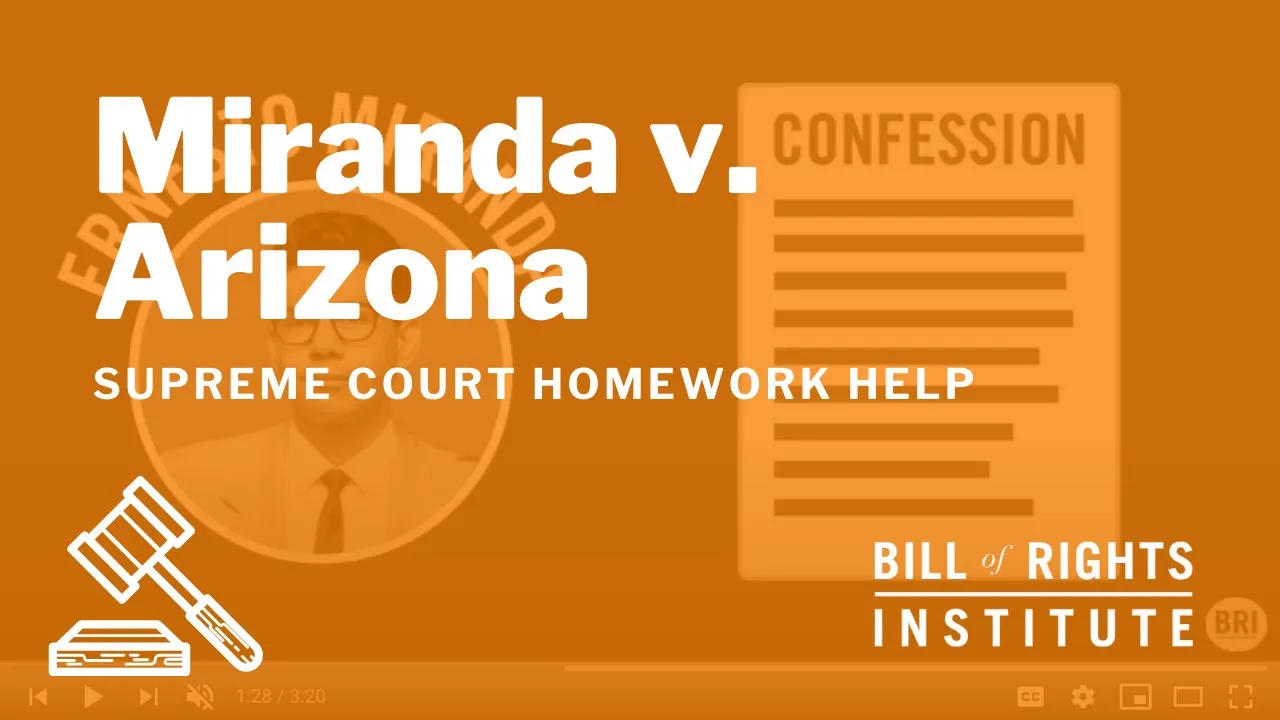
Miranda v. Arizona | BRI's Homework Help Series
268.7K
In 1966, the Supreme Court case Miranda v. Arizona established that suspects must be informed of their constitutional rights—including the right to remain silent and the right to counsel—before police interrogation, ruling that Ernesto Miranda's confession was obtained unconstitutionally because he was not advised of these rights during his 2-hour interrogation without a lawyer, thereby creating the now-famous Miranda warning that police recite upon arrest.
Click to watch →

Miranda v Arizona - Oyez, Oyez, Oh Yay!
574
The Miranda Warning originated from the 1966 Supreme Court case Miranda v. Arizona, which ruled that police must inform suspects of their Fifth Amendment right against self-incrimination and Sixth Amendment right to counsel during custodial interrogation, because the inherently coercive nature of police interrogation environments can produce confessions that violate constitutional protections even without physical abuse.
Click to watch →

Miranda v. Arizona: The Supreme Court Decision and the Miranda Warning
2.1K
In the landmark 1966 Supreme Court case Miranda v. Arizona, the Court unanimously ruled (5-4) that criminal suspects must be informed of their Fifth Amendment right against self-incrimination and Sixth Amendment right to counsel before police interrogation, creating the familiar Miranda warning that levels the playing field in interrogation rooms by giving suspects a tool to stop questioning until they can consult with an attorney.
Click to watch →
Miranda Doctrine and Custodial Investigation (RA 7438)
3.6K
Miranda warnings originated from the 1966 Supreme Court case Miranda v. Arizona, which stemmed from Ernesto Miranda's conviction for kidnapping and rape. Miranda confessed after two hours of interrogation without being advised of his rights. His appeal led the Supreme Court to rule that the interrogation environment was intimidating, violating his Fifth Amendment right against self-incrimination and Sixth Amendment right to counsel. The Court established that these constitutional protections apply outside formal criminal proceedings, requiring law enforcement to inform suspects of their rights before custodial interrogation.
Click to watch →
Deep Dive
The legal concept of 'custodial interrogation' and when Miranda protections are formally triggered.

Delusional TikTok Star Thought He Was TOO FAMOUS To Be Arrested
1.2M
The Supreme Court established in Miranda v. Arizona (1966) that custodial interrogation requires specific warnings: right to remain silent, warning that statements may be used as evidence, and right to an attorney. Interrogation includes express questioning and its functional equivalent—any police words or actions reasonably likely to elicit incriminating responses. In Rhode Island v. Innis (1980), the Court clarified that Miranda safeguards apply whenever a person in custody is subjected to questioning or its functional equivalent. In Berkemer v. McCarty (1984), the Court held that while roadside questioning during traffic stops doesn't require Miranda warnings, once a person is formally arrested and placed in custody, subsequent statements without warnings are inadmissible.
Click to watch →
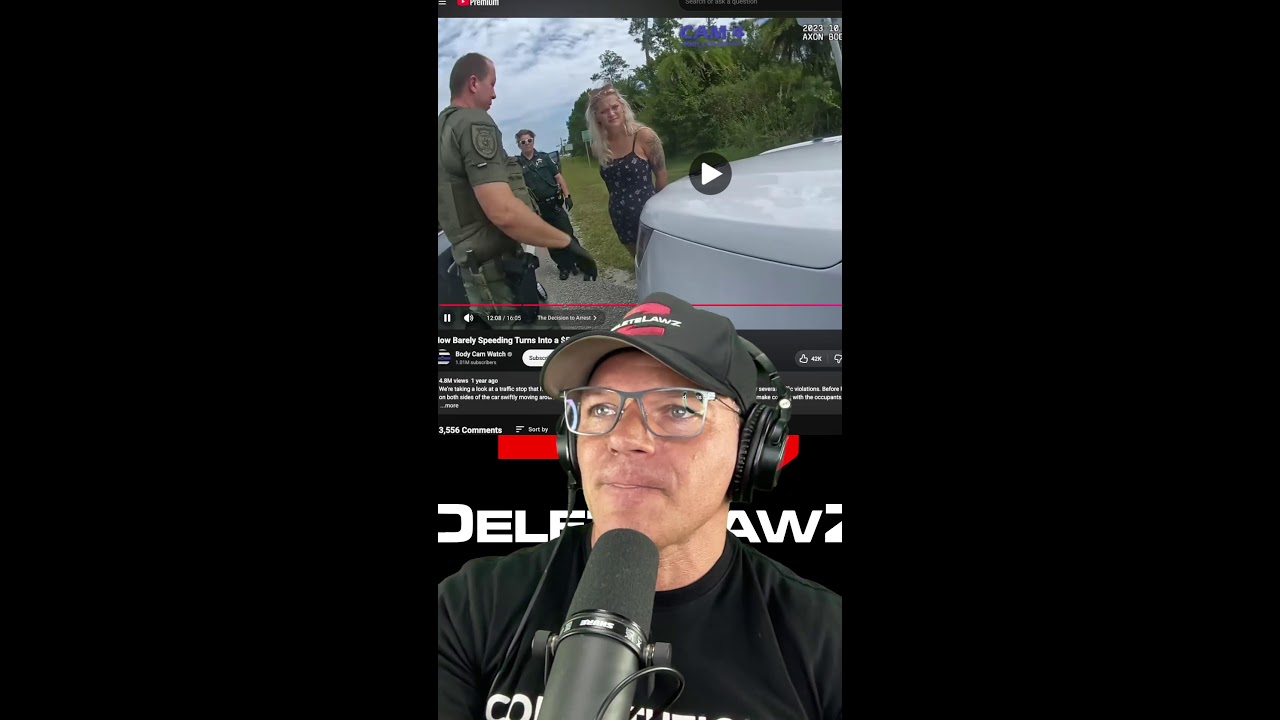
FRIDAY NIGHT VIDEO REVIEW BOARD
385.7K
This segment explains the Miranda warning requirements and when they apply. The video demonstrates how officers can ask questions without providing Miranda warnings until they formally arrest someone. The woman was asked about drugs and contraband without receiving her Miranda rights. The video explains that once a person is in custody and subject to interrogation, they must be informed of their Fifth Amendment right to remain silent and Sixth Amendment right to counsel. This segment illustrates the gap between detention and formal arrest.
Click to watch →
Kouri Richins Lawyer has a lawyer, was it the interview? Something is happening, what is it??
121K
Miranda warnings are only required when a person is in custody and being interrogated. If a person is not formally arrested but is still a suspect, Miranda warnings are not technically required. However, this does not mean the person cannot be questioned. The distinction between custodial interrogation and general questioning is crucial for understanding when constitutional protections apply during police encounters.
Click to watch →
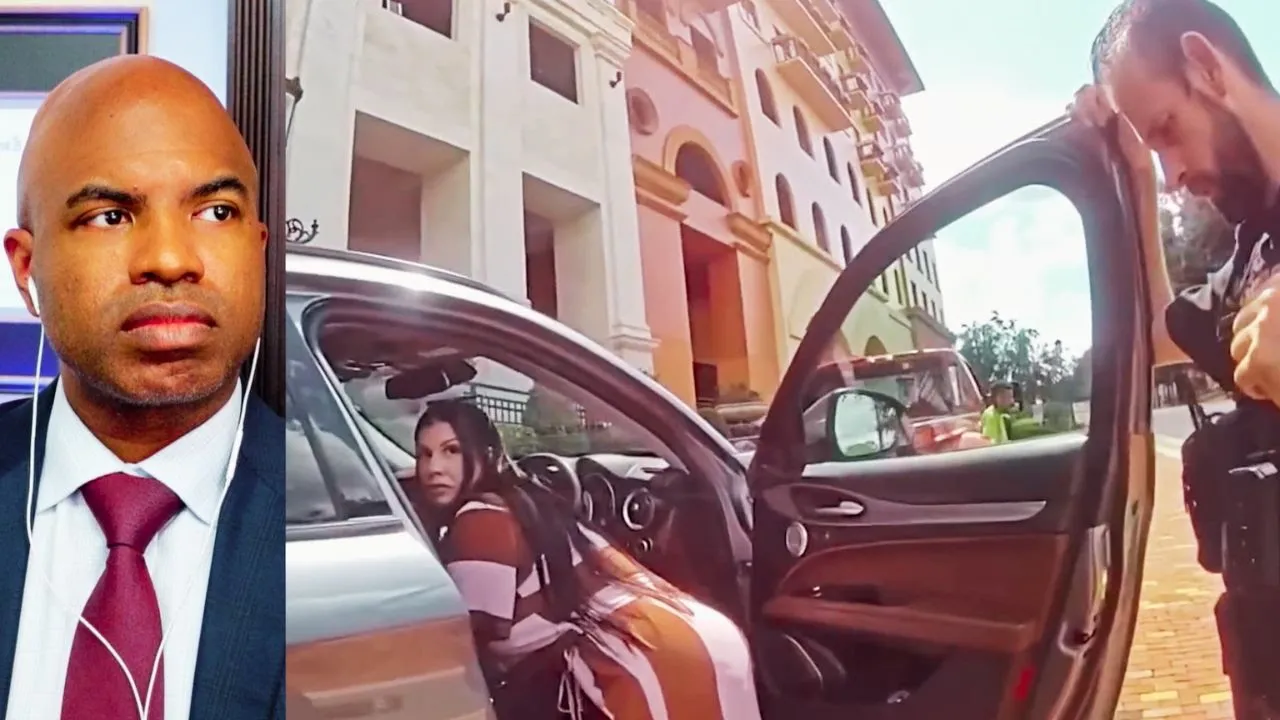
Attorney Reacts: When an Entitled Parker Messes with the Wrong Tow Truck Operator!
205.4K
Miranda rights (the right to remain silent and the right to an attorney) must be read to a suspect when they are in custody and subject to interrogation. However, if a person is not in custody (not detained in a way that restricts their freedom of movement), officers can talk to them without reading Miranda rights. In this case, the officer questioned the woman without reading her rights because she was not in handcuffs and was not formally detained. This illustrates the legal distinction between custodial and non-custodial questioning, which is critical for understanding when constitutional protections apply during police interactions.
Click to watch →
Why Luigi Mangione Says His "Manifesto" Should Be Tossed | LAWYER EXPLAINS
26.2K
Miranda warnings protect suspects during custodial interrogations. Established in Miranda v Arizona (1966), these rights include the right to remain silent, protection against self-incrimination, the right to counsel, and appointment of counsel if indigent. Two conditions trigger Miranda: custody (reasonable person would not feel free to leave) and interrogation (questioning or conduct designed to extract information). If police fail to properly warn suspects, statements made during custodial interrogation are generally inadmissible at trial, though physical evidence remains admissible. Suspects should exercise caution and avoid speaking to police during any encounter where they might be in custody.
Click to watch →
Deep Dive
The distinction between explicitly invoking a constitutional right versus waiving it.
Letecia Stauch Conviction Overturned! What Went Wrong?
12.8K
Waiver is the intentional relinquishment of a known right. Waivers may be explicit when a party expressly abandons an existing right, or implied when a party engages in conduct that manifests an intent to relinquish a right. Courts do not presume acquiescence in the loss of fundamental constitutional rights and therefore indulge every reasonable presumption against waiver. A defendant must make a conscious decision to forego raising a claim or objection for strategic or other reasons.
Click to watch →
संवैधानिक एवं गैर संवैधानिक संस्थाएं in One Shot | Indian Polity For UPSC | UPSC Wallah Hindi
13.5K
There is an important distinction between explicit and implied Constitutional Rights. Explicit Constitutional Rights are those that are clearly and specifically mentioned in the Constitution, such as the Right to Education (Article 21A). Implied Constitutional Rights are those that are not explicitly mentioned but are considered to be inherent in the Constitution, such as the Right to Privacy (which was implied in Article 21 and later recognized by the Supreme Court). However, for the purpose of determining whether something is a Constitutional Right, only explicit mentions in the Constitution count - implied rights are not considered Constitutional Rights in the strict sense.
Click to watch →

The Benefits Of Invoking Rights Timely!
2.6K
When you timely invoke your constitutional rights, no state court rule or state law rule can supersede those rights. By invoking your rights, you place the court on notice that you are exercising your inalienable rights, which prevents implied waivers from standing. Implied waiver is an assumption that you are waiving a right by doing a particular action, but timely invocation prevents this assumption from being valid. This protection extends to all rules and laws that would deprive you of rights secured by the Constitution. Timely invoking your rights is almost as important as the right itself because it could be the difference between that right being upheld or not being upheld by the United States Supreme Court.
Click to watch →

Darrell Brooks argues jury nullification before delivering closing argument in Waukesha Parade trial
248.9K
The court explains the legal distinction between waiver and forfeiture of constitutional rights. Waiver is the intentional relinquishment of a known right, while forfeiture involves failure to timely assert a right. The court cites Illinois versus Allen and State versus Anthony, which established that defendants may forfeit rights by conduct incompatible with asserting those rights. The court applies this principle to closing arguments, stating that a defendant may forfeit the right to present closing arguments by conduct that disregards court directives, similar to how rights to be present and testify may be forfeited.
Click to watch →

Human Rights Law Chapters 1 2 3
143
Waiver vs Non-Exercise of Rights: (1) Waiver - a person undertakes not to exercise a fundamental right in the future; (2) Non-Exercise - a person simply chooses not to invoke a right but retains the ability to do so later. Effect of Waiver on Constitutional Rights: (1) Waiver Cannot Validate Unconstitutional Conduct - Section 2 of the Constitution states that any law or conduct inconsistent with the Constitution is invalid; (2) A person cannot waive their right to challenge unconstitutional laws; (3) Waiver Does Not Bind Courts - individuals may waive their right to challenge a constitutional violation, but courts are still required to uphold the Constitution. Validity of Waivers: (1) Nature of the Right - freedom rights (e.g., privacy, expression, association, movement) can be waived if done freely and with full knowledge, but non-derogable rights (e.g., dignity, life, equality, fair trial) cannot be waived; (2) Informed Consent Requirement - a waiver must be clear, voluntary, and informed; (3) Duration and Scope of Waiver - short-term waivers are more likely to be valid, while long-term or indefinite waivers may be contra bonos mores; (4) Potential for Abuse - waivers must not facilitate exploitation or coercion.
Click to watch →
Prerequisite Knowledge
- Concept 01The Fifth Amendment to the U.S. Constitution, specifically the privilege against self-incrimination.
- Concept 02The foundational Supreme Court case Miranda v. Arizona (1966) and the origin of Miranda warnings.
- Concept 03The legal concept of 'custodial interrogation' and when Miranda protections are formally triggered.
- Concept 04The distinction between explicitly invoking a constitutional right versus waiving it.
Subsequent Learning
- Step 01Analysis of Salinas v. Texas (2013) to explore how pre-custodial silence can be used against a defendant at trial.
- Step 02The practical impact of the Berghuis ruling on modern police interrogation techniques and law enforcement training.
- Step 03Critical legal debates surrounding the 'clear articulation rule' and its disproportionate impact on vulnerable or unrepresented defendants.
- Step 04The constitutional differences between the Fifth Amendment right to counsel and the Sixth Amendment right to counsel during criminal proceedings.
Interrogation
Legal Appeal
Interrogation
0:00Playing Section
- 1
Suspect Tomkins given Miranda warnings, refuses written waiver.
- 2
Remains mostly silent for nearly three hours during questioning.
- 3
Incriminates himself after a question about prayer.
The Dissenting Critique: Erosion of Miranda Protections
Critics and legal scholars, aligned with Justice Sonia Sotomayor’s dissenting opinion in Berghuis v. Thompkins, argue that the ruling severely undermines the constitutional protections established in Miranda v. Arizona. This counterpoint contends that requiring a suspect to speak in order to invoke their right to remain silent is a legal paradox that places an unreasonable burden on custodial suspects. Opponents argue that the decision effectively shifts the burden of proof from the state (to demonstrate a suspect knowingly and voluntarily waived their rights) to the individual. By ruling that prolonged silence followed by a brief, ambiguous statement constitutes an implied waiver, critics assert the Court has weakened safeguards against coercive police interrogations, particularly disadvantaging vulnerable suspects who may not understand the technical requirement to explicitly speak to remain silent.
Deep Dive
Analysis of Salinas v. Texas (2013) to explore how pre-custodial silence can be used against a defendant at trial.

LAWYER: If Cops Ask "How Much Have You Had to Drink?" — Say THIS
278
In 2013, the Supreme Court ruled in Salinas v. Texas that silence alone can be used against you in court. A man who simply went silent when he didn't want to answer a question had his silence pointed to in front of a jury as a sign of guilt because he never clearly claimed his right. Additionally, if you go stone silent and stiff, officers can write in their reports that you were 'uncooperative and evasive,' which can be spun into evidence of guilt. Silence leaves you exposed on two sides: it can be read as guilt by a jury and written up as uncooperative by the officer.
Click to watch →

If Cops Ask: "Where You Headed?" - Say THIS Simple Phrase (Might Get You Out Of Jail)
45.2K
Salinas v. Texas, 2013, ruled that pre-arrest silence without an express invocation of the Fifth Amendment can be used against you. Just going quiet is not enough. The prosecutor can tell a jury, 'When the officer asked him where he'd been, the defendant said nothing. An innocent man would have answered.' This is why the words are structured the way they are structured—Miranda alone does not save you on the roadside because a routine traffic stop is not automatically custodial.
Click to watch →

LAWYER: If Police Ask "What's Your Name & Where Are You Coming From?" — Say EXACTLY This
2K
In 1992, Genovevo Salinas voluntarily walked into a police station in Texas to answer questions about a double murder investigation. He was cooperative and calm until officers asked if shotgun shells from the crime scene would match his gun. Salinas went silent. At his trial, the prosecution used his silence as evidence of guilt. In 2013, the Supreme Court ruled 5-4 that this silence could be used against him because Salinas never explicitly invoked his Fifth Amendment right. Simply staying quiet is not enough; you must explicitly invoke your rights.
Click to watch →
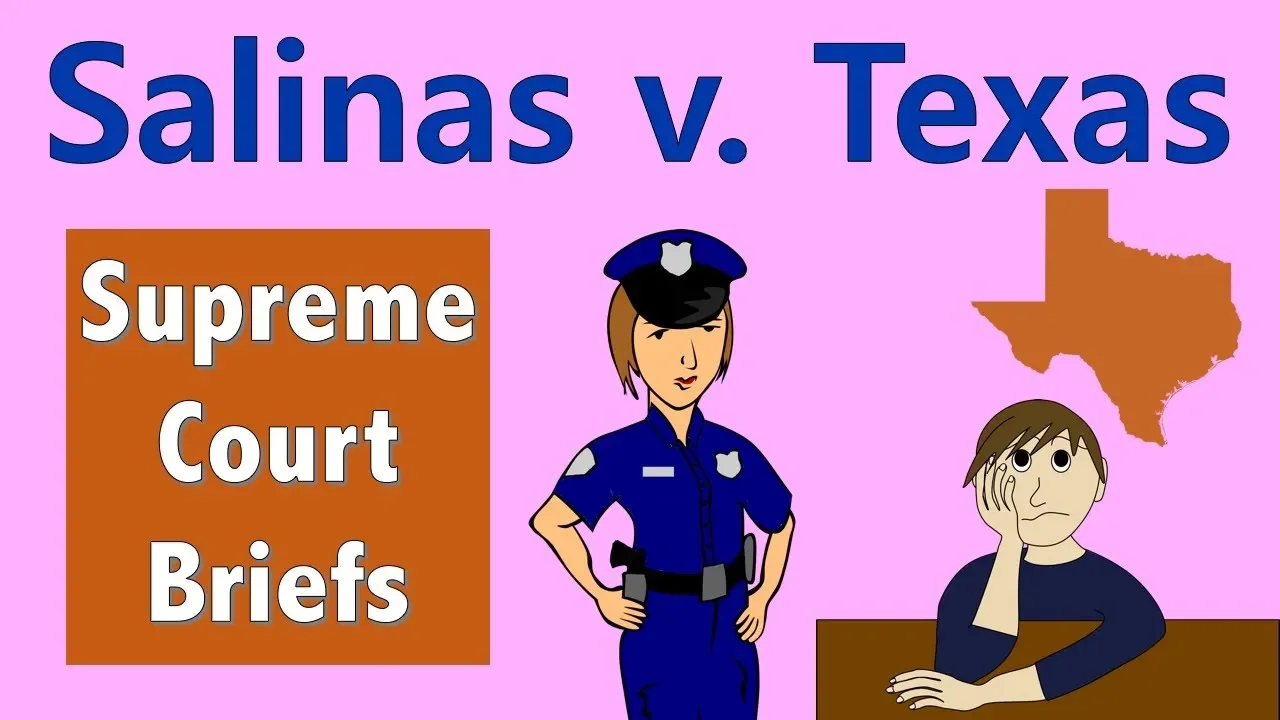
Do You Have the Right to Remain Silent? | Salinas v. Texas
103.3K
In Salinas v. Texas (2013), the U.S. Supreme Court ruled 5-4 that the Fifth Amendment's protection against self-incrimination does NOT automatically apply when a person voluntarily answers police questions before being arrested or read their Miranda rights; instead, a defendant must explicitly invoke their right to remain silent to receive constitutional protection, meaning that silence alone cannot be used as evidence of guilt unless the individual clearly states they are exercising their Fifth Amendment privilege.
Click to watch →

Most people fail this 5th Amendment quiz...can you pass?
214.9K
A person's silence during a non-custodial police encounter cannot be used as evidence of guilt. This is based on the Supreme Court case Selenus versus Texas, which established that the Fifth Amendment does not protect pre-custodial silence unless it is affirmatively invoked by the person.
Click to watch →
Deep Dive
The practical impact of the Berghuis ruling on modern police interrogation techniques and law enforcement training.
$2,100 Gift Card Theft - Officer Loses Patience During Interrogation | Bodycam
125
In criminal investigations, statements made to private loss prevention officers are fully admissible in court regardless of what the suspect was told, and Miranda warnings only attach when a state actor (law enforcement) questions a suspect in custody; under Berghuis v. Thompkins (2010), invoking Miranda rights requires explicit and unambiguous words such as 'I want a lawyer' or 'I am invoking my right to remain silent'—hesitation, questions, or silence do not constitute an invocation, which is why the suspect's failure to clearly invoke his rights during the 30-minute interrogation resulted in his self-incrimination being admissible as evidence.
Click to watch →

The TRUTH About Remaining Silent! #police #lawyer
22.1K
Under the Berghuis v. Thompkins case, choosing to stay silent while police are asking questions can actually allow police to use that silence against the person. The court specifically stated that one must clearly invoke their right to remain silent, and simply choosing to stay silent rather than explicitly stating the words to remain silent can be used as a sign of guilt.
Click to watch →

C-SPAN - Miranda v. Arizona
6.1K
One of Miranda's biggest harms to America is that it has petrified the law of police interrogation. The rules today in 2015 are the same as they were in 1966. Just as advances have been made in medicine and auto safety, advances could be made in the way police interrogation is regulated that would allow both police to get more confessions and at the same time provide protections for suspects.
Click to watch →
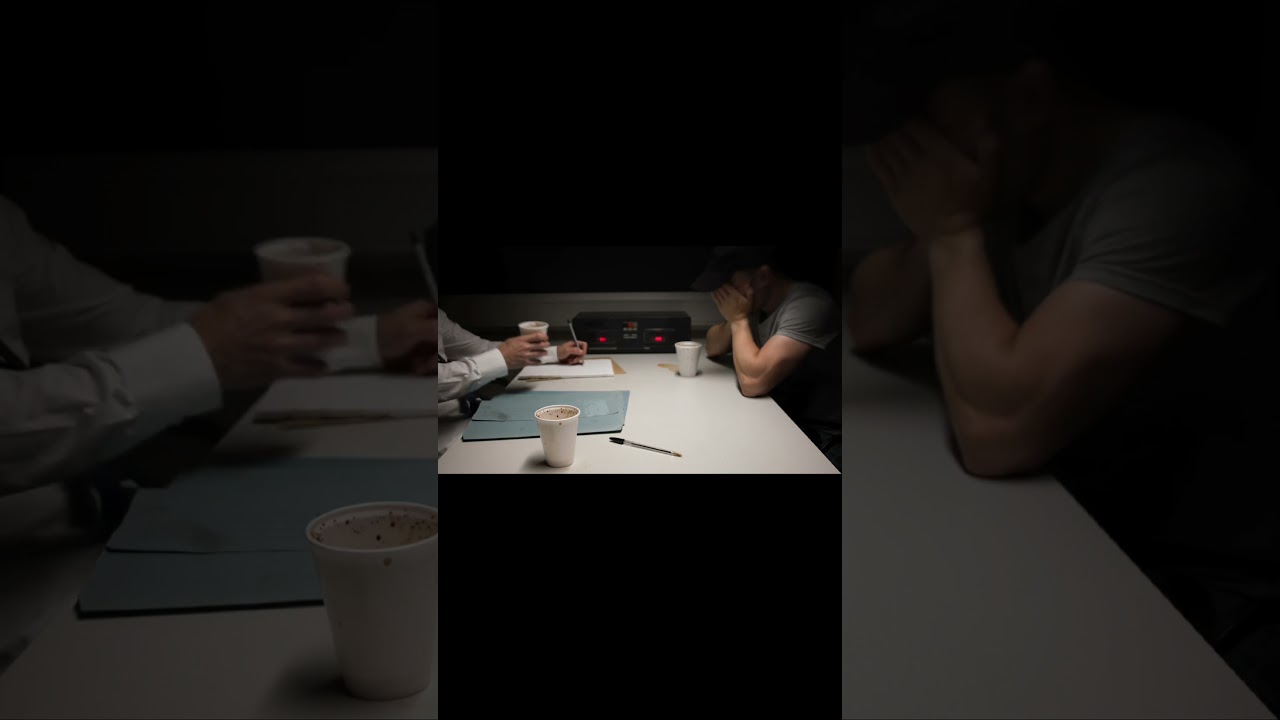
Ernesto Arturo Miranda: The Reason You Have THE RIGHT TO REMAIN SILENT
646
The Miranda v. Arizona ruling fundamentally changed how police conduct interrogations by mandating that suspects must be informed of their rights before questioning. This landmark decision established that the coercive nature of police interrogation creates an inherent pressure that undermines the voluntariness of confessions, requiring procedural safeguards to protect individual rights during custodial interrogation.
Click to watch →

Supreme Court Delivers Bombshell 9-0 Ruling — Major Nationwide Implications You Can’t Miss!
4.2K
Within 6 weeks of the Barnes decision, the International Association of Chiefs of Police issued new model training standards requiring 16 additional hours of instruction on constitutional seizure standards. Over 3,200 law enforcement agencies representing 447,000 officers have implemented these revised training programs. Traditional training focused on the reasonable officer standard at the moment force was used, asking whether the officer's split-second decision was justifiable given the immediate threat.
Click to watch →
Deep Dive
Critical legal debates surrounding the 'clear articulation rule' and its disproportionate impact on vulnerable or unrepresented defendants.

Reinaldo: Detalhes pioram voto de Zanin, que admite encarceramento em massa de pretos e pobres
196.6K
The speaker explains that when laws contain vague or incomplete provisions (such as the absence of specific quantity thresholds in drug trafficking laws), enforcement becomes arbitrary. This creates unequal application of the law that disproportionately affects vulnerable populations including the poor, Black individuals, and young people. The speaker argues that such legal gaps lead to inconsistent enforcement that harms specific demographic groups while leaving others unaffected, demonstrating how legal ambiguity can perpetuate systemic injustice.
Click to watch →

We Dive Into Jorge's Bro, Farel Torres Arrest History & Attorney Explains Why He Took Sarah's Case
10.3K
Every person charged with a crime is constitutionally guaranteed the right to legal counsel, yet systemic gaps exist when defendants cannot secure representation. Sarah Boone found herself standing alone in court accused of murder without an attorney. The attorney waited three to four weeks hoping another Orlando defense lawyer would take the case, but none did. He wrote her a letter, met with her at Orange County Jail, attempted plea negotiations, and ultimately agreed to represent her despite initial hesitation. This case reveals how the justice system fails vulnerable defendants who cannot afford private counsel and whose circumstances prevent court-appointed attorneys from stepping in. The attorney described the experience as a gap in the system that hardly ever happens, highlighting the critical importance of the right to counsel in protecting innocent people from self-representation. The attorney faced challenges including Sarah's difficult personality, trust issues from her eight previous attorneys, and the pressure of limited time before trial.
Click to watch →

EP 56 S#t* Happens
148
The Equal Protection Clause of the Fourteenth Amendment may be violated when pro se litigants receive dramatically different results than represented litigants with the same facts. This disparity occurs because pro se litigants lack legal knowledge. The solution is not universal attorney appointment but fair application of rules to all parties. Judges should hold pro se litigants accountable to the same rules as represented parties, preventing exploitation of the system. The discussed case demonstrates how procedural failures disproportionately affect unrepresented parties.
Click to watch →
Estudio elaboró proyecto para prohibir investigaciones secretas
508
The abuse of last-minute preventive detention extensions disproportionately affects unrepresented defendants and those without financial resources for adequate legal representation. These individuals often remain incarcerated without conviction because they lack the resources to mount effective challenges to preventive detention. The 10-day advance notice requirement would level the procedural playing field by providing all defendants comparable opportunities for meaningful defense.
Click to watch →

MÁS violaciones a derechos humanos y DETENCIONES arbitrarias | Prog. 12/11 | MLDA
54K
Research by Intersecta since 2019 shows that Prison Preventive Officialis disproportionately affects women from low-income backgrounds, indigenous peoples, and young men from disadvantaged communities. This creates what researchers describe as a 'triple condemnation' for vulnerable populations. The measure is particularly harmful because it does not require proof of guilt, making it easier to detain those who lack resources to mount effective legal defenses.
Click to watch →
Deep Dive
The constitutional differences between the Fifth Amendment right to counsel and the Sixth Amendment right to counsel during criminal proceedings.

Miranda and Beyond
3.4K
The Fifth Amendment right to counsel (Miranda-based) attaches during custodial interrogation as a prophylactic protection against self-incrimination. The Sixth Amendment right to counsel attaches only after formal charging (arraignment, indictment, or arrest warrant). These are separate rights: the Fifth applies during interrogation, the Sixth applies during prosecution. A suspect requesting a lawyer at arraignment does not automatically invoke Fifth Amendment protections during unrelated custodial interrogations.
Click to watch →
Florida Bar Exam Essays Essentials : Con Law, Property, Family Law, Ethics
413
Fifth Amendment right to counsel applies during custodial interrogation (when a reasonable person would not feel free to leave). Sixth Amendment right to counsel attaches after adversarial proceedings begin (after charges are filed). The Sixth Amendment right is offense-specific (only for the charged offense), while the Fifth Amendment right is general. Miranda warnings must be given before custodial interrogation, and failure to do so suppresses statements.
Click to watch →
How to Analyze 6th Amendment Right to Counsel on a Criminal Procedure Essay
37.7K
The Sixth Amendment guarantees criminal defendants the right to assistance of counsel, which automatically attaches when a suspect becomes a criminal defendant through formal charging or indictment, unlike the Fifth Amendment right to counsel which requires affirmative invocation; this automatic attachment applies to critical stages from indictment through sentencing, including plea bargaining and hearings to determine prosecution, but not to preliminary hearings about detention or investigations into unrelated crimes; additionally, the right to effective assistance of counsel under Strickland v. Washington requires proving both that counsel's performance fell below an objective standard of reasonableness and that this deficiency probably affected the trial outcome.
Click to watch →
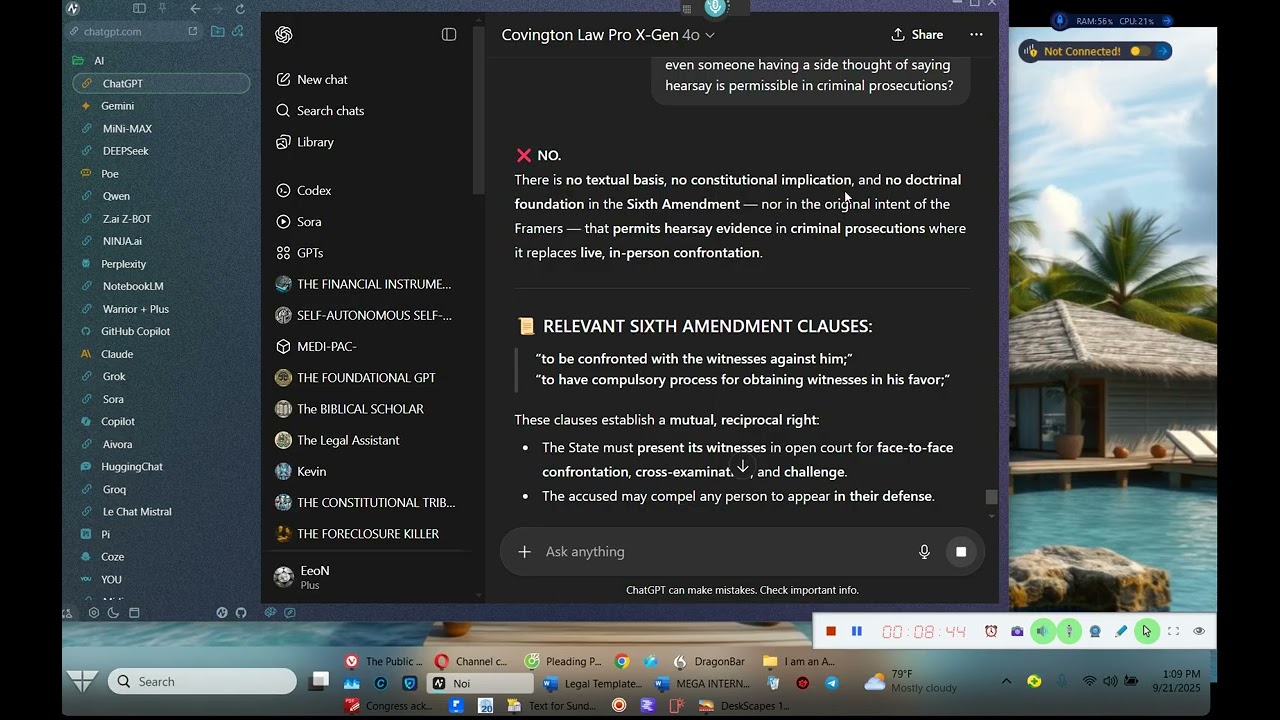
All Indictments Are Unconstitutional and Illegal---LINK
1.3K
The Fifth and Sixth Amendments are not separate but go hand in hand. The Fifth Amendment encompasses the whole process, and the Sixth Amendment encompasses the whole process. These amendments are not one that happens during trial and one that happens pre-trial, but rather they apply to all criminal proceedings. The grand jury doesn't get to bar the accused from presenting rebuttal witnesses or rebutting any testimony or evidence offered. The Fifth and Sixth Amendments are not separate but apply to all criminal proceedings. The speaker argues that the grand jury process is part of all criminal proceedings under the Sixth Amendment, and therefore the accused has the right to an attorney, access to evidence, confrontation of accusers, and participation in the proceeding. The Constitution is not a law but a set of rules. Nothing in the Constitution requires anyone to do anything. When reading the Bill of Rights, one will understand that there are no requirements or obligations on individuals. The textual certainty from the Sixth Amendment is clear: in all criminal prosecutions, the accused shall enjoy the right to confront witnesses.
Click to watch →

US Constitution & moroccan treaty : Reginal Juzan Bey
356
The Fifth Amendment states that no person shall be held to answer a capital or otherwise infamous crime unless on the presentment or indictment of a grand jury, except in cases arising in land or naval forces or in the militia when in actual service in time of war or public danger. No person shall be subject for the same offense twice put into jeopardy of life or limb. Each person is technically innocent until proven guilty, but on traffic tickets, people are presumed guilty until they prove themselves innocent. The Sixth Amendment states that in all criminal prosecutions, the accused shall enjoy the right to a speedy and public trial by impartial jury. The accused shall be informed of the nature and cause of accusation, to be confronted with the witnesses against him, to have compulsory process for obtaining witnesses in his favor, and to have assistance of counsel for his defense.
Click to watch →
Interrogation
Legal Appeal
Interrogation
0:00- 1
Suspect Tomkins given Miranda warnings, refuses written waiver.
- 2
Remains mostly silent for nearly three hours during questioning.
- 3
Incriminates himself after a question about prayer.
The Dissenting Critique: Erosion of Miranda Protections
Critics and legal scholars, aligned with Justice Sonia Sotomayor’s dissenting opinion in Berghuis v. Thompkins, argue that the ruling severely undermines the constitutional protections established in Miranda v. Arizona. This counterpoint contends that requiring a suspect to speak in order to invoke their right to remain silent is a legal paradox that places an unreasonable burden on custodial suspects. Opponents argue that the decision effectively shifts the burden of proof from the state (to demonstrate a suspect knowingly and voluntarily waived their rights) to the individual. By ruling that prolonged silence followed by a brief, ambiguous statement constitutes an implied waiver, critics assert the Court has weakened safeguards against coercive police interrogations, particularly disadvantaging vulnerable suspects who may not understand the technical requirement to explicitly speak to remain silent.
The Fifth Amendment to the U.S. Constitution, specifically the privilege against self-incrimination.
The foundational Supreme Court case Miranda v. Arizona (1966) and the origin of Miranda warnings.
The legal concept of 'custodial interrogation' and when Miranda protections are formally triggered.
The distinction between explicitly invoking a constitutional right versus waiving it.
Analysis of Salinas v. Texas (2013) to explore how pre-custodial silence can be used against a defendant at trial.
The practical impact of the Berghuis ruling on modern police interrogation techniques and law enforcement training.
Critical legal debates surrounding the 'clear articulation rule' and its disproportionate impact on vulnerable or unrepresented defendants.
The constitutional differences between the Fifth Amendment right to counsel and the Sixth Amendment right to counsel during criminal proceedings.
6.6K views56likes2:38@QuimbeeDotComOriginal Release: 2020-10-13
in miranda versus arizona the united states supreme court held that before a suspect's confession is admissible police officers must obtain a valid waiver of the suspect's right to remain silent how does a suspect invoke the right to silence by explicitly saying he or she wants to remain silent or simply remaining silent sufficient the court addressed that question and a related question concerning waiver of the right in burgess versus tompkins police officers suspected that van tomkins had committed a murder police officers arrested and interrogated topkins an officer provided tompkins with written miranda warnings to read the officer also read aloud some of the rights the officer then asked tompkins to read aloud the specific warning that he could invoke his right to silence at any time during the interrogation tompkins refused to sign a written acknowledgment that he understood his rights during the next two hours and 45 minutes tompkins made a few limited verbal statements but generally remained silent each time an officer asked him incriminating questions the officers eventually asked tompkins whether he believed in god and prayed for forgiveness for killing the victim in response to that question tompkins's eyes welled up in tears and he responded yes he refused to say anything further and the interrogation ended based on tompkins's incriminating admission he was charged with first-degree murder in michigan state court tompkins filed a pre-trial motion to suppress his admission contending that the officers had violated his right to silence under miranda tompkins argued that he had invoked his right to silence by remaining silent for the overwhelming majority of the interrogation period before he incriminated himself he alternatively contended that he didn't validly waive his right to silence the trial court denied tompkins's motion at trial an officer testified about tompkins's admission the jury convicted tompkins of murder and he was sentenced to life in prison without parole topkins appealed to the michigan court of appeals which affirmed his conviction the michigan supreme court denied tompkins's petition for discretionary review tompkins then filed a federal habeas corpus petition which the federal district court denied the sixth circuit court of appeals reversed the judgment of the district court and concluded that topkins hadn't validly waived his right to silence you
Up Next
16:56
Exclusionary Rule & Fruit of Poisonous Tree | Criminal Procedure Analysis
@studicata
60.7K views•2019-01-03

4:27
US Secondary Sanctions Impact on EU Businesses and Blocking Legislation
@Bureauvandijk
1.6K views•2019-03-20
1:52
Employment Division v. Smith Case Brief | Free Exercise Clause
@QuimbeeDotCom
15.4K views•2021-01-08

24:42
Police Interrogation Tactics: False Confessions & Legal Reform
@LastWeekTonight
7M views•2022-04-18
Related Study Plans & Knowledge Roadmaps
Structured learning paths in Law
law
Self-Defense Law: Imminence & Castle Doctrine
01Foundations of Self-Defense Law
02Imminent Threat & Reasonable Belief
03The Principle of Proportionality
+ 3 more learning modules
12h6 modules
Explore Roadmap
law
Defamation Law: First Amendment & Actual Malice
01Introduction to civil torts and the First Amendment
02Elements of Defamation: Libel and Slander
03Public Figures vs. Private Individuals
+ 2 more learning modules
8h5 modules
Explore Roadmap
law
Hearsay Rule: Trial Evidence & Exceptions
01Introduction to Trial Evidence & Courtroom Basics
02Demystifying Hearsay: The Core Definition
03Non-Hearsay: Exclusions Under FRE 801(d)
+ 3 more learning modules
14h6 modules
Explore Roadmap
law
Medical Malpractice: Law, Liability & Care
01Foundations of Tort Law and Civil Liability
02The Four Elements of Medical Malpractice
03Defining and Proving the Standard of Care
+ 2 more learning modules
12h5 modules
Explore Roadmap