



















Journaling serves as an effective coping mechanism for depression by providing a safe, judgment-free space for self-reflection, enabling individuals to identify warning signs, challenge negative thoughts through cognitive-behavioral techniques, plan self-care resources, and boost self-esteem through affirmations and tracking positive experiences; the practice involves structured routines including challenging negative thoughts, reflecting on warning signs, practicing coping skills, and engaging in self-esteem exercises, while accessibility considerations such as ergonomic tools, dictation apps, and sensory accommodations ensure the practice remains inclusive for individuals with various disabilities.
Depression Journaling: A Step-by-Step Coping Skills Guide
Added:Understanding the basic symptoms of clinical depression and how it impacts cognitive processing and daily functioning.
Familiarity with the core principles of Cognitive Behavioral Therapy (CBT), specifically the connection between thoughts, emotions, and behaviors.
The distinction between passive emotional rumination and structured, constructive expressive writing.
Basic concepts of self-esteem, self-compassion, and how negative self-talk influences psychological well-being.
Advanced cognitive restructuring techniques, such as identifying, disputing, and reframing specific cognitive distortions.
Designing and implementing a comprehensive, long-term Behavioral Activation plan to complement daily journaling.
Techniques for tracking, analyzing, and identifying longitudinal mood trends and environmental triggers from journal history.
How to effectively collaborate with a licensed mental health professional by integrating personal journal insights into clinical therapy sessions.
137 views4likes30:37Original Release: 2021-04-12
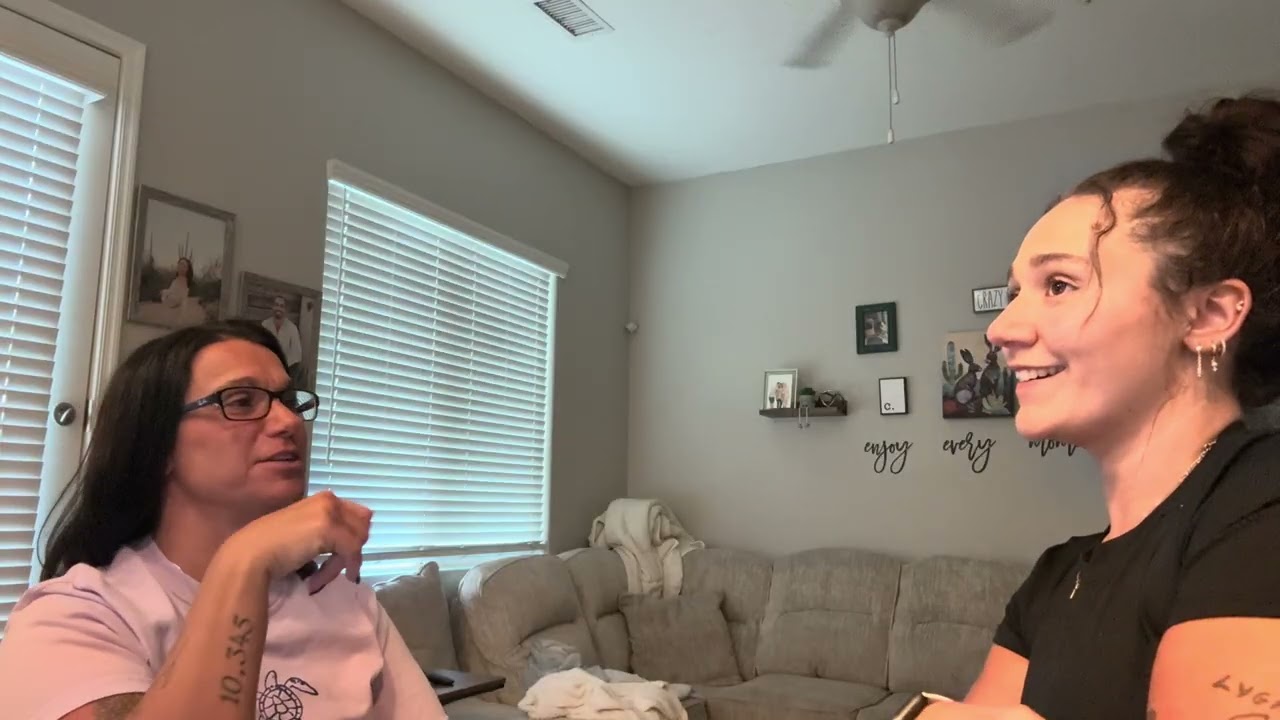
i'm sorry yeah and then you know i always put these on my youtube and share it so um i record it but then if we're talking at the end just the two of us obviously i will and the uh recording so that i'm not like just recording our private conversation um yeah that would definitely be awkward so this is journaling for depression um yeah and then um obviously my facebook that is fighting ableism and if you want to follow my events on eventbrite i'm called zebra support so here i have a quote that says i write entirely to find out what i am thinking what i am looking at what i see and what it means what i want and what i fear um which is pretty spot on for for like me personally for why i write so i always like to make my workshops as accessible as possible i'll do visual descriptions for anybody who's blind i always have captions for multiple reasons from people being deaf to having sensory processing disorder um and then i always have a sensory safe space so kind of low lighting and i don't you know yell and well it's just the two of us when i do have other people here i also ask them not to do that you know like no fluorescent lighting and stuff like that and then i also try to minimize background uh noise for anybody with like adhd and then large text for anybody with visual impairment and um then if i talk about anything triggering i'll mention that so that anybody with ptsd can prepare themselves or you know leave mute whatever they need to do and then i also never have any flashing lights for participants with epilepsy so my audience is people with depression people in therapy or mental health programs people who have depression that's coming back and people who like to journal and then also afterwards i i'm pretty sure that yeah i do have your email so i have made all these worksheets myself it's um a resource planning worksheet a self-care worksheet challenging negative thoughts worksheet a shame to pride worksheet and then asking for help worksheet so risk factors for depression it can be really difficult to understand why you have depression so it can be your genetics and family history history of trauma disability and chronic pain an unsupportive environment loss of a loved one or grief having a dual diagnosis or addiction being homeless or housing insecure or having food insecurity living in an unsafe area or just generally being unsatisfied with your life but everybody's different and we all have different reasons for being depressed people can also have the best life in the world and still be depressed because that is the fundamental nature of depression um so the objectives of this workshop learn how to journal to cope with depression learn coping skills for depression learn how to do resource planning learn how to challenge negative thoughts learn how to ask for help recognize the warning signs of depression use your journal to plan for self-care learn the power of affirmations and mantras use your journal to boost your self-esteem and cope with depression about the pandemic writing in a journal reminds you of your goals and of your learning in life it offers a place where you can hold a deliberate thoughtful conversation with yourself and i'd also like to add and not have to worry about anybody else's judgment their ableism sexism transphobia homophobia anything like that it's just you and yourself and it's always going to be a safe space so here is a an example journal routine um sometimes i will journal or dictate for hours so you can spend five to ten minutes challenging negative thoughts five to ten minutes reflecting on your warning signs of depression or um how you can tell that your depression is getting worse and then 20 to 30 minutes journaling out like coping skills for different symptoms of depression and then 20 to 30 minutes doing self-esteem exercises in five minutes um journaling about your support resources so how journaling can help with depression you can reflect on your issues again in a safe space gain insight on your problems visually see what you need sometimes that's like a mind map or a diagram even like a chart um plan self-care think about your warning signs write down reminders of your worth remember good times and write down affirmations so here are some methods for challenging negative thoughts if you have any kind of mental illness um from ocd to anxiety ptsd depression we all have intrusive or automatic negative thoughts that are very hard to cope with so the first method for challenging these thoughts is the cbt method which is recognizing cognitive distortions so write down your honest automatic thoughts and then look up a list of cognitive distortions which is like the most common ways that people with uh mental illness tend to see themselves or see a situation or see the world and then identify your distortions and there are even like apps that do this that make it like a lot easier and then you challenge the thought by kind of going against the specific distortion and you rewrite the thought to be more neutral and healthy and then another method of challenging negative thoughts is to treat yourself like a friend so we're always overly critical of ourselves so you write down your negative thoughts that are very critical and pretend like a friend is saying that and counter them with what you would say if a friend was telling you that they felt that way or was thinking those thoughts i do that because i struggle to have self-compassion with myself and tend to be more caring with others so treating myself like a friend does help even though it it can be a little awkward at first and then so resource planning is basically um looking at different types of resources like internal which is your experiences your knowledge your natural abilities whether that's mental emotional intelligence or physical abilities social resources professional resources and then physical things that you have that can help you so here are some examples of a resource plan so social friends you know i might say that would be you and another friend support group you know i would write down my favorite support group family i'm really close with my dad so i would write down my dad professional my life coach is a major player so i would definitely write down that and then my therapist is also very helpful and is also available like after hours so i'd also include him and also my health coach helps me deal with a lot of health things and this can be resource planning for you know and like i have resource planning for like patient advocacy and also then resource planning for mental illness and um having like a case manager for your mental health stuff is also very helpful and then for self-help therapistaid.com is very helpful they have a lot of free worksheets and they're all really good a lot of therapists and mental health programs that i've gone to actually use therapist aid um and so in like i said it's it's very uh clear and they have a massive variety and it's super easy to understand and always really helpful and then there's events um like this one on facebook or eventbrite there's a lot of like free very useful events and then journals and books self-care or workbooks that you have and resource planning can also include basically whatever else you want it can include specific coping skills specific places that you like to go whatever you can think of that you like to to use the most include that in your resource plan so next is the warning signs and then corresponding coping skills of depression obviously these aren't all these are just kind of the the top ones so a major one is apathy which you know is basically the inability to feel joy kind of not caring about anything and the coping skill for that is to plan positive experiences and to try to be mindful during them and the next one is to withdraw socially a lot of people aren't motivated or they feel very bad about themselves so they tend to withdraw from their social life so plan time with your friends and family and you can also challenge those negative thoughts that are telling you like oh nobody cares about me or all my relationships will fall apart that can also be very helpful and then another very common one is thoughts of self harm or trigger warning suicide for this one make a safety plan which is you know basically if you're having this symptom you know who to call who can help you who can come over and keep you safe you know the closest urgent care the closest er the closest doctor um the closest 24-hour place and so basically just being prepared for a mental health thing like crisis as well as you know kind of a a medical issue because of a mental health crisis and then sleeping too much or too little practicing sleep hygiene and also having a regular routine and exercising can help a lot and then another major warning sign is having no appetite and not eating enough or binge eating to try to make yourself feel better seeing a nutrition or dietitian and exercising to try to regulate your appetite is very helpful another one is procrastination because you feel unmotivated or you have such low self-esteem that you just feel hopeless or like loss of concentration is also very common so break down goals into smaller steps stay very very organized and track your progress and then also try not to overwhelm yourself like don't don't break down your goals into smaller steps but have like 20 goals you're working on you know have have like one priority and then stick to it and then do the next priority and then once you're done with that you can do the next one and then another the last warning sign is low self-esteem which can include body image issues self-hate a lot of different types of low self-esteem um even like social anxiety and self-compassion can really really go a long way um so here there's a quote against a black background that says a personal journal is an ideal environment in which to become it is a perfect place for you to think feel discover expand remember and dream and then i wrote a journal is a safe space to be alone with your thoughts and process your feelings here is another quote that says the most important relationship is the one you have with yourself you're always with yourself through all your hardships and you always hear yourself talk but we never think about our relationship with ourselves as one we need to fix or work on or prioritize so this kind of leads into my next section which is about self-esteem and turning shame into pride so a lot of people with mental illness feel ashamed of their mental illness and a big part of that is ableism and stigma and so here is something that i develop myself a way to take something that you're ashamed of and reflect and eventually feel proud of the fact that you do something to challenge it so take something that you're ashamed of and reflect on it consider how much you struggle with this specific issue instead of being ashamed of the fact that you struggle feel proud that you fight to change it be proud that you sustain any effort to change and improve your life instead of focusing on the outcome focus on how much effort and willpower you have had to push through the mental pain of depression instead of being ashamed of the fact that you have an issue be proud of the fact that you're doing anything to change it so here is an example i'm ashamed of having depression for so long it means that i'm weak depression is hard to deal with and living with it is a sign of resilience not weakness living with depression is a sign of my strength not weakness and i have many reasons to be proud of all the work i put in to taking care of myself my depression is difficult to manage but that doesn't mean that i'm weak um yeah so and then here is a wonderful diagram about what keeps low self-esteem going at the core there's negative beliefs about yourself which are fueled by negative thoughts and then there um that's the negative beliefs are fueled by speaking to yourself in a critical way setting inflexible rules about how you should be avoidance and safety strategies making anxious predictions and looking out for danger and so the unintended outcome of speaking to yourself in a critical way is that you often intended to be self-motivating but criticizing yourself is actually paralyzing and reinforces your beliefs and then setting inflexible rules the unintended outcome is that we set rules to try to protect ourselves but they are often too inflexible and hurt us in the end for the avoidance and safety strategy the unintended outcome is that you never get to find out whether your anxious predictions are accurate or not and then making anxious predictions the unintended outcome is being on the lookout for danger makes you more likely to notice signs even where there are none and so here are some ways to improve self-esteem um affirmations challenging negative thoughts turn shame into pride with the process that i just showed you get to the root of your self-esteem issues for example it could be trauma it could be internal ableism because of your disability challenge core beliefs that don't serve you uh with an evidence-based approach examine how negative events in your life have impacted your self-esteem look for patterns in your negative thoughts and then here are um oh and then also don't tell your productivity to your self-worth and here are some questions that you can ask yourself do marginalized identities impact your self-esteem does internalized transphobia homophobia or ableism impact your self-esteem so here is um a photo of many people saying affirmations to themselves like i love myself i'm unique i'm special and i'm feeling good it says affirmations and changing your self-talk can boost your self-esteem improving self-esteem involves self-awareness challenging negative thoughts and beliefs and setting realistic expectations you have to also have a healthy dose of acceptance and self-compassion to improve your self-esteem work on your body image don't compare yourself to others instead compare yourself to a past version of you so here are more strategies to work on your self-esteem reject perfectionism take an inventory of strengths and weaknesses set realistic expectations adapt your self-image appropriately explore yourself and don't compare yourself to others and then distinguish between your inner and outer beauty focus on the good rather than the bad understand more about what makes good friendships and create a habit of positive realism and then here's a photo of somebody looking at themselves in the mirror and the person in the mirror hugging them and it says i heart myself loving yourselves comes from understanding compassion forgiveness and accepting um so i'm just gonna stop a little bit do you have any questions so far or like comments no okay cool is my pace okay and is the level of background noise suitable for you your pace is fine and uh okay yeah i don't hear any backwards okay perfect perfect thank you okay okay so the power of affirmations personally i and i've had depression and anxiety my entire life i use affirmations all like every single day because it is one way for me to kind of reassure myself and it lets me have like a single phrase where i can kind of try to trigger a relaxation response so affirmations can help in many ways they counteract negative self-talk remind you of your worth and send a signal that you're capable of managing your depressed depressive thoughts how to use affirmations effectively affirm with faith affirm with positive feelings do not affirm absentmindedly affirmations are positive about the person making the affirmation short in the present tense and specific yeah like the more specific they can be the better you know like i make specific ones for very very very specific instances like for having a rare invisible illness when you're young like literally the most specific thing you can think of because the more personalized it is the more it'll feel like you and the more it'll reassure you and here there's a photo of a girl with flowers coming out of the top of her head and the caption is i have the power to change my world so asking for help is also incredibly important especially when you have something like depression so asking for help is a very important skill that allows you to delegate responsibilities when you are overwhelmed it is also essential to decrease shame when asking for help so plan who you will ask when and how have a list of people you know wouldn't mind helping you have self-compassion when you need a helping hand remember that nobody can do everything by themselves all the time then plan self-care for after you ask for help be strong enough to stand alone smart enough to know when you need help and brave enough to ask for it so self-care is also very important here's a quote that says put yourself at the top of your to-do list every single day and the rest will fall into place so basically saying that you know instead of focusing on things to do focus on yourself and how you want to be so there are several types of self-care such as social some examples are being involved with the people that you love talking through text and call with the people who are understanding and compassionate and going to support groups physical like resting or napping when tired eating when you're hungry and eating in a healthy manner exercising when you live a sedentary lifestyle and treating physical illness emotional which is doing activities or hobbies that boost your mood do a calming or relaxing activity practice mindfulness and meditation connect with your faith or find a deeper meaning or work through your emotions so prioritizing self-care here are just a few ways that you can prioritize your self-care put it in your calendar if you have trouble making time for self-care put it in your calendar um set reminders put it in your alarm or clear your schedule for a few hours so that you have a surefire set amount of time to practice self-care find or make a self-care worksheet fill out my self-care worksheet on the types of self-care what you need to do in the uh what you need to do as well as what could get in the way and how to troubleshoot for those instances have a self-care box all of your favorite self-care items in a box decorate it and save it for a bad day and then have a self-care day have a specific day of the week in which you make self-care your top priority give yourself the same care and detention you give to others and watch yourself bloom journal journaling increases your self-confidence it helps you look at how far you've come and how you overcame previous seemingly impossible obstacles writing about your successes and what's going right helps to ease depression and improve confidence as well as feel more secure in your life it helps you see all that you've accomplished in your life so a positive events diary is so so important it's kind of like uh gratitude but also reflecting on things that you've overcome and just looking back on the best times in your life so it has many benefits like decreasing anxiety and depression and improving self-esteem and competence so um here are some things that you can journal about what you've accomplished happy memory kind things that you've done for people or people have done for you and how that made you feel or how you've made other people feel with your kind actions happy thoughts that you have times you've been proud of yourself difficulties you've overcome how you've managed an illness or chronic problem times that you have turned around a bad day or you know something like favorites you know your your favorite pet your favorite flower favorite music favorite package you've gotten from somebody and then this is about pandemic depression obviously the pandemic has been hard on all of us but especially um you know if you already have a mental illness it can really really exacerbate that so here are some basics recognize grief and trauma if you've lost somebody let yourself take time to heal and don't expect yourself to get over it like it was normal sadness isolation for isolation over lockdown get involved over a zoom call or text get into support groups as well for sadness over another friend's grief if you're a very empathetic person give yourself some compassion as well in soft suit depression over financial situations find out what you personally can do and let go of the rest accept what you can't change or um you know maybe be proactive and talk to your boss loss of hobbies make your home your safe space and find new hobbies that you can do at home and then if you are high risk and stuck at home and you just feel scared all the time make sure to um do what you can to prevent that and make sure that you have like a counselor or therapist or just somebody who knows what you're going through and can support you through that so and then here are my tips for pandemic depression get a grief counselor if you've been struggling with a personal loss recognize trauma symptoms and give yourself time and patience get involved with others over zoom or even chat and find us a very supportive environment try new hobbies at home make home more enjoyable challenge core beliefs and negative thoughts be mindful of fear anger anxiety and sadness and take care of yourself take care of your body sleep eat and exercise as much as you can in a healthy way and don't be afraid to ask for help [Music] so now since we're both disabled um i am going to talk about how to make things accessible so if you have issues holding a pen i would highly recommend there's like this ergonomic pen where it's like in a y shape and that really helps because it takes all the pressure off of your um like joints and your fingers so that helps me a lot you know for both of us we have eds ring splints also help a lot for writing um and then if you just physically can't write that much i suggest using like a dictation app so that you can just speak and then it'll do um speech to text and you will be able to read what you've written and not just play it back or if you're a more audio based person you don't have to do that and you can just record it and then listen back to your notes and then if you're going to school usually you can get um like a program that will dictate for you or record for you and there's also a lot of good tools for example i have this fancy pen that basically had um it records everything that goes on and also it's like a lot lighter than a normal pencil and fatter so it's easier to hold and whatever i write it makes an electronic copy of that note so i um like have that forever so that just makes things like quite a bit easier for me as well um yeah and then also obviously just like making sure that you're resting and taking breaks and not overdoing it and then um you know you can also just try to for example it's a lot easier for me to type on a computer or type on my phone than it is to write with a pen or pencil so you can also get like a journal app and make your own journals and then like journal prompts and then fill those in with your phone or with your computer and you don't have to pick up a pen at all what do you think yeah my favorite pens are actually those like giant ones that are
Up Next
20:50
The Power of Vulnerability: Brené Brown on Human Connection
@TED
24.2M views•2011-01-03

12:54
Triumph of Orthodoxy Icon: Byzantine Art & History Explained
@BenCallan
2.1K views•2024-08-06

9:49
FastAPI vs Flask vs Django: Choosing the Right Python Web Framework
@TechWithTim
302.5K views•2024-05-26

1:42
Game of Thrones Opening Credits: A Cinematic Analysis
@gameofthrones
46.3M views•2011-04-18
Related Study Plans & Knowledge Roadmaps
Structured learning paths in General & Interdisciplinary Studies
general-studies
Elevator Engineering: History, Physics & Cities
01From Hoists to Safety Brakes: The Dawn of Vertical Lift
02Hydraulic vs. Traction: The Engineering Physics of Elevators
03Modern Speed, Safety, and Algorithms
+ 2 more learning modules
12h5 modules
Explore Roadmap
general-studies
Rubber: Material Science, History & Geopolitics
01Origins of Natural Rubber & Mesoamerican History
02The Chemistry of Natural Rubber & Vulcanization
03The Geopolitics of the Rubber Boom & Colonization
+ 2 more learning modules
12h5 modules
Explore Roadmap
general-studies
Containerization: Evolution, Logistics & Trade
01Ancient Trade & Bulk Cargo: Amphorae to Barrels
02The Industrial Revolution & Cardboard Packaging
03The Containerization Revolution: Malcom McLean
+ 2 more learning modules
12h5 modules
Explore Roadmap
general-studies
Textile Tech: Evolution, Labor & Global Impact
01Pre-Industrial Textiles: Handloom & Cottage Industry
02Mechanization: The Spinning Jenny to the Power Loom
03The Factory System & Global Labor Transformation
+ 2 more learning modules
10h5 modules
Explore Roadmap