




















Verbal de-escalation is a highly effective intervention for managing agitation, which exists on a spectrum from irritability to violence; the technique involves empathetic listening, calm communication, offering choices to restore patient control, and creating a safe environment, as it prevents escalation to restraints and violence while being faster and safer than physical interventions.
Verbal De-escalation of Agitation: A Clinical Simulation with Scott Zeller, MD
Added:Understanding the clinical definition and common etiologies of acute psychiatric agitation (e.g., psychosis, substance intoxication, delirium).
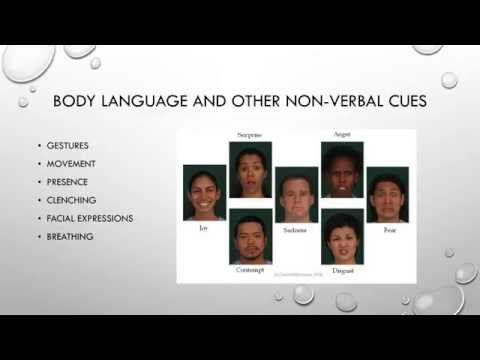
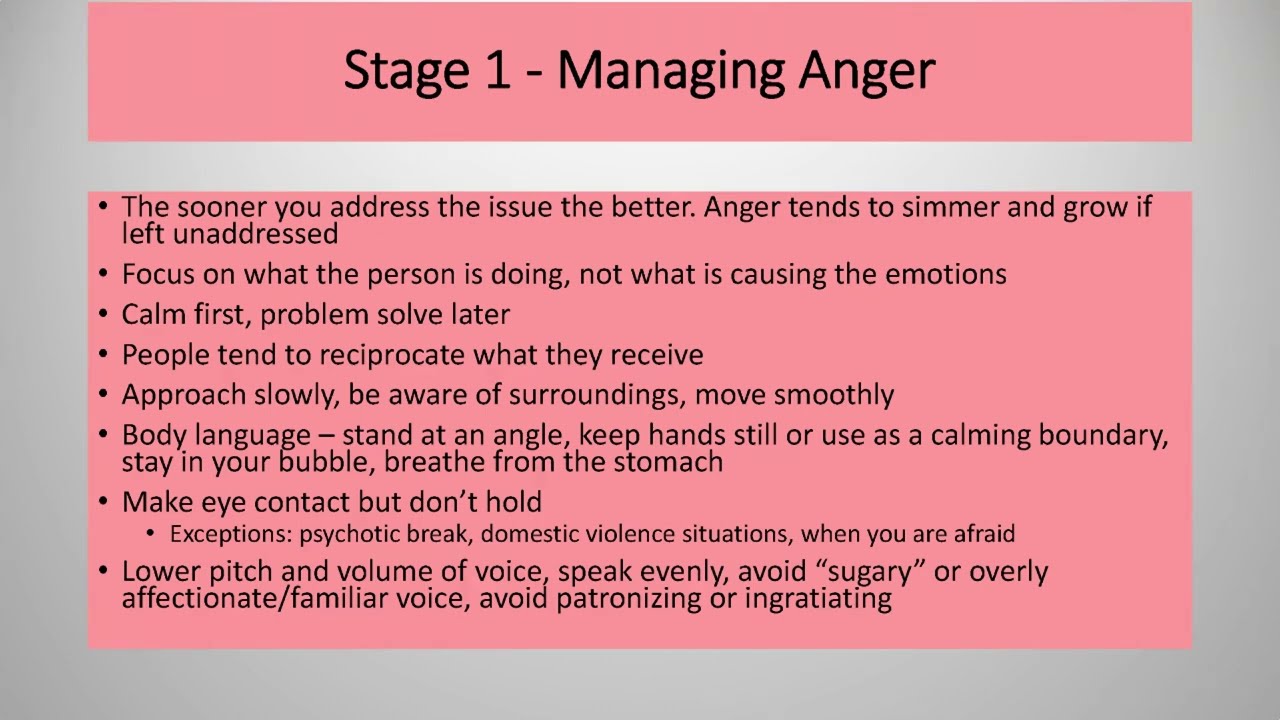
Fundamental principles of therapeutic communication, including active listening, empathetic validation, and non-verbal signaling (body language, tone, and personal space).
Basic neurobiology of the threat-response system (fight-or-flight) and how acute distress impairs rational cognitive processing.
Standard clinical safety protocols, including environmental awareness, positioning, and knowing when to call for emergency backup.
Advanced psychopharmacological interventions for agitation, including the safe and ethical administration of rapid-acting chemical restraints when verbal methods fail.
Implementation of the Project BETA (Best Practices in the Evaluation and Treatment of Agitation) guidelines within emergency and psychiatric care settings.
The legal and ethical frameworks surrounding patient autonomy, involuntary holds, and the minimization of physical restraint or seclusion.
Post-crisis debriefing methodologies for clinical staff and patients to analyze triggers, response efficacy, and prevent future escalation.
Specialized de-escalation techniques tailored for vulnerable or neurodivergent populations, such as pediatric patients, geriatric patients with dementia, or individuals with autism spectrum disorder.
596.3K views4.3Klikes9:14Original Release: 2015-07-06
this place what the hell is this place here Mr Smith Oh Mr Smith hi I'm Dr Zeller I'm one of the psychiatrists here I I don't can I to you I'm I need to leave I don't know what this place is I my door's locked you can't get out what can I do to help you you can get me out of this damn place well let's talk about getting you out of here until you can turn around and talk with me I can't help you who are you I'm a psychiatrist here my name is Dr Zeller and I'm here to help not to hurt what's going on tell me what's happening how I can help you we've estimated that somewhere between 20 and 25% of the uh folks that we see in our psychiatric ER will experience an episode of agitation during their visit with us so it's something that we we take very seriously and we want to intervene as promptly as possible uh to prevent bad outcomes and when we think about agitation we think of it as a spectrum where it can be a little less severe at one end where maybe somebody's irritable and Restless to up to the very far end where where somebody would be combative and violent and we definitely don't want to get to that end so we'd like to intervene at that at that near end what's going on tell me what's happening how I can help you I don't know who you are the police took my wallet all my ID I need to get the hell out of here I'm really scared I don't need to be be here okay it sounds like you're going through a real tough time right now yeah yeah I am when you go through a tough time like this what helps you to relax being at home I'm not at home right now am I that that can't really happen quite yet that's right but maybe if we talk a little bit about what's happening we can make things better no I want to talk to my brother where's the phone cuz I need to call the call the police I'm going to call 911 and get the hell out of here when somebody's going through an agit episode they're not a bad person even though may come across that way to some people like they're they're hostile or sarcastic or or or saying mean things to somebody um but what's really happening is that somebody is having a very very difficult psychiatric crisis and they really do want help they're just really not expressing it in such a way that that the average person would go oh this is somebody who needs our help the best way to work with somebody who is agitated is not to be agitated back to them and it's often easy to forget that In the Heat of the Moment if somebody's saying I don't understand why I'm here you don't say back to them just sit down don't worry about it we'll let you know because that's just going to make them more frightened and and can lead to more agitation one of the most important things not to say is sit down and shut up and it's so frequently uh something that people are going to say some version of that I'm going to call 911 and get the hell out of here we can talk about getting you're a doctor we can get you out of here it's a safe place though but it's going to take a few minutes we need to talk about why you're here I don't know what this place is this is a safe place it's a psychiatric facility and we see people in all kinds of different distress or not feeling that well and I understand you don't think that's going on with you I'm seeing all these people here and they're scaring me and there's people there's a guy over there look at all the staff they're talking to that guy what are they going to do to him a good deescalation in involves empathetic listening intervening in a calm way make sure people feel that this is a safe environment that we're here to help and not to hurt you aren't crowding them you're not glaring at them but you're looking like you're receptive and helpful SMI oh Mr Smith hi there is a certain way that we'd like to approach arms are going to be at your side your hands are typically outwards you're relaxed your knees are maybe bent just a little bit so you look at ease you're there safe and open and and welcoming I had a little bit over two arm lengths of space between me and our patient he had what we call a line of egress a way that he could Escape which we didn't want him to follow but he could see it and that would help him to relax nonetheless no I'm seeing all these people here and they're scaring sometimes when people are agitated their thoughts are kind of racing in their head they're not hearing things the first time so clearly we use these short phrases and repeat them until they really start to sink in everybody here is in a different situation but the this is a safe place we're here to help we don't hurt people we help people then why did the police come I think out of all the things what I really like to ask people is is what what can we do to help you what do you need right now what what what tell us what would make things better many many times have talked to uh individuals who've uh just undergone a psychiatric uh agitation crisis and they'll say nobody would listen to me everything would have been so much better if if if somebody just would have list listened let's talk about you what can we do right now to help you feel better I'm in a psychiatric hospital my brother put me in a psychiatric hospital it's a safe place it's a safe place it is a safe place and we're here to help so would they you like something to eat maybe something to drink would that help maybe going somewhere where we're a little bit away from all this rest of the crowd we can sit down and talk and you you can have something to eat probably the most important thing is helping people to to calm down and regain control on their own with a little bit of help from us one of the ways you regain control is if you feel you have your own ability to make decisions and so offering people choices gives them the chance to choose and gives them a little bit more of a say in what's going on around them and that in and of itself can help people to relax maybe they want to go to a room and lie down uh maybe with the with the lights dimmed a bit um sometimes people want to listen to music um maybe just just getting away from a stressful situation somewhere in the emergency room getting him to a different part of the emergency room could be enough maybe going somewhere where we're a little bit away from all this the rest of the crowd we can sit down and talk and you you can have something to eat I am hungry I haven't eaten for 12 hours cuz the stupid cops they kept me against my will and that's illegal never been in a place like this look you've never been somewhere like this before it can look a little strange and unusual like I said it's safe and this is a place where we help people and we want to help you how about we get you something to eat you and I can go and sit and talk while you have something to eat would that help I'd really rather just have just do what you need to do to get me out of here okay we can talk all about how we can get you out of here but first we need to sit down and have a chat get you a little something to eat sit down and we can talk this place okay well okay come with me we'll go get something to eat and we'll go sit down all right just I don't just stay close okay don't be close to me they say it would be faster just to put somebody in restraints and give them a shot but if you think about it when we talk about verbal deescalation we're usually saying just a few minutes maybe three four five minutes that should be all you really need uh and when you're only talking about five minutes and helping somebody uh compassionately to get better and and to relax and calm down um that much easier to do uh restraining and and giving medications actually doesn't isn't faster at all it's going to take a few minutes we need to talk about why you're here if you're going to put something in restraints first you have to get a big group of people together make a move on an individual take them down a nurses going and getting medications and then coming back and need staff again so that they can hold somebody down to give them the injection it's 20 or 30 minutes that you were doing because that was quicker than the 5 minutes of deescalation it really doesn't make a whole lot of sense when you look at it that way the other thing about it is is that we found out that the vast majority of assaults from patients to staff occur during that tackling an agitated person to take them down and put them into restraints it's really a win-win to try to do deescalation and intervene in this compassionate collaborative way as opposed to the old-fashioned restrain and sedate what's been really really amazing is that uh when One hospital is getting really good and they start having these great outcomes and the word gets around and then other hospitals want to pick up on it and pretty soon all the hospitals in a district or a region are doing it and everywhere we keep hearing about it we keep hearing the same great things where staff are getting really proud of what they're doing and they really feel that they're they're uh being Health Care Providers rather than jailers if you will having a different way to do things has been uh I think so exciting and when you do see that SE change in staff they get excited and they want to tell everybody else about it and the word continues to spread
Up Next

169:27
Psychiatry FMGE 2023 Flashback: Must-Know PYQs
@PrepLaddermedpg
79.1K views•2023-05-26

48:47
Graphic Medicine: Comics for Collaborative Healthcare Communication
@nationalpatientadvocate
189 views•2023-12-04

10:28
Neuroanatomy: Central and Peripheral Nervous System Divisions Explained
@AKLECTURES
136.2K views•2014-09-20
3:05
Stages of Labor and Vaginal Birth | Childbirth Animation
@nucleusmedicalmedia
52.1M views•2017-08-18
Related Study Plans & Knowledge Roadmaps
Structured learning paths in Medicine
medicine
Abnormal LFTs: Diagnostic Workup & Pathology
01Liver Anatomy and Basic Physiology
02Introduction to Liver Function Tests (LFTs)
03Hepatocellular vs. Cholestatic Patterns
+ 3 more learning modules
12h6 modules
Explore Roadmap
medicine
Analyzing Blood Smears: RBC, WBC & Platelets
01Introduction to Blood Components & Smear Preparation
02Normal Morphology of Blood Cells
03Erythrocyte Pathologies & Morphological Variants
+ 2 more learning modules
12h5 modules
Explore Roadmap
medicine
Mechanical Ventilation: Waveforms & Alarms
01Anatomy and Physiology of Breathing
02Introduction to Mechanical Ventilation & Core Modes
03Ventilator Settings and Waveform Interpretation
+ 2 more learning modules
12h5 modules
Explore Roadmap
medicine
Neuro Exam: Localization & Stroke Syndromes
01Foundations of Neuroanatomy and Vascular Supply
02The Neurological Examination: Step-by-Step
03Principles of Neurological Localization
+ 3 more learning modules
18h6 modules
Explore Roadmap