

























This video by Dr. Ankit Goel covers essential psychiatry topics for FMGE exam preparation, including thought disorders (delusions, flight of ideas, formal thought disorders), organic mental disorders (delirium, dementia, amnestic disorders), psychotic disorders (schizophrenia, delusional disorder), mood disorders (depression, bipolar disorder), anxiety disorders (panic disorder, GAD, phobias), and substance use disorders (alcohol withdrawal, opioid intoxication). Key high-yield topics include delirium as the most common organic mental disorder, anhedonia as a negative symptom of schizophrenia, lithium toxicity management, and the distinction between acute stress disorder and PTSD based on duration.
Psychiatry FMGE 2023 Flashback: Must-Know PYQs
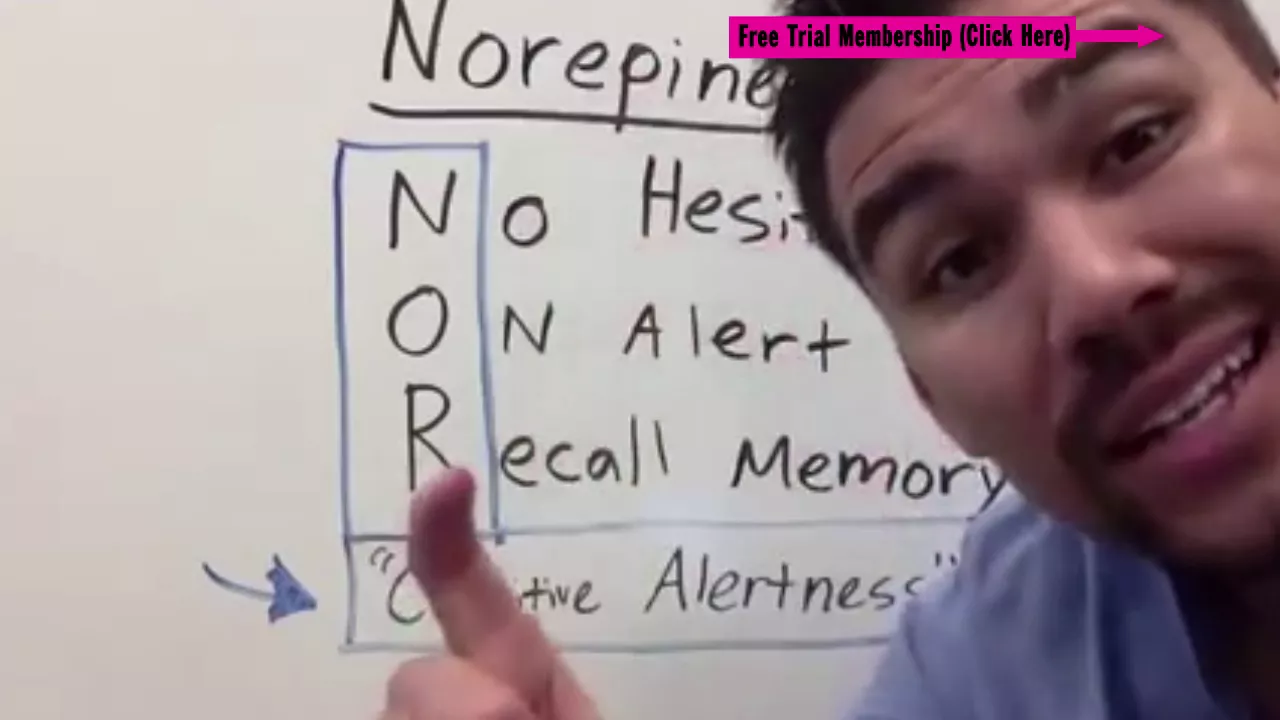
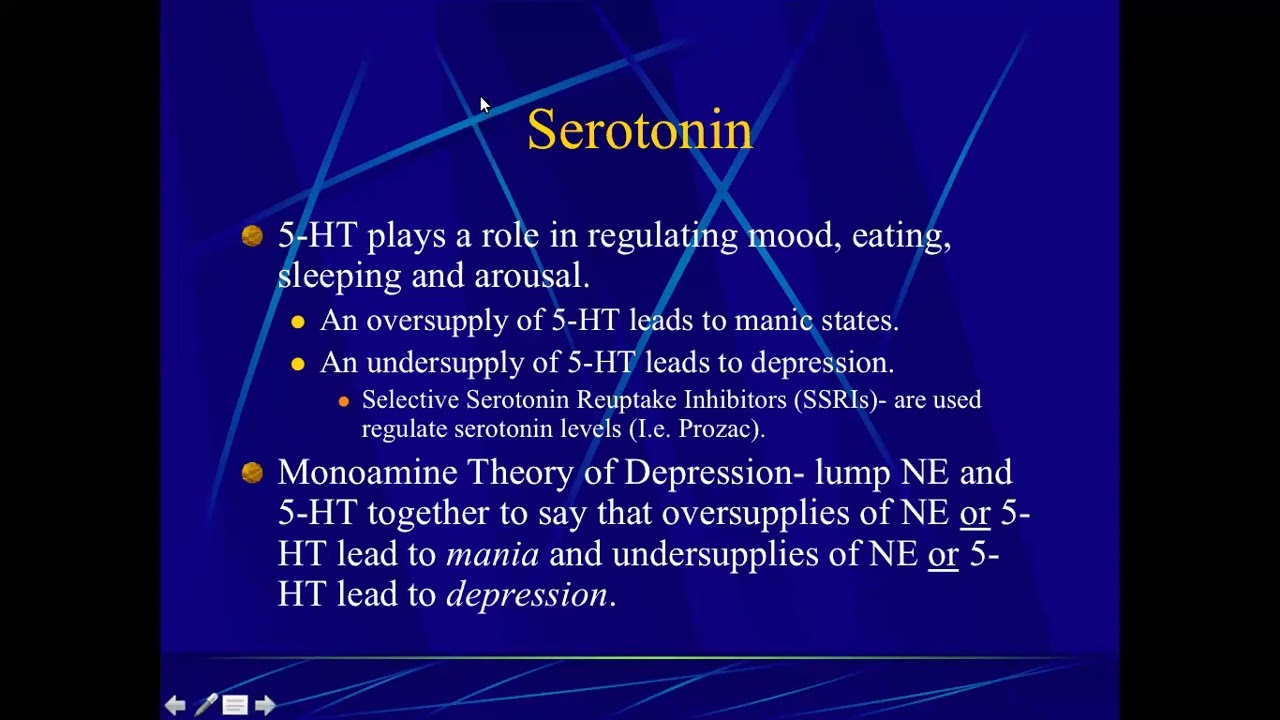
Added:Fundamental neuroanatomy and neurochemistry, specifically the roles of key neurotransmitters like dopamine, serotonin, GABA, and norepinephrine in psychiatric pathways.
Core diagnostic criteria from DSM-5 or ICD-11 for major psychiatric conditions, including schizophrenia, mood disorders, anxiety disorders, and personality disorders.
Basic classification and mechanisms of action of major psychotropic medications, such as antipsychotics, antidepressants, mood stabilizers, and anxiolytics.
Familiarity with the general format and question style of the Foreign Medical Graduates Examination (FMGE).
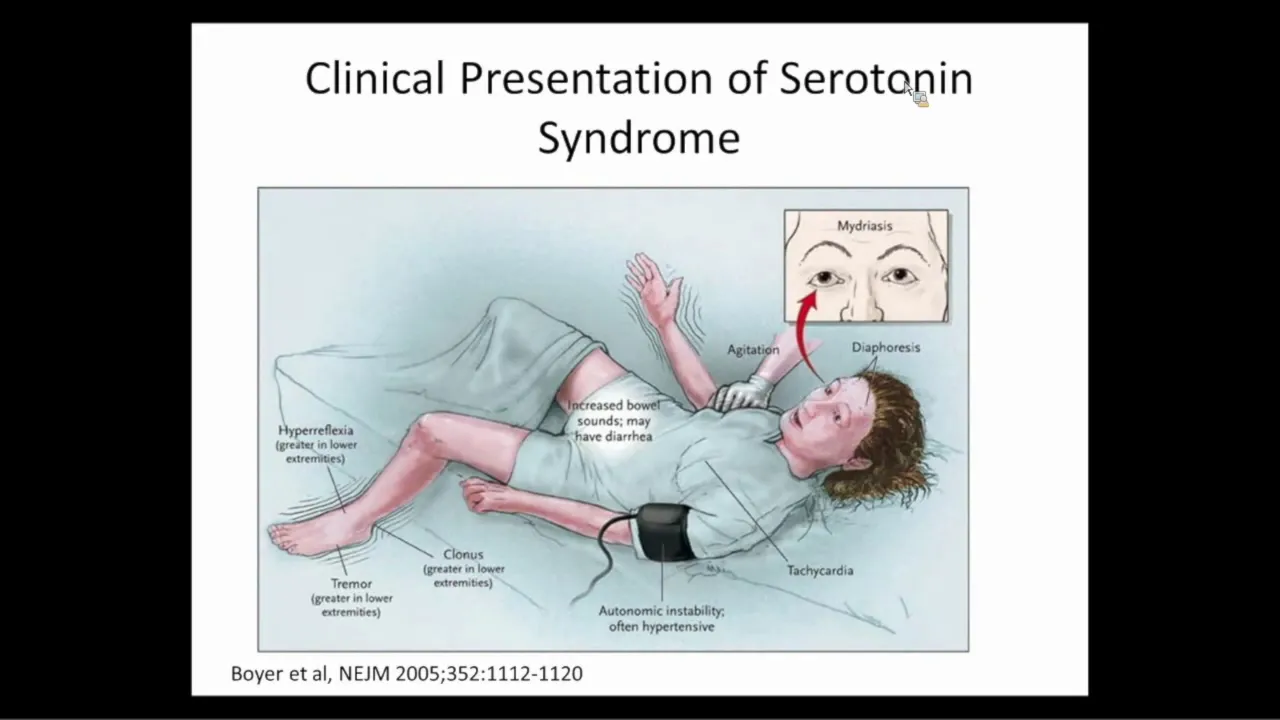
In-depth analysis of high-risk psychiatric emergencies, including the clinical management of Neuroleptic Malignant Syndrome, Serotonin Syndrome, and acute lithium toxicity.
Integration of Consultation-Liaison Psychiatry, focusing on how systemic medical illnesses (e.g., hypothyroidism, systemic lupus erythematosus) present with psychiatric symptoms.
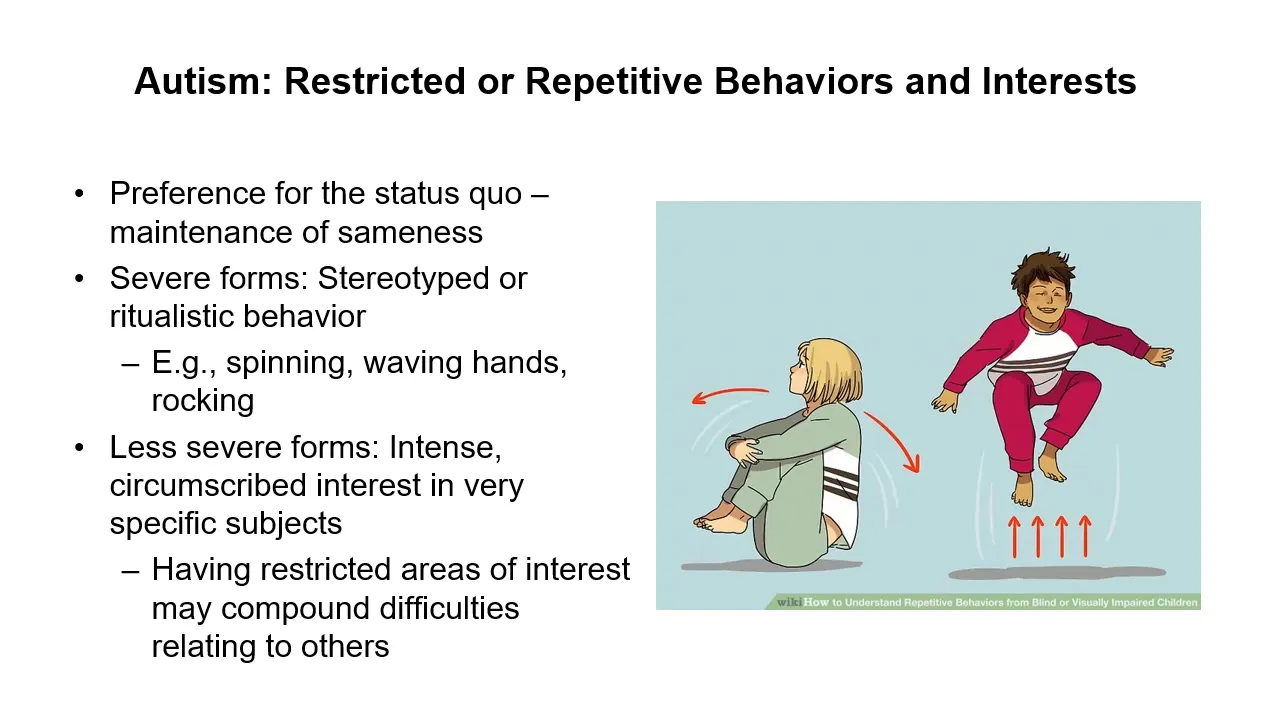
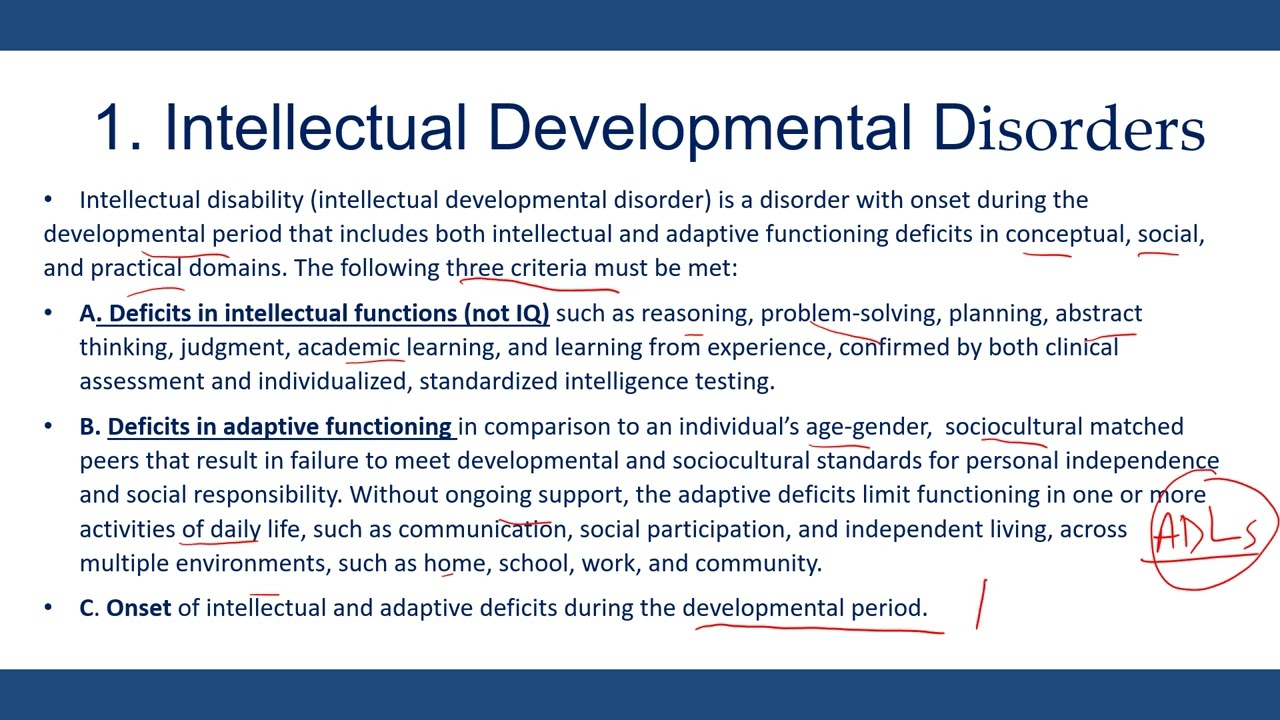
Advanced study of Child, Adolescent, and Geriatric Psychiatry, focusing on developmental disorders like ADHD/Autism and neurocognitive disorders like Alzheimer's and vascular dementia.
Participation in full-length grand mocks and subject-wise tests to practice clinical decision-making and time management under simulated exam conditions.
79.1K views1.7Klikes2:49:27Original Release: 2023-05-26
[Music] thank you [Music] so very good evening everyone good evening everyone let me know in the chat box if you can hear me well and see me well so very good evening everyone hope all of you doing good so today we are having a special session for the fmg students so very good evening everyone hope you're doing good all of you are doing good let me know the chat box let me know in the chat box if you can hear me and see me well good evening good evening yadav Khan good evening everything is fine good evening Paris okay great so we'll be having this session today as we are having session of different subjects so today we'll be taking up psychiatry great so thank you thank you Paris good evening Shalini good evening so what we're going to do is we're going to discuss the flashback we are going to discuss py cues of Psychiatry so we're going to discuss important pyq's good evening Dr David so we are going to discuss important previous year questions today so not just five years maybe seven to eight years questions important questions we are going to discuss and we are also going to discuss some important previous year topics which will be useful for our exam so as we all know the date has been announced it is on 30th of July so roughly 65 days we have so we're going to cover some important High yielding topics and high yielding points I'll be covering and very very important today we'll be discussing fqs fqs are the future questions expected you know questions which you can expect in the exams they may appear new questions which we'll be discussing covering those questions also in the in the session today so good evening subashis so let us start with the first question let us you know I will I will be covering these questions according to the topics so the first topic which will be covering today is the basics again let me let me tell you Basics the topic of basics of Psychiatry is very very important each time you get one or two questions from this topic so what is the answer what is the answer of this question delusion is a disorder of which of the following so let us see so delusion is a disorder of is it thought affect perception or memory very good yes the right answer is yes it is a disorder of thought so please have a look at this some simple questions also come so what is delusion so as we all know that thought under the MSC is divided into four domains one is flow of thought content of thought form of thought and possession of thought and delusion comes under delusion comes under it comes under the content of thought so this also may be told good evening yes very good so dopamine Agonist Paris doctor yes it is a so what is delusion delusion is a false belief it's a false fixed firm belief which is held with extraordinary conviction delusion is a belief which the patient is holding although it is false but he is convinced for example a patient says that my neighbor wants to kill me everybody is trying to tell him that it is not true but this belief that the neighbor wants to kill me he is holding it firmly and he is not you know thinking otherwise so what is this this is delusion so there are various delusions can anybody tell me what is which is the most common delusion in psychiatric design orders we see which is the most common delusion the most common delusion is delusion of persecution delusion of persecution so the example which I just gave you so person believes that someone is planning to harm me or kill me this is delusion of persecution very good doctor RJ very good so then there are other delusions such as delusions delusion of reference wherein the person feels that things are occurring in reference to him like people are talking about him or someone is spying on him so these are some of the delusions so please remember it is again very very important you should know what all abnormalities come under flow content form possession can anybody tell me can anybody tell me quickly Obsession comes under which of the domains of thought Obsession very good yes there is grandiosity wherein the person you know have false big claims that maybe you know I have Supernatural powers or I know famous people very good that is also there so can anybody tell me where does Obsession where does Obsession comes so it's you know a question for all of you obsession Obsession very good very good yes yeah the yes Swan very good all of you are correct obsession is a disorder of possession of thought we will talk about Obsession in the in OCD yes it is under position now let us come to the next question again very interesting question please have a look in the basics in the fmg exam many times they are asking questions like a psychiatrist is talking to a patient psychiatrist you know patient is saying certain things and then they ask you what is this phenomena so the next question again very interesting question a patient says home is sweet sweet in diabetes diabetes urine has smell smell is hell what is this symptom can anybody tell me what is the symptom the options are tangentiality flight of ideas neologism loosening of Association what is the right answer here please see here if you see is there any connection between these thoughts although these thoughts may appear illogical but is there any connection can you see any connection in these thoughts home is sweet sweet in diabetes diabetes urine has smell smell is hell again this is your fmg 2019 question this is very importantly please remember this is flight of ideas this is flight of ideas which is a abnormality of flow or stream of thought we'll talk about this while all the others all the others that is tangentiality neologism and loosening of Association can anybody tell me under which domain of thought can anybody tell me under which domain of thought these come tangentiality neurologism and loosening of Association they come under form form of thought so we'll talk about this as well so this is flight of ideas let us understand so again flight of ideas is an abnormality of flow so flight of ideas what happens flight of idea what happens there is increase there is increase in the speed of thoughts so in the in the mind of the patient the thoughts are occurring very very fast one third second third fourth fifth so the patient is speaking very very fast my name is so patient is speaking very very fast but these although these thoughts may appear illogical but they still have some connection these are connected so each of these thoughts may be connected there is some connection this connection can be either by chance that can be either by chance or another example you know let me give you another example I always give this example you know if the patient says my name is Virat I like playing cricket cricket is a game of gentlemen gentleman is my friend Mukesh Mukesh smoke cigarette cigarette causes cancer cancer is my zodiac sign is something like this so one thought is connected by other by chance factor or it may be connected by what is known as clang Association which is rhyming words okay so patient may say like this Ram can Singh Birds having I am the king the phone goes string tring the weather is spring bring bring bring something like this so if you see these thoughts are connected by rhyming so this is flight of ideas please understand in the written question you may not be able to analyze the speed until unless they tell you that the speed is increased but see how these thoughts are connected in Flight of ideas these thoughts are connected very very important this is your fmg question you should know these concept so is it clear to everyone flight of ideas now can anybody tell me one important condition in which you find flight of ideas it is seen in can anybody tell me where it is seen where it is seen can anybody tell me it is seen in which condition it is seen in Mania it is seen in Mania so this is again very very important especially thought thought is a very important topic in Psychiatry many questions have been asked from this topic now let's come to the next question again if you see similar questions have been asked a psychiatrist ask a patient yes very good Paras very good very good yes it is Mania disha yes it was Mania now let's come to the next question now a psychiatrist asked a patient how is your mood and the patient replies it is going up and down what is this likely phenomena so what is this phenomena what is the answer to this question anybody see this is the question of your exam Riya very good okay be yes this is again very very important topic again under thought only we will discuss this is tangentiality the right answer is tangentiality let us try to understand if you see this is some basic questions they are asking you should know these Concepts so now let us come to form let us talk about form so form means organization you know so our thoughts are organized so if there is disruption of form we say there is disorganization of thought so this so if the form is abnormal we call it as formal thought disorder formal thought disorder okay so they may just ask you which of the following is a formal thought Disorder so you should know what some of these important formal thought disorders so let us try to understand from the name itself first is loosening of Association so the name is telling you loosening of association means that the association or The Logical connection between the thoughts have been broken so there is a break in the normal connection so what will happen the patient will speak things you will be able to understand words but you will not be able to understand the meaning for example patient may say I will eat I will come back I will book a cab I will order coffee I will not go so patient is saying certain things you are able to understand the word but you are not able to understand the meaning this is loosening of Association if you see the previous question in this question sometimes we may confuse this question with loosening of Association so it is not loosening of a solution because we know the connection is seen in Flight of ideas okay so let us come back so one is loosening of Association second is derailment let us try to learn from the name what is the meaning of derailment derailment means that the train or the rail is moving on track and suddenly it gets derailed so what is happening the person's thought jump of the track to go to a new topic so patient is speaking to you on a topic so patient is talking to let us say the patient is talking to you that you know the weather is climate is becoming hot humid I think I should you know take out my you know summer clothes and you know the patient suddenly changes the topic I'm watching you know IPL matches and you know this team is doing well so the patient has changed the track this is derailment sometimes also known as night's move thinking next is tangentiality again remember it from the again remember it from the name what is tangentiality in tangentiality so let us try to remember it with the name what is a tangent to a circle Circle tangent to a circle is a line which touches the circle at one point and goes away does a tangent ever comes back to the circle no so what is tangentiality the person touches the topic so you ask some question to the patient he touches the topic and he goes away but he never returns to the gold he never returns to the goal okay yes the goal is not rich we will discuss about that in the question okay so this is tangentiality is it clear in derailment the person should be on track and then there should be evidence that he has changed the track he's going to a new topic while in tangentiality the person touches the topic and he goes away he does not come back to the topic lastly what is neologism what is neologism in neologism as the name says Neo means new logism logos means word so person you know out of nowhere he uses a word which is not there in the language known to the patient so suddenly out of nowhere you're talking to a patient normally and suddenly the patient may say that I bought a new Pratt Knit Wit so you know he knows only English language and suddenly he says that doctor I've got a new pratinate with so again you know you will say what is this so he has derived a new word whose derivation we cannot understand this is neologism all these formal thought disorders can anybody tell me in which condition very good parts yes coining of new words yes anju can anybody tell me about the formal thought disorders in which condition you will find you will find it in schizophrenia I will talk about this so basically formal thought disorder means disorganization so we will talk about schizophrenia and one of the symptom criteria is disorganization of speech or thought now let us go to this question now this is again it may be an incomplete question but let's try to answer this question so you ask a question how is your mood it is going up and down this is what he's saying now it is not clang Association of course you know so clang Association you we know that you know to be slang Association patient has to speak certain number you know a lot of things and then we see some connection neurologism again there is no word which is new right now between derailment and tangentiality please understand to make it a derailment first we should know that he is on track and we should also know that he has changed the track he jump off the track that is not evident now he's saying it is up and down he's not saying it is happy and sad this is this is what we are assuming so maybe he's just touch that topic so he starts the topic again it seems to be an incomplete question but out of the four the best answer is tangentiality tangentiality very good yes that is seen in formal thought disorders these are seen in schizophrenia is it clear to everyone these are very conceptual questions you should know the important concept behind these terms is it clear to everyone as you can see they are asking simple but they are asking conceptual questions okay this question was asked in need PG exam for which one of the following is a formal thought disorder and in that the answer was derailment so such simple direct questions may also be asked from these topics right now let us come to the next question again this is your 2019 question a person finds decrease in interest in activities which he would enjoy previously what is this then yes then it would have been had been happening so then you would have been direct then that wouldn't become a question you know had it been seen directly he has said happens and then you know he's answered your question then it was you know we could not have identified very good what is this this is yes this is anhedonia very good so all of you are marking it correct yes so please see such simple questions are you know being asked from this topic very important so there is a decrease interest decrease interest in previously pleasurable activities so patient says sir earlier I used to enjoy going to movies you know going to a kitty party you know doing you know listening to my favorite music but now I don't find interest in these things now can anybody tell me in which conditions you may find anhedonia where will you find anedonia first again simple we can find it in depression we can find it in depressive disorders any other condition can you find anhedonia in anybody yes it is correct very good yes it is it can also be seen in schizophrenia very good even in schizophrenia in fact we'll talk about this there are negative symptoms of schizophrenia we'll talk about positive negative symptoms it is one of the negative symptoms of schizophrenia very good okay is it clear to everyone what is alexithymia what is alexithymia again this is a option which is given alexithymia is inability to be aware patient is not aware or is not able to describe or is not able to describe his emotions he is not aware or is not able to describe his emotion that is alexithymia initiality we have discussed a sociality again a sociality is also a negative symptom that means decrease in the socialization decrease in drive to socialize very good we'll talk about will talk about the negative symptoms very good five important symptoms yes so please have a look such simple questions come now this is your no question of 2023 so again this is a 2023 the latest you know last exam question on MSC what is MSC MSC is mental status examination so examination psychiatric examination which we do in a patient it is known as mental status examination so patient is asked to subtract 7 from 100 what are you assessing what is the answer so again these are again recently this is a recent last exam question the orientation attention confusion or concentration the right answer is yes it is concentration let us try to understand so what are they assessing they are assessing higher mental function so in MSC VSS higher mental function or cognitive function some of these important cognitive functions one is orientation we ask the patient about time place and person so orientation is with respect to time place and person so right now all of us are aware of the time the day the date the month the year so we are oriented to time we know where are we right now so all of you know where are you right now so this is your oriented to place and also you know people around you who are there at present you also are aware oriented of the person so this is orientation this is orientation right next is attention what is attention beta what is attention attention you know in school days teacher would say pay attention so what is the teacher trying to say that pay attention to my voice so pay attention to a specific stimulus so this is attention how do we check attention in a patient the test which we do to check attention is digit repetition test or digits PAN test so what is this as the name suggests we give some digits or numbers to the patient and the patient has to repeat those numbers it can be either in the forward Direction so suppose I give the patient this digit 2 7. so patient also has to repeat it in the same direction we will say 2 7 then I will increase the number of digits so this is digit forward digit backward is when I give digits to the patient and he has to repeat it in the backward Direction okay so these are the test for attention if you have to choose one between digit forward and backward then for attention this is a better answer okay so this is about attention what is concentration you know many times you know we all of us say you know that you know sir I am not able to concentrate after half an hour of study I lose my concentration so what is concentration concentration is sustained attention attention for a long time so how do we assess concentration the test which we do is serial seven subtraction test or 100 minus 7 test very very important so we tell the patient to subtract 7 out of 100 whatever the answer comes keep on subtracting keep on subtracting okay so if you can see you know to do this task the person has to sustain his attention so what are we checking we are checking concentration is it clear to everyone beta the this is not orientation for orientation we'll ask about time place in person attention is not there confusion basically if the person is disoriented then person may be confused may appear confused so this is concentration is it clear to everyone again these are important questions let us come to the next again a very very so we've talked about some questions which have asked from the basics so I'm going to in this you know session what I am going to also try to tell you is you have you know 65 days so while we are preparing we'll focus on some of these important previously asked topics so Basics you have seen many questions have been asked the second topic which you are going to discuss it's a small topic it's a small topic that is organic mental disorders but if you see especially if you see especially in your fmg exam lots and lots of questions have come in you know somewhere or the other in certain exams ok so this is a very important short but important topic for you and one important thing which I would want to tell you is many times especially in Psychiatry questions what did they what the examiner do is they play with words they will ask you a simple question but they will change the language so you have to see what they are trying to ask let us see this is a simple question we talk about this all the time which of the following is not suggestive which of the following is not suggestive of a medical cause of mental illness first of all let's try to understand what they are asking when I say medical cause of mental illness that means there is a there is a visible there is a apparently visible cause a medical cause of mental illness so what is this known as beta this is what is known as organic mental disorder now let me reframe the question for you the question is now which of the following is not suggestive of organic mental disorder now can you answer this question they trying to ask you which of the following this not is also important but they are asking you which is not suggestive of organic mental disorder now can you answer this question let's try to answer this question again so the options are elderly age organic mental disorders we know like delirium dementia may be seen in elderly age acute onset we know delirium one of the organic mental disorder has a acute onset loss of consciousness delirium we know that there is impairment of Consciousness can anybody tell me in which in the organic mental disorder which hallucinations we often discuss is more common which Hallucination is more common in organic mental disorder what are hallucinations better hallucinations are disorder of perception it's a false perception without any object for example patient is saying I am able to hear some voices nobody is able to hear any voice but the patient is able to hear it clearly so this is a false perception without any real object similarly patient may say that I can see something there is a person standing you know just next to me nobody can see but he is able to see this is visual hallucination so we always discuss so which hallucinations are more common in organic so what they've done is they have just twisted or they've played with the word the so we know in organic mental disorder the hallucinations which we often see is visual hallucinations visual hallucination so this is the answer it is d d is not suggestive in fact in psychiatric disorder overall we say auditory hallucinations are the most common but organic mental disorders we say visual Hallucination is it clear to everyone this is very very important please see these questions simple question but Twisted language many times they've done this so we know psychiatric disorders are divided you know again it's a previous you know way of classifying these disorders as organic disorders and functional organic means there is a visible apparent cause for example someone has developed a head injury after which he develops some psychiatric symptoms or someone has developed Encephalitis you can you know take out the you know counts blood count CSF counts and you can see it functional is that a disorder has no apparent or visible cause so it is divided into neurosis and psychosis now we know that nothing is functional even you know depression schizophrenia they also have some cause neurotransmitters are involved genetic factors are this is the old way of classifying but again understanding this classification is useful organic mental disorders are now known as in both DSM 5 and ICD 11.
very good yes ICD 11 they are now known as neurocognitive disorder please better look at the name neurocognitive disorder that means there is impairment of cognition so there are cognitive you know functions are impaired with a neurological cause with a cause neurocognitive disorder let me give you again briefly idea about these disorders again I am saying this is a small topic but many times they've asked question so let us see neurocognitive disorders three important neurocognitive disorders one is delirium the other is dementia and the third is organic amnestic disorders can anybody tell me which is the most common which is the most common yes anju there is no stimuli present in hallucination yes can anybody tell me which is the most common organic mental disorder please remember the most common is delirium it is usually acute in onset suddenly the symptoms will develop now delirium first is there is impairment of Consciousness very good yes all of you are correct yes it is delirium is the most common Consciousness is impaired so consciousness of the person is impaired this is important Consciousness is impaired how do you know in the question so you know what words or what symptoms will be given that will tell you so please try to remember so they may tell you that there is altered sensorium okay sensorium is altered or they may tell you that there is clouding of Consciousness there is clouding the in the clear sky now there are clouds so clouding of Consciousness there is confusion patient is appearing confused or they may tell you that there is disorientation patient is disoriented to time place and person this is suggesting that there is impairment of Consciousness and along with impairment of Consciousness even the cognitive symptoms even the cognitive symptoms are also impaired okay so what are the cognitive symptoms we will talk about this because it's a neurocognitive disorder we know cognition is also impaired very importantly is there is impairment of Consciousness next is dementia next is dementia and dementia the Consciousness is in intact only thing which is impaired is cognition only cognition is impaired so what kind of symptoms you may get in dementia so you may get symptoms such as amnesia amnesia means loss of memory there may be aphasia loss or impairment of language there may be apraxia very good yes apraxia praxia means movement loss of fine movement such as symptoms like patient is not able to comb his hair not able to button unbutton his clothes and not able to tie untie his shoelaces such problems may be there and there may be agnosia patient is not able to identify objects show him this pen and he will not be able to identify is not able to identify faces so such cognitive impairments are seen in dementia with clear Consciousness OK while in Delirium both Consciousness and cognition are impaired delirium is usually acute in onset is it clear yes now then next is amnestic disorder but as the name is suggesting in amnestic disorder out of the cognition only memory is impaired so can you see this flow or hierarchy where you know what we have discussed so only memory is impaired that too only recent and remote memory is impaired one of the very important you know cause you know which leads to amnestic disorder will discuss about this is korsakov syndrome is korsakov syndrome what is Korsakoff where will we study korsakov syndrome so korsakov syndrome where we'll be studying korsakov we will study yes patient forget daily routine yes cognitive symptoms very good so korsakov syndrome we will talk about in alcohol in alcohol it is occurring because of it is occurring because of vitamin B1 deficiency so there we will remember that what all symptoms may be there Amnesia may be there is it clear to everyone now let's talk about this again I am telling you questions on this topic has been you know being asked again and again so it's a 2018 question I'll also discuss some more in older question also so that we get an idea of what type of question so this is an important topic most common organic mental disorder we have just discussed very good it is delirium very good so I am happy yes you are answering correct yes it is delirium you have discussed this right again the pre-seen 2021 also question has come from this topic deficiency of which of the following is a reason for cognitive impairment in old age what are they trying to ask you so they are trying to ask you deficiency of which of the following is causing indirectly they are trying to ask you Dementia or dementia is cognitive impairment and usually it is seen in old age isn't it so they are trying to ask you so please see the words they often play with the words like this so try to see what they are actually asking so now can anybody tell me deficiency of which of the following deficiency of which of the following very good one of the most important vitamin deficiencies which you should remember is vitamin B12 vitamin B12 others can also cause some of them but the very important deficiencies which you should remember is vitamin B12 let's try to see you know so in types of dementia we divide dementia into reversible and reversible most of them are progressive but around 10 to 15 percent of the dementias they have a reversible cause and this question again has been recently asked in the last ionic exam so they had asked the question which they have asked you in your examine you know they had asked now currently in the initi exam let us try to see some of these causes so Neurosurgical causes such as normal pressure hydrocephalus or such as subdural hematoma or Hemorrhage or Suppose there is a tumor in the brain there is some abscess you treat it and the dementia symptoms will be reversed so Neurosurgical conditions Neurosurgical condition yes we'll talk about corsico very good next is infection so infections such as Encephalitis neurosyphilis you treat the infections the dementia will be reversed very importantly again metabolic causes so metabolic causes and one of the important causes which I want you to remember is deficiency of vitamin B12 other deficiencies can also be there but yes vitamin B12 even endocrinal disorders and again very important endocrinal disorder which you I want you to remember is hypothyroidism even hyperparate hyperthyroidism hyper and hyperparathyroidism can cause reversible dementia so again these are important these are important points and even some other factors such as alcohol chronic use of alcohol can also cause dementia it causes certain other neurocognitive disorders which we will discuss such as vernikes and korsakov usually discuss that but alcohol can also cause dementia which is usually reversible so if a patient stops taking alcohol the dementia may get reversed in an ear even the changes in the brain may also be reversed so these are some of the important causes please remember this I always say you know hashtag anything which is trending I put a hashtag you know this is a very important topic which you should be thorough with is it clear to everyone now let's talk about this another question again in 2021 it was asked elderly male patient is diagnosed with Alzheimer's disease which of the following neurotransmitter is reduced in this condition so what is the answer let me add one more option let me add one more option let us say they also mentioned glutamate let us say they also say glutamate so I've just added one more option so tell me what is the answer Ria okay B so some of you have very interesting names and you very good yes all of you are correct it is acetylcholine very very important acetylcholine is reduced glutamate also you know is you know there is also changes glutamate in fact glutamate is increased so they have asked which of the following neurotransmitter is reduced very good so the answer is acetylcholine so Alzheimer's disease in fact is the overall most common type of dementia Alzheimer's disease is the most common type of dementia some of the important neurotransmitter changes which occur is one is there is a decrease in acetylcholine glutamate is increased microscopically if we see so if we try to correlate with pathology microscopically we see that there are amyloid plaques a beta deposits are there and also neurofibrillary Tangles now in this one slide we have mechanisms of three drugs so So based on the etiology we can also remember name of the drugs which are used okay so let us try to correlate with the drugs again psychopharmacology is a very important topic which they usually ask two to three questions may just come from psychopharmacology now so in the treatment in the treatment so let's try to correlate with the etiology we know that there is a decrease in the acetylcholine so we use a drug which are cholinesterase Inhibitors so basically acetylcholine is broken down into acetyl and choline so what we do is we inhibit this enzyme so what will happen there will be increase in acetylcholine so this is again we can correlate with the with the etiology so some of the drugs such as takarin I hope you know all these drugs takarin is not used because it is hepatotoxic other drugs such as dhoni basil can you name some of these drugs donepezil Riva stigmin Riva stigmin and galantamine ok now then next we also know we also note that there is a increase in the glutamate so we use a drug which is momentine what is the mechanism of action of momentum can anybody tell me what is the mechanism of action of momentum May maintain very good yes galentamine is yes cholinesterogrammeter what is the mechanism of action momentum is a n m d a antagonist it is a nmda antagonist now nmda is basically a glutamate receptor so we know glutamate is increased glutamate is excitatory neurotransmitter and excess of it is neurotoxic so we are using an antagonist momentum okay so this is the second drug then we now have another drug third drug which is FDA approved so we know this is especially for Alzheimer's dementia so we know amyloid blocks are there so we have a new drug addu can you map can you remember yes you can and you can you map so the map is telling you it is a monoclonal antibody it is a human IG G1 monoclonal antibody and what it does is it helps in clearance of these a beta the amyloid plugs which gets deposited it helps in their clearance so what is which dementia it is treating it is treating the name is telling you Alzheimer's Dementia or Alzheimer's disease is it clear to everyone this is a new drug FD approved drug for the treatment of Alzheimer's disease so it is also known as targeted therapy so the above Two drugs usually help in just slowing down the progressions now we are saying it is treating the Target or the Cause right so this is again an important new drug you should remember this is it clear to everyone this is the treatment now this is one slide which I want all of you to remember again this is a important topic Louis body dementia Louis body dementia again it's a progressive dementia Louis body Dimension now we say is the second most common overall cause of dementia earlier we used to say vascular dementia but now we say that Louis body dementia is a second most common overall cause of dementia this is important you should also know some important core features core features of Louis body dementia again these are questions which may come in your exam first is there is fluctuating cognition so cognitive impairment is there that is fluctuating visual hallucination we have discussed that Mutual hallucinations are more common common hallucinations of organic mental disorders or visual hallucination in fact this is in the core criteria of Lewy Body dementia so patient having cognitive impairment he is seeing someone although nobody is around and the third is he has motor features of parkinsonism such as Tremors rigidity Brady kinesia so this clinical picture may be given cognitive impairment visual hallucinations and motor symptoms what is the diagnosis Louis body dementia and in microscopically what will you find microscopically the name is telling you what will you find you will find Louis bodies you will find Louis bodies but please remember a very close differential diagnosis a very close differential diagnosis of this condition is Parkinson's Disease Parkinson's disease so we know in Parkinson's disease we know there are motor symptoms Parkinson's disease Also may have dementia so cognitive impairment and visual hallucinations can also be seen so all these three features can also be seen in Parkinson's disease and even Lewy bodies can be seen in Parkinson's disease so a very close differential diagnosis of Lewy Body dementia is Parkinson's Disease how clinically we differentiate Lewy Body dementia with Parkinson's disease so basically we say that in Louis body dementia the cognitive symptoms usually occur first or if the motor symptoms occur they occur together so cognitive symptoms and motor symptoms either they occur together or cognitive symptoms occur first while in Parkinson's disease there are motor symptoms first and then there are cognitive symptoms and usually the difference is around one year so if the patient has predominantly motor symptoms initially and after one year the cognitive symptoms are dwell then it is moved towards Parkinson's disease otherwise the picture is very similar very good yes is it clear to everyone this is a very important Point may come in your exam as a as a question okay now let us come to this question again a 2018 question so such questions may come where we we may have to just apply certain basic knowledge and will be able to solve all are used in the management of a violent patient in Psychiatry except so if a patient has become violent so what all can be used if you have to serve which which is not used so ECT we know ECT is electroconvulsive therapy sometimes it can be used benzodiazepine yes to calm the patient to sedate the patient and haloperidol also it's an antipsychotic first generation antipsychotic we often use to you know in in agitated patients cognitive behavior therapy CBT has very good yes it is CBT cognitive behavior therapy again for it to you know if you have to use CBT the patient has to you know has to be you know is following your instruction here the patient is very violent so CBT is of no use in that situation very good so answer is this now let me give you a fq so please remember you know there was a new drug for you know which was approved you know in March and the question came in inict which we had discussed earlier similarly there is a new drug which has been approved recently so this is again and you are seeing this topic is very important so let us try to answer so the FD approved drug can anybody answer this question agitation so we know in dementia Neuropsychiatric symptoms such as delusions hallucinations depression agitation they can occur in dementia due to Alzheimer's disease so normally if agitation occurs we use any and you know we use some of the antipsychotics such as haloperidol olanzapine but now there is one drug which is approved for this particular condition they may ask you this a patient is agitated with diagnosis of Alzheimer's dementia which drug is FDA approved for this condition please mark this in your notes this may come as a new question so the drug is bricks peppera Zol it is a second generation antipsychotic like aripiprazole it is a partial it is a partial D2 Agonist please remember this very very important drug which we are discussing brex peprazole it may come as a new question please be thorough with such questions okay brexitraazole again I am highlighting just you know remember this drug if they ask this particular situation it is approved by FDA recently is it clear to everyone again this is an fq all are negative symptoms of schizophrenia so we have covered organic mental disorder let us talk about psychotic disorder psychotic disorders OK let us talk about psychotic disorders again if you see many questions have been asked from psychotic disorders all are negative symptoms of schizophrenia except so what is the answer what is the answer of this question negative symptoms of schizophrenia anhedonia we have just you know discussed yes it is a negative symptoms a logia logia neologism logos means word elogya means decrease in the verbal communication decrease in the verbal communication Evolution volition means will decrease in the motivation very good yes all these are negative symptoms yes overactivity very good yes serotonin anju dopamine again is very good all of you are correct it is overactivity what are the other negative symptoms so if one is anhedonia anhedonia is the most common negative symptom then elogya is there evolution is there what are other symptoms what are other symptoms affective blunting effective blunting decrease in the decrease in the expression so this is again important flat affect or blunt effect this also you should know what is flat or blunt effect OK the expression the decrease in the expression flat so means totally dead so you talk about something you know happy something sad but the patient is not showing any changes in emotion that is flat off it or blunted effect so effective flattening and the last is can anybody tell me what is the last very good yes sir Tony it is a sociality very good so there is degrees in the socialization family members say we take him outside he does not socialize we you know people come and meet him at home does not socialize so there is decrease in socialization the drive to socialize decreases so these are the five important negative symptoms everything is getting reduced that is why it is known as negative symptom very good next question again please have a look at this question these questions we've been discussing and they're asking it's maybe a newer question so they are asking about this clinical symptom a patient when asked what is his name he repeats the same question again what is your name what is your name so you ask what do you do he says what do you do where do you live he says where do you live so he's repeating whatever you are saying okay he is repeating what you are saying so what is this phenomena this is your 2022 question it is ecolelia very good Eco Echo means to repeat Lilia means word so whatever you are saying he is repeating let's see other options ecopraxia very what is ecopraxia remember apraxia movement ecopraxia means the patient is mimicking examiner's movement so suppose you are writing in front of the patient the patient is having no pen and paper but he also may start doing this movement ecoprexia we will talk about perseveration then posturing again posturing patient is maintaining an abnormal posture all these a b and d these are catatonic symptoms these are catatonic symptoms again Catatonia is a very important topic they've been asking many questions so let us see some of the catatonic symptoms some of the catatonic symptoms so the person may be in a state of stupor he's not reacting and he may be you know some may have opposite they are very excited they are not sitting non purposeless activities they are doing mutism mutism you know just like you can mute a television as if you muted the patient he is doing things but he is not speaking mutism look at this image image based questions very good yes image based question are very important so we'll discuss some of them which have been asked so look a patient is maintaining an odd posture it can either be catalepsi cata Plexi is in narcolepsy narcolepsy please remember it like this or posturing the difference is that if it is passive that means someone else has made him come into this posture now he's maintaining it then it is catalepsi posturing is active that is he himself will come into this posture OK this is again important waxy flexibility person can be molded like a wax candle so just like if you try to mold a wax candle there is initial resistance then you can mold the way you want similarly let us say if this hand is of the patient and if you try to move there is initial resistance then you can later on move the way you want this is waxy flexibility all these symptoms just like Eco you know equally they can ask you as a symptom negativism negativism as if you know he is turned very negative towards the examiner so he is giving you no response or he is opposing whatever you are asking him to do so in the question they may tell you you ask the patient to come forward but he is going backward so he's doing the opposite this is negativism while automatic obedience is just the opposite here the patient is showing excessive cooperation you tell him to do anything he will do you tell him I've been going to prick your tongue with this needle and you tell him to pick you know pull out his tongue he will pull out the tongue if you prick his knee you know tongue then also he will later also will pull out the tongue if you ask this is automatic obedience mannerisms stereotypes these are odd movements repetitive odd movements mannerism in the name there is Manner or purposeful these are purposeful movements so like this so patient is repeatedly doing this movement this is a salute movement it is a purposeful movement while stereotypes are non-purposeful movements no purpose any movement like this even in red syndrome we'll discuss midline movements like this they may be seen these are stereotypic grimacing what is grimacing nowadays what you do if you take a selfie what you do you pout and if you maintain it for a long time that is grimacing grimacing capita maintaining odd facial expressions lastly ambient tendency Ambi tendency means inability to decide a movement for example if there is a pen on the table patient's hand is going forward backward forward backward he is not able to decide should he pick it up or not so there is inability to take decision at the movement level ok so is it clear to everyone beta these are some important calatonic symptoms we already have discussed these two so these are some important catatonic symptoms what is the treatment of Catatonia what is the treatment of catatonic symptoms what is the treatment of Catatonia this also is very very important please remember first line treatment is IV lorazepam OK if the person does not improve or the best treatment then we can give is e c t electroconvulsive therapy again Catatonia is very very important please see it's an old question even older I think before 2018 so it's an old question but C which of the following is seen in cation again they are played with words can you tell me can you tell me what is the answer can you tell me yes serotonin it was Lorazepam now can you answer this question when you yes it was ECT now can you tell me the answer of this question see the options and let's try to answer they played with words what is the answer very good it is not cataplexy it is catalepsi it is not positivism it is negativism it is not Disobedience it is automatic obedience so look they've initially asked just about equally and now they have recently asked a clinical picture so such type of questions may be asked now let's talk about so I have told you you know perseveration was there on in the option so let's talk about what is perseveration again put a fq this is an important topic fq what is perseveration beta it is it comes under disorder of flow it is problems in continuity P for perseveration three p's you can remember thought persist beyond the point of relevance one thought is repeating again and again OK perseveration is it is repeating again and again for example I am given you a scenario also so you ask a patient what is your name he says my name is Mukesh it is correct now you say what do you do he says my name is Mukesh it is not relevant now but he's saying the same where do you live my name is Mukesh so he is repeating the same thought again and again this is perseveration equally a capital what do what is your name what is your name what do you do what do you do so perseveration is an important topic can anybody tell me where will you find perseveration two important conditions I want you to remember where will you find perseveration one is again organic mental disorders inorganic mental disorders yes very good Shakti very good it is organic mental disorders other is even you can find it in schizophrenia you can also find it in schizophrenia very good is it clear to everyone right now let us talk about the next question again this is your 20 23 question 2023 question the last exam question a patient of 27 years old presented with complaints that aliens are communicating with him they are sending electromagnetization to his brain and aliens are asking him to kill the distant relatives his relative says that he has this disease from the last 20 years so since childhood only is having this disease the patient does not work on his farm now and also he has shot stopped going in Social functions he is aware of time place and person but that is oriented what is the likely diagnosis what is the diagnosis here can you tell me what is the diagnosis is it delusional disorder okay so first we know it is not depression it is not Mania OK it is not depression because there is no mood symptom will it come to that ok schizophrenia so this is the answer so please see he says that he says so it is telling you that they are you know asking him so they are trying to communicate that means it appears that he's having hallucinations he is having hallucinations most likely these are auditory hallucinations he has stopped going to functions there is a sociality there is a sociality please see the duration it is 20 years so there are hallucination there are negative symptoms in a patient for more than six months so what is the diagnosis here what is the diagnosis it is schizophrenia it is schizophrenia also please see he stopped you know working also what is happening to his functioning but a patient functioning functioning means his occupational or his social functioning or his self-care functioning how is the functioning he he stopped you know stop going to Works functioning seems to be severely impaired functioning seems to be severely impaired even if you have doubt you know sorry hallucination air delusion please see the functioning usually we say in schizophrenia the functioning is impaired while in delusional disorder the functioning is not that much affected ok so in delusional disorder they would have said you that patient is going to work doing things functional impairment is more seen in schizophrenia very good so this is again telling you that it is schizophrenia let us talk about schizophrenia beta criteria there are five important you know symptoms and again according to DSM-5 one is delusion it's a false belief we have discussed hallucinations again hallucinations are false perception without any stimulus these can be auditory hallucination visual these can be tactile or factory and gustate rehalucination catatonic Behavior or grossly disorganized behavior again we have discussed you know catatonic symptoms and negative symptoms so we've discussed all these symptoms now to make the diagnosis of schizophrenia we say two or more symptoms out of the five should be present but at least one symptom should be from the first to three and total duration of illness is at least six months okay six months very good so is it clear now that the patient is having hallucinations even if other symptoms are not there there is no you know diagnosis when he is having hallucination so we don't have other diagnosis okay it is more than six months here in the question it is 20 years this is schizophrenia so this is the criteria of schizophrenia is it clear to everyone without the the criteria of schizophrenia again very important topic schizophrenia please remember this is it clear to everyone any doubt still somebody had asked for you know parasite asked for you know experience is it clear to you schizophrenia is schizophrenia clear to everyone the Four A's of schizophrenia what you're talking about Paris those were basically those were broilers boilers for is ok when you read when you read Broiler was the person who had coined the terms schizophrenia and he gave Four A's can anybody tell me okay let us discuss briefly these four A's can anybody tell me what were the four A's which boiler discussed one was effective disturbances such as loosening of Association we have discussed what is loosening of Association beta it is a disorder of form then effective flattening effective flattening we have discussed flat effect then he also described autism autism autism autism means person is you know having you know fantasy thinking and behavior and the last is ambivalence to take a decision at the thinking level tendency is to take a decision at the motor level for example patient is staring at the pen for long time he's not able to decide whether he should pick it up or not this is Ambi valence these are boilers four is this question has also been asked quite long back they had asked this question also which of the following is not a boilers for a symptom this is again history if you read of schizophrenia these are the Four A's now is it clear better now is it clear to everyone this is very good this is Broiler Fourier these are the Four A's which we say negative symptoms you can say we don't say it as five ways but these are the five important negative symptoms I hope this is clear now right now next question twenty twenty two twenty twenty question a 15 year old girl after failing in her exams started hearing voices abusing her since since few days and started doubting that her school teachers have conspired against her so what is this phenomena that she's hearing voices she is hearing voices this is hallucination what hallucination or dictatory hallucination she is also doubting that the teachers I have conspired against her so this is better delusion here it seems it is delusion of persecution but look at the duration duration is only days duration is only days better so symptoms are like schizophrenia but it is not fulfilling the the duration criteria delusional disorder I'll come to that there are only predominant delusions here they have delusions and hallucinations so the answer is acute psychosis but the answer is acute psychosis what is acute psychosis it is a psychotic disorder in which symptoms are similar to schizophrenia but duration is less than six months and many a times you get some stressors there may be some life event there may be some life even like in the case of the patient the patient is filled in an exam or sometimes even fever may occur fever may be there at the onset so this is acute psychosis very very important very important to differentiate this is acute psychosis is it clear to everyone now one more point I want you to remember beta the second option second option we have discussed about delirium delirium also occurs you know has a acute onset and many times in delusions also in Delirium also you may get delusions and hallucinations output and fever also is you know may be present in Delirium it's an organic mental disorder so how will you differentiate delirium from acute psychosis please see it both of them have acute onset and fever suppose I would have given fever in the option then we might have get even more confused that it may be delirium can anybody differentiate can anybody differentiate delirium from acute psychosis how will you differentiate can anybody tell me can anybody tell me how to differentiate delirium from acute psychosis foreign very good there is impairment of Consciousness I have told you important points terms which they may tell you in the question suppose here they would have added confusion that since few days is the patient is also appearing confused then the answer would have been delirium but there is no impairment of Consciousness mentioned so that is why the answer in the question is acute psychosis is it clear to everyone this is very very important important differential diagnosis next question 2021 question now let's see this question a patient since three months he believes that his daughter wants to kill him very good yes loc not elosive impairment of Consciousness like time place and person very good so patient believes that my daughter wants to kill me what is the diagnosis now tell me the diagnosis so all these questions are your exam questions you should be aware of these questions now tell me the answer of this question very good look the patient has only delusions there is only a delusion that my daughter wants to kill me delusion of persecution so it is not schizophrenia duration also is three months xenophobia is fear of strangers it is a specific phobia will come to that bipolar disorder no it is delusional disorder very good yes serotonin very good yes yes anju it is delusional disorder so what is delusional disorder the name is telling you only delusions usually one or more delusions it may be one or many delusions delusion of persecution reference many may be present hallucinations are usually absent or they are transient but if a person is having continuous hallucination then it is not delusional disorder and functioning I've already told you the functioning is all you know is less affected less impaired so in this question although it's just a one-liner they would have said that he is going to his office he is meeting people he's just that he is afraid of his daughter only some you know some degree of impairment you know at that level where there is delusion he is you know impair government otherwise all other domains of life he is functioning nearly normal so this will differentiate it from schizophrenia is it clear to everyone is it clear to everyone yes anju that was phobia xenophobia now let's come to the next question so we have covered important psychotic disorders so if you can see many recently questions have been asked now we are discussing important topics for mood disorders in fact when you will see you know questions from mood disorder you will see a lot of questions you know clinical as well as a lot of questions on treatment have been recently asked so I'm trying to tell you some important areas you know in which you should focus we have limited time so you should focus on these areas a female was brought to the psychiatrist five weeks after her delivery she appeared fearful irritable and having suicidal thoughts what is the likely diagnosis Better Blues psychosis postpartum postpartum depression or panic disorder very good it is not Blues it is not psychosis it is not panic disorder it is postpartum depression very good it is post depression again pregnancy and Psychiatry is very important area which they are asking questions many questions are coming in this area so again you should be thorough with these questions so let us try to you know let us try to understand three important terms postpartum Blues postpartum depression and postpartum psychosis Blues usually you know when you know you see listen to some you know in the movie somebody sad they play this song you know feeling blue feeling blue you know so blue is related with this sadness you know it occurs in 30 to 75 you know female percent of the females who have given you know you know birth you know delivered a baby onset is usually three to five days after the delivery usually early no it occurs and there are transient symptoms symptoms are transient OK transient sadness irritability the person is very tearful the person is very tearful or decreased sleep so such symptoms are there which are transient symptoms not very severe symptoms do you have to do any specific treatment for postpartum lose beta no there is no specific treatment no treatment required just give supportive care and as we discuss the transient symptoms and these will improve ok then next is postpartum depression very good no not required it is seen in 10 to 15 percent of the females after delivery it may occur during pregnancy or you know six weeks of delivery okay so you know sometimes it is known as peripartum onset now patients have symptoms of depression and more severe symptoms such as anhedonia Suicidal Thoughts excessive guilt these symptoms are present so this is postpartum depression patient in the question had Suicidal Thoughts it is not Blues anymore it is postpartum depression now what is the treatment again we can treat with drugs such as SSRI we can do CBT we'll talk about that also there is a new drug which is FDA approved okay brexanolone brexanolone is a brexit Anolon is a drug which is approved for this condition postpartum depression what is bricks and alone it is a Gaba a modulator Gaba a modulator okay is it clear to everyone so this is postpartum depression usually there was questions on depression you know and blues now in postpartum psychosis less questions have not been asked many questions so let us know what is postpartum psychosis it occurs in point one two point two percent even lesser so you know along with certain symptoms like irritability anger sleep disturbance patient has delusions and hallucination delusions and hallucinations are known as psychotic symptoms so patient may say that this baby is not mine I have not delivered any baby or she may say that you know I am hearing voices to kill the baby such types of delusions or hallucinations may be present and if delusions and hallucinations it is postpartum psychosis you would have to add antipsychotics so they may also ask the treatment so you have to add antipsychotics is this clear to everyone is this clear to everyone is it clear to everyone let me know because this is very very important okay now neurotransmitters involved in depression include it's a 2018 question etiology you know they've asked this question so what is the answer of this question what is the answer of this question can anybody tell me very good yes good so let us try to answer this question very good so this is you know the option is all is there so it is all what is this hypothesis can anybody tell me what is this there is one hypothesis so what is this hypothesis known as for depression it is monoamine monoamine hypothesis monoamine hypothesis okay if you have to choose two neurotransmitters then D then if you choose two neurotransmitters then serotonin and norepinephrine are the important ones but here they have asked you know all option is given so then it is you know all so there is a decrease in these neurotransmitters this is monoamine hypothesis can anybody tell me for which disorder we have dopamine hypothesis dopamine hypothesis monomial hypothesis we have discussed very good yes it is all for which disorder we have dopamine hypothesis it is for schizophrenia in schizophrenia it is said that there is an increase in dopamine so we use antipsychotics which are D2 antagonist okay so this is dopamine hypothesis for schizophrenia very good now let's come to this question again it is a recently asked question but let's try to see what type of questions they are asking a lot of clinical treatment related questions OK yes it was schizophrenia right now a patient is diagnosed with mild depression which of the following is the treatment of choice what is the answer again related to treatment usually when we treat a patient with depression usually we use ssris and we can also use CBT okay but they specifically asked you mild depression when they say specifically mild in mild cases and let us say in moderate to severe so in mild cases you may start CBT so in mild cases this is a way of asking you you know the symptoms are mild what will you use so we may use otherwise in moderate to CBI we may have to start ssris along with if required CBT may also be started okay overall we may say drugs but they have asked you specifically mild so the answer is CBT again this is very such type of question don't make a mistake especially in the treatment now so in the treatment as I said a lot of questions have been asked on you know the drugs so in you know in the treatment of depression the drug of choice is SSRI so I've mentioned some of these ssris like Sertraline fluoxetine paroxetine Citalopram acetylopram will azodone so some of the side effect most common side effect most common side effect of these drugs of the ssris is nausea it may have other side effects such as diarrhea constipation dry mouth it causes dry mouth and not hyper salivation one of the questions in some other exam they had asked it is dry mouth and not hyper salivation sexual side effects yes it can cause these are the most common long term side effect most common long term side effects of ssris are sexual side effects such as decrease libido delayed ejaculation some other side effects like vivid dreams sweating hyponatremia especially in elderly may occur so these are some of the side effects of SSRI thus ssra cause sexual dysfunction yes they cause sexual dysfunction yes OK ECT I will talk about I will talk about ECT when we can use ECT ok so this is important is it clear to everyone no one more point about this you can remember in pregnancy which SSRI is contraindicated in pregnancy can anybody tell me which which yes weight gain is also there very good dryness is there yes in pregnancy which SSRI is contraindicated P for paroxetine con contraindicated in pregnancy it causes teratogenic effect cardiovascular defect in the baby so paroxetine is contra indicated please remember this another question which may come as a new question okay so this is again important is it clear to everyone no in your exam a question recently came you know I think 2021-22 question came that a psychiatrist is starting a treatment for a patient of depression and the drug effects serotonin the drug effects serotonin as well as nor epinephrine this is fmg exam question pyq what is the drug simply they were asking you which of the following is a s n r i so snri means serotonin norepinephrine reuptake inhibitor the answer in the option was Vella vaccine so we have n of x n dash 1 of x n Duloxetine these are some of the snris does snri cause sexual side effects the side effects of snris are similar to SSRI so yes even snri is also cause sexual side effect One Import side effect of drugs such as venlafaxine you can remember another side effect is hypertension is hypertension so try to add these points so if you don't know try to add these these may come in the exams as well so snri okay this is your decently asked question so if you see many questions they are asking on the drugs on the effect on the side effects now next question again this is your 2023 your image the last exam which occurred again if you see a question on the drug a 35 year old man was taking medication for depression but he has developed sexual dysfunction which of the following drugs should you switch to to address this problem can anybody tell me what is the answer can anybody tell me what is the answer of this question what is the answer of this question so answer which drug will have less sexual side effect out of these we have discussed acetylopram is a SSRI it causes it causes snris also even TCS also have sexual dysfunction yes very good very good it is bupropion It Is bupropion it has less sexual dysfunction again few points about bupropion many questions have come so bupropion is a ndri it is norepinephrine dopamine reuptake inhibitor okay so it has low risk of sexual dysfunction it is one of the drugs with less sexual dysfunction can you tell me another drug another drug with have less sexual dysfunction another antidepressant you should remember this has been also asked in various exams made Taza pin has less sexual dysfunction So This Is bupropion side effects one important side effect is seizures especially at higher doses so again an fq for you that bupropion is contraindicated in which disorder it is contraindicated disorder such as bulimia nervosa anodexia nervosa which have so that the patient is already at risk of seizure so you should avoid you should not give bupropion in these patients very good and yes it is also a pyq of fmg antidepressant antidepressant used for smoking cessation will come to that smoking cessation this question has also been asked this is also a pyq so again bupropion is an important drug OK is an important drug is it clear to everyone one point also you can add down which which antidepressant can have side effect such as periapism anybody knows priapism priapism is is basically painful erection which drug has this side effect you can write down trazodone please write down trazodone okay trazodone has a has a side effect of you know painful erection right now let's come to this question again a 2020 question a 30 year old female presents with five episodes of mania hypomania and depression in the last one year with complete recovery in between the episodes so what is the diagnosis better the diagnosis is bipolar disorder the diagnosis is bipolar disorder so in bipolar disorders patient have episodes of depression Mania or hypomania with inter episodic in between the patient becomes all well all well in the episodes so diagnosis is what is it it is Rapid Cycling by polar disorder very good so what is Rapid Cycling with a rapid cycle means the symptoms are going up and down rapidly so Rapid Cycling bipolar disorder means four or more episodes of depression Mania or hypomania in one year here he was having five episodes so it is of course more than four four or more is Rapid Cycling so suppose this is suppose this is one year duration and the lower symptoms are depression above symptoms Armenia and hypomania so let us say this patient had episodes like this ok so this is this is what this is the Rapid Cycling and in between if you see the patient is all well in between he becomes he improves this is Rapid Cycling now one more extra question for you you can add down can anybody tell me what is the treatment which drug is used for Rapid Cycling which is the drug which which is seen to have good effect good effect so basically for many or hypomania OK we have drugs such as antipsychotics lithium and valproit okay usually these are the first line drugs okay usually say any of the these we can use sometimes we may prefer antipsychotics okay and in pregnancy if they ask you in Mania which drug is preferred it is of the same order antipsychotic over lithium and usually you should avoid valpro it ok because valpro it causes neural tube defect even lithium causes teratogenic effect abstain anomaly will discuss ok so these are some of the drugs we use in Mania mood stabilizers now the question I'll come back to this question I'll come come back to this question so this question is treatment is beta which drug is used for Rapid Cycling valpro it is shown to have good effect has shown to have good effect in Rapid Cycling so this is an extra you know Edge question you should know okay is it clear to everyone so we use valprode more preferred now this one option which is emotionally unstable personality disorder it's a term it's a name also you know this is also described as Borderline Personality Disorder so the briefly just I'll tell you because again I feel it's an important topic it's a personality disorder it is a cluster B personality disorder it is more common in females than males so in personality disorder usually patient has a long standing symptoms which usually start you know somewhere between late adolescent or early adulthood and these symptoms usually continue remain stable through time this is how a patient with personality disorder would come so what type of symptoms patient has unstable relationships this person says someday say the person may say that you are my best friend on another day patient may say you're the worst person I know so their relationships are unstable they are very impulsive they may do things without thinking about consequences recurrent suicidal Behavior or threats may be given their mood is unstable so this is borderline personality disorder so please just know this and one more point is treatment for personality disorder usually we do therapy especially for borderline we have dialectical behavior therapy or DBT please remember this point okay please remember this point is it clear so I'm just trying to give you some extra points also so that it becomes useful now this question again it's an old question so let us discuss what is double depression asked in 2018 what is double depression beta so let us try to answer what is double depression options are depression for two years depression with anxiety depression with psychotic symptoms or depression with dysthymia depression with psychotic symptoms is known as psychotic depression so patient develop patient developed symptoms of depression and then later on patient also developed delusions or hallucinations here we do treatment of antidepressant plus anti-psychotics so treatment is by both so it is not C very good double depression double depression is dysthymia with depression with dysthymia so let's try to see what is double depression without this thymia it is a you know it is a disorder having depressive symptoms so presence of mild depressive symptoms we are not saying that patient is having mild depression for mild depression you should fulfill the criteria of depression here there are only few depressive symptoms which are not enough to make a depressive episode but duration is two years so patient is for two years he's having experiencing these mild depressive symptoms since they are mild the patient says functional impairment is not severe so I am going to my office I am doing my work but since two years I am feeling these mild symptoms what is the diagnosis it is thymia let us try to understand with this graph so that Things become very clear let us suppose that if the patient touches this line that means he a depressive episode is you know can be made so let us say this is two years duration so patient may say that there are days when I'm feeling sad or there is decreased energy and these symptoms are continuously occurring since two years so if you see throughout these two years there have been never been a point where the symptoms are zero continuously patient is having symptom but he has never touched this line that means symptoms are not severe enough to make a diagnosis of depressive disorder this is dysthymia now of in in this time you suppose now a patient actually develops a depressive episode this is what is known as double depression dysthymia followed by depression so this is this this is double depression is it clear to everyone this is double depression is it clear to everyone beta is it clear right now again this is an old question copy cat suicide is seen most commonly in copycat means better copying someone mimicking or copying the method of suicide copying the method of suicide so Suppose there is news in you know there is a news in TV that uh you know celebrity has committed suicide by hanging so maybe you know some some person also seeing that method has also committed suicide so he has copied the method this is Copycat suicide mimicking the method of suicide it is more common in adolescent please write this down it is more common in adolescence is it clear to everyone it is more common in adolescence now let's come to the next question so we have covered important questions which have been asked in mood disorders now we'll be talking about anxiety disorders in anxiety disorders if you see many questions have been asked especially related to panic disorders many questions have been asked in the recent past and in fact mostly in most of these anxiety disorders they were questions about so let us try to see the question let us try to see very good yes all of you have marked correctly okay okay so this is correct a 30 year old female presents with sudden onset of chest pain palpitations with feelings of impending doom which is lasted for 20 minutes she had three similar episodes in the past investigations are normal so that means it does not suggest any physical disorder it was asked in 2019 but what is the answer yes Insight is present in anxiety disorder yes it is a neurotic disorder yes correct anju yes correct yes it is a panic disorder very good Riya Dr DD dopamine again is serotonin Krishna Kumar Priti surila yes all of you have marked it correct yes himanshu it is panic disorder let us try to understand some of these anxiety disorders so there are five anxiety disorders what I've done is I've clubbed them in two categories one is panic disorder panic disorder means patient has recurrent panic attacks in recur in panic attack what happens patient has sudden onset of severe anxiety oh my God something is happening palpitation chest pain breathlessness with a feeling of impending doom oh my God I am about to die fear of dying but these episodes last for 20 to 30 minutes usually and they occur they can occur in any situation so they are unexpected so this is how panic disorders would occur if you see in between patient is normal this is how panic disorder would present to us panic disorder is very important we'll discuss more questions another is generalized anxiety disorder here as the name suggests we see there is persistent anxiety patient is worried on small small things oh my God my husband is late from office my children are laid from you know from the school so the person is you know anxious about small small things there is excessive worries if you if you draw it GID would occur like this patient is having continuously is having you know small small anxieties patient is having minor anxiety but it is occurring continuously in panic disorder severe anxiety okay so it panic disorder is can occur you know anywhere generally as it is occurring you know con continuously it is occurring and in between we have situational anxiety anxiety occurring only in particular situations like agoraphobia specific phobia social phobia will come to that now so that was the answer is so if you can see patient is having episodes with feeling of impending the answer is panic disorder very good now see even in 2021 they had this question but what they had done nowadays what they do is they give you certain information which you'll you know which may you may think of two diagnosis may come in your mind so they have said that the patient is having with infection three months back now presents with sudden onset of chest pain palpitation with feeling she is about to die these episodes last for 20 minutes investigations are normal now what is the answer can anybody tell me what is the answer here what is the answer could the is it PTSD yes that is what I want to tell you but a kovid infection so many of the students had marked PTSD but please remember this look at the symptoms we will talk about PTSD but here the symptoms are typically of so patient is having symptoms of what patient is having symptoms of panic disorder sudden onset of chest pain palpitation and feeling that the person is about to die or if you know some they may say that person is feeling that I am having a heart attack but investigations are normal that means there is no physical cause OK even with covet beta patient can develop certain psychiatric disorders so don't just see the stressor see the symptom this is a very very important point which I want you to understand that sometimes some you know hence may tell you some other diagnosis but look at the symptoms look at the clear picture is it clear to everyone is it clear to everyone Riya don't worry guys just focus on the questions don't worry just focus on the question and understanding don't worry thank you deep but don't worry let's just understand the questions and you understand the basic any doubts you have will will follow that okay good so again I'm telling look at this again recently this question is asked so I am telling you these are very important topics not a symptom of panic attack not a symptom of panic attack Tremors palpitation Suicidal Thoughts sweating okay what is the answer here can anybody tell me what is the answer of this question very good the answer of this question is Suicidal Thoughts it is not Suicidal Thoughts Suicidal Thoughts of symptoms of anxiety they can occur in panic attack Suicidal Thoughts will be seen in depression will be seen in depression OK is it clear to everyone very good Anil himanshu anju yes very good now let us come to again better still see so many questions they have asked this is a very interesting question a woman is having sleep disturbances at night she was afraid that her parents may die in a car accident diagnosis OK what is the diagnosis again you know again they have given some car accident thing so again we may think otherwise but please see it is excessive worry is very good very good it is Gad very good yes Krishna Dr vineet Dr Mohit Sai chandan it is it is not OCD I'll talk about what is OCD yes ashwathi anju yes but they have they have not said that a car accident has happened so why it will be PTSD no it is not PTs in PTSD the trauma has to occur they are saying that she is worried I told you about a excessive worries excessive worries is is g-a-d is it clear to everyone yes it is GED now look at this beta now I told you that there are three disorders under the phobia or situations anti you can think agoraphobia agoraphobia specific phobia and social phobia better what is agoraphobia if there is anxiety in two or more of the situations there are five situations if someone has anxiety in two or more situations we say agoraphobia such as what are these situations public transport sir I get anxiety while using a train I don't use any train I don't travel in bus because I develop anxiety in Open Spaces big Open Spaces I cannot go or in closed spaces such as lift or in theaters I cannot go in crowded places or in a line I cannot go or I cannot go alone out of my home I need someone so this is agoraphobia if anxiety occurs in two or more of the situations it is agoraphobia specific phobia means specific so there is fear of a specific object or situation there are many named for better phobias you know allurophobia means fear of cats acrophobia means fear of heights claustrophobia means clear of you know fear of closed spaces nyctophobia means dark synophobia means dog these are some of them OK while social phobia or social anxiety disorder is fear of social situation like you know I cannot go in a party I cannot go in a wedding I cannot go in a conference because patient is fearful of social situations because there is fear of embarrassment what if I do something which will embarrass me in front of others is it clear to everyone again look at such a nice question they had framed in your exam this is again fmg pyq so it is a pyq a patient has fear of using a lift and avoid it and you stair instead but what is the diagnosis again you may get confused between two options what is the answer here what is the answer so usually we treat these phobias with therapy we treat these phobias with therapy what is the answer beta is it agoraphobia or specific phobia this is I want to know so I am telling you whether it is a or b tell me beta it is only one situation remember agoraphobia has to be two or more situations so the answer is specific phobia like claustrophobia so this is what I want you to understand and remember it's a beautiful question framed in your exam please remember this and even here also we know it is closed space if it is two one more situation you know might have occurred then would have made a diagnosis of agoraphobia phobias usually we treat with the therapy okay such as systematic systematic you can write down systematic desensitization this is the therapy of choice this is the therapy of choice okay systematic desensitization is it clear to everyone simple questions yes you have to know the basics and you will solve them a patient has now we have covered anxiety disorders let us talk about obsessive compulsive disorders and other disorders associated with it okay is it clear to everyone up till now is it clear a patient has excessive fear of contamination repeated washing repeated doubts and repetitive checking Behavior simple direct question I think there is you know contamination and there is yes others also therapies we use anju very good the answer to this question is OCD again OCD is a very important topic Please be aware of this topic very very important yes we are covering these neurotic disorders now right now so what is OCD with the obsessive compulsive disorder obsession is a disorder of we have discussed possession of thought so obsessions and compulsions you can remember it with the mnemonic Rosie what are Obsession beta recurrent thoughts repetitive recurrent thoughts images or impulses like in the patient is having excessive thoughts that my hands are dirty or there is dirt around me there is repeated thoughts things patient know that these are my own thoughts patient know that these are my own thought but the patient knows that these are senseless irrational thoughts the patient cannot control these thoughts so these are irresistible yes repetitive thoughts which are not controlled okay so there are various types I'll discuss some very interesting questions which are asked in your exam so this is Obsession but what is compulsion as the name suggests the patient is doing repetitive Acts patient is doing some repetitive acts so if the patient is having repeated thoughts that you know my hands are dirty the patient may also start go and wash it it's not that after washing once the patient will be satisfied these may occur multiple times okay so this is repetitive Behavior repetitive wax this is compulsion okay patients can have only obsessions patients can have only compulsions and patients can have both okay so patients can have only obsessions only compulsions and both now what is the most common comorbidity this is an extra question please write this in your notes if you if you don't know which is the most common comorbidity with OCD can anybody tell me which other psychiatric illness you may also find in patients with OCD patient is in distress beta he knows it is wrong thoughts but he's not able to control very good Shakti very good it is depression yes dopamine Agonist very good kuldeep again very good it is depression it is depression so please remember this point also is it clear to everyone now obsessions and compulsions can be of various types let us try to discuss because sometimes they just give you a clinical situation most common you should know most common obsession is contamination that patient has thoughts that my hands are dirty things around me are dirty contamination second is pathological doubts patients whether I've switched off the lights whether I have bolted the door you know female comes out of the kitchen and you know has doubt whether you know turned off the gas knob pathological doubts are a multiple time person this is a wrong thought I know I have switch off the light but these doubts are occurring again and again okay so there was a question you know in another exam that most common Obsession contamination then it is pathological doubt symmetry everything should be symmetrical my pen my books of symmetrical aggressive aggression Obsession so I am getting repeated thoughts to hit the person standing in front of me but sir these are wrong thoughts but I am not able to control aggression Obsession they may give you such clinical scenarios yes and you checking we'll talk about that then sexual sir I'm getting you know repeated thoughts to touch the opposite gender inappropriately but sir this is a wrong thought I don't want to do this but I am not able to control this is again so they may give you such clinical scenarios also and of course it can be multiple obsession yes now let's talk about compulsion beta which is the most common compulsion C for compulsion C for checking so this patient go pathological doubts is coming and checking the door checking the lights checking the gas knob again and again and again so this is checking second most common is washing contamination the person is now washing his hand multiple times twenty Thirty fifty times you know a ghante patience if he's just washing the hands ok then symmetry patient is doing everything symmetrically so patient symmetrically so someone who is doing it symmetrically it will be fast or slow there will be slowness there will be slowness counting patient is doing things you know in counts so whatever is doing he is doing in counts you know multiples of you know five ten so he's doing in counts this is these are some important compulsion of course there can be multiple please remember these because such clinical scenarios are also asked in your exams is it clear to everyone with a is it clear right let's talk you know let's see this beautifully framed question in your fmg 2020 exam 18 year old female girl while having her meal so they have given a scenario in which there is a girl and it is related with eating you know she cuts each piece into equal size to eat she spends a lot of time while completing her meal what is the diagnosis better again that is this is what I am saying question you know they will give you a question and they will trick you to you know answer some other option this is not anorexia nervosa will talk about what is anorexia nervosa it is person is doing something symmetrically something symmetrically OK the person has you know the girl she is cutting in equal sizes symmetry OCD is it clear to everyone this is your exam question very very important please remember these clinical scenarios what is the treatment let's talk about few things about the treatment better what is the drug of choice what is the drug of choice of OCD ssris there is one more first line drug of choice is this any other drug which is a first line drug please remember we can also use clomipramine we can use plumigramine yes anju that was perfectionism yes very good OCD because yes you're correct it is fluoxetine is one of the ssra so ssra is a group yes doctor vineeth very good clomipramine can also be used but it is not you know it is not a drug of choice because it has more side effects augmenting agent for OCD but augmenting agent Matlab that we may add this augmenting agent to improve the effect of ssris or clomipramine please remember augmenting agents like antipsychotics so antipsychotics not as the first line drug but to increase the effect of first line drugs so we may add low doses of Risperidone aripiprazole in the in the the first line drugs what is the therapy of choice they could drug of choice hey ssris what is the therapy therapies we use CBT and especially which we use Erp what is Erp exposure and response prevention this is the therapy CBT which we use so if both the options are there in the question cbti or erpb choose Erp last question is treatment of choice but a drug of choice therapy of choice treatment of choice did you understood this question treatment of choice is combination that means drugs and therapy so SSRI plus you can also add therapy ok OCD have to treat yes functional impairment it's a disorder functional payment will occur very good yes correct and rock very good is it clear to every unit these are again you should know these points because simple question because sometimes they give you certain images which I don't know whether it was it was totally not required but yeah question a repetitive hand washing and they're given an image of hand washing of course we know what is hand washing still but there in the same question they had given a very interesting image so so it's okay the answer is very simple so can you see so many questions they have asked on this topic very good it is OCD look at this question this image is very interesting a patient underwent a surgery and a mass of hair was found in the stomach if you can see the image the image you know the mass of air has taken the shape of the stomach now which specialist should be consulted after the surgery it is your recently it's a very good question beta what is this this mass of air is known as trichobizor OK and it may occur because a patient has eaten patient has eaten the hair tricho swallowed the hair trichophagia trichophagia are very good yes doctor to receive very good and it is because of trichotillo mania trichotillomania is hair pulling disorder patient is having recurrent urges to pull the hair usually the patient through the hair but here in this case the patient has swallowed the hair and they have got it collected in the stomach so it's a complication so surgeon has removed now which the patient should be referred to a psychiatrist is it clear to everyone this is a very good question OK yes Dr Vinnie you can of course you can refer right okay is it clear to everyone is it clear to everyone now better look at this again just I want you to remember few things from this from this image the quota what what ICD let us try to look at this image what ice DSM and ICD have done is let's try to see what DSM and ICD they have done is they have made a category they have made a category of obsessive compulsive and related disorder in which they have clubbed certain conditions together so what are the conditions included here OCD body dysmorphic disorder body dysmorphic disorder patient has preoccupations that there is something abnormal in my morphology my nose is large my nose is small ears are large ears are small holding disorder Matlab patient is collecting things which is of no value this is trichotillomania so trichotillomania is also added hair pulling disorder and even excoriation excoriation skin picking patient is now picking the skin trichotid aluminum is pulling the hair and excoriation is picking the skin so these five disorders are now in the yes most common site of trichotillomania is scalp very good it is scalp very good ok so these five are there ICD also has done similar thing there are some changes let me tell you they have also included OCD body dysmorphic disorder holding disorder what they've done is they have clubbed trichotillomania and excoriation disorders body focused repetitive behavior disorder body focused repetitive Behavior another new entity which has been added that there is a smell which is coming from my body patients but patient is not able to smell it but the other patients that will be all Factory hallucination here he is just thinking olfactory reference syndromes this is a new term you never know such terms may be asked and also hypochondriasis is added here I'll tell you hypochondriasis okay is it clear to everyone is it clear to everyone thank you Dr danval okay so we have inict rank 8 with us thank you thank you so much Dr nanwal thank you right this is again important just few points few extra points now let's come to the next let's come to the next topic 25 year old male has a roadside accident now let us come to this topic trauma and stressor related disorder after which he is fearful of driving the vehicle and going to that place since six weeks better he is having flash of that flashbacks of that incident and difficulty to go to work what is the answer but it is 2019 question so there can be two answer can be a or b in this case it is B can anybody tell me why it is not a yeah can anybody tell me why it is not a can anybody tell me why it is not a very good six weeks very good Dr Divine very good acute stress disorder will also have similar symptoms similar stressor but the duration will be less than one month symptoms will go away within one month if the symptoms if the symptom lasts for one month then we say it is PTSD very good very good doctor the chief very good surila Paras very good all of you are correct so let us try to understand this entity of post traumatic stress disorder it's a stress disorder after a trauma what kind of trauma major life threatening very serious trauma most of the time you know in the question they may give this that there is accident like in this case but there can be other traumas like war or kidnap person was kidnapped so there is a very extreme traumatic condition natural disaster like tsunami earthquake history of abuse physical sexual abuse or some serious illness ticket so first there should be a major life-threatening stressor tickets symptoms will be for more than one month symptom should be more than one month better what are the symptoms remember the symptoms with the mnemonic Mahi Mahendra Singh dhonika nickname he is a trauma for the opponent so the mnemonic is mahi four symptoms but two symptoms I want you to remember at least because these are very important mood and cognition patient has a negative mood sir after the accident the patient is very sad very angry or negative thoughts patient may have negative thoughts that I am a bad person I am a bad driver maybe you just say accident together so a mood and cognitive symptoms next is avoidance avoidance is now trying to avoid memories feelings objects people related to that event so now if you can see in the question he is fearful of driving going to that pace so he is avoiding those places situation objects he may be in a hyper arousal you know condition you know maybe very hyper around suddenly there is a noise he is very hyper aroused and last again very important intrusion symptoms or re-experiencing symptoms patient says sir entire event comes as a flashback to me I am sitting an entire event comes in front of my eyes a flashback or I am having distressing dreams I am getting distressing dreams so again especially avoidance symptomatic look for these symptoms avoidance intrusion symptoms after a trauma more than more than one month so if you see he's having these are avoidant symptoms avoidance symptoms and these are intrusion symptoms OK is it clear and duration is duration is duration is more than one month but how will you treat how will you treat PTSD again therapy or therapy is the treatment therapy of choices CBT also you can use drugs like SSRI but treatment of choice is CBT is it clear to everyone is it clear to everyone yes yes Ria yes so somebody is stuck in war even soldiers you know they may also experience this right right yes CSK doctor means yes ok right is it clear very good yes Christian Kumar CBT it is great let us come to this question but again question of 2017 I have taken a slightly older question because important topic I would want you to remember these few terms okay worrying excessively that you have a serious illness and repeatedly visiting the doctor egg patient seriously okay so what is the answer better conversion disorder somatoform disorder hypochondriasis or depression it is not depression first of all let's try to understand these three disorders are somatoform and Related Disorders usually what happens that these patients have physical symptoms foreign so you can think of these three disorders let us discuss them one by one so first is conversion disorder conversion disorder has a new name in DSM-5 functional neurological symptom disorder but a neurological symptoms and patient go but they are functional they are not organic OK there are there is no neurological cause these may be sensory for example a patient says sir I cannot see anything I have turned blind so sensory or something report of paralysis sir I am not able to move my limb but up investigation examination may have pseudo seizures again an important term you should know what is Lobby line difference it is it is careless attitude it is careless attitude to a serious symptom for example if any of us will become blind we will be very plant Panic minutes will be very panicky but this patient who's saying I cannot see sitting very comfortably so this is La Bella indifference the patient is indifferent to these serious symptoms seen in conversion disorder this is conversion disorder patient go neurological symptoms right is it clear to everyone this is conversion disorder now let us talk about let us talk about somatoform disorders let's talk about somatoform disorders and hypochondriasis but how to differentiate these two n somatoform disorder or somatization patient has a patient is preoccupied patient is preoccupied of having physical or of having somatic or you can write down bodily symptoms sir I'm having headaches or I'm having pain in my abdomen I am having tingling sensation he has visited many Physicians many super Specialties everything you know is coming out to be normal so this is somatoform while hypochondriasis is patient is preoccupied of having of having a serious illness patience illnesses or I'm having headache I think I am having brain tumor so patient is having preoccupations or worries of having serious illness but a conversion disorder let's see again conversion disorder is neurological symptoms here the patient is saying that I am having a serious illness symptoms very good it is Dr Mukesh Dr Mohit very good it is C yes it is C is it clear to everyone this is again a small topic I want you to understand these terms because they may ask question now let us come to one of their favorite topics of substance substance use disorder let's talk about the substance disorders earliest symptom again this is a June 2021 question with the earliest symptom or most common symptom of alcohol withdrawal what is the answer of this question some sides are earlier some sets are most common answer is the same Tremors very good all of you are correct yes it is let's talk about beta alcohol withdrawal very very important suppose someone is taking alcohol continuously every day now the person suddenly stops alcohol so after stopping alcohol there will be withdrawal symptoms let us try to see what kind of withdrawal symptoms in the first six to eight hours after stopping the patient may develop Tremors it is the most common or earliest symptom other symptoms like sweating tachycardia hypertension may also occur by 8 to 12 hours patient may have alcoholic hallucinosis patient may develop hallucination can anybody tell me which hallucinations will be more common here hair auditory hallucinations will be more common than visual hallucination by 12 to 24 hours patient may also develop seizures these seizures are generalized tonic clonic seizures very good anju surila very good it is auditory very good OK these are also known as rum fits up to 72 hours by three days Peak Peak is usually during 48 to 72 hours it is delirium tremends which is an emergency which hallucinations will be more in Delirium tremends better visual more than auditory so this is an emergency patient can die okay delirium tremends okay can anybody differentiate alcoholic hallucinosis from delirium tremens very good ok can anybody tell me how to differentiate alcoholic hallucinosis from delirium tremens how will you differentiate auditory alcoholic hallucinosis hallucinations and usually alcoholic hallucinosis hallucinations are more common auditory are more common can anybody tell me about alcoholic hallucinosis patient Consciousness will be impaired there will be impaired consciousness patient is disoriented the patient has altered sensorium or they may say that there is clouding of Consciousness then you have to make a diagnosis of delirium tremens will you be able to identify delirium tremends in the question beta very good Agonist doctor Divine very good OK yes Dr DD it is correct is it clear to every matter this is very very important let me just give one term confusion and the diagnosis will change to delirium tremens again a 2021 question better after 72 hours of solution of alcohol which symptom can be seen all these can be seen but more predominantly we have known that's in 72 hours it is delirium tremens suppose better they say in this please remember this beta this duration is not that always patient will have these symptoms in dissertation suppose a patient just one day after stopping alcohol develops disorientation then also you will make the diagnosis of delirium tremens please look at the symptoms please focus on the symptoms okay this is D very good all of your mark correct very good it is T now let us talk about the treatment how we treat patients with alcohol use disorder one is we one stage is detoxification other is maintenance but a detoxification what will be treat in detoxification withdrawal symptoms we will treat withdrawal symptoms OK what is the drug of choice what is the drug of choice for alcohol withdrawal drug of choice is benzodiazepines so we have various benzodiazepines like Lorazepam chloridezip oxide and diazepam these commonly we use generally they ask you suppose the liver is compromised there is some liver disease this question has also been asked so which benzodiazepines you may prefer please remember important liver okay drugs too important benzodiazepines one is Lorazepam one is Lorazepam other is oxazipam please remember these drugs Lorazepam oxazepam which can be given in liver disease so they may tell you that lfts are deranged or there is a liver disease very good is it clear along with benzodiazepine can would you want to add something else in the treatment beta along with benzodiazepines would you want to add something else drug of choice is benzodiazepine but would you want to add something else with benzodiazepines you should also add thymine so again benzodiazepine and thymine so that will be a better answer is it clear to everyone so alcoholic hallucinosis may be hum benzodiazepines hallucinations does not mean we have to give antipsychotics no benzodiazepine will take care of that alcohol withdrawal seizure hair then also we don't have to start any other any other anti-epileptic but only benzodiazepines are enough please remember this very good yes that was thymine anurag anju Aditya Dr Mukesh doctor Divine very good will come to maintenance will come to maintenance good now look at this question again fmg 2020 but many questions on alcohol have been asked a man with a history of alcohol intake present in the hospital with tremors disorientation to time place in person and auditory hallucination two days after stopping alcohol what is the diagnosis what is the diagnosis here beta can you see can you appreciate this question better they have told you specifically disorientation is set in what is what does that mean the delirium impairment of Consciousness is occurring so the answer will be very good it is delirium tremens will you be able to identify this bit of withdrawal statement if there is you know delirium you know impairment of Consciousness delirium tremends now let us come to the maintenance so we have two category of drugs one is disulfiram disulfurum they have asked previously cold question I have you know brought that question also with you which enzyme aldehyde dehydrogenase aldehyde dehydrogens in my enzyme quite inhibits the alcohol in the body ethanol is broken down into acetaldehyde by alcohol dehydrogenase which is further broken down to acetic acid by enzyme aldehyde dehydrogenase and then into CO2 and water so what are we doing is we give this drug to the patient every day so what we have blogged we have blocked this enzyme so now suppose patient consumes alcohol so as alcohol will be converted to acetaldehyde but it will not be converted to acetic acid because enzyme enzyme is inhibited so level of acetaldehyde will increase acetaldehyde is toxic and will lead to unpleasant symptoms so patient after taking alcohol he is taking disulfiram he develops nausea flushing so all those unpleasant symptoms so what he will do he will get this message that whenever I am taking alcohol I am getting these unpleasant symptoms so he will be averaged from taking alcohol this is aversive Agent disulfiram is a aversive agent then there is one more strategy which we can use that is anti-craving Agent very good anti-craving Agent two important FDA approved anti-graving agent you should know one is a cam proceed but what is the mechanism of action of a camprosite mechanism of action was what was the action of momentum it was a nmd this is also nmda antagonist it is also a nmda antagonist while Naltrexone what is Naltrexone it is a opioid mu antagonist okay so these are anti craving they reduce the Cravings again these are important questions which may come in the exam is it clear to everyone very good all of you are correct yes very good you're correct right so let us see this question with a simple question now 2017 even older question disulpram is used as is it used as anti-craving agent no is it used in detoxification no it is not in in detoxification it is using maintenance it is a aversive age and very good not used in opioid substitution therapy it is a very good aversive agent now next question again important topic related with alcohol a patient taking regular alcohol consumption presence with neurological symptoms which of the following vitamin deficiency may be the cause what is the cause here yes so what is the cause here beta this is alcohol induced neurocognitive disorder constant efficient talk about the thymine what is thymine vitamin B1 very good it is thymine correct so thymine deficiency alcohol many reasons first it may be that you know poor nutrition patient is not taking proper nutrition again alcohol is decreasing the absorption of important nutrients you know from the GI tract so deficiency of thymine so alcohol induced neurocognitive disorder one neurocognitive disorder related with alcohol dementia May reversible cause of dementia is alcoholic neurocognitive disorders cough syndrome now both now let's talk about first vernica is beta it has a acute onset it has a acute onset suddenly symptoms develop it up and the mnemonic you can remember is symptoms are Goa Global confusion Global confusion ophthalmoplegia so there is contraction of the ocular muscles sixth cranial nerve affected more than the third cranial nerve okay sixth cranial nerve affected more patient is repeatedly follow falling so he's falling is trying to work and he's falling now please try to understand better yeah baby confusion withdrawal may be in Delirium damage may be confusion these are Big confusion please understand in withdrawal State along with confusion there will be other withdrawal symptoms here in one Nikes and kephalopathy along with global confusion other symptoms of vernikes will be present withdrawal State method this can occur even in the phase in which patient is consuming alcohol so this is how you can differentiate is it clear to everyone better now so they occur acutely and these are the symptoms what is the cause is vitamin B1 deficiency thymine deficiency thymine deficiency how will you treat you will treat by giving thymine you will treat by giving thymine so this is vernikis it is reversible it is reversible symptoms will be reversed if you treat it with thymine let's come to korsakov now again it occurs it occurs slowly it is chronics equally chronic and I told you we have discussed better when we're talking organic disorders I told you in amnesic disorders course symptoms are of amnesia amnesia enterograde amnesia more than retrograde amnesia also confabulation may also occur with a filling of filling of the memory gaps with false stories so wife asks the patient where were you last night the patient does not remember because there is amnesia he starts creating false stories this is confabulation cause is the same it is because of vitamin B1 deficiency treatment also you will give thymine but some of the symptoms May remain symptoms May remain so it is irreversible is it clear to everyone it is irreversible very good yes it is irreversible Dr Divine s will give initially we can give in your esperantially and later on we may have to give orally is it clear to everyone thymine look at this question again 2021 question patient consumes alcohol and now presents with global confusion and a taxi confusion get the taxi and other Associated symptoms so diagnosis is one nickes and kephalopathy so which is the most appropriate many a times again I am giving you one you know one important suggestion sometimes they give you some some doses so suppose you don't remember the doses but please look at this the answer you know it is thymine the answer is very good thymine very good Riya pretty yes medical VH yes it is correct it is it is better it is not benzodiazepines but a benzodiazepines you will give in withdrawal State patient has come to you with one Nikes and keflopathy please remember your varnikes he is consuming daily they have not said he is come in withdrawal state is it clear right it is C please make these questions so this just one single slide I just want you to remember about opioids opioids such as heroin most common abused opioid is heroin diacetyl morphine but a one point about intoxication of opioid this question has been asked repeatedly in various exams you should know so person has consumed you know excessively overdose of opioid so you know they may give you know a surgeon is doing a surgery morphine was given and it may you know was given in an overdose overdose okay so intoxication can occur and in intoxication what will you find you will find respiratory depression pinpoint pupil or meiosis will be there and coma so a Triad you can find so they may give you after consuming opioid respiratory depression meiosis so diagnosis intoxication drug of choice you should know this this is important please highlight this better drug of choice IV naloxone it is a short acting opioid antagonist this is important how will you treat is it clear to everyone this is your 2023 very interesting question 2023 question common effect of cannabis or marijuana marijuana depression physical dependence state of dreaminess with altered Consciousness and anxiety what is the right answer this is the recently asked question so such question they are asking you should know about some of these intoxication so please remember the answer what is the answer in this case it is not depression it is not anxiety intake May patient Co cannabis intake May patient is euphoric patient is happy so it is not depression it is not anxiety physical dependence or you know again withdrawals physical symptoms they are current withdrawal so basically they are asking which of the symptom is of intake of cannabis answer is C answer is C let us try to understand cannabis intoxication various forms of cannabis ganja bhang Charis hashish you know marijuana weed these are cannabis so intoxication patient is in a euphoric State very very happy related they may report of slowing of time slowing of time very important redness of conjunctiva and increased appetite may be seen this is important you can mark this dry mouth impaired motor coordination may be there and increase those May there may be delirium like State also so these are the symptoms of cannabis intoxication yes patient is Happy OK yes madhuana is also a name yes very good now what happens in withdrawal now so it will be opposite there will be irritability anxiety and depressed mood decrease appetite physical symptoms earlier we used you know you know it was believed that cannabis does not cause physical withdrawals it cause although they are mild such as Tremors sweating fever abdominal pain chills so physical dependence occur with cannabis so now can you again Mark just see this question can you see this question again is it clear to everyone this is a recently asked question don't make mistake in such questions now is it clear now this again 2018 question very important small topic but again many questions have been asked tactile hallucination with jet black pigmentation is seen in alcohol heroin cocaine cannabis what is the answer beta tactile hallucinations formications what we call them cocaine bugs cocaine bugs patient experience that there are bugs crawling Under the Skin a tactile hallucination also known as fermication Magnum bugs very good Magnum bucks very good okay and patient also may have jet black pigmentation of the tongue the answer is cocaine very good the answer is C very good cocaine is chem is a stimulant it's a stimulant so it increases the sympathetic activity so it will cause tachycardia hypertension even cardiac arrhythmia seizures can also occur beta because of vasoconstriction there may be nosebleeds people snort it so it basil you know bleeding may be there and complication like nasal septal perforation jet black pigmentation of the tongue so they may you know give you a presentation like a ENT question they may give you an image of a you know nasal septal perforation ok so cocaine is a stimulant okay so it will cause these symptoms and we have discussed it cocaine bugs when cocaine bugs so physically you may get scratch marks also so patient is scratching because of field sensations of some insects crawling ok so all these are important points alcohol maybe Dr Divine tactile can also occur in alcohol yes they can occur generally Dr tafsi we don't treat you know intoxication of cannabis usually supportive care is there you have to maintain the vital and support you can gradually if you see you know people consume it in holy shivratri and after some time they improve so no specific treatment is it clear no specific treatment now what are speed balls but again this is an old question speed balls are if someone combines cocaine with opioids such as heroin this is cocaine bug so again please remember this what are speed balls what are speed balls a female wants to get rid again 2022 question very interesting question tobacco which of the following should be used what is the answer of this yes anurag it was speed speed balls is cocaine plus heroin very good what is the answer of this question can you tell me what is the answer of this question very good so we have two vernacline and bupropion so let me make it easy tell me out of these two both of you are anti-craving agents for tobacco so they have given both the options okay so very good let us try to understand in tobacco which is the psychoactive agent in tobacco which causes the addiction it is nicotine okay nicotine is the chemical substance which causes the addiction one strategy is better nicotine replacement therapy you tell the patient why are you taking so many impure forms will give you pure so there is nicotine gums Los Angeles patches we may apply on the skin inhalers and even nasal sprays okay this is one one type then other is anti-craving Agents just like in alcohol there are two anti-graming agents here one is vernacline please remember one neckline is partial Agonist of at Alpha 4 beta 2 but a 4 is coming first Alpha 4 beta 2 and nicotinic acetylcholine receptor it's a partial Agonist and second Is bupropion we have discussed it bupropion is a ndri it is a it is a antidepressant okay so this question has been asked is a pyq antidepressant in smoking cessation this is also an old pyq of fmg exam so there the answer was bupropion but here they have given both the options so please remember when neckline is the most effective vernacline is the most effective this is again very important so the answer here is vernaclin please remember this vernacline you can write down few points certain serious you know Black Box warning with vernacline is so some of the serious effects can occur is it can increase Suicidal Thoughts it can increase Neuropsychiatric symptoms such as suicidal thoughts and also it can increase cardiovascular events okay for cardiovascular events especially in patients who are have cardiovascular risk so these are two important serious blacks black box warning basically given with vernacline is it clear to everyone is it clear to everyone we'll talk about angel dust kyota will discuss in fact a question we are discussing now can you tell me one important old pyq but I've taken it here phen cycladine is also known as very interesting fence cycloid and it's a hallucinogen such as even LSD is a hallucinogen even ketamine is a hallucinogen even MDMA is a hallucinogen psilocybin from mushroom that is the hallucinogen what is another name of fancyclid in anybody yeah very good it is known as angel dust this is your old question so again I am telling you this question may be repeated MDM is also known as ecstasy I am God or one such feelings may occur so this is another name for MDMA methylene dioxide methamphetamine is it clear to everyone again such simple questions may also come now let's talk about child psychiatry again substance is very important recently many questions have come even from child psychiatry let's touch upon some important question I'll tell you a new drugs so you should also know this drug ok OK it's a hallucinogen it comes in the category of hallucinogen amphetamine amphetamine or it comes under the stimulant cocaine and amphetamine they come under stimulants six year old child with no interest in daily activities not engaging in Children of his age social communication is poor is it ADHD beta ADHD symptoms in attention attention deficit hoga and hyperactivity patient has child has inattention and hyperactivity what is this what is this it is autism very good it is autism is it clear better ADHD is attention deficit hyperactivity disorder so autism spectrum disorder this is a new term so what DSM 5 and icd11 have done so there are certain disorders which are similar so what they have done they have clubbed them together and given a name of autism spectrum disorder just like ADHD has two symptoms autism spectrum has two symptoms deficit in social communication the child is not communicating properly the child may just sit alone may not interact with others and there may be some restricted repetitive patterns of behavior which behaviors so this is these are the two core features of autism spectrum disorder yes ADHD very good it should be it should have onset before 12 years ADHD you are correct for adsd the onset should be before 12 years let's come to autism so disorder such as classical autism red syndrome Heller syndrome Asperger syndrome these are now clubbed under this category of Autism Spectrum Disorder so the answer was autism now most of these are present more in males than females except one what is the exception beta red syndrome red syndrome is seen more with females than males this is again a very important Point ok let us talk about red syndrome I told you it is females more than males the child you know what happens in red syndrome in the first five months after birth the child has normal development you don't see any abnormality but the problem starts from 6 months to two years there will be stereotypic movements I told you some like hand ringing movement again this is given in the questions many times these are midline you know hand movements like these non-purposeful movements micro carefully there is decrease in the head circumference so if I ask you that in red syndrome microcafely seen at Birth it is not true microcephaly seen after five months and if they give you macrocophilicine after five months no it is micro so please read the words carefully they may just play with the words is it clear to everyone loss of speech muscle coordination may also be affected patient may have ataxia seizures may also be commonly seen with these patient this is red syndrome but this is a new drug which is recently approved this is again a fq this has been asked in the last in ICT exam can be asked in your exam also because it's a new drug which is approved for red syndrome trophenetide okay debut is a brand name debut you can remember just remember profenetide it is a tide it is a tripeptide of glycine Proline and glutamic acid it is an analog of amino terminal of try try peptide of igf1 igfk automata insulin like growth factor one it has anti-inflammatory properties it stimulates synaptic maturation do remember the name profenetide it is used for children more than two years it is at present approved for children more than two years is it clear to everyone what is profenetide this is a new so today two new drugs I have told you what was the previous new drug which I have told you anybody what was the previous new drug which I have told you does anybody remember starts with B I told you one drug breaks piprazole right this is another new drug a student having difficulty in his studies IQ is 55 this is 20 20 question what is the diagnosis what is the diagnosis here mild moderate severe or borderline so basically we are dealing with mental retardation low IQ is their mental very good parasite it was brexit Brazil very good it is is it mild or moderate it is mild mental retardation let's try to see this mental retardation in DSM 5 has given a new term so we don't use this term mentality addition now intellectual disability intellectual disability ICD 11 also uses a similar term disorder of intellectual development ok so we say IQ is less than 70.
so mild is when it is 50 to 69 so 55 would come in this range no this was mild moderate is 35 to 49 severe is 20 to 34. and profound is less than 20 but as a one more question in fq beta which is what is the most important and what is the most important feature which you will see to assess the severity of intellectual disability or mental retardation theoretically is intelligence or IQ more important no so we say for a size 6 so we don't have to always do an IQ test to know the severity we say that to see the severity adaptive functioning adaptive functioning of the child so his day-to-day Behavior practical skills social skills those things you take a history from the parents so fruit from that we can assess the severity so yes we also do IQ but most important is say is adaptive functioning to see the severity this is again an important point is it clear this is again an important Point next question a child is having difficulty in writing this is 20 20 questions they had asked two questions on child psychiatry in 2020. due to which he is having poor marks in exams he is otherwise good in mathematics and has normal social behavior so child is normal in most of the thing but he is not have not able to write you know there is poor writing skills so what is the answer here the answer is C it is specific learning disability very good it is sld as the name suggests but a specific learning disability it is a neurodevelopmental disorder even ADHD even autism spectrum disorder these are also neurodevelopmental disorder these are not behavioral disorders please remember this here the child has poor academic skills so the child may be poor in Reading which is known as dyslexia okay very good you saw a case go to Divine good so it's good that you know start identifying these things again important very good all of you marked it correct very good it may be problems in writing the child has poor writing skills like in our case or may have poor mathematics skills or may be mixed it may be a combination this is sld is it clear sld very good at this now let's talk about this topic because this is one topic do not go but of course you can go you know give the exam but try not to go to the exam without studying lithium okay of course but try and you know try to read lithium because lithium is a topic one or two questions they are asking this is your 2023 again the last exam a 25 year old 25 year old female having bipolar disorder is on lithium lithium is we have discussed it's a mood stabilizer which of the following statement you have to say is incorrect can anybody tell me lithium decreases thyroid function yes it decreases it causes hypothyroidism also hyper but hyper more thiazides increase lithium toxicities yes so whenever we give thiazide to a patient on lithium we have to decrease the dose of lithium it is avoided in pregnancy yes it causes a teratogenic effect which is known as abstain anomaly the answer is very good all of you are correct it is the incorrect statement hemodialysis is useful in the severe lithium toxicity few points about lithium meta person you know who has done a lot of studies establishing the use of lithium in mood disorder is John F J Kate or John Kade remember the name therapeutic range of lithium is very small very narrow 0.5 to 1.5 ml equivalent less than this not effective More Than This toxicity in acute Mania we have to give the blood level should be higher 1 to 1.5 is the is the dose is the therapeutic is the range for acute Mania maintenance slightly low you can give 0.6 to 1.2 toxicity will occur if it is more than 1.5 ml equivalent mil equivalent per liter right let us talk about some side effects patient is on lithium neurological patient may have tremors so patient may have Tremors okay and usually what is the treatment drug of choice for lithium-induced Tremors we can give drugs such as Propranolol okay propranolol endocrine yes hypothyroidism can occur hyper can also occur but more hypo in renal polyurea can occur because lithium inhibits the effect of antidiotic hormone usually in the treatment of lithium-induced you know diabetes insipators fluid replacement is to be done and we can use thiazides or potassium sparing diuretics but you should know that thiazide it decreases lithium clearance so whenever you give thiazide there is chances that lithium toxicity can occur because it decreases lithium clearance so it can increase lithium levels in the blood okay so always reduce lithium if you have to give patient thiazide so this is again important coming to toxicity toxicities when it is more than 1.5 so again I have you know given you symptoms so it can be mild to moderate in mild to moderate symptoms such as GI symptoms like vomiting abdominal pain Ataxia and nystagmus muscle weakness CNS symptoms can occur more you know severe more severe 2 to 2.5 it is moderate to severe anorexia nausea vomiting CNS symptoms again will be more severe hyperactive deep tendon reflexes conversions and in severe severe is more than 2.5 generalized conversions oliguria renal failure and even death may occur so lithium toxicity is very very important you should know the symptoms OK you should know the symptoms and lithium toxicity can occur in situations such as dehydration so patient is on lithium and is dehydrated let us say is on fast so lithium toxicity can occur so suppose patient on you know lithium is fasting and he is well vomiting abdominal pain nystagmus what will you do next step will be to check lithium levels okay to check lithium levels okay yes correct so again coming to the treatment of toxicity stop lithium corrected the hydration if there is unabsorbed lithium from the GI tract remove that using polyethylene glycol sodium polystyrene sulfonate activated charcoal has no role okay has no rule in severe cases we have to remove it from the blood hemodialysis and sometimes the multiple times we have to do hemodialysis so hemodialysis is useful so if we go back to this question is it clear now with a hemodialysis is useful you have to tell the incorrect this is your 2023 question right now June 2022 again I am saying these questions are occurring again and again pregnant female bipolar disorder okay pregnant female yes we do it along with those drugs yes we we do that yes ok but activated charcoal usually has no rule OK which of the drugs should be avoided please remember I told you in pregnancy antipsychotics are preferred over lithium so antipsychotics these are we can give even Lamotrigine it is also mood stabilizer although it does not have a role in Mania but in bipolar depression we have but it is also all less teratogenic it is also not teratogenic so which we have to avoid we have to avoid lithium please see this again lithium is teratogenic it can cause abstain anomaly it is a cardiovascular defect okay so with this the answer okay lithium is the answer OK suppose valpro it was there then of course you have to because valpro it can cause neural tube defect okay so we can give lithium but you have to monitor the patient and also do repeated monitoring and also it is incidences you know prevalence is less valproiter is more and it is this neutral defect has a very poor prognosis it is a CNS defect now this is 2018 it's an old question again please see which of the following statement is true lithium is protein bound no lithium please remember lithium is a element what is lithium beta in in our chemistry school days you must have you know periodic table lithium but it's an element it is basically absorbed almost completely from the GI tract almost completely and you know it is absorbed fast okay and it is not bound to protein not protein bound OK and it is eliminated it is eliminated by kidney and it is unmetabolized because it is a element how would you metabolize an element OK it is element eliminated by kidney so these are some important points you should know now let's try to solve this question you have to tell the true statement protein bound no delayed absorption no it has a rapid absorption use safely Indian destruction no again because you know again renal in renal disease it is eliminated by you know kidney so you have to decrease the dose and if it is severe you may have to avoid narrow therapeutic index this statement is correct so if you see very yes very good all of you are correct great it is d let us talk about this again 2021 nearly in every exam they are asking question lithium she visits antenatal checkup which condition fetal is at highest risk so what is the answer the answer is beta abstain anomaly lithium we are talking about lithium neural tube defect is with is with the valproate valpro it even carbamazepine can also do neural tube defect very good now this is these are some questions which now I am discussing they have been asked once but let us just discuss them so that if they are asked you should know these questions a boy with did a murder so a boy did a crime a boy they are asking please see it is a boy so it seems like a child and when the police arrested him he was worried about his jacket he left behind the crime scene and not about his arrest by the police so what is this phenomena is it anti-social personality disorder conductive disorder odd oppositional defined disorder or adjustment disorder but adjustment disorder adjustment disorder generally has mild symptoms mild symptoms after a mild to moderate stressor mild to modded so mild symptoms it is also not anti-social personality disorder because personality disorder I told you they occur you know by you know around 17 18 years they occur in adulthood later dollars and early early adulthood so they are disorders of adulthood okay personality disorders so out of conduct and odd what is the answer better yes very good so these are disruptive disorders of childhood two disorders important we are discussing one is oppositional defined disorder or odd and the other is conduct disorder these are disruptive disorders OK there are disruptive behaviors in the child now Odd as the name suggests the child is opposing or is defined to authority figures so there is a pattern of negativistic you know pattern you know of behavior he's very disobedient very hostile to the authority figures authority figures his parents his principal School teachers to them he you know he speaks very badly very rudely he is always disobedient but these children do not rest resort to any physical aggression or destructive Behavior they will not harm someone they will not resort to physical aggression only only behavioral symptoms will be there they will not resort to such destructive behaviors while conduct is more severe pattern of behavior is characterized by aggression violation of Rights of other they will beat anyone they will bully their Juniors they will harm property they will hit animals so this is conducted disorder and you they would not have no guilt No Remorse for any act which they have done so if you see here the person the child has committed a murder ok so there is a violent Behavior so the answer is B it is not anti-social personality disorder because it occurs in in adults is it clear to everyone this is correct very good now this again some questions excessive sexual desire in males is known as excessive sexual desire in males is known as satiety asses in females it is known as nymphomania OK in females it is known as nymphomania again these are old question they are asking again and again you should know these terms okay this is nymphomania now also remember in premature ejaculation so some therapies name you should remember I'll tell you some important names of these Therapies in premature ejaculation the therapies which we use is these are all your old question squeeze technique and stop start technique these are py queues beta the Therapies the therapy used in premature ejaculation the ejaculation is occurring early therapy used in Ed erectile dysfunction is known as sensate Focus technique or exercise and say sensate Focus exercise please remember these names very very important overall generally we say for sexual disorders for sexual disorders we use dual therapy dual therapy means we do not treat the patient we treat the couple and specific psychotherapies for pme these both have been asked in Old questions very very important squeeze technique and stop start technique which of the following is an indication of admission in anorexia nervousness again it's an old question anorexia nervosa this topic these have been they've been asking in different exams anorexia nervosa is a eating disorder in which there is decreased restriction of food intake leading to decrease in the weight so patient eats less patient feels that you know patient fear gaining weight that I will gain weight and there is a disturbed body image Disturbed body image okay all these Eating Disorders are more common in females than male so patient in anorexia nervosa restrict herself of eating food there is decrease of weight and BMI there is a fear of gaining weight oh my God I'll gain weight and disturb the body image patient is thin but feels that I am obese so amenoria please remember these are the three criterias of anorexia nervosa earlier there was a fourth criteria which was amenoria which has now been removed from the core criteria so a minority is not the answer they are asking indication for admission these patients are very difficult to treat depression can occur but depression is not an indication for admission yes had they mentioned suicide then that could have been an indication for admission binge eating yes even anorexia nervosa patients are of two subtypes one is restrictive subtype in which patient eats very less and other is binge eating and purging so binge eating purging is also seen with anorexia nervosa but again that is not an indication yes so as you can see wait for height less than 75 percent of the normal yes it is an indication BMI of these patients is very very loss very no less may be there no anorexia nervosa so again hospitalization may be required to restore patients nutritional status okay because patient is not eating to manage complications such as dehydration electrolyte imbalance can occur okay and also patients who have 20 percent below the normal weight for height that is also an indication for admission ok so these are some serious problems for which we have to admit the patient treatment is difficult anorexia nervosa has high mortality the mortality with anorexia nervosa is very high okay high is high yes so difference between binge eating and purging okay better the question you have asked is now you only tell the difference between I have talked about enrichs and nervosa the difference between bulimia nervosa patient have these symptoms first there is a decreased restriction of food intake decreased weight fear of gain weight Disturbed body image and now we are saying along with this there are episodes of binge eating and purging while in boonie May nervosa there is only episodes of binge eating patient eats a lot and then uses compensatory mechanisms you know purging self-induced vomiting laxatives all these things yeah very good so can you differentiate in Boolean also there will be only episodes of binge eating and perching while in induction nervosa these symptoms especially restricted food decreased weight is there so weight is a very important factor in bulimia nervosa the BMI may be normal or increased while in anorexia and Rosa it is decreased is it clear this is again important is it clear to everyone right now next question again such questions may occur with a once or you know once in a while such questions come where we may be confused so the question which was asked was most common emotion again it was taken from some study so which is the most common emotion again just to know ok just to know it is usually say Joy more than love so Joy is the most common love is given in the option so it is love okay please remember this very good very good it is love next again forensic questions especially this question has been asked multiple times Mick Norton's rule which of the following following is related with McNaughton's anybody can anybody tell me what is the answer McNaughton's rule it is basically criminal responsibility okay they're trying to see criminal responsibility the answer is IPC 84 so basically section 84 of the ipct embodies McNaughton rules it says that nothing is an offense which is if is done by a person who at the time of doing it by reason of unsoundness of mind that means there is some problems of the mind is incapable of knowing the nature of the act or that he is doing is wrong or contrary to the law so unsoundness of Mind key that is some psychiatric problem is not able to know the nature of the act or what he's doing is wrong or against the law if he does something you know wrong then that is will not be considered as a offense so this is so this is Criminal responsibility is it clear to everyone beta is it clear to everyone this is Criminal responsibility this was all these are so I what I have tried to do I've tried to compile all the possible if you know p y Q so that you have them together again I will say Have Faith In Yourself beta you have 65 days no it is the attitude with which you think you can sex her only 65 days or you can say so 65 days more than two months even if you have not started well even if you have you know halfway let me tell you you can still make it you can clear the example rank nil and you have to cross that 150 Mark so make each day count and ho jayega you will be able to clear it it will be done okay it will be done right so thank you very much beta as I always say keep smiling keep moving forward you will clear the exam may God bless you all thank you everyone thank you so much thank you thank you everyone [Music] thank you [Music]
Up Next

13:19
Delirium in the Emergency Department: ED Diagnosis & Management
@DrNeelamSoni
870 views•2024-11-14

48:47
Graphic Medicine: Comics for Collaborative Healthcare Communication
@nationalpatientadvocate
189 views•2023-12-04

10:28
Neuroanatomy: Central and Peripheral Nervous System Divisions Explained
@AKLECTURES
136.2K views•2014-09-20
3:05
Stages of Labor and Vaginal Birth | Childbirth Animation
@nucleusmedicalmedia
52.1M views•2017-08-18
Related Study Plans & Knowledge Roadmaps
Structured learning paths in Medicine
medicine
Abnormal LFTs: Diagnostic Workup & Pathology
01Liver Anatomy and Basic Physiology
02Introduction to Liver Function Tests (LFTs)
03Hepatocellular vs. Cholestatic Patterns
+ 3 more learning modules
12h6 modules
Explore Roadmap
medicine
Analyzing Blood Smears: RBC, WBC & Platelets
01Introduction to Blood Components & Smear Preparation
02Normal Morphology of Blood Cells
03Erythrocyte Pathologies & Morphological Variants
+ 2 more learning modules
12h5 modules
Explore Roadmap
medicine
Mechanical Ventilation: Waveforms & Alarms
01Anatomy and Physiology of Breathing
02Introduction to Mechanical Ventilation & Core Modes
03Ventilator Settings and Waveform Interpretation
+ 2 more learning modules
12h5 modules
Explore Roadmap
medicine
Neuro Exam: Localization & Stroke Syndromes
01Foundations of Neuroanatomy and Vascular Supply
02The Neurological Examination: Step-by-Step
03Principles of Neurological Localization
+ 3 more learning modules
18h6 modules
Explore Roadmap