




















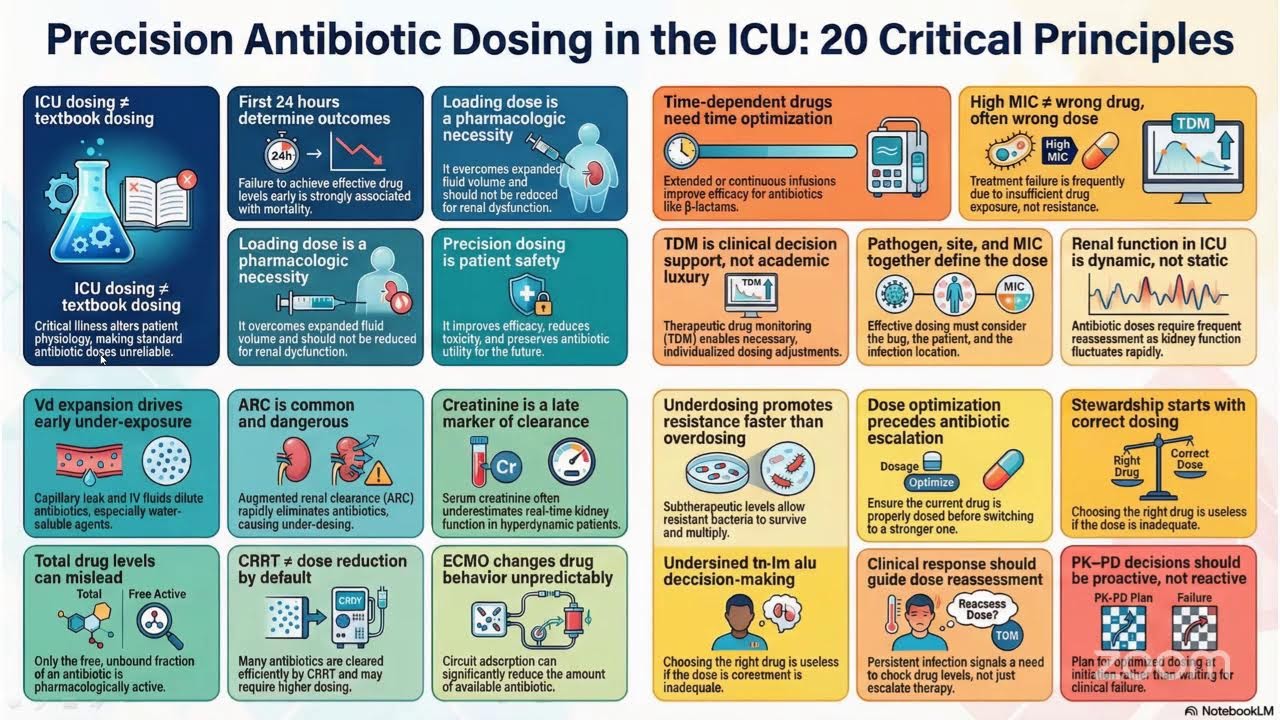



This webinar presents fundamental concepts of antimicrobial therapy including: antibiotics are natural or semi-synthetic compounds unique in that they act on microorganisms within a host rather than directly on the patient, with three distinctive features—resistance can spread between patients, they affect all microorganisms causing side effects, and decreased efficacy can transfer to other patients; clinical efficacy depends on pharmacokinetic/pharmacodynamic parameters including time-dependent and concentration-dependent antibiotics, bactericidal versus bacteriostatic actions, and the post-antibiotic effect; resistance develops through mechanisms like enzyme production, target modification, efflux pumps, and horizontal gene transfer via plasmids and transposons; laboratory interpretation uses clinical breakpoints and epidemiological cut-offs to classify susceptibility; and effective antimicrobial stewardship requires balancing empiric therapy with definitive therapy through de-escalation, using narrow-spectrum antibiotics when appropriate, and implementing antimicrobial stewardship teams to combat antimicrobial resistance.
Antimicrobial Therapy: Core Concepts and Key Principles Explained
Added:Good afternoon my dear colleagues as I can see here. So our entities keep joining. So let's wait up for still a little more time. So and you will make a start everyone who's joining. So please enjoy our webinar and enjoy the rest of the day. We are in the UPC related webinar. Let's wait for all the participants to join.
I would like to extend my greetings to all the attendees and more or less so we have a sustainable count of our participants here. So let's make a start everyone enjoy the rest of your day just like really to make it a point. So we are in the webinar of the main concepts and principles of antimicrobial therapy.
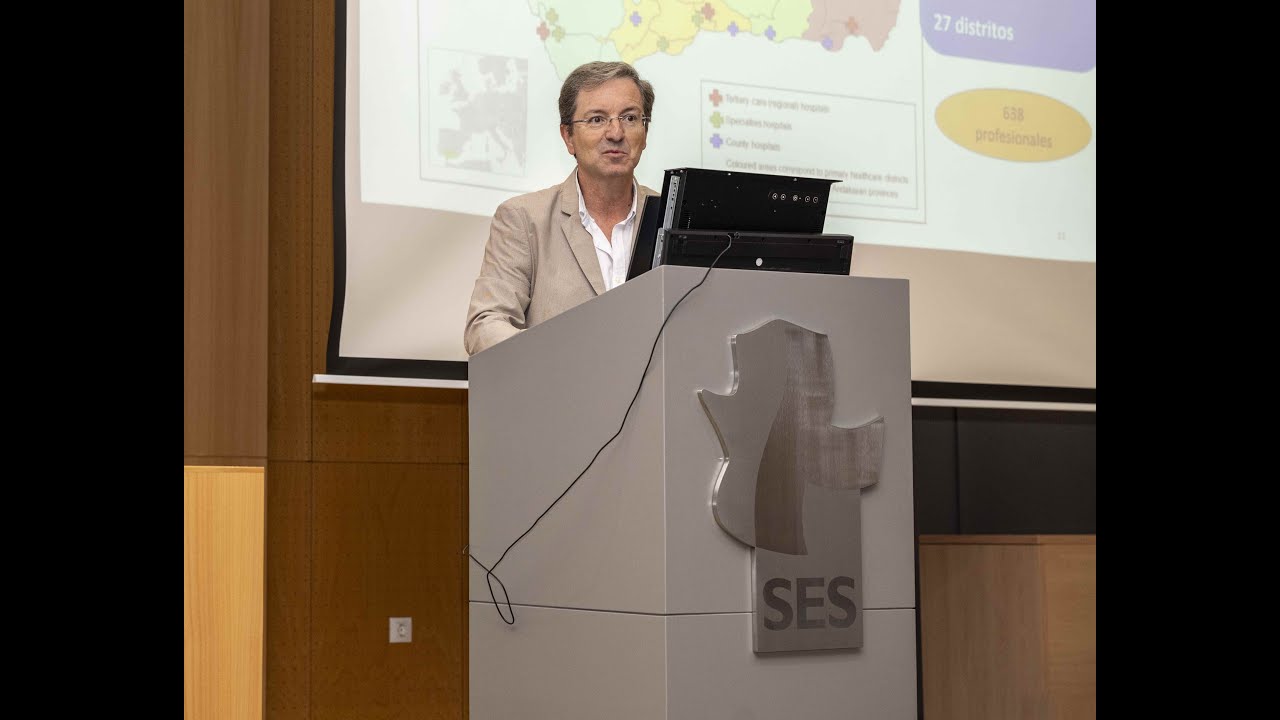
So time dependent and dose dependent vectoral and static antimicrobials therapeutic and prophylactic application uh Mr. Tibal, professor who is from the microbiology school of bench university Hungary here with us and he is research advisor to the reference lab of the um of the pharmacology institute in Budapest and he is chairing the antim national committee. So he represents Hungarian based ukos here. So this webinar is a follow up of the tradition of the last year cycle of the webinars launched. So the European introduction of antimicrobials um administration and AMR practice perspective for Ukraine. So this cycle of webinars studied out back in 2023. So the video recording can be retrieved in the YouTube channel. So made by the UPC and our announcements also uploaded on the Facebook page. So and so managed by the UPC. So please keep track of it and keep your eyes open for the forthcoming announcements. I just would like really to say that we have our own partners here joining in. So USCDC I can from the Colombia University. So it helps us so with these uh events and we have u very uh well experienced lectures xmate uh so professionals who are the lecturers of the of these presentations and our lecture will take for as long as 1 hour with the small section of questions and answers to be asked depending on the time. So we can still afford so we have simultaneous interpretation. Please make sure that you stay in the Ukrainian channel. So then and so so put yourself on the Ukrainian track also stay in the English channel if you like. So uh Mr. Professor can you uh so turn the slides so we will have the guideline how to set simultaneous interpretation please.
Thank you very much. So indeed so here so my dear colleagues please set up so your Ukrainian channel for the simultaneous. So we are in the wait of this fascinating lecture and will be made by highly esteemed professor Ta pal. So the floor is all yours.
Thank you very much. Do you hear me?
Yes I can. Okay. Thank you. And first of all I would like to uh thank the organizers for this honor uh to uh present today on the very basic concepts of antibiotics and antimicrobial therapy. The idea was that uh before the upcoming lectures we all should be on the same page and just discuss some very basic principles of uh of antibiotics.
Some of this information might be new for you already. uh some of them might be uh a little bit uh newer. All right.
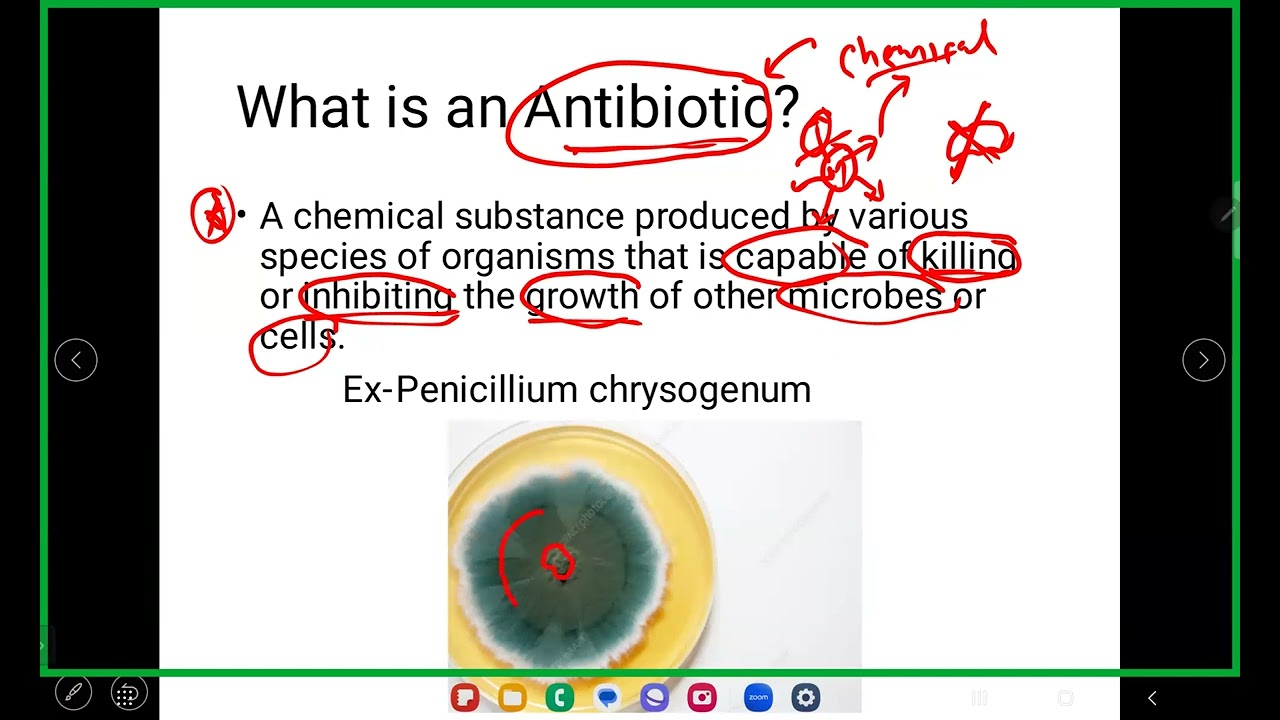
So uh by definition antibiotics are natural products produced by bacteria or fungi in fact to fight each other in nature and these are the compounds we isolate and use it for therapeutic purposes. In some cases um uh we don't use natural products where we use antimicrobials which are entirely uh made by chemistry. An example are sulfanomides and also a large probably nowadays the largest group is uh the so-called semiynthetic antibiotics where uh uh the natural product is further modified for better uh pharmacological uh features. Now obviously there is a large group the so-called disinfectants these are chemical compounds but they are uh always used externally uh but not to be mixed with topical antibiotics.
Now antibiotics are actually very unique uh compounds very unique medicines.
Actually this is the only group um which we give to a patient with the intention not to act upon the patient but act upon a microorganism within a host that is the patient. That's one point. uh and that means that whatever uh effect we see in the patient that's a side effect because we don't want to bother with the homoasis of the host. The second thing which is also unique to antibiotics is that uh antibiotics may become uh less effective that we call resistance but antibi that we see let's say with anti-hypertensive uh uh drugs or or a variety of drugs that they may lose efficacy once treating the patient. But antibiotics is the only one where this decreased efficacy can be transferred to another patient that is resistance does spread. And the third unique feature of antibiotics is that although we give the patient the antibiotic with an intention to act upon a particular pathogen, they the antibiotic will act upon all microorganisms in the body. And often this has very severe uh consequences and side effects.
Now uh like for all drugs uh we have a very important uh parameter that's called the therapeutic index which is actually um uh the TD50 that is the toxic dose evoking a toxic uh effect in 50% of those exposed and the effect effective dose where actually in this case where 50% of those given the drug the the infection is eliminated.
Obviously the higher this value the safer the drug is that is the higher the difference between the toxic and the effective dose. Now uh uh from practice you know a variety of side effects just I list a few auto neurotoxic autototoxicity neurotoxicity seizure and so on there are variety of these side effects but we have to keep in mind that there are effects unwanted effects which we usually don't consider side effects as such like let's say impact of the normal flora uh allergic reactions and interactions with other drugs that would be very difficult to calculate uh among side effects but we have to anticipate those as well.
Now what is the clinical efficacy uh depends on the clinical efficacy depends on first of all the susceptibility of the particular microorganism we want to uh eliminate uh from the host but there are a number of other pharmacological parameters the percentage of free and that is unbound drugs and how the drug can penetrate into the particular tissues and here there is a very broadar variety. You know again from practice that there are sites which are very difficult to penetrate like uh the eye, the prostate, the bones and uh uh uh the bofilms and uh antibiotics vary greatly to what extent they can get into these into these sides. Also very important thing that we have a few antibiotics which we administer as prod drug that is it's actually converse are actually converted uh to an active form within the body and that rate of conversion varies from individual to individual. A classical example could be for instance choleistine. That's why what makes uh uh the dozing of choleistin quite difficult because you give it as a as a as a prod drug and of course extrasion of the drug the side of extrusion and and the efficacy of extrion also uh varies a lot. Now uh there is a concept the spectrum of an antibiotic which is often misinterpreted. Now uh first of all we do not have a very clear definition what we consider narrow or broadsp spectrum antibiotic. Nowadays we we even uh have some extended spectrum drugs but roughly speaking a narrow spectrum uh antibiotic is effective against a few gram negative or a few gram positive. A broader spectrum usually covers some of the some uh uh uh organisms on both sides of gram negative and gram positive and obviously the extended spectrum uh are really the has the widest spectrum. However, that's very important that uh when we talk about efficacy, it doesn't necessarily mean that an isolate belonging to a particular species is definitely susceptible because the spectrum always refers to the natural resistance or natural susceptibility and not to the acquired resistance. So uh what is natural susceptibility? Natural susceptibility uh natural susceptibility is the susceptibility which is characteristic to all members and just as much uh natural resistance is characteristic to all members uh uh of a of a species all strains or isolates. In the laboratory we do not test natural resistance. It's known. There is no point to test for instance an E.coli for venkcomy resistance or stafilocco for chalistine resistance because we know that um they do have a natural resistance they are not within the spectrum of uh these particular drugs. What is important to remember that if a if a species is naturally susceptible to an antibiotic strains of the species can still be resistant due to acquired resistance. Give you an example.
Klepsial pneummonia is naturally susceptible to choleistin but nowadays we see an increasing number of strains uh resistant to kistine due to uh uh acquired resistance and laboratory always test acquired resistance. Now uh a few words about the mode of action of antibiotics. That is be a gram negative and a gram positive uh cell. And one of the very common mode of action is interference with cell wall synthesis. Just uh think of betalactams, datopeptides, phosphomyin and so on.
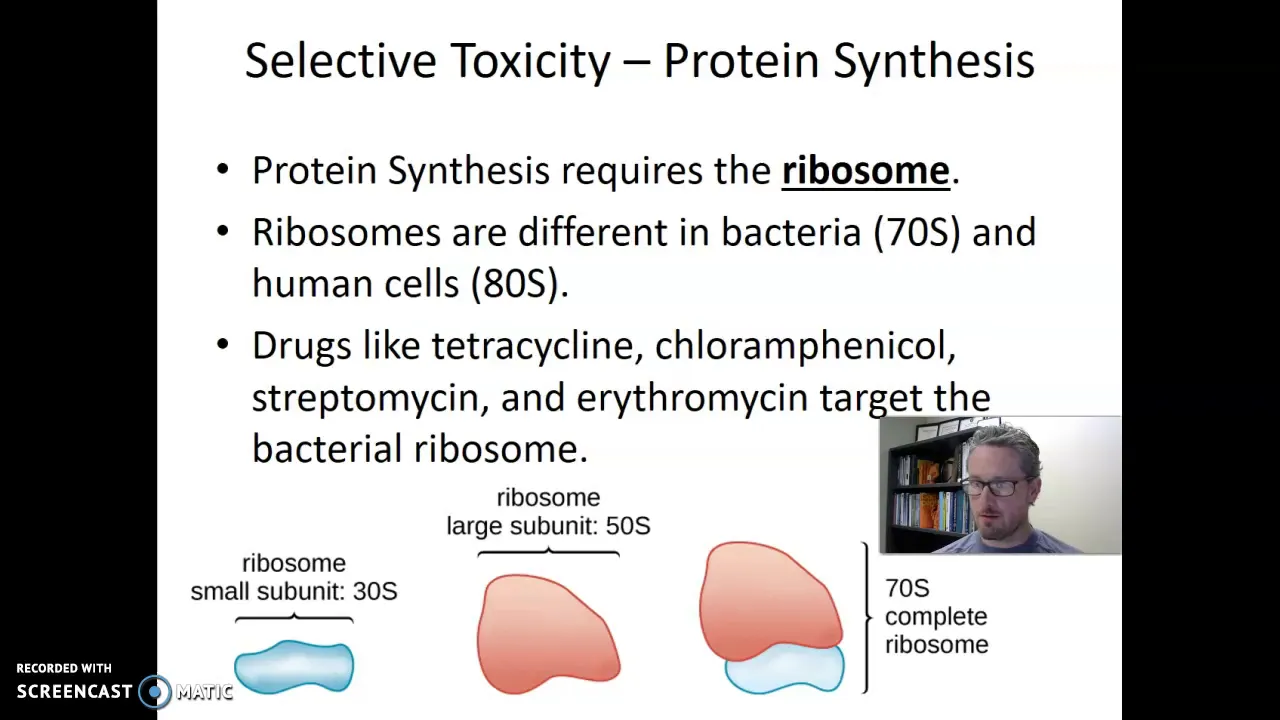
Then there is a large group which acts upon protein synthesis. We have a huge variety of antibiotics in this category.
aminoglycosides, tetracyclcans, chlorine phenol, macrolytes all belong to uh to this group. Then uh a very important group particularly kinolons which interfere with DNA replication and a smaller uh group likein interferes with RNA synthesis. Then uh the fifth one are uh drugs particularly sulfanomides and trimetrop interfering with folic acid synthesis and an increasing group of the so-called membrane active agents like chistine polyixin for instance. So these are the basic mechanisms of the currently used antibiotics in the pipeline. There are some antibiotics which hasn't reached clinical uh practice yet which might have alternative uh modes of action. A very important feature uh uh of antibiotics whether they are stidle or uh uh or static that is they are bacteriacy or bacteratic. Obviously cy means that they kill bacteria static means that they prevent their growth.
However, there is uh no clear definition because uh uh between the two because let us not forget that uh this categorization is based on invitro measurements under strictly controlled condition with a relatively low inoculum size that is 10 to the five times 10^ the 5 colony forming units per mill which can be much higher actually uh within the host within the patient.
Then uh we choose an artificial threshold for killing and we say it's bacteriacidal if it kills 99.9% um of the of the bacteria exposed and it can also be concentration dependent that is in a lower concentration a drug against a particular microorganism can be uh can be static but if you increase the concentration it can reach a cidal uh concentration and of course it's definitely species dependent. There are some antibiotics which in one species static while uh in other species it's species uh it's cidal. Now uh in practice in the laboratory practice we measure the minimum inhibitory concentration that is the mic. So that means that what is the lowest concentration of a drug against a particular isolate which inhibits the growth. Now one may ask that don't we want to know how much drug we need to kill the organism for general purposes in the overwhelming majority of the cases we do not need that. So uh the laboratory susceptibility testing is based on measuring directly or indirectly this minimum inhibitory concentration right uh upon special request laboratories can test the minimum bacteriacidal concentration but that's much more complicated and usually we do not need it uh in in the everyday uh clinical practice.
Now also a a point where there are common misunderstanding how resistance develops. An important statement we have to make that antibiotics are not needed to develop resistance. The development of acquired resistance uh is a very rare uh phenomenon but uh we don't need the presence of antibiotics u uh this to happen. Let me just uh use this example that uh if we have two cells uh one which is susceptible and one which is resistant and resistance is here symbolized this burden of a small boat.
It means that if there is no antibiotic in the environment, this cell, this individual can be heavily burdened uh by becoming resistant because in the middle of the desert, it doesn't provide any advantage and it may happen that actually cells becoming resistant spontaneously by a mutation for instance even won't survive. Now everything is changing when all of a sudden antibiotics are present because in the very minute the very moment actually the cells which became resistant spontaneously has the advantage going back to our little fellows the one who has the boat now it doesn't have to carry it but it is an advantage of having a boat in the sea of antibiotics while the susceptible one will suffocate and drone. So that means that what antibiotics are needed for is the spread the maintenance of resistant cells and they promote actually facilitate the spread of antibiotic resistance. Now let us see uh how a cell can become resistant. Uh to understand the mechanisms let's take this uh this example. Let's suppose that there is a physiological process in the bacterial cell uh X becoming Y and that is catalyzed by this molecule this green molecule. Okay. Obviously in order to survive or to multiply this reaction has to take place. Now if you have an antibiotic which interferes with this process and X cannot become Y either the cell stops multiplying if it's a static antibiotic or even die if it's a spyro antibiotic and in that case uh the cell is susceptible to this antibiotic because the antibiotic does the job and kills or stops uh the cell from multiplying. However, resistance means that this antibiotic what we provide cannot do the job. That is X becomes Y.
The cell is happily living uh and multiplying. So that's resistance. Now let's see how this can be achieved.
The first mechanism is a well-known mechanism that the bacterium starts producing an enzyme which actually destroys the antibiotic which destroys the antibiotic and uh the antibiotic cannot prevent this reaction to go on the second and just an example for the first one just think of ESBs or carbopanamases these are very common uh uh uh antibiotic split ing molecules. The second mechanism is when this target molecule changes a little bit. It changes a little bit. Therefore, the antibiotic cannot bind any longer. So, it cannot prevent uh its action. Again, X becomes Y. The cell lives uh uh continuously. An example MRSA the penicellin binding proteins becomes uh uh modifies a little bit so betalactams cannot bind any longer. The third mechanism is when the uptake of the antibiotic by the bacterial cell is limited. Classical example uh mutations of the pine channels in the gram negative cell wall they become less or they modify. So the antibiotic cannot pass through. And pretty much the opposite of this is that if the antig if the uh antibiotic enters the cell but there are mechanisms pumping out in large quantities the antibiotic these are the so-called elux pumps. The problem with those is that often they are not very specific to a particular antibiotic. So multiple type of antibiotics can be pumped out leading to multi-drug resistance.
The fifth mechanism, the bacterium starts producing a shield which is actually protecting this factor molecule. So the antibiotic will not have access to uh uh to the target. An example are the Q&R uh uh resistance mechanisms for kinolons or in some cases tetracyc resistance can develop in this way.
Then uh uh the sixth mechanism is when uh the uh uh the cell produces a lot of this target molecule. The antibiotic can bind to it but certainly not enough antibiotics are present to interfere with all molecules produced. So simply this over production allows the reaction to take uh place. And finally the cell the bacterial cell develops an alternative mechanism.
So well the antibiotics blocks this X to Y mechanism but Y can be reached in an alternative way and sometimes we see it with trimetop resistance. So how does resistance spread from clinical practice? We all know that probably the the most obvious way is that resistant bacteria spread from one patient to the other. It's very common causes a lot of problem. But the good news is that this is the easiest to deal with because simply uh we just have to isolate the patients or prevent the the strains from spreading with good infection control. However, there is another way uh and actually that we call horizontal gene transfer. When resistance genes usually viaoplasmids spread from one cell to another that leads to something we call plasmid epidemiology. It's not the same clone is spreading in a hospital but plasmids uh spreading from one species to another converting them to resistant. And the third mechanism is the so-called jumping genes transposons can actually jump within the cell within the bacterial cell from plasmids to chromosome and to other uh mobile elements and that is often uh called the integrron epidemiology. Now what you see in your wards is the mixture of the tree.
The problem is that as we said you can interfere with this by good infection control but to this basically the best way is antimicrobial stewardship limiting the load of antibiotics limiting the capacity of antibiotics give advantage to strains becoming resistant. Now a few words about pharmacocinetics and pharmacodnamics. Roughly speaking and I hope that pharmacologists won't take it wrong from me uh simplifying this so much. Phmacinetics is usually what the body does to the drug. But pharmacodnamics is what the drug does to the microorganisms. Now both has different parameters for pharmacocinetics obviously body clearance volume distribution protein binding availability while the most important parameter is for pharmacodnamic is the aforementioned MIC minimum inhibitory concentration. Now if you integrate these two this allows us to understand better how different antibiotics work. Now uh this is a very simple uh dose response uh curve. So basically you give the antibiotic the concentration in the plasma goes up and after a while it comes down. This dotted line is the minimal inhibitory concentration of the particular isolate. Uh uh we have to investigate to what extent is it susceptible to. Now there are three important parameters so-called PKPD pharmacocinetic pharmacodnamic indexes.
Um the first one is the C max the maximum concentration you can reach in a plasma by dozing an antibiotic. Okay. And uh the parameter is that how this maximum concentration relates to the MIC of the particular isolate. Obviously the higher the better. the diff the larger the difference between these two concentration is the better. The second one is when we relate the time above mic. So that's the time uh uh what uh the concentrations spends over the mic of a particular strain. That is obviously the longer this time the more efficacious certain uh antibiotics are.
And the last one is basically a mixture of the two where uh the entire so-called AU area under the curve is compared to the mic. Now the important point is that different the efficacy of different antibiotics can be related to different parameters. To give you an example, usually uh uh aminoglycosides, luuroinolons, polyixins mostly uh relate to how is the maximum what is the maximum concentration you can reach. So what matters is that you want to have as much con as high concentration in the plasma as possible. On the other hand, so these are so-called concentration dependent antibiotics. On the other hand, most betalactams particularly carbopanms are more related to the time, how long the time is over the mic. In this curve, it doesn't really matter how much above the mic. It should just be above the mic, maybe the 2 mic. But what matters is that how long it will take.
And finally glyopeptites particularly vencomyin is mostly related to this area under the curve uh compared to the mic value. So these are the tie dependent concentration dependent and uh we can say a dependent uh antibiotics.
There is an interesting uh effect what we call post antibiotic effect that describes what happens after the cells are not exposed any longer to the minimal inhibitory concentration of a drug. Let us see this graph here. Uh this is a simple growth curve. So uh the back and this is the mic value. uh if uh uh the bacterium uh is above the mic it will grow and after a certain while it will reach a 10 times increase. Now if this is the antibiotic here you don't have antibiotic here this is the antibiotic and uh the bacterium will start growing if the antibiotic concentration curves hits the uh the level below the mic before that it will prevent growth right now this is what you would normally anticipate but certain antibiotics and certain in in case of certain organisms had something we call The post antibiotic effect that is the concentration of the antibiotic has already decreased below the mic but the bacterium still will not start growing for a while. This while it still hasn't started growing. This is the so-called post antibiotic effect. That is good for us because all although the concentration of the drug is below the MIC, the bug the bug still hasn't started regrowing. So that actually works for our curative purposes. We don't entirely understand the mechanism and here I just I don't want to read this uh for you one by one.
Uh but uh basically there are number of theories. What is important is that not all antibiotics uh has this post antibiotic effect.
Usually carbopenams with gram negatives do and that actually we can utilize that. Let me put it in this way. It works for us. It works for the patient.
Uh and uh you may come across with this term when talking about antibiotics that it has a good or it doesn't have a post antibiotic effect. All right. Now a few words about how the laboratory helps you with uh data on antimicrobial susceptibility.
First of all, let me start by saying that uh we face here a huge problem because we in the laboratory do this that is we expose bacteria the patient the the one isolated from the patient uh we expose this uh back strains to different antibiotics in an enormously simple system in a patriish or in a cube.
That's a very very simple system compared that based on these results we try to predict what is going to happen between the same bacterium and the same antibiotic in an immensely complex system that is your patient. Right? So the problem is that from this very simple system we should make predictions predictions whether the strain is susceptible or resistant and obviously this predictions are based on certain guidelines. Now in Europe uh we use the UKS the European Committee of Antimicrobial Susceptary Testing guidelines and basically this is how it looks like that uh we already uh defined the minimal inhibitory concentration and then we have a very very uh important term the clinical breakpoint. The clinical breakpoint is a threshold value established by a committee, a threshold MIC value which distinguish distinguishes between strains which would react in vivo uh uh to the treatment we call them susceptible. Those which have such a high MIC that it's unlikely that they would actually uh uh be eliminated by the drug. So that's a clinical breakpoint and uh that's a very very important uh uh uh term and ukost in the US CLSI determines for the most important pathogens and the uh for a number of antibiotics pretty much all antibiotics this breakpoint values either in MIC or also in zone diameter if the laboratory is using this uh u uh Kirby power technique using antibiotic containing uh uh discs. So basically these are the guides helping the laboratory how we communicate the results to you. Now uh uh this interpretation based on the clinical breakpoint has changed dramatically in the past few years. Earlier we had three categories and uh we wrote to you uh physicians that the strain is susceptible if using the drug there is a uh reasonable chance for therapeutic success. the other end was resistant that the MIC was so high that it's very unlikely that this uh drug will work in the patient and we had this very dous uh intermediate uh term with uncertain therapeutic effect um which was very very difficult to define. Now that has changed in 2019 and the first two category stayed but the the middle one uh instead of intermediate we call it now susceptible with increased exposure that's a fundamental difference because uh susceptible means that the strain is susceptible if you apply normal dozing normal ex I would rather normal exposure but there are strains which still can be susceptible if you can increase exposure. Increasing exposure might mean that you can use a higher dose you can do a you can give a more frequent dose uh you can in for instance in case of carbopan with time dependent antibiotics you can you can apply them in a for a more extended period of time. So these are all uh uh uh susceptible with increased exposure.
So graphically that was the old system.
So you had the susceptible uh you had the intermediate and you had the resistant. Now in the new system and I'm sure that your laboratories are releasing the results as such both these groups are susceptible but the first group is normal dozing normal exposure.
the middle is still susceptible with increased exposure. That's a very important uh change.
Now I'm sure there are some uh microbiologists in the audience as well and uh uh uh often we run into the problem that okay we can use this clinical breakpoint to interpret the results for you but clinical breakpoints are not necessarily available for all microorganism antibiotic uh uh pairs. simply the ukass does not have enough data to come up with a clinical breakpoint. What can we do then? And actually you physicians may and may run into such communication from your uh uh laboratory. One possibility is that recently UKcast released a guideline for this particular problem. We don't have break points. So we cannot specifically tell whether it's susceptible or not.
Then they released tables uh referring to the different MIC's what you measure what the laboratory measures with the strain for gram negative and gram positive bacteria. You can see that the list here of antibiotic list is very short relatively short so these are not available for all antibiotics and we don't deal here with species we deal only with gram positive gram negative organisms. So the bottom line is that your laboratory can easily run into the problem with certain isolates that hey we don't have a clinical breakpoint we cannot interpret the results as we usually do what can we do then first of all then the laboratory will not release the data as susceptible intermediate or resistant but the laboratory can do if the mic is let me go back above this uh threshold then uh uh if it's above the laboratory may just tell you that formal categoriz categorizing uh the susceptibility of the organism is not possible but the myths value suggests that it's probably unsuitable for therapy. Of course, if it's below, then again, a cautious note can be released that we cannot say it's susceptible. But a cautious interpretation may suggest that with that low MIC, it still can be considered for therapy. Please remember that this is important when you have no alternatives when all the classical drugs are gone because the organism is resistant. So actually nowadays we are increasingly running into this problem.
Well, we said that uh unfortunately this list of antibiotics that I showed you in the previous uh uh table is relatively short. So, what else can we do? Uh then we can turn to the so-called epidemiological breakpoint or echo. It's an often used term nowadays and echof uh uh is separating the so-called wild type strains uh from the strains uh which are non-white type which have acquired some resistance mechanisms. What you can see here on this graph here are the different MIC's and here are the percentages uh of the large number of strains tested and here you can see and uh uh UKcast really tests hundreds and hundreds and thousands of strains from all over the world and then they graphically uh uh put this together saying that let's say the majority of the strains of this particular species that's ecoli with superflux the same had this mic value and so on but a few strains had higher MIC and these are the ones which are having some kind of resistance mechanisms the line separating the two is the echof value that is uh in this case I guess uh the 0.6 six separating the Y type from the ones which have some resistance mechanisms actually uh uh this is in a table uh form E.oli coli let's see amicasane and here you see the number of strains and uh uh these are all susceptible with different mic's and then these strains with some resistance mechanisms have higher mic so the echof value is eight so if have not if we don't have anything else in the lab we can actually turn to the eof and tell to you that well I cannot interpret the results uh based on the traditional way but your strain from your patient uh is a non wild type strain. It seems to have some resistance mechanism. The use of this particular drug is not uh likely to lead to a clinical cure. While uh if it's a Y type strain, it it seems that uh uh uh the strain does not have any resistance mechanism and uh cautious interpretation suggest that uh it might be considered for therapy. Obviously uh as a physician you try to use antibiotics where the laboratory can clearly tell you uh susceptible or resistant but again we are increasingly running into with the multi-drugresistant organisms into this uh problem that it's not all the time the case.
Now uh uh there is there is or rather there was another possibility and although it's not recommended any longer you may still hear uh that the interpretation is based on the pharmacocinetic pharmacodnamic break points uh uh uh in the past few years does not recommend to use it but just very very briefly uh again still some laboratories are using it. So just uh to be familiar with the concept remember we said that there are drugs which are uh time dependent for instance let's take penicellin okay and we like to to give a dose when uh uh uh the concentration is at least 50 60% of the time is above mic or uh or let's take uh aminoglycosides aminoglycosides is a concentration dependent drug and we like to have the concentration of the drug at least 10 times higher than the MIC. But please understand that everything depends on the actual strains minimal inhibitory concentration uh uh value and basically uh you can set a a kind of a uh uh break point on that basis by saying that let's see the mic uh of the of the isolate what is the chance that I can reach this target and if this if the if the MIC is low enough to reach the target by 90% probability we can call it as a PKPD break point you can use it if the strain let's say has a four uh uh mic obviously here the chances to reach that target is much lower 80% don't use it once again uh this method is not recommended any longer but still uh some laboratories do and uh uh uh I just thought that uh the concept I should briefly uh mention on the last part uh how do we apply antibiotics you know much better the classical way is that we apply antibiotics for therapy that is we have a healthy person who got exposed uh uh to a microorganism becomes sick which is the doctor and we give the antibiotic.
That's the classical scenario. No problem here. Well, there are some problem. We'll come back to this. The second is prophylaxis. That's a little bit more tricky because uh uh either we want to prevent an infection uh with an anticipated imminent uh which can be due to an anticipated imminent exposure or there is a situation when we uh think that an exposure was possible.
The patient still doesn't show any symptoms but uh we better provide some antibiotics. Just think of a neria menitis outbreak and the close so-called kissing contacts are usually given some antibiotic uh prophylaxis important this should be used very sparingly so definitely should not be overused. The other one where we actually have an imminent exposure think of surgical prophylaxis. Those uh among you who are surgeons know very well that in most cases in most surgeries uh uh depending on the type of surgery but most often we use uh second generation sephilos sephosol for instance u not longer than than 90 120 minutes before the first cut is being made just to prevent surgical sight infections. So uh that's prophylaxis. Now then comes decontamination. Now that's a tricky one.
Decontamination is that uh we have someone who may not even show any signs of infection but we know that he or she is colonized carrying an organism and obviously uh uh we want to eliminate uh this organism uh for the purpose of preventing it to serve uh as a source of an later endogenous infection let's say before a surgery or uh some medical procedures. Well, that's easier to say than done. uh in some case it's easier I'm sure you're familiar that for instance MRSA is very often carried in the nose in the nis and we can easily try to eliminate MRSA by applying muprosin ointment let's say before a surgery you don't want MRSA to be an infectious agent there also skin surface uh if the patient carries let's state with MRSA chlorhexidine bath could be uh uh very useful in kind of a decontaminating the patient. The major problem is the intestinal tract.
uh if the patient is carrying u uh some multi-resistant organism before entering certain wards let's say a hematology ward or coming from bone marrow transplantation or nowadays for instance even an everyday problem is that uh uh if the patient uh uh has to go to a prostate biopsy uh through the gut wall uh there were cases you know where ESB got into the bloodstream and so on. The problem here is that eliminating microorganisms particularly the resistant ones from the gut is is very very very difficult. I would say near impossible. Why? Because obviously you should use should you use very broadspectctrum antibiotics to do that but then you risk all the severe consequences of using broadspectctrum antibiotics and you may not want to risk uh uh let's say u seed deficiencil infection to develop. So right now we don't really have a clear standing on on how do we eliminate multi-resistant organisms from the gut.
Well, you know there are interesting publications like far therapy bacteria therapy could be one but u it's certainly far from being used uh broadly in in clinical practice. So decontamination in some situation is fairly straightforward. skin, nails, nose, but gut is is a very very difficult question.
Uh then uh let's talk about therapy. Uh as you know from your own practice, we have two kinds of the antimicrobial therapy. Empiric and definite or targeted antimicrobial therapy. Empiric is that when you see the patient uh you took a sample send it to the laboratory but before getting back the results often you have to initiate the therapy because you have no time to wait the patient is there and suffering.
Definite therapy what you administer while knowing the specific results that what is the pathogen and what is its susceptibility. Empiric therapy, we like to call it a gray zone. It's always based on guesses. You got to guess the most likely organisms and the most likely susceptibilities of the predicted organisms. But these are all assumptions. Okay. So that is the two kinds of antimicrobial therapy. Why is it so important?
Well uh uh everything is depends on the spectrum of the drugs you use. You may recall we discussed narrow and broadsp spectrum antibiotics and a few years ago the WH came up with this very important uh categorization of drugs. You have the excess drugs which are usually the the uh the narrowest spectrum drugs with the lowest resistance potential. You have the so-called watch drugs which we like to use very sparingly and then you have the reserve the very last resort drugs reserved really for life-threatening situations for MDR. Now the point is that what uh the European Union wants is that the access drugs should represent at least 65% of all antibiotics we use. I don't have the data from Ukraine but I have the sad data from my own country and we are way below this 65%. So we use more uh uh uh antibiotics in the Vaj group than uh than actually we should. There are some uh countries which do much better better uh than us. I bet although I don't have the statistics that usually I guess that Ukraine in your country is also shifted towards this watch group compared to the access group and this is when it is so important to uh uh to know that what how do you do with the empiric and the targeted therapy. Okay, let's see two cases uh uh or effective cases.
Empiric therapy again we don't know anything about the the agent we just can guess and we don't know anything about the susceptibility now obviously you have two ways to go if the case is not a severe case not a lifethreatening case let's say an ordinary urinary tract infection or a upper respiratory tract infection we should start with a narrower spectrum antibiotics and Here again I'm talking about Hungarian experiences often there are mistakes being made in an ordinary urinary tract infection a cyitis uncomplicated cyitis in a non-pregant woman we should not use cyprofluxin or amoxicy clavulanic acid they are too broad spectrum and the most likely pathogen ecoli is likely to be susceptible to narrower spectrum uh drugs like phosphor Vigrammon and so on.
Uh can the patient be unlucky and being infected with a resistant organism? Oh yes. But this is the risk we still should take because it's a simple cyitis. Worst case scenario the patient comes back two days later that I haven't improved. I mean his or her condition her condition will not deteriorate that fast that we cannot take that risk. Now the story it's totally different. If you have a very severely ill patient let's say a menitis patient or a septic patient then you cannot take that risk because that patient can die uh within a few hours time. So you have to start your empiric therapy with a much broader antibiotic just to be on the safe side. So that is uh how we can limit the uh uh the overuse of broadsp spectrum use only when it's absolutely necessary. What can we do uh uh if we actually know uh uh uh the pathogen? what can we do with empiric therapy?
severe uh serious new patient. We started with a broadspectctrum therapy.
Laboratory results comes back that indeed uh the organism is a multi-resistant organism in this case if the result tells you that you have to change change or maintain the broadspectctrum coverage. But what if the result comes back that okay you rightly anticipated uh a resistant organism but this patient is lucky it's a susceptible organism and this is when uh we deescalate or we should rather deescalate the therapy that is coming back to a narrower spectrum. Let me give you an example. uh uh you have a patient uh a severely infected patient uh in in grave conditions where for different reasons you anticipate MRSA.
Obviously you have to give a broad coverage most likely venkcomy and if the result comes back that indeed this is MRSA continue but if it comes back that this is not an MRSA then you definitely should deescalate uh to a narrower spectrum uh drug let's say a second generation sephilosporine or an anti- stuffylocal penicelline fluoxylene or or something like that.
The therapeutic effect is just the same but not a broad spectrum. You narrowed the spectrum, you deescalated. Well, the problem is that uh deescalation is certainly not applied as much as it should. Again, I can show you the European data and the this uh odd greenish greenish yellowish uh thing means that how often we use deescalation and unfortunately not that often and again uh some other countries do much better than us. But uh that's very important again to lower the uh the spectrum uh the narrower the spectrum uh narrowing the spectrum of of of drugs we use because again remember that that facilitates the spread of resistant organisms. And on my last slide uh what is the role of the laboratory in all of this? Well, uh, we have two possibilities to interfere. One, during the empiric therapy, we should provide uh preliminary data as soon as possible.
Again, I'm sure that you physicians have often been in the situation when initially you have no clue what the infective organism is. But after a gram stain the laboratory calls you that look I don't know what that is but it's grand positive that actually can be a a very useful uh piece of information or in case of a menitis uh after tapping the the CSF cerebral spinal fluid and the laboratory in an hour phones you that well I detected uh let's say u uh pramocous antigens in the CSF that's not a final result but can be very useful and very quick. Uh, of course if PCR is available nowadays we have excellent multiplex PCRs covering the most common uh organisms in different types of infections and uh that can also be very useful. Usually they are ready in two three hours. Uh how can we help uh the uh uh the definite therapy? Well, most of all shortening the time you are in the gray zone with your empiric therapy and then there are nowadays some techniques uh um I don't know whether how widespread is the so-called maldito which is a mass spectre identification system it actually saves one day in identifying the microorganisms and there are some techniques for instance in blood culture the rapid anti antimicrobial susceptibility testing also can actually shortened this time. So, uh basically that was uh uh uh my presentation what I wanted to um cover the most important concepts and hopefully this will be helpful later on when my colleagues will come and uh give you lectures on specific topics. So with that uh with the area view of my city uh let me thank you very very much for your attention and for this kind invitation to be part of this important project.
Thank you very much.
Thank you very much indeed. So professor TBO so very interesting presentation. So you've just really made it all plausible. And the last but not least slide is a practical hands-on recommendation for us to use because an interaction between the clinician and the clinical farmer pharmacist and the microbiologist really ensures success uh uh of the patient's therapy. Whenever we talking about this small techniques of microscopy or really gram staining will help you so to do so much improved and much quicker to do your empiric therapy.
Well colleagues once again so we've had a very busy presentation and the lecture alike and bearing entire bearing in mind our time. So let us check out if you have any questions to ask for Tibbor, Professor Tibbor, so to get him to answer a couple of our questions please.
So the the immediate question so the this lecture as all of the previous lectures before so shall be in recording and in a few days it will be uploaded to the UPC website for you really to check out and retrieve the materials once again and get access to the previous recordings. Please sign up for the UPC Facebook page to keep a breast of the forthcoming announcements and taking advantage of the situations whilst the colleagues busy asking questions. I'm ready with my own question please. The question is all about the facts. So you're talking about the aware classification. Unfortunately the ECDC data we don't have the uh so uh excess consumption antimicrobial improving year in year out 47% now excess excess group but our separate so reserve group anti antimicrobials consumption pretty high as compared to the values in the other countries. What is your tip and advice?
So for the rationale of the reserved agent choice, what is the hard and fast criterion for us really to do the reserve? What does a laboratory criteria and what is the patient condition? So might serve a good reason for it please.
Well uh first of all uh uh we should remember that in most countries the antibiotic consumption in human medicine is 90% about 90% is for outpatients. It is surprising because we are always focusing on hospitals but overwhelming majority of antibiotic use is in outpatient settings not in the hospitals. Uh and uh for a Hungarian this is particularly bad news because we are way the worst in Europe uh using broadspectctrum antibiotics in our outpatients. So I mean to uh uh what we are trying to do with not much success yet is um actually to educate uh family physicians you know uh uh how to initially treat uh uh everyday infections and I just brought up this example of an uncomplicated cyitis and uh uh fluorocinolons or or betalactabs with the beta Calactam inhibitor while used very frequently they should not be we have excellent drugs like phosphomy metrofurondoin and so on suenomides which actually could work that's one thing the other thing is that in the hospitals uh uh wherever it's possible uh one should establish uh antimicrobial stewardship teams antimicrobial stewardship teams which includes includes ID physicians uh microbiologists and very importantly which should include the clinical pharmacist because uh u we don't like to admit but uh uh nowadays in the hospitals particularly with complicated cases antimicrobial therapy became so complex that only this team can have the answer the right answer how to do antibiotics For instance, it was our experience in uh in in page at this university hospital that uh uh introducing the measurement of uh uh venkcomy glyopeptide and amoglycoside concentration in patients change therapy because uh you know uh we either underdosed or overdose that. So all of these things actually can help and uh colleagues to to find the right antibiotics and the uh the u the right dosing regimen. Now uh what the l can do is be as quick as possible. Be as quick as possible and uh uh uh with antimicrobial susceptibility testing there are there there are some great uh possibilities for blood cultures. Now that's called the rust method the rapid antimicrobial susceptibility testing because uh you know that if if a if a blood culture becomes positive usually first we cultured the organism and then next day we did the testing. Now uh with this rust method you can actually do a preliminary susceptibility testing for quite a few organisms uh straight out of the bottle. That saves you one day.
again you can be sooner at the definite therapy. So I don't know whether I answered your question if I got it right or or thank you very much for this very extensive answer. So a lot of useful information inside as I can see. So the the colleagues now sharing a lot of questions for you to ask. Let us do the questions here now because uh we are really running out of time so you won't be able to follow up on all of these questions asked. So let's do the questions here now. So the question is how do you make use of the PCR? So prior that the laboratory turns you around the microbiological assay results.
Well uh currently what PCR can be used is to identify the organism to some extent. We have multiplex PCR systems which would target certain uh antimicrobial resistance genes as well.
Give you an example. Uh there are the so-called syndrome based multiplex PCRs.
So let's say lower respiratory tract infection. the sample comes in and we we have PCR system testing for the uh maybe 15 20 most common uh pathogens causing lower respiratory tract infections which is including those bacteria as well as viruses. But for the bacteria uh in the panel there are also some uh resistance genes targeted as well. Okay, carbopanameasis for instance or or some ESBs. So within 2 hours 3 hours you can you can have a result that okay it's cleella positive and let's say a carbopene is positive. Okay important to remember that right now uh susceptibility is based on phenotypic testing. It's a phenotypic phenomena.
uh testing for resistance genes can be very useful but it's usually doesn't give you the final susceptibility data but obviously I mean if your PCR detects MRSA okay u uh it's clear that you are not going to uh start with a betalactam okay so um uh but right now PCR is more for the identification the detection uh of particular microorganisms. What we since the covid what we have been using very extensively is the syndrome based u multiplex PCR covering some 25 uh uh u uh pathogens. We also have it for for central nervous system uh infections.
And again lead within two three hours in the middle of the night you know uh you can have some ideas of the pathogen.
Now for for antimicrobial resistance probably the be using PCR probably the best example uh is uh uh the microacterium tuberculosis uh multiplex PCR which uh uh which simultaneously with the organism can detect two resistance genes. So uh uh even within a couple of hours you know that this is a a multi-resistant DB or not.
Thank you very much for your answer and the next question really hands on. So the answer is really so which antimicrobials are prescribed empirically in case of abdominal infection in Hungary please. Oh well okay uh uh well obviously in case of an abdominal infection you have to anticipate basically half of the textbook because uh uh uh because you know it's it's usually coming from the guts you definitely have to give a very broad coverage which is definitely should include uh coverage for an aerobes as well. So uh hospital and again what kind of intraabdominal infections depends on but uh but there I would not hesitate to be very very broad spectrum certainly carbopenams uh probably with some amoglycosides and metron I mean again it depends on the case that that how that intraabdominal but there there is no room to to start with a narrow spectrum.
Thank you very much indeed for your answer. I'm in full agreement. So depending on the case it is. Yeah. Uh uh one one more case. Unfortunately I forgot to put my email address uh on the slides but uh uh please uh you have my email address right?
Please share the email address at any time. Yes, I have. If if if somebody has some questions, don't hesitate to send me an email and I definitely will answer and and send you the some materials. Yes, please go ahead.
Uh Torra, well indeed so sounds good.
Let us do the next question. So we are getting more and more questions in but let us take another one or two and we will um allow you really to be in a male correspondence with our colleagues. So the next question and the next one really handon and practical very typical for Ukraine to ask. So we have the uh so the consequence whenever um transferring the patient so on antimicrobial therapy so from GP setting into the hospital so the clinicians wonder so if the patient really broadspectctrum antibiotic sriraxone the patient hasn't been exposed to so what is the strategy so if it is really broadsp spectrum and now already resistant what to do up next in the hospital setting well again I mean I don't want to avoid the uh uh question again depends on the case depends on what kind of infection uh are we facing I mean if it's sept trioxone resistant uh well uh uh it means that that sephilosporins are likely to be out okay so then you know u with let's say a bloodstream infection um empirically uh well then you have the again depends on the case because then you have options of of of of using this newer betalacta betalacttoase inhibitor uh combinations let's suppose it's sept trioxone resistant because of an ASBL then septacid ma vibbactam could be a player we are not very happy of overusing septacidimma vibbakam for for ESBI producers but in a life-threatening situation that could be a possibility.
Of course, alternative could be carbopanoms. Um uh and and uh but but also let us not forget that third generation sephilosporine resistance doesn't mean necessarily that other antibiotics narrower spectrum antibiotics are necessarily out. So I mean a good microbiology laboratory testing would actually tell you that it's still susceptible to fluorocinolons. It's still susceptible not very often though I agree uh still could be susceptible to to uh u suenomides and so on. But again if it's a severe case and the patient is just being transferred and you know that it's positive for for a third generation sephilosporin resistance then it's getting to be tricky because again carbopenams again betalacttose inhibitors this is what I would consider empirically before knowing the results.
Now uh uh as you mentioned that if I if I got the question right u sept trioxone resistance from uh from from a uh an outpatient it is possible and in some countries we see some alarming signs that seep trioxin is often used in outpatient clinics even for cases I used to work in the Middle East for quite a long time and there uh you know uh for instance sept trioxone was frequently used to treat sore throat which is an absolute nonsense but I mean uh I know that it's some sometimes it happens in other countries as well and that is absolutely a no no thank you very much for your answer once again I'm in full agreement with what you've said it is a certain prejudice to say that you have a resistance to broadspectctrum antimicrobials. So by default you exclude possible uh so susceptibility to narrower spectrum antimicrobials of a different group but you should get really the microbiology findings express test rapid test and microscopy. So in the count of hours so will be a major relief for you.
So and I just would like really to acknowledge here as well that our IAP colleagues have shared so the email of professor tap pal so that uh highly esteemed professor has asked doing so please so keep it for further correspondence and also bearing in mind the time constraints. So we will have to call it a day and then and actually after really looking all the other questions across the board. So it relates to some very specific questions in relation to the Ukrainian legislation and I think that our highly esteemed professor won't be able really to give an answer because he is very much drawing upon the Hungarian legislation for that matter. Thank you very much indeed. So highly esteemed professor ta pal for very meaningful answers because you've managed really to take a lot of questions to be answered and I think that after this information they just so please look out for more incoming emails uh and thank you very much for the lecture thank you very much so attendees for joining so please keep an eye for further announcements to be made. Thank you very much and uh once again thank you for inviting me and from the bottom of my heart I wish you all the best in Ukraine. Thank you.
Up Next
Antimicrobial Stewardship: Principles, Benefits & Resources
@UofLIM
9.9K views•2023-07-21

Graphic Medicine: Comics for Collaborative Healthcare Communication
@nationalpatientadvocate
189 views•2023-12-04

Neuroanatomy: Central and Peripheral Nervous System Divisions Explained
@AKLECTURES
136.2K views•2014-09-20
Stages of Labor and Vaginal Birth | Childbirth Animation
@nucleusmedicalmedia
52.1M views•2017-08-18
Related Study Plans & Knowledge Roadmaps
Structured learning paths in Medicine