













![[Webinar] Antibiotic Resistance](https://i.ytimg.com/vi/kYSnfeuurRw/hqdefault.jpg?v=635fdcb9)



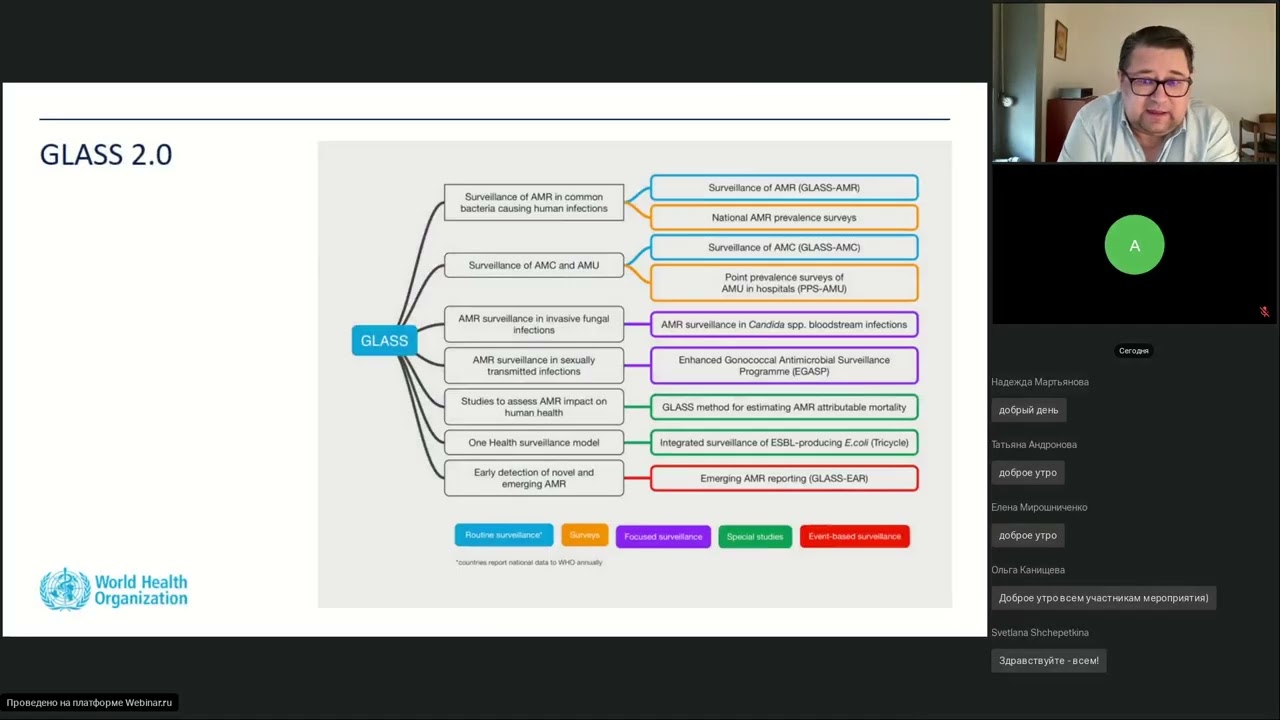


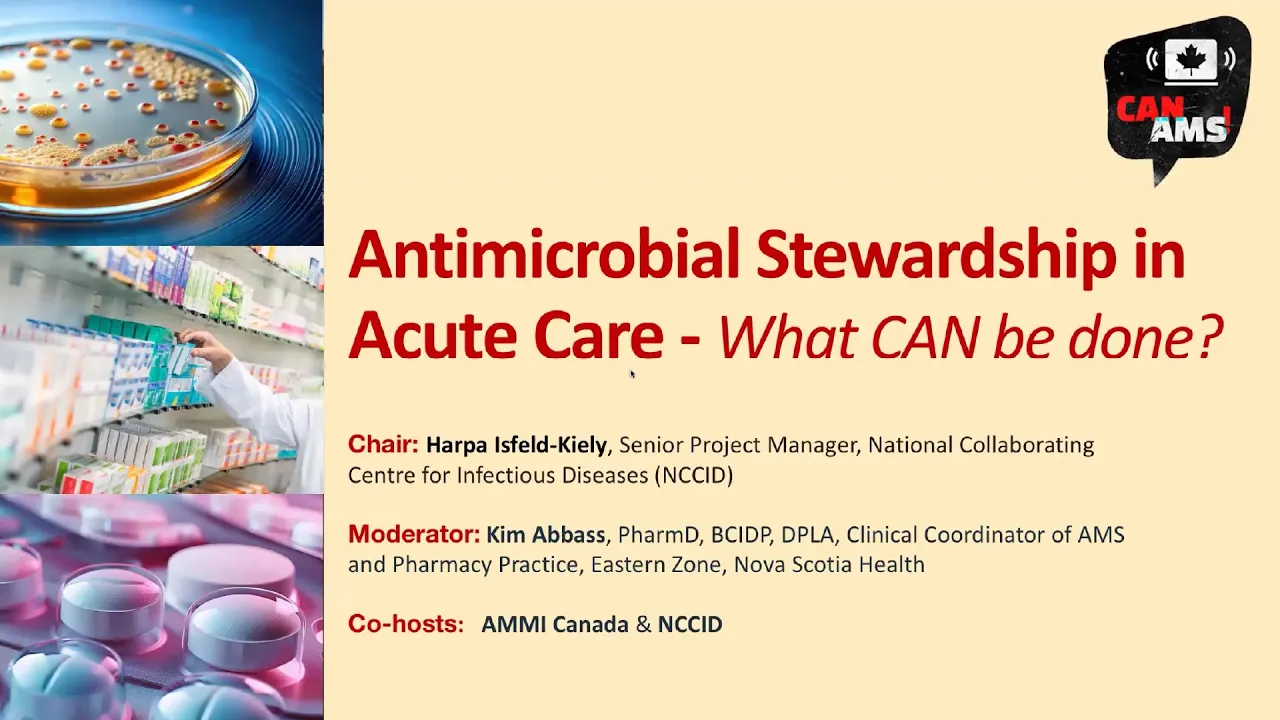
Antimicrobial stewardship is a commitment to appropriate and safe antibiotic use, addressing the critical problem of antimicrobial resistance that has emerged since the antibiotic era began. Key principles include ensuring the right drug, dose, route, and duration for each patient, with evidence showing that unnecessary or inappropriate antibiotic use contributes to resistance development and adverse events like C. diff infections. Strategies include prospective audit and feedback, pre-authorization requirements, and duration optimization. Research demonstrates that antimicrobial resistance is reversible through optimized prescribing practices, as evidenced by studies showing increased susceptibility rates following reduced antibiotic use. The CDC reports that 20-50% of hospital antimicrobial use is unnecessary, making stewardship programs essential for preserving antibiotic effectiveness for future generations.
Antimicrobial Stewardship: Principles, Benefits & Resources
Added:all right I think we can go ahead and get started hi everyone so happy to be here thank you for letting us use your resources for our new monthly antimicrobial stewardship lecture series we are so happy to be here this is a new lecture series that we are starting in conjunction with Dr dosser from the division of ID we've got Dr Snyder from the micro lab we've got infection prevention on board so true multidisciplinary effort to bring an antimicrobial stewardship lecture series to our health system my name is Audrey Hawkins I am the system clinical Pharmacy coordinator for the antimicrobial stewardship program that is a mouthful but you can just shorten it to I'm an ID pharmacist so what that means is I have my Doctorate of Pharmacy followed by two years of postgraduate education specialized in infectious diseases so please do not ask me about anything outside of infectious diseases I brain dumped that a long time ago find your local pharmacy specialist for other questions I'm also very excited to have a guest here Dr Sarah Moore from Norton Healthcare she is an ID pharmacist and we work together on a state and local level for antimicrobial stewardship and she's going to talk a little bit more about our efforts in that realm as well but today the best way we figured to start off our antimicrobial stewardship lecture series is give you insight into what is antimicrobial stewardship and why it's important and why we have this stewardship program I do of course have a few objectives so we're first going to talk about the untoward effects of antimicrobial use I think we can all agree that antimicrobials are wonderful however there is quite the fine line that you walk with harming patients and helping patients with antimicrobials we'll then talk about antimicrobial stewardship principles goals and strategies so why do we have this stewardship program what are some of the things that we utilize to improve antimicrobial stewardship and what can we do moving forward I also want to talk about the regulatory roadmap and some of the changes in the government officials and some of the initiatives that the federal government and quite honestly on a global scale the reason that we're doing a lot of the things we're doing in our institution is are because of some of those Federal groups and of course we want to talk about the proven benefits of antimicrobial stewardships and some of the resources that you have available I think it's best to start any ID lecture series because it is so much fun with a fun fact so does anyone know what the first antibiotic was just yell something out penicillin all right that is a good answer however penicillin while it was found in 1928 Alexander Fleming did not win his Nobel Peace Prize until the late 1940s for it and it wasn't brought onto Market until mid-1940s there's actually a German pathologist in the late 1930s that found sulfonamides first and well they were after penicillin he brought them to Market first and won his Nobel Peace Prize first but really the first evidence of antimicrobials were found in these ancient Nubians which is now Sudan about 2 000 years ago so archaeologists have a really cool job they found the remains of these ancient Nubians and they found evidence of tetracyclines in such consistent amounts in their remains that they postulate they had to have been doing it on purpose so what they think happened was that they were Brewing either teas or beers or some sort of drink that they were coming on a regular basis to infection rates into their position I have absolutely no idea how they figured this out but they claim that the infection rates in this civilization were drastically lower than other civilizations from that time so really tetracyclines were the first antibiotic that were utilized and I do have another question for the crowd before we get things going what is antimicrobial stewardship mean to you and again feel free to yell anything out if anyone wants to say antibiotic police feel free this is a safe space we'll debunk that throughout this lecture yeah antibiotic regulation that's a great one so really what it means to us is antimicrobial stewardship providers is a commitment to appropriate and safe antibiotics that's all we're here for we just want to make sure your patients are receiving antibiotics appropriately and this can look like a couple of different things right so it can look like the right drug the right dose the right route to the right patient all of these things are Dynamic and can change so we're here to provide you with objective data to supplement your subjective clinical decision making at the bedside that is our main goal as a stewardship program now I want to talk about why we need antimicrobial stewardship and you'll see a lot of this has to do with history there's kind of a theme here so I'm going to orient you to this timeline on the far left over there we have the Dark Ages this is the pre-antibiotic era when people were dying of things at a young age like community acquired pneumonia cellulitis things that we see in the outpatient setting now send them out with a few days of antibiotics you're good to go well before that we had samovice who said we should wash our hands that was the best preventative to infection at that point in time then we move towards the primordial and golden age of antimicrobials this is where a lot of development was happening we were finding these antimicrobials we were treating these infections it was wonderful after that we moved into What's called the lean years so this was the majority of the last part of the century where there wasn't a lot of development of antimicrobials but we were really diving into them to see how they work see what their chemical structure was what were some of the adverse effects of those and that was the time period we started to notice antimicrobial resistance so you can see on the far left with penicillinase Discovery penicillinase is just a very low level beta-lactinase that renders penicillin inactive and you can see as time goes on and we're just investigating those antimicrobials we already have we're starting to see resistance occur to those antimicrobials that we're using and now 19 late 1990s 1998 was one of the first times that antimicrobial stewardship was actually suggested is maybe we should have this maybe we should take a look at what we've been doing the last few decades here and then in the 2000s now we're in this disenchantment period and heading towards what people are calling a post-antibiotic era that's going to throw us right back into samovice now we need to start washing our hands again right but instead of preventing infection for washing our hands what the focus really is is preventing the transmission of those antimicrobial resistant organisms I have another great timeline for you and this one I like because I like to see how quickly resistance can happen to these antimicrobials you can see that finish line was really brought to the market mid-1940s they started giving it to soldiers in World War II and then about five years later penicillin resistant staphylococcus becomes a global pandemic and yes I said penicillin resistant staphylococcus because before we had MRSA as a global pandemic penicillin treated staphylococcus then we used it and it became resistant and so it was a few years later in 1959 that methicillin was created to combat that penicillin-resistant staph aureus but a single year later we saw MRSA arise as a resistant organism and then in 1987 daftamycin was invented or founded however you want to say it it wasn't until 30 years after that that a new class of antimicrobials was invented so those are the lean years we're talking about right we felt like we had everything good we had all the antibiotics we needed we were using them we were curing infections but we were also starting to see the increase in antimicrobial resistance however it wasn't until 2014 2015 the people started to latch on that this was a serious problem this was something we needed to fix this is the antimicrobial use and resistance threat report in 2019 put out by the CDC and really what this is is the CDC came together this was the second report of its kind the first came out in 2013 and they said hey guys look we've evaluated all this data from the United States and these are the biggest threats in antimicrobial resistance that we see this is where we should focus our energy so two big things we're going to talk about antimicrobial stewardship that we want to prevent our antimicrobial resistance and then Adverse Events that occur for antimicrobial usage one of the big ones is C diff C diff is a direct effect of how you're prescribing and utilizing antimicrobials in your patients so that is a huge Cornerstone of antimicrobial stewardship programs and monitoring C diff infections what they said in 2019 and keep in mind that we've got about four or five years in the new data now is that there were over 2.8 million infections due to multi-drug resistant fungi or bacteria that accounted for over 35 000 deaths and then was seen if we saw over 223 000 cases and over 12 000 deaths due to C diff it was also noted in this report that 20 to 50 percent of all antimicrobial use in the hospital right where we have the most resources where we can follow up on our patients were either unnecessary or inappropriate completely and this is one of my favorite quotes arguably the greatest risk to human health comes in the form of antibiotic resistant bacteria we live in a bacterial world where we will never be able to stay ahead of the mutation curve and a test of our resilience is how far behind the curve we will allow ourselves to fall so please keep in mind that we are already decades Behind These bacteria right they've been evolving since the day that penicillin was invented in the 1940s and we just started picking up on it in the early 2000s that we needed to fix this so we've got a lot of work to do to catch up on that curve the CDC some other centers for infectious diseases Society of America centers for Medicaid services they come up with some of these core actions for combating antimicrobial resistance and again this is on the federal scale so these are things that are passed down from our federal government in ways that we should be combating antimicrobial resistance one of those are perfect preventing infections and resistance so this is where infection prevention Hospital epidemiology comes so important in our stewardship program tracking resistance patterns improving prescribing and stewardship that's what we're really here for for this lecture series to help improve prescribing an antimicrobial stewardship and of course the development of new drugs and diagnostic tests we have these organisms they're not going to go anywhere we need new things to treat them and we need ways to identify them more quickly it's not just inpatient I think everyone in antimicrobial stewardship could tell you that outpatient stewardship is terrifying it is a beast that no one is really equipped to handle at this point as you can see 80 to 90 percent of all antibiotic use occurs in the outpatient setting so I always try to keep that in mind that I'm only touching 10 to 20 percent of antimicrobial use in the inpatient setting and I'm certainly not getting to every single antibiotic prescription that is being used so if you think about the capacity that we have and the improvements we need to make an antimicrobial stewardship it is very vast there are a few ways that you can misuse is kind of a harsh term I like to use the word optimize antimicrobials I think misuse has a negative connotation to it but we'll use it for the part of this lecture but there are a few ways that you could sub-optimally use antimicrobials right so you can have an unnecessary antibiotic one thing that we like to talk about a lot is asymptomatic bacteria does your patient actually have a UTI or a few days of antibiotics going to hurt them the answer is yes those few days of antibiotics can most certainly hurt your patient excessive durations I remember as a kid my parents and all of the doctors saying hey you've got to take every single day of your antibiotic if you don't take your antibiotic every single day you're going to get antimicrobial resistance we now know that those long excessive durations are really what play a huge factor in antimicrobial resistance the incorrect dose you could have a dose too low maybe you're not treating the infection adequately or maybe you have a dose too high and you're causing a lot of toxicities we're here to help you find that middle ground in the right dose for your patient and your infection of course broad spectrum agents used to treat a very susceptible bacteria I love yard work so this is my favorite analogy but if you need to get rid of like one or two weeds you're not going to go out and just drop a bomb on your entire yard and clear out all the grass right you're going to Target those weeds and you're going to try to pick them out specifically so that way you don't ruin the environment you've already created and then you can of course give an inappropriate antibiotic for a given infection is everyone aware of the limitation of daptomycin that's the easiest way to explain this you don't want to utilize daptomycin for pneumonia right because it's inactivated by the lung surfactant that would be an opportunity for antimicrobial stewardship so you need to choose another agent maybe it's an island maybe it's Vancomycin it's not always an escalation or a de-escalation sometimes it's more of a lateral move to make a more appropriate choice for your patient honing really in on drug resistance I'm going to use esbls or extended spectrum betalotomases is kind of the point that we're going to talk about for this as it is listed in the threats report and so you can see from 2012 to 2017 and again this is lacking a lot of the Cova data that we know we used antimicrobials very frivolously you can see that steady increase in esbls over time so these are organisms that are resistant to all four generations of your cephalosporins and you start having to use really broad agents like carbon pendants or maybe other non-betalactium agents like a fluoroquinolone or bactrum those all come with inherent harms of themselves so not only does your patient have a multi-drug resistant infection but now you're having to use an agent that is highly toxic to them because of the organism that they have grown how does this occur how does antimicrobial resistance occur I think this is something really important to understand and the same thing happens with C diff right so basically your body has this wonderful array of bacteria of fungi that keep homeostasis within the body it's kind of like the battle for good and evil right you got to have a balance well if you have an infection then one of those organisms have kind of bubbled to the surface and they're starting to cause an infection again the goal would be Target that bad organism and do as little damage as possible to the rest of your body's organisms but what happens when you use these broad spectrum organisms or broad spectrum agents for far too long you start to not only kill the bacteria that are causing the infection you start to kill off everything else and then the only thing remains are those organisms that are resistant to the bacteria to the drug that you are using those things then bubble to the surface they become the predominant organism and the next time your patient gets an infection it's with one of those nastier bugs not only can It bubble to the surface it can transmit its resistance to other bacteria maybe you've got a few good bacteria left but they can turn into resistant bacteria with the transmission from the other organisms and the same thing happens with C diff C diff is a potential colonizer in most patients but once you start to kill off all of the other good bacteria and C diff comes to arise that's when it starts to cause that toxic colitis and diarrhea it is noted that one in six patients who get C diff will get it again within two to eight weeks so this recurrence is a huge cause of morbidity and mortality in our patients and if you have treated a patient with Ceta if you know it can be quite difficult to treat and we have very limited agents to treat C diff it's also noted that one in 11 people over the age of 65 who get c-diff will die within a month we did a study at Jewish hospital a few years ago that 50 of patients who got C diff in our icus died and socitive is a huge huge thing that we look at from an antimicrobial stewardship perspective we obviously want to save the patient from getting this infection save them from getting these recurrences having this excess cost of hospital stays and the issues that come after that but we also want to improve our antimicrobial use so that way we can prevent these things from happening we talk a lot about resistance we talk a lot about C diff we tend to forget that antibiotics in and of themselves have adverse effects associated with them so this was a study that looked at Ed visits between the years of 2004 and 2006. they looked at over 140 000 Ed cases and identified the ones that were because of adverse drug events they found that 19.3 of those were antibiotic related so out of 140 000 Ed visits almost 20 percent of those were antibiotic related and it's not limited to your more toxic antibiotics right or your IV antibiotics that you think inherently have some of these higher rates of Adverse Events penicillins were noted to be the highest cause of Adverse Events in these patients who were coming to the Ed so I think that goes to say that even if you feel like you're using a safe antibiotic no antibiotic is safe no medication is safe they all come with inherent harms so finding ways that you can optimize that for that patient becomes extremely important these are a few of the national initiatives like I said federally this is something that the government is putting a lot of time and energy into and so the first again the first 2013 AR reports came out after that the White House started with some national strategy plans some things we needed to do some action plans to implement and this is where the idsa came out and they had guidelines for implementing an antimicrobial stewardship plan the center for Medicaid services has requirements The Joint Commission has requirements for every single inpatient institution to have a stewardship plan and there are certain things that you have to have in place to have a stewardship plan that will qualify and not get you dinged by Joint Commission so that's a lot of the reasons that we do the things that we do and then in 2020 they came out with the 2020 to 2025 National Action Plan and we're you know over halfway we still have a lot to do for that 2025 goal how do we do this who does this who are you going to hear from what might you get involved in it's really a vast team I have Dr Arnold and I here at the bottom because we're the physician pharmacist co-lead for our stewardship program Dr Arnold is the division chief for ID he and I team up we run our subcommittee of antimicrobial stewardship and so we work together with all of these different Specialties all these these different disciplines to really come up with plans for antimicrobial stewardship and how we can find problems how we can fix problems how we can make things more efficient what can we do to improve our processes so it really is a huge team effort that goes into this there are a few different ways that you'll see us make stewardship interventions and I think this is important to understand so there's first A syndrome specific and these again come from some of those guidelines on implementing a stewardship program there's evidence on all of these different ways that you can provide antimicrobial stewardship there's really no evidence that says one's better than the other it all boils down to whatever works best for your facility will work best for your facility so he's kind of a combo of these three items syndrome specific is simple it's typically a guideline right you have a guideline for how to process or how to manage an intra-abdominal infection in your institution based on what you have available based on your Technology based on your resistance rates and then the next I want you to think about in kind of relation to that prescription bottle so think of that prescription bottle is your patient getting an antimicrobial pre-authorization happens before your patient gets that antimicrobial this is when you want to use something but you have to call ID first or you have to get approval from your antimicrobial stewardship team first these are usually high cost agents or agents that are broad spectrum that have the potential to cause either a lot of harm financially or to your patient and then on the other side of that after your patient gets it we do a lot of this this makes up the bulk of our antimicrobial stewardship program here at uofl health is prospective audit and feedback this is basically your patient gets it someone comes in next day and says hey this is great but we've got some better options for you we do that a variety of different ways and then this is how you can find the empiric guideline I'm going to kind of fly through that but it's basically listed on policy Tech so this is an old outdated version of our empiric guideline the new one is going through pnt at the end of this month keep your eyes out for that and then the way that we do antimicrobial stewardship at uofl Health again here is a list of our criteria for use medications so these are medications that are reviewed every single business day so if you start this patient on an antibiotic within 24 hours on a normal business day you should probably get a call saying hey would you do this for what's going on does this meet criteria and we're really trying to cut down these broad spectrum agents where they're not appropriate or maybe in those 24 to 48 hours you have more information and you can de-escalate now we can get them on better agents or maybe you have more information we need to escalate and get them on something different we also do sterile site culture review this is performed typically by one of the ID pharmacists in our system so this is looking at blood cultures I personally get all blood cultures CSF cultures and bals into my email and so as soon as they pop up they come to my email I see if they're on appropriate therapy and this is really taking advantage of some of our rapid Diagnostics that we have here to ensure that they're being utilized in the utmost potential durations of therapy so we might call you about a stop date it's always great if you have a stop date for your patient put it in because you would be surprised the amount of antimicrobials that the note says day seven septraxone stopped and it's day 14 and it actually hasn't been stopped and no one noticed it so put those stop dates in those will prevent your patients from having their antibiotics or anti-infectives continued for long periods of time we also do a lot of transitions of care we have wonderful pharmacists who help with our transitions of care something we see a lot is all right they got five days of IV antimicrobials in patient well just to be safe I'm going to give them seven more days of oral outpatient that is an example of not necessary antimicrobial use right not optimal antimicrobial use and then we also do auto stops this is more in the vein of pre-op post-op prophylaxis to ensure that your patients here are getting those surgical prophylaxis get them for the designated period of time and they do not continue past what's needed another thing our pharmacists do are IV to oral switches the majority of the time there's nothing special about IV medications in fact they can just prolong your patient's Hospital stay put them at risk for IV line infections and so if your patient is an appropriate candidate for oral switches we have a policy that allows our pharmacists to make that one-to-one switch if it's a drug that is appropriate for that so keep that in mind as well there was a study recently published in patients with community acquired pneumonia they looked at over 20 000 cases and less than five percent of those were switched to oral antimicrobials during their Hospital stay if your patient can take oral give them oral it's much easier for them and I think the main goal of this and something that has kind of rang throughout my part of the presentation so far is finding out that information and getting your patient on the optimal therapy as a stewardship team we fully understand that if you have a patient that is crashing and burning in front of you you hit them hard you hit them fast you have little room for air right but use the tools that you have use the test that you have ordered to try to streamline therapy within those first few days and hours of their hospitalization and I think something that always comes up or do days and doses matter they most certainly do right I hear a lot of well I don't want to split hairs let's just keep them on broad spectrum while they're in the ICU when they get better to the floor we'll de-escalate them right this first study showed that every single day your patient is on an anti-infectant they're increased odds their odds increase four percent every single day for an adverse event that is on any antimicrobial the second one showed that patients who were on broad spectrum anti-seudomonal beta lactam so these are cefepime piptazo Americano things that we are kind of like the Ed special right they come in they get bank and piptazo they continue on them this study looked at patients who were de-escalated off of that within 48 hours so the first 48 Hours versus after 48 hours and their rates of C diff their risk of C diff they found in those patients who were de-escalated within the first 48 Hours their increased risk of C diff with only 1.8 percent you kept it on for longer than that it jumped up to seven percent right and that was a significant increase in a risk for C diff and then finally one of my favorite studies was looking at surgical prophylaxis which in theory is just a day or two of antibiotics usually not very broad spectrum what's the harm so this looked at patients who got surgical prophylaxis for 24 hours somewhere in between 24 48 hours and then somewhere greater than the 72 hour mark as well and they found that if you've got antimicrobials for 24 to 48 hours pretty much the standard for post-op prophylaxis your rate risk of C diff only increased about 7.8 percent that wasn't significant in this study you continue past that 48 Hours it jumps to 142 percent and then past 72 hours up to 265 percent those are just single days of antimicrobial therapy that are arguably pretty narrow for your patient that they didn't need in the first place right so this goes to show that days and doses most certainly matter if you have the information to make that decision make that decision do not Turf it to the next day don't Turf it to the next team because then it's just going to keep getting kicked around I'm not going to really harp on the rest of the antimicrobial stewardship benefits because we've talked about them at length but I think one that gets kind of lost is that Administration is always looking to the antimicrobial stewardship team because antimicrobial stewardship utilizes your resources optimizes your resources in the best cost-effective manner we do have to look at money and we do have to look at data we do have to look at metrics things that maybe don't seem important when you're looking at a crashing burning patient but again that's why we're here to help you zoom out right we're here to provide this objective evidence for you to help supplement your subjective clinical decision making to help show you what could potentially happen to your patient if you're not utilizing that information you have available and I think this goes to show with the rest of the presentation that more is not better right more antibiotics is not better for your patient more days of therapy is not always better for your patient I think it's very important to weigh and to figure out where you are kind of on that balance of risking harm versus helping your patient right so really when you're looking at these empiric therapies or even if you're looking at targeted therapies ask yourself do I have a reason to continue this antibiotic what is my reason to continue this instead of asking yourself if you have a reason to stop the antibiotic we do a lot of other really boring things that I'm not gonna wear you guys with but this does make up a bulk of my job and is where we kind of get into the federal landscape of things but we report our antimicrobial use and resistance to the national health and safety Network they then compare to other like hospitals and we can see kind of where we measure up right are we using more antibiotics in the average hospital that's similar to us we're using less antibiotics or we're using more of one thing less of another and then we can really identify how to improve our processes we again have to assure compliance with the Joint Commission so a lot of these things I say hey I know I have to do this it's a joint commission requirement they're going to think as if we come and we're not doing this and then we work a lot to track and Trend data to identify areas that we're doing really well at or areas that we need to do better at but all of this with the common goal of improving outcomes and ensuring antimicrobials are effective for generations to come we don't want to enter this post-antibiotic era but we do have a lot of work to do to ensure that we're not on a very fast speeding train towards that that is all I have for my brief introduction to antimicrobial stewardship and now I'm going to bring up Dr Sarah Moore who's going to talk more about what we do on Citywide and state level for antimicrobial stewardship all right good afternoon so thank you for the introduction Audrey as she said I'm also an antimicrobial stewardship pharmacist but I practice across town at Norton Healthcare I actually back to the Audubon Hospital in Germantown and the reason that Audrey and I wanted to talk together today is as she mentioned we do some work together on a community level as well as for our Statewide antimicrobial stewardship group so as important as it is to talk about what's going on here at uofl and to trust your resources that you have here in all likelihood you all are not going to spend your entire careers here so we wanted to discuss a little bit about how stewardship May differ across different institutions and just give a little bit of kind of that zoomed out perspective as well so my objectives are overall fairly similar but we'll be discussing Kentucky's state level antimicrobial use and stewardship efforts we'll also be highlighting a case-based education and how to apply antimicrobial stewardship principles and then discussing local antibiotic use Trends as well as resistance and I promise we're going to end on a positive note so that we can all maybe feel a little bit better about possibly hurtling into an apocalyptic post antibiotic camera all right so Audrey showed you this map already but I wanted to go ahead and revisit it this is looking at outpatient antibiotic prescribing and what we see is in those darker colors we have higher antibiotic prescriptions per capita now I like this outpatient data partially because it's just a little bit more reliable than some of our inpatient reporting because it's all based on insurance bills so it probably just gives us a little bit more reliable comparative data across States so probably the first thing you'll notice is that the southern part of the United States has a lot of that very dark red color so higher antibiotic prescribing per capita and if we look at Kentucky's most recent years worth of data we see that we had 938 antibiotic prescriptions per 1000 residents so about a one-to-one ratio probably everybody in the state about got an antibiotic that year um and in the United States we had a lower rate at 636 antibiotics per 1000 residents in that year we were number five we previously held the number one spot so we are making our way down the rankings so good for us there however as people in practice in the state of Kentucky I think it is worth at least knowing that we are an outlier we should probably all be aware of that and then probably start asking ourselves a secondary question of why is that and what are our opportunities to maybe try to get a little bit closer in line with what we see throughout the US so when it comes to addressing antibiotic use or especially areas where we might have higher use we have a couple different organizations that might be looking at that so we start with things like the World Health Organization at a global level and then here at a national level we have things like the CDC and then we get down into individual institution level stewardship program so I put up uofl Norton and Baptist as examples just because we've all had established stewardship programs for at least the better part of a decade typically longer for all of these so what you'll notice is we start with the CDC we have these federal regulations and then individual hospitals are just kind of charged with actually carrying those out we do have these requirements of things that your program has to address but it doesn't really give you a great idea as to how to go about doing that where does the rubber actually meet the road and how do we actually address these issues like Audrey said some of it just comes down to what's available at your institution and what's going to work there so for example uh at Norton we don't have infectious diseases fellows so we don't have infectious diseases fellows involved in doing any of our antimicrobial stewardship that wouldn't be a great solution versus that works really well over at uofl so some of that just comes down to what you have available and if you do this type of work and do antimicrobial stewardship the odds are you probably will connect with people organically Audrey and I are not meeting for the very first time today we've collaborated on other projects before and talked about ways to kind of problem solve things that are institutions but the idea of inserting a state level antimicrobial stewardship program in here is to kind of formalize those connections that mayor court organically but they also may not and allow people to basically gain some access to other people who are doing antimicrobial stewardship work this is now required per the CDC that all hospitals have to be doing this but as Audrey pointed out that's relatively recent requirement and there are lots of programs that have not been in place for all of that long they're also sometimes being run by people who may not have formal education in antimicrobial stewardship and maybe could just be struggling a little bit to figure out where to start or how to actually enact change so the idea of having this Statewide collaborative is to allow all of those people to kind of connect and hopefully help one another out and just make that barrier to starting that stewardship program and working on antimicrobial use a little bit lower so we now have a Statewide antimicrobial stewardship group in Kentucky it is just a year old and it is known as the Kentucky antimicrobial stewardship Innovation Consortium I'm going to call it Kasich because that is such a mouthful and I hate saying the whole name as far as Kasich we have an Advisory Board that's something that Audrey and I both serve on as well as Ashley Ross and Julie Harding if you're all familiar with them and then we have our membership organization so that can be any acute care critical access hospitals or a long-term care facility so these are all the areas where antimicrobial stewardship programs are actually required now in order to be a member you just can sign up this is a free program for anybody who's interested in learning more about antimicrobial stewardship programs or truly is trying to run a program themselves that can be just as simple as being on an email listserv or it can be all the way up to partnering with the Statewide group on a true project so as an example we have a hospital out in Eastern Kentucky that wanted to tackle their meropenum use and we've been able to kind of work with them help them figure out what their resources are and they've seen about a 40 reduction in meropenum prescribing so far this year relative to 2022 so we're really excited for them that's obviously a much more involved process than just getting education via a listserv but what we're really looking to do with the Statewide group is hopefully just allow people to use it for whatever it is for them that's going to be helpful I will put the caveat out there that we are by no means the first state to implement this type of effort we have some really great Frameworks out of South Carolina as well as Minnesota and then there's also some Regional groups so for example there's dayson run by Duke that all gave us some really great ideas when we were trying to get our Statewide group off of the ground so when it comes to the type of work that we're actually doing at that State level at these individual institutions again it may just be being part of an email list serve and kind of exchanging some ideas but we can also help out with some other projects so some of that may be administrative assistants so like Audrey's talking about those things that probably don't get anybody out of bed but are really important for Hospital reimbursement so these are things that a lot of stewardship programs especially when they're just getting started are very concerned about meeting additionally it could be things like protocol development so ibdpo like Audrey was talking about they also have Auto renal dose adjustment protocols and indication-based dosing adjustments so especially at smaller Community Hospitals that don't have medical residents and lots and lots of people reviewing every single order some of these things become really important to go ahead and just make sure they're happening on the back end either via Pharmacy or nursing staff as well to really just utilize everybody's skill sets to ensure that things don't get missed and then of course we also have things like guideline development so we may take a look at somebody's community acquired pneumonia guideline and the first line therapies clindamycin and we say hey maybe that's not the best idea let's potentially pick something else additionally it can be things like microbiology support so one of the big things we've been working on is a Statewide antibiogram that we can actually share with folks who may not be able to make an antibiogram these are completely integral to being able to make good empiric therapeutic decisions so if someone doesn't have access to their own microbiology data to set up an antibiogram then this can really hopefully fill in a need for them we also can help out a little bit with diagnostic stewardship but I won't get too much into that because I hear Dr Doster is going to teach you all about that down the line here additionally we have things like office hours or people can ask clinical questions and then of course education so that might look like this we're doing formal education in a classroom setting but a lot of our education is actually meant to be relatively passive as well so that people can kind of do it on their own time so for an example we send out these weekly clinical education pearls these are meant to be essentially just a less than two minute read on an antimicrobial stewardship topic so this particular one is looking at relative risk of subsequent C difficile infection and what's cut off at the bottom here is we also have citations throughout so if somebody is looking for more in-depth longer than two-minute education that all of those resources are already collated there for them and especially if we have say a pharmacist trying to go make a recommendation to a treatment team that they know where this information is coming from and can reference it so those weekly education pearls get distributed via email listserv social media and then on our website as well and in addition to those we also have these clinical cases that we post on social media and then disseminate via the listserv and the website as well so we'll go ahead and walk through one of those I want to put the caveat on this that these clinical cases are not meant to teach people nuanced management of complex infectious diseases we are not talking like late stage Lyme disease or non-tuberculous mycobacterial infections we were talking really common disease States and how to think about them from an antimicrobial stewardship perspective so the intention is that they're relatively high yield for any type of managing person so this is an example we've got a 67 year old female patient who presents to the hospital with an arm abscess blood culture is positive for NSSA she was initially started on empiric vancomycin and subtraxone So based on the information we have now what is the best antibiotic adjustment feel free to just shout it out all right I hear Whispers see all right stop both and start cephasolin correct so we're going to stop stuff triaxone and then we're going to also stop Vancomycin starts to fasten so then the thread on social media is going to walk people through the thought process as to why so one of the studies that we cite is this one which was looking retrospectively at patients with NSSA bacteremia and if they got Vancomycin or beta-lactam therapy and those beta lactames were over 70 naphsylin and cefazolin and you've got nearly 17 000 patients included in this study it was done at the VA across 122 hospitals in a seven year period and compared 30-day all-cause mortality and what we see is in the Vancomycin group we've got 14 mortality versus the beta lactams we've got 12 mortality and that was statistically significant now there's smaller studies that also support specifically cefazolin versus mssa that also found statistically significant decreased mortality in the cefazolin arm so this is one of the resources that we try to direct people to to help explain that clinical efficacy is actually better with our more narrow Spectrum agent so that's why we're not going to continue Vancomycin but why are we going to stop self-trac Zone that study I just talked about was all Comer beta lactams there was some Ceftriaxone in there so what's the purpose of stopping that one so ceftraxone has this broader gram-negative spectrum and a higher risk for C difficiles so negative two points for that we're going to go ahead and go with cefazolin so again this isn't a particularly complicated case but we are just trying to walk people through what should my thought process be when it comes to de-escalation so the first thing is going to be is this drug going to be effective that's usually the thing that we're the most worried about up front next let's pick the most narrow Spectrum effective agent because we want to avoid any of that unnecessary broad spectrum activity like Audrey was talking about we're going to kill off good bacteria and that's not what we're looking for and then the last thing we should be thinking of is under this umbrella that I'll usually call collateral impact so in this case we were talking about higher C difficile risk so there's something unfortunate that could happen down the line if we continue Ceftriaxone over cefazolin but that collateral damage could also capture things like drug drug interactions Adverse Events maybe cost or convenience for the patient as well anything that's basically going to make this treatment option less desirable for whatever reason so I promised that I was going to end on a good note and we're going to go ahead and do that here so I'm actually going to be talking about a study that we did over at Norton but I do want to put the asterisks on this that when it comes to antimicrobial resistance they don't know the bacteria don't know if a patient was at Norton or at uofl and you probably all know that we do actually really share patients across the board as well we absolutely have a community when it comes to resistance rates it doesn't really matter what institution we're at we're really going to see similar patterns in our practices affecting what's happening at each other's institutions so you probably all at this point unless you're very new to Louisville and to start your engineer have heard of Norton we have four hospitals across the city and at that time we had an ID pharmacist at each of those hospitals for supporting prospective audit and feedback so like Audrey talked about we're just reviewing patients on broad spectrum antibiotics and making recommendations as appropriate so this particular study looked at Trends in fluoroquinolone prescribing in the hospital and then subsequent susceptibility of both pseudomonaseraginosa and E coli so we'll start off with the use what we've got here is 2016 to 2020. the reason that we don't have data back further than that is we just didn't have as reliable of a way to pull it but what we know is that it was actually higher prior to that as well but in that five-year period we have about a 75 decrease in inpatient fluoroquinolone prescribing and here's our impact on our percent susceptibility so we've got E coli on the blue line and then pseudomonas on the red line so what you see is that in that 10-year time period so 2010 through 2020 we've got quite a bit of a rise in susceptibility so this was a 57 increase in pseudomonas air genosis susceptibility which is so important because our quinolones are our only oral option available to treat those patients so we really want them to work and then we've got a 15 increase in E coli susceptibility so there's a strong negative correlation here 0.95 and 0.99 respectively and these were both statistically significant so of course correlation causation we can't a hundred percent claim that this is solely due to that decrease in fluoroquinolone prescribing but it also stands to reason a little bit we were talking about selective pressure for resistance earlier so if we take that fluoroquinolone away and the antibiotics are simply not being exposed to the bacteria the bacteria are less likely to be resistant to them so the two reasons that I really wanted to highlight the study for this group are that once again we are a community the way that we prescribe and the susceptibility patterns that we see is a hundred percent interrelated across hospitals and you would not see this type of change in susceptibility patterns at Norton Healthcare if something completely different was going on at uofl everybody in the city of Louisville who has been practicing over this period of time gets to claim responsibility for this reversal in resistance so I do really want to applaud what's been going on over here as a stewardship program and practice change over time as well the second piece is we worry so much about Rising antimicrobial resistance so Audrey showed us the scary reports from the CDC there was a follow-up one after covid that we saw quite a bit of rise in addition to what we already had in 2019 which is why it's so encouraging to see in our community that we actually have a documented reversal of antimicrobial resistance so I think sometimes it just feels a little bit Doom and Gloom when we talk about stewardship or like man why are we even gonna try is this even going to work and the reality is that yeah it actually really can so our key takeaway here is that antimicrobial resistance is reversible it just comes with the caveat that we have to change our prescribing all right um so the last housekeeping thing if you're interested in getting the little clinical pearls that's a QR code you're welcome to punch in your email but at this time Audrey and I will go ahead and open it up for any questions sure so the question was what did we do to actually decrease fluoroquinolone prescribing in that study um I could talk a little bit about Norton and then I'll let Audrey answer on what's kind of been going on over in your neck of the woods um so a lot of it come starts probably just with education so I will say that back in the day at Norton it was kind of just like do you have an infection levofloxacin like it kind of almost didn't matter what it was part of it is just like breaking down some of those particular practice patterns maybe talking to individuals if they're an outlier to say like hey turns out that you're prescribing more fluoroquinolones than anybody else um I think the other piece with the fluoroquinolones that has been huge over that time frame has been all the safety warnings that have come out with that particular class of antibiotics so I think we've all probably heard about tendon rupture that obviously is a pretty devastating side effect and the FDA in I believe 2018 put out their warning that essentially said don't use a fluoroquinone in an elderly patient if you have an appropriate alternative so those increasing safety warnings I think have also contributed to people kind of thinking twice about fluoroquinolones in particular yeah and I'm not going to lie to you I was not here at all during that time period I was still in pharmacy school I'm gallivanting around the Southern United States during my training but I think something that has been so big for us here is just paying attention right so paying attention to those warnings paying attention to what alternatives we have because I think something that's so important is as you stop using an antimicrobial you're trying to reduce using an antimicrobial you have to use something right and so a lot of the data that started to come out to show that hey we don't need to use fluoroquinolones we can use beta-lactames in these patients really help to improve some of our prescribing habits and applauding the staff and providers here really grasping onto that change and paying attention to the literature during those times yeah so for those of you in the room that are going to Dr doster's talk this Friday he will definitely hit on that but is everyone aware of the uofl Now icon on all desktops in the hospital okay if you look at a desktop in a hospital there's a uofl now thing it's where you can buy all your gear um there is a resource page in the top right you go to What's called policy Tech you want to click on the like viewer only because none of you I would assume are owners are approvers of policy Tech but policy Tech is basically where every single policy for this entire Health System lives so it can be quite daunting to try to dig through but if you know the name of the policy you type it in you can find it so those are all of our criteria for use if you're wanting to see if you can use septarilin maybe you want to see if your patient meets criteria you can type that into policy Tech it'll pop up you can review it if you type in empiric antimicrobial guideline that'll pop up or any kind of hodgepodge of those words but all of that is housed on policy Tech and that is where the majority of helpful items for you will be and so are the antibiagrams but they're outdated we're hopefully getting a new one soon there was a question up here in the back yeah yeah so we will head over that this year um but the general question from the crowd was you have a patient that comes from the Ed and they're septic and they get broad spectrum antimicrobials maybe they don't order the test they need before they get those antimicrobials and now you're not really sure what to do right so your patients but they're getting better you're trying to figure out what do we do what do we not do I think it's a general blanket statement that if you give your patient the most aggressive antibiotics and they're probably going to get better you're hitting something right it's just those next 48 72 hours okay now we've turned this corner of am I helping or am I hurting this patient and that's when you really have to start thinking about your disease specific things that patient where do they come from what's actually going on okay now you've got a few chest x-rays maybe you don't have cultures right away but you should have other sort of diagnostic tests that help guide you down this route of how can I streamline therapy I think it's also important to roll out if it was even an infection in the first place right there are a lot of reasons a patient can meet sepsis criteria not all of them are infection so if your patient comes up to you maybe they got antibiotics but you're not finding evidence that they were ever really infected look to see if you still feel like you need those antibiotics and there's a lot of literature and we'll talk about the different common disease states that you guys likely see of utilizing shorter antimicrobial durations to help eliminate that or help decrease that collateral damage that you might cause in patients in which you had a low suspicion for infection in the first place you just felt like you had to do your due diligence because what else are you going to do in that situation right you have a very narrow window to get it right I'll say this is what the ivy team and what the antibiotic stewardship team are here to help with right those cases where you come in you don't know what's going on because even as we'll talk about on Friday choosing empiric therapy is not as simple as flicking bank's ocean every time like we need to be a little bit more strategic about it to limit some of the off-use antibiotic you know bad offense do we need MRSA coverage do we need pseudomonal coverage like we can think through that process and come up with a empiric regimen that makes sense that narrows our toxicity window a little bit and you know then we'll get to the point of stopping antibiotics which is always the hardest thing but that's what we're here to help with I think the other thing that I always like to add as well is just because we stock antibiotics doesn't mean we can't restart them so I think that sometimes we just get really anxious about that if the patient starts going in the wrong direction nothing is stopping you from reordering something so I think that that's one of the pieces that sometimes can make us feel a little bit more comfortable as well is we're going to continue to monitor closely and we can observe off antibiotics and see what happens and if we decide that we need the back that option is always available to us as well so I have a question for the group how many of you use social media for learning resources whether that's Twitter or any of the other ones is that a common practice seem maybe 10 coupons okay if you come Friday we're going to talk about resources on social media free resources to learn ideas to learn how to use antibiotics and stuff like that so I'm just curious what the Baseline use phrase was there any other questions online or in the room foreign we're excited to continue this through the rest of the year
Up Next
Antimicrobial Stewardship for Rural Providers Webinar
@osururalhealth
169 views•2024-11-19

Graphic Medicine: Comics for Collaborative Healthcare Communication
@nationalpatientadvocate
189 views•2023-12-04
Anemia Diagnosis & Workup: A Systematic Approach | Medical Lecture
@UofLIM
50K views•2015-03-13

Stages of Labor and Vaginal Birth | Childbirth Animation
@nucleusmedicalmedia
52.1M views•2017-08-18
Related Study Plans & Knowledge Roadmaps
Structured learning paths in Medicine