


![Odaklanma ve Konsantrasyon Nasıl Artırılır? | Berk MD [Tıp Doktoru] | DenizBank Deniz Akademi](https://i.ytimg.com/vi/w2xvrq1Fpqs/maxresdefault.jpg)











The attention economy, where companies like Google and Facebook profit from capturing user attention through advertising, has led to an average American spending over 11 hours daily on digital media; since attention is the foundation of human devotion and personal growth, limiting technology use and redirecting attention toward meaningful activities like reading, learning, and real-world relationships is essential for becoming a more fulfilled and purposeful individual.
Intentional Attention: How Tech Shapes Your Focus, and How to Reclaim It
Added:The concept of the Attention Economy, where human attention is treated as a scarce and valuable commodity by digital platforms.
Basic cognitive psychology of attention, specifically the mechanics of working memory, selective focus, and the cognitive cost of task-switching.
The role of dopamine in the brain's reward pathways and how variable reward schedules (e.g., notifications, likes) drive habitual tech usage.
The philosophy and implementation of Digital Minimalism, including structured frameworks to intentionally curate personal technology use.
Humane Design Ethics, exploring how software engineers and product designers can create technology that respects human cognitive limits rather than exploiting them.
Deep Work methodologies, focusing on strategies to cultivate hyper-focused states and rebuild long-term cognitive stamina.
The psychological and neurological impacts of chronic multitasking and continuous partial attention on mental health.
433.2K views25.5Klikes13:33Original Release: 2019-02-16
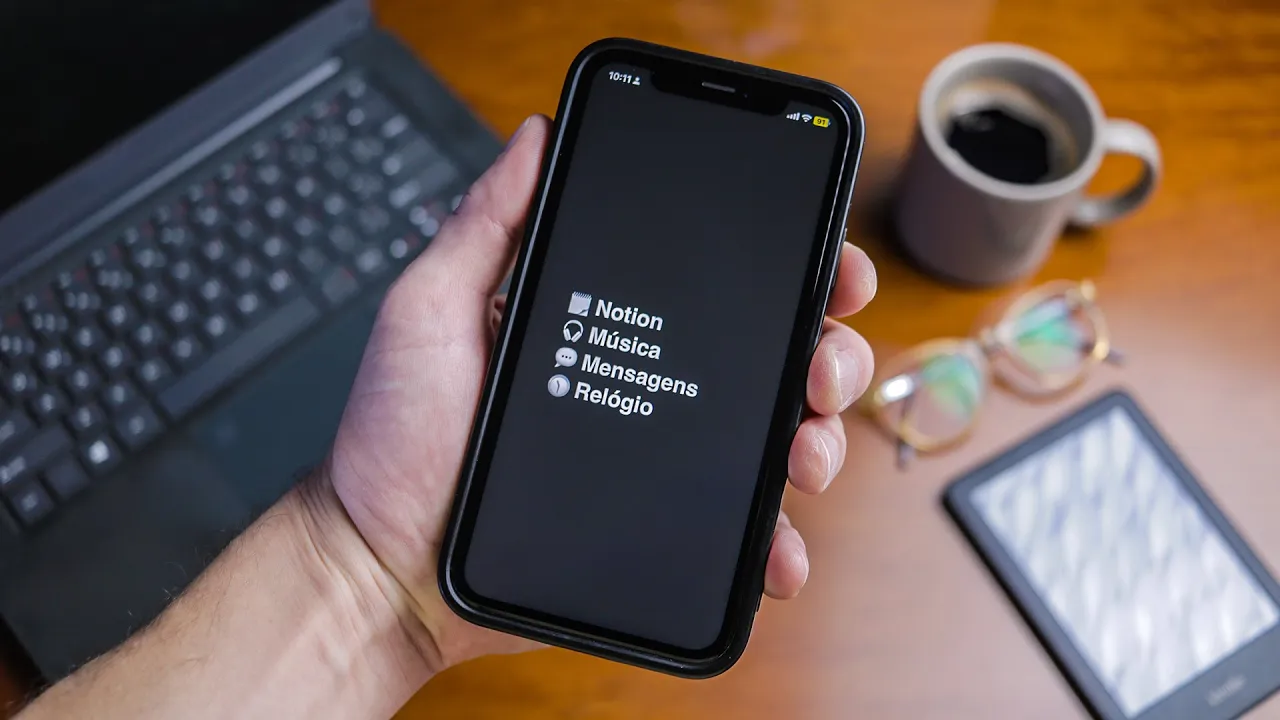
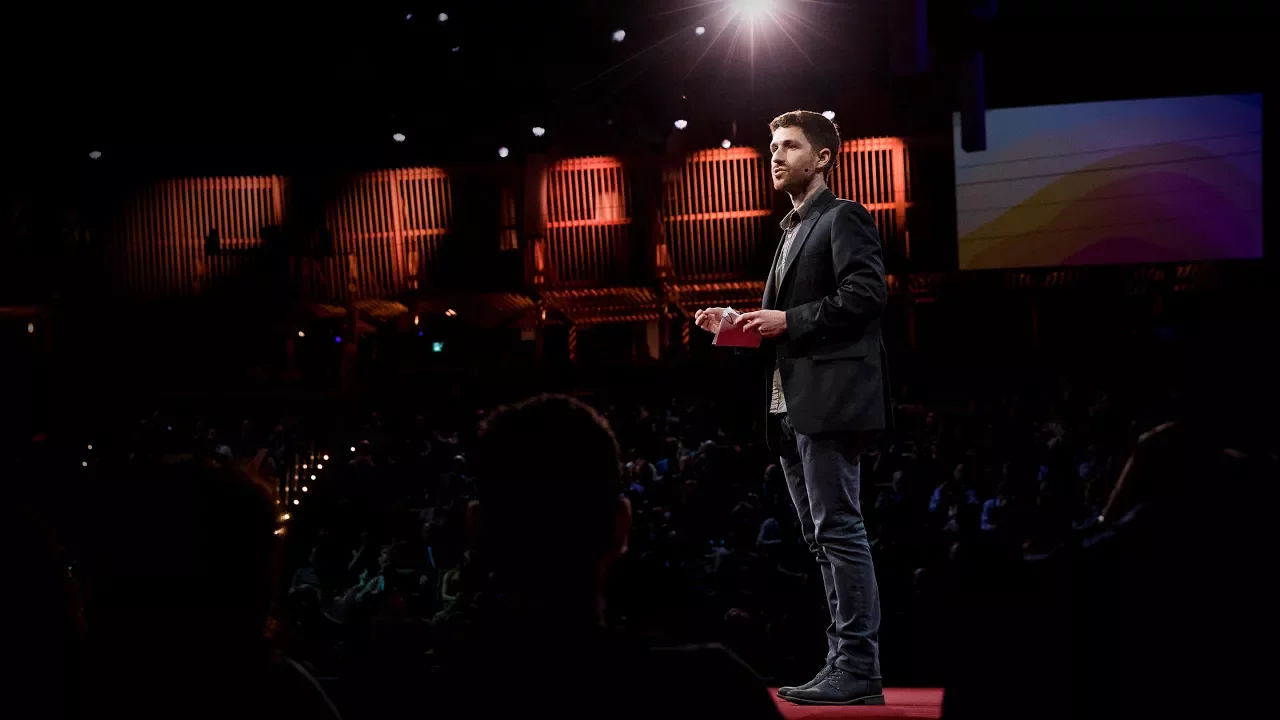
hi there I'm John fish I'm a Harvard sophomore and recently I've been thinking a lot about my relationship with technology so in my last video a week ago I talked about this idea and I kind of debunk this narrative that smartphones and social media are destroying a generation in kasnia mental health crisis if you look at the facts it's just not true today I want to talk about why even though they're not destroying a generation and there's no mental health crisis why you should still strongly consider limiting your technology because I'm a huge proponent of doing this and so in this video my goal is to share with you the beginnings of a framework that I've been thinking about pretty deeply for the last few weeks and I call it intentional attention let's dive into it in the early 1800s something interesting happened newspapers got really cheap the idea with this was kind of that rather than making money off of transactions that is you know charging more money for every newspaper and therefore driving more profit they can sell newspapers at a loss but make a greater profit from placing advertisements thereby profiting off of the attention of their readers this idea proved to be a super valuable business planet it worked out really well and has continued to propagate into modern businesses today in the digital world only accelerated this in a nutshell you can think of it this is kind of the difference between Walmart and Facebook's business model Walmart relies on a lot of transactions they give you a good in exchange for money whereas Facebook is totally free for everyone to use but there are ads everywhere and so it's two different ways of being immensely profitable companies so what's really crazy to me is just how much this this digital revolution in the attention economy has exploded in the past couple of decades in 1997 according to the IAB which which tracks this type of stuff digital ad spend was around 900 million dollars and in 2017 it was around 88 billion dollars and today two of the five most valuable companies in America Google and Facebook I guess alphabet now and Facebook rely on ad revenue as their primary source of revenue so companies that couldn't have existed 20 years ago are now some of the most valuable companies that we have in our economy so if you do the math right from 900 million to 88 billion in 20 years you're looking at an average growth rate of around 25% every year and this is obviously like a huge number for anyone that you know knows about economics like that's big and so the question is what's been driving that right so Google and Facebook and other companies that are relying on this ad money and essentially this attention for their revenue have had to get exponentially better year-over-year at capturing our attention so now I want to talk about why this might be a bad thing when Facebook launched in 2004 it it was cool but ultimately it was a pretty trivial service and similarly when iPhones were launched and when blackberries were launched they were little more than kind of glorified iPods music listening devices and email sending devices but now listen two decades later over 70% of Americans own smartphones and on average they're spending about two hours everyday on social media and maybe more dangerously according to Nielsen the average adult American is spending upwards of 11 hours a day consuming digital media 11 hours a day digital media has pervaded almost every aspect of our lives we're watching it while we eat we're watching it when we have free time sometimes at work and so in this way in a very short period of time digital media including social media has taken over increasingly large amounts of our life when I say 11 hours that's an increase over last quarter which was an increase over last quarter and so on it seems that we are spending more and more time consuming this type of media it's getting to the point where free time without digital media for most people is becoming a thing of the past you're constantly connected to your phone on Netflix on your laptop whatever the case may be it's getting to the point where people are just spending no time disconnected so a good question to ask is is how did this happen right how did these products kind of evolve in this way and when I say evolved it actually kind of sets up a framework for thinking about this right we can think about the evolution of these products as literally evolution we can think about it as some sort of hyper efficient engineer aided natural selection the networks which succeed and which others come in and copy and modify are the ones that get the most attention from their users and once we have that we can start to understand how as an ecosystem of products gradually we are giving more and more attention to it because they are getting more and more efficient at taking our attention but you know is this really such a bad thing well I would argue yes and the reason that I argue yes I think is summed up very nicely in one quote by Mary Oliver so in her essay upstream Oliver says attention is the beginning of devotion and you can really read this in a few ways so one you can read this as if you're dedicating a lot of attention to Facebook to Twitter to Instagram you start to become devoted to those services and do you really want to be someone who is devoted to Instagram that is your defining characteristic that's not me right but another way to read this is by kind of looking at what you're not dedicating attention to so if you want to be someone who's devoted to something important right if you want to make a difference in the world if you want to have some impact you need to dedicate attention to things other than social media the things other than your phone to things other than YouTube videos right if you want to become a more charitable person right you actually need to get out there and start contributing if you want to become a more educated person you need to get out there and start learning no matter what you want to do with your life you have to dedicate attention to it attention is fundamentally what allows us to be human if you want to foster good relationships with people you have to give attention to them right so if you're giving increasing amounts of attention to social platforms to digital platforms then you're taking away attention from again ultimately the things which make us human right I don't want to be a robot that spends all of my free time on Instagram and Twitter I want to be an interesting creative well educated kind person who has relationships with people in real life so it's not so much for me that Twitter Instagram Facebook etc that they're bad right I don't think that they're bad I just think that spending all of your attention in one place like that is not wise the habitual use of social media does not facilitate my achieving of what I want to achieve I want to do things with my life I don't want to just sit around on my phone all the and so I need to take attention away from these apps by limiting how I use them and that frees up attention for the things that I want to do the things which bring me joy and happiness and and the things that that I will look back with satisfaction later on in life so now that you're aware of this hopefully you've been able to follow kind of this evolutionary model how products have gotten more adept at taking our attention and why this is a bad thing primarily because it takes away the ability for you to dedicate that attention to other things in your life which are more important to you so we've understood that so how do we fix it right well turns out it's actually pretty easy so I'm gonna share with you some of the tips that I've been doing to limit my attention that I give to technology ok so luckily it's actually pretty easy to limit your technology once you become aware of why you want to do it the really hard part is understanding why and kind of justifying to yourself but once you have an understanding that it's because you want to dedicate attention to other things it becomes very easy so the thing about what matters to you what is it that you actually want to spend your time on so once you have that in mind it's time to actually start replacing your technology use so the attention that you're dedicating to technology and this is where you know Cal Newport and digital minimalism really hits it you know out of the park he has some really really great examples of how people are doing this but I want to share with you kind of odd three ways in which I've been limiting my own technology use and that I found to be pretty but a darn effect so the first way I went through my phone and I basically according to Cal Newports kind of he calls it a technology filter I believe which is basically this asking this question like does this provide something which I deeply value and is it the the best way that I can get this value I probably deleted you know 50 to 100 apps and then the other thing that I did is I turned off notifications for all of the other ones except for my direct communication apps so the the second thing that I did was after kind of renovating my phone like this I realized that it was mostly useless for like 90% of my day in that I only really needed to use my phone for like navigation for you know calling an uber or a lift if I needed to get across Boston to the airport or whatever or for calling people but you know I'm gonna know in advance if I have any of those three things on my schedule and so I'll bring my phone with me if I you know have to call someone in the middle of day or whatever but if I don't I'll just leave my phone behind and this is scary at first but ultimately very freeing and it freed up time for me to do what is you know my third activity which is just replacing this passive pleasure with active leisure so passive leisure being kind of hmm I wonder what's new on Instagram today I'm gonna refresh I wonder what's on reddit today oh wow that's interesting and kind of falling into the rabbit hole that we all fall into with that these products are very good at making you followed to those rabbit holes um active leisure on the other hand is is intentionally doing something because it's something that you want to do so for me a big active leisure in my life recently has been reading so over the past weekend I read two and a half books so not long books obviously about 500 pages of reading in total but primarily just through spending the time that I would have spent otherwise you know watching Netflix watching YouTube on my phone to just reading and it was awesome I loved it if you're not a big reader you know you could do any number of things you could build something you just go on a walk right there are all sorts of things that you can do which are healthy for you they're good for you so even though social media might not be bad for you if you dedicate that attention to things that are good for you you're gonna feel a lot better so what I'm hoping that you got out of this video was this idea that even though social media might not be something which is destroying a generation and causing us to be on the brink of a mental health crisis it is taking a lot of our attention and by being more intentional with our attention we can reap huge benefits by spending our attention on the things which we actually value in which we know will make us better people so I've actually started to write a book on this because it's a problem that fascinates me deeply and I think I can kind of present an interesting in point of view as someone who has worked in the software and also in the social media influence and also in the academic field so I can parse the the psychology studies that are you know often misinterpreted and so I think I can kind of provide a valuable perspective on that so I'm not sure where it's gonna go I'm about 30 pages deep obviously I'm in the middle of school right now I'm still trying to do these videos I have extra curricular commitments so it's gonna be a little while before it's done but if you want to follow along and you know be notified when it releases then definitely subscribe to the channel maybe click that Bell notification so that you can be here whenever I post a video as well as subscribe to my email newsletter which is not something that I actively use a lot of the time but when I release this book you will be the among the first to know if you're subscribe to the email newsletter so link to that in the description you can also follow me on Instagram and Twitter at the john fish and yeah i hope you enjoyed this video I hope this valuable to you and I hope that you consider some of the things that I said so thanks so much for watching and I will see you next time
Up Next
2:22
Venture Capital Explained: A Beginner's Guide to VC Funding
@Forbes
572.9K views•2016-03-23
46:36
Retention Habits of Top DTC Ecommerce Brands Revealed
@SendItPodcast
44K views•2026-03-03

15:23
Decoy Effect: How Pricing Psychology Influences Consumer Spending
@bobinvestsUS
90K views•2026-01-05

17:30
The Planned Obsolescence of Light Bulbs and Tech
@veritasium
25.3M views•2021-03-26
Related Study Plans & Knowledge Roadmaps
Structured learning paths in Business
business
Pop-Up Retail: Strategy, Design & Execution
01Introduction to Pop-Up Retail & Strategic Goal Setting
02Budgeting, Site Selection, and Legal Essentials
03Experiential Retail Design & Visual Merchandising
+ 2 more learning modules
15h5 modules
Explore Roadmap
business
Reg CF: Startup Funding, Marketing & Launch
01Introduction to Equity Crowdfunding & Reg CF
02Platform Selection & Legal Preparation
03Crafting High-Converting Campaign Assets
+ 2 more learning modules
14h5 modules
Explore Roadmap
business
Productized Services: Scaling Solo Freelance
01Foundations of Productized Services
02Packaging and Scope Definition
03Pricing and Subscription Models
+ 2 more learning modules
15h5 modules
Explore Roadmap
business
Gov Procurement: Find, Bid & Win Contracts
01Introduction to Government Procurement & Business Setup
02Small Business Certifications & Set-Asides
03Finding and Analyzing Contract Opportunities
+ 2 more learning modules
14h5 modules
Explore Roadmap