
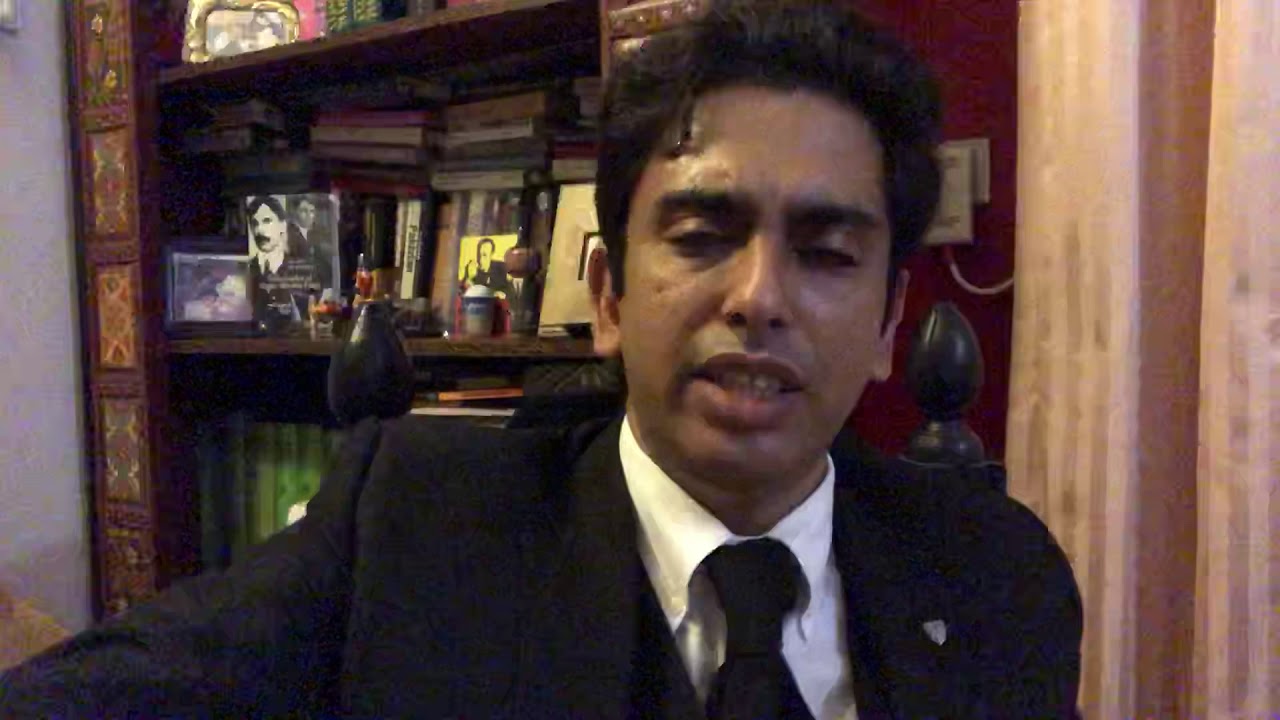
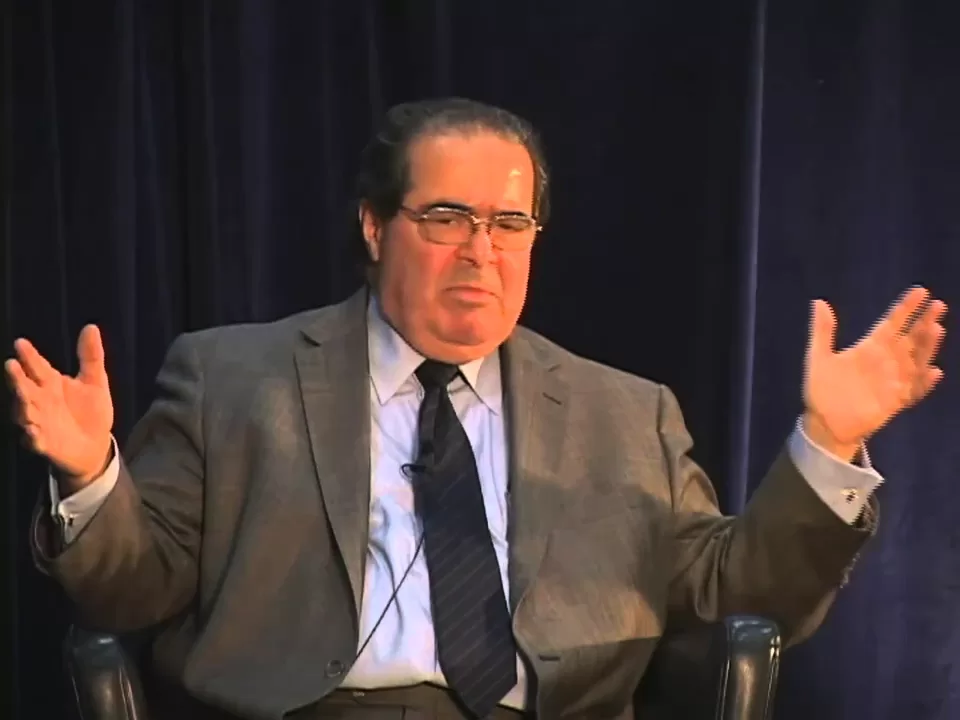


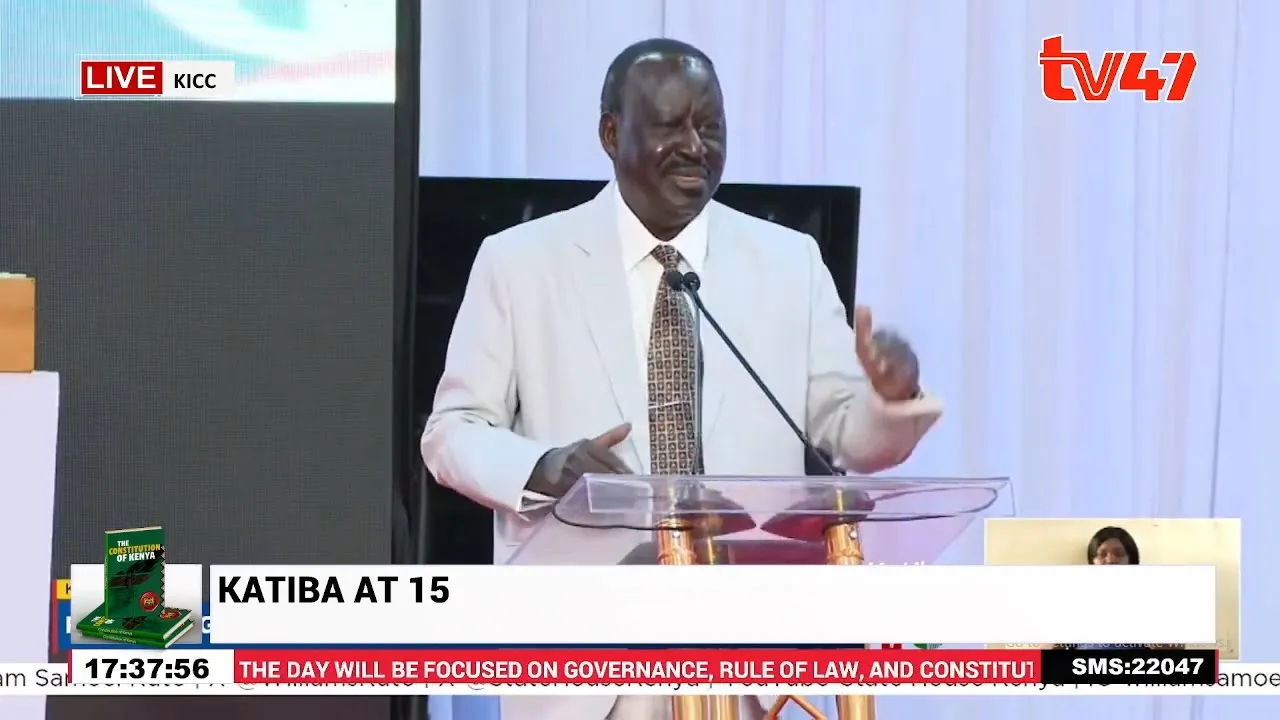


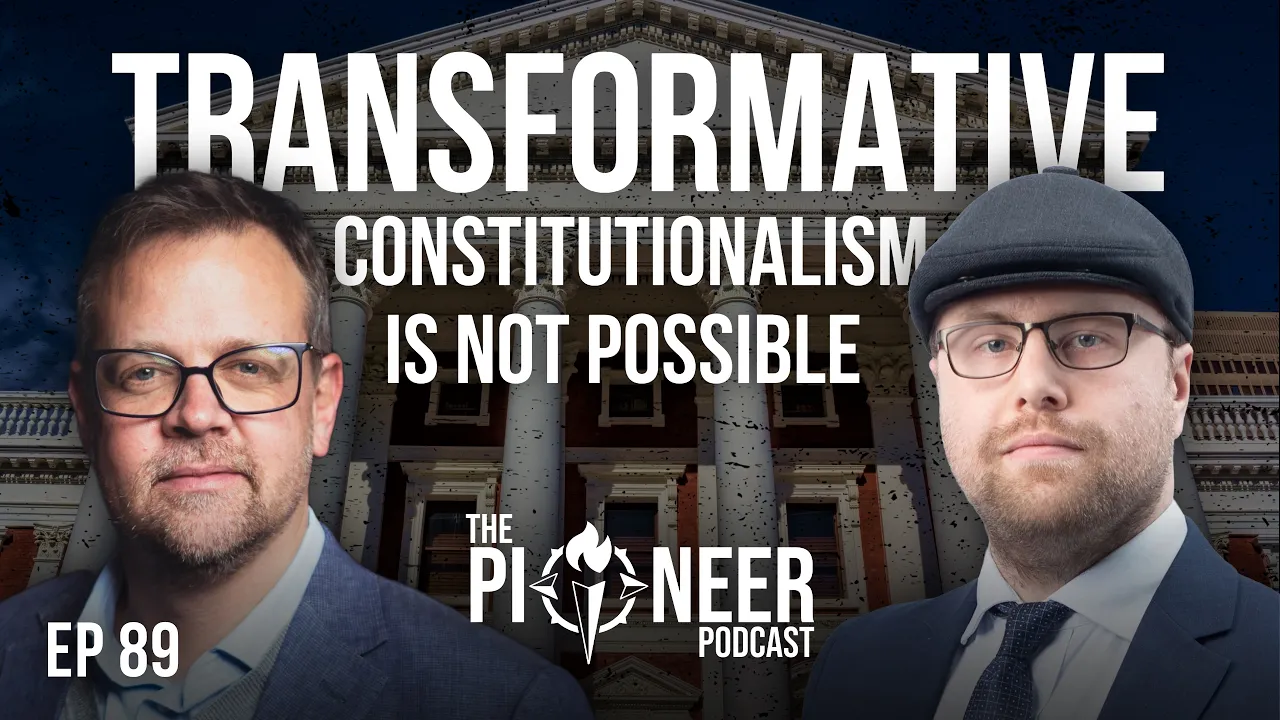


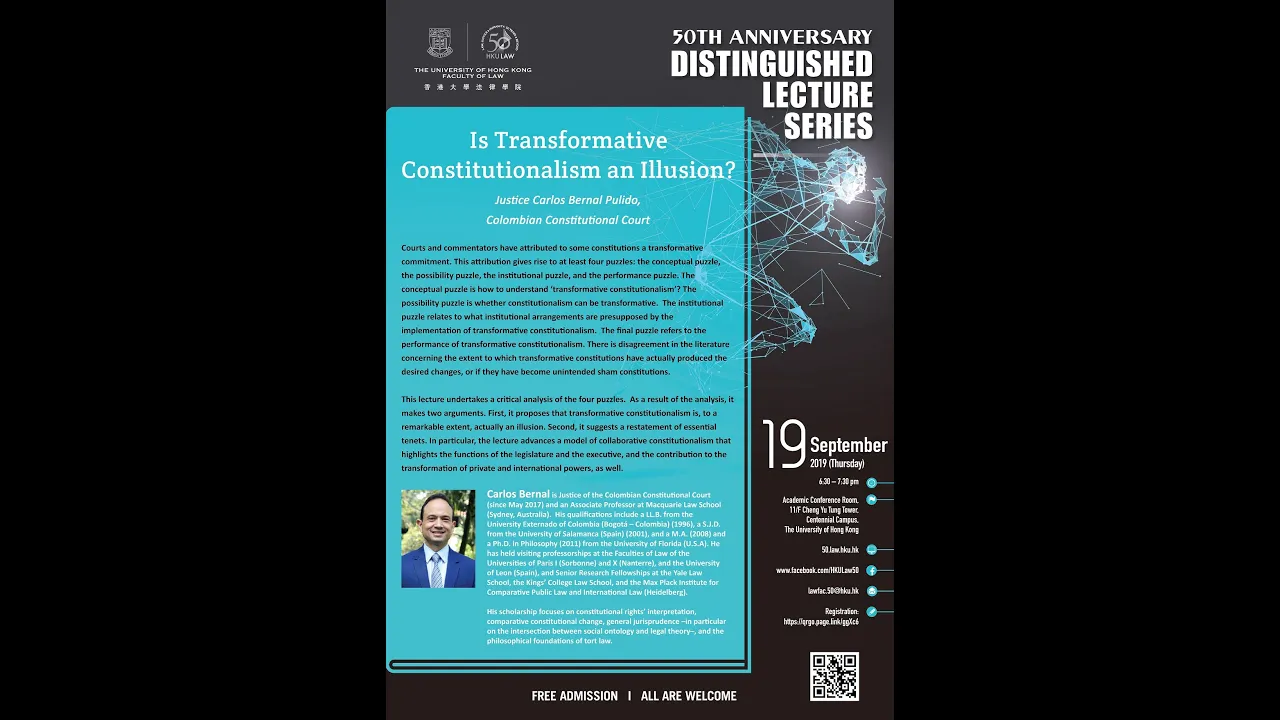
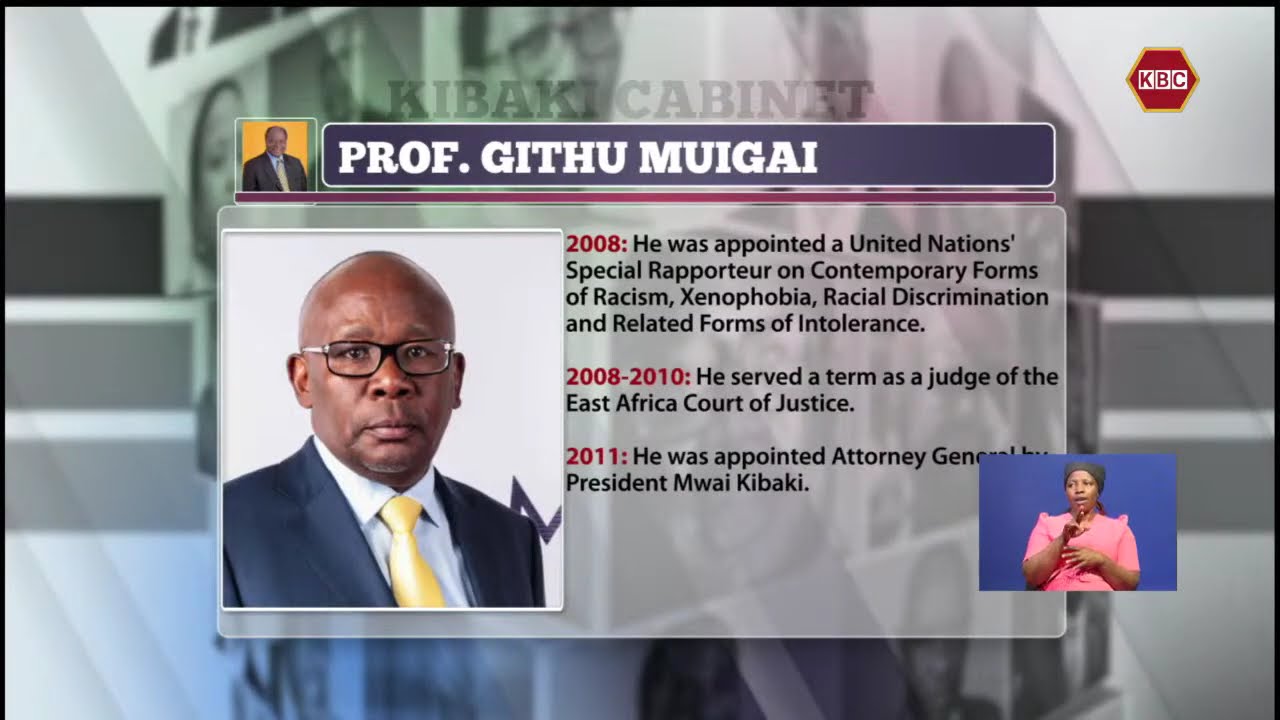

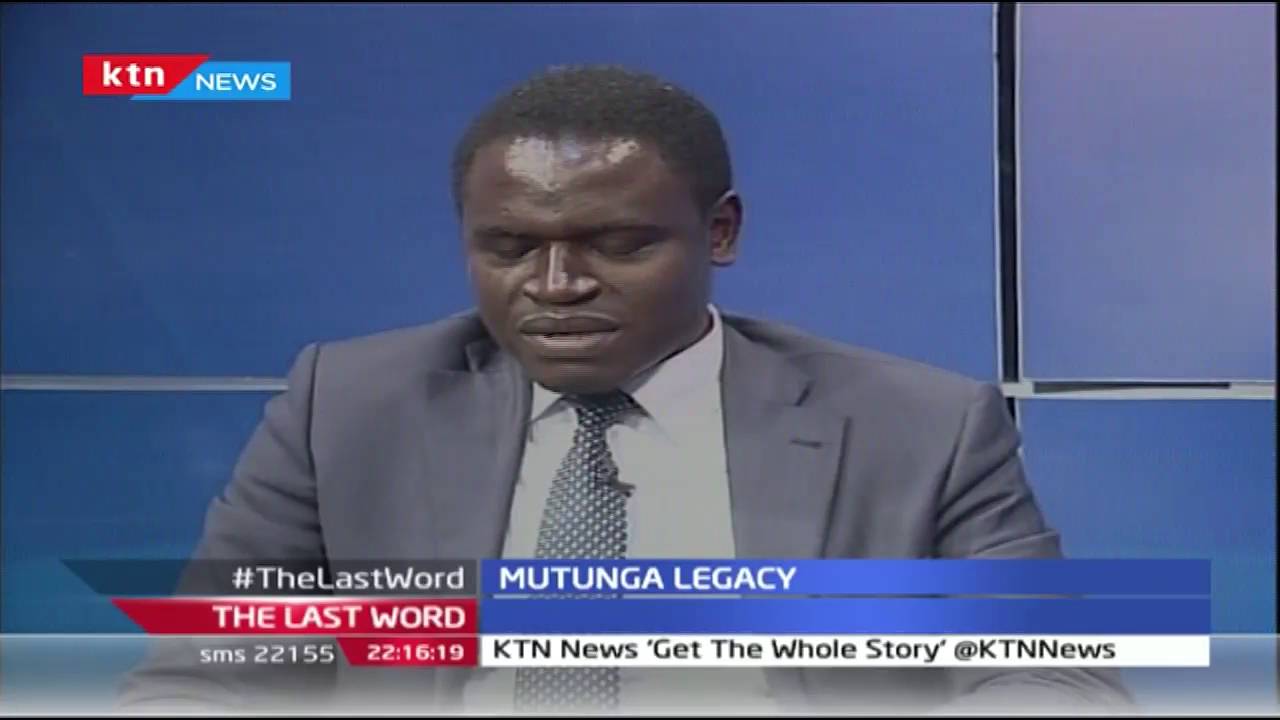




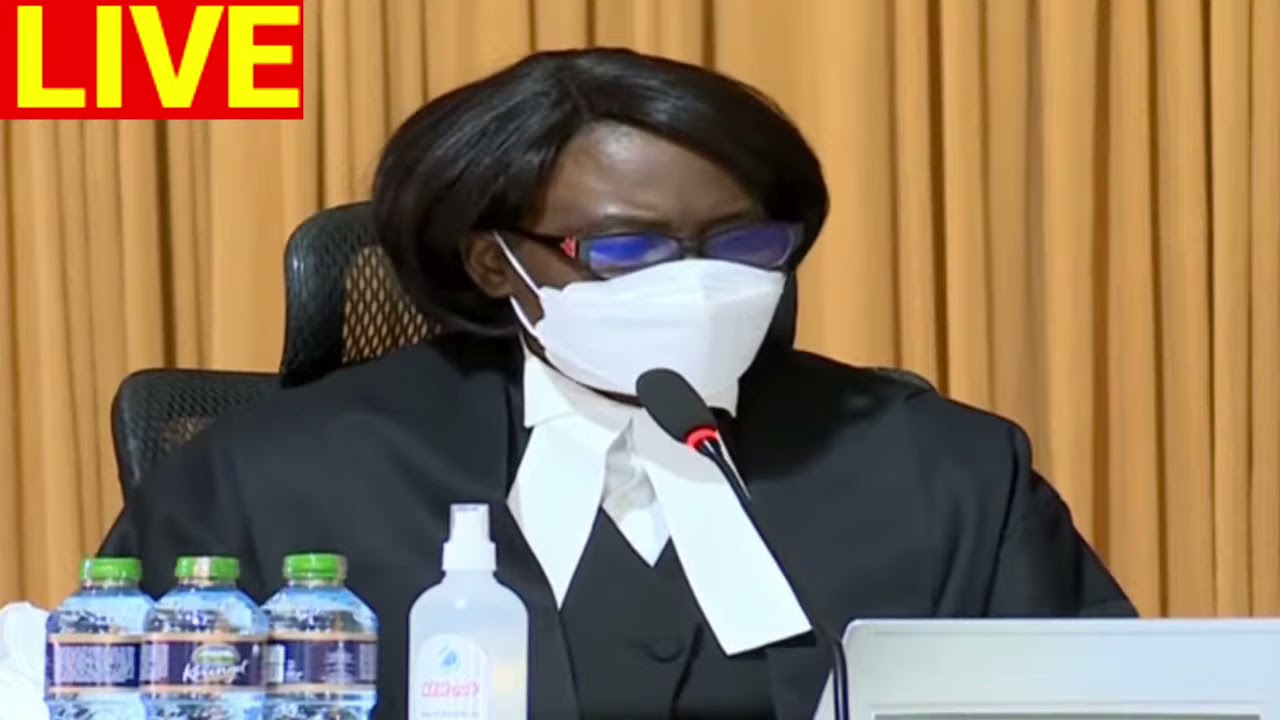

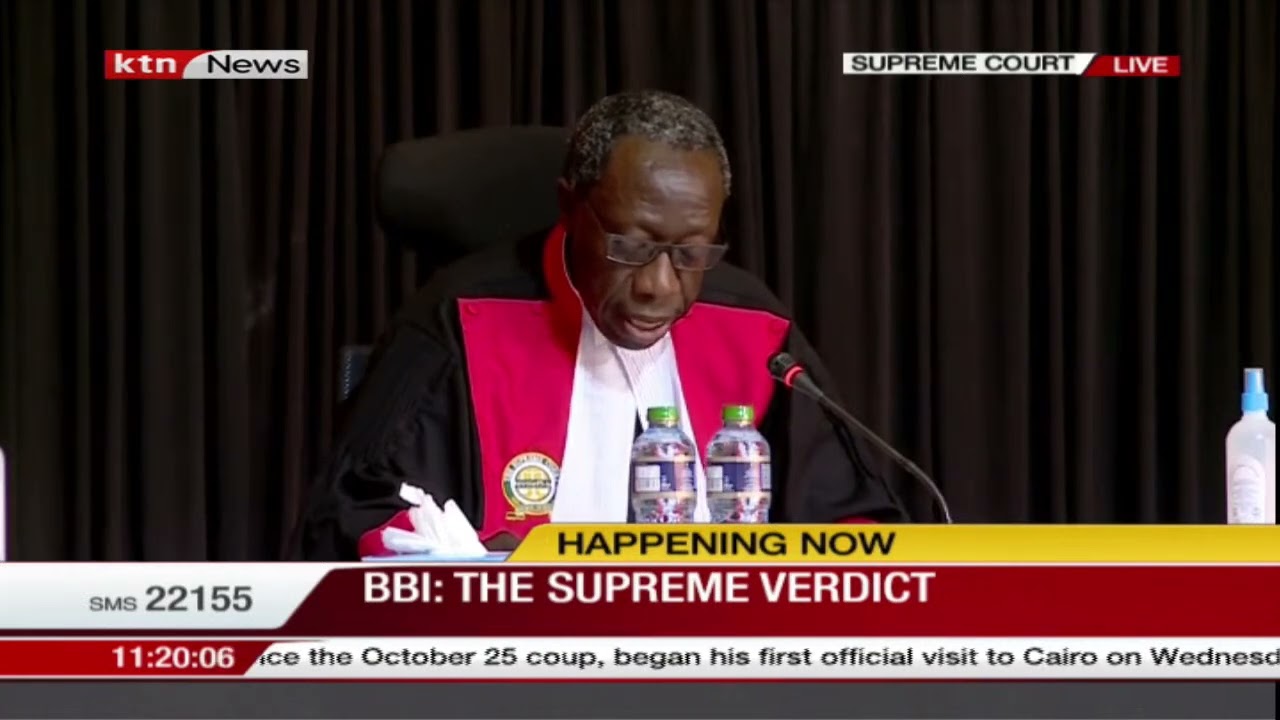





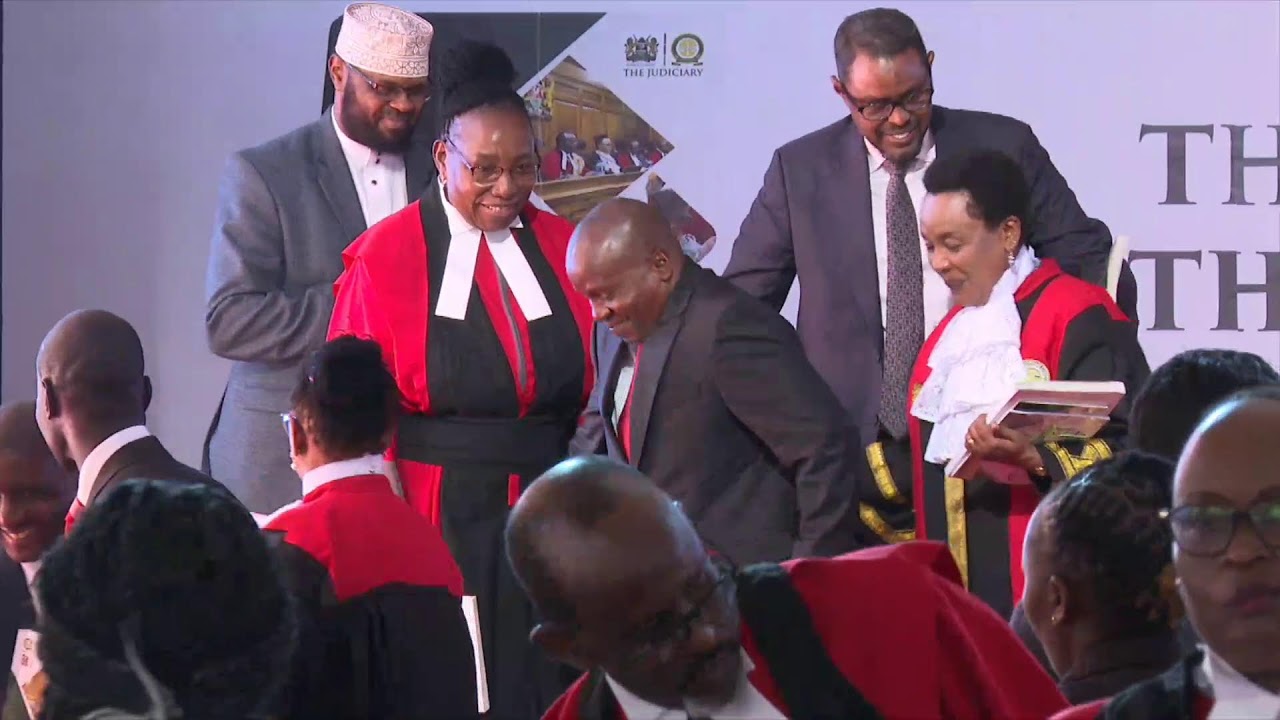
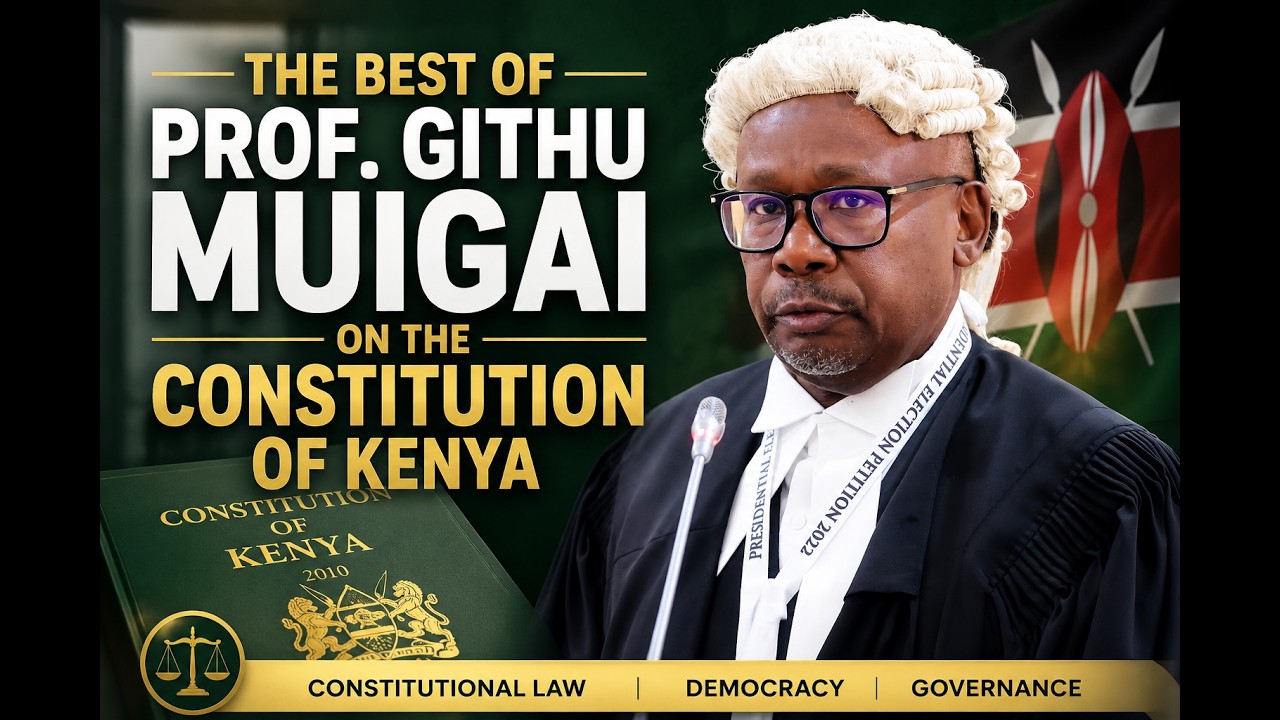
This debate presents two contrasting theories of constitutional interpretation in Kenya: Dr. Mutunga argues for a transformative, activist approach where judges should actively interpret the Constitution to promote its values, principles, and purposes, drawing from international law and interdisciplinary perspectives, while Professor Muigai advocates for a minimalist approach that confines judicial interpretation to the text and avoids judicial activism that could undermine democracy or create constitutional crises.
Constitutional Interpretation Debate: Kenya's Top Legal Minds | UoN Law
Added:Basic theories of constitutional interpretation, such as originalism, strict constructionism, and the living constitution doctrine.
The historical context surrounding the drafting and adoption of the 2010 Constitution of Kenya, which sought to address governance challenges and historical injustices.
The concept of 'transformative constitutionalism' and how it differs from traditional legal positivism.
The institutional roles of key legal figures in Kenya, specifically the Attorney General (historically represented by Prof. Githu Muigai) and the Chief Justice (historically represented by Dr. Willy Mutunga).
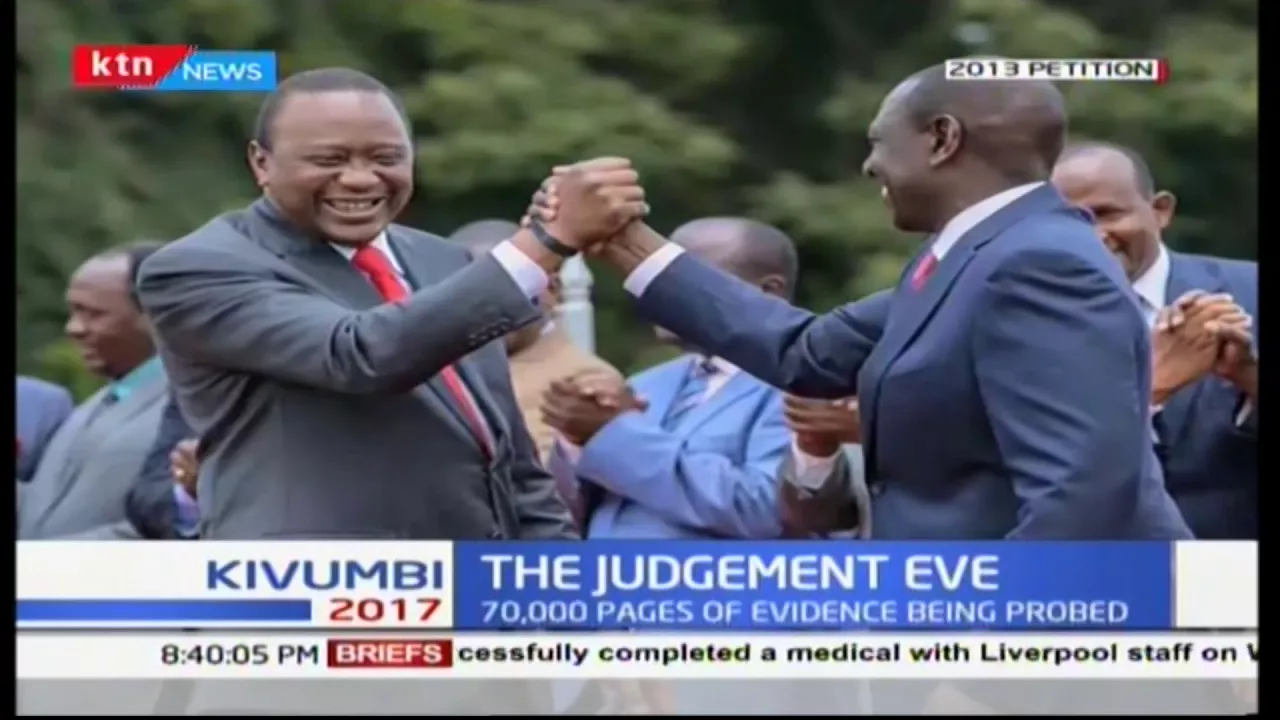
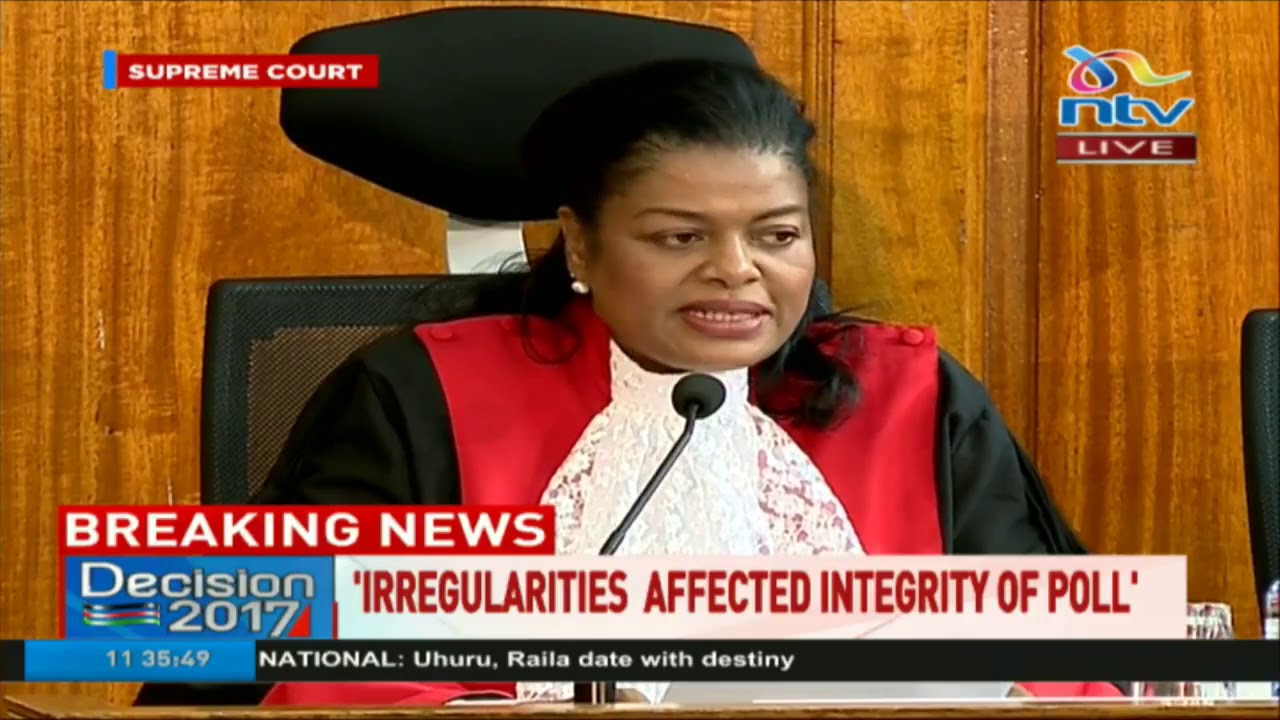
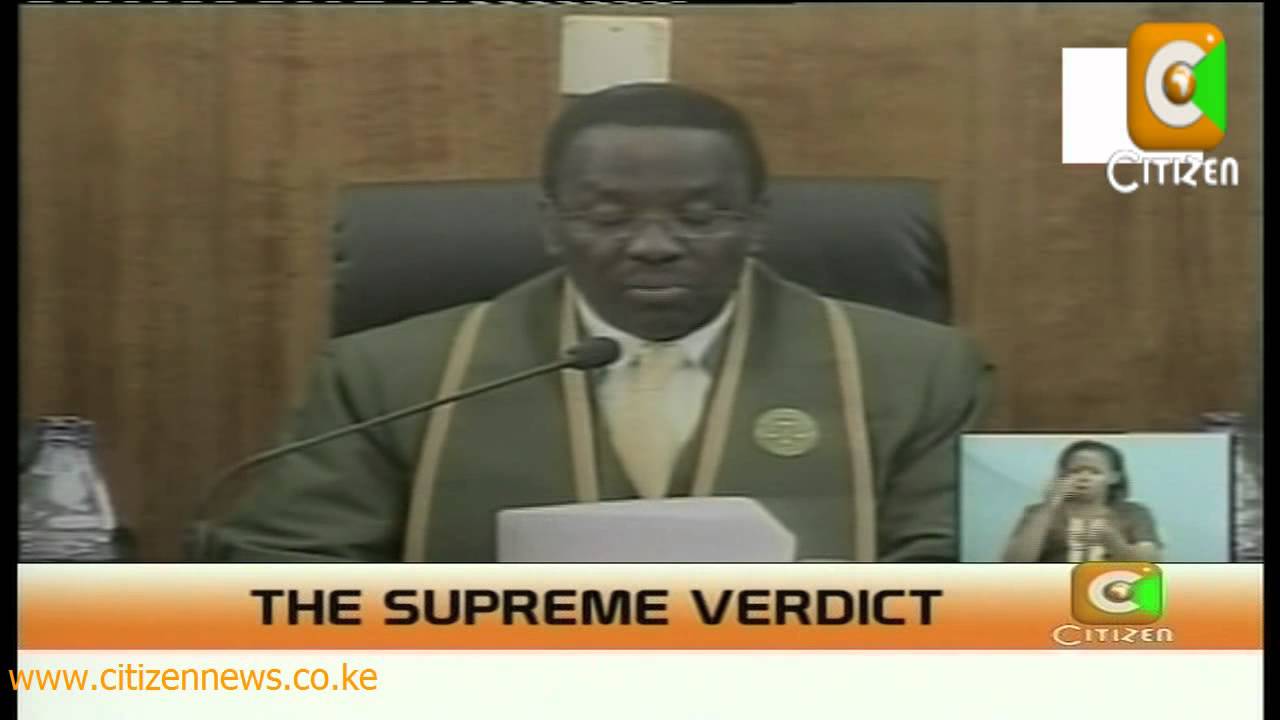
Analysis of landmark judgments by the Supreme Court of Kenya (such as the 2013 and 2017 presidential election petitions) to observe these interpretive philosophies in action.
The legal arguments and rulings surrounding the 'Basic Structure Doctrine' in Kenya, particularly through the Building Bridges Initiative (BBI) case.
A comparative study of transformative constitutionalism in other Global South jurisdictions, such as South Africa and India.
Evaluation of how constitutional interpretation affects the implementation of devolution and the protection of socio-economic rights in Kenya.
532.4K views2.8Klikes1:57:31Original Release: 2019-07-05
[Music] [Music] my dean professor tre amaura professor austin Bukenya who is making his way down to the audience professor Patricia camber in water professor John Morgan a dr. Collins or daughter professor Sienna is here and my colleagues it is a big honor for me today to moderate a debate between two of Kenya's most eminent legal minds in all the good days when debates were easier I moderated a presidential debate involving eight candidates please understand my challenge this morning and I'm going to face two of the most brilliant legal minds in the profession of the law in this country and also to of people are served in very high places within the judicial system of our country now interpretation of the Constitution in the old days and professor what I didn't mention about when gqo when I was a young journalist and the candle regime was tear gassing pro-reform advocates we found professor Wendy kookaburra and we actually thought we found though Andy Conway was talking about I've been lucky to cover the transition from those days to all the way to the 4th of August when the Constitution was ratified through a referendum for those of you are old enough you voted in that referendum and then the promulgation on the 27th of August which I also covered that day we were told by our analysts that for those who missed December 12 1963 August 27 2010 was your moment because it was a big constitutional moment the nation was happy it was going through a process of self renewal but also counts that implementation of our Constitution depends on proper and accurate interpretation and it's also been said that the judiciary is the final authority in the interpretation of the Constitution but there are other challenges and I'm sure they'll be brought out in this debate that include interpretation of the Constitution by non judicial bodies this includes players in Parliament the executive government officials public bodies authorities commissions institutions and event public offices I am looking forward to hearing the TEC of this most eminent personalities in the challenges that are facing the implementation and interpretation of the Constitution but I just want to go straight to the first question the majority of us being law students we want to hear from you professor give'em a guy attorney-general emeritus and you the Honorable dr. William Otunga chief justice emeritus my first question and I'll give each of you about five minutes to make your opening remarks on whether there exists a theory in Kenya to implement the constitution of Kenya 2010 what is that theory let's start with chief emory chief justice emeritus dr. bailey Watonga the microphone is right there with you good morning Connie - oh jeez it's always you know great to be back to the law pockety actually the only job I loved was teaching law for eight years but you know I was sucked and jailed but that is part of the history of this now the the first question does the 2010 Kenya Constitution decree theory of interpretation the that was my argument when I was in the Supreme Court right from you know 2012 and it's it's a theory you find in you know many of my writings and also in the you know in the judgments dissent and concurring that I that I wrote and I want also to kind of introduce me our new ya know can you stand up you know marks well was one of our brilliant law clerks in the in the Supreme Court and he wrote this this article which is called the the genesis of mainstreaming theory of interpreting the Constitution in in Kenya which you can track the cases and and the arguments but my argument was that article 259 and other articles the preamble itself article 1 which talks about the sovereignty of the people at Hotel has already been discussed values and principles article 20 the one that also professor Porter discussed 159 artful tools of a 205 and are important because they deal with international law which is part of that and maybe at some point you know I'll talk about that aspect of international law that has really pursued by scholars particularly abroad Macomb to justice in googy Lucia there's a group there that has been dealing with what the core trail artists the third-world approaches in international law and and and professor Kathy as well they have talked about this issue so you know my answer is yes there is the 2020 constitution decrease a theory of its own interpretation and there are reasons for that and they are ingredients of that theory you know that we can we can we can also discuss and the most important thing of course is that the apex court the Supreme Court in the case of what was called the digital migration case the communication communication Commission of Kenya organized the Royal media and others you know mainstreamed that that theory and if you are looking into the president value of that theory now it binds all courts of the Supreme Court which can reverse you know itself AG you are next person the reason I became academic is because of William Otunga as I have told my students before when I first came here 30-plus years ago he was a bouncing young professor in his jeans and t-shirts and preaching revolution and the redemption of Africa and the world and I was so intoxicated by that that I owe him to this day however increasingly as two independent academics jurists comrades and friends we have drifted apart he holds a view of the Constitution that I don't but my respect for him has never diminished even an inch does this Constitution contain a theory of constitutional interpretation no not at all what does it contain when you go to an art museum and see what because ojas painted or Vincent van Gogh of the mad artist you attribute to the painting complicated things that never went through Van Gogh's mind at the time he probably woke up took a few whiskey's and splashed his brush on the canvas when we wrote this Constitution because it was my great privilege to be there I need to contextualize something we came from a tradition where we believed in history supported that the Constitution had been abused both by the executive by Parliament by the legislature and by other organs we wrote a constitution to stop abuse everything that moy had done we wrote a provision to stop somebody from doing it in the future we were so obsessed with that that this Constitution now contains several provisions that are unenforceable what are we trying to say here to 5/9 we are trying to say in the history of Kenya the judiciary has been interpreting the Constitution in such a post positivistic manner that it has become pedantic and nitpicking and there is a lot of literature around that the Dugdale's very conservative in some of my writing I say these judges were not conservative they were subversive they were subversive of the Constitution they said things the Constitution didn't say at one point the court said ridiculous proposition that the Constitution is unenforceable because their rules required to be made by the Constitution for procedure had not been made and therefore the substantive rule could not be enforced that is not a conservative philosophy of law that is a subversive philosophy of law so we wrote to 5/9 but to 5/9 doesn't tell us anything we already did know that we shall interpret the Constitution to promote its purposes values and principles that we already knew that's what every judge should have been doing all along from 1963 to advance the rule of law that's exactly what judges should be doing permit the development of the law that's what they should be doing contribute to good governance this is not a theory of constitutional interpretation it is an intention by a legislative organ to provide what in its opinion is guidance that will prevent that will prevent subversion now let me tell you something else that is equally shocking the Constitution is not only a legal document and if you read every page to give you a legal outcome then you have missed something the Constitution is both a political chatter and a legal document a fact of this is poetry if you got to page one which I wrote myself I think one Jew Kookaburra my friend will confirm I wrote this mile we the people of Kenya acknowledging honoring respecting committing recognizing exercising that is not law that is poetry it is a part of the Constitution about how do we feel about ourselves how do we inspire ourselves into so if you look for law in the preamble there is no law and there won't be any law so what then would be a theory of constitutional interpretation it would be this analogy don't if you listen to the dispute within the American Supreme Court that is a dispute about a theory of interpretation the original ists the original ist's contend that the whole Constitution is to be interpreted by asking yourself one question what did the founding fathers intend on the year they adapted the Constitution that's a very contentious question there are others who argue that the Constitution must be interpreted from texture perspective you stay with the text the language of the text and the language of the text will yield the meaning of what the Constitution means that is a theory of constitutional interpretation there are others who argue about the structure of the Constitution how is it structured because if you if you study the structure you will study a hierarchy of power of institution and of values and of right that's a theory of interpretation you can agree with it or disagree with it there are others who have an ethical argument about the outcomes and so on and so forth so let me answer the first part of the question by say I do not see in this constitution a theory of constitutional interpretation I see some poetry about how judges should generally conduct themselves professor Gruber has laid it out there lifting the Constitution and saying he sees nothing in it that constitutes a theory I just like to give you the opportunity to go into details of what you consider the theory what are the ingredients of that theory please proceed I also have the argument that the reason why there is a fear in the Constitution itself is to make sure that the judges okay and that's what you was saying you know the various debates about originalism modernism you know that you find particularly in the in the American Supreme Court is actually about the judges intellectual ideological political biases you know so that in the Supreme Court of the US Supreme Court you find judges who are said to be conservative judges were supposed to be liberal not radical liberal others were radical and they are in the in the court so they have been given that you know opportunity to basically debate the theory within what you lawyers call the canons of of interpretation my view is that the 2010 Constitution because of the history of judges interpreting either subversive subversively as they give us AIDS conservatively the Constitution there was need to guard the the 2010 Constitution again as that eventuality and that's why I think within the theory itself all right the judges in my my view are supposed to be active and activists because the Constitution itself is you know is that but I was asked to give the you know the ingredients and that has also been discussed what what what is this theory and what are the ingredients I think give us said one thing that the Constitution is is chance strong positive it is emitting jurisprudence you know that debate you know you've read about hearts for example the law is a law is a law law doesn't exist in the vacuum law doesn't have any role to play in transformation that debates as a pleasant genealogy among lawyers and law schools and but it's I think now is settled that you know raw law has a role to play in social transformation and the Constitution place that that that the raw so this theory Shantz staunch passivity ISM it accepts that judges make the law that is article article twenty you know the invoking of non-league or phenomenon needs when we say law doesn't exist in a vacuum you know we we say that and that's what the Supreme Court Act says that we you can go to history you can go to economics you can go to music literature a long run of things in interpreting the Constitution one thing that gives us said which is also an ingredient of this particular Constitution is the the objective of the Constitution broadly speaking is about is subverting a status quo that we found unacceptable and unsustainable okay basically if you want to bring it to talk about briefly is what more used to say see a Sam by omission by which which which is that status quo that we grew up ourselves seeing seriously dictatorships the right to vote being subverted you know the the whole gamut of human rights resources being stolen everything that you can think of when you look at the Constitution it's about changing that status quo and that's why the the notion of transformation is important now this the reason why it's we say there's a theory that when you look at it it's a merger of paradigms that problematize interrogate and in story size or paradigms in you know in in building a radical Democratic content that is transformative within the Constitution people talked about law in context you're the political legal studies you had the Marxist theory of state and law you have ingredients you know of all this within the within the Constitution the bringing in the non legal issues the values for example the the view that this theory says that the the Constitution is not legal centric so you're not going to be using the blood law dictionary to basically look up the meaning it's more than that it calls for modest Paterna approach you know to the implementation of it and all these are giving a ingredients it's it's not insula or inward-looking okay it's a it's a theory that says very very very clearly that we can build a progressive jurisprudence that we can export to other countries in the South in Africa and and globally as well and that international law itself we can the influence in shaping it and developing it that is all you know within the etherion I say very clearly in mind in my writings that I derive it from the provisions of our Constitution and also the Supreme Court arts you know 20 the 22 2011 so it's it's it's it's again to repeat that it denies in my view resort to by judicial officers to the common law canons interpreting statutes unconstitutional Constitution that allow officers in doing so to routinely reflect intellectual and you know political biases and if you read a gauzy on judicial review it's clear he's also saying they stick to the true the Constitution and not use these canons if you read yes yes guy who I caught at some point this is what what he says he says the reason why there is this theory and II agree with it he agrees laser theory says perhaps realizing its own ambitious project and ends the vulnerability and fragility the Kenyan Constitution sets through the Judiciary it's barricades against destruction of its values and the weakening of its institutions by forces external to itself and such is the responsibility of our you know Kenya's judiciary the the others call us who a not Kinyon ones if you read what a guy called a great professor in India called open Dropbox II he goes into this issue of theory as well talking about the Supreme Court talking about judges you know and and politics first I want to affirm that everything CJ says about approaches approaches to constitutional interpretation I would concede I would concede that the Constitution must be interpreted or listicle if we ever didn't do that then we were very negligent every statute should be interpreted holistically every statute should be interpreted to be purposeful to give effect if there is a Freedom of Information Act you must interpret to give freedom to information so I concede everything that CJ has said but I want to come back to what why do we need clarity why do we need clarity or how to interpret the Constitution why should we be very very worried of wool eNOS why would we be worried if our judges wear wool it is because a theory of interpretation should be logical it should be logical even the layperson who hears this outcome of a case should say that makes sense it is logical it is consistent it is coherent it is predictable it is objective this is what the very old teachers of law now discredited like Lord fula we're teaching 90 years ago they were teaching the inner morality of law law must have an inner morality it is that in a morality that allows fidelity to law if there is no fidelity to law a judge is is a loose cannon when he wakes up in the morning he says I want to advance the ends of democracy Kenya is a backward underdeveloped democracy I am mr. justice commander again I want to advance the frontiers of democracy not his job above his pay grade the frontiers of democracy have been codified by the Constitution to be extended and defended by elected officials whom the people periodically call back and say we had what you said in the house you don't represent us one of the most important arguments about against an activist judiciary is because the judiciary is counter majoritarian who elected them without you respect to my teacher but we are now talking the theory who elected judges for them to decide Parliament is full of idiots and I mr. Kemal wonder olga must protect the population of Kenya so Parliament has said in very clear black letter law no person no person shall be eligible to to receive higher education loads if that person has not demonstrated a busy Parliament is making policy choices that politicians ought to make we have a judiciary sometimes that says mr. Minister for transport you have said you have ban tomatoes that have more than that than have less than 14 passengers that's not good why don't we put it at 7 that judge is not interpreting law he is not defending democracy he is an outright loose cannon he has no such power law now so for me what scares me is that you can have a judiciary that is activist in both directions during Morris time a subversive judiciary would say the president is above the law you cannot question a minister and it would go on and on and on that is very scary but today with the same set of progressive tools you can have a judiciary that says it will make law it will override Parliament it will override it's all binding please let me give you an example which may probably show you how dangerous this is a week ago the High Court in Kenya made what I thought was an amazing declaration it says it stated that the Penal Code provisions on what some a broad layer called anti sodomy laws are not not inconsistent with the Constitution to my mind I entertained no doubt whatsoever that that is not an interpretation of the law it is a baggage of in articulate premises either they come from religion or custom or culture or wherever but they have nothing to do with the interpretation of the Constitution because this is what the binding code of a bill president on the matter says the Court of Appeal stated that a physical inspection of a Kenyan to determine whether or not they had participated in an unnatural act was unconstitutional that law has not changed - then for the High Court then to say and that there is sex against the order of nature which can be determined not to invade the privacy protected by the Constitution in my view that is precisely the sort of judicial activism in the opposite direction so what we need to do we need a theory of interpretation that is pragmatic that is consistent that speaks to the canons of interpretation that we can critique because they are objective let me finish by saying what worries me most about the Supreme Court today and I have said that to the Supreme Court the number of times I have appeared there the Supreme Court of Kenya does not recognize any other law other than the Constitution every question is answered by check a taqaddas my own argument as an academic and a practitioner is this the Constitution itself recognizes that it's not a land law statute is that a land law statute is that a family law statute is that the company law statute is it the statute controlling Criminal Procedure is it the statute controlling Civil Procedure it is not so it is not an answer when the question is raised where is the locust locust is important the court is not a marketplace you cannot say everybody can approach the court it is even irresponsible there is the economics of justice we must be able to go back to a statute that says how does the law of Kenya recognize that you can approach the court by petition by played by originating someone's the Constitution cannot rewrite that you cannot then go and say you know the Constitution recognizes that I have arrived to be admitted to the University okay so what have you filed before the court I have written to you mr. Hodge a letter complaining if we go down that road in my opinion we will not grow the law itself which is parasitic on the Constitution I used to tell my students time has not changed my position on that point if we can think of hundred percent of the law of Kenya the Constitution is ten percent the Constitution itself recognizes that 90 percent of the law will be in the dog pack that tucked the cut Act the donkey act the maize act the bean Act and a million other statutes and if it was in there this would not be enough to govern our country so I I summarize by saying therefore a theory of interpretation of the Constitution should be minimalist not maximalist it should be a minimalist not a maximalist interpretation it is one that confined the Constitution to giving life to provision let me give my last example which I gave last year mr. moderator there are many people who say you can read this statute or this constitution to support gay marriage I say it is nonsense on stilts they are those who say you can read this constitution to outlaw the death penalty more nonsense on that's not my original language that's the language of Bentham whom you will meet or have met why do I say that because the issue of gay marriage was debated by us Angelo Cabrera will confirm it was before Boas we debated it the better they debated it and we lost the motion so we cannot have a constructive way of reading the Constitution to legalize gay marriage it means we are being dishonest I am a great opponent against the death penalty I argued for us to remove the death penalty many people supported that view we lost it hands down we can't creatively now come and read a provision that we lost on the floor of the assembly that voted on the Constitution when I was at Ala general a case was filed challenging the mandatory application of the death penalty without judicial without a judicial process I supported it completely and it's the law of Kenya now and all death penalties are being reviewed today so I would say therefore that and minimalist theory of the interpretation will save this constitution for longer a maximalist that it provides for everything and anything anywhere by anybody will kill it before it has started crawling you heard the professor gido arguing for a minimalist and not maximalist approach or theory to of interpretation earlier on he also spoke about an activists attitude in the judiciary press respond to that well you don't hide a debate with the current Speaker of the National Assembly when he called me and activist CJ and I told him that he was also activists actually all of us are activists it depends on which course you activists in we are active right so I told him you know you an activists in pushing which we just continue to do to subvert the Constitution through you know legislation so the the issue of the activism in this country tends to be given to be used as a dirty word but as a giver says it's it's a it has two phases and we are you know activists I basically think that you know within this theory judges play politics than they should I within this particular theory because you are going to when you interpret values and sustainable development patriotism etc etc you have to leave the comfort zone that lawyers have by saying they are landed when we are very ignorant in other disciplines so you have to move into politics you have to move in the in philosophy and that's why I said interpreting the Constitution this theory states very clearly that this document is not legal centric it's not multi disciplinary I there is one issue that give them will have to take note of the the question who elected the judges actually when I was the Chief Justice I I I thought and article 1 you know I had the authority of the people delegated to me okay because judicial authority derives from the people I also thought I was elected because when I was interviewed you know all the natives were asked to come and let me see whether I was suitable and and they did and you know what I was also nominated by the guy you now call Baba and Chewbacca you garland would call him and those guys had won millions of votes during the 2007 you know election they thought you know I could you know so and then I went to Parliament you know where the pigs were you know they said they told me yeah and this guy can be chief justice so I know this argument about election politics judges must stop saying that they don't do politics because if it was said in the in the dark days and he was quoting chief justice Miller who was supposed to operationalize the Bill of Rights and he said it's not operative because I didn't do the rules so why did he do the rows and duck down and they were quite a number of others who who did that so the Constitution allowed judges to be active activists within its provisions within its provisions in my view and that's what the discussion about transformative constitutions that is for another day because we should have started with our you know this notion of transformative constitutionalism you know what does it do and how does it move beyond what what give you is saying that's something if you get all the papers that have been given you you'll be able to you know to you know to get it there in terms of let me just interject Roberta yeah yeah I just wanted to finish this sort I inter in terms of diesel is saying the theory you know will have to be redefined and whatever the Supreme Court as given okay very very very clearly what you know the theory would be I'm not I'm a thousand miles from arguing that it cannot be refined I expect Gifu because it was arguing in Supreme Court about this issue that he will go back to the Supreme Court and convince them convince the Supreme Court that there's no theory and this is how we have to do it but I agree with with him that like everything that you know you you you come up with you you cannot say it is a Bjorn endo right it's two needs you know refining and there are people who have problems with with it as give the gigawatts as actually short but that is for the you know the Supreme Court to do but as we talk now that is the law that is a leprous court yeah my introduction is just about something else that professor gido raised which I would like you to respond you spoken in defense of judicial activism yes how far does that have to go before it becomes what he called loose cannon well III don't know what a loose cannon is I don't know but if we accept and this is really the crux of the matter the crux of the matter about the Constitution is is challenging some dominant paradigms that in law schools as we practice law we've accepted because of our colonial heritage for four decades oh okay so the the the Constitution when we say is decolonizing when we say is indigenous you know we were just using words that have been in the Supreme Court Act and and the you know and the the Constitution but III think the Constitution has its barriers you know it's as its barriers again as rogue elephants you know and the loose loose cannons in fact I think without this theory that's when you get more loose currents and more rogue elephants and rhinos then the situation where we refine okay a theory of the Constitution say these are the ingredients which say as we did in the case of digital migration where we face a situation where the Chinese who are going to to get all the spectrum and so we went back to the Constitution and that's why I think is very important to go back to the Constitution and well to reuse the value of patriotism sustainable development and we said it can't be said that the 40 billion you know assets by Kenyans will just be wasted and we give the licenses of a Chinese so we used the Constitution the values in the congestion at Curtin talk about inclusiveness to talk about equity you know equality ability to basically say what such terrible development means is that domestic investments have to be respected as much as as foreign foreign foreign investment so my view always was if I got a case from Australia form America our interrelated using the Constitution to see where they serve are its obverse the Constitution its values and the ingredients you know of you know of that theory so III don't agree that the Constitution is it's a supreme law okay and that's why article 20 says you can make law you can and we had that debate in the in the Supreme Court where some of my colleagues thoughts there is a judicial practice or judicial notice that can subvert you know the Constitution and I was arguing no article 20 says if it does support in terms of Bill of Rights you interpreted you develop it so that it you know it complies so I see the Constitution is really the crucible to make sure that is the reference point on or know that we do and I think that's how the we the judges will be kept in check not to also say that there are provisions for removal okay means conduct incompetence judicial laziness and mental infirmity judicial mental infirmities and so forth so they are procedures for dealing with you know you know rogue judges in my view they won't they will be removed and there are examples of of that that are pending judicial will you allow me just half a second to for a minute okay when is judicial officer rogue when is a judicial officer a loose cannon if three days four days to a national election a judicial officer says I am I am overturning the decision to award the tender to print the election papers because listen to this because there was no public participation that is not an interpretation of law that is a dangerous flirtation with politics thank you you want to respond to that yeah but but if we can leave politics to hooligans in Parliament why not people who are learning lawyers why whatever we cannot we cannot really and I've been arguing and arguing you know about this issue of giving lectures about this issue of judgment and politics we basically are acting we are politicians it's not that we don't say it you know we don't we don't say it and you see the example of giver is giving public participation is the value the courts themselves have said what that public participation entails all right if is the case of or Donga for example I think that's what the one you're quoting give you there was a brochure and public participation is within the statute itself well if we were to go that way Chief Justice it would mean that somebody says students have been admitted to the University they should be blocked from reporting because there was no public participation the University Act has no public the truth is this ideas good ideas inside the Constitution are being cannibalized to justify inappropriate political intervention that's the real danger yeah but you know I still think that what were drawing on others were doing is look at again the word public participation and breathe life into it all right and it's the death word Kiboko baba yaga in Ambu you know for the meeting via Twitter you know he just said there is going to be public participation there for Twitter you know come to a meeting and your daughter was saying wait a minute we have other forms Barraza you know people can be caught vomiting so that they participate in my governor in katrien Gila for her public participation is addressing a meeting of hired crowds and he said we have decided but for me public participation they tied up with the issue article one and I'll give both of you dr. Mutulu and professor gido I just a minute each to comment yeah now that you've raised the decision by Justice or Donga I'll give you another doing a decision that I would like to hear your comments on and that isn't the case of returning officers just a day to the next election when the judge actually made a decision that the returning officers won not procedurally appointed and what that would have meant was the election who should not have been should not have proceeded would would you support a decision like that within the Constitution I will support it you know the other argument is we say some politicians can make certain decisions or some people want to go into into election and they tell us or if this decision changed it will be expensive okay I think that's a dangerous argument in Kenya you know coming from thieves and the people who are you know who actually corrupt they are mounting national debts and so that's that's a bit giver doesn't want me to say but that's my activism I've had it since you know the seven decide basically think that the Kenyans themselves since they have told judges that they exercise their authority through from them they should they should they should be allowed to make that decision and that decision in my view under the Constitution has the Falls of the Constitution and if the executive is aggrieved it is it has to go to the court of appeal as it did that's that's that that is it if we don't want to subvert the Constitution once you get a bad decision you have to appeal but if you don't appeal it's a subversion of the constitutional rule of law not to obey it there are one minutes of the khalifa' khalifa' case again again we go back to what should a theory of the interpretation contain in my book it should be Prudential a judge is prudent what is it you are curing with your order is the order likely to cause more harm than the harm that already exists a court order that says the election is tomorrow and we have nullified every station in the country and if the election is not held tomorrow the Constitution contains no provisions for expanding time therefore the effect of my order is to create a constitutional crisis of monumental proportions that will require a constitutional amendment to be affected but the house that can effect an amendment has already been proved to my mind that is not a Prudential judgment let me give you the example of a Prudential judgment not so long after the new constitution came into force it was realized that the budget estimates had not been published in accordance with the provisions of the Constitution and in time a person went to court and said they entire budget process is illegal and unconstitutional the consequence of that was going to paralyze the the whole of government for the foreseeable future a judge are very in my view and I take no credit in having trained him but clearly on his argument which is the Prudential argument was this that is correct that is what the Constitution requires but this is for directions it is to direct a process so that the process achieves openness transparency and so on to reverse this process would cause greater harm to the Republic of Kenya and its people than not to do that that is my kind of judge but Yahoo then says I I am applying the law I don't care about the consequences it's for politicians to worry about the consequences that judge is not a judge he is a politician Thank You professor gido and among other decisions that are also posted interpretational challenges was the presidential nominations and the presidential election of 2012 the date had to be subjected to a court process in terms of interpretation of when it should be held the Constitution spoke of and speaks of to date the first Tuesday of August we ended up having the election of the 4th of much I now want to go to the audience please by show of hands I'm going to give you the opportunity to ask one questions one question and specific to either professor give you or dr. Mutunga professor give me guy my name is me our Challenger this when do you think is dangerous and and hostels propound a theory a minimalist theory of constitutional interpretation particularly in the context of what we now call a transformative Constitution the reason why I make the argument is this that Mormonism as opposed to maximalism comes with the inherent dangers of being restrictive being narrow and does not take into account multi very jaded phenomena and for that particular reason and for that particularly less reason to propose as a minimalist theory that will take into account different context comes at the baggage will be called the baggage or a dangerous plantation the man in visualization of law because I learn has to be a natural I will not kill arise to reflect context deflect different diversities whether ethnic political so nominalism at especially because the level in the petition of a lion in this country is not a very simple legal tradition and the recent legal tradition is very dangerous if you know very keenly the work of a Chilean equal proposes a transformative interpretation of the Constitution again even calls the post liberal Constitution because liberalism has what is an inherent danger that you cannot go into into today so I want to challenge you that it's very dangerous to propose minimalism because minimalism come with a resinous and neurones thank you professor gido well I must confess that most of the words you used I did not understand having said that having said that I think both of us recognize that the Constitution must serve a purpose for me for me what my experience teaches me and I could be wrong on this and my students are always suggesting that I am wrong but they don't articulate it because of our friendship what is my appreciation of what the Constitution should do as a jurist in my view the Constitution should stabilize the political and social order if it doesn't do that it is of no consequence it's a piece of paper which every two years we were right we will throw it out a new group will come where we were write a new one and throw it out I teach my students that the 60 solid years of an interrupted constitutional rule in Kenya is more important in my view than having a transformative Constitution in the in the mold of the South African Constitution where you have a piece of paper that has absolutely no relationship with a way the people live okay so you have Mandela's construe transformative Constitution and what does it do it masks racism it masks xenophobia it must the largest inequalities among human beings anywhere in the world so we ADA won't fact or we want rhetoric a the fact or rhetoric for me as a jurist I have made peace with incremental change that stabilizes politics that stabilizes society that stabilize cultures so that my grandchildren will still be walking around with this constitution with a few changes inserted there as opposed to a maximalist that was to have thrown out this constitution five times and brought five other groups to write it what do I do when I am confronted like one of my pet subject what do I do when I'm confronted by say polygamy in Burma's my mind was absolutely clear if we wanted to abolish polygamy we were going to lose the whole Constitution before no other reason because of Joseph Martin shikoku who would not countenance that when I went to Sharia House as Attorney General and we were pushing the marriage bills and I was being pressurized by my good friends like Angelo Kabira and Patricia water and I was saying to them let us listen to the wisdom of the Lua nation this is where we go Moore's mas mas words we are going to get there but you will not change society by imposing it on it a social value that it has not accepted in the name of maxim honest I rest my case and to something else a raised there that I just want to follow up he basically argued that the words minimalist and transformative is a contradiction isn't it yeah do I want to transform Kenya Oh in the fullness of time I want Janet how do I want Kenya when I am man of 120 years how do I want to live it I want to live it an independent country without social inequality without oppression the Equality of genders the ability of people to define their sexuality I see a huge dream of what Kenya can be but I am old enough to know that if I want that yesterday I'm a fool let's take a second question from right here thank you your name and a very quick question or comment thank you so much Amalia I wrote a professor Kato if there is no constitutional [Music] underpinning in our Constitution as you denied in your first statement where do we bring the minimalist interpretation at this time to the constitutional making in Kenya whether by the judiciary or Inara body including Parliament just the Constitution mandate a theory of interpretation my answer is law does the Constitution in very broad terms express a desire as to how persons interpreting the Constitution should do that yes is it different from what we had ever used before no so if if you were talking to an American lawyer and you asked you what theory of the Constitution do you subscribe there is a person who can tell you I subscribed to the doctrine of argument that's what I'm saying that is a theory about interpretation but if you said to him I believe it should be purposeful he will say to you that is not a theory about interpretation yeah that is an approach to interpretation that is inherent in the judicial making process in an event thank you let's come to Professor what here I'd like to raise a question with a chief that the Chief Justice emeritus if indeed there is a theory of constitutional interpretation and the Constitution also says how you're going to get the officials of the court how is the theory of constitutional implementation carried through in the bringing the people that actually interpret the Constitution and how is that read with conflicting issues such when you talk about regional balance you talk about diversity and then there is competence how do you marry all these to ensure that the people you have actually carry through the theory of implementation it's a good question you know the vision of the Constitution about that issue was that the new judiciary was going to constitute right people are subjected to the new Constitution when they were recruited all right that is after the promulgation but those who who are in was subjected to waiting on the issue of you know issue of suitability and I think everybody knows here that there was this board judges and magistrates vet vetting board that worked for four years dismissing or saying some judges were not suitable magistrates for various reasons they were the act itself gave a criteria compressive correct of judging the suitability of judges so the vision of the concision was after you've read some and then the others who are coming in and were subjected to the new constitution you will have you know a new judiciary you know judiciary that has integrity that is incorruptible you know that is competent that's why the Constitution also said that we can get judges from the Academy we can get judges of the corporate sector with we don't just have to get them from the judiciary and the and the lawyer so the collective intellect that was going to come come up in the individually was going to be very very important in developing the best jurisprudence and there are other administrative activities that were born of this particular theory for example the judiciary training institute was about this aspect that we needed to have a theory or if you want to use girls words approaches we needed to be very clear a judiciary that that is this issue you know you know was was settled but as we talk now the the judiciary reflects this debate okay there are people in the judiciary there were give those students and the mentees you know the others who actually you know believe that this approach is right and I think going forward it's the Supreme Court that will have to you know to do in this case that because it has mainstreamed the theory rightly or wrongly but that's why I can you it can be changed but we worked the our demonstratively you know towards that go in the judiciary transformation framework we realize for example that we needed to be educated you know by other disciplines when we are doing the digital migration case I had never heard of spectrum I hadn't heard of it so we needed scientists to tell us what it is why is it why is it infinite yeah and you get a lot of you know a lot of a lot of Education there we you know we brought in people were literature giant like Kabira and others and you find in the you know in the in the judgments we started you know bringing a lot of these issues quoting boogie you know using Chang words you Trudeau judicial Trudeau muta-do and Tralee instead of Latin which I don't understand so they it's a process I agree with the you know that is a it's a process and it's a very healthy debate but we should not disguise ourselves of this debate is not ideological and political that's that's it because when we basically say that law doesn't exist in a vacuum that's what we mean the theory doesn't exist in a vacuum as well thank you we'll take two more questions from the front and then we'll go to the back we'd like to take questions from the students as well yeah thank you very much my question is on August in August 2010 we were all very happy we danced and we celebrated the birth of a new constitution a newborn is what we called it we were celebrating an opportunity but as as Kenyans we finally had a chance to develop homegrown jurisprudence jurisprudence that was African that was Kenyan and that we could actually own and that was different from the colonial past to what extent have we been successful nine years down the line thank you can I start with profit or not oh well I personally take great pride in this Constitution I think it's a good Constitution it has it has helped us to achieve things we hadn't achieved before I think devolution is a fantastic idea it's not working a hundred percent the way we do want CJ is right to say a lot of money is being wasted it's being so whatever no problem but I think it has changed forever how people access resources how people are governed I think that's a very very good thing I think our rights culture has improved we have swung from a situation where the executive held the predominant advantage on a location of Rights now we are in a state where I believe myself that many of the fundamental liberties provided here are accessed by many people not by everybody there is much more that can be done and should be done and so to that extent I'm proud of it but I arrived of quotient I think that those of us in the business of law sometimes mislead the general public as to what law can do and I like to say to my students non-lawyers have more faith in law the lawyers do it's just like medicine many doctors have less faith in medicine than we ordinarily as lemon do and I can assure you that there are many doctors who walk to the bedside of a patient every morning find him alive and they are totally shocked there is a limit to what law can do to transform societies because societies are more complex than you can't decree you can't decree to a society please wake up be democratic walk away now and never be totalitarian again the culture of totalitarianism is a culture that is within the fabric of how societies are created and I can ask you like I asked my comparative constitutional law classes why do you have a decolonizing Constitution the British used the same decolonizing Constitution in all their colonies from Jamaica to Barbados to India to Pakistan to Zambia to Kenya why do these constitutions create such different societies why is India the largest most shambolic most chaotic democracy in the world but it still holds nine days of elections next door Pakistan decolonized with the very same piece of paper a military dictatorship that has no chance of ever changing to anything different it is because the underlying culture that irrigates the Constitution is as important as the Constitution itself and I don't want to mention some friendly countries around us in which we all know that the Constitution changes every year because there is a new imperative to keep the leader in office even here ok and and and so I hope I have answered the question that this is a good Constitution we are making progress that's why I'm a minimalist every day we take steps every year every decade we take steps don't be too harsh on yourself we cannot transform society without transforming the culture let me say this because it's one of my examples that I give my students when we went to Kissy to discuss the future of the constitution we met groups and groups of people who say FGM is not on the table have you understood that is not on the table and I told are used to like telling this was as I interacted with the jomo kenyatta went to London in 1927 on behalf of the young Cucuy Association with three demands the return of the Kikuyu on the right of the Kikuyus to educate themselves and their children number three the right to Kikuyu FGM 100 years ago so we must understand what is it law can change and what is it that law must work with the culture to change thank you dr. Mutulu and just a reminder of dr. nadas question it was on development the opportunities to develop our own jurisprudence as a country and it's been many years later since 2010 what is your take well the way I look at the way I would like to answer that question is to look at the implementation and I think the implementation has been a contested terrain okay because they are forces who don't want the Constitution implemented they they don't want asked to breathe life into the Constitution and everybody knows you know that this is a fact and the struggles continuing and they said now a lot of talk about the changing the Constitution itself through the I think it's called what building bridges to nowhere so another you know other groups that I want to change it and they don't want to follow the process that we followed because give the walls in a Constitutional Commission right there was another Commission that gave us this you know this Constitution so if he wanted to change the Constitution my view is we can take audit of it ask you strongly think that a lot of you who are here did not write this Constitution and you might have your own version of what the Constitution should look like people 92 thousand or whatever a lot of you are in their twenties right yeah so you didn't vote for it you didn't you didn't you didn't write it you might have your own views about it so if you are going to change it and we're going to audit it we really need to use the process that we have always used and I think that's important but having said that I even devolution which is a great pillar is being subverted once we look at the Constitution in my view IIIi think if we are going to have a reflection on it it should be within the processes that give us the chance to discuss it rather than having changes which for me I think are the cause of problems in this country people don't want to say this the our problems politically are caused by the big five not V animals they the five communities decide who is going to be you know president through alliances and so forth they don't have the intelligence to rotate if they are rotating the lures and the compass and the lawyers would have also been president right and maybe will be very stable but we are people who decide when we should fight and when we should have we should have peace and and I can't trust that kind of political situation to come up with a constitutional to just subvert it so we we need in my view particularly the young people to basically say what you also want to see in the Constitution days they are rights in that Constitution which are very very important if they are implemented education you know the right to work housing the right to food and so forth if they actual eyes they are very very very critical but who is going to breathe life into it thank you it's one more question from this side and then we'll go to the back we're coming daddy Julia good afternoon my name is oh god I'm an alumni of the school and then practicing advocate from the onset I have to be clear in my mind that the problem with the Constitution and constitutionalism in this country is one para realism that we have a constitution and ethics flowing from the Constitution but nonetheless bip state vested interests have decided to create a parallel system to overshadow and undermine the Constitution so that we will go to cut prepare applications and the of article 25 habeas corpus get somebody out but deep sticked the powers that be will decide that so-and-so will stay in there we are the power holders now in terms of whether the Constitution espouses a theory or not I am a firm believer of the Matunga school in the sense that a theory being as position or system of ideas intended to explain something will mean that article 259 of the Constitution which demands that meaning be given to values and principles within the Constitution pre-eminently article 10 being a salient exposition of the same will mean that in giving meaning to the values and principles then therein lies a dictate an imperative to explain and give meaning to certain norms within the Constitution therein lies the value if we look at article 24 in its the main that a certain call to write must be maintained in interpretation there lies a minimalist understanding of a theory so we cannot escape from the understanding that the Constitution whereas a theory other problem and I maintain is deep state a post understanding to undermine the normativity of the Constitution I am masih and a student of your in my question is based on interpretation we've talked much about the law and language my scope isn't the perspective of the language in law according to the Constitution it's a stipulated under Article 7 seeds that you 5 1 64 250 and the articles both own and only touch they have redirected that the interpretation of the Constitution in terms of the rules and laws stipulated can't be in either English or chess really and it further promotes and stressed that the traditional physical states should encourage develop and promotes linguistic rights in the perspective of brains sign languages indigenous languages and I suppose the local oddities to that and will be corrected so my question is what are the views in terms of interpretation of the laws the most that we see here people don't seem to come to agreement about health economy development in terms of even publishing up Disraeli Constitution cut to buying actual cells have happened later pretty out there a constitution that is insane language in the brain all for the purposes of the national values are to committed under Article 10 inclusive use transparency and equity thank you okay both of you have a minute you know IIIi think it can be done you know we have we've been talking about the Constitution and we forgot that one of its major pillars is equitable distribution of resources making sure that the resources are not wasted and they are not stolen so that they can be they can be used but I also think that and and I always want to give this statistic the the people who go to for more course in this country only 5% 5% the others don't you know and that's that's the 95 percent go to other forums for the adjudication of justice that they trust and the issue of language becomes very very very very important if you sit in a dispute in a village you you you understand this readily that they are speaking the same language the fact that the the women and men who was supposed to adjudicate are known by the people in the village and they expect you know the the you know they will get justice and so forth so I've been talking about breathing life into the Constitution the resources are important okay but I have said also that the the processes is fundamentally political so what we've done in my view on the professor Cubana tells me this all the time he says that the Constitution is a baby you know which we have actually handed to rapists and murderers and we expect the child to live and that's the that's the political thing that have been emphasizing that maybe with an alternative political leadership you know we can breathe life in the Constitution because it has hallmarks or progress but if it's in the hands of people who don't want that progress who want the status quo you know because that's our material interests it means we just have to struggle against the status quo and make sure that the Constitution is implemented and the stuff that you are saying is you know personally I think that it can be translated in slowly and other languages in the nineties when we where the model Constitution it was translated in in other languages even now the Bible you know is translated in virtually every language and I see now the Quran the other day I got a book you know : in the Innoko comma so we should be able to you know to translate the Constitution because I've always thought that the Constitution rests very neatly with the Quran the data and the Bible very briefly professor given I would support I would support translation in to kiswahili I would support a real Constitution but I think we should not get ahead of ourselves we must do it on on a need basis part of the biggest problem we have with this constitution is that we sat down and dreamt things and they looked beautiful and therefore we wanted them today they have come back to haunt us because we can't afford them we have a Senate that does virtually nothing but we it it was a beautiful concept that was the idea of a house that would supervise Parliament and defend devolution I leave it to you as judges whether it does that today when I sat in JSC every day I had it said we need a High Court in every County there couldn't be a bigger fallacy than that we don't need a High Court in every County in fact we don't need more than a chief magistrate in half the counties but that is the fact something may look beautiful when you dream it but it may not be practical so minute there's so much clutter that we can remove from this Constitution because we need to think about the economics of law law has a cost we have 400 people in a house that has no quorum never ever ever has a quorum when we were 210 people there was no quorum what have we in theory professors of constitutional law will say we have increased representation prof I'll interrupt you because it sounds like you're making your closing closing remarks we'll come to that but let me take two very quick questions from that side we operating way beyond our time now and we will just two questions from that end in quick succession yeah please okay I have a question for I have an issue with giving there is argument that when interpreting the consequent a judge is interpreting an issue to come to make a judgment it should interpret it in a way that the decisions he comes up with should have an effect a greater effect than the harm that has already been caused you to have both agree that politicians in Kenya are hooligans there's a there's a there's a there's a possibility that if judges interpret issues in such a way there will be the effect will be that politicians will be making decisions that that do not do not do not follow the law because they know that if they go to the courts the courts will say that when we when we went to when they make their judgment they will say that if interpret this this issue in accordance with the law the effect would be greater than the harm that has already been cost my name is Vance vacasa and as you pointed out rightly so chunga but there are other dispute resolution mechanisms and I am proud to say that I'm a professional mediator and an arbitrator that effect my question is one but it's two prong so allow me kindly operator to ask us to both panelists and the first one is directed to the chief justice emeritus and the question is quite direct from what you've seen does ideological and political political and religious biasness still play in the judiciary in in the judiciary that is a cross pot if you still see it in the judiciary as and that will go to what profitable was talking about the American system and my second question to you still on the same is what is the difference then to you between approaches in interpreting the law the Constitution for that matter versus the theory in interpreting the Constitution and then the second question is directed to - bro get my guy and thank you so myself for being a so articulate and tying this question we'll get to what the depth eraseed article 2 1 of the Constitution provides for the supremacy of the Constitution it's called - for those father to talk about the inconsistency of other laws or any other approaches in interpreting the Constitution which would be null and void and that also ties with article 23 of the Constitution which I believe that Terry was alluding to in the development of law and thus my question can judges make law according to you by virtue of article 20 justices can judges make law and then secondly this is must what is you feel about the role of judges or the judiciary in transformation if in because you say in the fullness of time you believe in transformation okay yeah so yeah there are there are divisions as you expect you know within the judiciary different differing ideological positions political positions which i think is it's it's the reality and which if the fear is developed then you know and refined and accepted a judges won't have an opportunity to use those biases now the your second question was worth to me yeah you you write a dissertation on that question because if we start instead discussing theory and approaches III suggest you read my writings and give those right and you you know you know critique us that's that's the important thing you can you can write you know a critique of this you are professor what they will give you all the documentation you need and you know that it's actually the packet of law that in 2013 that took the role of critiquing the petition the presentation of petition got all the materials and the university debated that so we hope in future we'll be seeing dissertations coming from you guys supporting or not supporting that's what the Academy is is about and if you write it and you know you can ask me that question and then I'll give you a reading list of maybe a hundred sources to go and deal with that issue thank you thank you dr. Burton to proof what your two questions the first one whether judges should make law I think that to provide a blank check for judges to make law is to undermine democracy in a very profound way judges have no business making law what judges do good judges do what good judges should do is creatively use legal principle legal doctrine legal rules to provide solutions very quick example which I always give my students today in Kenya we have no law on surrogate motherhood in vitro fertilization or related problems we have a sperm donor we have an egg donor we have a womb donor if I was a judge in milli money and the three were fighting I would not throw the file and say there is no law go to Parliament and do it I've got to contract law I would find a doctor I've got to thought out find a doctor I would go to the Bill of Rights I would find all these strands and I would put them together by legal reasoning and I would give an answer am I making law no I am constructing from or law has already given me so I've answered that one the last one is my good friend says you know you know there you if you say that a judge shouldn't give an order whose effect is to create a worse situation than he faced I stand by that a judge should not be different from a Sajal Asajj or never operates a patient whom he is not making better yep a judge should not issue a legal order that makes the situation he is addressing worse that's a Prudential guidance let me give you and this my last example as a young lecturer in this faculty for the first time in the history of the faculty there was a young lady who was about to get a first class degree her aggregate max was 69% her aggregate marks my external examiner was William twining his professor of jurisprudence at Oxford and his father was last governor of Tanzania and I told William twining do you mind if we have a moment outside the classroom and we went there and I told him let's look at this muck sheet again and we found two marks in the mark sheet and we added them and the young lady became the first person to get a first class honours degree the purpose none of the first lady [Music] I want to finish by saying our vocation our vocation is a vocation to do good the vocation of law is to use law to do good thank you very much indeed just before you sit but you can actually take a quick rest the final question and comment will come from Professor Ong kookaburra what was the you know in terms of the tooth heads the Supreme Court decision would informed the decision of the other judges not in all the legal jargon and everything it it may be in 30 seconds or so because I know people tired you know and what informed us and how do you explain you know those differences because they might give us an insight into what the theories were they use it or what philosophy and what was it or what made is different from yours and now I have to ask one question for a jacuz this woman from Lucca Bonnie who went to the judge the cause she was being disinherited and she was told that is not I don't even know who the judge it was but she was told to go back home because that is not in the realm of that particular judge what do you do with that judge not with the woman the one has been disowned and going back to the village but the yeah is left and this is not the first one there are many cases like those particularly in relation to gender non profit area you know from 50 to 25 where no one goes here so how do you deal how does the judiciary deal with judges that actually cannot find how to deal with gender related issues and they said us back to em you know to where we want to get out of the you know I descended in the in the second to third gender rule and III that's that is the first case when I started thinking about the theory of interpreting the Constitution and I was looking at the history you know the history of discrimination against women violence against women the representation and and right up to 25 2010 and I formed the feel that that 1/3 is the minimum and it had to be actually implemented there and then the the other judges said it was progressive and they fixed a date I think 15th of August 2015 before for that to happen and the rest is history right but I was I was saying the the provision that provision had a history had a reason okay and that reason there was no basis for delaying you know the you know the implementation anymore and of course let let me say it say the AG emeritus who actually brought that case to their to the Supreme Court obviously fearing and rightly saw that if it was in progressive Parliament will be unconstitutional okay at that particular point in my judgment that was I said it ought to be implemented immediately and if his known Parliament will be unconstitutionally constituted so and I guess that's why I was saying judges also our politicians I could feel the discrimination myself and I I III knew that there was no you know business for people to wait and I and I and I think I was telling professor here that if Parliament had 100 women under the Constitution right there will be nabbed numbers to beat up those men who are beating women there but as long as we're just a few this you know they get you know attacked and under whatever so even they actual numbers yeah and the last thing I wanted to say is I said that there was there was no point to discriminate against women who wanted to get to come to Parliament when you are not discriminating against the ones in the county and my argument again using the theory was that the Constitution cannot have one section that you know is subverts you know others other sections sell my view was then as a taste now that we faced an existence your threat to the Constitution at that time if we dissolved parliament the very Parliament that was to resolve the problem that existed we would have created a straight and again it goes back to my own constitutional philosophy which is that it is important to safeguard than done done done to destroy and I thought we would purge that bullet live another day live to fight another day I lived to fight another day I left Sharia House without resolving the problem I drafted three different bills and and they didn't succeed I hear there is another effort to do it I wish them all the best now 2013 2017 presidential election petitions I was in both I'm happy to say that William Otunga first decision was the correct one it was in my view I expected some heckling from students not from professors [Music] under the reason for me was very very straightforward the procedure where you hear a case without taking evidence is a very special procedure because then all the evidential questions that ordinarily should be addressed by the law of evidence are not and earlier on we talked about the Supreme Court believing mostly that the the Evidence Act is immaterial the Evidence Act is fundamental to the probative value that you attach to what is alleged to be evidence I believe the 2017 election petition the first one was made in vacuo III I thought it was wrong now listen to this this may help you now to understand my philosophy I believe the second one that went to correct the first one was even more the jurisprudence was more confused thank you very much on that note we have to bring this turn end and I were to give our two guests two minutes each to make closing remarks on a question that I have come up with and that question is arising from their remarks just their own remarks to my right was Professor guru who said that and held the Constitution and said that it contains a lot of clutter it contains a lot of many necessities unnecessary things to my left was dr. Matunga who in my view sounded and happy with the extent of the implementation of the Constitution and certain provisions around around it professor gido you did say that there are things in the Constitution that holds you beautiful by the haunt the country and I want to ask you whether one of those things is the one third gender concept which up to has failed to get implemented and I want to start with the doctor Matunga you have two minutes to make your closing remarks on the question on whether nine years is it too early to talk of changing or overhauling this Constitution my personal view is that you can you can you know the vaiue Constitution even after five years as far as I'm concerned it's the process you know that have issues with where you know the the Constitution is being judged through a process that undermines the the form of you know processes because those four processes we fought for them everybody knows that we fought for what is called people based you know Constitution making and that's how the word Wanjiku came came in if people remember this was my saying what does one you could know about the Constitution because he wanted to bring in foreigners to write it for us and we said hell no you know it's going to be written you know by all all of us and that's how that's how once you go when to go came in I had equally as we said he could have mentioned any other person but it was it sure that he thought that ordinary people were idiots they don't they can't write a constitution but the process is showed that they have views about food they have views about culture they are views about everything so it's the process that I think is important it's not you know it's not it's not really the period in my view thank you professor give her your two minutes I must say on the gender issue when we first started there educating around it for effecting changes we had a lot of traction we lost the public somewhere along the way because a perception developed that those who were already in Parliament we are not making a difference I want to use the word perception because I mean I don't share that view myself we need to rethink how we and we get gender parity without the difficulties that we have now and my my solution is very simple if we came round to it we now need to have constituency's with to however we create them two members one male one female we live that problem behind us when I it's the Senate we have one County one male one female we live that problem behind it what was the last point whether it's too soon to change the Constitution I think it's never too - so it's never too late to do the right thing Martin Luther would have said well if we all believe that there is a problem I think the sooner we we address it the better last point I promise you - this is my last one in the design of the Constitution again we mislead ourselves in believing that if you had a president elected by 50 plus world that would would resolve completely and totally the issue of legitimacy we were wrong we were wrong and if I were to do it all over again I would try to create a broader base for national leadership so that there is a bigger inclusivity provided by the Constitution itself I would even go the Latin American Way Lew put people in the senator senators allow them all that sort of thing because what we now have is a situation where dominant political actors are shut out on the day after the election and that creates political turbulence within the system that is unnecessary there must be a way of inclusivity I don't know how thank you thank you very much Attorney General emeritus professor gido my guy and chief justice emeritus the Honorable dr. William Otunga ladies and gentlemen a very warm round of applause for history and that marks the end of our debate I want to hand it back to Jennifer giver and dr. Collins about a
Up Next
11:29
Voice Leading for Beginners: Smooth Piano Chord Progressions
@MangoldProject
154K views•2015-07-05

12:54
Triumph of Orthodoxy Icon: Byzantine Art & History Explained
@BenCallan
2.1K views•2024-08-06

9:49
FastAPI vs Flask vs Django: Choosing the Right Python Web Framework
@TechWithTim
302.5K views•2024-05-26

1:42
Game of Thrones Opening Credits: A Cinematic Analysis
@gameofthrones
46.3M views•2011-04-18
Related Study Plans & Knowledge Roadmaps
Structured learning paths in General & Interdisciplinary Studies
general-studies
Elevator Engineering: History, Physics & Cities
01From Hoists to Safety Brakes: The Dawn of Vertical Lift
02Hydraulic vs. Traction: The Engineering Physics of Elevators
03Modern Speed, Safety, and Algorithms
+ 2 more learning modules
12h5 modules
Explore Roadmap
general-studies
Rubber: Material Science, History & Geopolitics
01Origins of Natural Rubber & Mesoamerican History
02The Chemistry of Natural Rubber & Vulcanization
03The Geopolitics of the Rubber Boom & Colonization
+ 2 more learning modules
12h5 modules
Explore Roadmap
general-studies
Containerization: Evolution, Logistics & Trade
01Ancient Trade & Bulk Cargo: Amphorae to Barrels
02The Industrial Revolution & Cardboard Packaging
03The Containerization Revolution: Malcom McLean
+ 2 more learning modules
12h5 modules
Explore Roadmap
general-studies
Textile Tech: Evolution, Labor & Global Impact
01Pre-Industrial Textiles: Handloom & Cottage Industry
02Mechanization: The Spinning Jenny to the Power Loom
03The Factory System & Global Labor Transformation
+ 2 more learning modules
10h5 modules
Explore Roadmap