Whether a tenant can withhold rent when a landlord fails to make necessary repairs depends on state laws; some states allow rent withholding or deduction for uninhabitable conditions, while others require tenants to continue paying rent and pursue legal remedies such as filing a lawsuit or claiming constructive eviction, where the tenant can potentially reduce rent proportionally to the unusable portion of the rental unit.
Can You Withhold Rent for Repairs? Legal Tenant Rights
Added:Deep Dive
Understanding the fundamental structure of a lease agreement, including the mutual covenants of the landlord and the tenant.
Landlord and Tenant Law in Jamaica
340
Lease agreements contain both implied and express covenants that govern landlord-tenant relationships. Implied covenants exist by law regardless of written terms: (1) Covenant of Quiet Enjoyment - landlords must allow peaceful possession; (2) Covenant Not to Derogate from the Grant - landlords cannot interfere with intended property use; (3) Implied Fitness for Human Habitation - property must be livable; (4) Covenant Against Waste - tenants must maintain property. Express covenants are explicitly written terms including: (1) Covenant to Pay Rent with specific payment details; (2) Covenant Not to Assign or Sublet - preventing lease transfer; (3) Covenant on Permitted Use - defining residential vs. commercial use; (4) Repair Responsibilities - minor repairs (tenant) vs. major repairs (landlord). These covenants protect both parties' fundamental interests.
Click to watch →

Understanding an apartment lease
3.6K
A lease agreement establishes the legal relationship between a landlord (property owner) and a tenant (renter). Landlords have rights to collect rent and evict tenants who fail to pay or maintain the property. Tenants have rights to safe access, privacy, and protection from arbitrary entry. A well-designed lease protects both parties equally with fixed terms that cannot change during the lease period. Key lease components include: (1) Parties and Premises section identifying landlord, tenant, and property details, (2) Term section specifying lease duration, (3) Rent section stating amount and payment due date, (4) Utilities section assigning responsibility for gas, heat, power, and telephone, (5) Hold Harmless clause limiting tenant's ability to sue landlord except for gross negligence, (6) Default section outlining consequences for lease violations, (7) Holdover Tenancy section explaining month-to-month continuation after lease expires, and (8) Notice Requirements section mandating 30-day written notice before moving out.
Click to watch →

ProfDale Property Video 22 Leases, Contracts, and Licenses
3.9K
A lease is both a conveyance and a contract. As a conveyance, it transfers a leasehold estate from landlord to tenant, similar to how a deed transfers fee simple ownership. As a contract, it contains mutual covenants between parties. The independence of covenants doctrine in landlord-tenant law differs from general contract law - if one party breaches, the other can sue for damages but must continue performing. Landlords addressed this through state statutes allowing lease termination upon breach and lease clauses permitting immediate termination. The Restatement of Landlord-Tenant Law Section 7.1 allows tenants to terminate when landlords materially breach, and many states have adopted this.
Click to watch →

Land Law - Leasehold Covenants Part 2
4.2K
This comprehensive segment covers key leasehold covenants. When leases are silent on assignment/subletting, tenants can act freely. Qualified covenants require landlord consent that cannot be unreasonably withheld under Section 19(1) of the Landlord and Tenant Act 1927. Repair covenants involve maintenance or rebuild, with tenants typically obtaining buildings insurance. 'Usual covenants' include quiet enjoyment, rent payment, rates, repair obligations, and landlord's right to enter. Critically, usual covenants include forfeiture for non-payment of rent only. Covenants may be usual by local custom or trade usage, depending on premises nature, situation, purpose, and lease term.
Click to watch →

289: Listen and Learn -- Landlord/Tenant Law (Part 1) | The Bar Exam Toolbox Podcast: Pass the...
386
A lease agreement creates a contractual relationship dividing property interests between landlord and tenant. The landlord's fee simple ownership splits into the tenant's present possessory leasehold estate and the landlord's reversionary interest. Four leasehold types exist: term of years (fixed duration terminating automatically), periodic tenancy (renewing successive periods until notice), tenancy at will (no specific term), and tenancy at sufferance (holdover after lease expiration). Terms exceeding one year require written agreements under statute of frauds. Tenants have primary obligations to pay rent and avoid waste, while landlords must deliver possession and have implied repair duties in residential leases. Every lease contains an implied covenant of quiet enjoyment guaranteeing possession and freedom from nuisances.
Click to watch →
Deep Dive
The legal concept of the 'Implied Warranty of Habitability' and what constitutes a material breach of this warranty.

Prop1-2 - Class 26 - Landlord-Tenant Relationship II
250
A material breach of the lease may constitute constructive eviction, allowing the tenant to vacate and withhold rent. Examples include lack of heat in winter or conditions making the property uninhabitable. The landlord has a duty to mitigate damages by re-renting the property promptly and cannot let it sit empty for extended periods. The implied warranty of habitability requires landlords to maintain properties in conditions suitable for human habitation, covering basic needs like heat, water, and structural integrity. This warranty is implied in residential leases and often comes up in slumlord cases.
Click to watch →
D.C. Court of Appeals Oral Arguments - February 19, 2025
480
A breach of the implied warranty of habitability is always a breach of the lease agreement. The implied warranty of habitability is included in every residential lease in the District of Columbia. When a landlord violates the housing code (such as failing to provide hot water or allowing pest infestations), this constitutes a breach of the implied warranty of habitability and therefore a breach of contract claim. The complaint must allege the existence of a contract, the violation of a contract term, and damages. A dismissal for mootness is a dismissal for lack of jurisdiction and is not preclusive. The requirement for claim preclusion is a final adjudication on the merits.
Click to watch →
ProfDale Property Video 24 The Landlord's Implied Warranty of Habitability
7K
The implied warranty of habitability is a legal doctrine developed by Hawaii and New Jersey courts approximately 60 years ago that holds landlords responsible for maintaining residential properties in conditions that comply with local housing codes and ensure the health and safety of tenants; this warranty applies only to residential leases and provides tenants with flexible remedies including terminating the lease, recovering damages through rent refunds, withholding rent until repairs are made, abating future rent, or repairing defects themselves and deducting costs from rent, while landlords cannot waive this warranty or defend against it by claiming tenants assumed risks or made complaints in bad faith.
Click to watch →
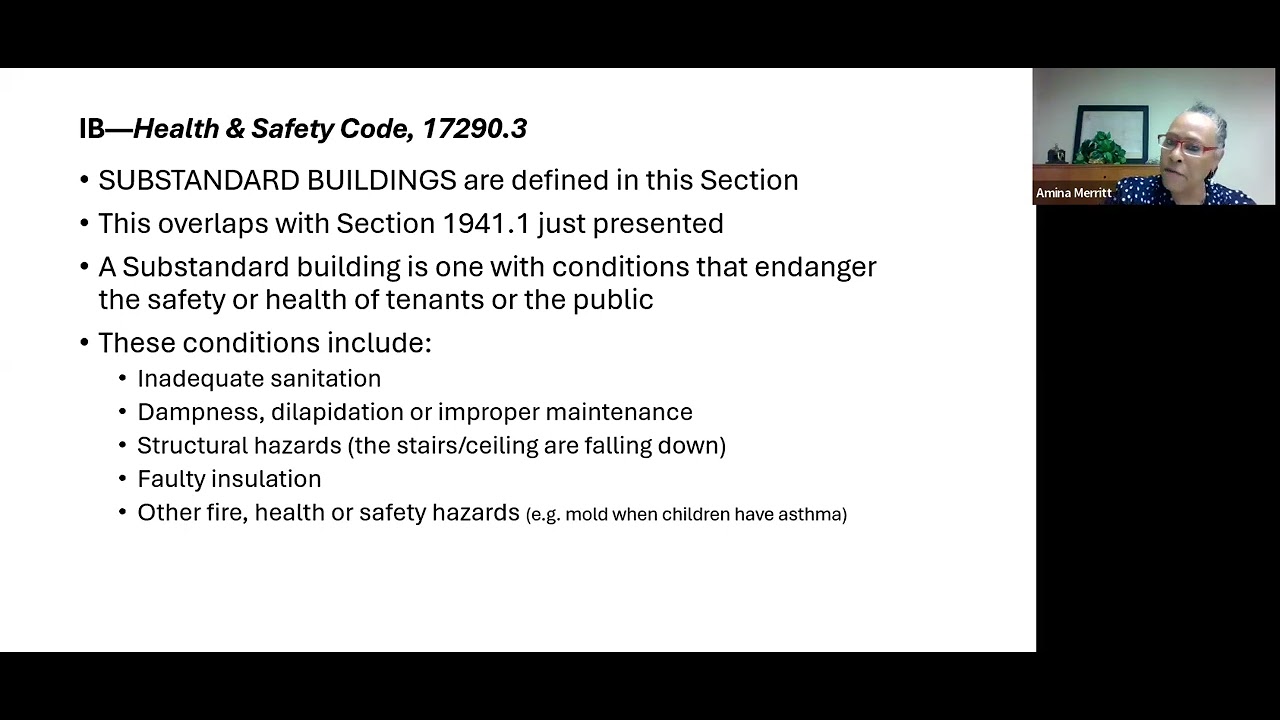
Scum and Slums -Right to Habitable Housing, presented by Housing and Economic Rights Advocates
360
The implied warranty of habitability is a legal concept where all California leases are understood to contain a warranty that premises are habitable, safe, and in good repair, complying with building codes. This warranty is implied by law, meaning it exists even if not written in the lease. This is critical for tenants in unpermitted units (units added without city permits), as landlords should not collect rent for such premises. California Civil Code Section 1941.3 states this warranty cannot be waived in writing or otherwise. If a lease contains language waiving habitability claims, such language is not legally enforceable. Tenants should demand that unpermitted units be made habitable before moving in.
Click to watch →

Court Laughed at an 9-Year-Old Black Boy — Until He Used His Legal Genius to Protect His Mom
66.3K
This segment explains the implied warranty of habitability, a legal doctrine requiring landlords to maintain safe, livable conditions. Any violation can void a tenant's obligation to pay rent and make the landlord liable for damages. Malik discovered this legal weapon while researching property law. He also learned that next friend representation under Federal Rule 17C allows individuals who lack capacity to sue to have someone else file motions on their behalf. This enabled Malik to represent his hospitalized mother in court, demonstrating how legal knowledge can be weaponized against powerful opponents.
Click to watch →
Deep Dive
How jurisdictional differences work in property law, specifically how state statutes and local ordinances govern landlord-tenant relations rather than federal law.

Chapter 24
5.9K
Landlord-tenant law is governed by contract law, common law, state and local statutes, and even federal law. In many cases, landlord-tenant law seems preferential to tenants - landlords have to do everything right, while tenants can sometimes get away with things. Tenants have rights to possess and use the premises and need to maintain certain parts of it.
Click to watch →
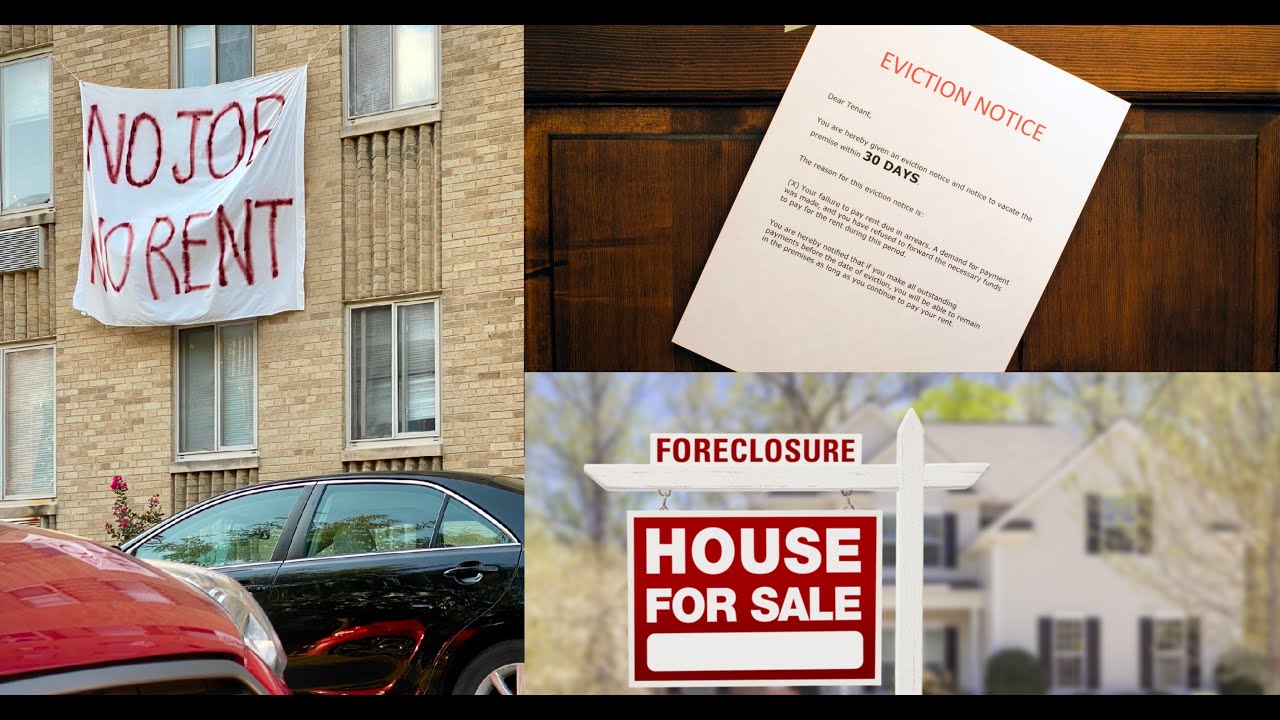
EVICTION REPORT, HOUSING CRISIS IN AMERICA
467
Landlord-tenant laws vary significantly by state and municipality. States like Illinois have their own laws, while cities like Chicago may have additional ordinances. Local ordinances can actually increase tenant protections beyond state-level requirements. This variation means tenants must understand the specific laws applicable to their location, as protections differ across jurisdictions.
Click to watch →
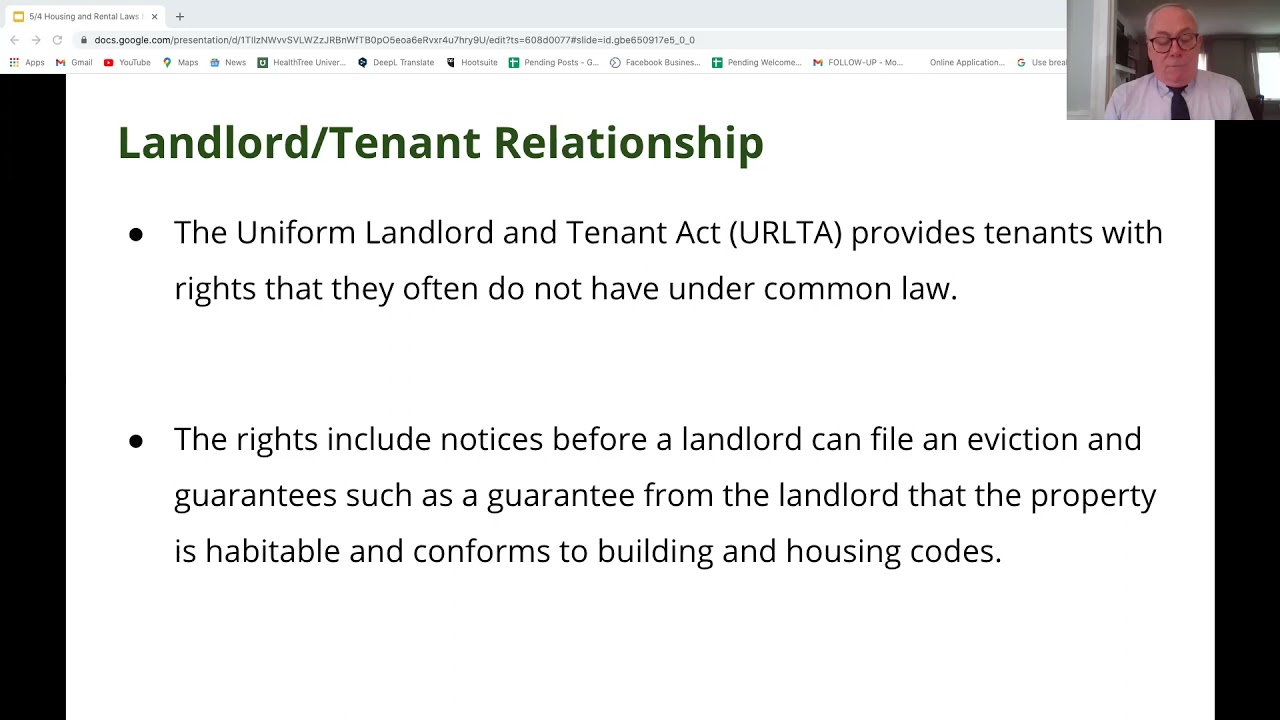
Housing and Rental Laws for Tenants with Disabilities
912
Landlord-tenant law is governed by state law and varies significantly from state to state. Additionally, within a state, laws can vary by jurisdiction (city, county, or town). For example, Kentucky's landlord-tenant law differs from Indiana's, which is just across the river. This means tenants must research the specific laws applicable to their exact location, not just their state.
Click to watch →

Woman jogging snatched and forced into SUV; Eliza Fletcher Missing
348.8K
State laws can preempt local government regulations, meaning state laws take precedence over local laws. A new state law restricts local governments from enacting regulations that conflict with or add to blanket state laws governing landlord-tenant relations. This preemption principle means that even if local governments pass laws requiring 90-day notice for rent increases, state law may override these local requirements.
Click to watch →

01-28-2026 Council Meeting Part2
179
Local rent control ordinances may be more restrictive than state standards. Under state law, if a local ordinance is more restrictive than the state standard, the local ordinance applies. This means that even if the state has a 3-3.5% cap, a local 2% cap would still apply. Landlords cannot argue that state law overrides local ordinances when local ordinances are more restrictive.
Click to watch →
Deep Dive
The standard procedure of formal communication in legal disputes, such as 'Notice and Opportunity to Cure' requirements.

Ms Shapiro Has Graded Your Paper, Blake Lively, and It's a Big Ol F. How Bout That?
10.2K
Notice and cure provisions require parties to provide written notice of breach and allow a specified period (typically 30 days) to cure before liability can arise. Courts have held that compliance with such provisions must be pleaded by the plaintiff. The video explains that Blake failed to comply with these requirements by going straight to the CRD and filing breach claims only 11 days after her cease and desist letter, without providing the required 30-day notice and opportunity to cure. This procedural failure alone can defeat contract claims regardless of their substantive merits.
Click to watch →

The Lawman Master Merchant Series
243
You must have received notice and an opportunity to cure before being brought to court. If they didn't send you proper notice, that's another thing you can challenge. This is part of due process.
Click to watch →

Judge Dismisses all but 3 Claims for Lively! Opinion & Order Discussion
401
Contracts may include notice and cure provisions that specify that no act or omission shall constitute an event of default or breach unless the other party is first notified in writing and given an opportunity to cure within a specified time period. The court must determine whether the plaintiff complied with these provisions. Under certain contracts, notice and cure goes to an element of a claim for breach of contract which the plaintiff must satisfy to prevail. The court must determine whether the plaintiff satisfied the notice and cure provision as an element of their claim.
Click to watch →

THE ADMINISTRATIVE PROCESS
88K
Administrative processes follow commercial transaction principles requiring cure opportunities before accusations. After initial non-response, recipients receive a second mailing with a 10-day cure period. This mirrors how parties must allow cure when dishonoring negotiable instruments—identifying defects and providing notice. The principle of mistake under UCC 1-103 allows for unintentional acts arising from ignorance, surprise, imposition, or misplaced confidence. Parties should assume mistakes occurred initially and allow opportunities to cure, reflecting the commercial principle that commerce is conducted on the basis of allowing corrections rather than immediate penalties.
Click to watch →

SmokingBaby Telegram Live July 28th, 2024
472
Legal disputes require notice and opportunity to cure before enforcement. When parties fail to respond to notice, they may be subject to default judgments. The distinction between proper and improper notice is important for legal compliance.
Click to watch →
Prerequisite Knowledge
- Concept 01Understanding the fundamental structure of a lease agreement, including the mutual covenants of the landlord and the tenant.
- Concept 02The legal concept of the 'Implied Warranty of Habitability' and what constitutes a material breach of this warranty.
- Concept 03How jurisdictional differences work in property law, specifically how state statutes and local ordinances govern landlord-tenant relations rather than federal law.
- Concept 04The standard procedure of formal communication in legal disputes, such as 'Notice and Opportunity to Cure' requirements.
Subsequent Learning
- Step 01Exploring the mechanism of rent escrow accounts and how to legally set one up to avoid eviction during a dispute.
- Step 02Analyzing 'Repair and Deduct' statutes as an alternative self-help remedy for tenants.
- Step 03Understanding legal protections against retaliatory eviction and how courts evaluate landlord intent post-dispute.
- Step 04Studying the procedural steps of eviction defense and how to present evidence of uninhabitable conditions in housing court.
Rent Withholding
Rent Withholding
0:00Playing Section
- 1
Rent withholding legality varies by state laws.
- 2
Some states allow deductions for necessary repairs.
- 3
Alternative remedies include lawsuits or constructive eviction claims.
The Legal Risks of Rent Withholding and the Rent Escrow Alternative
While withholding rent is often presented as a powerful tenant remedy, many legal experts and property rights advocates warn that unilateral rent withholding is highly risky and often legally prohibited. In many jurisdictions, the obligation to pay rent is legally distinct from the landlord's obligation to repair. Withholding rent without strictly following state-specific statutes can lead to immediate eviction proceedings for non-payment, damage to the tenant's credit score, and breach of contract lawsuits. Instead of withholding rent directly, many legal frameworks require tenants to utilize 'Rent Escrow'—paying rent into a court-held account—or the 'Repair and Deduct' remedy. These alternatives protect the tenant from eviction while legally compelling the landlord to perform repairs, highlighting that direct rent withholding is often a dangerous strategy rather than a straightforward right.
Deep Dive
Exploring the mechanism of rent escrow accounts and how to legally set one up to avoid eviction during a dispute.

Worrying about being Evicted? Know Your Rights and Options
8.9K
Rent escrow allows tenants to withhold rent when premises threaten their life, health, or safety. Requirements include: documented threats, landlord knowledge, prior notice to landlord, landlord's failure to repair, and tenant's prior rent current status. The tenant is the plaintiff who deposits withheld rent into court-determined escrow account. Court inspector (property maintenance inspector) serves as judge's eyes and ears, conducting inspections to verify threats. Court determines payment amounts, frequency, and follow-up dates. Landlord defenses include lack of notice, tenant-caused threats, or failure to pay into escrow. Fund distribution considers property value before and after threats, with courts dividing funds based on arguments presented.
Click to watch →

Is your landlord not fixing issues? Rent escrow may help
960
Rent escrow is a legal protection allowing tenants to deposit monthly rent into a court account instead of paying property owners directly, preventing eviction for non-payment when housing conditions are problematic. The process begins when tenants determine their situation qualifies—when conditions make the unit uninhabitable, violate lease agreements, or breach building/health codes. Tenants must first send written notice to landlords detailing needed repairs, keeping copies for records. After waiting 30 days (or less for safety issues), tenants file rent escrow paperwork with their local Municipal Court Clerk, which is free. The court schedules a hearing where tenants present evidence, leading to a settlement agreement. If landlords fully comply, they may receive all escrowed funds; otherwise, tenants may receive compensation for hardship endured. The Fair Housing Center can include lease renewal protections in settlements to prevent landlord retaliation.
Click to watch →

Couple forced out of home by raw sewage
314
When facing housing problems, tenants should not withhold rent but instead use a rent escrow account by depositing rent with the court clerk, which legally protects the tenant while forcing the landlord to make necessary repairs; this method prevents eviction while ensuring the landlord fulfills their legal obligation to maintain the property.
Click to watch →
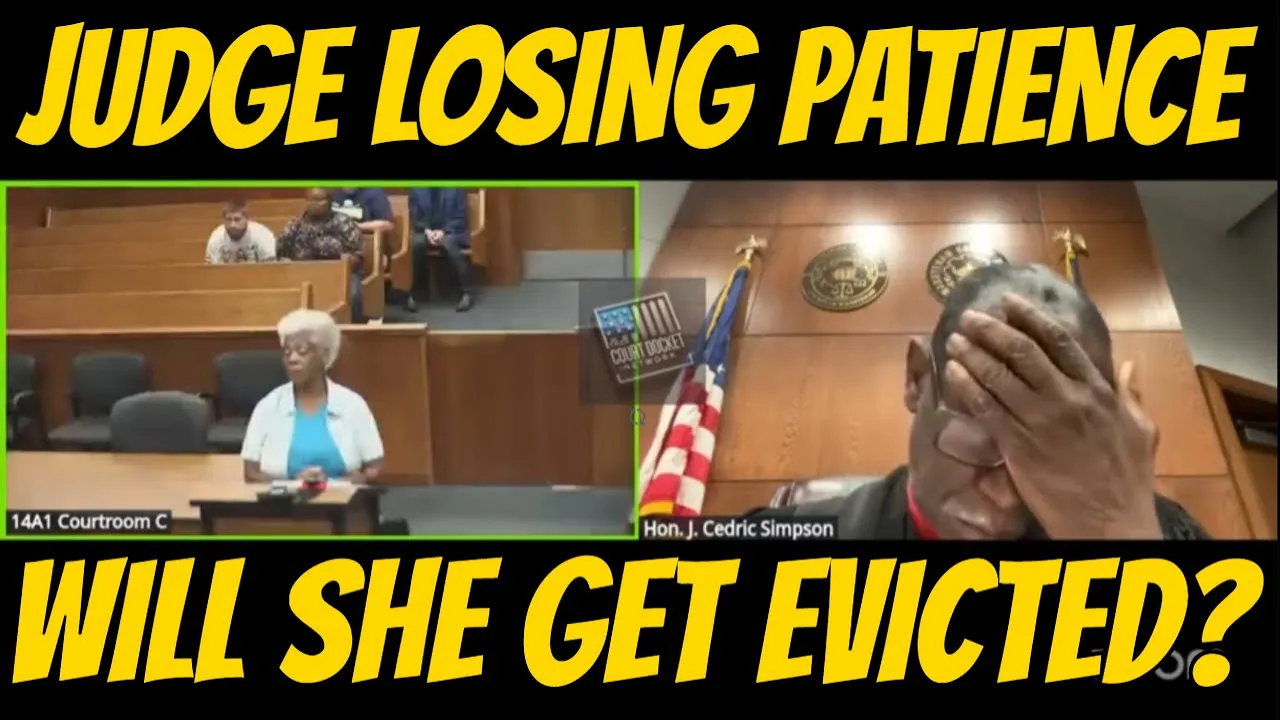
Judge Simpson Frustrated Over Failed Payments — Can She Keep Her Home?
11.1K
When disputes arise over rent amounts, courts may order tenants to make escrow payments as a condition for avoiding eviction. Escrow payments are deposits held by the court to ensure funds are available for rent. The court specifies the amount (such as $1,492) and deadline (such as within seven days). This arrangement allows tenants to demonstrate good faith while disputes are resolved. The court may schedule a trial date to determine the exact amount owed, with both parties presenting evidence and testimony.
Click to watch →

DEFIANT KAREN Knows SHE is Right and Tries to BULLY Judge Who Kicks Her OUT! JUST SHUT UP!
26.2K
When there is a dispute about rent owed, tenants can pay rent into escrow at the court rather than directly to the landlord. This protects the tenant from being evicted while the dispute is resolved. The court holds the money until the underlying dispute is settled, ensuring that both parties' interests are protected during the legal process.
Click to watch →
Deep Dive
Analyzing 'Repair and Deduct' statutes as an alternative self-help remedy for tenants.
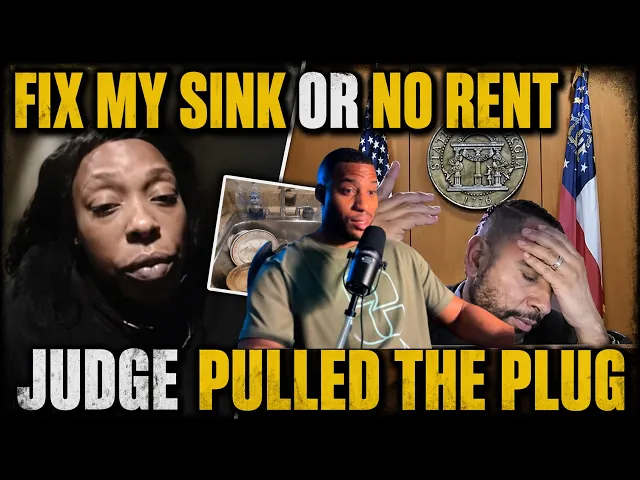
🤯 "I'M NOT PAYING UNTIL MY SINK IS FIXED!" She Withheld Rent For That Reason… Judge Pulled The Plug.
3.7K
Tenants have the legal right to pay for necessary repairs themselves and deduct the cost from their rent when landlords fail to address maintenance issues. This doctrine applies when repairs are reasonable in cost (typically less than a month's rent) and the property is not uninhabitable. Tenants must keep receipts to justify the deduction if challenged. When tenants fail to exercise available remedies like repair and deduct, they may lose the ability to withhold rent for those issues.
Click to watch →

r/Prorevenge I Exploded a Toilet on My Evil Teacher
45.6K
Tenants have the legal right to repair and deduct for necessary maintenance when landlords fail to address habitability issues. This involves tenants performing repairs themselves and deducting the cost from rent, subject to legal limits. Tenants should document all communications and repairs made.
Click to watch →

Understanding Habitability Rights for California Renters
1.6K
When landlords fail to fix serious defects threatening health and safety, tenants have three primary remedies. The repair and deduct remedy allows tenants to deduct money from rent for repairs costing no more than one month's rent, used no more than twice in 12 months, after giving landlords reasonable time (usually 30 days) to make repairs. The rent withholding remedy allows tenants to withhold some or all rent when defects threaten health and safety, with judges typically calculating withholding using percentage reduction (e.g., 25% if one of four rooms is uninhabitable). The abandonment remedy allows tenants to move out when defects substantially breach habitability, requiring proper notice and reasonable time for repairs. Each remedy requires defects to be serious, not caused by tenants, and landlords to be given proper notice. Tenants face risks if they use remedies without justification or proper notice.
Click to watch →

Freeloading Attitude-Tenant REFUSES to Pay Rent Until Her "Sink is Fixed"… JUDGE PULLS THE PLUG!
23.9K
Tenants have legal rights to allow property inspections and repairs. Withholding access to property managers or contractors prevents necessary repairs and may breach lease terms. A property is uninhabitable only when conditions substantially impair living, not merely when minor issues exist. A single sink backup does not automatically render a property uninhabitable if other facilities remain functional. Tenants have the legal right to repair and deduct when landlords fail to address necessary repairs, provided costs are reasonable and less than full rent. This remedy allows tenants to pay for repairs themselves and deduct costs from rent.
Click to watch →

WC defekt – Selbst repariert. Geld von der Miete abziehen? | Frag Somplatzki!
120
In German tenancy law, tenants can deduct repair costs from rent when the landlord fails to repair defects within a set deadline, but must notify the landlord in text form at least one month before the rent becomes due; this right is governed by Paragraph 556a(2) BGB.
Click to watch →
Deep Dive
Understanding legal protections against retaliatory eviction and how courts evaluate landlord intent post-dispute.

Entitled Bully STUNS The Judge By MOCKING Him… Judge SHATTERS His Ego
72K
Retaliatory eviction claims require specific legal elements to be established. The tenant must demonstrate that the landlord's actions were motivated by retaliation for the tenant's protected activities. The court evaluates whether the timing and circumstances suggest retaliatory intent. The tenant must also show that they engaged in protected activities such as reporting code violations or complaining about conditions.
Click to watch →

“Don’t Act Like You Didn’t Know!” — Judge McNally SHUTS It Down Instantly
659
Retaliatory eviction occurs when a landlord evicts a tenant in response to the tenant exercising their legal rights, such as reporting code violations or complaining about conditions. The court can consider whether an eviction is retaliatory when determining whether to grant a judgment. The court explained that if the tenant was being retaliated against, they could raise this as a defense. The court also noted that judgments can be placed on credit reports, affecting the tenant's ability to rent other properties.
Click to watch →

Criminal CON-Squatter Won't GET OUT!! The Endless Disabled-Tenant Bull Crap Continues...
161.5K
In landlord-tenant law, tenants have legal protections against retaliatory eviction, which occurs when landlords attempt to evict tenants for exercising their legal rights such as requesting repairs or reporting violations; courts may dismiss eviction cases or convert them to bench trials if procedural requirements like escrow payment timelines are not met, and tenants can seek emergency assistance programs to prevent displacement even when facing eviction attempts.
Click to watch →
CONTEMPTUOUS Tenant Leaves Court Out The Back Door?? Things Didnt Go As Planned !!
137.4K
A defendant claiming retaliatory eviction must specifically state supporting facts in their answer, not just general assertions. The defendant alleged false allegations were posted on his door the day after a phone conversation. He offered to present evidence including photographs and witness testimony to prove claims false. This illustrates that legal defenses require specific factual allegations supported by evidence, and that defendants can present documentary and testimonial evidence to challenge plaintiff claims.
Click to watch →

Tenant Sent Home from Eviction Court for Being Drunk
188
Retaliatory eviction occurs when a landlord evicts a tenant in response to the tenant exercising their legal rights, such as requesting repairs or reporting code violations. The judge may recognize that tenants who report problems are not at fault for the resulting eviction. The judge may grant adjournments to allow tenants to resolve the underlying issues with the housing authority.
Click to watch →
Deep Dive
Studying the procedural steps of eviction defense and how to present evidence of uninhabitable conditions in housing court.
Criminal CON-Squatter Won't GET OUT!! The Endless Disabled-Tenant Bull Crap Continues...
161.5K
Illegal lockouts—when landlords change locks without proper legal procedure—constitute serious violations that can serve as evidence of uninhabitable conditions. Such actions demonstrate landlord failure to provide reasonable security and living conditions. Courts may consider illegal lockouts as affirmative defenses against eviction claims and as grounds for counterclaims seeking damages. This connection between security violations and habitability standards provides tenants with additional legal leverage in eviction proceedings.
Click to watch →

Defendant Is BIG MAD When Eviction Doesn't Go His Way!!! Pro Se FAIL!!!
60.7K
Eviction hearings follow a formal structure where the judge identifies parties, property management presents their case, and tenants respond. Tenants must understand their responsibilities: vacating within the notice period, removing all personal property, and notifying the landlord of their departure. Evidence includes photographs, utility records, and witness testimony. Witnesses must take oaths and provide truthful testimony under penalty of perjury. The court evaluates all evidence to determine whether the tenant actually vacated and whether the property was properly turned over.
Click to watch →
FREE-RIDE Attitude Squatter DEMANDS Respect (and more time) to GAME The System…Eviction Judge SNAPS!
69.7K
This segment demonstrates the formal structure of eviction trial proceedings including opening statements, evidence presentation, and cross-examination. The plaintiff outlines their claims for possession, back rent, attorney's fees, and court costs. The defendant presents evidence about habitability issues (AC failure) and disaster circumstances (FEMA assistance, flooding, tornadoes). The court addresses objections to testimony not properly pled in the court documents, striking habitability claims as irrelevant to the eviction claim. The court also denies the tenant's request for a 30-day FEMA disaster release extension.
Click to watch →

More Court Crazy - LWU's Court Gallery Archives
233
Inspection reports document conditions that may warrant condemnation. The court heard testimony from Officer Hayden, who conducted inspections on September 11th and October 2nd, 2025. The inspection report noted dirty conditions, food and trash throughout, broken bathtub drain, and bed bugs. The court admitted photographs showing the conditions, including dirty dishes, grease on counters, and bed bugs on furniture. This demonstrates that inspection reports and photographs serve as evidence of uninhabitable conditions in housing cases. The court also heard testimony about the uninhabitable unit designation, which required tenants to vacate but retain rights to enter for personal items or repairs. The court noted that the tenant was still residing there in violation of the ordinance, which affected the landlord's ability to terminate the tenancy. The court also considered virtual testimony standards, denying the defense's motion for virtual testimony because the property manager and pest control company were high-importance witnesses whose testimony should be given in person.
Click to watch →

Wrecking The Joint
397.9K
The tenant argues the property was uninhabitable due to severe bug infestations (roaches crawling on the floor), ceiling leaks from upstairs flooding, and a water leak near the hot water tank. She claims she brought these issues to the landlord's attention twice, but the maintenance person never came to fix them. She also claims the landlord never informed her about the bugs, despite having video evidence showing roaches everywhere.
Click to watch →
Rent Withholding
Rent Withholding
0:00- 1
Rent withholding legality varies by state laws.
- 2
Some states allow deductions for necessary repairs.
- 3
Alternative remedies include lawsuits or constructive eviction claims.
The Legal Risks of Rent Withholding and the Rent Escrow Alternative
While withholding rent is often presented as a powerful tenant remedy, many legal experts and property rights advocates warn that unilateral rent withholding is highly risky and often legally prohibited. In many jurisdictions, the obligation to pay rent is legally distinct from the landlord's obligation to repair. Withholding rent without strictly following state-specific statutes can lead to immediate eviction proceedings for non-payment, damage to the tenant's credit score, and breach of contract lawsuits. Instead of withholding rent directly, many legal frameworks require tenants to utilize 'Rent Escrow'—paying rent into a court-held account—or the 'Repair and Deduct' remedy. These alternatives protect the tenant from eviction while legally compelling the landlord to perform repairs, highlighting that direct rent withholding is often a dangerous strategy rather than a straightforward right.
Understanding the fundamental structure of a lease agreement, including the mutual covenants of the landlord and the tenant.
The legal concept of the 'Implied Warranty of Habitability' and what constitutes a material breach of this warranty.
How jurisdictional differences work in property law, specifically how state statutes and local ordinances govern landlord-tenant relations rather than federal law.
The standard procedure of formal communication in legal disputes, such as 'Notice and Opportunity to Cure' requirements.
Exploring the mechanism of rent escrow accounts and how to legally set one up to avoid eviction during a dispute.
Analyzing 'Repair and Deduct' statutes as an alternative self-help remedy for tenants.
Understanding legal protections against retaliatory eviction and how courts evaluate landlord intent post-dispute.
Studying the procedural steps of eviction defense and how to present evidence of uninhabitable conditions in housing court.
2.5M views139.8Klikes0:57@MikeRafiLawyerOriginal Release: 2025-10-20
Can this guy really withhold rent for this?
>> And I've been telling them for weeks. So unless they come in here and fix this, they ain't getting any of my money.
>> You're mad at your landlord. You keep telling them, "Fix it. Fix it." And they haven't fixed it. And you decide, "Okay, fine. But I'm not going to pay my rent.
Is that okay?" Like every good lawyer answer, it depends on where you live. In certain states, you can deduct your rent or even withhold it if your landlord hasn't made certain repairs that are necessary. In other states, though, you can't at all. You have to keep paying rent. The only thing you can do is file a lawsuit against your landlord. And in some of these landlord friendly states, the only thing that you can do was claim that there was a constructive eviction.
Meaning, there's two rooms in the apartment. And because of this problem going on in the bedroom, I wasn't even able to use the bedroom. I was constructively evicted from the bedroom.
Two rooms, I pay $1,000 a month. Half of it you weren't able to use. Your rent can hopefully be down to $500, but that's after you go to court and win your case. Luckily, in landlord tenant cases, you generally generally don't need a lawyer. Here's the lawyer telling you you don't need
Up Next
18:19
Freehold vs Leasehold Estates Explained for Real Estate Exam
@JustCallMaggie
75K views•2024-01-15

4:27
US Secondary Sanctions Impact on EU Businesses and Blocking Legislation
@Bureauvandijk
1.6K views•2019-03-20

5:27
Forensic Phonetics: Speaker Identification in Legal Cases
@nptel-nociitm9240
539 views•2025-03-19

24:42
Police Interrogation Tactics: False Confessions & Legal Reform
@LastWeekTonight
7M views•2022-04-18
Related Study Plans & Knowledge Roadmaps
Structured learning paths in Law
law
Self-Defense Law: Imminence & Castle Doctrine
01Foundations of Self-Defense Law
02Imminent Threat & Reasonable Belief
03The Principle of Proportionality
+ 3 more learning modules
12h6 modules
Explore Roadmap
law
Defamation Law: First Amendment & Actual Malice
01Introduction to civil torts and the First Amendment
02Elements of Defamation: Libel and Slander
03Public Figures vs. Private Individuals
+ 2 more learning modules
8h5 modules
Explore Roadmap
law
Hearsay Rule: Trial Evidence & Exceptions
01Introduction to Trial Evidence & Courtroom Basics
02Demystifying Hearsay: The Core Definition
03Non-Hearsay: Exclusions Under FRE 801(d)
+ 3 more learning modules
14h6 modules
Explore Roadmap
law
Medical Malpractice: Law, Liability & Care
01Foundations of Tort Law and Civil Liability
02The Four Elements of Medical Malpractice
03Defining and Proving the Standard of Care
+ 2 more learning modules
12h5 modules
Explore Roadmap