


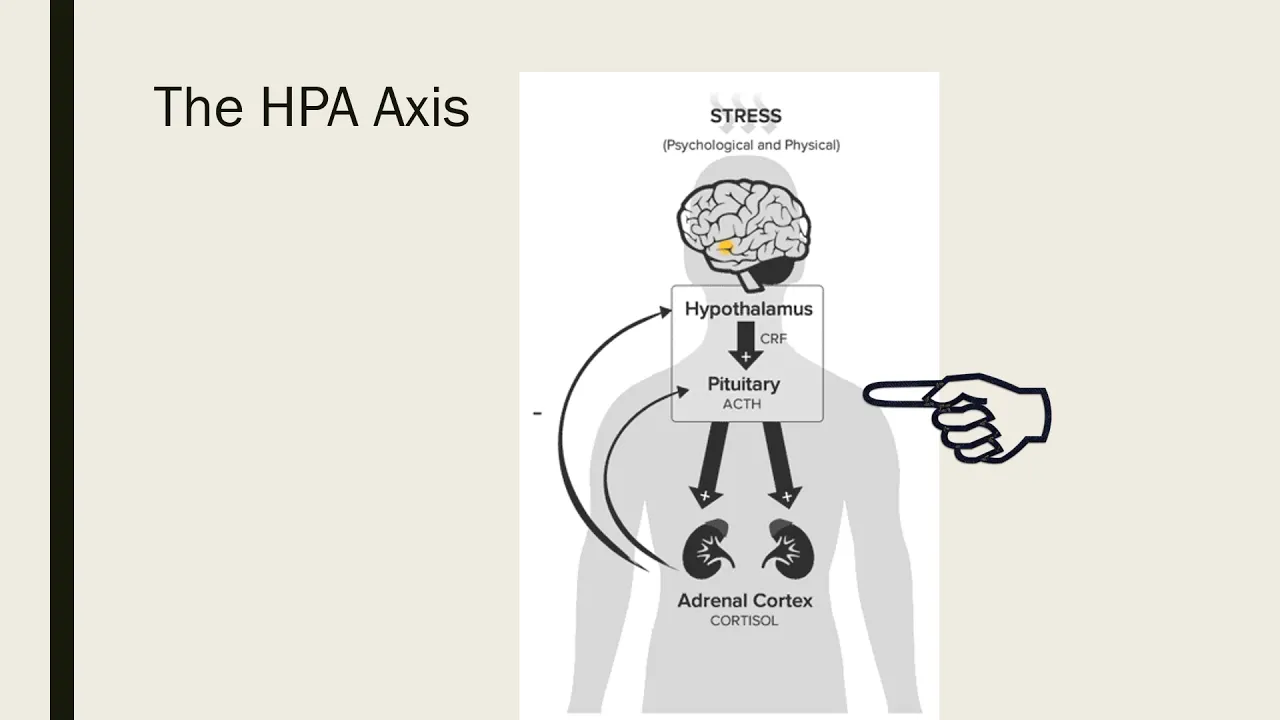



















The 90-second method is a psychological technique for mastering difficult emotions by recognizing that feelings are information (data) rather than direction, and that unpleasant emotions like sadness, shame, helplessness, anger, vulnerability, embarrassment, disappointment, and frustration are natural bodily sensations that can be experienced consciously rather than avoided. The method involves staying present with these feelings for approximately 90 seconds, during which biochemical responses naturally subside, allowing individuals to process emotions healthily rather than through avoidance behaviors like substance use, distraction, or harsh self-criticism. This practice builds emotional resilience, authenticity, and confidence by helping people become whole and congruent in their thoughts, feelings, words, and actions.
Managing Emotions: The 90-Second Technique for Emotional Mastery
Added:we have this idea that the purpose of speaking up is actually to get what we want you know I want the ice cream now whatever it doesn't matter what it is what dawned on me is that that's not the that's the benefit of speaking up the real purpose of speaking up I think you gotta have a dream the school of greatness really yeah please welcome why do people run away from their emotions why do they hide or why do they react with their emotions so much as opposed to learn how to be curious about them and master them why do you think that is I yeah I would say two things right off the bat one is their previous life their early life experiences so that it depends on the kind of experiences they had growing up right and the kinds of things they learned by being in those situations so if they experienced a family where feelings were shut down if they experienced a home environment where it was explosive or rageful or there was trauma or abuse or chaos all those kinds of things lead people to be start to behave in certain ways in response to what they're experiencing but I feel like that's 98 of the world no one has the perfect childhood right exactly or there might be little traumas right that build up maybe it wasn't this explosive parents but they neglected or they said a few comments that like stuck right that were maybe looked as negative right or neglecting or abandoning and it wasn't even like that bad of a childhood but it still connects with people in effect them right absolutely absolutely so so that's kind of one piece of it but the the one piece that I actually talk about more than kind of our previous life experience is that the way we experience feeling is actually part of the reason I think people shut down on feeling the way we experience the way we experience feelings how do most people experience feelings most of us come to know what we experience through bodily sensation through how it feels how it literally feels in our body it's vibrating it's numbing it's tight it feels heavy yeah right so think about disappointment or sadness and and for many people it it's not everybody but for many people it's an experience kind of in the chest right and then this heaviness and and it's like or an experience of helplessness that maybe it feels like a gut Punch or something else anger where you it's like raging through surging through your body raging through your body and you can't stop the sensation right or embarrassment where you might see the redness I feel the heat um that what I came to understand is that it's not that we didn't want to feel the whole range of what we felt it's that we didn't want to feel the bodily Sensation that helped us know what we felt why do we not want to feel the bodily sensation because it's painful and uncomfortable yeah and we can't be in charge of it we're not in control we're not in control we're not in control that we feel it we're not in control of what we're feeling and not until it's in our conscious awareness not until we it's like oh wait I'm you know I can feel the heat in my face oh I'm embarrassed um then then that's the point at which I can go oh I can take a deep breath and kind of calm this right so it's when we're it's in our unconscious awareness that we can kind of Tamp it down or that's when we can regulate it so we don't want to feel the sensations in our body when we have the emotion of sadness or anger or disappointment right right shame right it's that we don't want to feel the pain in the body correct why do we not want to feel the pain why do we resist that because it's just uncomfortable or is it mostly that's really mostly what I look at I think it's uncomfortable it's unsettling it's unpleasant it's on something right right it's not fun it's not fun so where where the the pleasurable emotions literally gets experienced in a great way in our body right so we move towards those and we want to move away from the stuff that's uncomfortable right okay so what do people usually do in that situation when they feel the pain disconnect or distract so I mean and that list is pretty endless right that's where addiction comes in the numbing Sensations the distractions absolutely things right so so it it might be screens right in any form social media TV Etc um it might be substance use so there it might be food it might be sex it might be porn workaholic you know being a workaholic exactly anything to kind of anything that avoids it right avoids the feelings correct but it's like we look for the positive feelings but we avoid the the painful feelings right but what are the painful feelings signaling to us what is it telling us as others have spoken it they're they're really their information just and the way I look at that all of our feelings Pleasant or unpleasant is that it's information for us particularly the unpleasant ones um but it would be true for pleasant as well is that we can make use of those feelings once we have awareness of them we can make use of those feelings to make decisions right to express ourselves or to take action and and so part of it is also understanding that our feelings are there can be there for a purpose and to help us evolve and to help us grow and they can be used for specific things right I believe Susan David said that these these feelings and emotions are data not direction right right it's not something we should be reacting to with the direction we should be having this is data it's information how to respond based on this information correct right yeah not how do I quickly react or quickly numb the feeling but what's missing inside of me that's having this feeling right and how can we process this in a healthy way right right so it just seems like so many people in the world including myself for many years were making decisions based on avoiding pain and numbing the pain and not wanting to face the pain what happens when we face it I think would become more whole w-h-o-l-e more whole authentic human beings yes and and as a result again you talk a lot about becoming our best selves right so then we are more authentic more more genuine and more of us is available for relationship or more of us is available for pursuing whatever it is that we want to pursue in life right so that so that think of when we allow ourselves to experience the fullness the full range of what we experience then all of us is available for anything we want to put it towards in life whether it's self-exploration whether it's building relationship or whether it's I've got this big dream and goal and I'm going to use it in the pursuit of that right how many people in the world what's the percentage you think are not whole in terms of they're not able to face their emotions in a healthy way how many people do you think are struggling with this a lot percentage-wise what do you think 50 80 I probably I'd probably be inclined at least to put it at 70 or 80 of the world is not willing to face it's hot it's high it's high yeah we wouldn't see the level of addiction if that weren't true in in any form right and we wouldn't see the level of checking out we wouldn't see the level of violence right because why would you need to be angry and react and cause war and fight and hit people there's no reason for it you wouldn't need a scream no if you were whole yes right yeah because you could manage the conflict in a more peaceful way exactly exactly and not a reactive way not based on this pain hurts me let me react and let me let me Splash it all over you right or dump it all over you I mean right yeah disown it and and more people disown their experience or check out from their experience and as a result then then that's where the hurt occurs for others what do you mean what do you mean disown like not take responsibility or not recognize it and and not take responsibility right right so so let's say I'm I'm really angry about so no I'm disappointed about something but the only way I allow it to come through me is through anger right which is what a lot of people do yes typically I mean the way I grew up I felt like as a as a man growing up you weren't able to express without it I mean it was either anger or don't say anything you know there wasn't an ability to be sad or vulnerable or you know tap into a different element of an emotion it was like be angry mad or like stoic and don't say anything right right that was kind of what I was felt like I was allowed to express which created more anger inside of me because I couldn't Express right A Reign right and for me that's also another way to disconnect and distract that you allow just a default with some instead of having the whole range of what you're experiencing and expressing that whole range so if you were disappointed and it became anger now you're now you're using a default feeling and and that's the only way it's showing up to someone else and that's that's disowning what you're experiencing so you think again this is just your opinion 70 plus might be uh you know disconnected in the world from their emotions right right so now you're inviting me into a guest so like yeah yes you're guessing right but based on your experience of the people you work with and what you see happening in the world and I I think that's a good guess I'd probably say the same thing um how easy is it for people to get to a place of wholeness is it really challenging should it take years or is it possible for the for them to get whole and master their emotions faster I don't think it takes years I think the deeper if if you want to move to a much deeper understanding of yourself then that might be a journey that takes years but if you want to be able to manage your emotional state and have greater access to the whole range of what you feel and then be able to use it in everyday experiences that's something that can actually I would say I would say happen more quickly than people would realize really yeah so they work with thousands of people in this right how how fast can it be what's like uh so the beauty of and we're talking briefly before but one of the things I've recognized is the way that I've approached some of this material around feelings is that once you have the knowledge once you have the concept or the idea or the awareness you can actually experiment with it right away and and what I have found especially with this idea of experiencing feeling as opposed to disconnecting from it even in the earliest experimentation of it so so let's say I've been somebody that's that's like I've checked out for a long time and then I go all right I'm going to just try this right I'm going to be curious about just try it and and I do what starts to end up happening is that there's a natural organic lift up and a greater sense of you being more true to yourself really because you're owning the whole range of what your real experience is as opposed to dismissing it or trying to disconnect from it why are people so afraid to express their emotions though why is it is it the fear of what other people are going to say about them is it embarrassment yes it's shame no I bring it I bring it back down I talk about one's difficulty with eight unpleasant feelings okay okay so the focus of this body of work is centered on our difficulty experiencing and expressing eight unpleasant feelings okay so the the feelings are sadness shame helplessness anger with vulnerability embarrassment disappointment and frustration yeah so their feelings are feeling States some of them are kind of combined with thinking a little bit but so what I found is that as much as our thinking can get in the way and and cause us to you know pull back from lots of things that are important to us I actually found that our difficulty experiencing and expressing these feelings actually was more of an obstacle and more of a roadblock okay so so for me these eight became really Central and again most people go well like anxiety's not there or fear's not there they're not there for to me important reasons the reason that I chose these eight and again it was over time there was five and there were seven and it's like eventually I landed on eight and the reason I for these is because they're the most common everyday spontaneous reactions to things not turning out the way we want or the way we believe they need to be turning out and so it's the everydayness of these feelings on any given day any given week every any given month you're going to move through a variety of these feelings right so it's the everydayness of them okay right so if I get to your question then about what makes it so hard for people to express themselves or speak up for me it goes back to these eight feelings it's not it's not about how somebody's going to respond I'm not not directly but if you stop and think about it difficulty speaking up is not a speaking problem what is it it's a difficulty with unpleasant feeling problem so people lack the ability to speak up to who and to whomever about what exactly exactly right it doesn't matter who it doesn't matter what it can be as simple as an exchange at a retail store um feeling uncomfortable about like oh this is you know I bought this thing but I need to return it but I feel uncomfortable returning it right or a restaurant or exactly it could be a close friend that just flaked on you could be telling them how you feel about you know the situation I feel disappointed I feel that down or whatever it might be right and and the same is true for an intimate partner or a boss it doesn't matter who and what happens when we don't speak up about how we feel I think the effect is is actually profound I I don't think so a couple different things here Lewis this is massive for me because so if if you'll let me wander around this go for it so again the first thing is to understand is that difficulty speaking up actually is not a speaking problem it's a difficulty with unpleasant feeling problem so the reason I won't speak up first is because I'm not willing to handle my own unpleasant feelings because you know there will be an unpleasant feeling with speaking up right so you don't want to you don't want to deal with it right so let's say I'm disappointed and I don't want to have to tell you that something some exchange occurred between us where I'm disappointed I don't like the experience of myself I don't do it but in order to speak to you about it which is actually going to remove the obstacle between us because if I don't speak now there's a now there's a distance there's a barrier right right so so I've got to in order if I want that barrier to go and I want us to remain close I got to deal with it and if I so think then that in order to have a conversation not only do I have to deal with the discomfort of my own emotional discomfort I have to deal with the discomfort of your emotional discomfort I might have said you or frustrate you or let you down or whatever you might get the angry in response whatever it is now I got to deal with your eight unpleasant feelings oh man simultaneously with my eight unpleasant feelings and and as a result it's like I'm gonna back off right so the reason we don't speak up is because we don't want to deal with the unpleasant feelings that are involved no matter what with ourselves and with others with others and that's true for let's go the positive route I want to tell you how much I like you or admire you or want to be close to you right or I love you mm-hmm that's going to involve vulnerability and it might be disappointment because you might look back at me and go I'm not feeling the same thing right right so it'll be let down if you don't get the response so putting yourself out there in the positive ways emotionally expression you still might get let down you might have an unpleasant feeling that's right so the uncomfortable expression or the positive expression still could respond with eight unpleasant feelings right so in order then to be able to speak comfortably you have to be willing to accept that the experience of unpleasant feelings may be part of that Journey I feel like people should use this as an experiment and say okay what are the things that I haven't been saying they lead to the people closest in my life or to you know acquaintances maybe and allow myself to say the things in maybe the uh you know not as pleasant conversations and also the pleasant conversations and see how it feels and see what opens up in the respace of the response right and how can I manage the feelings Pleasant and unpleasant afterwards right but most people are afraid to say I care about you I love you or here's what how you mean to me because they're not sure what they're going to receive in response right and you let me down I was disappointed when you flaked on me you know can we create an agreement moving forward or something like that right some people just don't speak up at all is what you're saying exactly exactly so but but here's again a couple interesting things about this first my caveat around speaking up is that it needs to be positive kind and well-intentioned conscious conscious but the two most important kind positive kind of well-intentioned and well-intentioned I love you saying this John positive so if I'm going to encourage you to go speak up or you want people to kind of experiment with it then it's not about this is how you made me think yeah yeah yeah exactly so it's it's not it's not about that you know I love that you said this because I um I was telling you beforehand off camera that I've been doing this you know therapy and coaching almost every two weeks for the last almost two years now it's been almost two years and with my girlfriend Martha we when I started the relationship I said listen I've always wanted to start therapy in a relationship you know after a few months of us dating I said I'd always wanted to try it together not because there's a problem but because I want to make it great and I want to make sure we're on the same page we have agreements and I told her early on I go there was no reason I will ever get upset at you for anything um based on you know we have our agreements and things like that but there's no reason you can live your life fully and I will not get upset at you I will not like expecting from you I'm not going to get upset at you because we have a certain standard of our agreements and I said the only reason I will get upset there's only one thing I was told the story many times I go there's only one thing to make me upset is if you come at me with an attack and you don't do it from a conscious point of view right if I let you down if I you can talk about anything you want you can come to me with anything but it has to be a conscious conversation come from a loving kind place you said positive kind and well-intentioned know that I'm not intentionally trying to hurt you right know that my intention in this relationship is good if I do something stupid then you can let me know from a positive kind and well-intentioned way and I'm going to receive it but if you come at me with anger or resentment expectation aggression I'm going to be defensive I'm going to say like what are you doing right now you're not being conscious in this moment right I can't receive your information so I will never come at you in that way don't come at me that way and that's why doing therapy together I think allows us to keep a peaceful environment sure of growth so I'm so glad you said this because it's not speaking let me tell you how I really feel and just unload on you my emotions right you can't create a bond no no or a bridge in that way exactly right people are just going to be on the defense right it breaks the safety but why are so many people why is it so many people struggle at speaking up in a conscious way the way you talk about positive time and well-intentioned why do they react or scream or say mean things to the other person well again that's going to get into lots of other Dynamics but but but think of it as first thing it's uncomfortable in me yeah so I'm gonna make you feel it as opposed to me feel it yeah you made me feel this way right right or and it's this this sense that you made me which is also an incorrect way of thinking about it's a victim mentality exactly exactly so then I'm gonna I'm just gonna be aggressive response or I'm going to attack you so that you feel what I'm experiencing as opposed to me telling you because somehow the telling doesn't get through so now I'm going to amp it up I'm going to escalate it hear me right right but that's that's a whole other story that we can we can go to as well but but that's that's part of it it's it's uh I I don't want to experience it so I'm going to make you experience it instead and and what happens when someone does that one day the but well the bond breaks right so so from and so there's no safety and now I'm gonna if you're doing it to me I'm gonna withdraw because it doesn't feel safe right and disconnect I'm gonna put a wall guard up I'm gonna have to talk to you right or I'm gonna go back at you and be aggressive whatever it might be there's no intimacy then correct that you lose the bond you lose the bond and for me it's not only talking about what is being said it's also talking about how it's delivered and most people in relationship don't do those two things they do one and they get lost on the on the detail but they don't do the second which is to talk about how it was delivered like if you're rolling your eyes right bottom language yeah yeah energy tone all that and but sometimes that's where the real infraction is so it's not necessarily what you say it's how you say it it's think of it as both yeah right you got to be cautious in how you say it you can't say you're a horrible person in a loving way right you can't say you're just such a bad person I really hate you you know I smile yeah you have to be you know what is the best way to speak up to intimate partner or someone intimate in your life a friend or an intimate partner what's the best way to speak up if you feel hurt let down disappointed in what someone did or didn't do well the the first thing is that it for me it's it's actually I talk about it in the book and I call it a preemptive bid okay so so what I want people to do or I want to encourage people to do is to think about whatever the obstacle is to talking um so let's say I think you're going to laugh at me and so the first thing I do is to say you know what Louis I really want to talk to you about something my biggest concern is that when if I bring it up to you you're going to laugh at me well if I say that to you the pull typically for The Listener is to go no I won't yeah yeah I'll listen to you let me yeah let me hear it so now I have your attention so it's kind of sharing the concern or fear up front with the person right right so because it why because I want to break down the obstacle to the conversation yeah right then again speaking up does not give you license to be malicious so it's coming from a kind and well-intentioned place so it's the reason I'm coming to you is because I you know what I feel like I'm being a little bit distant from you and I that's not what I want I want us to be close so I actually want to talk to you about Acts and and when I've seen people face to face I used to hold up a pillow so if I can borrow the book for a moment yeah um what I used to do so I think of this as the pillow and and I've we've got something to to deal with or I want and I want to talk to you about my disappointment or whatever it is I would do this uh-huh it's like there's no connection if the obstacle is there right if I haven't talked to you mm-hmm it's just obstacle right but the moment I say all right I want to talk to you about this thing that's getting in the way which is my disappointment or my concern you're going to laugh at me or whatever now the obstacle is removed and we can be close again yeah so [Music] so it's it's super important to be able to speak up in relationship because it allows the the bonds of intimacy and the depth of that connection to grow a lot of people don't create the preemptive bid first they just unload correct and they don't do it from a positive kind or well intentioned way right they do it from a frustrated hurt malicious way right yeah right I don't want to feel one of these eight unpleasant feelings I want to dump it on you I'm not going to be conscious in the way I communicate I just don't like what happened so here you go take it right you hurt me I'm going to hurt you back yeah right and that doesn't do anything good no no there's nothing good that comes out nothing good no so and here's here's the other thing for me around speaking speaking up there's again there's a variety of of great things that happen I actually think that our capacity to speak with ease in life to say what we want to say do we want to say to all that kind of stuff timing again with the caveat of being kind and well-intentioned that that to to be able to speak with ease is actually the super glue to confidence um that if we don't speak if we if we feel confident in a variety of different ways and we can experience our feelings fine but we don't have that additional layer of speaking with ease to in any situation we need to then I don't think that it it actually we feel that kind of unwavering experience in ourselves so so what I found is that we have this idea that the purpose of speaking up is actually to get what we want or in this case it might be to stop something setting a boundary setting a limit whatever it might be or it's to literally get something you know I want the ice cream now whatever it doesn't matter what it is and and then what dawned on me is that that's not the that's the benefit of speaking up getting what we want is the benefit of speaking up the real purpose of speaking up is to grow us and I think that when we find that we have our voice that's when we start to feel that real deep strength with confidence yeah confidence and strength within us okay it's two things I want to discuss here one the first one is the ability to speak up and practicing it and owning it and being able to sit with the feelings and be comfortable with the uncomfortable feelings right it's like learning how to master sitting with sadness sitting with you know vulnerability anger helplessness all these different things shame and not let it consume us but feel it and let it flow go through move through us right yes and be okay with it okay I have a uncomfortable conversation today so I'm feeling but I'm alive I'm okay everything's good now we actually came together stronger now okay cool I can move through it I feel okay and practicing that on a consistent basis so that's one thing I want to talk about and then the second thing I want to talk about is is it possible to just not let things affect us and not need to speak up because we are so okay with ourselves and know that people are people and people do what they do and say what they say and they're in their own stuff and their traumas and okay I'm not going to take it personally I process it and I don't need to speak up maybe I can maybe I don't need to and I'm going to be okay because I'm living an intentional life it's kind of the two things practicing being uncomfortable or being comfortable with the uncomfortable feelings and practicing speaking up consistently and moving through it then also saying do I even need to play this game not game but do I need to play in that space or I don't like what happened right there but I'm okay I'm safe I'm here for myself like life is good that one's complete has some complexity to it that's the second one that's the first one is obvious because we're gonna get practice yes and then we'll practice the more practice we engage in in that way really the healthier we become yes but the this with the second one is like well I don't need to do it I actually feel okay it's I'm not taking it personally that kind of an idea to a degree I would say that works and that that's probably fine yes right but there's another element of that where I've seen people respond that way where that's their way out yeah that's their spiritual bypasses exactly that's their way to not deal like I'm fine everything's okay but it's actually you haven't processed exactly right so to use your words one is it's a spiritual bypass the second is it actually doesn't allow yourself to grow or the other person to grow that's true because then maybe they just keep disappointing or they're not being their word and you just let it go every time right right and you're being affected and it's damaging the relationship so now you're pulling away because the person's continue to do what they're doing right they're out of Integrity or they're disappointing you or whatever it is so so so now right so now you don't get the growth the other person doesn't get the possible growth and the relationship doesn't get to grow so so for me it becomes really important for people to kind of really check themselves interesting and and go you know do I do I need to say something and most people will back off because they don't want to deal with the discomfort yeah interesting so they do the spiritual bypass rather than going you know what it's important to me and to once again to understand the purpose of speaking is not necessarily to get it to be totally right it's to grow yourself yeah it's to try to get what you want I guess the end result but it's more to grow yourself and hopefully grow the other person and create a deeper relationship right how often are you speaking up in your life in my life yes um once I realized this it changed how I behaved so really yeah it did it did um and and in both directions oh man um I I will tell you that I'm you know if I look back five years ten years whatever it might be I'm a very different person now in terms of my willingness to lean into the the discomfort and to go there because I know how much better it gets and again I'm coming at her from a kind and well-intentioned place yes so there's there's no effort to hurt it's it's I want to make whatever's going on better you know have I had have I had situations not work out yep then I have to deal with my disappointment right it doesn't feel good it doesn't feel good but then again same thing for me it's it's again a party has to do with what mantras we live by so one of mine is that I'm going to learn from every life experience that's part of the intention or I'm going to see how far I can stretch also part of the you know so it's like okay then this is this is part of it and so then then for me it's like how can I how can I grow from this experience so it's to you again to your earlier point it's living in a conscious way right and and the other side of it is making sure that people know I care about them so it's I've become much more expressive about love and much more intentional about about making sure I convey my care my deep care my love whatever it might be did you not communicate those things in the past I when I was when I was much younger I would say I was not so great about it it was it was really an evolution and I was probably better at describing the the caring feelings I had or expressing those um and and then it over time and also working with the work that I was doing it was like I gotta get better at this interesting so and and the other part was really finding that when I combined the two of being kind and well-intentioned then I could typically speak the things I would have typically found much harder to speak so it it got money it became much easier so what when did this start to really shift for you when you started to implement this speaking up strategy more frequently was this five years ago 10 years ago two years ago no no I well that's a good question so part part of it was professional which to me is a little bit funny because in my role as a psychologist I'm often saying to people things that they don't want to hear yeah right so I so I had to learn how to deliver that message early so I um and this work in its in its earliest form started probably 25 years ago wow or a little bit more and I would say that evolution was it that probably it was a much softer start uh 25 30 years ago but as time went on you know I would say easily 15 20 years okay cool yeah how long did it take for you to kind of feel okay with these consistent uncomfortable conversations until you felt like I can speak up almost automatically now without having to wait for weeks to think about what I'm going to say or how I'm going to say it that's been a number of years that's probably been 10 to 15 years really yeah okay and what is available for people on the other side like what was available for you after you started implementing this you know what I think I actually the benefits are profound what ends up happening is you become more congruent and that to me is where the magic of emotional strength and confidence is so if if we talk about congruence there's I usually include about eight things here but the first four of the or I would say singularly the most important and that's that our thoughts our feelings are words and our actions match yep so the first benefit or set of benefits is that you begin you have an experience of yourself as having that kind of internal strength and confidence so you become more confident when you're congruent right right and what are the other four oh another spot here now no I am on the spot um one two of them have to do with that we own our past history that our attitudes and beliefs and our values so that's I kind of putting attitudes and beliefs together and our values as the sixth one our past history and then the the last one is our vision of what we want for the future that all of those align and what's really interesting here Lewis is that if they don't align oftentimes we feel anxious and then part of it is going okay I'm anxious then what's out of alignment mm-hmm one of these four things right well no or one of the eight I'm not telling the truth about my past I'm not owning what's true for me for the future that I want for the future or I'm feeling something and not saying it or I'm believing something and it's and but I'm acting out of Integrity with my belief right right or I'm saying my value is this but I'm not being that value right right so interesting so that you can if I'm saying I want this in the future I want to be healthy but I'm eating bad food every day so I'm out of alignment right and then I start to feel anxious right or overwhelmed or stressed something or something right something's off something's off because you're not a whole person in congruence with thoughts feelings words actions matching attitudes and beliefs values past history and vision of the future what is past history Howard can you be in alignment with past history is it just addressing and facing the past history and and dealing with it as opposed to distancing yourself and acting numbing right and acting like the passage right hand I didn't have what happens when we don't face the past well again we start showing up in ways that are not very effective with other people we don't show up in ways that are necessarily good for us so I might again I might be drinking a bunch I might be using food I might be using sacks right it doesn't matter what it is but I start checking out that's what happens when I when I don't deal with my past then I check out in some ways right and and I don't and again it's not the past isn't everything but it does contribute yes so we just have to acknowledge that it contributes in some way to who we are in the present and but it doesn't have to be the thing that actually defines our future how does someone develop a set of beliefs and values that will support their life what if they don't know what their values are how do they create them you know an easy starting place is to look at people that you admire and say what do I admire about this person what type of Life they have that I respect and like and right and then pull some of those values it's like how did how did they get there I mean you know go read stories go read biographies and learn all their mistakes and don't do that exactly look but not only learn their mistakes and don't do it but learn learn what they had to go through on the journey to get to where they evolved right so so the if a first place is to look outside to see people who were doing what doing what you want to do and being the ways that you think you want to be and and then it's looking inside and basically asking the question is who do I want to who do I want to be who do I want to become how do I want to show up yes and then you practice and then you your words and actions match your values exactly match the vision you have for your future self right what's the best way to address the past history what if someone's gone through a crazy past history and they had a lot of different challenges at home and relationships and abuse or abandonment or just you know bullying how does someone face that amount of pain or trauma you know there's a i call kind of that whole area um as disguised grief so I'm going to give you a couple of ways to think about disguised grief one has to do with the words we use okay so if I'm saying to you I'm bitter I'm angry I have this long-standing anger I'm resentful I hold grudges I am pessimistic cynical sarcastic against this hurt at any words that's jealousy all right jealous envious all those kinds of things for me everything underneath that is grief grief of what well again it's I'm going to take you to the second second layer of it so grief of something I'm missing the grief of something I'm expecting grief of something I'm wanting and when I'm talking about grief I'm I'm putting at least four of those eight feelings into the mix so for me again I don't know that people necessarily talk about grief and kind of break it down but when I think about grief I think about sadness helplessness anger and disappointment as as comprising at the minimum comprising grief and they can be singular responses so I might be sad about something although I'm grieving um I might be angry about something well then to a degree I'm there's grief right so you can think about them individually you can think about them collectively and the easy way to remember them is that instead of being sad I'm Shad Shad right sad helpless anger or disappointment okay disappointed so so underneath all those what I call grief signal words is grief and what is grief again it's it think of it as again the the emotional response okay to to some situation or that you're lacking or upset about or missing or jealous of or frustrated that you don't have or something like that so how do we eliminate grief so how do we process we don't eliminate it right so so again if I if you'll allow me if I could get a one step over um the the other way to think about grief and this is to your point about our life experiences is that almost all of us have been through experiences where we got something that we didn't deserve so think about that as kind of the bad stuff so it's chaos it's abuse or we deserve something we didn't get so that's the good stuff so the praise was missing the support was missing people not showing up for events you know meets performances whatever it is or a great job on the progress you're making right so like that's right yeah yeah that's all missing it's grieving over what never was so think about facts and circumstances of your early life and that think about it also is from the standpoint of missed opportunities um this could have happened that was my life experience also grief over um your what what is not now so you might not be exactly where you want to be so there's grief about that and then there's grief about what may never be it's a lot of grief it's a lot of grief but but that that really takes us to our life experiences and to me there really is a way to work through all that how do we do that the the most important thing I can kind of one sentence to remember here is that you want to be able to make sense of the impact and meaning that the experience the difficult life experience or experiences had for you and the key here is across time yeah so again the question is who did I become because I went through this yep why do a lot of people not think that way instead they hold on to The Grudge of what happened to them as opposed to saying what's the meaning and impact that this had on my life over time I think in some ways they think well one they may not want to do the work around it right because to make sense of it you have to go back to the pain of it yes so I'll just I'll just act like it didn't happen and I'll put it away it's it's in the past it's nothing except you're still you know becoming reactive oh man right highly reactive because you did deal with whatever's going on from the past yeah so so that would be one reason and why else do people avoid um I think people actually don't understand that there's a road map out uh-huh there really is what is the road map well part of the first is to recognize one is to go okay I have this these set of stories or these set of life experiences that shaped me well and and in the book I talk about I kind of give people a process to walk through let me pick just one not all of them not all let me pick just one so I go all right I'm gonna I'm gonna start with whatever the experience was you know how I got yelled at about something and and how that affected me that I got this one incident right so so the so the first is to recognize that you've got the grief the second is to pick out something that to reflect on the the third then is to do what I call kind of a deeper inquiry or to inquire more deeply yeah and what that involves is that this to me is really the the core of it this is where you want to make sense of the impact of meeting across time so how did it affect me did I become Kinder did I withdraw did I shut down did I start to become more aggressive did I ignore Authority did I Rebel whatever it is exactly did I become really sarcastic did I become cynical did I you know start feeling more of a victim of life right so there's a whole array of possibilities in terms of who I became because I experienced it it's so interesting you know as you're saying this I'm thinking of okay what are some of the experiences and stories of my life that shaped me right sure I talk about this on my show all the time so I think a lot of people have heard this but my brother was in prison when I was eight years old until I was 12 years old it was a big gap of time that affected the family that affected me you know not able to have friends in the neighborhood all this different stuff sure and also witnessing the suffering the pain of my brother what he was going through and in some ways it shaped me to I never want to be in this place right you know I want to make sure I never do this which is one of the reasons why I never drank alcohol I've never been drunk in my life never been high never done any drugs I've had a sips but I haven't like you know never been on those things because it's like I just don't want to see where that leads me to you know it's not a worth experience right yep there was other reasons why I didn't do that for sports and things like that but you know there was uh you know stories and experiences that shaped me from that that were painful but also some more positive right it was you know sexual abuse that I went through there was being injured losing kind of my dream of playing professional sports and it took me down a path of a couple years of stress and overwhelming sadness and losing an identity of a dream of course but what if I look back over time like what you said to reflect on over a period of time what are the benefits that this gave me you know and how did this make me a better person right even though I may not wish that this would have happened even though it wasn't okay or wasn't fair or wasn't I don't wish it on anyone else to go through certain experiences but how can I serve Humanity at a higher level the people around me in a better way and myself because of these experiences right it's making sense and meaning of the impact and shifting it from a negative victim mentality to okay how can I use this to my benefit exactly it happened I can't change it right I can be a victim for the rest of my life and be in grief and angry and sad or I can try to do something better with it right and that sounds like the only things you can do there's only a couple options and more people we see landing on I'm just going to stay in this grief place now again they don't even recognize its grief they're just angry angry and resentful bitter holding Grudge right there doing all of that or I'm cynical they got a cynical view of life nothing nothing's gonna turn out good for me right because it hasn't in the past so why would I believe a will exactly exactly so so people get lost and stuck in those places without an awareness that there really is a way out and they don't realize that they're grieving yes so so for me it's it's kind of bringing that's like let's expose it let's bring that to light what you're doing is you're experiencing grief and really there's a way to make sense of what the experience was so that you can finally let go of it right and resolve get some resolution and then move on and so once you inquire more deeply right and reflect on it which is painful and scary a lot of times for people what's the next step after that you extract the good okay right you got that to your point or just a few moments ago is like okay that how can I your question was how can I you know serve Humanity better yes right because I went through this right but now you're shifting now not only are you making sense of your life story um and and again feeling more whole more centered inside more grounded inside more authentic because you're owning your life history right not detaching from it not detaching from it not acting like it didn't exist and it but so so now now you're you're making sense if you will and I I know that Susan David talked about this as you're making sense of The Narrative of your life yeah the story of your life Laurie Gottlieb talks about rewriting your story you know not having the story hold you back in a negative way but rewriting it into the positive side of your life right tele uh Universal peer says tell a different lie you know hold on we hold on these lies about ourselves that hold us back like tell a different lie you know tell it in a positive way not a way that it holds you back right right right whatever it might be right exactly so there's lots of ways to come out of it so so that once you've inquired more deeply then what you want to do is you want to extract the good it's like how you know what were what were really the benefits who did I again who did I become in a good way because of what I went through and then for me that that's the process that leads to forgiveness um so how does someone learn to forgive the Pains of their past it's to go through this process yes once you make sense of it it loses its its uh hold on you and once you find the good in it then you can say okay I forgive this experience because good came from this correct if there was no good that came from it it'd be hard to forgive probably well that's that for me that brings me to a kind of another point and that has to do if there's difficulty for giving what I what I recognize with that is that that has to do with finally coming to a place of acceptance within yourself that you cannot undo what was done you can never undo what was done and you can never do what was undone you can never go back and change it it was it was whatever it was yes and but so that so that the resolution then the resolve becomes moving to that place of acceptance accepting it first then you can start to forget if you right if forgiveness is hard before that and again it's forgiving yourself for what you did or did not know and for what you did or did not do and the same for someone else so it's forgiving them for what they did or did not know and what they did or did not do or say in this case what happens if we go through all these different steps and we get to a place of saying you know what I'll see the benefits of how I've become an okay person or I learn these lessons but I just I can never forgive what this person did to me or did to my family or how horrific this was it was so extreme that they just could never fathom for giving that person so so what's interesting about forgiveness is that forgiveness doesn't have to do with the other person forgiveness has to do with me choosing to live my life more in the present and in peace and in peace yeah not to continue to go back to the past and to and to go okay this is still affecting me it's still affecting me and it's still affecting me and and it's still coloring how I'm living my life in the present and how I'm likely to live my life in the future what happens if we continue to not forgive the past from 5 10 20 30 years ago we're living with a level of toxicity within us that's unnecessary yeah and and so again was it good oh is it are we condoning and saying that was great that that happened no are we you know are we getting letting people in quotes get away with something no it has to do with us moving to a place of Greater inner peace which is why it's important to forgive it's it's amazing because in the last couple years I've really believed that peace is my highest currency in life like him being in a peaceful environment is the place I want to be in you know I'm just I've lived in so much High emotion drama low emotion you know all these different you know joy and desire and high emotions to stress anxiety and overwhelm like kind of that up and down roller coaster for so many years and I was always like why is this happening you know why is it like life is really great and then life is really challenging and suffering right and I think a lot of it was because I didn't learn how to do this in every area of the past that was affecting me and you said to start with one experience to reflect on that let's just start there but I really feel like when we can start to do this with every experience that hurt us affected us made us resentful or cynical and we can start to go down the list of these things and do the process more peace ensues absolutely absolutely right so for on my end it's like start with one yes but but once you open up one yes if you can stay with the process and do it for those kinds of things absolutely it's amazing because my my therapist and Coach she she had me start with like one of my earliest memories right it's like the sexual abuse was one of my earliest memories when I was five and it kind of set a baseline unconsciously and subconsciously for reaction throughout my life for defensiveness for feeling abandoned or abused or taken advantage of unconsciously sure was just in reaction yep if things felt that way bodily senses right just like I feel something let me react right you know there was no consciousness to it you know I was a joyful happy person a majority of the time but if I felt like oh someone's taking advantage or abusing me like I don't like this you know it's like this let me come after you and so she had me start with like that season of life in those experiences and let's start here and then she's like okay what's the next major season of life where things happened that could have affected you and so I had a photo I had shown this many times I had a photo on my phone of myself when I was around five or six right for the last year plus then recently I switched it to a time when I was like 10 11. and so it's reconnecting where I'm at to where I was in those times those moments in time and rewriting the story in the process from each stage of life to come from you know early childhood to where I am now to be able to be in full alignment and congruency of my values my life reflecting on all the experiences so that hopefully I can continue to stay in a peaceful State a majority of the time and just get closer to the vision of the future and bring it closer faster as opposed to staying in the past longer and it's really allowing me to we were talking about this beforehand manifest things so much easier yes things flow yep things come because you're not tied to an emotional baggage emotional weight right of the past absolutely true and staying stuck in this narrative so I highly recommend uh people doing this work and going through this process with you this is fascinating to me no no go ahead let me let me go ahead you jump in okay I'm speaking too much okay no no no no no I'm enjoying the conversation the the last two pieces of it so the process moves you in the ideal it can move you to forgiveness and again having the understanding that forgiveness is about moving yourself to that place of inner peace freeing yourself from the past so it it allows you to move to forgiveness it also allows you to forge new images of who you want to become so it's you can you can release the if you free yourself from the light the previous life story and then the next one is to forge new images of who you want to become so creating a new identity in the future yeah now you can right now you can say that's who I was or that's who I've been up until now and this is who I want to become and a lot of that is um it's almost like you have to have a death of some sorts like an emotional death of a person you once were holding on to right and you've got to I don't know if kill off is the right word but you need to allow that to shed you know the skin of this old story and old narrative and say okay this is who I was but this is not an identity I'm living into anymore exactly and that is hard for people to let go a lot of people have been carrying baggage and lug luggage around for years exactly they don't want to drop their bags because if they do they have to be in a place that's now more free more vulnerable and now more open to connection and hurt why is oh so why is it so hard to be free and open and vulnerable because there's more room for potential pain a lot of people don't know what to do when when they have uh you know the image in my head is the blank um the artists uh my canvas Ben canvas right so they don't have to do it it's unfamiliar right it's like scary because it's new it's new and now I have to step into the unfamiliar it might be the most Blissful healthy thing in the world but it's scary because it's new right right oh man this is so fascinating so it goes back to Having the courage to you know consistently speak up you know going back to like feeling the uncomfortable feelings right and being comfortable with the uncomfortable consistently will give you more freedom absolutely true 100 gosh this is fascinating so is there anything else here that I'm missing that um at the end of this process this forges the new image of who you want to be then then at that point it really is then it's it's starting to take action to step into those images it's going back to the eight um kind of like things that will help you create congruence to living into that idea right so it's like God's feelings words actions and just taking consistently living into that right right and what what values do I want to embody what attitudes do I want to hold right and then and then what actions will I take you know for instance for instance there was a time in my life when I didn't consider myself very generous um and and I was like you know what I wanna I actually want to embody that more yeah so so I would think on a daily basis or not not maybe not because consistently what do I need to do that would allow me to actually embody that more so for instance if I was traveling then then I tipped more right to do that kind of thing or I became more generous in my compliments yes or I became more generous in giving of my time right so there's all sorts of ways to to be generous generous in terms of sharing knowledge there's there's lots of ways to to do that so again you can choose a value you can choose an attitude you can choose a belief that you want to hold or embody and then you start to take the actions that support that so again that's the congruence piece because I believe that a lot of people I love everything you're saying here because action consistently is my whole motto it's like the reason I've gotten to where I'm at is because I've had a couple of things one a meaningful Mission I'm clear on the vision that I have for my future and wanting to bring it closer to the now so I know where I want to be I don't think a lot of people have a meaningful mission right they're not 100 clear on what they want why they want it that is more than just for their needs and desires but it's also for contribution right and I think without the meaningful mission it's just kind of you're reacting to life you know you're just doing what you're told or you're reacting you're just you're not creating your life right so I think it's having the action consistently towards the meaningful Mission and I think most people also aren't taking consistent action you know they'll sometimes take action and then they're out of Integrity because they're not consistent or they're sometimes generous but not consistently so again you're not congruent which causes Stress and Anxiety right when you're out of alignment right so all these things I mean this is not for the you know the faint of heart I guess this is for people that want a rich fulfilling life and who are willing to go through consistent uncomfortable feelings until it becomes more comfortable right until it becomes more second nature because you've practiced it but that's hard to get to in the first place to your point you've got to make you've got to go that's that's important to me I want that let me make the decision a choice to do that and then it's with an understanding that you're going to be in the discomfort for a while it took a period of time right and and what's interesting to me here Lewis is that I actually consider um our ability or a capacity to experience feeling and to express feeling so communication as skills huge skills so they're not it's not that we should be able to do it because we have a brain and we can speak oh no it's right it's a develop a skill no it's skill based yes so we get better through practice well this is why great leaders are great leaders because they've learned to develop these emotional skills their EQ is usually so skillful because they practice for decades on how to had tough meaningful conversations that are also uplifting and forward you know they they create forward momentum not creating a barrier right that's why leaders can build businesses or create movements or whatever it might be because they have that ability to speak up right consistently right so what is this 90-second method then I mean the whole book is 90 seconds to live a life you love right you created like this Rosenberg reset thing right right what a friend of mine called it that okay okay it landed security I I said thank you very much I'll use that yes so what is this 90 seconds so so right so the the idea now the the book is 90 seconds to a life you love that's think of that as kind of the method and but and and sort of a secret sauce to leaning into unpleasant feelings but I will tell you that the subtitle of the book is where all the magic is yes and the subtitle is how to master your difficult feelings to uh to cultivate lasting confidence resilience and authenticity so so the the magic is in the eight feelings and and so the but the Rosenberg reset is think of it as a formula for leaning in so that's one choice eight feelings 90 seconds that's that's the formula so the one choice is awareness as opposed to avoidance Okay so we've talked about avoidance you know substance use screens sex porn food right the list goes on hard self-criticism to me is is a distraction yep um anxiety is a distraction um you know making Geographic moves is a distraction having feelings about having feelings is a distraction right anything besides the awareness of it right in the moment right exactly so my invitation is for people to exp to be as aware of and in touch with as much of their moment-to-moment experience as possible that's that's what I'm asking people to lean into is be aware of the present moment be aware of your experience in the present moment okay as opposed to avoid the the eight feelings we've talked about so again briefly they're sadness shame helplessness anger vulnerability embarrassment disappointment and frustration embarrassment disappointment and frustration and then the 90 seconds piece is really the specific around leaning in right so and we've again we've talked about aspects of it but if I if I kind of do it in sequence the first thing is to understand that we're one interconnected whole I mean obvious to many but the truth is that our brain is always feeding information to our body our body is always feeding information to our brain we're an interconnected whole we're not separate but but we get trained to be separate we cut off from feeling when we cut off from our body right we stay in our analytical thinking it's repulsive feeling right which is where people many times will describe what the subconscious mind is so so that that's that's the first thing to understand the second we mentioned I mentioned which is that that most of us come to know what we feel emotionally through bodily sensation so again why is that important because what dawned on me was that it's not that we don't want to fill the full range of what we feel is that we don't want to feel the bodily sensation right that helps us know what we feel I have a there's a great story for me around this too which if you're interested I'll come back to but the the third part of that then is the 90 seconds idea and it's not my 90 seconds Dr Joe bolte Taylor she wrote a book called my stroke of insight she's the one the first Ted talk right right right early yeah she's like a neural brain scientist exactly there's a Harvard stroke Harvard trained neuroscientist that has a stroke and takes eight years eight years to come out of that stroke wow but she had a capacity of awareness and put it to use and what she became aware of is that it was her observation that when a feeling gets triggered there's a rush of biochemicals into our bloodstream that activate the bodily Sensations we're talking about and those same biochemicals flush out of the bloodstream in roughly an upper limit of 90 seconds so you might have this embarrassment in this redness or whatever rash feeling that comes on your skin because of a situation right does that come through the brain first like it comes through the mind that connects to the brain and then flushes through the nervous system it can go both directions okay so it's what people call bottom up and top-down process so it might be the body act in the brain right because the body keeps the score right and then or might be like I see something I think something and then I feel so correct interesting it can go both directions and you're what I'm hearing you say is that it takes around 90 seconds for it to leave right if you are able to recognize it and go through and stay present just and again how do you stay breathing is the right breathing is the key you can actually think so I like to talk about it from the standpoint of a thing about walking along the shoreline and and ocean waves kind of coming and going from the shoreline it's like they come up doesn't matter the the degree of a tumult right right they can be tumultuous waves they can be medium waves or moderate waves and then they can be really light waves but no matter what they come out of the shoreline they seem to hang for a moment and then they subside well think of the same process going on in terms of these bodily sensation waves so it's not one wave we're talking about we're talking about one or more waves right and and so the the notion is that you want to be able to ride what one or more short-lived bodily sensation waves to stay present to the feeling the challenge is if you're so if if you resist the feeling so much and it's so painful or uncomfortable then 90 seconds might feel like 90 minutes right you know what I mean I just want to get away from this so let me get a drink let me eat food let me watch porn you know have sex let me buy something let me work harder to not feel this feeling correct why was there anything else to this no right so again the key for me again then it's it's kind of bringing it all together it's you want to be able to stay present so it's choosing an awareness and then it's staying present to one or more bodily short-lived bodily sensation waves or riding those waves and understanding that what you can do is to just breathe pause breathe and kind of pause so that you just allow your breath actually to be like that ocean wave and and that'll help you stay present to the feeling and if you do that you can then in those paused moments if you really want to start to master even more then what you start to do is you reflect and you start to go well what triggered me or um geez is there any pattern to my reaction is this attached to anything in my past so depending on the depth of reflection uh you know you could you can stay with that process and and then you'll start to gain insights into your experience the more you gain Insight the more you're able to develop the Mastery over your feelings Mastery that's what I'm looking for why do you feel like it is it takes an extreme breakdown in life for people to start the process of healing and and change versus life is just really painful consistently I'm not going to change you know what I mean sometimes it takes like a divorce a near death uh a breakup of a loss of a career for them to wake up and start doing this process as opposed to the I'm just living at a five in life you know out of a ten and life is hard and sucks but it's not enough for me to want to do this work that's a very interesting question and I'm it makes me recall um I don't remember the specifics of my life but but what I became aware of is that if a certain problem happened in my life and I didn't address it it would escalate in intensity and scope so so I I have no idea like I said I don't remember the specifics but I do remember that if I looked back I realized I could have handled it earlier and I didn't it just got bigger bigger and worse and more painful right so part of it is that we don't pay attention at those early those earlier opportunities to actually deal with whatever's going on and and we go oh it's not hurting enough so I'll I can play it off I can handle this right so or we don't want to deal with whatever unpleasant feelings and other whatever the experience is going to be we will avoid those unemployment as a feeling until it is so painful until we break right but that then is the the the crisis point is the wake up yes and and so think of think of no matter what level it's occurring at so let's say it's occurring at this level as opposed to this level or the crisis level right um if you can if you can be aware that you're getting caught into a pattern early on then deal with it down here because you know that life truism is that it's just going to get bigger as you go right how many people actually deal with the the event down there when it's just starting fewer what's the percentage you think oh come on come here give me a raise five percent ten percent it's I don't know it's low because the people that you worked with over the years most of them they don't come to you and like I'm just feeling a little off they told you when there's a crisis usually right right or or it's it's it's gotten to enough where where it's preoccupying right it becomes something that now it's kept consuming them right right it's every thought every feeling is this pain that could have been avoided years ago right now right so I haven't dealt with it but now I got to deal with it right so so you know what's the what's the I think John gottman talks about people being in marriages six to seven years before they end having a problem go along that long before they finally go okay now I gotta deal with it because it was seven years because we're at a Breaking Point to live in you know just disconnection or the resentment or lack of Love or affection for six or seven years until they're like okay every Christmas we think about this every anniversary it's just getting worse and worse now it's at the time where we gotta we gotta do something right so but the the key here then is that is that you know the points at which we choose to deal with it that and again the idea and the idea we're noticing early as opposed to letting it accumulate and intensify we're feeling it earlier noticing it right and we let it intensify right and but so that so but no matter what the point at which you start to do with it think of it as an opening for your growth yes right right and don't shame yourself for how long it took you to get to it exactly I mean I'm I put my hand up and say I've I've stayed in painful situations for many years too long too many times yes have I so it's not like I'm sitting here thinking you know I get excited about this because I reflect on my life and how much I stayed in pain for so long low level pain until it intensifies stating relationships for years that I knew I shouldn't have been in but I was afraid to feel those eight unpleasant feelings and to speak up right and it's crazy to think now how simple how simple the concept is but how challenging it can be if I say it and think it was yeah I could have got avoided so many painful experiences relationships if you want to call it saving years on your life in relationships that people think about just by speaking up and saying you know from a positive kind well-intentioned place you know this you know this isn't working for me or this is something that's affected me and I want to talk about this in a loving way but you know this is my value and our your value seems like it's off can we meet somewhere in the middle or what can we create right and the ability to walk away from a relationship and feel the pain and sadness as opposed to staying it because it's familiar exactly exactly it's crazy what we do to ourselves because we're afraid of these eight unpleasant feelings oh man this is this is powerful stuff and I and I wish that I mean I wish I had this stuff sooner but I hope people listening and watching really are taking us in and taking us to heart and are taking notes like I am and starting to think about like where in my life am I allowing things to happen where I'm not speaking up that's what I wish people will start thinking about and how can I start to process these different things and start communicating in a way and it's probably not going to be easy at first no it's going to be extremely uncomfortable yes the first few times vulnerable embarrassing don't want to do it humiliating right whatever yeah the inclination is to want to back off from it but let that be your signal to to move forward yeah oh my gosh I want to ask you about confidence because you said in the beginning that there are five keys to unwavering confidence can you talk about those right we've talked about two major ones that actually and touched on the third uh but but for me if and again there's more to it but I would say there's five really five core things to pay attention to the first we've been talking about kind of throughout and that is to be able to experience and move through the unpleasant feelings so I I Define confidence as the Deep sense that you can handle the emotional outcome of whatever you face or whatever you pursue um so you say that one more time yep the Deep sense that you can handle the emotional outcome of whatever you face or whatever you pursue yeah so what's the emotional outcome the eight unpleasant feelings right so being able to experience and move through those eight unpleasant feelings is the foundational aspect of confidence yes that's your starting point okay move through unpleasant feelings right the age to experience and move through right the second is speaking up why because I just you know what I have no there probably are ways to prove this at this point Louis but I actually think that our capacity to speak up changes our molecules ourselves that's literally our nervous system yes yes I believe it so that when so that when we have that sense of ourselves internally like I said that's when for me that becomes the super glue to confidence yes you build so much confidence because you have the ability to speak up and handle these these feelings right so and what's interesting is that you're and two things here it's not it's it's not that you know yourself and then you speak it's not that you are confident and then you speak it's actually as you speak and through speaking that you gain the confidence so it works the process of yeah yeah where's the other the other direction and and the interesting thing is also you actually come to know yourself better yes the more you speak the more you actually come to know what you believe and it and and it it you're owning your beliefs yeah it solidifies again if I go back and it's speaking up in a kind positive way yes right right if I go back to my my youth into like high school years it's like I was aware at some point I wasn't even aware of what my own opinion was right right and it's like going back and forth an opinion or who knows it's like it's like how come I don't know my own opinion I was super shy and I wasn't speaking then I actually came to know more about who I was and what I believed as I spoke by taking action basically and in this case of the speaking piece speaking right bringing up yeah right the third then is taking action and taking action is similar to speaking it's not that you're confident that you take action so if you want to learn a skill whatever you know playing piano playing tennis doesn't matter what it is um or practicing communication it's it's that you take the risk you take the action and then you gain the confidence yeah you're not gonna you know I'm learning Spanish right now but I I say learning I mean it's like I'm still feeling like a beginner you know two years into like practicing daily right I don't have confidence like speaking in right right but I have more confidence than when I started exactly and it's going to take time practicing and taking action right right right so so the third is taking action because that again that's gonna further solidify the fourth is stopping or ending our self-criticism and then the last one is accepting compliments really accepting and absorbing compliments how many people in the world uh criticize themselves consistently uh I would say the greatest majority of us do why now here's the interesting thing I look at our self-criticism I mean it's a problem in and of itself but I don't look at it exactly that way I think our self-criticism is a thought hijack of the eight unpleasant feelings it's a is that a spiritual bypass essentially it's kind of like a bypass facing these feelings yes you just criticize myself right so so let me let me give you an example and then uh if you want we can unpack it yes I was I was doing an interview but this time it was over Zoom right and and I could hear the person who was going to be interviewing me he could not hear me so he was saying something means no no well he was you could see him starting to Fumble with the computer and see if we could get the sound to work that way and then you see him kind of crawling underneath the table or trying to wire or something exactly so he's doing the wires but while he's doing the wires I hear him say I'm so embarrassed but without missing a beat so embarrass is one of the eight great awesome okay and I'm chilling I'm fine it's cool I have time and and I'm pretty easy going anyway but um he goes I'm so embarrassed and then right after that without missing a beat he says I'm so stupid I'm such an idiot man now hard self-criticism the so what's the difference embarrassment we do we don't we're not in charge of what we feel or that we feel it once it's in our conscious awareness we can manage it right so I'm really angry okay I don't want to I don't want to blurt out things that are mean to people when I'm really angry so I'm going to take a breath I'm okay but I'm aware of it now I can take the breath and chill and not say anything but some people act and don't have the that gap between the thinking and the responding or the reacting but so the interesting thing here is that for me what we think how and what we think we are in charge of not in charge of that we feel or what we feel well we think we're in charge of so we feel something we're not in charge of that because it could be just a response to something but once we think it we can change right we're in charge of the thinking so what I think what I watched and again it came out of an experience when I was I was working with a guy working on his dissertation that was a staff psychologist at UCLA for a period of time he was working on his dissertation he was really really frustrated but it was talking about the frustration and frustration was really difficult for him okay got it but then I heard him start to shift to I feel inadequate unworthy and undeserving and in my head it's like how did he get from frustration to inadequacy or frustration to that he wasn't Worthy and then it dawned on me that that if we think of those as feeling bad right I'm feeling bad if I'm frustrated now he's creating the same sort of the same feeling bad but now he's in charge of it because he's in charge of what he's thinking right right so that's when it kind of dawned on me that harsh self-criticism is actually a thought hijack of unpleasant feelings wow and and so I think more people shift into I'm so stupid I'm such an idiot or what a dumb thing or I'll never be able to do that I mean the list is endless in terms of how mean we can be to ourselves and what we say to ourselves that that we're doing that because we don't want to deal with the unpleasant feelings underneath man I feel like for decades I would say mean things to myself you know you're such an idiot you're stupid how can you beat it so well forget whatever it is right say all these nasty things to myself I'm so grateful I don't do that anymore but it took practice and it took time to heal and kind of go through this process essentially what happens to us when we are in a consistent harsh critical state to ourselves well we turn everything toxic so it again I don't know if I said this earlier but a friend of mine likes to say what doesn't get emotionalized gets physicalized so so now we're affecting our physical body right right so we know that that our self-criticism it depletes our immune system yes we know that there's study there's studies out that can show the difference between somebody who's optimistic positive kind expresses gratitude all those kinds of things right and this vast difference between somebody's immune system when they behave in those ways I think in those ways and then when somebody's mean to themselves they're it's like you're crushing yourselves every cell hears you right and and so so now you're moving yourself into a depleted and toxic State and your your body's getting older it's aging it's you know unhealthy it's not as got it doesn't have as much energy right it's more effort to do things exactly exactly what's what's really interesting to me too Lewis is that most people think that unpleasant feelings and the harsh critic that they're equal they are not equal so again just from again no proof here no research but from an observational standpoint I actually think our self-criticism is the thing that takes us down to depression and often takes us down to suicidality wow because we're saying such mean things for ourselves right consistently right and if you remove the the mean words of things criticism you're gonna feel a lot more peace exactly it's just been moving that way but people are so caught in a cycle of beating themselves up that it just comes whenever they make a mistake or they're not perfect or they'll let themselves down or they feel like they whatever hurts someone they s they react to God you're such an idiot how could you do this you're so stupid you're such a dummy whatever it is right right you're so uglier so this you're so bad you're so all these different things right as opposed to what should we do when there is a letdown we experience the embarrassment we experience the disappointment and we ride those short-lived bodily sensation ways experience it for 90 seconds experience or one or more times right right you just you just keep on going back that that's that's the key you just keep stay you stay with the experience so you so kind of think of it as reversing course right and and you're going to go all right if I'm if I now you're catching yourself doing the hard self-criticism and and I'll tell you the that horse of criticism takes a lot of mental space a lot of mental and emotional space so when you change it you're gonna have you're gonna have some open space creativity comes in right connection comes in and to yourself and to others and and so what you want to do is when you find yourself engaged in the harshoff criticism you stop yourself and you go all right what was it that I was experiencing just before that just before I let myself go to the to that kind of thinking so that I can be in touch of with what was hard for me to know hard for me to Bear hard for me to think or hard for me to feel um and and typically it's going to be one or more of those eight feelings stay with it make sense of it breathe breathe right and come out of it and and it's also understanding again in my world uh the difference between those unpleasant feelings and the and the Heart self-criticism is that is think think of it it like when we experience something that's unpleasant it's just it's unpleasant it's like a one-to-one ratio but we live in California right and and California has earthquakes well if people are familiar with the Richter scale a one point difference is not a one-point difference it's a 10 times difference so think about that in relation to Heart self-criticism yes that that when you're engaged in it we're not talking about it's just the same as unpleasant feelings it's not you're in a you're really in a takedown you're in it yeah and you know there's a difference between harsh sales self-criticism and I would say cautious feedback it's like okay correct I was late for this meeting I messed this up or the audio isn't working on the zoom call okay it's just information that I wasn't prepared and how can I be prepared better next time and it it's not the end of the world you know maybe I let someone down here for this moment and that doesn't feel good but all right it just means I need to be more present for the future and not have a checklist and I'm a processor you know I'm going to improve this right right so it's just feedback it doesn't have to be this huge failure correct correct right right and and and I will say a couple different things here for me doubt in questioning myself is a more subtle Insidious version of our self-criticism right and if I hear somebody say um I'm a disappointment that's our self-criticism people will rather than saying I'm disappointed it becomes I'm a disappointment or I failed at something becomes I'm a failure now we're moving from a reaction to something into actually harsh self-criticism yeah once you own that and you say I am this that is very harsh right not oh I'm I'm disappointed that I let this person down right I did this thing or this person did this as opposed to I am a disappointment I am a failure that is that is hard to come out of if you claim it as an identity right I am and then use that word right that identity will stay with you until you break the identity correct and create a new identity so it's hard to get out of that and build confidence if you're in a hurtful identity so that's step four right and what was step five step five had to do with truly absorbing compliments receiving compliments and absorbing yeah why is it so challenging for people to receive gifts compliments support well it uh one part of it has to do with us being able to be okay with the dependent side of our nature and that it really is okay to receive and frankly the the greatest experience of Life comes when we can do both we can give and receive right that's the word of the richness much of the richiveness of Life comes and so that's one piece of it the second is we're we're socialized not to receive them why and uh because one I think we have the sense that people will see us in a negative light then we won't fit in that we won't belong and then you know it's just going to lead to unpleasant or difficult connections with others but I really differentiate or make a distinction between this whole idea of arrogance and what I would consider kind of that healthy esteem or that healthy confidence and the because arrogance is just the opposite arrogance is coming out of a place of inadequacy or a sense of inferiority and so I'm going to need to tell you 17 times how great I am right because I'm actually not feeling it and now we start to think that person is conceited or the person is arrogant when in fact that's it's actually reflecting the opposite back to you it's they're they're not feeling very great and that's why they feel like they need to tell you all the time yes so so so I want to make that distinction when people feel really good about themselves um and and they take in the compliments uh as and and for me taking in the compliment actually allows you to update and up level your sense of self and self-image really that's that's the thing that I've noticed is that it's it helps you forge that new story of yourself and if you don't allow them to come in then you don't necessarily have or you're not making use of the new information you're not receiving the information that confirms the values in the person you want to be right wow right right blocking the information you're saying no but you're saying but I want this thing to be this person in the future but I'm not allowing it to happen right now right right so think of a compliment you're not a congruence you're not congruent not congruent that's right that's exactly right wow think of compliments as a reflection of you back to you so it's the essence of I'm holding up a mirror to show you back to you [Music] and if I dismiss that compliment not only am I dismissing my reality I'm dismissing your reality of of me of me right so I'm rejecting this of you saying it then I'm telling you that's not who I am and I'm I'm saying dismiss your reality right the reality is wrong right that's right I don't deserve this yeah we do all sorts of machinations around that so now we're back into harshoff criticism right I don't deserve this right so it's as if we were in charge of or deservedness and are worthwhile but that's a whole separate issue the so the the truth is that if somebody's giving you a genuine compliment it's coming out of an experience of you and an experience with you so if you're dismissing the reality if you're saying no no no not taking it and you play it off oh is nothing it was just luck uh you know it was it just happened and you dismiss the truth now you're dismissing your reality in the other persons yeah and you're just missing your effort you're dismissing your action you're dismissing like your consistency and all of that all of it yeah it's like I was nothing no big deal exactly exactly I I really have come to see that compliments allow you to update and up level your self-image that's cool so that if you start to get a whole bunch of compliments about the same sort of thing and you didn't see yourself in that light then it's like oh wait a minute I everybody's kind of telling me this maybe I need to take a look at this and actually own that that is part of me or that is who I am that is how I show up and then you're not stuck in the old image of who you were yes you now can make use of that it's like oh okay I can I can step into this new place and see myself in a different line or experience myself in a different light that oh I can be capable of this or I already exhibit the generosity or the kindness or whatever it might be right so so I think it makes a huge difference and what's interesting to me around this Lewis is I often get the question well what about conceit then isn't that going to give you a big head right how do I stay humble and receive endless compliments how do I say grounded exactly and service still not just like I'm the per I'm the man or I'm the woman or whatever you know right so for me there's there's kind of two answers to this one is I actually think of humility as telling the truth of Who You Are interesting so tell me more what does that mean that well if you think about arrogance in relation to humility right and I I was doing this uh during a talk at one point and I asked people how like I asked three questions and all of them had to do with playing down your skills dismissing compliments dismissing your accomplishments you know devaluing all of that and then I looked at the audience and I said that's arrogance really playing down your skills yeah is arrogance right so kind of who are you and what gave you the right to dismiss who you are interesting that's arrogance interesting humility then would be telling the truth of Who You Are so if you're a really skilled opera singer you're a skilled pianist you're created tennis you're you know a Kind and Generous person it doesn't matter what it is you're if you own the truth you have to tell me 17 times you might say once or twice yeah I'm really good at that or I'm really excellent at that but people will receive that as truth and they don't think anything of it it's like yeah they are and they recognize they are cool and my experience is that when people feel good about themselves Lewis they they don't have to tell people no they just live good absolutely or live the good absolutely and what's the best what's the best way for us to receive compliments what's an approach we can have where we're authentic it doesn't come across as arrogance or dismissing something what's the best response uh two comments one is first a thank you or thank you I'm glad you see that or thank you for recognizing that thank you for saying that and the second and this is uh actually borrowed from Lisa Nichols um and that is I receive that so it would be thank you I received that um I like those yeah just and if you don't take time to to if you haven't taken the time to take them in the in my world Compliments are Timeless um what does that mean take some think about the compliments you've been given think and and given and dismissed oh wow now go back and and I would have you ask yourself the question or kind of two around this one is what are those compliments that you've received that you've dismissed and and I've actually had people jot this down you can go back as far in time as you want my childhood yes right you can so and who would you have become if you had actually allowed yourself to accept those compliments at that time and who can you become now by taking them in so for me compliments are a super important part of this whole experience of confidence was inspiring I'm so inspired by this Joan and your book I want everyone to get this 90 seconds to a life you you love how to master your difficult feelings to cultivate lasting confidence resilience and authenticity I believe that doubt is one of the things that holds us back from living a beautiful life doubting ourselves doubting our past doubting our future just being in doubt you know we're not as Rich to be around you know we don't we're not as beautiful as an experience to be in the presence of when we doubt ourselves people don't want to be in relationship as much with someone who's constantly doubting themselves or doubting everything and I feel like doubt is one of the killers of our dreams agreed and in order to you know build eliminate doubt we need to learn how to build confidence and you gave an incredible five-step process here to doing this and again it's an easy concept but can be very challenging for people to go through but I believe that these steps will make it a smoother process to experience the uncomfortable feelings which are necessary you're going to have to experience them in order to get more comfortable and confident with experiencing them so I highly recommend this um I've got a couple final questions but before I ask you Joan I want to acknowledge you for your incredible commitment to understanding people to breaking down the science of the emotions that people go through in a practical way that for me was very easy to understand this process and I know that's taken you decades to understand and to experience not only individually but also experience with thousands of people you know face to face and hearing life stories and problems and stresses and pains from a lot of different people right a lot of different walks of life so I really acknowledge you for your work your ability to speak up and communicate effectively so that I can understand and that others can understand and and the work that you're doing with this book and everything else so it's amazing to connect with you exactly and I really appreciate this thank you thank you I receive exactly thank you thank you I receive that yes yes uh this is a question but before I get to the final two questions I want to make sure people follow you over on social media uh Dr Joan Rosenberg on social media and also what's the main uh place to send them what's the main website for you Dr Joan rosenberg.com Dr Joan rosenberg.com social media get the book 90 seconds to a life you love this will be a game changer for a lot if you know anyone who's lacking confidence or suffering get them this book as well really helpful how else can we be of service to you before I ask you the final two questions uh for for me really Lewis it's it's really about getting the work out for me for me it's about um the kinds of things that that help me get this kind of message out yes I I like I said I've had the opportunity to to experience repeatedly what a difference it makes in people's lives yes and and so that's that's really for me it's about being bigger service cool right well we'll get it out in a big way so I'm very excited uh this question asks everyone at the end it's called Uh the three truths okay so imagine hypothetical scenario at your last day on Earth many years away you get to live the life you want to live you create everything you accomplish things but for whatever reason uh you've got to take all of your work with you on your last day so no one has access to your book this conversation TED Talks they're all gone but you get to leave behind three lessons with the world three things that you know to be true that you'd want to share with the world and this is all the information we have of yours left what would be those three truths for you the the first would be to think speak and take action in the direction you want your results to be the second would be to be congruent so if we we can go for the first four we can go for all eight so that that and and the list goes beyond it can go beyond age but but again it would be that you want your thoughts your feelings your words and your actions to match at the very least right and and if you can get your thoughts feelings words and actions your attitudes and beliefs your values your past history and the vision for your future if you can get them all to match even more you're going to be that much more fully aligned you are in life you're on a rocket ship to what you want exactly exactly so that would be the second congruence would be the second and then the the third would have to do with uh with speaking up it would be that understand that the purpose of you speaking and again it's speaking from a kind and well-intentioned place I would say internally to yourself as well as externally with others that that your capacity to do that and the importance of doing that that purpose if you will is to grow you yes and it's one of the best ways to evolve through life not and not only have a deeper connection within yourself but it allows you to have the deepest and most enriching connections with others powerful truth I'm a fan of those final question what's your definition of greatness yeah you know I said earlier uh in terms of kind of a personal Mantra this idea of kind of that I want to see how far I can stretch in life and and so one of my definitions or a definition for of greatness for me has to do with um the willingness to to step in and to pursue something no matter what that Journey looks like and so as I might say many times that we disappoint our ways to success so but but it's to to pursue those things that that we really want to pursue in life and to allow ourselves to be as fully expressed in life as possible thanks so much appreciate it powerful inspiring we own our emotions they don't join us so when you talk about how do we move into a space of connection with self and self-worth firstly recognizing that the way you often responded doesn't need judgment it just needs compassion because it's hard to human you know what I mean it's hard to Human
Up Next

Rheology Data Strategies: Instrument Fundamentals
@TAInstruments
57.2K views•2016-04-01

Triumph of Orthodoxy Icon: Byzantine Art & History Explained
@BenCallan
2.1K views•2024-08-06

FastAPI vs Flask vs Django: Choosing the Right Python Web Framework
@TechWithTim
302.5K views•2024-05-26

Game of Thrones Opening Credits: A Cinematic Analysis
@gameofthrones
46.3M views•2011-04-18
Related Study Plans & Knowledge Roadmaps
Structured learning paths in General & Interdisciplinary Studies