
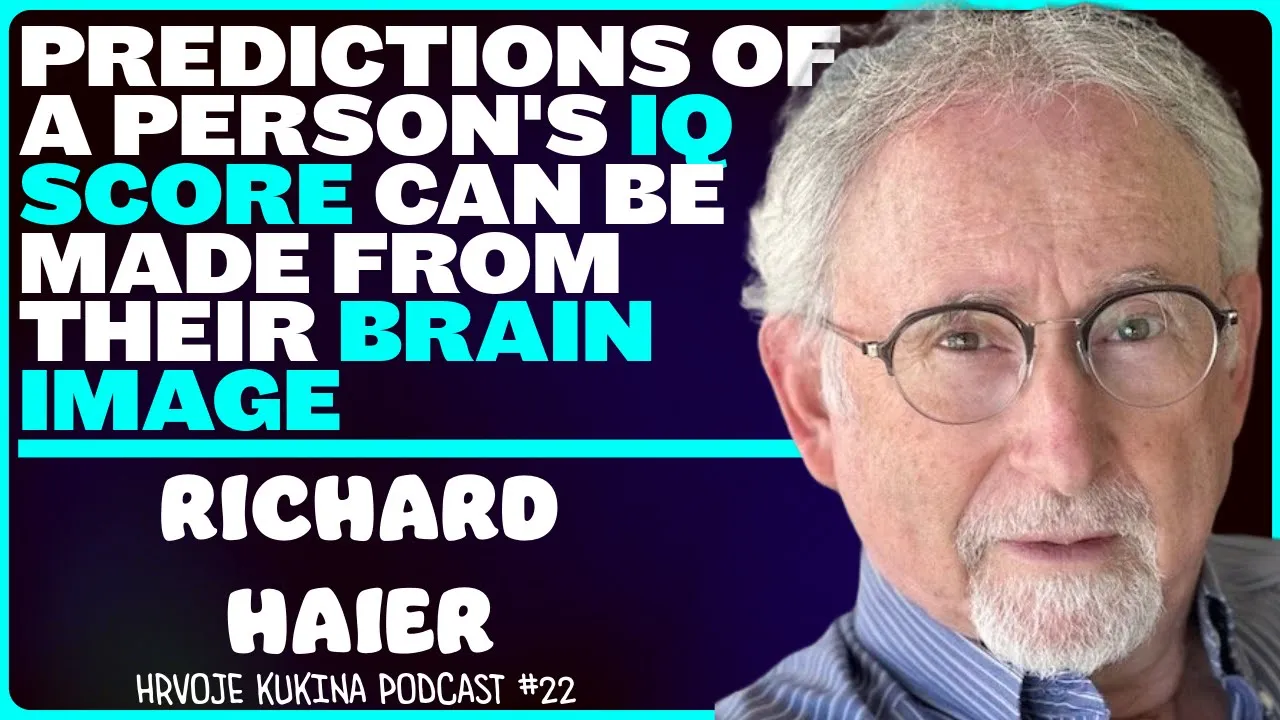






















Intelligence is primarily determined by genetic factors, with environmental influences playing a secondary role; while high-IQ parents may provide enriched environments (like more books), genetically-informed studies show that most variation in intelligence comes from genetic components rather than socioeconomic status or parental environment.
IQ Genetics vs Environment: How Parents Shape Intelligence
Added:The definition of Intelligence Quotient (IQ) and how psychometric testing (such as the general intelligence factor or 'g factor') measures cognitive abilities.
The fundamental biological difference between genotype (an organism's genetic makeup) and phenotype (observable traits, such as expressed cognitive ability).
The statistical concept of heritability, specifically how it measures population-level variance rather than predicting an individual's traits.
The historical context of the Nature vs. Nurture debate in developmental psychology and behavioral genetics.
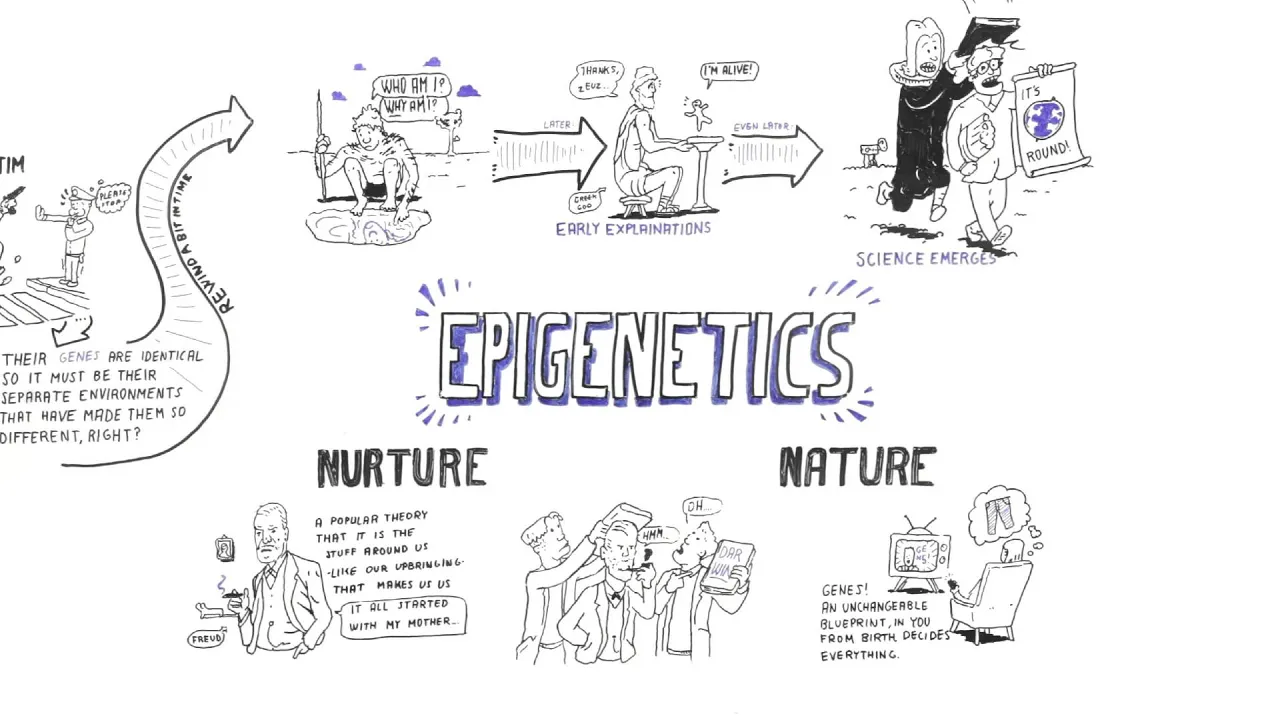
The science of Epigenetics, examining how environmental factors (like stress, nutrition, and parenting) can alter gene expression without changing the underlying DNA sequence.
Genome-Wide Association Studies (GWAS) and the development of polygenic scores to predict complex behavioral and cognitive traits.
The Flynn Effect and the Scarr-Rowe Hypothesis, which explore how socioeconomic status (SES) and historical eras moderate the heritability of intelligence.
The ethical, educational, and public policy implications of genetic research on cognitive traits, including personalized learning systems and avoiding genetic determinism.
102.3K views2.3Klikes7:15Original Release: 2022-07-16
is there data on the intelligence the IQ of parents as it relates to the children yes and there is some evidence genetic evidence of kind of a of of an interaction between uh the parents IQ and the environment that high IQ parents provide an enriched environment which then can impact the child in addition to the genes it's that environment so there there are all these interactions that you know um but it's not you know think about the number of books in a household this was a variable that's correlated with IQ and and uh it is yeah well what well why especially if the kid never reads any of the books it's because more intelligent people have more books in their house and if you're more intelligent and there's a genetic component to that the child will get those genes or some of those genes as well as as the environment but it's not the number of books in the house that actually directly impacts the child so the two scenarios on this are you find that and this was used to uh get rid of the SAT test oh the SAT score is highly correlated with the social econom e omic status of the parents so all you're really measuring is how rich the parents are okay well why are the parents Rich yes okay and so you could the opposite kind of uh syllogism is that people who are very bright make more money they can afford homes in in better neighborhoods so their kids get better schools now the kids grow up bright where in that chain of events does that come from well unless you have a genetically informative research design where you look at siblings that have the same biological parents and and so on you can't really disentangle all that most studies of social economic status and intelligence do not have a genetically informed design so any conclusions they make about the causality of the social economic status being the cause of the IQ is is a stretch and where you do find genetically informative designs you find most of the variant in your outcome measures are due to the genetic component and sometimes the sces adds a little but I the weight of evidence is it does doesn't add very much variance to predict what's going on beyond the genetic variance so when you actually look at it in in in some and there aren't that many studies that that have genetically informed designs uh but when you you do see those the genes seem to have an advantage sorry for the strange questions but there's is there a connection between um uh fertility or the number of kids that you have and and G Factor so you know that kind of conventional wisdom is uh people of maybe is it higher economic status or something like that or having fewer children I just Loosely hear these kinds of things is there is there a data that you're aware of in One Direction or another on this well strange questions always get strange answers yes all right uh so do you have a strange answer for that strange question well the the answer is there used to the there there were some studies that indicated the more children in a family the the firstborn children would be more intelligent than the fourth or fifth or sixth it's not clear that those studies hold up o over time and of course what you see also is that families where there are multiple children four five six seven you know really big big families uh the social economic status of those families usually in the modern age is not that high uh maybe it used to be the aristocracy used to have a lot of kids I'm not sure exactly but there there there have been reports uh of uh correlations between IQ and fertility um but I'm not sure that the data are very strong that the firstborn child is always the smartest it seems like there there's some data to that but I'm not current on that well how would that be explained that would be a uh a nurture well it could be nurture it could be in uterine environment I mean boy biology is complicated it it's and and this is why this you know like many areas of science you you said earlier that there's a lot of gray areas and um no definitive answers um this is not uncommon in in science that The Closer you look at a problem the more questions you get not the fewer questions because the universe is complicated and the idea that we have people on this planet who can study the first Nan seconds of the Big Bang mhm that's pretty amazing and I've always said that if they can study the first Nan seconds of the Big Bang we can certainly figure out something about intelligence that allows that I'm not sure what's more complicated the human mind or the physics of the universe uh it's unclear to me I think we overemphasize a very humbling statement maybe it's very human Centric egotistical statement that our mind is somehow super complicated but biology is a tricky one to uh unravel Consciousness what is that that's well I I I've always believed that Consciousness and intelligence are the two real fundamental problems of the human brain and I and I and therefore I think they must be related for
Up Next

7:38
Circadian Rhythm & the Suprachiasmatic Nucleus: Your Body's Master Clock
@DrMariaConley
1.6K views•2024-12-19

21:55
Deciphering Neural Circuits Controlling Anorexia in Mice | Richard Palmiter
@AllenInstitute
2.3K views•2011-10-10

4:10
Vagus Nerve (CN X): Anatomy, Nuclei & Functions Explained
@Alilamedicalmedia
305.2K views•2022-10-31
13:03
How Exercise Benefits Your Brain: Science Explained
@TED
11.4M views•2018-03-21
Related Study Plans & Knowledge Roadmaps
Structured learning paths in Neuroscience
neuroscience
Appetite Regulation: Brain Circuits & Hormones
01Foundations of Endocrinology and Brain Anatomy
02Introduction to Energy Homeostasis
03Peripheral Signals: Leptin, Ghrelin, and Insulin
+ 2 more learning modules
14h5 modules
Explore Roadmap
neuroscience
Neuroeconomics: Value, Risk & Brain Mechanisms
01Foundations of Neuroscience and Brain Anatomy
02Introduction to Neuroeconomics and Subjective Value
03Dopaminergic Prediction Errors & Reinforcement Learning
+ 3 more learning modules
18h6 modules
Explore Roadmap
neuroscience
Spatial Navigation: Cells, Grids & Brain Maps
01Foundations of Brain Anatomy and Memory
02Place Cells and Head-Direction Cells
03Grid Cells: The Brain's Coordinate System
+ 2 more learning modules
12h5 modules
Explore Roadmap
neuroscience
BCIs: Neural Decoding & Prosthetic Control
01Neuroscience Foundations: How the Brain Signals Intent
02Signal Acquisition: Recording the Brain's Activity
03Neural Decoding: Translating Brain Waves into Data
+ 2 more learning modules
25h5 modules
Explore Roadmap