













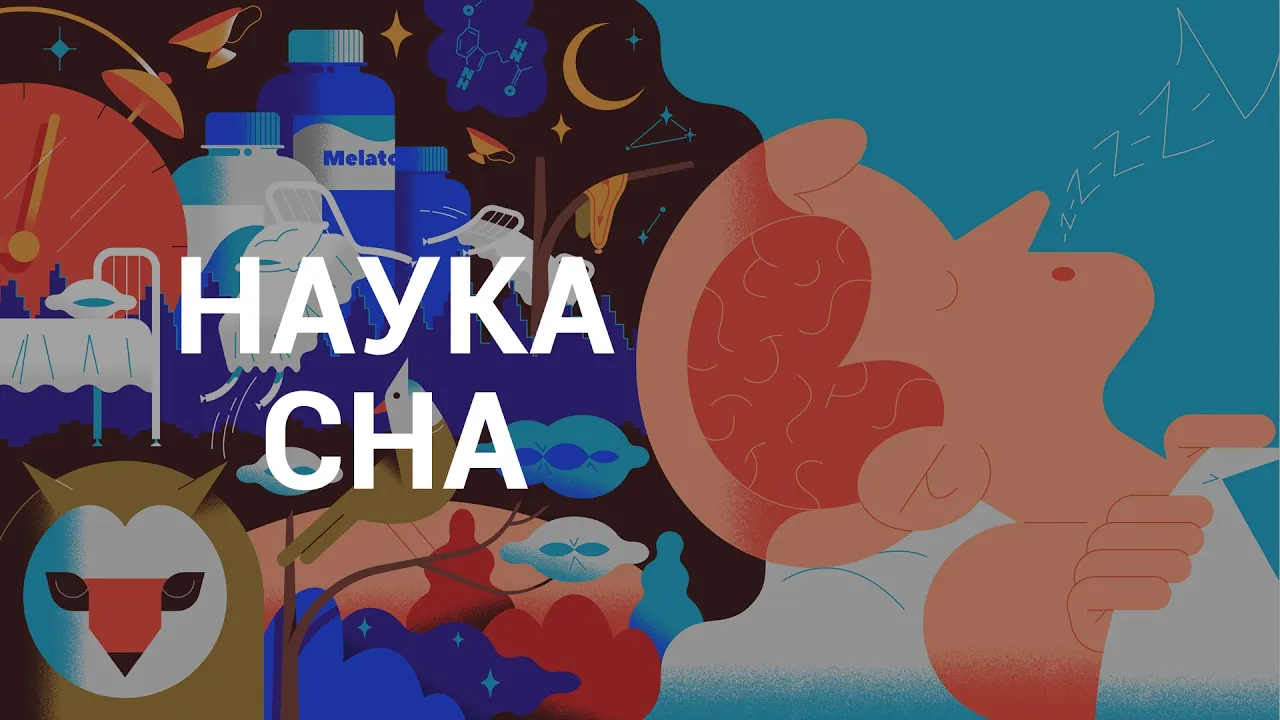





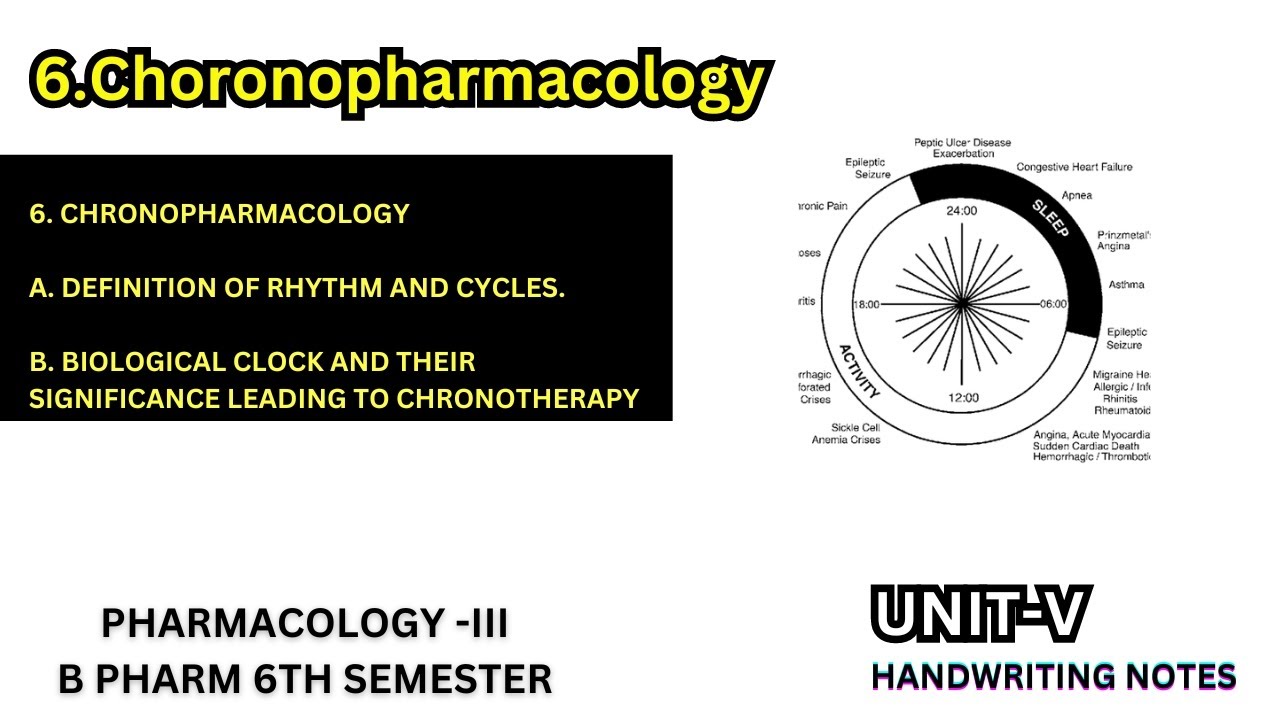


The suprachiasmatic nucleus (SCN), a cluster of approximately 20,000 neurons located in the hypothalamus, serves as the body's master circadian clock that synchronizes peripheral clocks in organs like the liver, pancreas, and adrenal glands; it regulates daily rhythms in melatonin and cortisol levels, core body temperature (highest in late afternoon/evening), and glucose tolerance by receiving light signals from the retina and transmitting coordinating messages through nerves and hormones, which explains why shift workers are more likely to develop type 2 diabetes when their natural circadian rhythms are disrupted.
Circadian Rhythm & the Suprachiasmatic Nucleus: Your Body's Master Clock
Added:Basic neuroanatomy, specifically the location and general function of the hypothalamus.
The concept of homeostasis and how the body regulates internal states like temperature and metabolism.
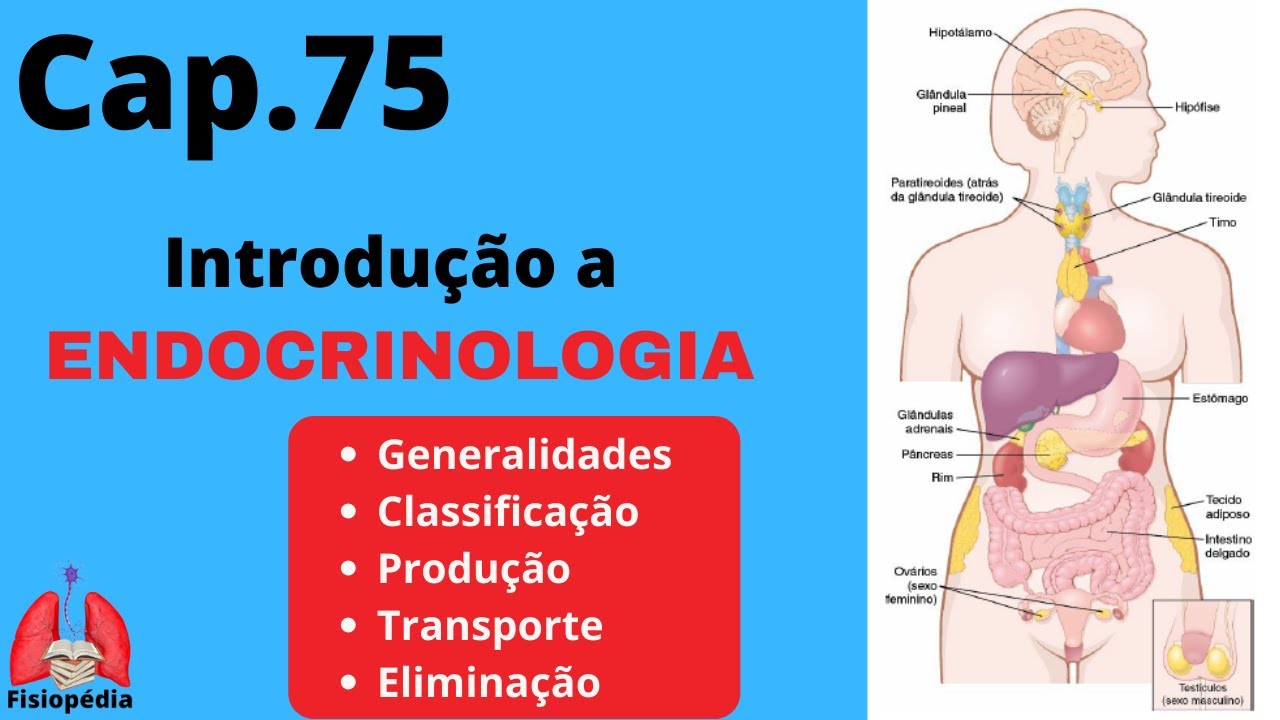
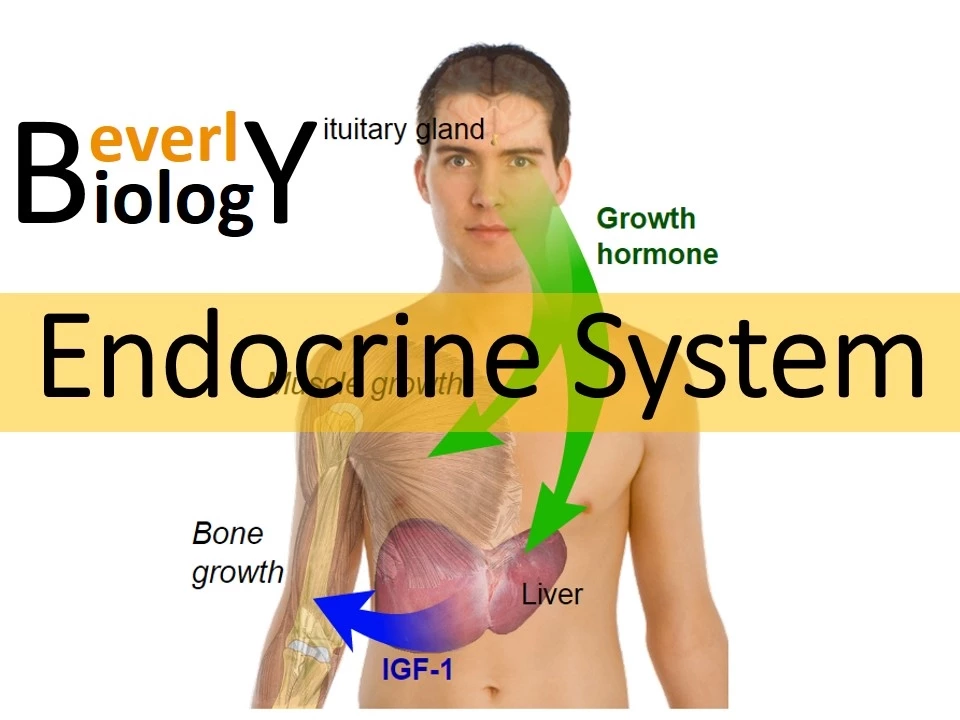
Fundamentals of the endocrine system, including how hormones function as chemical messengers.
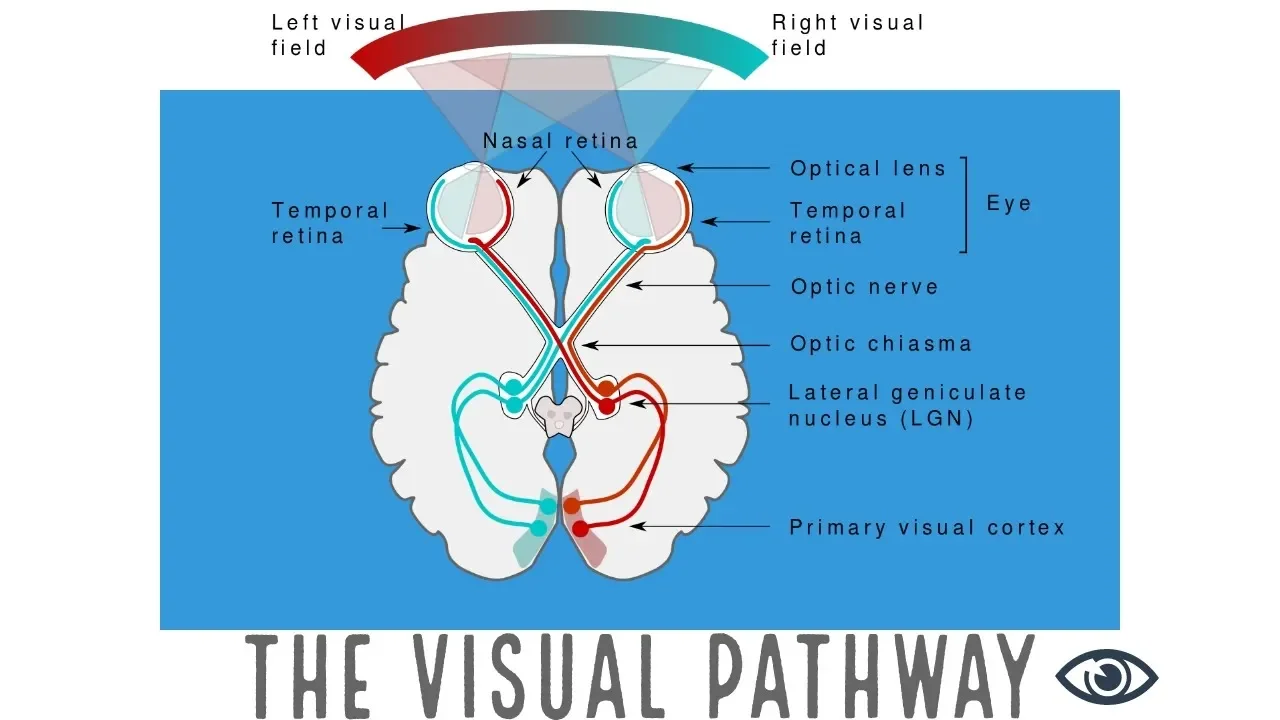
Basic visual pathway anatomy, particularly how light enters the eye and signals are transmitted to the brain via the optic nerve.
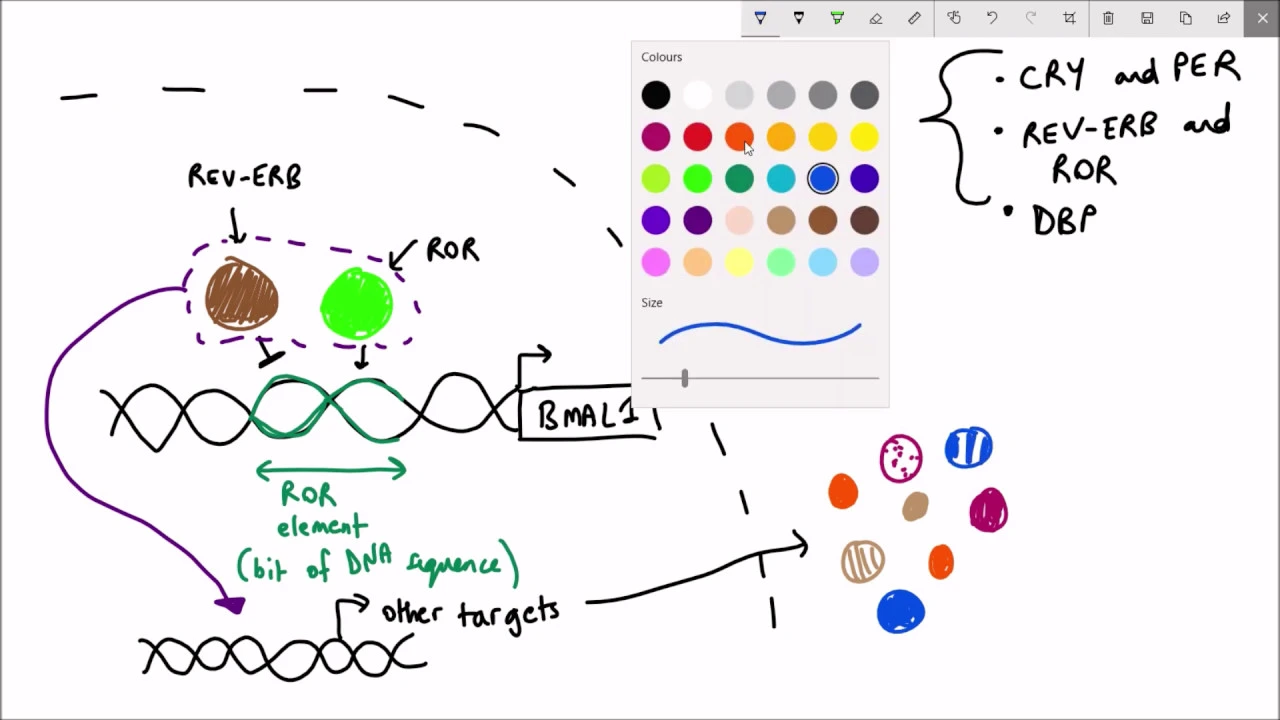
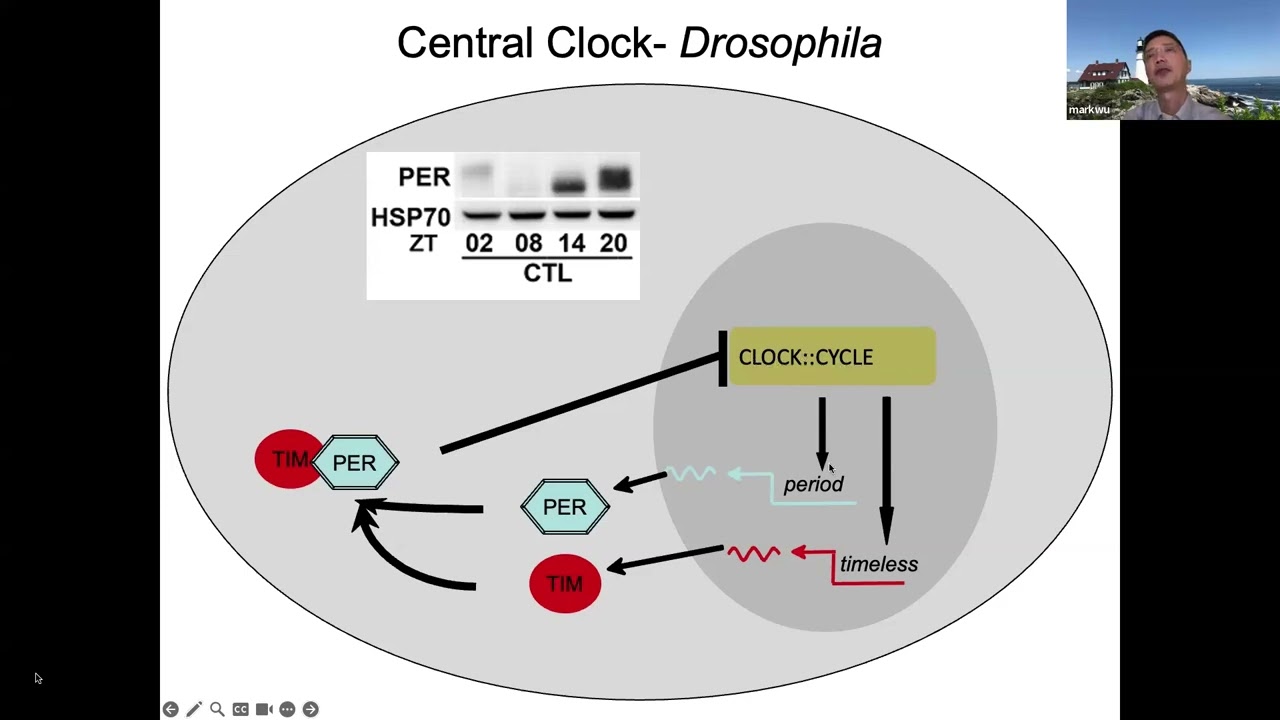
The molecular biology of circadian clocks, including the transcription-translation feedback loops (TTFL) of CLOCK and BMAL1 genes.
The 'Two-Process Model of Sleep Regulation', which details the interaction between circadian rhythm (Process C) and homeostatic sleep drive (Process S).
Clinical implications of circadian disruption, such as shift work sleep disorder, jet lag, and its links to metabolic and cardiovascular diseases.
Chronopharmacology, exploring how the timing of drug administration can optimize efficacy and minimize side effects based on biological rhythms.
1.6K views64likes7:38Original Release: 2024-12-19
why are hot tabs most common in the early morning why do humans usually run faster in the late afternoon why are heartburn symptoms so bad in the evening why is your blood glucose level higher after eating the same meal at night versus in the morning why are shift workers more likely to develop type 2 diabetes hi I'm and today we're going to talk about how your master circadian clock located in the super kmetic nucleus or scn of your hypothalamus coordinates all other clocks in your body to produce a predictable daily Rhythm and horal levels body temperature and body functions your body is synchronized with the 24-hour day night cycle via messages from the CN Master Clock these messages can travel through nerves or through the bloodstream as hormones peripheral clocks are present in many organs of the body including the pancreas liver skeletal muscle and adapost tissue today we're going to focus on how your scn master clock in your brain regulates Melatonin and cortisol levels in your blood we'll also see how your super kmetic nuclei control fluctuations in your core body temperature and glucose tolerance levels throughout the 24-hour circadian cycle one of the key ways that the scn regulates your sleep wake cycle is through the release of melatonin from the pineal gland also in your brain the scn receives nerve signals from the back of your eye or retina when light hits it the scn then releas these signals to another part of the hypothalamus called the paraventricular nucleus or pvn from here Nur signals travel through your spinal cord and Superior Cal gain gland and then back up to the pineal gland located in your brain if the pineal gland receives the correct signal it releases the hormone melatonin into your bloodstream since melatonin is only released at night in both dial and nocturnal animals it functions as another way to entrain your body to the Circadian rhythm your scn master clock also regulates your core body temperature in a predictable way every 24 hours it does this by sending nerve signals to other parts of the hypothalamus including the median preoptic area and the aru nucleus these different parts of the hypothalamus can alter your your body temperature by triggering vasil constriction sweating or shivering your body temperature is highest in the late afternoon and evening this helps your muscles work more efficiently which is one reason why humans tend to run faster in late afternoon your SC M clock also regulates the release of the stress hormone cortisol from your adrenal glands based on information about an light from the retina the scn can send direct nerve signals to the adrenal glands to modulate cortisol release the scn can also activate the release of cortisol via hormones in the blood in dial animals like humans cortisol release is greatest in the morning when waking up this is one reason why heart attacks are most common between 800 and 10: in the morning it's just the opposite in nocturnal animals stress hormone release Peaks when night begins your scn master clock also synchronizes your metabolism to the day night cycle via the autonomic nervous system the scn is located in the hypothalamus of your brain recall that the hypothalamus regulates many of the key processes in your body including feeding metabolism digestion regul ation of body temperature to name a few the scn sends Nerf signals via the parasympathetic nerve fibers to gastric vagal mechano receptors in your stomach to affect the amount of acid that is secreted into the stomach your gastric acid secretion is typically highest in the late evening which explains why heartburn symptoms can be worse at night especially after eating late meal in addition your stomach empties more slowly after eating in the evening versus in the morning if your stomach is releasing a lot of acid up into the esophagus and the food is not moving slowly very is not mov very quickly through your stomach you're more likely to experience heartburn why does glucose tolerance decrease in the evening all the metabolic pathways regulating glucose are under circadian control either directly or indirectly ideally your scn master clock would be synchronized with all the peripheral clocks in your body such as the liver clock over the past Thousand Years the human body has evolved to consume food during the day and to rest at night in this scenario your master SC clock is in synchrony with your peripheral clock this explains why glucose consumed in the morning is taken up more efficiently by muscle than it would be during a late night meal if you habitually eat at night when your master scn clock has prepared you for Sleep your body will not metabolize glucose as well and you're more likely to develop diabetes it's helpful to be aware of the predictable 24 are fluctuations in your body's temperature hormone production and metabolic function this is particularly important in regards to your metabolic Health by feeding during the day is easier for your master scn clock in your brain to synchronize with all the other peripheral claps in your body particularly those in your liver and gastrointestinal tract Central clock mechanisms control when insulin is secreted from the pancreas however peripheral clocks can run on their own rhythms and these clocks control how sensitive your body is to insulin when you force your body to be act at night and habitually feed during the nocturnal period your master cating clock will no longer be in synchrony with your peripheral clocks and your metabolic Health suffers thank you for listening I hope this is helpful for you
Up Next

60:42
How the Brain Controls Sleep: Sleep Neuroscience Explained
@senseofmindshow
9.5K views•2023-02-01
21:55
Deciphering Neural Circuits Controlling Anorexia in Mice | Richard Palmiter
@AllenInstitute
2.3K views•2011-10-10

4:10
Vagus Nerve (CN X): Anatomy, Nuclei & Functions Explained
@Alilamedicalmedia
305.2K views•2022-10-31
13:03
How Exercise Benefits Your Brain: Science Explained
@TED
11.4M views•2018-03-21
Related Study Plans & Knowledge Roadmaps
Structured learning paths in Neuroscience
neuroscience
Appetite Regulation: Brain Circuits & Hormones
01Foundations of Endocrinology and Brain Anatomy
02Introduction to Energy Homeostasis
03Peripheral Signals: Leptin, Ghrelin, and Insulin
+ 2 more learning modules
14h5 modules
Explore Roadmap
neuroscience
Neuroeconomics: Value, Risk & Brain Mechanisms
01Foundations of Neuroscience and Brain Anatomy
02Introduction to Neuroeconomics and Subjective Value
03Dopaminergic Prediction Errors & Reinforcement Learning
+ 3 more learning modules
18h6 modules
Explore Roadmap
neuroscience
Spatial Navigation: Cells, Grids & Brain Maps
01Foundations of Brain Anatomy and Memory
02Place Cells and Head-Direction Cells
03Grid Cells: The Brain's Coordinate System
+ 2 more learning modules
12h5 modules
Explore Roadmap
neuroscience
BCIs: Neural Decoding & Prosthetic Control
01Neuroscience Foundations: How the Brain Signals Intent
02Signal Acquisition: Recording the Brain's Activity
03Neural Decoding: Translating Brain Waves into Data
+ 2 more learning modules
25h5 modules
Explore Roadmap