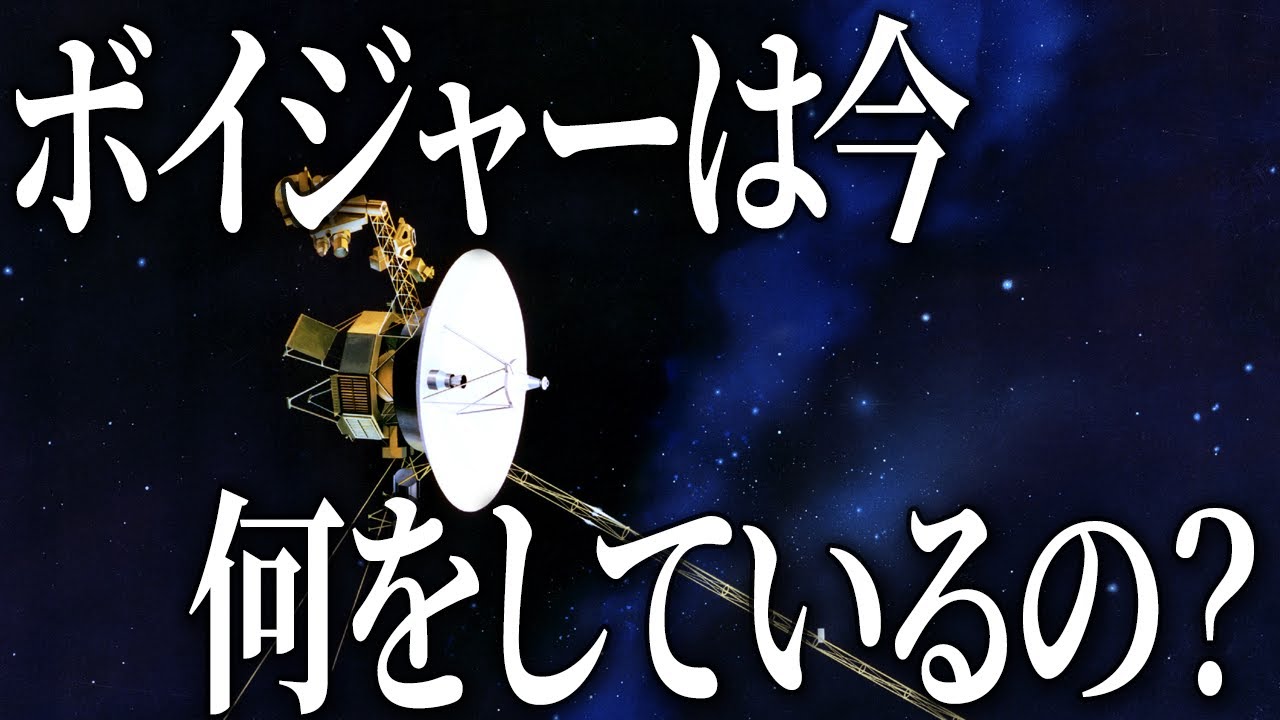










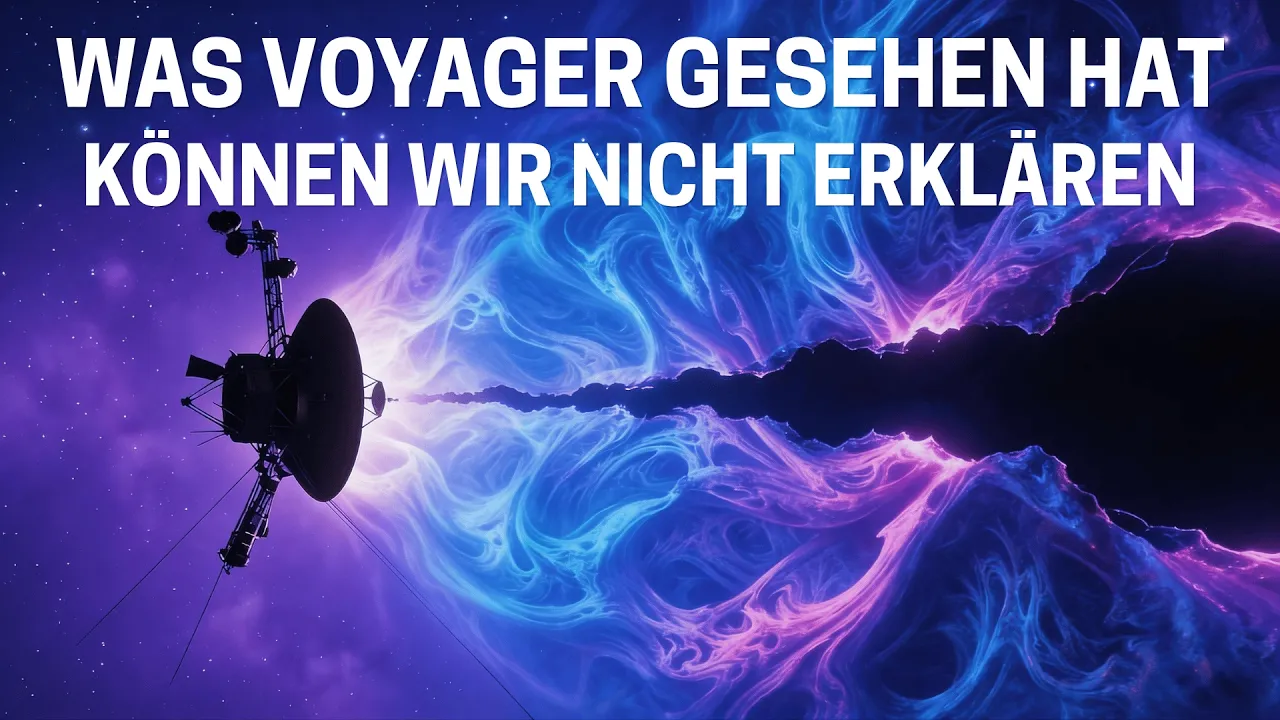









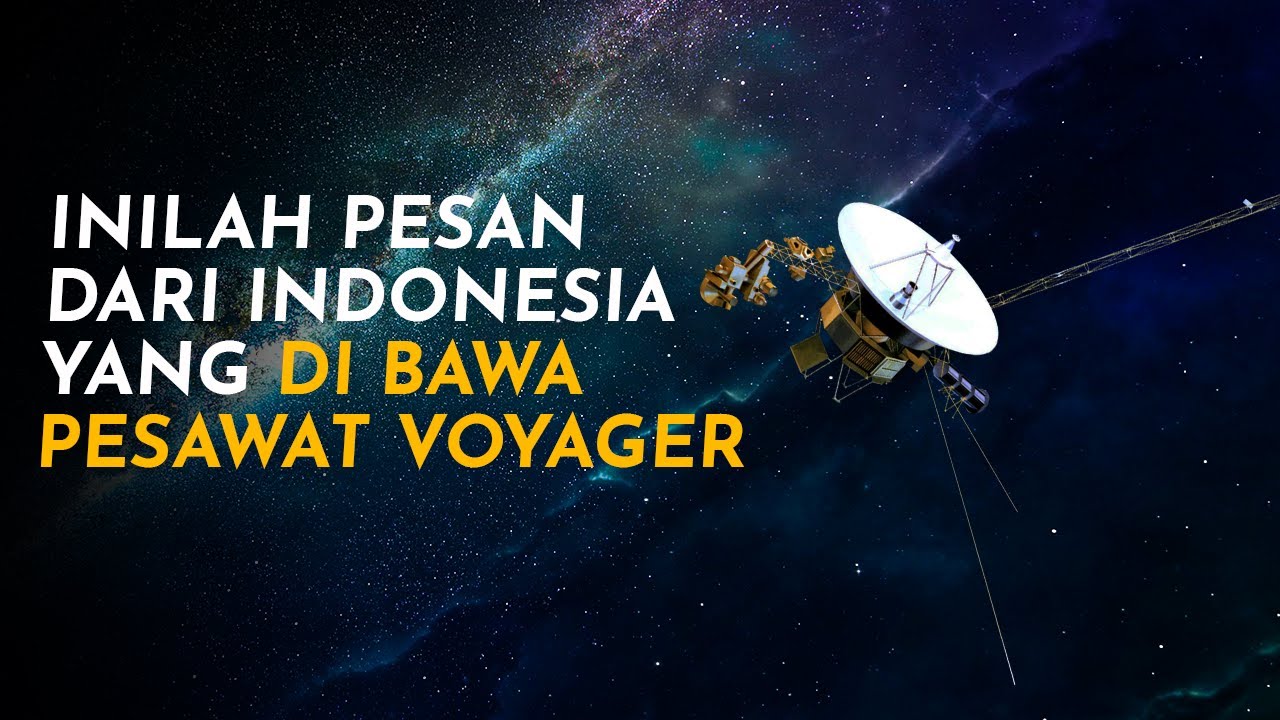
The Voyager 1 and 2 spacecraft, launched in 1977, have become humanity's first probes to enter interstellar space, crossing the heliopause—the boundary where the Sun's solar wind meets the interstellar medium—providing unprecedented data about the conditions beyond our solar system; Voyager 1 crossed this boundary in 2012, while Voyager 2 followed in 2018, and both continue transmitting valuable scientific data despite their age, with Voyager 1 currently experiencing technical difficulties that engineers are working to resolve.
Voyager's Grand Tour: Interstellar Science with Dr. Linda Spilker
Added:The mechanics of gravity assists (gravitational slingshots) and how planetary alignments enable multi-planet flyby trajectories.
The basic structure of the Solar System, including the outer gas giants and the concept of the heliosphere's boundary with interstellar space.
Fundamentals of deep space power generation, specifically why Radioisotope Thermoelectric Generators (RTGs) are used instead of solar panels.
The basics of long-distance electromagnetic communication, including signal latency and NASA's Deep Space Network (DSN).
In-depth physics of the interstellar medium, including cosmic ray density, magnetic field directions, and plasma density gradients.
The engineering methodologies used to troubleshoot and patch 1970s-era computer systems and assembly language code over billions of miles.
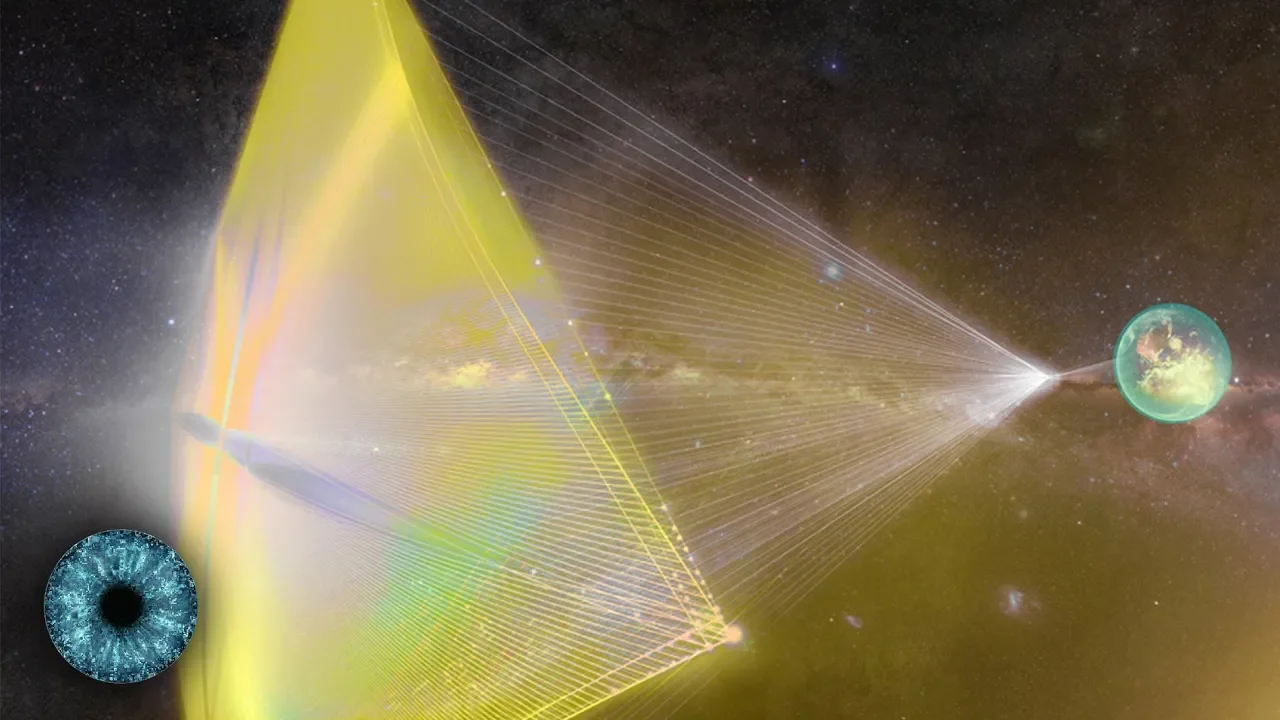
Future interstellar mission concepts, such as the proposed NASA Interstellar Probe or Breakthrough Starshot initiatives.
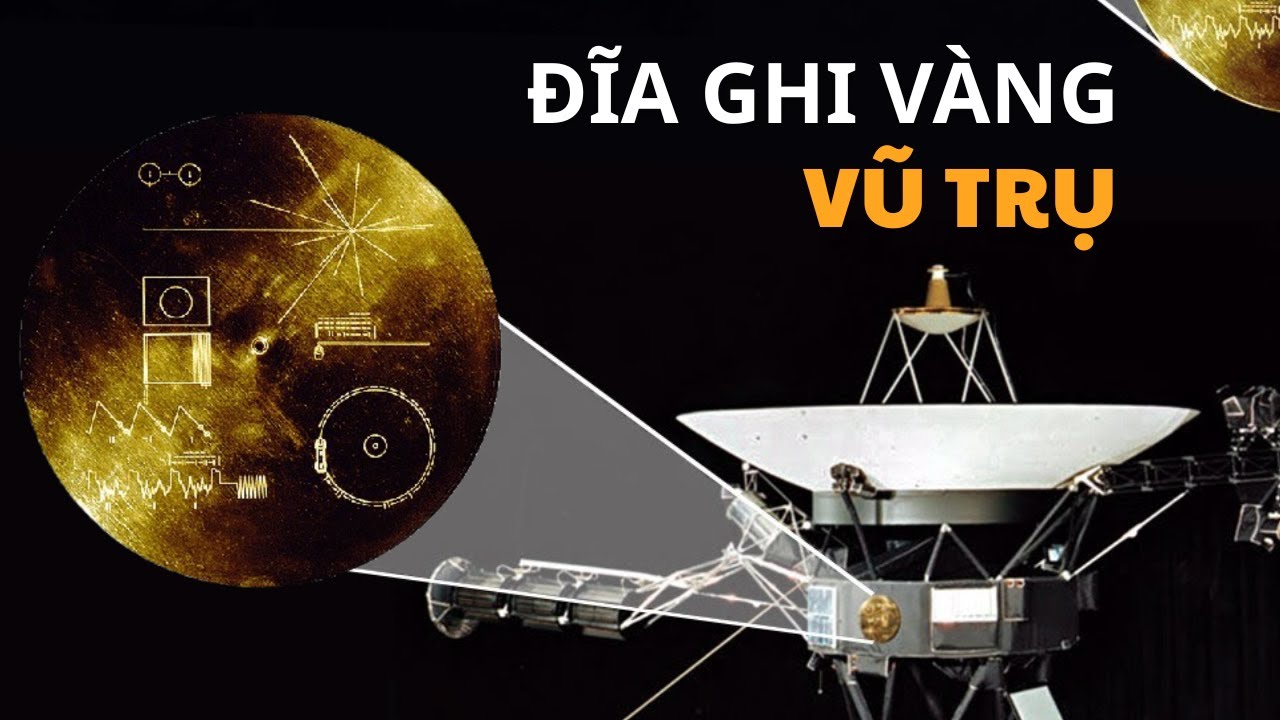
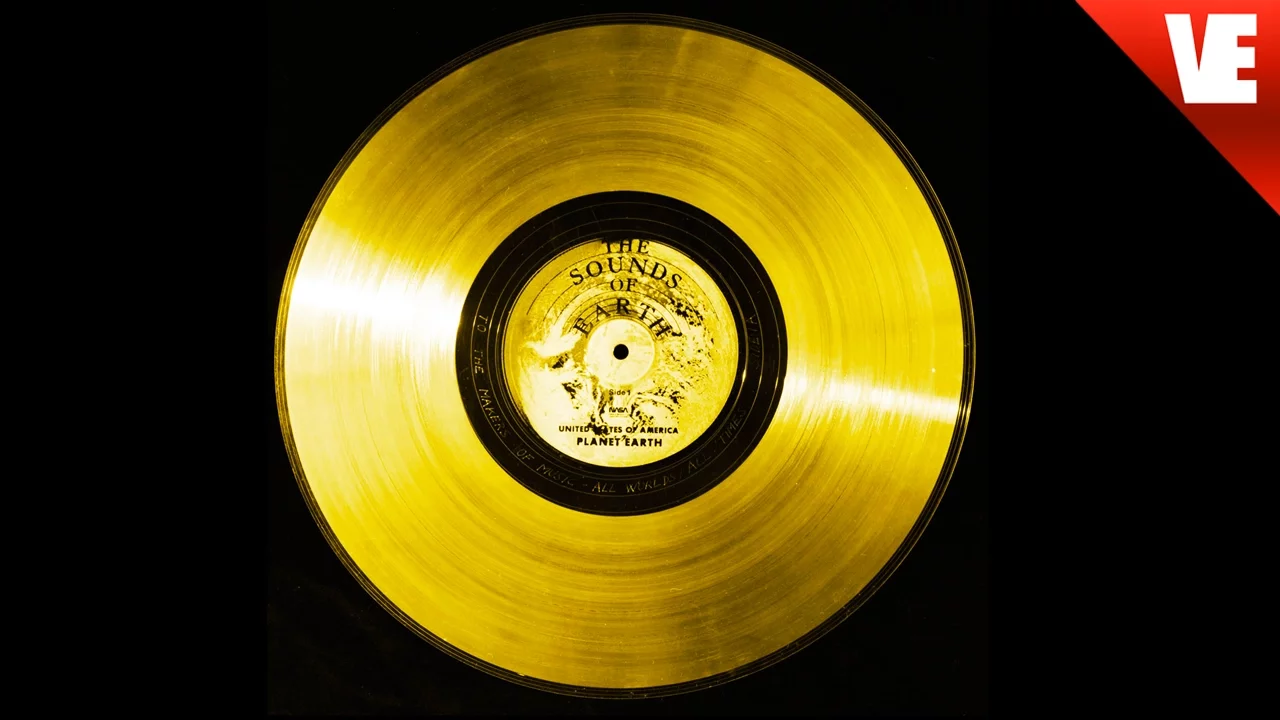
The design, message selection, and astrobiological implications of the Voyager Golden Records as humanity's cultural ambassadors.
43.5K views1.8Klikes47:31Original Release: 2024-01-18
in 1989 my then mid teenage self watched the television coverage of Voyager 2's pass of the planet Neptune being that age I was ecstatic to see actual close-up images of Neptune in a way humans had never seen before this planet before that time had been a vague blue dot in telescopes and this was the days before Hubble Voyager 2 had delivered as Voyager 1 had done it Jupiter Saturn and Titan there was congratulation both in the public and scientific community over a Triumph of a pair of spacecraft that had been launched in 1977 complete with a televised party with Chuck Barry performing one of the performers on the famous gold record the spacecraft would go on and survive until today 25 years further than that Neptune flyby Voyager 2 is still doing active science in the interstellar medium and Voyager 1 at least right now is sending signals but no useful data but there's still hope of fixing it these beautiful Legacy missions to investigate the gas giants and ice giants of the solar system now apply Interstellar space bearing their gold record messages from Humanity to anyone that may someday find them my guest today is deeply involved in recovering Voyager One and keeping these missions going to measure the environment outside of the solar system for hopefully years to come you have fallen into Event Horizon with John Michael [Music] godier in today's episode John is joined by Dr Linda J spilker Dr Linda spilker is a JPL fellow senior research scientist and planetary scientist at NASA's jet propulsion laboratory who is part participated in NASA and international planetary missions for over 45 years she is currently serving as the Voyager project scientist her Mission roles have grown to enccompass Mission leadership as well as design planning operation and scientific data analysis prior to Voyager she was the Cassini project scientist leading a team of over 300 international scientists to maximize the scientific Return of the Cassini Mission within the cost and SCH she worked in a science role on the Cassini project for 30 years and was co-investigator with the Cassini composite infrared spectrometer team she led the Sea's ring team focusing on thermal infrared studies and modeling of Saturn's rings to address questions of the Ring's origin and evolution remember to subscribe to Event Horizon so you never miss an episode Dr Linda spiler welcome to the program thank you very much John it's a pleasure to be here now doctor you have been involved with planet minary science for many years and myself as a as a space Enthusiast have as well since the 1980s with voyager and one thing that stuck in my memory was the circumstances around the pass of Neptune and the surprises of Neptune and seeing that world back in 1989 for the first time which before then Neptune had just been this dot in a telescope can't even see it with the naked eye but there it was you know this beautiful blue world with cl CLS and a spot somewhat similar to Jupiter and it really captivated my then teenage imagination what was that like being a scientist at that time what was that like and what is it like now still working with both of the Voyager spacecraft well that Neptune flyby was so amazing it was the first time a spacecraft Voyager 2 had flown by Neptune and for me as a ring scientist I was so fascinated by Neptune's rings because they were arcs of material they were not the complete rings that we saw at Saturn and at Uranus and so to try and understand those very puzzling arcs was truly amazing and then to get a close-up view of Neptune's large Moon Triton and to see this surface kind of looking part of it look like cantaloup terrain and actually seeing tiny geysers going off at the South Pole of Triton and just the amazement at so many new discoveries that came not just of the planet but of the Rings and the moons in that system as well and and that was true for me for all of the planetary flybys I had the rare privilege to be part of the the Jupiter Saturn Uranus and Neptune flybys and such incredible science in a sense rewriting the textbooks that we had at that time about what we knew about the planets and their moons and their rings and and today is no less exciting it isn't as colorful and visual as what we had with the planetary flyby but we're in a totally new place an Interstellar space and that's something Voyager good at making discoveries and going to new places so after flying across the solar system crossing a boundary called the heliopause the boundary between the sun's influence and Interstellar space we've been flying now with voyager one for more than a decade studying what it's like in that space between the Stars looking at the the particles and the fields and and making measures to help us better understand and put in context our own solar system and the stars in our galaxy The heliopause is an interesting word what exactly is the heliopause and why do we use that as a demarcation line of the end of the sun's influence in in in a certain context anyway right right it's not so much the end of the sun's influence but it's just a boundary where the solar wind has reached out far enough there's this wind that comes from the Sun and it's now balanced by the interstellar wind and that balance point creates a boundary that we call the heliopause the heliopause isn't a static boundary it actually moves in and out because the solar wind varies as the solar cycle varies though so that wind from the Sun varies pushing the boundary in and out just a little bit and that Interstellar wind is generated from Supernova explosions from stars as they've aged and exploded and have blown out these large bubbles of gas so in a sense our heliopause has nested between these bubbles created by these Supernova explosions and and perhaps even space in between those as well and so it's sort of like a sail and it sometimes it Billows sometimes it doesn't and sometimes there's calms and so with the Voyager spacecraft at least Voyager One we see sometimes you see the heliopause sometimes you don't as it moves in and out is that a good characterization yeah the heliopause moves just a small amount the voyagers now are well past it many in fact Voyager one is at 160 astronomical units away using the sunar distance as 1 Au so it's quite far away we we didn't see necessarily multiple Crossings of the heliopause as we went across it it it moves very slowly because the solar cycle has a very slow variation as well there's still events we call them shocks or pressure fronts events that come out from the Sun maybe you have a coronal mass ejection some large event that just puts out a tremendous amount of particles and energy and that can actually go through the heliopause and make itself felt out in interstellar space and so along the way Voyager has witnessed these shocks and and pressure fronts as we go and we're wondering where does that moment occur where we no longer see this influence from the sun and it may go out to quite some distance actually that's interesting because you know that that you can see an event on the sun and presumably with with great delay you can see it in the outer very very Outer Outer Outer solar system if you can even call it that at that point so what is the uh delay like in other words you see the sun shoot off a flare and how long does it take for Voyager to actually see that that far out it can take many years for that event to reach the voyagers to kind of give you an idea of how far away they are at the speed of light it takes a signal almost a light day 22 and a half hours to reach all the way from the earth out to Voyager and so that's traveling at the speed of light and so of course it takes these events from the Sun that are traveling much more slowly a longer time to reach out to each Voyager so in a sense the events from the Sun that we're seeing with voyager one or with Voyager 2 are actually events in the past from the Sun that we have seen propagate outward and into Interstellar space can you see things with the instrumentation on the on the Voyer spacecraft that look like the activities of other stars in other words do you see events that blips or whatever very tiny blips that that might indicate that a star nearby has had some sort of eruption we don't really have the instrumentation to look for events coming from other stars there might be evidence as we go further along or look at the data more closely some kind of an event but in general the voyagers are not used for sort of that astronomical study of the Stars what's their health like what how is Voyager one and how is Voyager 2 well Voyager One experienced a problem that started in mid November and it's currently not sending back useful data we get data back just about every day from each Voyager spacecraft and we looked this day in November and we could see the carrier or the tone the signal coming from the spacecraft and it was sending back basically some random pattern of zeros and ones but not what we'd call useful Telemetry or science data or engineering data it could be perhaps there was a bit flip somewhere in one of the computers uh could be something else but we don't have any useful information to help us decode it so but on the other hand Voyager 2 is still healthy sending back useful science and engineering data uh just about every day what instruments are you still using on these spacecraft well when when you can communicate with them is it just magnetometers and things like that and what what would the condition I mean could you turn on a camera still with Voyager 2 and take another solar system photograph you know the famous pale blue dot photograph I mean or is it just too far gone at this point to be able to power that up you're correct yeah I mean the pbl do image is one of my very favorite images to actually take Voyager One and look back and take this wonderful Mosaic of the planets in our solar system that's that's fantastic but you're right we don't have enough power any longer on Voyager One or Voyager 2 to power the cameras or any of the instruments that were on what we call the scan platform that Optical remote sensing platform looking from the UV into the far infrared and and so so we can't really do that but the instruments that are still operating of course we have the magnetometer on both spacecraft something we call the plasma wave spectrometer that helps us look at these shocks and pressure fronts coming from the Sun uh Voyager 2 we the plasma spectrometer is still operating it's not operating any longer on Voyager one we also have a cosmic ray spectrometer that helps us measure the energy and abundance and composition of the cosmic rays and we found that that heliopause is really a boundary that's protecting us from a a significant fraction of those really highly energetic cosmic ray particles mostly particles of helium and hydrogen atoms that have been accelerated and then finally we have a low energy charged particle instrument that looks over a broad spectrum of energies at what we're seeing actually sensing so you can see we're physically sensing what is around the spacecraft with the set of the instruments that we have remaining that work on Voyager a different spacecraft that was in every way just is important the Cassini spacecraft and you worked extensively with that at you know Saturn and Saturn is a it's an unusual planet to say the least because of its beautiful ring system but also fact that it's it's a gas giant and in resonance with Jupiter and very very important to the solar system the formation of the solar system as we know it and Earth and that mission though that highly successful mission that lasted for many years how how did that come about and how does it relate to the Voyager missions in other words as a sort of development of the Voyager missions how did Cassini come about well Cassini is really and truly a child of Voyager because in the 1980 and 1981 Voyager flybys of Saturn one of the key questions that Voyager hope to answer was to see what the surface of Saturn's large Moon Titan looked like we knew Titan had this thick dense atmosphere we really wanted to peer down and see what the surface looked like but with the instruments on board Voyager we could not see through that photochemical Haze the cameras couldn't see through it and so we didn't know what the surface looked like so almost immediately after the two Voyager flybys some scientists from the United States and Europe began lobbying their space agencies for another mission to go back to Saturn with an Orbiter this time that would carry a probe that could go into Titan's atmosphere and land on Titan's surface and to really probe that question that had been left unanswered by Voyager and so all of that interest from the science Community then led to the Cassini Mission and it allowed development of the NASA built the Cassini spacecraft and the European Space Agency built the Titan probe called hyans named after the discoverer of Titan and so we sent this pair to the Saturn system and the hens probe did successfully land on the surface of Titan found an absolutely amazing world we also carried a radar instrument on the Orbiter that could probe through the clouds and the haze and we were better at our filter selection on our cameras so we could see the surface of Titan and we found an amazing place we found a world where methane plays the role that water plays here on the earth it could be a gas or a liquid or or even an ice and so he saw methane flowing in rivers on Titan and filling North Pole seas and just an incredible very very interesting World a Prebiotic World perhaps something like the early Earth might have looked like only it's just very very cold and that any water is actually the water ice on Titan forms sort of the Bedrock or the rock on Titan so that was just an incredible incredible set of findings by the Cassini spacecraft and I think if you thought about Cassini another star was a moon called Enceladus much smaller than Titan itself this tiny moon Enceladus actually had Jets of ice and gas that were blasting material in into space a lot of these tiny particles formed Saturn's e-ring but even more important Enceladus had a liquid water ocean underneath its icy crust and we think that this ocean might Harbor the ingredients for life and Cassini actually had a chance to fly through these Jets coming from the south pole of Enceladus seven times and sort of and Sample and get the composition of the material and that really leads us to think that perhaps uh there's really a possibility for an ocean World in this case to have life two different moons that each have their own liquids hydrocarbons at Titan and water at Enceladus and either one could in principle anyway and I mean it take it's going to it would take a long time to prove this but in principle either one of them could support some type of life and particularly Titan would be very low temperature life and I find that really intriguing that it's almost like a laboratory the Saturn system because you've got two different liquid worlds that are very different from each other that's right that's right it is possible that you could have some sort of life in the methane Seas here you have all these hydrocarbons on Titan and that's a very interesting possibility what do we do in the future to further explore Titan and perhaps more importantly how do we Shield Titan from contaminating it with with our type of life and actually see if if it has indigenous microbes or something like that in those methane Lakes right well we have a mission uh to go back to Titan it's called dragonfly it's going to be an octocopter actually that will fly through the atmosphere of Titan and land at various places it's not targeted to go close to the Seas that are at the north polar region of Titan but it's going to be taking samples you know sort of vacuuming up samples of the surface taking it into the spacecraft and make measurements of that so it'll be a very interesting very interesting Mission I think I think it might be a quadcopter Mission but it's still the idea of actually sending something that can fly in the atmosphere of Titan I I think is very exciting it doesn't get more exciting than that just the idea of I mean well we're doing it on Mars but just a a quad copter on Titan but let me ask you this the mystery of Titan is deeper than than than what we've discussed so far in other words how does it even happen have an atmosphere being that small you would normally think that something like that in the solar system would look like the Moon it would just be this dry atmosphereless place but it's not it's got a thick atmosphere how is it doing that yeah that's a very interesting question because Jupiter has a large moon ganam it's about the same size as Titan maybe a little bit bigger it doesn't have a thick atmosphere like this and so that is a very interesting question did something impact Titan is it just releasing the methane they think that's trapped in this material called clathrate clathrate forms like a cage that holds the methane molecule and then can be released with time we do know this though the methane in Titan's atmosphere it's light it goes you know it's it goes far away from Titan's Center UV photons hit it and break it apart and that's what actually helps grow the longer and longer chains of hydrocarbons but once that source of methane is gone from Titan then the atmosphere could possibly collapse because it's really the methane working like a greenhouse gas that's keeping everything warm enough to support an atmosphere of that size so it's a it's very interesting question it is and it's so different from the rest of the moons of the solar system I mean they're all different you know I mean you could you could invoke anamed that yeah not much atmosphere but look what's under the surface potentially lay Absolut it might be a liquid water ocean it's got a magnetic field yeah yeah it has a magnetic field it's amazing they they all have their unique personalities and character who would have thought this tiny moon Enceladus a tenth the size of Titan would have a liquid water ocean underneath its icy crust it does and one of the weird things about insolidus is it looks different you know you would normally think it would be a very close relative to Europa but it's not why is Europa the cracks in Europa why do they have colors yet in solidus they're bluish and what is coming up from from the depths of those of those AEL moons that makes them so different from each other when they should be similar yep that very interesting question there's also a big difference in size between Europa and Enceladus and and we know that a lot of enceladus's surface is very young because much of the material that comes out of the Jets coming from the south pole actually falls back and is coating the surface of Enceladus and that's why it's so bright white and icy and that was one of the puzzles for Voyager here's this bright white icy moon it's in the center of this ring you know that they named the e-ring how could it be so bright and white and and pristine looking and then with cassini's discovery of the Jets at the south pole that let us know that now we had a reason why it was so bright with voyager it's interesting the South Pole was in darkness when Voyager flew by Enceladus and took its pictures of Enceladus or perhaps it would have been Voyager that would have seen those Jets the other thing too is that insolidus has a profound effect on Saturn's rings in other words it's shepherding and creating one of the Rings so that that out I I don't want to that outflow of material outflow of water is actually affecting the entire Saturn system right that's correct it's coding at least one side of every moon in the system you know that is out you know well way well away from Saturn's rings coating with e-ring particles and sort of see seeing the signature of that water throughout the Saturn system so wait a minute you actually see that with the other moons of Saturn you see the the snow from ins solidus in a sense the two sides look different and we attribute that to being coated with material because we know those ear-ring particles are so tiny that they're influenced by the the solar the pressure from the the sun solar pressure they're influenced if they get charged by the magnetic field and they actually are just spreading through throughout the system and then they get swept up by those moons as they orbit in the Saturn system now from Jupiter Jupiter is a very active violent World giant just almost scary in a way if you look at it yet Saturn is quiescent but yet these are two similar planets they're both gas giants what is the radiation environment like at Saturn versus Jupiter which we know Jupiter has this radiation Taurus and it's it's absolutely horrible it's throwing out radio and doing all kinds of things what's Saturn like and it almost seems like it's more quiescent why is that yeah Saturn the Rings actually work as a basically a radiation Shield are like a blanket that in order to generate radiation belts you need particles that spiral along magnetic field lines that flow from the North Pole to the South Pole and at Saturn those rings are in the way so any particles that try and get charged and spiral on the field lines get blocked by Saturn rings and so it gives it a very benign environment when it comes to radiation in the case of Jupiter Jupiter does have a ring system but it's very tenuous and so the particles can spiral back and forth along those magnetic field lines and Jupiter you know the biggest planet in the solar system and has the the biggest magnetic field it's a very harsh radiation environment and so that's the difference if Jupiter had a nice thick blanket a nice thick plane of rings like like Saturn does you know they're about maybe on average you know 10 ft thick or so but they're just there's enough particles there to actually block the formation of dense radiation belts like you have at Jupiter now that's an interesting thought because we don't really know how old Saturn's ring system is or why it's there or how long it's going to last so could we end up if if say that that ring system dissipates one way or another falls into the planet or whatever what happens to Saturn if it doesn't have a ring system syst does it turn into something closer to Jupiter that's a really good question in fact there's evidence from Cassini Cassini actually could measure the mass of Saturn's rings because its final orbits were actually in between the main rings in the top of Saturn's atmosphere and by getting that mass we think that the Saturn strings are maybe young maybe only a few hundred million years old maybe 400 million years old at the most and so that's much younger than the 4 and a half billion year age of the solar system and the Rings are slowly being eroded away by micrometeoroid bombardments and and things like that so perhaps only lasts maybe a few hundreds of millions of years more we're not really sure but there could be a time in fact maybe there was a time before you know before the dinosaurs were around where Saturn didn't have rings their Rings formed perhaps there was an impact or a comet was torn apart or an impact into one of the other moons that actually formed the ring system and then they may erode and be gone and and then Saturn will have more intense radiation belts that's for sure but since Saturn is not this as large as Jupiter they probably will not be as intense as Jupiter but the Rings really and truly do act as a shield that's absolutely amazing so all right you remember back in the 90s when Jupiter got hit by a comet and that which was you could even see you could even see that in an 8 in telescope and I did and you could see the you know as it rotated around you could see those those dots scars so could Jupiter in principle rip apart a comet and end up with a giant ring system in the far future just like Saturn has currently it certainly is possible there's probably a lot less material for that in the system for that to happen that's certainly possible you just have to have the right kind of orbital conditions you know you have to maybe put it into a more gentle orbit from sort of an eccentric orbit into a more gentle orbit and then perhaps capture some of that material another thought about the evolution of Saturn strings is maybe there was a large Moon titanized Moon it had maybe differentiated and it was actually in the early days when there's a lot of dust and gas in the Saturn system maybe it slowly wandered into close to Saturn and so maybe that nucleus with all the heavy material went into Saturn and then that icy material formed a ring so perhaps it could have formed from a from a moon from a comet a lot of interesting ways you could form a ring it's been floated in the literature that maybe insolidus might not be that old as opposed to some of the normal bodies of solar system in 4.6 billion years and that it might not quite be that old do you know anything about that well it's it's an interesting idea in looking at how you might form the moons and the various systems with Saturn with its rings there's one thought that perhaps what you do is you spin off you sort of collect at the edge of Saturn's main Rings these these moonlets if you will and you maybe they sort of spin off one by one and maybe kind of come together and grow the moons over time and so that's one thought or one idea for how you might get the moons in the Saturn system dating without having a lot of craters usually craters are one way that we often will age date a Surface by looking at how heavily cratered and doing crater counting and lots of things like that that we we've done for our moon but in celus there just aren't a lot of craters to count so uh you have to look perhaps at the the neighboring moons around it but even those it's interesting some of those may have been modified through interior processes as well and and for me that's interesting because you know not only did Voyager fly by Jupiter and Saturn but Uranus and Neptune as well and we got a a glimpse of the moons in those systems but the Uranian system in particular is very interesting you know Miranda looking like it was torn apart and thrown back together and there's some moons in that system aerial in particular out from Miranda you wonder if there might be ocean worlds in the Uranian system as well and so so there's a chance to go back a mission is in the very earliest thought stages to go back with an Orbiter to Uranus and perhaps with a probe as well maybe to send into Uranus to study an ice giant up close and study its moons and rings and and the planet as well that I'd love to go back to your I I would too I think that we we we don't spend enough time thinking about the ice giants and yeah they're hard to get to but we did it with voyager and it's time to go back and take a closer look because there is some weird stuff going on in particular Triton with those geysers that Voyager to I mean what's going on there you know that's that's such an alien thing yet in some ways weirdly familiar to Earth just a different liquid so there is really interesting stuff in the outer solar system and I think it's time to go back oh I agree completely I mean Triton we think is a captured object it's in a retrograde great orbit maybe a captured coer belt object and it'd be very interesting just from that aspect of it to study Triton and compare it perhaps to Pluto but so many interesting things to see and in the case of Uranus and Neptune we've just had one one chance to go there and I think I agree it's time to go back and we almost didn't go do you remember you know the in the very very early days of voyage or it was only wasn't The Grand Tour quite yet it was just Richard Nixon said well let's do two of them Jupiter and Saturn but not not the other two which we ended up doing because it was obviously convenient and the right thing to do but it almost didn't happen we could still be living in a time where we hadn't even seen a close-up picture of Neptune yeah that's right that's right although I I would say that even though the initial mission was four years duration just Jupiter and Saturn uh The Navigators the people putting together the orbits very carefully planned that to make the opportunity be available to go on to Uranus and Neptune another part of that story that's very interesting is that the Voyager One flyby of Titan in particular had to be successful because we could have retargeted Voyager 2 to follow a very similar trajectory to Voyager One and also fly close to Titan had something gone wrong with the Voyager One flyby but fortunately everything went as planned and that gave us then the chance to say okay now we're going to use Saturn to slingshot us on out to Uranus and Neptune that was a very unique jux Theos of the solar system to be able to do all of those gravity assists and hit those planets like that but we did sacrificed Voyager One what was the circumstances and I I I know the answer obviously Titan but what what was the reason to say okay we're Voyager one needs to go here and not go to Neptune or Uranus but Voyager 2 we will what was the circumstances of that yeah I think you're right the decision was the the Titan was a very high priority also we didn't know you know we'd never sense something that far away to last quite that long and so we we're saying let's get Titan let's at Saturn we know the mission can last that long let's get Titan but just sort of having in our back pocket Voyager 2 then to send out to Uranus and Neptune and if you look back at some of the the early studies that were done uh there were actually ideas for multiple spacecrafts such that you could have two flybys of all of the the planets from Jupiter on out and including you know Pluto flyby so then as part of that descope as you said down to just Jupiter and Saturn we actually lost additional spacecraft that we could have also sent you know Voyager 3 Voyager 4 could have sent to multiple flybys of some of these other planets now fixing Voyager one can we save it well we've put together a tiger team of experts made up of people from the project and people outside the project project and they're taking a careful look in particular going back and looking at all of the old documentation and memos and also past anomalies past events that have happened to see if they can get some clues for what might be happening on Voyager one since we're not getting any information back but it's really a lot like an archaeological dig you have to go in and you think about it a lot of these memos and things are paper copies that were scanned in sometimes the paper copies are still around and so you have to pour over those and try and understand what had happened at that time and and there's not a lot of the early experts left who built the spacecraft who can help us sort of decode what's going on so it's a really sort of a detective problem but we're sending commands up we're we're trying things were basically making changes in the hardware you can imagine if your computer gets screen freezes or something you know you turn the computer on and off we're doing some of that with the hardware and trying to observe what happens when we make these sorts of changes as we call them power on resets and so we're learning more each week as we make these commands and send them up and so the hope is that yes we'll be able to figure out just what we need to do in order to get Voyager one back and to send us science data back once again there it just Voyager was really in a fascinating place we'd seen something it's nicknamed pressure front 2 it's been lasting since 2020 it's not your typical shock or pressure front it didn't Decay and go back to its normal values the magnetic field jumped up the electron plasma density jumped up and we'd like to see you know go back and see is it still there is this something unique to Interstellar space rather than an effect from the Sun or is it something else that the sun did and that we've got to try and figure out so there's still a lot for Voyer one to do and having a pair of spacecraft kind of like you can think of stereo vision of interstellar space you know probing two different places going out two different ways so it would really be nice to get voer one back and and I'm optimistic I think we've got a lot of really smart people working the problem and that we'll be able to get Voyager one back it's not dead dead though you're still getting carrier signal right that's right we still get a carrier signal and there's even like on what they call the sub carrier there's even information in there it's just not useful information this repetitive pattern of zeros and ones or what they call string of symbol data it's just not making sense we think that's very likely the flight data system that's the computer that usually takes the information from the science instruments and from the engineering subsystems packages it up and then sends it down and so we think maybe something went AR maybe in the the processor itself maybe there was a bit that was flipped in the memory and so we're focusing in more and more on that particular system there's three sets of computers on Voyager that flight data system a sort of a command and control computer and then an articulation and attitude control computer and each of those is redundant and they have redundant memory memories and so we're we're trying to you know make use of that fact as we now look more carefully at the flight data system which is the further out in other words after all those gravity assists and motion and movement moving through the solar system which one is more distant Voyager one or two well actually it's Voyager one you'd think well Voyager one only flew by Jupiter and Saturn but the key really was Jupiter that uh Voyager one came within five Jupiter radi of Jupiter and that really gave it a lot of additional energy and so it's actually moving faster than its Voyager 2 twin which passed Jupiter about 10 Jupiter radi and even though it had four planetary fly byas it's going a little bit more slowly and so it's a little bit further behind now what is the the delay time in other words you know you send a command to you know Voyager One how long's it take to get there and how long does it take it to even respond when it can yeah it's it's over 22 hours now for a command to get to Voyager One and so it takes another 22 hours so you know almost two days to come back before we know it's sort of like saying hello and waiting two days for someone to say hello back to you and so it's it's far enough away now that it's it's a long long wait even at the speed of light what's the signal strength like at this point in other words is is it is it a really difficult signal to pick up when you're trying to listen for communication from a Voyager spacecraft that distant and given the fact that these old spacecraft are losing voltage right it's a very very faint signal that's coming back from the voyagers I don't have an exact number but it's very very faint I mean the total power coming out of that antenna is is like maybe the the equivalent to the power of your light bulb in your refrigerator or something but we have these huge antennas you can think huge ears on the earth some of them are 70 m in size and they're spaced around the earth at three different complexes and so we can use those to listen for the data to come back in fact Voyager 1 sometimes it it's been recording information about one frame a week of high rate data for the plasma W spectrometer and then a couple times a year we send it back and then we have to use the 70 M plus 4 of the smaller 34s all put together working together to pick up a very faint signal that's coming back now from the tape recorder the digital tape recorder on Voyager one is still working and its data rate is a little bit higher than we usually get so we have to use all of the antennas what we call arrayed together to get that signal back so it it's just really amazing what we can do digital tape recorder is that actually a mechanical something analogous to like an eight track that's still working you're exactly right eight track tape recorder the tape physically moves across the head and we record on a track and then we play the track back and it's that's exactly right that's how we got back all those pictures of the planets that we flew by early in the mission it could hold I think all of like a hundred pictures and then we had to turn and play them back but yes an eight track digital tape recorder unbelievable and then it's still working and it's still working in deep space we have put we put the humans have put an eight track tape recorder that's Works after almost 50 years into Interstellar space pretty amazing ah yes did you know Carl Sean back in the day I didn't know him well but I would see him he would be there for every one of the planetary flybys and he was always very gracious and and uh interested in talking about his ideas as everyone was so interested in sharing their ideas about what we might see and what it all might mean and he had you know had his show at the time and uh he was really the one that was key in getting back that pale blue dot image really convincing NASA that we needed to take Voyager one before the cameras were turned off so on Valentine's Day we turned the cameras and took one last series of images of which that pale blue dot of Earth is one of them so yeah he was really remarkable uh he was also very proud at helping us get Chuck Barry at after the Neptune flyby Chuck Barry actually came to JPL and he played Johnny beg good to the flight team and it was a great party a great celebration of the success of Voyager to that point they actually televised that I remember it in 1989 where Chuck Barry played Voyager be good I guess he I guess he said or something similar to that yeah could be that's right yeah yeah and yeah it was very it was interesting because I I I wish that we would do television coverage of stuff like that today you know like with New Horizons and obviously we live in a very different internet world now where you can watch whatever you want but back then that was an event the the flyby of Neptune was an event and I I sort of missed those days in a certain in a certain sense what do you think yeah I know what you mean I missed those days as well because I remember through the Voyager flybys in particular for Neptune we had TV cameras set up in the in the cafeteria and all these different places where you could just stop and watch the pictures come back one by one and in those days you know at Neptune it took it seemed like forever to read back a frame but you could stand there and line by line watch as each picture would come back I remember just sitting there especially in awe for the Triton pictures that came back they came back in the middle of the night and all of us were just gathered around watching line by line as this new world was revealed for the first time very exciting way to watch and participate as part of it you know though that that did get repeated many years later with the you remember the the first pictures from um I forget which Lander it was one of the one of the Rovers it was either Spirit or opportunity and it was coming back and every it was pretty clear that it landed in a crater that was in sedimentary rock which I mean sedimentary rock right there right right yes so what's uh what's in the future how how much longer are we going to have the voyagers before the um the plutonium runs dry so to speak it's just too far gone what what can we expect yeah I think the plutonium the power is probably really the limiting factor where we have about four four Watts less of power on each Voyager each year we've been slowly turning off the various subsystems that are redundant or parts that we can and in probably four or five more years we'll have to one by one start turning off the science instruments as well until we're down to just one or two but that we can make it potentially into the 2030s so barring other things that happen with you know aging spacecraft we have the the power problem which also translates into the spacecraft itself as getting colder and so as the components get colder that that could be perhaps more stressful for them they're colder they're older and we could perhaps see you know also more of these anomalies these uh single event upsets perhaps from cosmic rays as as the time goes along but if everything goes perfectly it is possible with the current power that we have to get out into the 2030s with at least one maybe two instruments still operating one amazing story from Voyager is the fact that in order to cons conserve power we needed to turn off the heaters to three instruments that are actually part wait they're sticky they're outside the spacecraft on this boom that goes out to the scan platform and so we turned off the heaters on these in struments three on Voyager 2 and two on Voyer 1 and we figured as we turned the heaters off the temperatures would drop so low they dropped like 70 Celsius far below what we ever tested or expected them to work and yet every single instrument kept working in fact the detectors being colder in some cases actually got more sensitive and and worked better and we've had to recalibrate some of the science data so just an amazing here's this old Hardware you turn off a heater and it gets super cold and it still keep this instruments still keep working and still sending back data just to put this into perspective What were what was the design life of the Voyager spacecraft in other words when we first sent them out how long were they supposed to last yeah the main mission we call the Prime mission was four years to get two flybys of Jupiter and two of Saturn but of course the engineers were designing and putting together Voyager they used the the very best parts they could find and and uh tried to make everything that's really important redundant you know two of everything so this one thing broke we'd have a backup so on the engineering side pretty much everything is is redundant on the science side there's just one of each instrument you don't have duplicates of the instruments or any parts of the instrument but the the engineering side they were very careful about that duplicate sets of thrusters uh the duplicate computers so we did not have a duplicate recorder though cuz that was Pro primarily for science that we use the tape recorder no no backup for the eight track no no all right Dr spilker thank you for joining us today and I I am I'm I'm still excited for the Voyager missions and I hope we can get Voyager one back yes me too me too I I'm hopeful that you know we've found a way so many times in the past to overcome anomalies that I think you know we we'll find a way to over come this one as well Event Horizon and my channel are now available as a podcast on Apple podcasts Spotify and YouTube memberships early adree episodes bonus episodes and sleep focused content sign up now by clicking the links below to your platform of [Music] choice [Music] [Applause] [Music]
Up Next

33:04
JWST's Stunning 19 Galaxy Images & More | Night Sky News Feb 2024
@DrBecky
177.9K views•2024-02-22
61:17
First Billion Years of the Universe with the Square Kilometre Array
@iaaudc
121 views•2022-05-26

6:25
Kepler's Laws of Planetary Motion Explained (Educational Astronomy Video)
@Peekaboo_Kidz
404.9K views•2023-02-17
6:10
Gamma-Ray Bursts: Cosmic Snipers Explained | Astronomy
@kurzgesagt
15M views•2016-07-31
Related Study Plans & Knowledge Roadmaps
Structured learning paths in Astronomy
astronomy
Reionization: Pop III Stars, IGM & 21cm Line
01Foundations of Cosmology & the Early Universe
02Population III Stars & Cosmic Dawn
03Physical Mechanisms of Reionization
+ 2 more learning modules
17h5 modules
Explore Roadmap
astronomy
Planetary Rings: Dynamics, Roche & Resonances
01Foundations of Gravity and Orbital Mechanics
02Tidal Forces and the Roche Limit
03Structure, Composition, and Collisions
+ 2 more learning modules
10h5 modules
Explore Roadmap
astronomy
Asteroseismology: Stellar Waves, Ages & Cores
01Foundations of Stellar Astrophysics & Wave Mechanics
02Stellar Oscillation Modes: P-modes and G-modes
03Mathematical Framework of Asteroseismology
+ 2 more learning modules
35h5 modules
Explore Roadmap
astronomy
Adaptive Optics: Physics, Engineering & Control
01Foundations of Wave Optics and Wavefronts
02Atmospheric Turbulence & Optical Distortion
03Wavefront Sensing Technologies
+ 3 more learning modules
35h6 modules
Explore Roadmap