

































In William Faulkner's 'A Rose for Emily,' the decaying Grierson house symbolizes the decline of the old Southern aristocracy, while Miss Emily's reclusive existence and ultimate tragedy illustrate how rigid adherence to outdated social codes leads to personal destruction; the story uses a first-person plural narrative to show how a community collectively observes and interprets the life of an eccentric woman, revealing how social isolation and refusal to adapt to changing times can result in profound human tragedy.
William Faulkner's A Rose for Emily: Full Audiobook
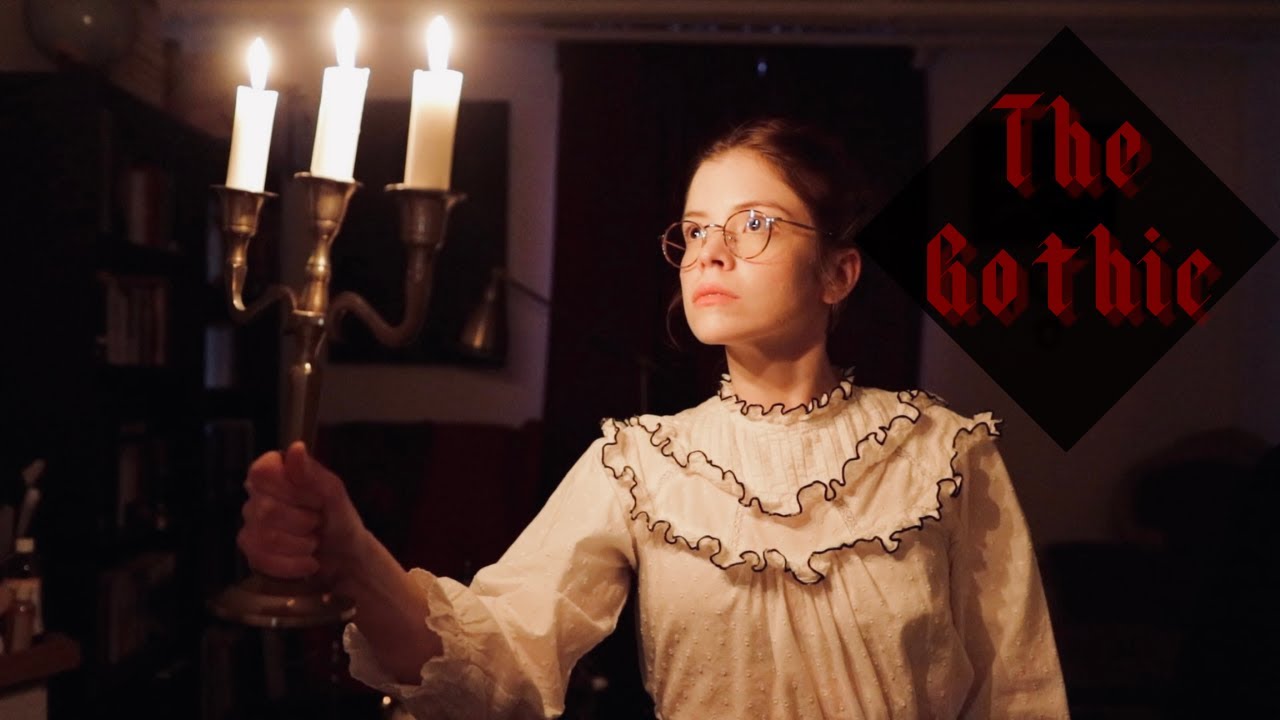
Added:Characteristics of Southern Gothic literature, including themes of decay, social stagnation, and the grotesque.
The historical context of the post-Civil War American South, specifically the decline of the Southern aristocracy and the transition into the Reconstruction era.
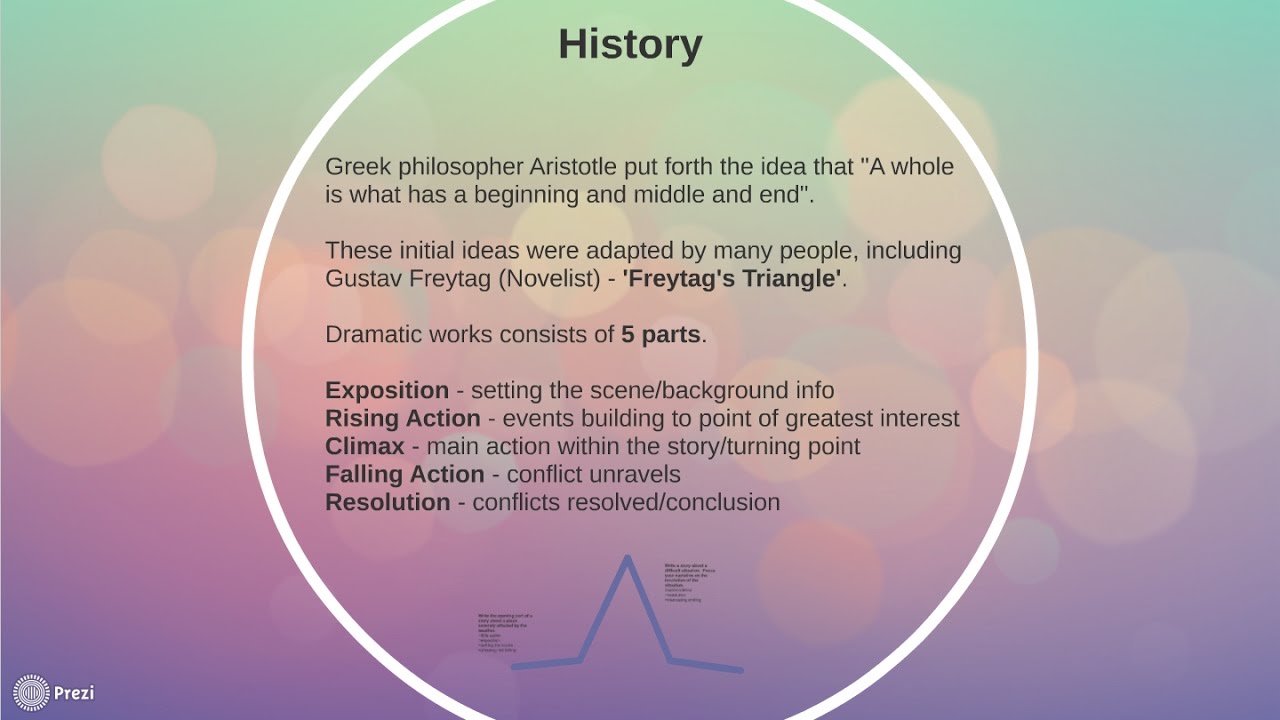
An understanding of non-linear narrative structures and how authors manipulate chronological order for suspense.
The concept of a collective first-person plural narrator (the 'we' perspective representing a town's communal voice).
Feminist and psychoanalytic literary criticisms of 'A Rose for Emily', focusing on patriarchal control, isolation, and repression.
Comparative analysis of William Faulkner's work alongside other key Southern Gothic writers such as Flannery O'Connor and Eudora Welty.
Exploration of Faulkner's more complex, stream-of-consciousness novels set in the fictional Yoknapatawpha County, such as 'The Sound and the Fury' or 'As I Lay Dying'.
Study of the 'Southern Grotesque' trope and how physical decay functions as a metaphor for moral and societal decay in literature.
318.9K views2.5Klikes23:12Original Release: 2018-05-06
a rose for Emily read by Debra Winger when Miss Emily Grierson died our whole town went to her funeral the men threw a sort of respectful affection for a fallen monument the women mostly out of curiosity to see the inside of her house which no one saved an old man's servant a combined gardener and cook had seen in at least 10 years it was a big squarish frame house that had once been white decorated with cupola xand spires and scrolled balconies in the heavily lightsome style of the 70s set on what had once been our most select street but garages and cotton gins had encroached and obliterated even the August names of that neighborhood only miss Emily's house was left lifting it stubborn and coquettish decay above the cotton wagons and the gasoline pumps an eyesore among ice and now Miss Emily had gone to join the representatives of those August names where they lay in their cedar boom used cemetery among the ranked and anonymous graves of Union and Confederate soldiers who fell at the Battle of Jefferson alive miss Emily had been a tradition a duty and a care a sort of hereditary obligation upon the town dating from that day in 1894 when Colonel Sartoris the mayor he who fathered the edik that no Negro woman should appear on the streets without an apron remitted her taxes the dispensation dating from the death of her father on into perpetuity not that miss Emily would have accepted charity Colonel Sartoris invented an involved tale to the effect that Miss Emily's father had loaned money to the town which the town as a matter of business preferred this way of repaying only a man of Colonel Sartoris generation and thought could have invented it and only a woman could have believed it when the next generation with its more modern ideas became mayors and aldermen this arrangement created some little dissatisfaction on the first of the year they mailed her attacks notice February came and there was no reply they wrote her a formal letter asking her to call it the Sheriff's Office at her convenience a week later the mayor wrote her himself offering to call or to send his car for her and received in reply a note on paper of an archaic shape in a thin flowing calligraphy and faded ink to the effect that she no longer went out at all the tax notice was also enclosed without comment they called a special meeting of the Board of Aldermen a deputation waited upon her knocked at the door through which no visitor had passed since she ceased giving china painting lessons eight or ten years earlier they were admitted by the old Negro into a dim Hall from which a stairway mounted into still more shadow it smelled of dust and disuse a close dank smell the Negro led them into the parlor it was furnished in heavy leather covered furniture when the Negro opened the blinds of one window they could see that the leather was cracked and when they sat down a faint dust rose sluggishly about their thighs spinning with slow motes in the single sunray on a tarnished gilt easel before the fireplace did a crayon portrait of Miss Emily's father they rose when she entered a small fat woman in black with a thin gold chain descending to her waist and vanishing into her belt leaning on an ebony cane with a tarnished gold head her skeleton was small and spare perhaps that was why what would have been merely plumpness in another was obesity in her she looked bloated like a body long submerged in motionless water and a vet pallid you her eyes lost in the fatty ridges of her face looked like two small pieces of coal pressed into a lump of dough as they moved from one face to another while the visitors stated their errand she did not ask them to sit she just stood in the door and listened quietly until the spokesman came to a stumbling halt then they could hear the inn visable watch ticking at the end of the gold chain her voice was dry and cold I have no taxes in Jefferson Colonel Sartoris explained it to me perhaps one of you can gain access to the city records and satisfy yourselves but we have we are the city authorities Miss Emily didn't you get a notice from the sheriff signed by him I received a paper yes Miss Emily said perhaps he considers himself the sheriff I have no taxes in Jefferson but there is nothing on the books to show that you see we must go by the sea Colonel Sartoris I have no taxes in Jefferson but Miss Emily see Colonel Sartoris Colonel Sartoris had been dead almost 10 years I have no taxes in Jefferson Toby the Negro appeared show these gentlemen out so she vanquished them horse and foot just as she had vanquished their fathers 30 years before about the smell that was two years after her father's death in a short time after her sweetheart the one we believed would marry her had deserted her after her father's death she went out very little after her sweetheart went away people hardly saw her at all a few of the ladies had the temerity to call but were not received and the only sign of life about the place was the Negro man a young man then going in and out with a market basket just as if a man any man could keep a kitchen properly the ladies said so they were not surprised when the smell developed it was another link between the gross teeming world and the high and mighty Grierson's a neighbor a woman complained to the mayor judge Stevens 80 years old but what will you have me do about it madam he said why I send her word to stop it the woman said isn't there I'm sure that won't be necessary judge Steven said it's probably just a snake or a wrap that of hers killed in the yard I'll speak to him about it the next day he received two more complaints one from a man who came in diffident deprecation we really must do something about it judge I'd be the last one in the world to bother Miss Emily but we've got to do something that night the Board of Aldermen met three Greybeards and one younger man a member of the rising generation it's simple enough he said send her word to have her place cleaned up give her a certain time to do it in and if she don't damn it sir Judge Stephen said will you accuse a lady to her face of smelling bad so the next night after midnight four men crossed miss Emily's lawn and slunk about the house like burglars sniffing along the base of the brickwork and at the cellar openings while one of them performed a regular sewing motion with his hand out of a sack slung from his shoulder they broke open the cellar door and sprinkled lime there and in all the out buildings as they recross the lawn a window that had been dark was lighted and Miss Emily sat in it the light behind her and her upright torso motionless as that of an idol they crept quietly across the lawn and into the shadow of the locusts that lined the street after a week or two the smell went away that was when people had begun to feel really sorry for her people in our town remembering how old lady Wyatt her great-aunt had gone completely crazy at last believed that the Grierson's held themselves a little too high for what they really were none of the young men were quite good enough for Miss Emily and such we had long thought of them as a tableau miss Emily a slender figure in white in the background her fatherís prattled silhouette in the foreground his back to her and clutching a horsewhip the two of them framed by the back flung front door so when she got to be 30 and was still single we were not pleased exactly but vindicated even within sanity in the family she wouldn't have turned down all of her chances if they had really materialized when her father died it got about that the house was all that was left to her and in a way people were glad at last they could pity Miss Emily being left alone in a pauper she had become humanized now she too would know the old thrill and the old despair of a penny more or less the day after his death all the ladies prepared to call at the house and offer condolence and aid as is our custom miss Emily met them at the door dressed as usual and with no trace of grief on her face she told them that her father was not dead she did that for three days with the minister's calling on her and the doctors trying to persuade her to let them dispose of the body just as they were about to resort to law and force she broke down and they buried her father quickly we did not say she was crazy then we believed she had to do that we remembered all the young men her father had driven away and we knew that with nothing left she would have to cling to that which had robbed her as people will she was sick for a long time when we saw her again her hair was cut short making her look like a girl with a vague resemblance to those angels and colored church windows sort of tragic and serene the town had just let the contracts for paving the sidewalks and in the summer after her father's death they began the work the construction company came with and mules and machinery and a foreman named Homer Barron a Yankee a big dark ready man with a big voice and eyes lighter than his face the little boys would follow in groups to hear him cuss the and the singing in time to the rise and fall of pix pretty soon he knew everybody in town whenever you heard a lot of laughing anywhere about the square Homer Barron would be in the center of the group presently we began to see him and miss Emily on Sunday afternoons driving in the yellow wheel buggy and the match team of Bay's from the livery stable at first we were glad that Miss Emily would have an interest because the ladies all said of course Grierson would not think seriously of a northerner a day laborer but there were still others older people who said that even grief could not cause a real lady to forget noblesse oblige without calling it noblesse oblige they just said poor Emily her kids folks should come to her she had some kin in Alabama but years ago her father had fallen out with them over the estate of old lady Wyatt the crazy woman and there was no communication between the two families they had not even been represented at the funeral and as soon as the old people said poor Emily the whispering began do you suppose it's really so they said to one another of course it is what else could this behind their hands rustling of cranes silk and satin behind jealousy's closed upon the Sun of Sunday afternoon as the thin Swift clop clop clop of the match team passed poor Emily she carried her head high enough even when we believe that she was fallen it was as if she demanded more than ever the recognition of her dignity as the last grierson as if it had wanted that touch of earthiness to reaffirm her imperviousness like when she bought the rat poison the arsenic that was over a year after they had begun to say poor Emily and while the two female cousins were visiting her I want some poison she said to the druggist she was over 30 then still a slight woman though thinner than usual with cold haughty black eyes in a face the flesh of which was strained across the temples and about the eye sockets as you imagine a lighthouse keeper's face ought to look I want some poison she said yes miss Emily what kind for rats and such I'd recommend I want the best you have I don't care what kind the druggist named several they'll kill anything up to an elephant but what you one is arsenic said Miss Emily is that a good one is arsenic yes ma'am but what you want I want arsenic the druggist looked down at her she looked back at him erect her face like a strained flag why of course the druggist said if that's what you want but the law requires you to tell what you were going to use it for Miss Emily just stared at him her head tilted back in order to look him I for I until he looked away and went and got the arsenic and wrapped it up the Negro delivery boy brought her the package the druggist didn't come back when she opened the package at home there was written on the box under the skull and bones for rats so the next day we all said she will kill herself and we said it would be the best thing when she had first begun to be seen with Homer Barron we had said she will marry him then we said she will persuade him yet because Homer himself had remarked he liked men and it was known that he drank with the younger men in the Elks Club but he was not a marrying man later we said poor Emily behind the jealousies as they passed on Sunday afternoon in the glittering buggy Miss Emily with her head high and Homer Barron with his hat and a cigar and his teeth reins and whip and a yellow glove then some of the ladies began to say that it was a disgrace to the town and a bad example to the young people the men did not want to interfere but at last the ladies forced the Baptist minister miss Emily's people were Episcopal to call upon her he would never divulge what happened during that interview but he refused to go back again the next Sunday they again drove about the streets and the following day the minister's wife wrote to miss Emily's relations in Alabama so she had blood kin under her roof again and we sat back to watch developments at first nothing happened then we were sure that they were to be married we learned that Miss Emily had been to the jewelers and ordered a man's toilet set in silver with the letters H B on each piece two days later we learned that she had bought a complete outfit of men's clothing including a nightshirt and we said pair married we were really glad we were glad because the two female cousins were even more Grierson than Miss Emily had ever been so we were not surprised when Homer Barron the streets had been finished sometime since was gone we were a little disappointed that there was not a public blowing off but we believed that he had gone on to prepare for Miss Emily's coming or to give her a chance to get rid of the cousins by that time it was a cabal and we were all Miss Emily's allies to help circumvent the cousins sure enough after another week they departed and as we had expected all along within three days Homer Barron was back in town a neighbor saw the Negro man admit him at the kitchen door at dusk one evening and that was the last we saw of Homer Barron and of Miss Emily for some time the Negro man went in and out with the market basket but the front door remained closed now and then we would see her at a window for a moment as the men did that night when they sprinkled the lime but for almost six months she did not appear on the streets then we knew that this was to be expected - as if that quality of her father which had forded her woman's life so many times had been too virulent and too furious to die when we next saw a Miss Emily she had grown fat and her hair was turning gray during the next few years it grew grayer and grayer until it attained an even pepper-and-salt iron gray when it ceased turning up to the day of her death at 74 it was still that vigorous iron gray like the hair of an active man from that time on her front door remained closed safe for a period of six or seven years when she was about 40 during which she gave lessons in China painting she fitted up a studio in one of the downs there's rooms where the daughters and granddaughters of Colonel Sartoris contemporaries were sent to her with the same regularity and in the same spirit that they were sent to church on Sundays with a 25 cent piece for the collection plate meanwhile her taxes had been remitted then the newer generation became the backbone and the spirit of the town and the painting pupils grew up and fell away and did not send their children to her with boxes of color and tedious brushes and pictures cut from the ladies magazines the front door closed upon the last one and remained closed for good when the town got free postal delivery Miss Emily alone refused to let them fasten the metal numbers above her door and attach a mailbox to it she would not listen to them daily monthly yearly we watched the Negro grow greater and more stooped going in and out with the market basket each December we sent her a tax notice which would be returned by the post-office a week later unclaimed now and then we would see her in one of the downstairs windows she had evidently shut up the top floor of the house like the carven torso of an idol in a niche looking or not looking at us we could never tell which thus she passed from generation to generation dear inescapable impervious tranquil and perverse and so she died fell ill and the house filled with dust and shadows with only a doddering Negro man to wait on her we do not even know she was sick we had long since given up trying to get any information from the Negro he talked to no one probably not even to her for his voice had grown harsh and rusty as if from disuse she died in one of the downstairs rooms in a heavy walnut bed with a curtain her gray head propped on a pillow yellow and mouldy with age and lack of sunlight the Negro met the first of the ladies at the front door and let them in with their hushed sibilant voices and their quick curious glances and then he disappeared he walked right through the house and out the back and was not seen again the two female cousins came at once they held the funeral on the second day with the town coming to look at Miss Emily beneath a mass of bought flowers with the crayon face of her father musing profoundly above the bier and the ladies sibilant and McCobb and the very old men summoned their brush Confederate uniforms on the porch and the lawn talking of Miss Emily as if she had been a contemporary of theirs believing that they had danced with her and courted her perhaps confusing time with its mathematical progression as the old do to whom all the past is not a diminishing Road but instead a huge meadow which no winter ever quite touches divided from them now by the narrow bottleneck of the most recent decade of years already we knew that there was one room in that region above stairs which no one had seen in 40 years and which would have to be forced they waited until Miss Emily was decently in the ground before they opened it the violence of breaking down the door seemed to fill this room with pervading dust a fin acrid Paul as of the tombs seemed to lie everywhere upon this room decked and furnished as for a bridle upon the valance curtains of faded rose color upon the Rose shaded lights upon the dressing-table upon the delicate array of crystal and the man's toilet things backed with tarnished silver silver so tarnished that the monogram was obscured among them lay a collar and tie as if they had just been removed which lifted left upon the surface a pale crescent in the dust upon a chair hung the suit carefully folded beneath it the two mute shoes and the discarded socks the man himself lay in the bed for a long while we just stood there looking down at the profound and fleshless grin the body had apparently once lain in the attitude of an embrace but now the long sleep that outlasts love that conquers even the grimace of Love had cuckolded him what was left of him rotted beneath what was left of the nightshirt had become inextricable from the bed in which he lay and upon him and upon the pillow beside him lay that even coating of the patient and biting dust then we noticed that in the second pillow was the indentation of a head one of us lifted something from it and leaning forward that faint and invisible dust dry and acrid in the nostrils we saw a long strand of iron gray hair
Up Next

22:19
A Good Man Is Hard to Find: Summary, Analysis & Review
@TheCodeXCantina
18K views•2020-01-16

13:43
Formalism in Literary Criticism: An Academic Lecture Overview
@mattalberhasky9952
39.1K views•2015-08-05

6:08
Point of View in Fiction: First Person vs. Third Person
@magicalthriftyteacher
153.8K views•2014-03-31

15:25
1984: Orwell's Dystopian World and the Mechanisms of Totalitarianism
@AlternateHistoryHub
7M views•2017-03-04
Related Study Plans & Knowledge Roadmaps
Structured learning paths in Literature
literature
Graphic Memoirs: Visual Art, Trauma & History
01Foundations of Sequential Art and Visual Language
02Autographics and Processing Historical Trauma
03Visualizing Personal Trauma, Grief, and Graphic Medicine
+ 2 more learning modules
14h5 modules
Explore Roadmap
literature
Campus Novels: Evolution, Themes & Critique
01Introduction to the Campus Novel Genre
02Mid-Century Satire and the Post-War Academy
03Dark Academia and the Critique of Privilege
+ 2 more learning modules
14h5 modules
Explore Roadmap
literature
Theater of the Absurd: Philosophy & Plays
01Postwar Existentialism & Historical Roots
02Dismantling Narrative: Esslin & Absurdist Conventions
03Samuel Beckett and Tragicomic Existentialism
+ 2 more learning modules
12h5 modules
Explore Roadmap
literature
Revenge Tragedy: Justice, Madness & State
01Foundations of Early Modern English Theatre
02Anatomy of Revenge: Structural Conventions
03Psychological Complexity: Madness and Melancholy
+ 2 more learning modules
15h5 modules
Explore Roadmap