

























Neon signs glow because electric current causes electrons in neon gas atoms to become excited and release energy as visible light; when electrons collide with neon atoms and fall back to lower energy levels, they emit photons of specific wavelengths that produce the characteristic orange-red color, while other noble gases like argon, helium, krypton, and xenon produce different colors when electrified.
Neon Sign Science: How Electric Gas Glows in 360° Animation
Added:Basic Atomic Structure: Understanding how electrons orbit a nucleus and transition between discrete energy levels.
The Periodic Table and Noble Gases: Familiarity with Group 18 elements (such as neon, argon, and helium) and their chemical inertness.
Fundamentals of Electricity: Concepts of voltage, electrical current, and how an electric field exerts force on charged particles.
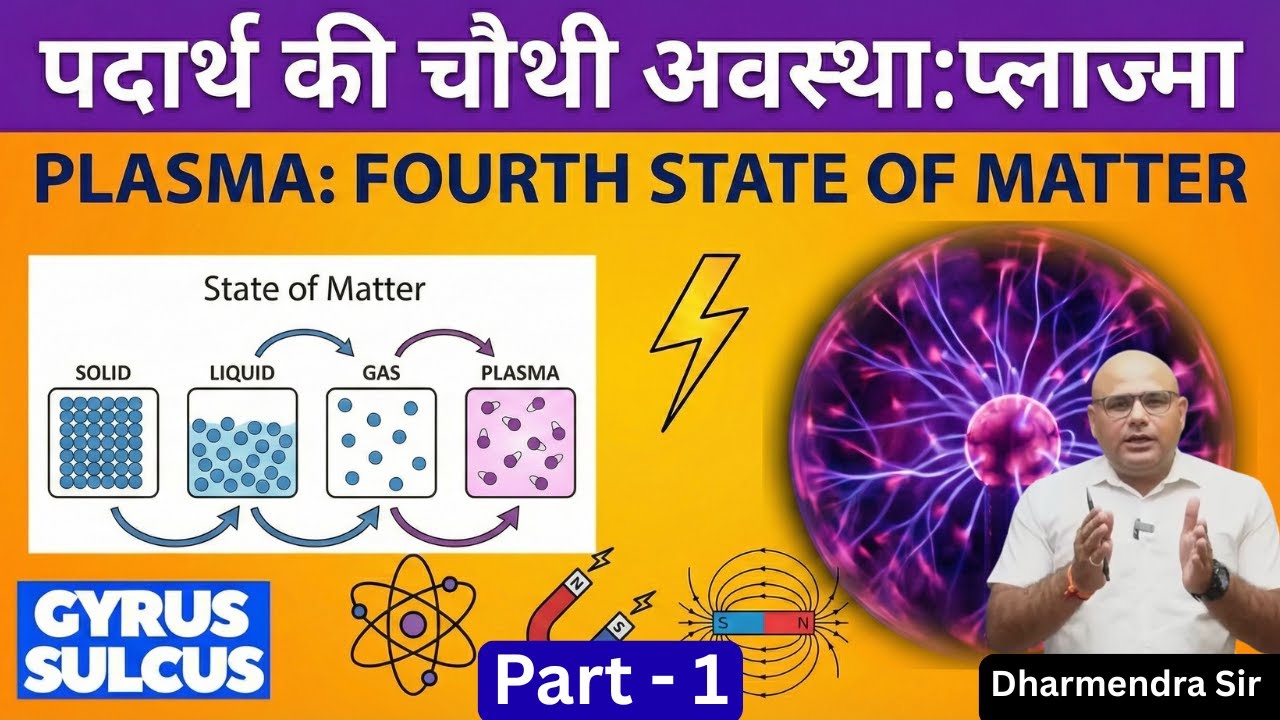
States of Matter and Ionization: Understanding how gas atoms can be ionized to form a conductive plasma state.
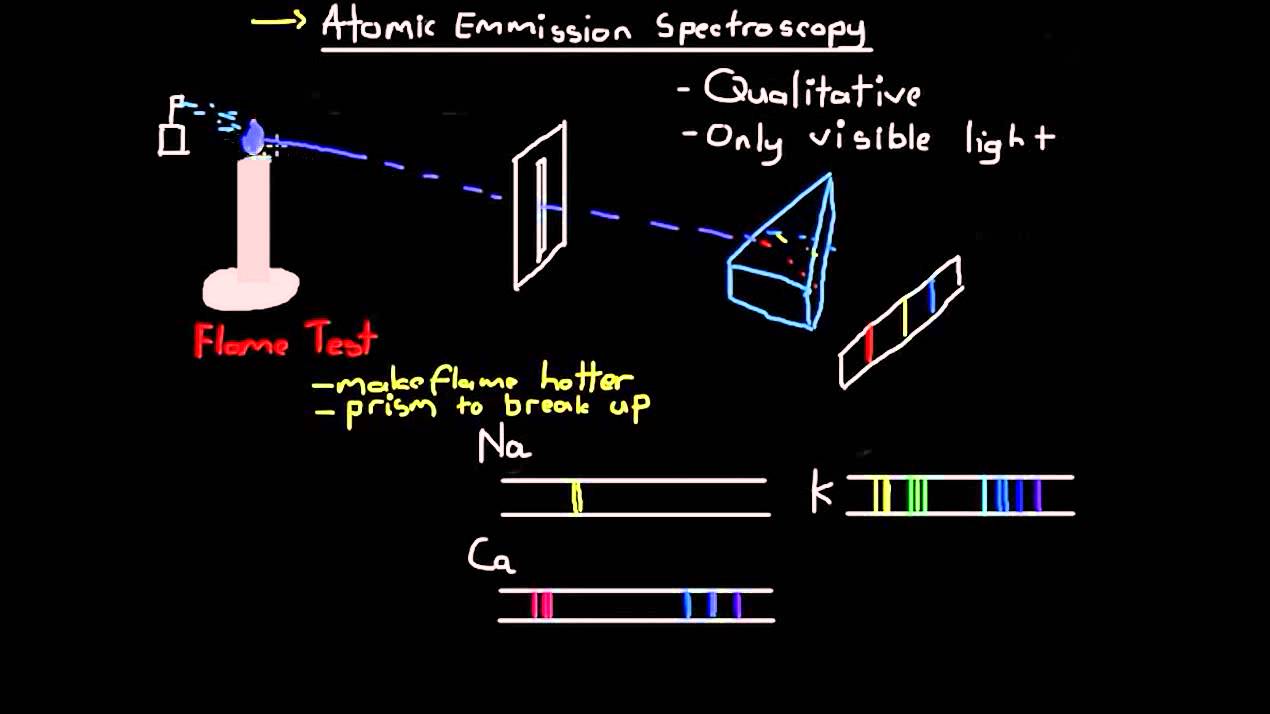
Atomic Emission Spectroscopy: Exploring how the unique spectral lines of glowing gases are used to identify chemical elements in astronomy and laboratory analysis.
Advanced Gas-Discharge Lighting: Studying the mechanics behind fluorescent lamps, high-intensity discharge (HID) headlights, and sodium-vapor streetlights.
Plasma Physics and Technology: Investigating the behavior of plasma in magnetic fields and its applications in semiconductor fabrication and nuclear fusion energy.
The Engineering of Neon Art: Analyzing the industrial glassblowing techniques, vacuum pump systems, and electrode designs required to manufacture functional neon signage.
336.8K views6.8Klikes4:51Original Release: 2019-09-19
When the Hoover Dam was completed in 1936, it created a huge source of hydroelectric power and zapped a sleepy desert town to life: Las Vegas, Nevada.
With the power supply from the dam, Las Vegas soon exploded with vibrant displays.
The source of these dazzling lights was electrified neon gas.
There are two tricky obstacles to making lighted signs out of this naturally clear, odorless gas: capturing it and making it glow.
French inventor Georges Claude came up with techniques to do both.
In 1902, he developed a way of liquefying and separating specific gases from the air, producing neon on an industrial scale for the first time.
By 1910, he had come up with a way to trap the gas in a glass tube with a special electrode at either end, and neon lighting was born.
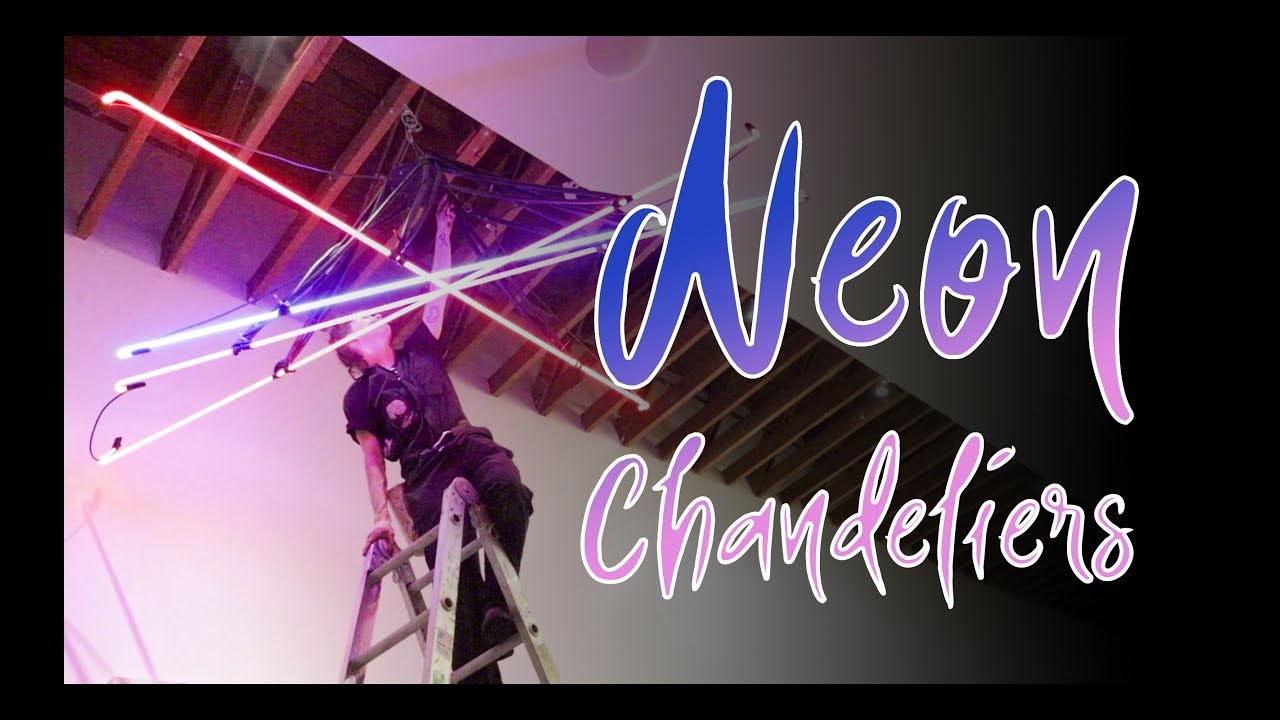
In workshops like Claude's, artisans known as tube-benders made neon signs by hand.
The tube-benders heated small sections of a long, hollow glass tube and quickly bent them into shape.
After the glass cooled, they attached electrodes to each end and removed the air with a vacuum pump.
Then, they passed a high voltage current through the tube to remove any impurities on the inside of the glass.
Finally, they pumped the neon gas in and sealed off the electrodes.
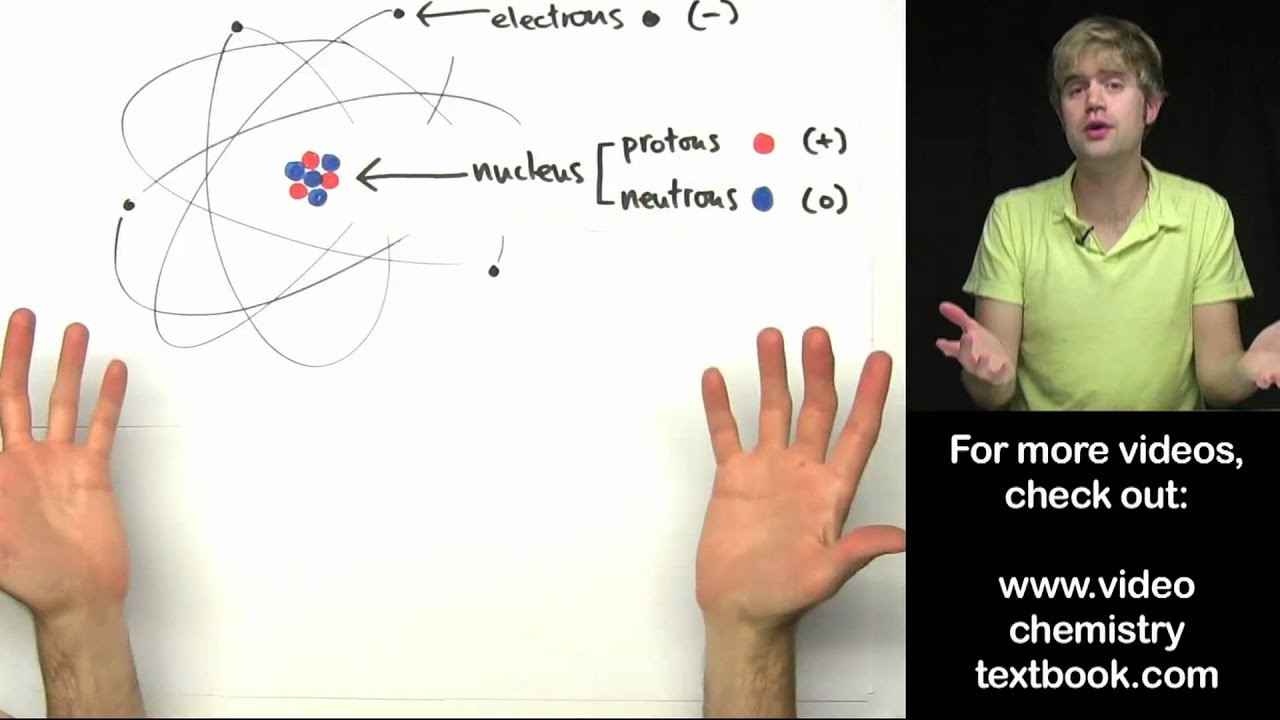
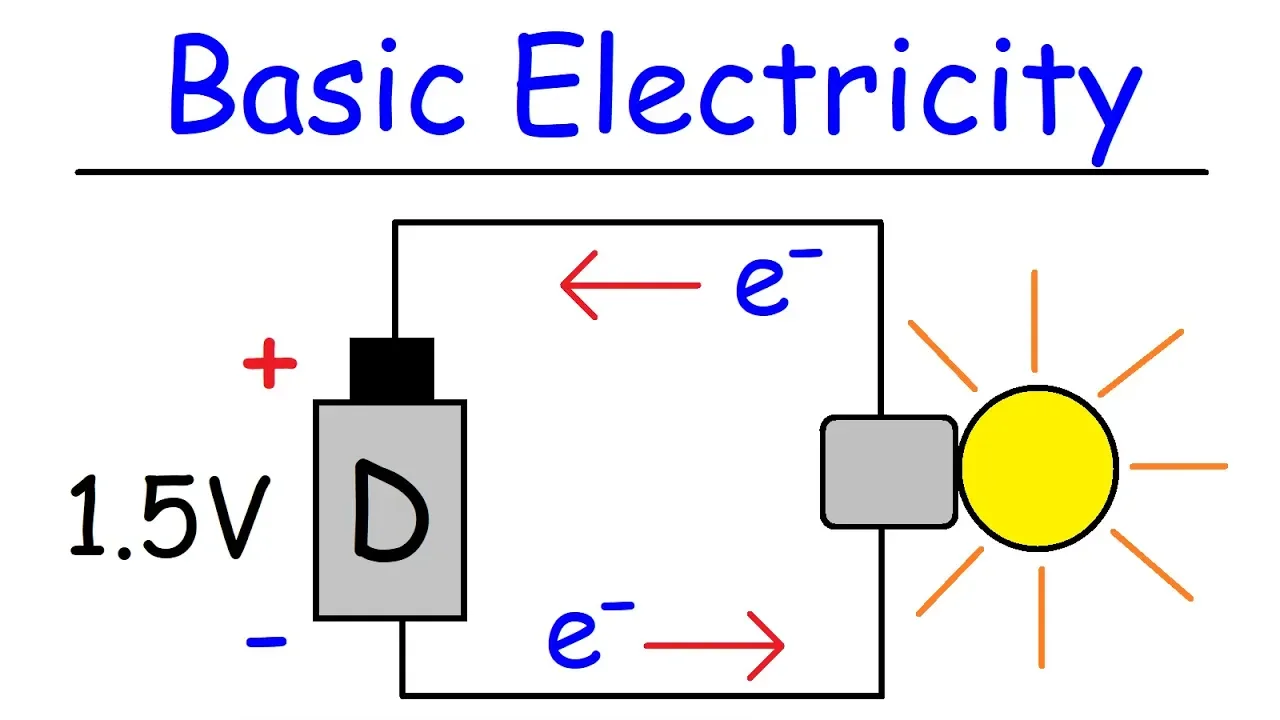
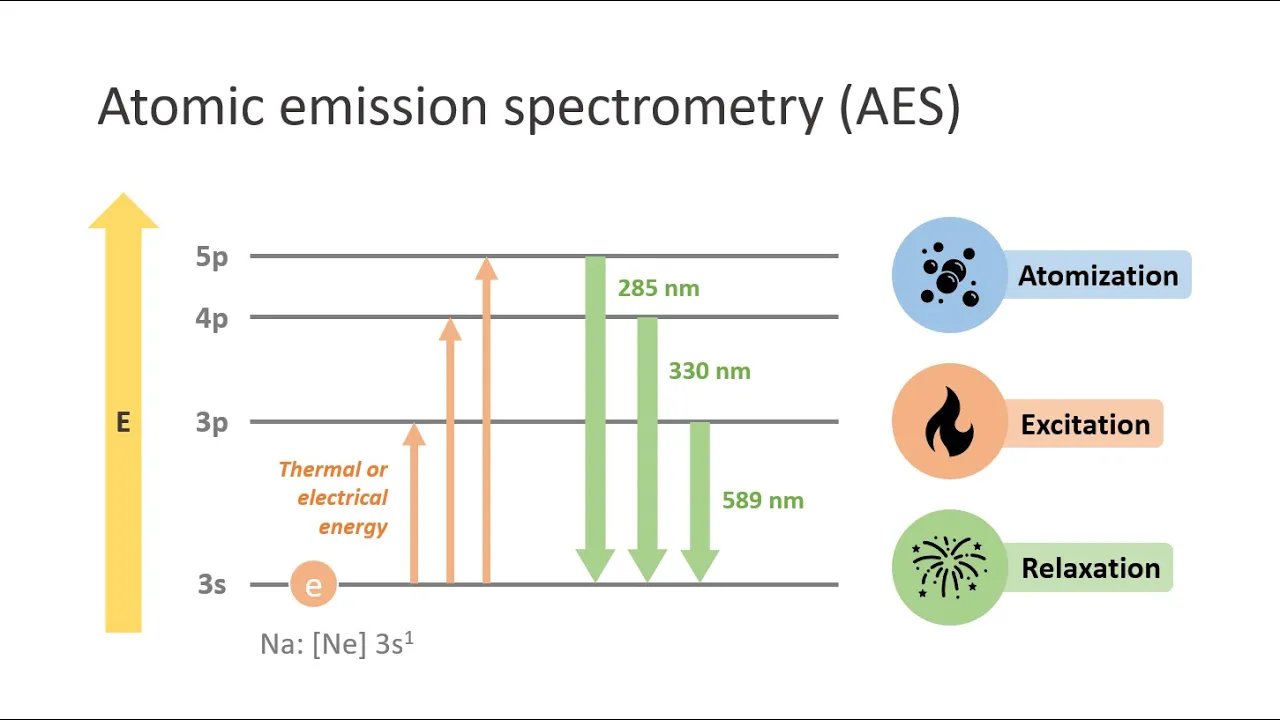
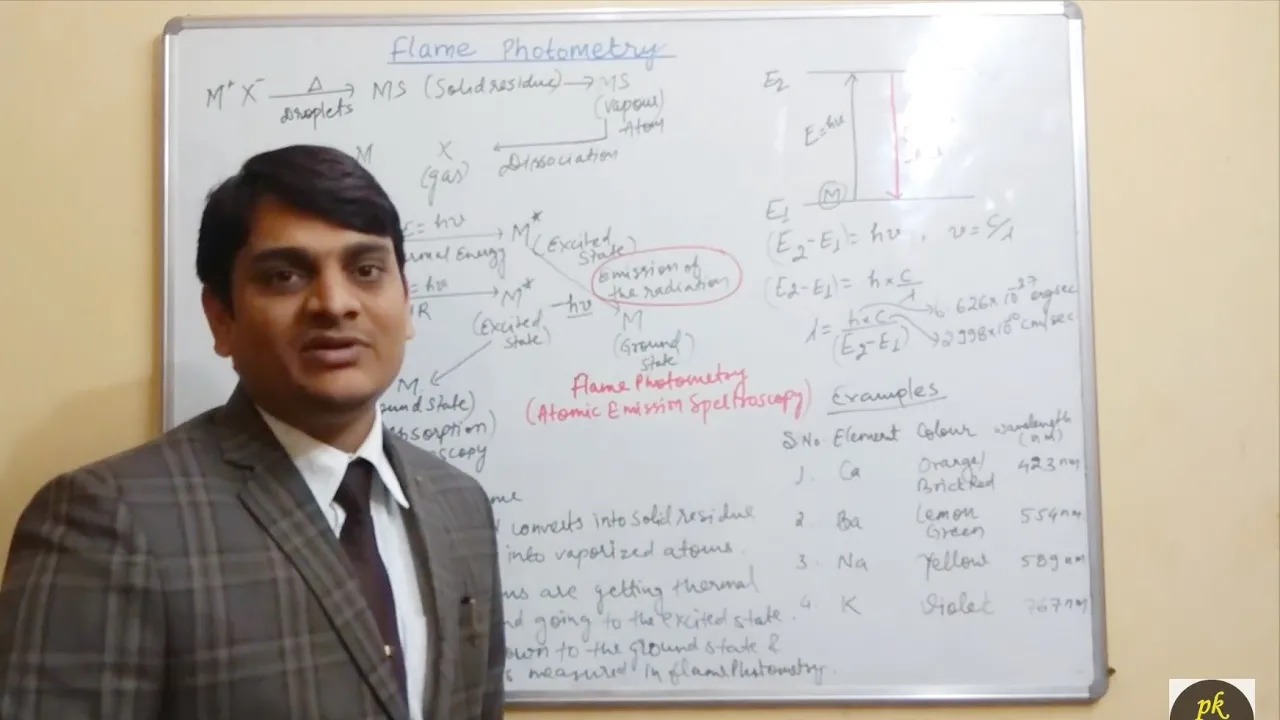
When a neon sign is turned on, the electric current causes some of the neon atoms' electrons to accelerate and break free of their orbits, leaving behind positively charged ions.
As these free electrons rush from one electrode to the other, they collide with more neon atoms, causing them to ionize as well.
When these excited electrons fall back to their normal energy levels, their excess energy is carried away by photons, or particles of light.
All this happens in an instant, and the glow from the photons is what we see when we switch on a neon sign.
Though it's common to call any gas-filled sign a "neon" sign, there are actually 5 different gases used in production.
Each gas emits photons of a different wavelength when electrified, which correspond to different colors of light.
Neon gives off an orange-red glow, argon glows a pale lavender, helium a dusty pink, krypton a silver- white, and xenon a light purple.
These 5 gases can be combined with color-coated tubing to create an electrified rainbow of text and images.
Business owners soon realized how effective these colorful beacons were for attracting customers.
And unlike a light bulb, a neon sign has no incandescent filaments to burn out, and can shine continuously for 40 years before the gas depletes.
By the 1930s, neon signs were lighting up storefronts all over the world.
Because of the glass tubes' fragile nature, it usually wasn't feasible to ship them over long distances.
Instead, most neon signs were created by local neon shops and then installed nearby.
Signs with humor, personality, and intricate designs proliferated, no two exactly alike.
But by the end of World War II, plastics had become widely available and inexpensive, and plastic signs supplanted neon as messengers of modernity.
Many towns removed neon signs they viewed as old-fashioned.
Today, neon sign production is only a fraction of what it was at its peak, but the craft of tube bending lives on relatively unchanged.
New creations hand-crafted by local artisans join survivors from the heyday of neon, hiding in plain sight in city streets around the world.
Up Next

54:49
The History and Physics of the AC Transformer Explained
@Kathy_Loves_Physics
161.1K views•2023-08-09
73:35
Deriving Maxwell's Equations in Geometric Algebra (QED Prereqs) 11
@XylyXylyX
2.6K views•2024-09-08

4:17
Physics of Swimming: Sperm vs. Sperm Whale — Reynolds Number Explained
@TEDEd
4.4M views•2013-09-23

33:44
The Blue LED: A Decade-Long Scientific Challenge Explained
@veritasium
46.5M views•2024-02-08
Related Study Plans & Knowledge Roadmaps
Structured learning paths in Physics
physics
Medical Physics: Imaging, MRI & Radiotherapy
01Foundations of Radiation and Matter Interaction
02X-Ray Imaging and Computed Tomography (CT)
03Magnetic Resonance Imaging (MRI) Physics
+ 3 more learning modules
15h6 modules
Explore Roadmap
physics
Nuclear Physics (Decay, Fission & Reactors)
01Atomic Structure and the Binding Force
02Radioactive Decay and Half-Life
03Nuclear Fission Mechanics and Chain Reactions
+ 2 more learning modules
12h5 modules
Explore Roadmap
physics
Soft Matter (Polymers, Colloids & Rheology)
01Foundations of Soft Matter & Thermal Forces
02Polymer Physics and Macromolecules
03Colloids, Surfactants, and Self-Assembly
+ 2 more learning modules
38h5 modules
Explore Roadmap
physics
Analytical Mechanics: Lagrangian & Hamiltonian
01Mathematical Foundations: Calculus of Variations
02From Newtonian Mechanics to Constraint Dynamics
03The Principle of Least Action & Lagrangian Mechanics
+ 3 more learning modules
28h6 modules
Explore Roadmap