
![[物理] 6章-2.原子核崩壊と放射線](https://i.ytimg.com/vi/wPzLdeR21t4/hqdefault.jpg)











![PET Imaging: Introduction (Part 1) [L33]](https://i.ytimg.com/vi_webp/tkTxNEFyO7Y/maxresdefault.webp)






![[암환자 정보 리커버리] - 방사선치료 시행 시기(목적), 방사선치료 장비 종류](https://i.ytimg.com/vi_webp/gKmah7PtfWw/maxresdefault.webp)
Particle accelerators in hospitals, specifically cyclotrons, produce radioactive isotopes like fluorine-18 that are incorporated into radiotracers such as fluorodeoxyglucose (FDG); these tracers accumulate in metabolically active tissues like tumors, and when they decay, they emit positrons that annihilate with electrons to produce gamma rays detected by PET scanners, enabling doctors to diagnose cancer, heart disease, and Alzheimer's disease.
Particle Accelerators in Hospitals: PET Scans Explained
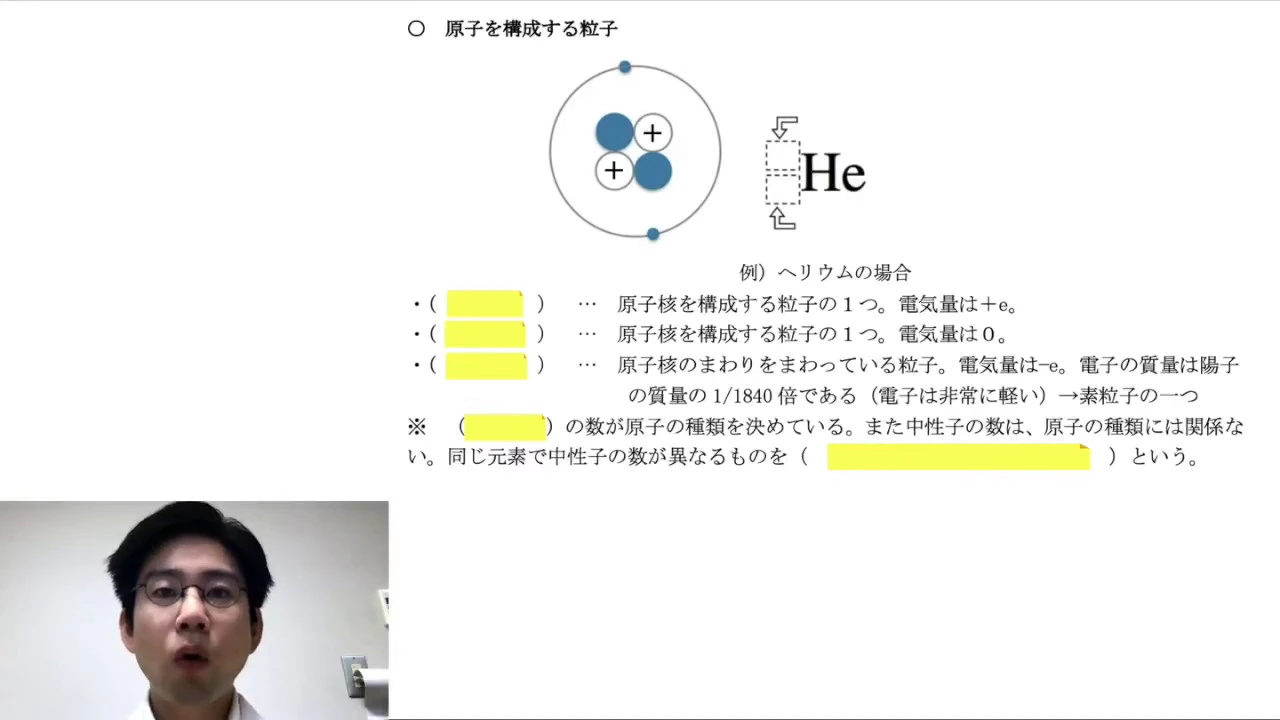
Added:Basic atomic structure and isotopes, particularly the concept of unstable nuclei and radioactive decay.
The fundamentals of electromagnetism, specifically how electric and magnetic fields exert forces on charged particles.
The principle of positron emission (beta-plus decay) and the concept of matter-antimatter annihilation (positron-electron interaction).
Basic concepts of medical imaging, including how detectors register ionizing radiation to form an image.
Radiochemistry and the synthesis of specific radiopharmaceuticals, such as Fluorodeoxyglucose (FDG), for targeted metabolic imaging.
Hybrid imaging technologies, specifically PET-CT and PET-MRI, and how they combine anatomical and functional diagnostic data.
Radiation safety, dosimetry, and the shielding requirements necessary to operate medical cyclotrons in clinical environments.
Advanced particle therapy in medicine, such as Proton Beam Therapy and Carbon Ion Therapy, for targeted cancer destruction.
119.3K views6.9Klikes5:24Original Release: 2021-07-02
Thanks to CuriosityStream for supporting this episode!
Go to CuriosityStream.com/SciShow to start streaming thousands of documentaries and nonfiction TV shows.
[♪ INTRO] When doctors need to quickly identify tumors, diagnose heart diseases and even watch our brains at work, they use the by-products of something called radioactive decay.
The decay comes from specific radioactive isotopes that emit a certain type of antimatter particle called a positron, the counterpart to electrons.
Normally, when the positron gets in contact with things like electrons, they destroy each other.
By carefully sneaking in radioactive molecules that emit positrons, doctors can see what’s happening inside your body.
But here’s the catch...these molecules need to be made fresh every day, against the clock, in the basement of a hospital.
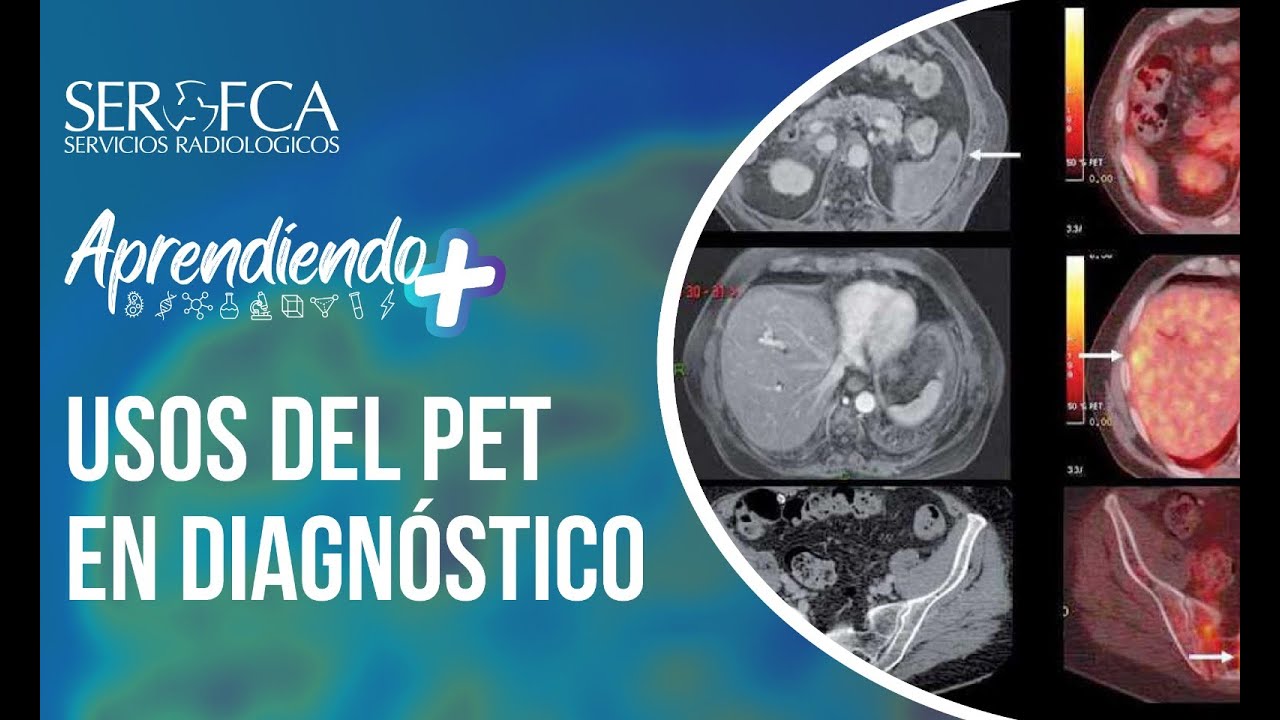
Doctors measure the positrons emitted by the decay of a radioactive atom with a technology called Positron Emission Tomography, or PET.
And it works by sensing gamma rays, a type of photon emitted when positrons and electrons come into contact.
To accomplish this feat, physicists and chemists must work quickly to incorporate radioactive isotopes into chemical compounds called radiotracers.
They do this by swapping a normal part of the molecule for something radioactive that releases positrons.
Now you may be thinking, radioactivity sounds bad, but it’s commonly used in different things in medicine like X-rays.
And these radioactive molecules only emit very small amounts of radiation for a short period.
The way the radiotracers work is by accumulating in specific areas of our bodies.
For example, tumors have a faster metabolism compared to normal cells.
So when tumors use chemical compounds, like radiotracers, instead of normal sugar, they’ll accumulate faster compared to normal cells.
Which is why tumors are more visible on a scan.
When injected, the radiotracer will travel through the entire body and accumulate in things like tumors.
And the difference of where the tracer is hoarded compared to the rest of the body will create a contrast in radioactive decay picked up by the PET instrument.
But making radiotracers is a race against the clock because the very thing that makes them work, radioactivity, also means they won’t last long.
A common radiotracer used for PET scans is fluorodeoxyglucose, or FDG, for short.
And its half-life is about 110 minutes — just under two hours.
Half-life is the time it takes for half of a radioactive sample to decay.
As soon as FDG is made in a lab, the clock starts to tick to get the molecule purified from reaction by-products, tested to ensure its safety, prepared in a solution, and into the patient.
Because in two hours, only half of what was made will be useful.
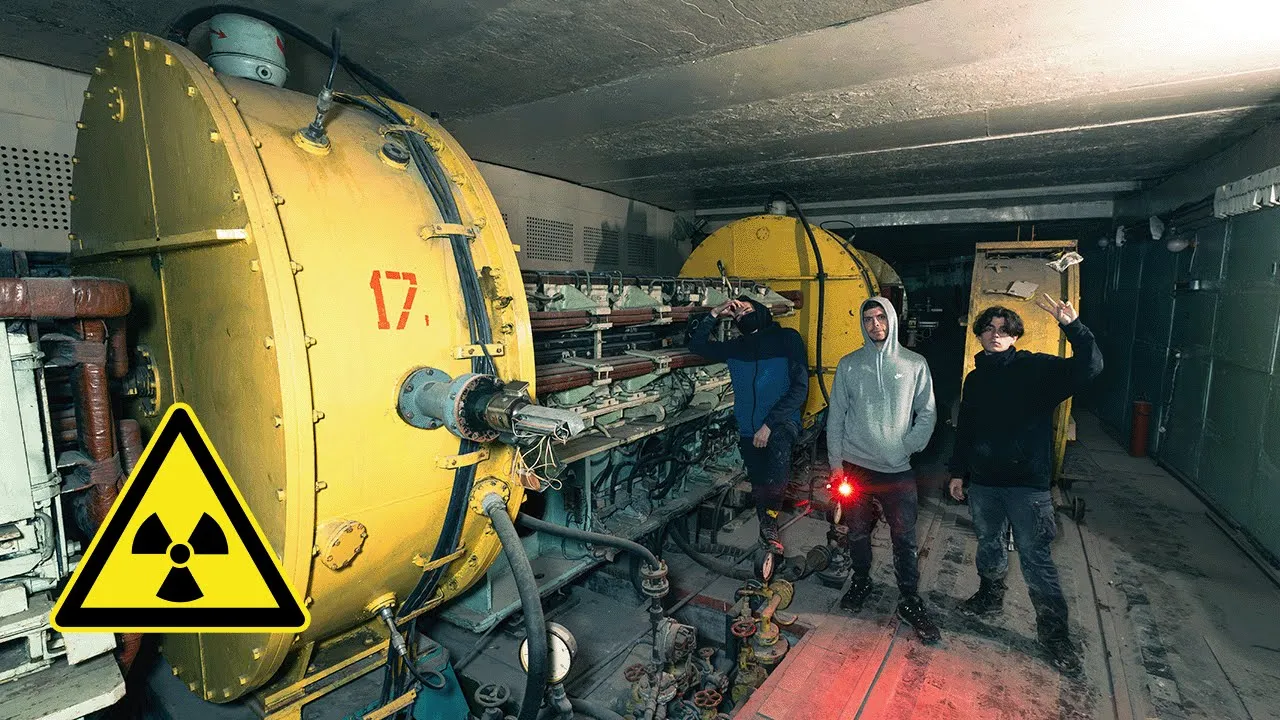
The journey of these radioactive molecules starts with a compact particle accelerator called a cyclotron, usually housed in a well-shielded room in the basement of a hospital or at a specialized facility nearby.
The main job of the cyclotron is to create a beam of positively charged hydrogen atoms, also called protons.
Scientists use the magnets inside the cyclotron to speed up and steer negatively charged hydrogen atoms creating the proton beam.
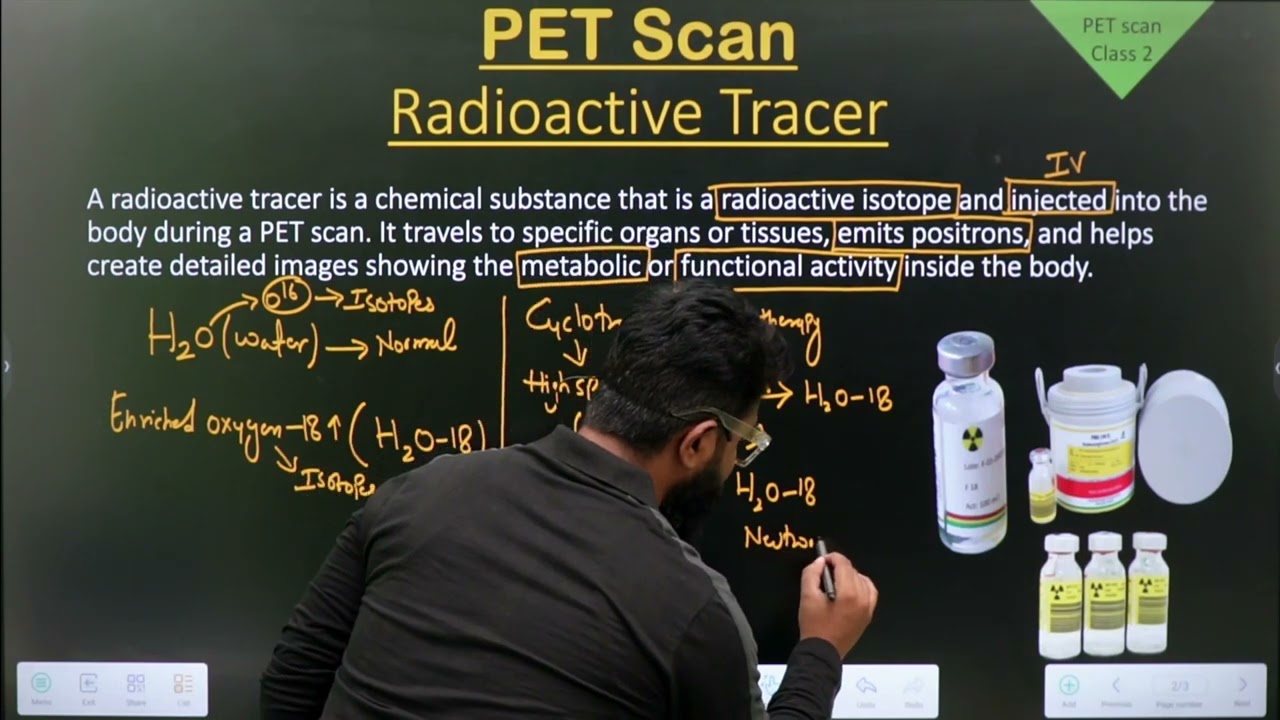
To make FDG, scientists use oxygen-18, which has two extra neutrons compared to “normal” oxygen-16.
The process starts by displacing one neutron from oxygen-18 and adding one proton using the beam from the cyclotron.
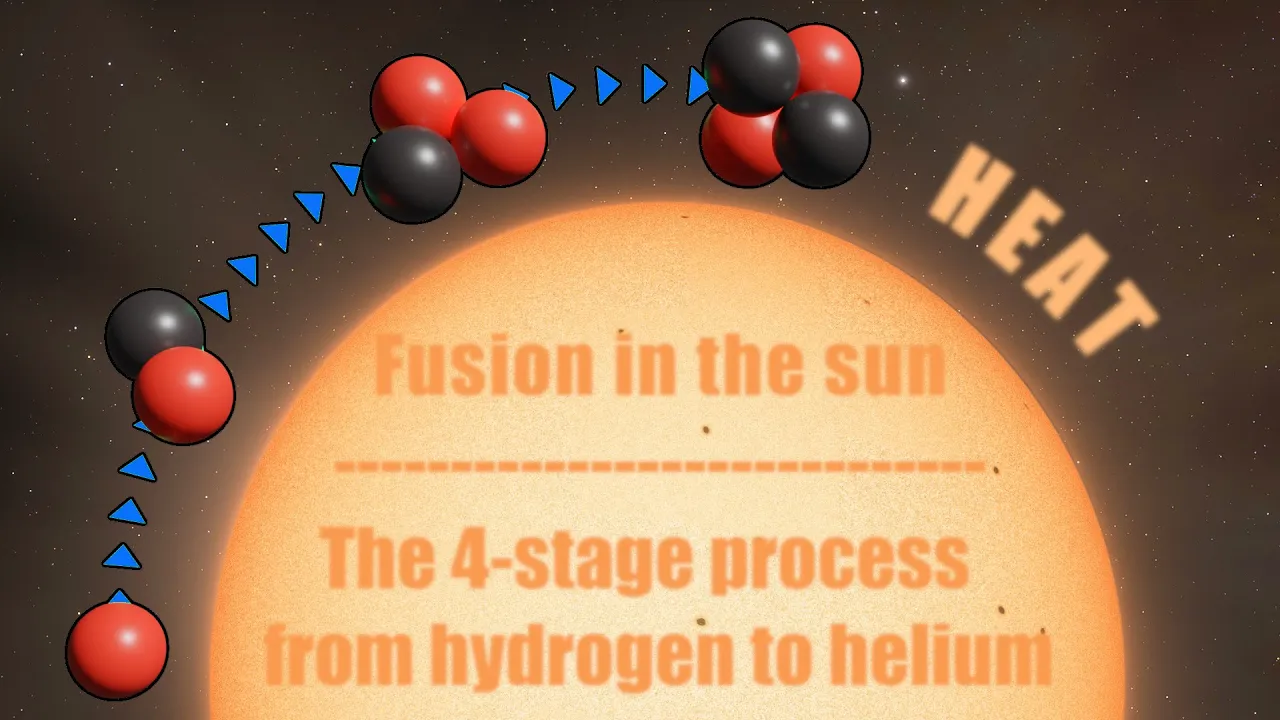
By displacing that neutron, scientists create the isotope fluorine-18.
This change is possible because the identity of an atom is defined by how many protons it has.
So, if one of these particles loses or gains a proton, it can become an entirely different element.
But fluorine-18 is unstable.
Meaning that eventually, that extra proton decays into a neutron and emits that extra energy as a positron.
Making the atom back into stable oxygen-18.
But a pile of radioactive fluorine isn’t very useful because it’s so reactive.
So one way to use fluorine-18 as a radiotracer is to incorporate it into molecules like the sugar FDG.
To make FDG, chemists take the radioactive fluorine from the cyclotron and then subject the sugar to a series of chemical reactions to substitute radioactive fluorine on an area of the molecule.
Next, purified and tested FDG has to make its way to the patient, which can be as simple as taking it upstairs in the hospital r as complicated as driving it across a state.
Once the FDG is injected into the patient’s body, the sugar starts to get used by different parts of the body, including tumors, which doctors can image with the PET scanner after a few minutes.
And the scanner can be used by doctors to diagnose things like cancer, heart disease, or Alzheimer’s.
So while it might seem strange to have a small particle accelerator in a hospital, it’s a critical piece in the puzzle to image your body.
A critical piece in the puzzle to your intelligence is today’s sponsor: CuriosityStream, which has multiple options to choose from!
They’re a subscription-based streaming service with thousands of documentaries and nonfiction TV shows, including some really neat ones about technological marvels.
You could check out their original Engineering the Future series.
Each episode hones into a different technology, from fusion to aviation.
Streamed to any device for viewing anytime, anywhere.
And if you use the code “SciShow” when you sign up, you can access their entire library for $14.99 for the entire year!
So head on over to CuriosityStream.comSciShow to check out what they’ve got to offer and see if a subscription is right for you.
[♪ OUTRO]
Up Next

9:19
Liver Function Tests: Interpreting ALT, AST, ALP, and GGT
@TachyTutorials
531.4K views•2021-03-13

48:47
Graphic Medicine: Comics for Collaborative Healthcare Communication
@nationalpatientadvocate
189 views•2023-12-04

12:33
FDA-Approved Alzheimer’s Drug: Aducanumab & the Amyloid Hypothesis
@SciShow
287.5K views•2022-03-23
3:05
Stages of Labor and Vaginal Birth | Childbirth Animation
@nucleusmedicalmedia
52.1M views•2017-08-18
Related Study Plans & Knowledge Roadmaps
Structured learning paths in Medicine
medicine
Abnormal LFTs: Diagnostic Workup & Pathology
01Liver Anatomy and Basic Physiology
02Introduction to Liver Function Tests (LFTs)
03Hepatocellular vs. Cholestatic Patterns
+ 3 more learning modules
12h6 modules
Explore Roadmap
medicine
Analyzing Blood Smears: RBC, WBC & Platelets
01Introduction to Blood Components & Smear Preparation
02Normal Morphology of Blood Cells
03Erythrocyte Pathologies & Morphological Variants
+ 2 more learning modules
12h5 modules
Explore Roadmap
medicine
Mechanical Ventilation: Waveforms & Alarms
01Anatomy and Physiology of Breathing
02Introduction to Mechanical Ventilation & Core Modes
03Ventilator Settings and Waveform Interpretation
+ 2 more learning modules
12h5 modules
Explore Roadmap
medicine
Neuro Exam: Localization & Stroke Syndromes
01Foundations of Neuroanatomy and Vascular Supply
02The Neurological Examination: Step-by-Step
03Principles of Neurological Localization
+ 3 more learning modules
18h6 modules
Explore Roadmap