






![Clase 1.1 Espacio 3D [CVV / 2021.02]](https://i.ytimg.com/vi_webp/Qa3wTEKsQ6U/maxresdefault.webp)








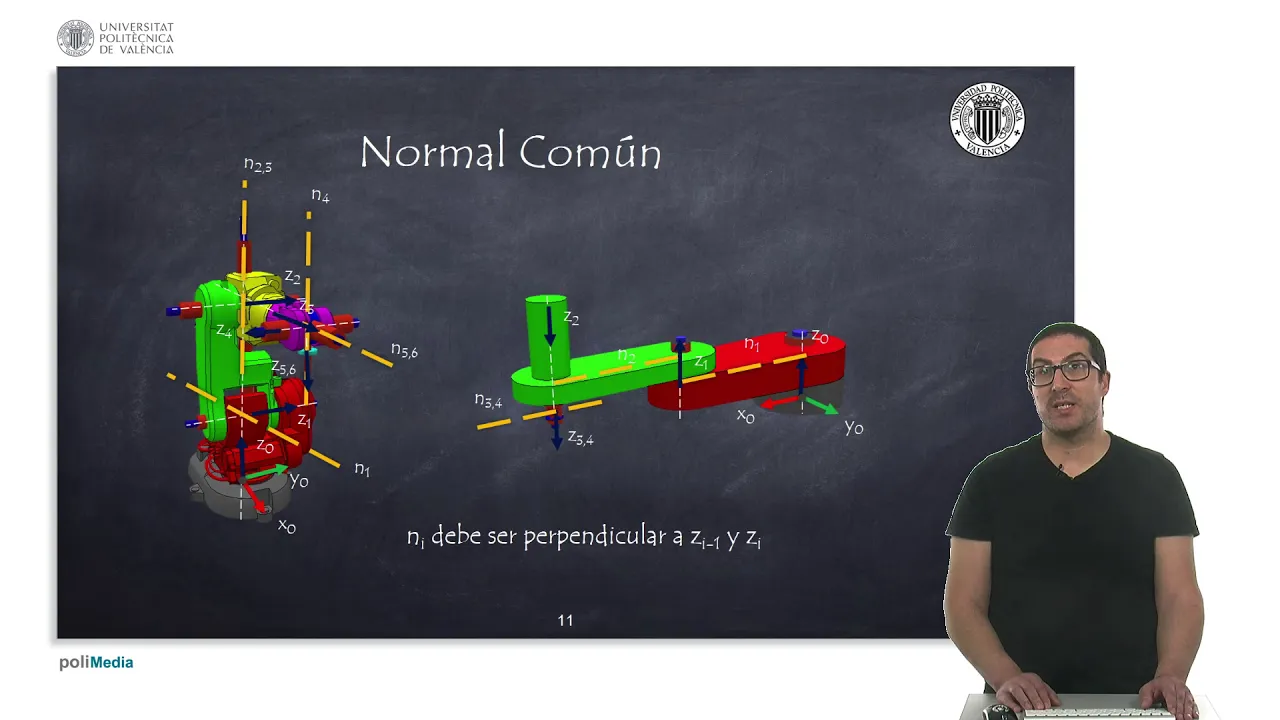
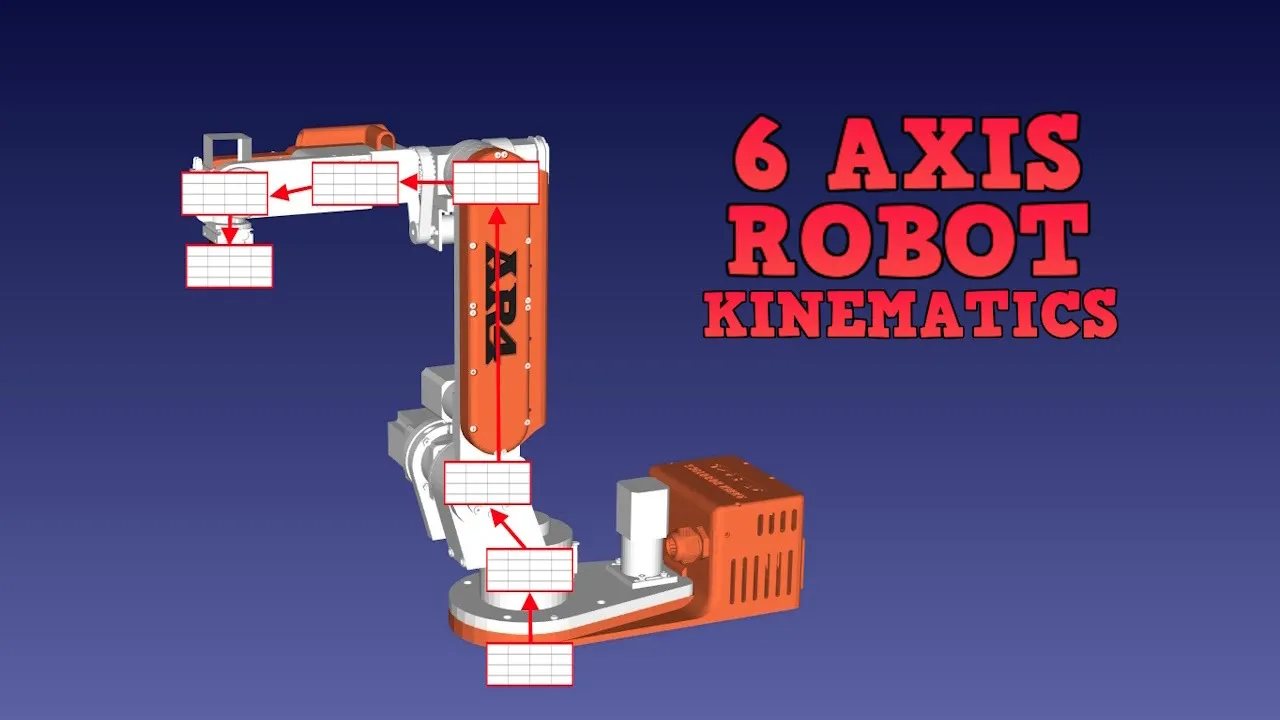







In robotic systems, a link is a movable rigid element with an associated reference frame, while a joint connects two links and constrains their movement in one or more directions (degrees of freedom); the mobility of an articulated system equals the number of independent moving elements (motors), and the two most common joint types are prismatic joints (which allow linear motion and are used in Cartesian robots with simple inverse kinematics but limited to 3 DOF) and revolute joints (which allow rotational motion and are more widely used in industrial applications due to being cheaper, lighter, and capable of controlling up to 6 DOF).
Robotic Systems: Joints, Links, and Degrees of Freedom Explained
Added:Basic physics concepts of rigid bodies, translation, and rotational motion.
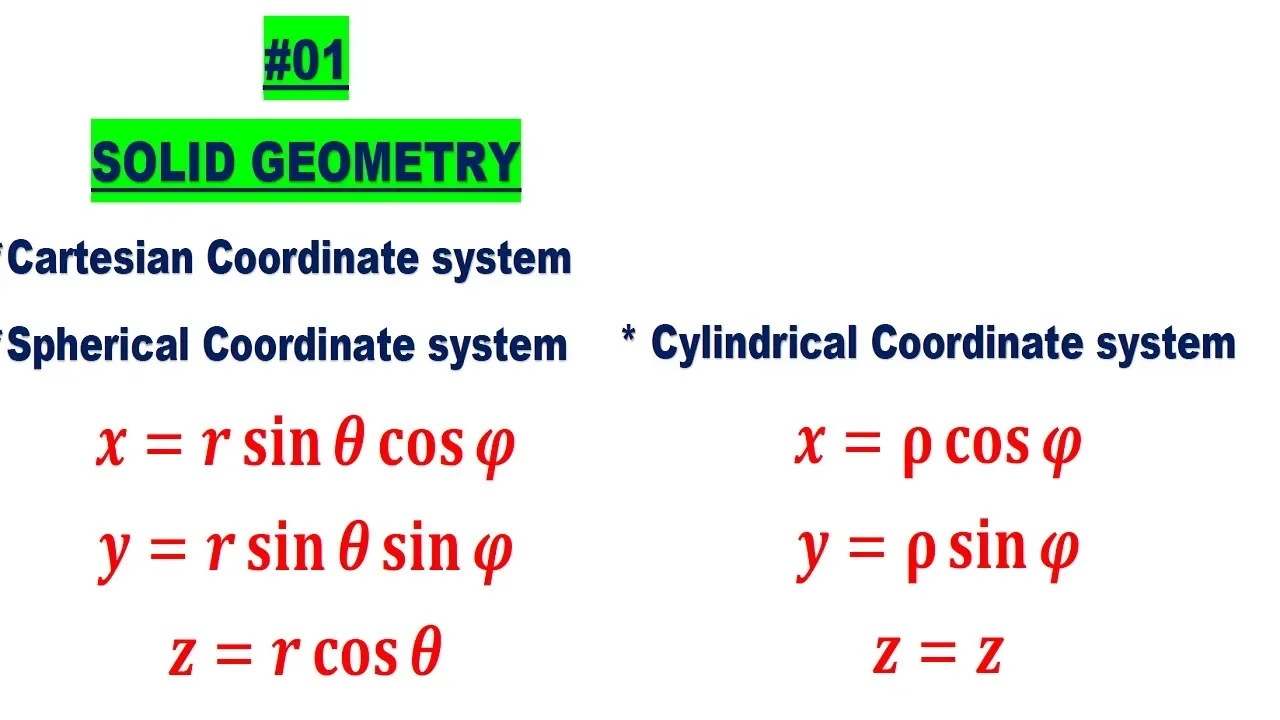
Understanding of Cartesian coordinate systems and 3D spatial representation (X, Y, and Z axes).
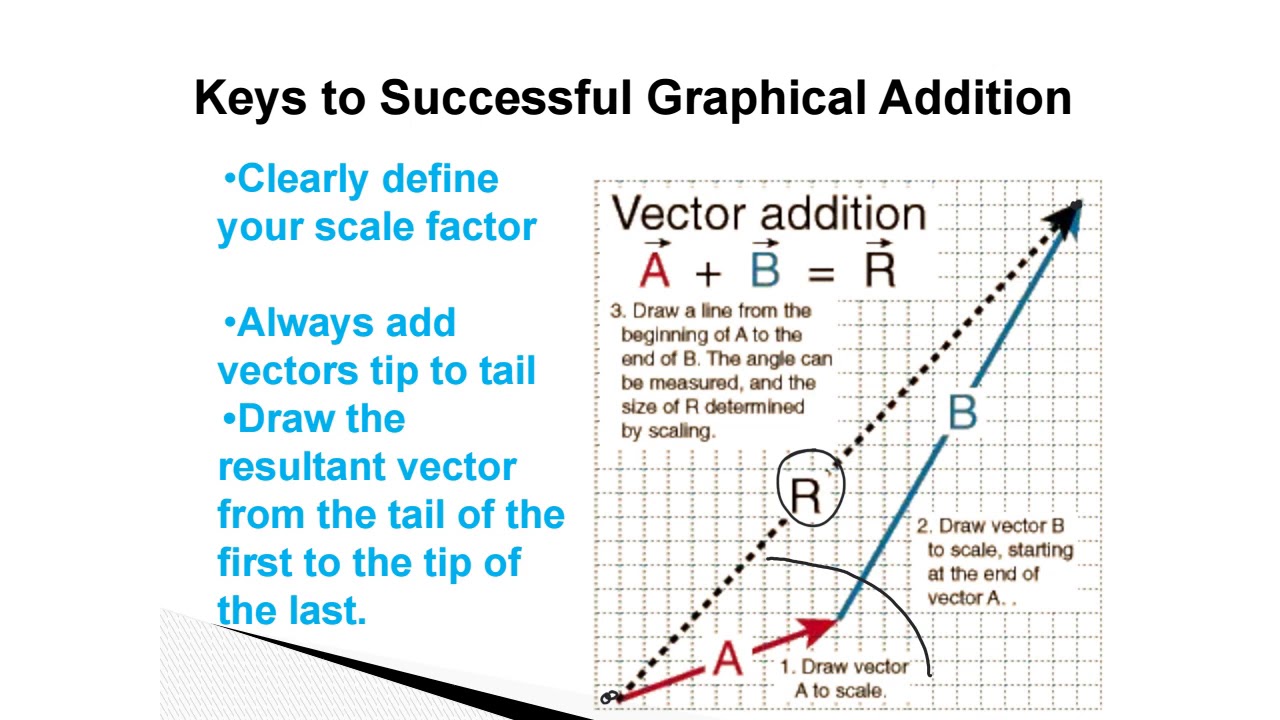
Elementary vector algebra and trigonometry for calculating positions and angles.
A foundational introduction to what robotic systems are, including actuators and end-effectors.
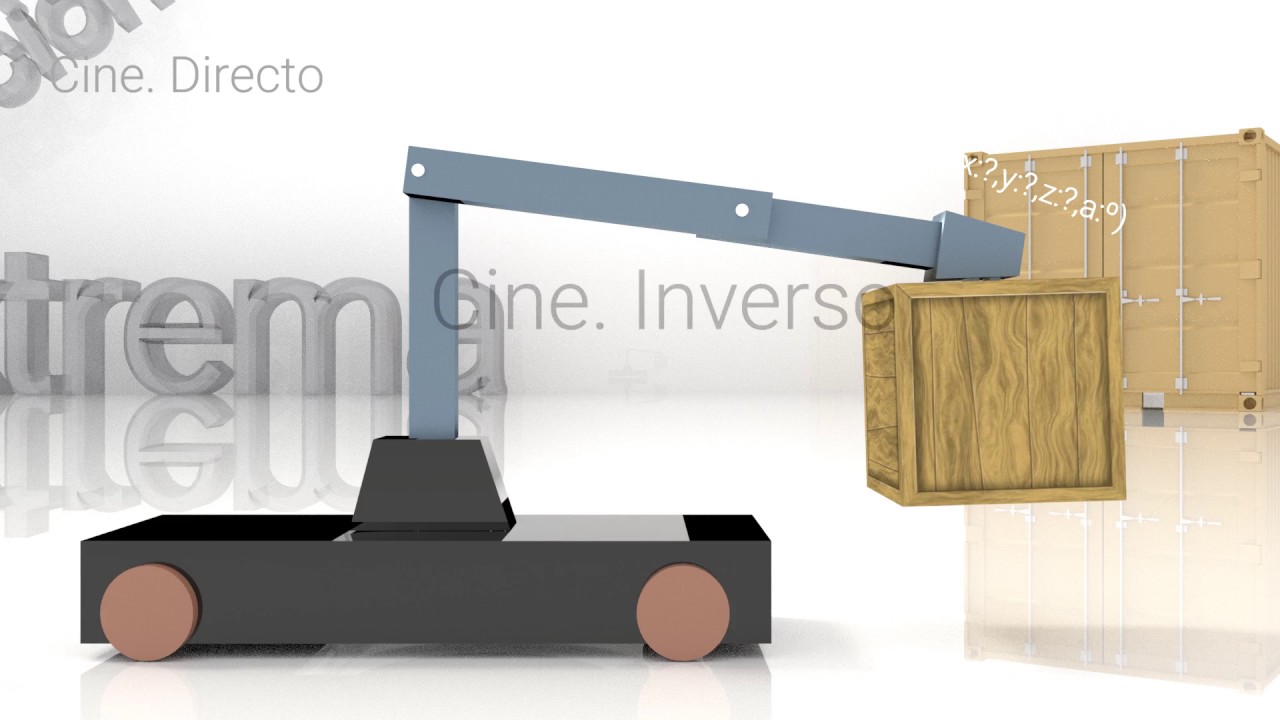
Forward and Inverse Kinematics to calculate the position and orientation of a robot's end-effector.
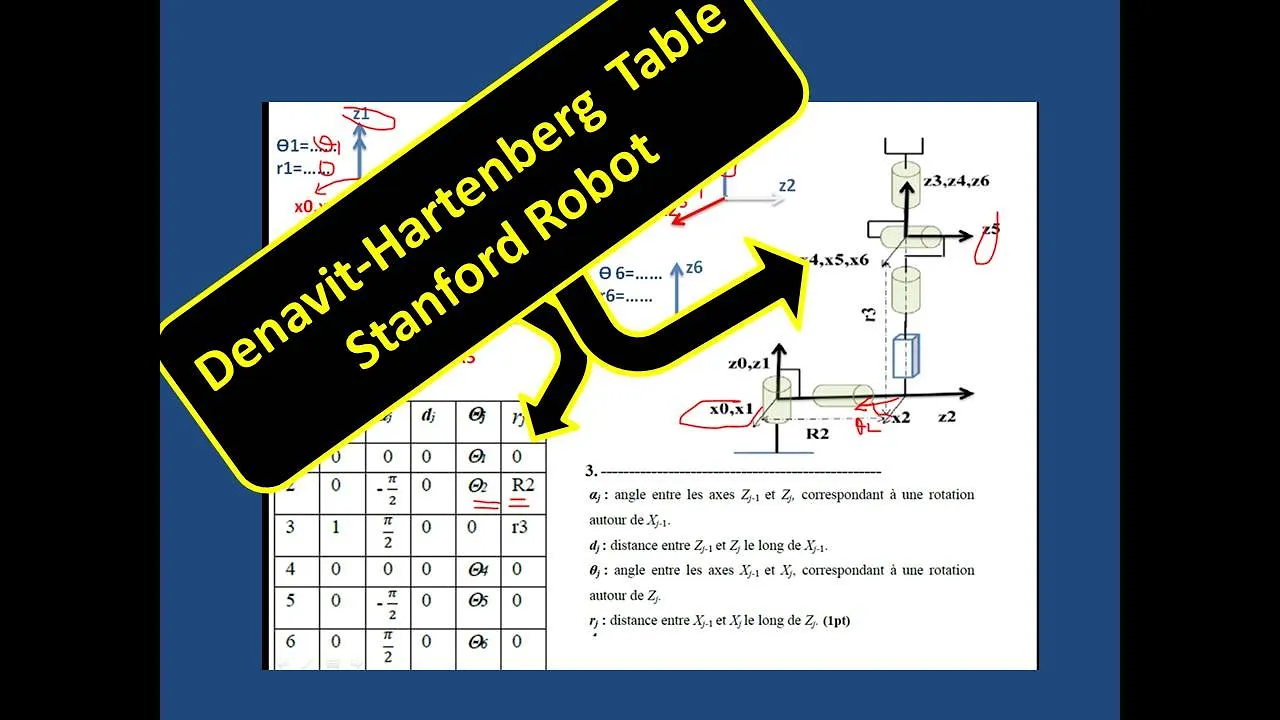
The Denavit-Hartenberg (DH) Convention for systematically modeling robotic link frames.
Robotic Dynamics, including the study of forces, torques, and the equations of motion.
Path planning, trajectory generation, and obstacle avoidance algorithms for robotic manipulators.
Practical programming and control of multi-axis industrial robotic arms.
4.8K views64likes6:25Original Release: 2020-12-04
hello in this video i will explain some basic concepts of robotic systems such as joints and links the aims of the presentation are on the one hand to formally define joints and links of an articulated system in addition to this i will explain concepts associated to those systems such as the degrees of freedom and their mobility later i will explain the most common joint types in used in robotic systems and analyze the most important ones such as the case of prismatic and revolute joints a link is a movable rigid element within an articulated structure robot a reference frame can be associated to a link so that any point belonging to the link can be expressed relatively to its reference frame on the other hand a join is an element that connects two links joins can be activated but they can be also free in movement or their movement can be induced or inducery by the movement of other joints in addition to these joints constrain the movement of links in one or more directions also called degrees of freedom of the joint so the unconstrained motion refers to a rigid body that freely moves in a 3d space this motion is defined by three position variables and three independent orientation variables two widely used concepts are degrees of freedom and mobility of an articulated system the degrees of freedom are the numbers of position and orientation variables that define the motion of an articulated system while on the other hand the degrees of mobility are the numbers of elements that can move independently usually referred as the number of motors of a robotic system the mobility analysis of an articulated robotic system will depend on the number of links l including or including the fixed link as well as the number of joints j in this case and the degrees of freedom for each of the joints f i following the mobility formula shown here in the case of a coplanar motion the mobility formula is limited to a maximum of 3 degrees of freedom per link here we can see we can see two simple cases of an articulated system in the first case the total number of links including the fixed link is eight number from zero to the number eight in this case on the other hand the total amount of joints for this particular robot arm is seven each of them with a single degree of freedom so f i is equals one therefore the mobility of this robot is seven on the other hand in the four bar mechanism below the number of links is four as well as in this case the number of joints again each of these joints has a single degree of freedom mobility also so also f i equals one and therefore in this case the mobility for this robot is one this leads me to introduce what our most common joints that we can find in a robotic system as you can see the ball joint or spherical joint allows three degrees of freedom all three defining the relative orientation between links a planar joint on the other hand allows two degrees of freedom both on position and position variables but here in the in the animation you can see also that the joint can rotate so some planar joints can be considered as 3 degrees of freedom so just mean minor consideration the cylindrical joint has two degrees of freedom but in this case one or this one allows changes in the position of an axis and also in another uh the other degrees of freedom uh it's affecting to the orientation on the other hand we have joints that they have one single uh degree of freedom this is the case of prismatic and rebel joints as you can see in animations and in fact these are the most common joints types that we can find in many robotic systems and this is the reason why we'll study their characteristics later i also would like to mention uh the current join that allows one degree of freedom and this type of joints are used within universal joints in pairs allowing two degrees of freedom to transfer the motion from one axis to another axis with a different orientation as i mentioned prismatic and revolute joints are the most or the most widely used in robotics so in this table i showed the most relevant characteristics of each of them though revolute joints are in fact the ones that are mostly used in robotics partially because they're cheaper they are lighter and they allow up to six degrees of freedom to be controlled and that's the reason that's why they are vastly used in industrial applications prismatic joints are used basically in cartesian robots and the main advantage is that their inverse kinematics is very simple but only allows to control a maximum of 3 degrees of freedom corresponding to the position prismatic joints are usually denoted with the letter p while revolute joins are usually denoted with the letter r well in this video i have explained some basic concepts of robotic systems such as joints and links i have also introduced concepts of widely used concepts such as degrees of freedom and degrees of formality different joint types thank you very much
Up Next

24:08
Introduction to Robotics: Coordinate Systems and Forward Kinematics
@nikolauscorrell
264 views•2023-10-11

58:25
MathWorks Virtual RoboSub Simulation Environment | Webinar 2026
@RoboNationInc
209 views•2026-03-10

11:04
How to Build a Self-Balancing Robot: Arduino Nano & MPU6050
@easytechzones
16.8K views•2022-03-09

25:22
Micromouse: The Fastest Maze-Solving Robots on Earth
@veritasium
23.5M views•2023-05-24
Related Study Plans & Knowledge Roadmaps
Structured learning paths in Robotics
robotics
Building Delta Robots: Kinematics & Pico
01Foundations of Delta Robots & Mechanical Design
02Electronics and Microcontroller Setup with Pi Pico
03Delta Robot Kinematics and Coordinate Math
+ 3 more learning modules
65h6 modules
Explore Roadmap
robotics
Building Ballbots: Dynamics, Kalman & LQR
01Embedded Electronics & Omniwheel Actuation
02Ballbot Kinematics & Rigid Body Dynamics
03IMU Sensors & Kalman Filter State Estimation
+ 2 more learning modules
42h5 modules
Explore Roadmap
robotics
Micromouse: Hardware, PID Control & Flood-Fill
01Electronics & Teensy Microcontroller Basics
02Sensors and Actuators: Motors, Encoders & IR
03Precision Movement: Implementing PID Control
+ 2 more learning modules
35h5 modules
Explore Roadmap
robotics
CDPR: Kinematics, Arduino & Winch Control
01Foundations of Arduino & Basic Electronics
02Stepper Motors and Winch Mechanics
03Kinematics of 2D Cable-Driven Robots
+ 2 more learning modules
28h5 modules
Explore Roadmap