















![Hablemos Sobre Música... [Blue Archive]](https://i.ytimg.com/vi/PD-t4ZTZVZQ/maxresdefault.jpg)



![Звукозапись без пафоса - каналы, шины, посылы [Роутинг в DAW]](https://i.ytimg.com/vi_webp/qFY9yhJEfsA/maxresdefault.webp)

Film composers analyze temp tracks by identifying chord qualities (major, minor, diminished, augmented, suspended) and recognizing modal sounds through characteristic half-step patterns; the key to ear training is learning basic triad formulas (major: 1-3-5, minor: 1-b3-5, diminished: 1-b3-b5, augmented: 1-3-#5, sus4: 1-4-5, lydian: 1-#4-5) and memorizing mode formulas (Ionian, Dorian, Phrygian, Lydian, Mixolydian, Aeolian, Locrian) to recognize modal sounds by their distinctive half-step locations, enabling composers to understand and replicate the musical language of famous film scores.
Film Scoring Techniques: Ear Training and Music Theory for Composers
Added:Basic music notation reading, including treble and bass clefs, note values, and time signatures.
A foundational understanding of major and minor scales, as well as how key signatures function.
The fundamentals of intervals (such as thirds, fifths, and octaves), which are the building blocks of triads.
Introductory ear training, specifically the ability to identify simple intervals and basic rhythmic patterns by ear.
Advanced harmonic concepts, such as modal interchange, chromatic mediants, and non-diatonic chord progressions common in cinema.
Orchestration and instrumentation, focusing on how to distribute triads and modal harmonies across different sections of an orchestra.
Thematic development and leitmotif techniques to align musical progressions with character arcs and narrative structures.
Scoring to picture, including the practical synchronization of music to film cues, hits, and SMPTE timecode.
DAW integration and MIDI sequencing, translating physical or mental transcriptions into realistic virtual instrument mockups.
258.5K views8.9Klikes20:42Original Release: 2017-07-10
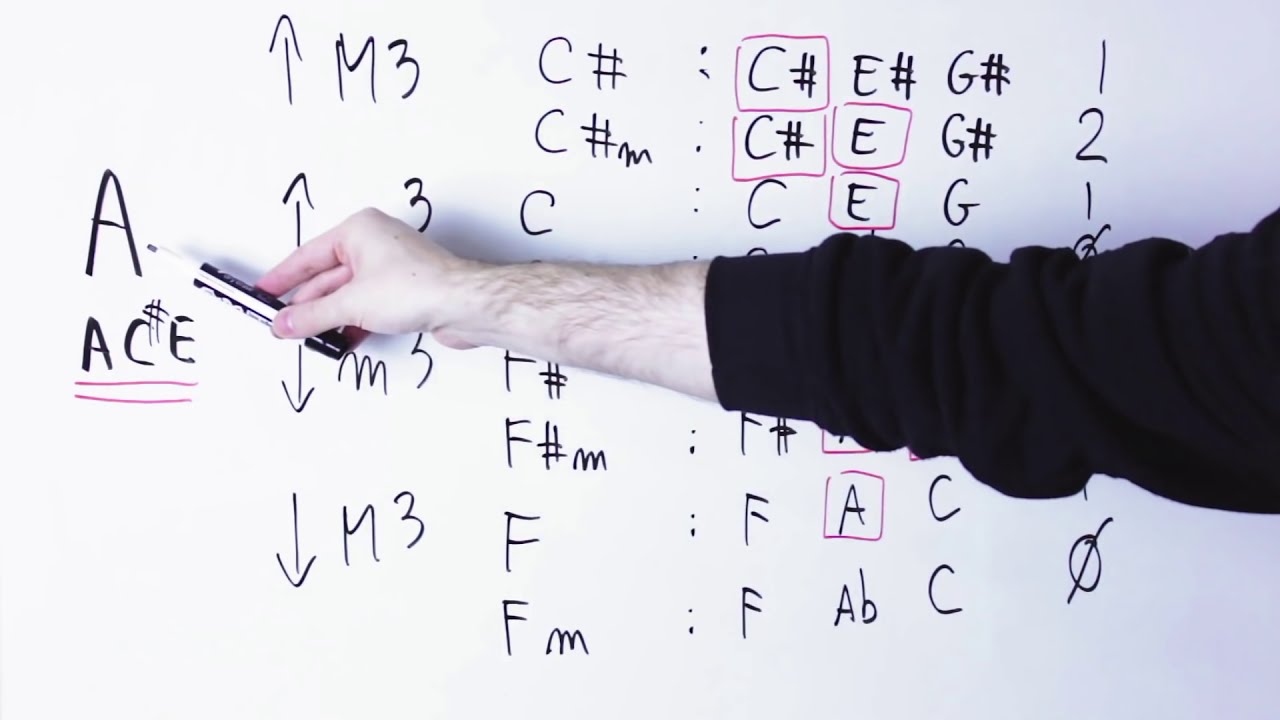
hey everyone I'm Rick biato today's Everything music is called film scoring what the pros know that you don't step one that's the first thing they do thank you very much okay I'm ready to go most films when presented to the film score from the director are accompanied by a temp track a temp track is essentially the movie with a temporary score and that score can be with a classical piece already put in there it can be another film composer piece that they want it to sound like a temp track could sound like [Music] this okay that was Kings Row by Eric corngold this is an old movie soundtrack that George Lucas could have potentially put on the intro for John Williams to mimic and so John's listening to it he says okay this is what he wants he wants a Fanfare brass Fanfare like this and I need to mimic that so the first thing to do if you can't find the score is figure it out by ear you may say to me Rick I can't figure it that that out by ear that's way too difficult well you need to start with simpler things so we're going to actually just start by figuring out some basic chords okay how do you actually go about figuring something out if your ear is not that developed there's a few techniques that we're going to Ed in order to find all the notes I have a cue that I was just listening to in the car from a movie called in the heart of the Sea by ro BOS I believe his name is and the cue is called the story is told I just pick three chords right in a row that sound like [Music] this really beautiful now the first thing I have to do is figure out the very first chord so I'm going to isolate that D now have to find the first note I'm GNA take a guess okay see da is a perfect fifth interval so I know it's going from C to G there but really the first place you want to start is what is the bass note you want to listen to the bass notes and I hear this I can tell it's a minor chord that should be something that uh is is like you find the quality of the chord first I'm like okay it's a minor chord and and I hear those the I hear the low C and then I hear this [Applause] C so I'm thinking like okay it's it's probably a c min and then I just I play C minor play it down low that kind of sounds like it right there my strategy was this play the root okay I know that note is way down there in that c that low C and then it sounds full in the bottom end so I'm going to assume maybe it's a spread Triad and try that and put that c at the top of it and I listen to it that that's it identically so it's c g e flat C and it goes and he adds the G to the chord so right like that I figured out what the first starting Melody note was find the most obvious note you can hear find it and if there's two notes da da sing them and then say is it a major minor chord I knew it was a minor chord okay so it's probably C minor and I listen for the bass note yep I heard the bass notes as C minor so I played a C minor down here now that's not it or could it be this could be that but it sounds really full in the bottom and usually when it sounds full a lot of times in string writing you'll have those spread Triads down low so c g e flats and I put the C there and I listen to it oh that's it identically you can hear it and then I add the G there so the next thing we're going to do is look for the next chord B I can hear that bass note find the bass note BM and I hear C up to the minor third E flat so that's the base note of the next chord so some type of EF flat chord most likely if the if the tune starts in c minor it's probably going to be an E flat major chord and I'm just using some theoretical knowledge um so the next thing I'm going to pick out I've got this and I I know that the goes up to that note a there and if I just play those two outer notes I was like okay that's a sharp four so is it possibly a lydian Triad or is there a spread Triad here let's listen to I hear that uh I hear that g that sounds like it so I'm just using some common sense and [Music] then so E flat B flat G A and then the a resolves up to B flat to make it E flat major [Music] again and that chord I can hear is moving up another whole step so there's an F in the root so the base line [Music] is and I have to figure out what the melody note [Music] is and I hear D I can hear that sus four on there I can hear it's and once again it's a spread Triad sus4 f c b flap so you've got in the base the bottom three notes are three spread [Music] tries beautiful so C minor spread Triad E flat major spread Triad F sus4 spread Triad which is F B flat and C but it's FC B flat voice like that so it goes to this note on the fs4 okay so you have a sus4 sus2 chord that's called the double suspension [Applause] okay so those will typically we will call that a 9843 or a uh this is 98 because it's the second or 21 second resolves to the root okay second is g resolves to F okay and the four resolves to three so it's a it's a 9843 [Music] suspension that's it's a very standard thing in In classical music when you're learning basic Counterpoint rules you'll find and you learn suspensions you'll learn about the 4-3 suspension that you every all of you know and the 98 suspension you put them both together really beautiful that's there's my queue uh they keep the same number of voices and then dear lydian [Music] so I've used a system to do this find the obvious Melody line get [Music] that then move to the bass note or you can start with the bass note either way I find the melody the easiest thing to hear you pick out first then go to the [Music] Baseline and then see if there are chord structures that you can actually hear is it a minor chord is it a major chord is it a suspended chord so you need to know these formulas of basic Triads because that a lot of the stuff is just going to be that simple it just sounds complex when you hear it with a full Orchestra so let's take a look at some basic triadic formulas okay here's your basic Triad formulas most of you know these major chord is 135 so in the key of C it's C EEG it's the first third and fifth note of the scale minor is one flat 35 so in C it'd be c e flat G because you're with a C minor scale first note third note and fifth note diminished Triad is 1 flat three flat five augmented Tri is 1 three sharp five so augmented and major related and minor and diminish related okay then you have the sus four a lot of people don't know about that one one four and five so in the key of C it' be C then up a fourth to F then to the fifth is G CFG and then the lydian Triad in the of C would be C the sharp four IS F sharp and then G is the fifth have to know these every other chord is pretty much built on these now we're going to figure out some actual chords real fast from some film scores this is a major chord well what major chord is that you guys know that it's Star Wars well it's B flat major so there's my a great example of a major chord so when you hear that you should instantly say that's a major chord because you have to start building a catalog of sounds and you have to be able to recognize them away from your instrument next we [Music] have a C minor chord that's from 2001 of Space Odyssey it's a rard Strauss piece called then spoke zarathustra next we have a diminished chord okay that chord is that's an F diminish chord but spread out over the orchestra and the strings and you should be able to recognize that that's just a basic diminish Triad I'm only going through Triads right now okay so we did major minor diminish and that you might recognize from Star Wars that's a voicing of a d flat augmented chord listen to it okay next we have this that is a suspended four chord or a sus four chord that is the third chord in the sequence from Sha Shank Redemption this is a different way this is Thomas Newman from Lemony Snicket and that is this so this is a d lydian but he's going he's starting on on the D and then he goes a G sharp so very different sound than that so here are some different lydian sounds John Williams Morel linear beautiful that's Thomas Newman oh that's another E flat lydian chord but voiced differently with the B flat in the base and it's got a second inversion E flat major chord there so B flat E flat G then a B flat E flat a there's also a g in there so it's a huge chord voice in the orchestra it's a really really beautiful beautiful powerful linean voicing that's different from the other one that's very Lush and low in the strings with that spread Triad in the bass for some of the chords when you get into more extended chords that have more notes of them you need to know your modes today we're only going to talk about modes of the major scale and you need to memorize the formulas you have ionian Dorian frian lidian mixeli aolian locan everything here is based off the major scale formula being 1 2 3 4 5 6 seven you want to know where the half steps are in the scales because they're made up of whole steps and half steps the modes of the major scale because that's really where the sound of the scales happen that's where you start to recognize it so in the ionian mode there's AEP half step here between the third third and fourth scale degree and really between the seventh and eighth the leading tone so in the key of C you have E and F and B and C okay in the Dorian mode you have a half step here these are really crucial to memorize and you have a half step here between six and seven okay that sixth is a really important sound that will give you the Dorian flavor frian between one and two okay in between five and six all of these only have two spots where they have a half up lydian between sharp 4 and five between seven and 8 okay we know that lydian sound is that sharp four sound mix a lydian between three and four like the major scale but then between six and flat 7even okay these are the important notes that give the sound of the mode aolon between two and three because it's a minor scale and between five and flat six that flat six is the sound of veon locan between the flat the one and flat two and between the four and flat five everywhere else are whole steps these are the things you need to memorize with the formulas in order to know what the sounds are so let's take a listen to a modal chord progression okay now that is that is a great example of listen to it Dorian okay okay so instantly I recognize that Ray six because I'm looking for those half steps in the mode that that Define the sound of the mode so you hear this you hear this then you hear this it's beautiful [Music] sound what you need to be able to do is when you hear a chord like this sing the chord scale that's the quickest way to figure figure out what it [Music] is when I hit that when I hear that sixth note and I know it's from there to to the next note is a half step I know it's the Dorian mode that Ray sixth is what gives you the clue to that and you can do that just by hearing that [Music] chord Dorian sing the chord scales that's how you're going to determine what they are [Music] [Applause] instantly you don't need to have perfect pitch to be able to do this if you have a chord like this it's even more [Music] dense I hear that sharp four to five and I hear that uh seven to eight so I know it's an Ayan scale that's an aydian scale if I have a chord like this and I hear [Music] that I know that's an aolon scale because I've memorized what those scale degrees are one two flat 3 four five flat six flat 7 just need to be able to sing the scale and recognize what you're saying singing now I've done a little fun thing here going back to the beginning of the video about temp music I took a couple John Williams and Eric corngold pieces together just for fun for you and I merged them together free to check [Music] [Applause] out [Applause] [Music] that's a little medley I put together okay listen to it again that's Eric corn gold John [Music] Williams John Williams Eric corn gold back to John Williams now I actually pitch changed them a couple of those a half step but when I put them up against each other you can't really tell the difference from one when one ends and the other begins now you might be saying oh John Williams just stole this I guarantee you that the directors of these either George Lucas or Steven Spielberg whoever Richard Donner that did Superman had temp music with those exact pieces whether it was the planets like I said or or the corn gold piece they had them in there and they already had it in their mind they wanted to hear something exactly like that and he gave them what what they wanted John Williams is arguably the greatest film composer of all time and one of the greatest orchestrators of any time really so don't uh think that oh JN just steals these things at all that's not the case he's doing his job he's doing exactly what the directors want what they're looking for and making these things kind of close to these because that's what they expect it's almost like having demoitis we call it in the production field people listen to something so many times they got this temp music on they can't imagine anything else so if he doesn't write something really close to it they're not going to like it John built his career though on knowing the Masters he really understood all these different composers from all different genres and composers like Hol and Von Williams and chowski and Mer and corn gold and Alfred Newman vber sherberg he knows when he hears this he knows what that is that's trinsky the right of spring and he [Music] knows John Williams knows that chord instantly he knows it's E flat 7 with G in the base right in uh first inversion over F flat major or E major listen to [Music] it [Music] we're going to be doing more on film scoring getting into line writing Motif development and electronic music how to build those Han Zimmer kind of tracks how to build those Thomas Newman tracks that use synthesizers and what types of plugins we're going to use for those we're going to be doing more of that in my upcoming film scoring series that's all for now please subscribe here to My Everything music YouTube channel and if you're interested in the Bato book which has all these the all the modes how they work together and some some of the other modes we haven't even talked about yet the modes of the melodic Min harmonic minor scale and auxiliary scales go to rick.com and you can purchase it there thanks for watching
Up Next
9:29
Melody Writing for Beginners: Composition Tools & Techniques
@PianoVideoLessons
12.6K views•2017-01-10
20:08
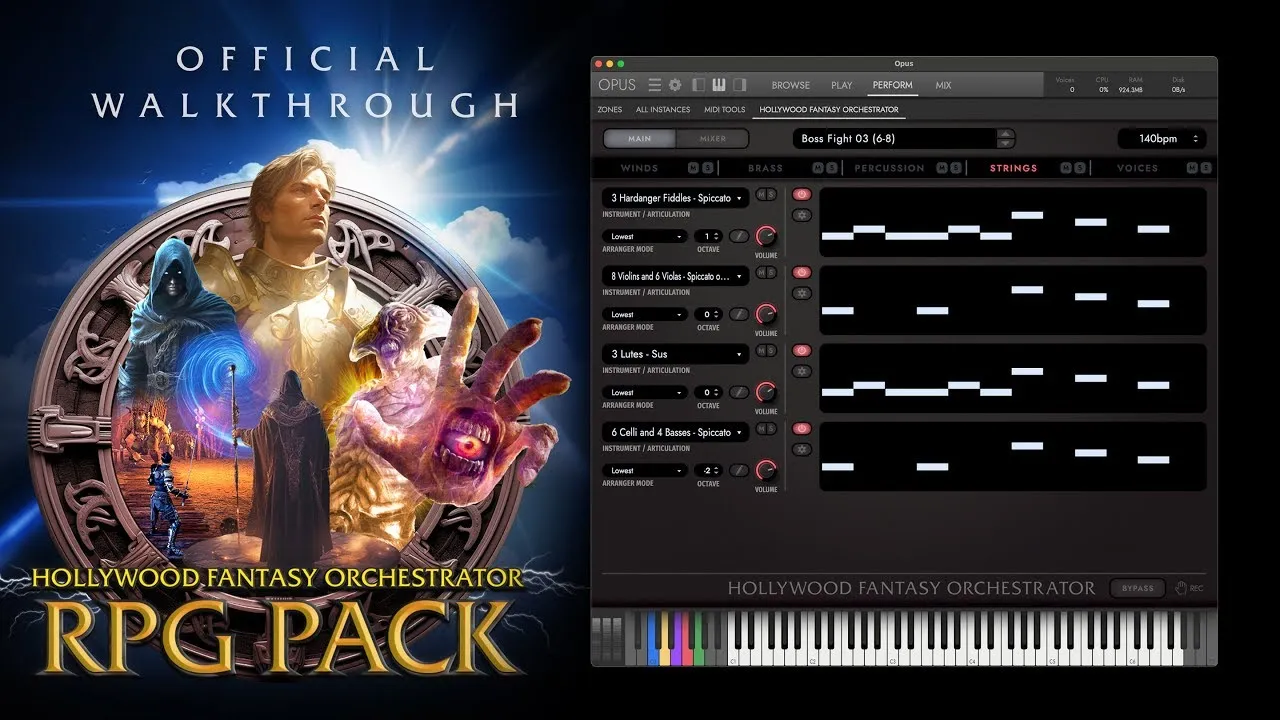
Hollywood Fantasy Orchestrator RPG Expansion Pack Tutorial Walkthrough
@HighResolutionJapan
1.1K views•2024-03-08

9:49
FastAPI vs Flask vs Django: Choosing the Right Python Web Framework
@TechWithTim
302.5K views•2024-05-26

1:42
Game of Thrones Opening Credits: A Cinematic Analysis
@gameofthrones
46.3M views•2011-04-18
Related Study Plans & Knowledge Roadmaps
Structured learning paths in General & Interdisciplinary Studies
general-studies
Containerization: Evolution, Logistics & Trade
01Ancient Trade & Bulk Cargo: Amphorae to Barrels
02The Industrial Revolution & Cardboard Packaging
03The Containerization Revolution: Malcom McLean
+ 2 more learning modules
12h5 modules
Explore Roadmap
general-studies
Textile Tech: Evolution, Labor & Global Impact
01Pre-Industrial Textiles: Handloom & Cottage Industry
02Mechanization: The Spinning Jenny to the Power Loom
03The Factory System & Global Labor Transformation
+ 2 more learning modules
10h5 modules
Explore Roadmap
general-studies
Pharmacology: Botany, Patents & Biopiracy
01Foundations of Ethnobotany & Traditional Medicine
02The Birth of Synthetic Chemistry: Aspirin & Penicillin
03The Battle Against Malaria: Quinine to Artemisinin
+ 3 more learning modules
12h6 modules
Explore Roadmap
general-studies
Writing Surfaces: Papyrus, Parchment & Paper
01Ancient Foundations: Clay, Stone, and Egyptian Papyrus
02Parchment, Vellum, and the Rise of the Codex
03The Chinese Rag Paper Revolution and the Silk Road
+ 3 more learning modules
9h6 modules
Explore Roadmap