

















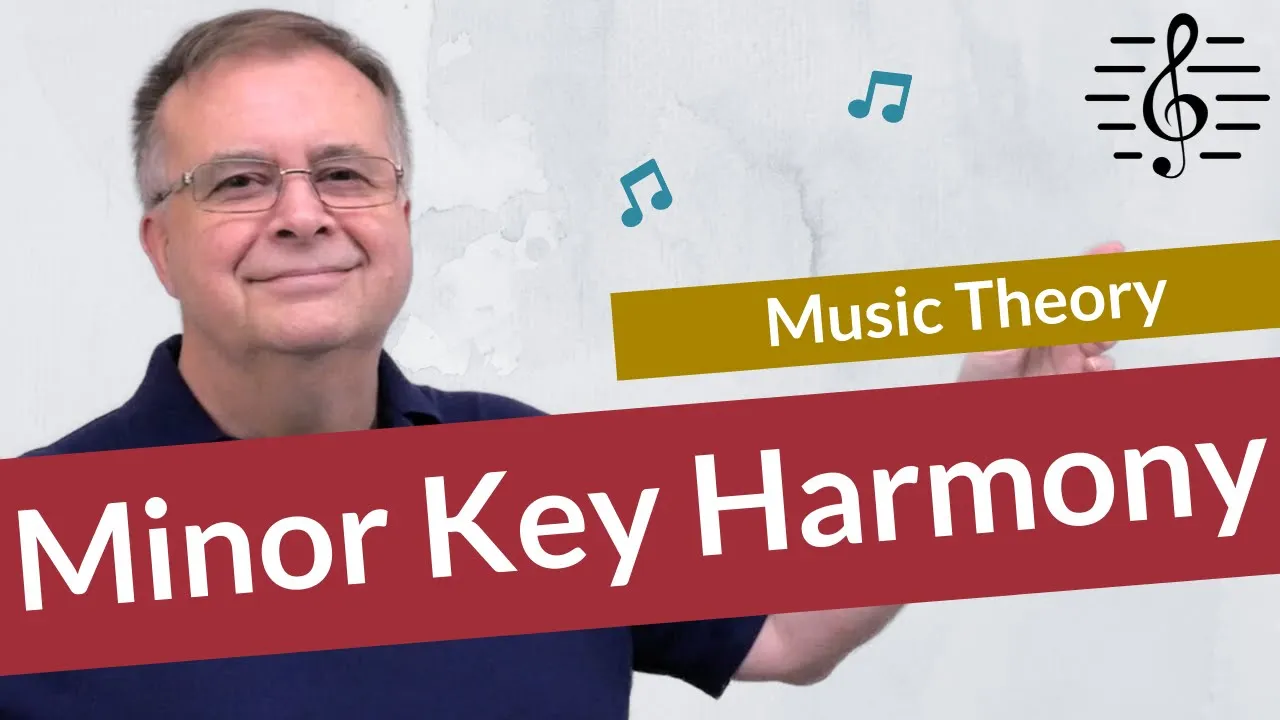

This lesson teaches four fundamental techniques for creating melodies: (1) Motive - a small group of notes with rhythm that serves as the foundation; (2) Repetition - playing the same motive again to create familiarity; (3) Sequence - transposing the motive to a different starting note while maintaining the same pattern; (4) Retrograde - playing the motive backwards. These techniques help composers develop interesting melodies by manipulating a core musical idea, and beginners can practice by writing their own motives and applying these transformations.
Melody Writing for Beginners: Composition Tools & Techniques
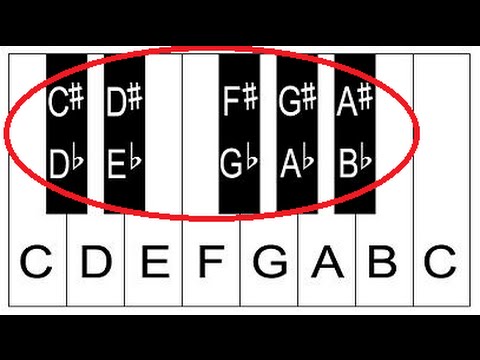
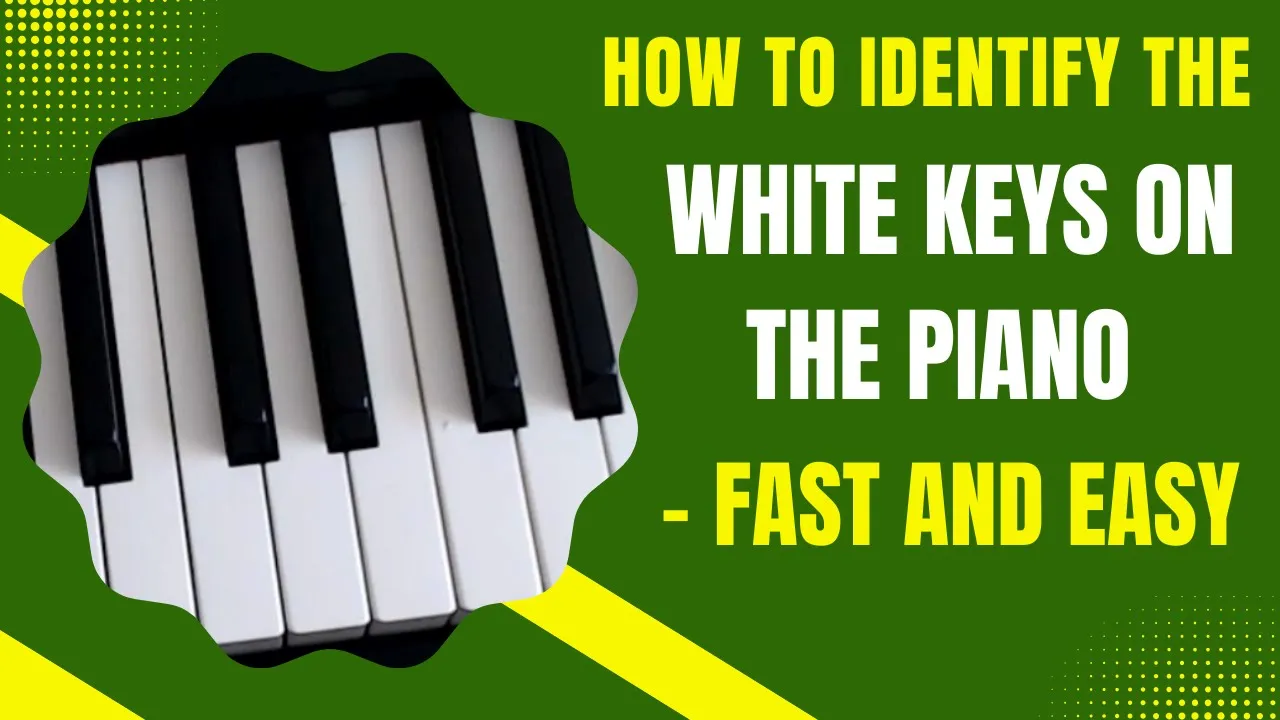
Added:Basic keyboard geography, specifically identifying the white keys on a piano and locating the note C.
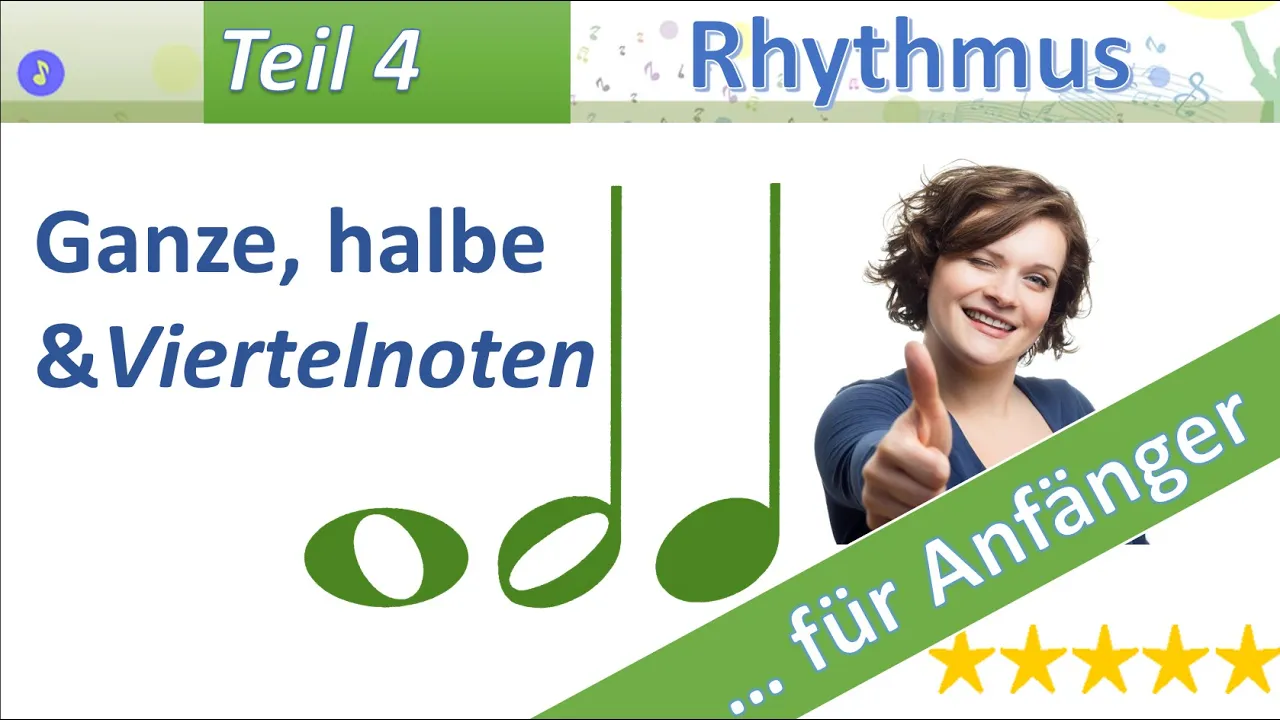
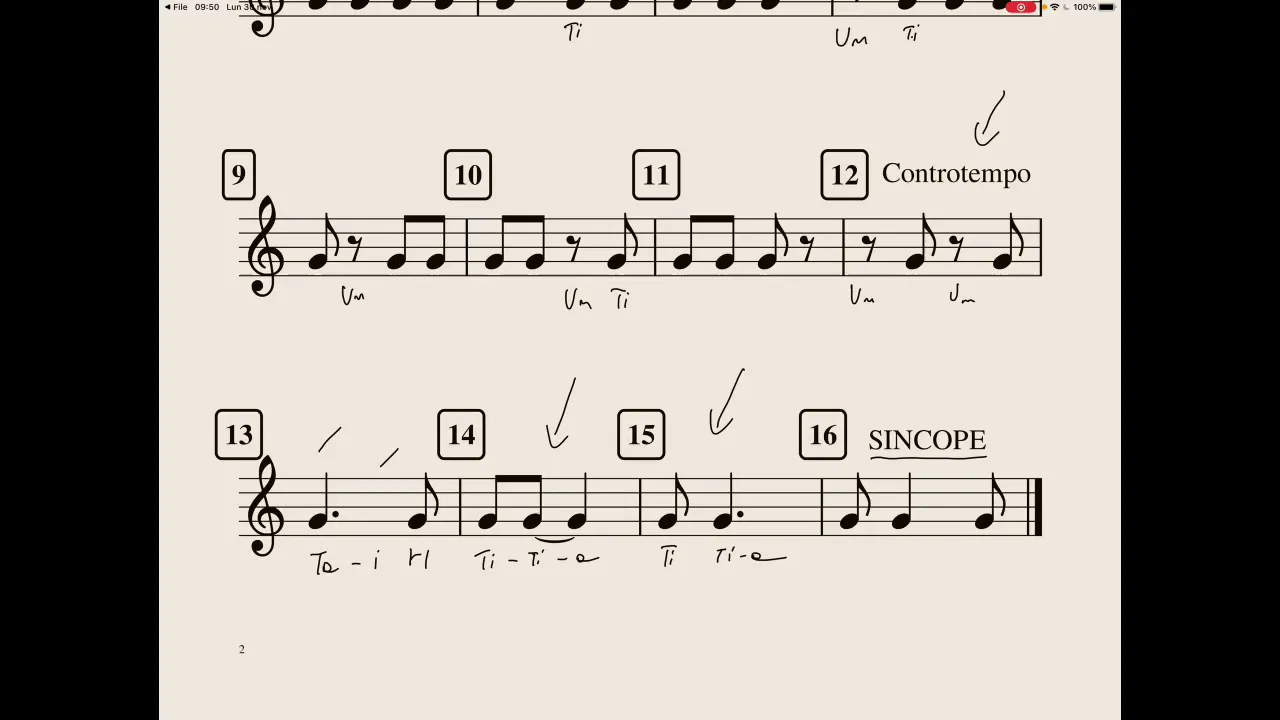
Fundamental rhythmic notation and concepts, including understanding beats, measures, and basic note values like quarter and half notes.
The basic concept of a musical scale as a consecutive sequence of pitches ascending or descending.
How to harmonize a melody by adding simple left-hand chord accompaniments using primary triads.
Expanding melodic composition to full seven-note diatonic major and minor scales to introduce tension and resolution.
Utilizing advanced thematic development techniques such as inversion, interval expansion/contraction, and rhythmic augmentation/diminution.
Structuring melodies into standard phrase structures, such as antecedent-consequent (question and answer) formulations and basic song forms.
12.6K views211likes9:29Original Release: 2017-01-10
welcome to piano video lessons year 1 Unit 4 first a big thanks to my patrons for your continued support click the info card to find out more about the benefits of becoming a patron in today's lesson we're going to learn to write Melodies and some of the tools that composers use to make Melodies sound interesting this is video number 62 on YouTube and it's lesson 14 of unit 4 at panov video lessons.com if you want to come on over to the website you can find all the lessons there in our last lesson we learned a piece called on dontino by Coler and I'm just going to reference this a tiny bit when we talk about Melody writing so when we write music We tend to use notes that go together so if we're playing in the key of C we're going to use those notes from the key of C we're not going to play an A flat or an E flat or a C sharp we're going to stick with the notes that work in that key um and so when we build the scale the reason we do these is that it gives us a good foundation for forming um Melodies it's a good our hands are used to those nodes we can grab a good bunch in there um if we look at how composers create music what they usually do is they take a kernel tiny piece of music within some little group of notes like the C Penta scale and they create an interesting sound um could be as simple as that well it's not so simple it's quite interesting actually um and then they do things to it like they repeat [Music] it and then they might do something like oh I'm going to play it again oh what did I do it's the same Rhythm oh I moved up a note I was here in my regular C position and then I moved up one so that made it the same sequence of notes only just move to a different place um I could I could do something where I I could do something where I play it backwards that's forwards um could do that it's backwards but it fits they go together so composers do this all the time so and they have little names for them and they're kind of the words I just used so the first thing that you make is a motive this was is my motive there it is it's just some notes from the C Penta scale with rhythm and then uh Coler did that here he made a motive that's the first motive of the piece okay then you could do something like take your motive and move it over or no play it again you play it again yeah um and Coler did that here remember in this uh third line we took this and we played it again but we can also move it over so this when I moved it over I moved it up one note to D and Coler did that as well he took this melody here and if you just put your thumb on D and play that again you see it's identical it's just been moved over we played it with different fingers the first time because we didn't want to move our hand for no apparent reason but uh it fits just trans osing it in fact it's not truly transposed it's shifted and it's the sequence of that first original uh motive and then I tried something where I played backwards that's just kind of fun to do you just take all the notes and reverse the order um I don't think that happens in Coler if you happen to see it you can let me know I didn't notice it I mean maybe here and then back down but not so much um if you notice some retrograde it's called retrograde means backwards retro in the 80s things were retro because they're backwards back in time so retrograde means the music is being played backwards like we're rolling time in Reverse so that's just another Technique we can use so this piece of paper that came with your lesson is useful for writing down your ideas and you can change them around trying them different ways so I've given you room to write two different motives um I wrote 1 2 3 4 1 2 3 4 we could try that one sure so I have t on E and then I have TT I wrote the wrong note because I'm talking uh the next TT is going to be EF right those eighth notes t t t t so it went down to e again T quarter note T quarter note these words t t t t they're rhythmic sounding words that we can use to help us reference The rhythms we're using because quarter 28 quarter quarter doesn't make the same sound as the Rhythm but t t t t ta uh does do that and then one 2 3 4 just a nice long whole note there so that's the motive that I wrote and I could do a repetition of that so in order to repeat it really I'm just going to write the same note again that I just wrote identically to what I just did kind of boring but you know if I was writing a piece of music for you to read I'd have to write it again so here I have 1 2 3 4 1 2 3 4 1 2 3 4 1 2 3 4 now for the sequence I'm going to start on F so I'm starting on the same note and you can use your knowledge of intervals here to rewrite this using the same pattern so this note repeats itself so with this first eighth note is the same note that I'm going to go up a neighbor so I'm going to go up to G and that's a TT then I'm going to go back to the note I started on which is f and then I'm going to go down one note which will take me to e and then I'm going to go down one note just going to take me to D so this little pattern now has f one 2 3 4 and now to reverse it um I was playing it faster than four beats before but let's hold it for four 1 2 3 4 and then let's write this note T quartern note f t quarter note oh I'm doing this in retrograde and sequence do you see that what did I just do I'm not using my original motive to put this retrograde in I haven't not played this yet o I wonder how it's going to sound all right so what I'm doing is I'm just writing everything backwards so I started with this one then I went to this one this one these two and this one now if I was doing a true retrograde or simple retrograde I would have gone back to my original motive and written that one backwards I would have written 1 2 3 4 and then t t t t t that's kind of weird playing things backwards but let's go ahead and try the one I've written here 1 2 3 4 t t t so the sequence 1 t t t 1 2 3 4 1 2 3 3 4 1 2 t t this is the retrograde of our sequence so there's room here for you to write experiment with your own Melody and then you can write another one um we could take one of the things from the colar piece and use that uh what could we try um we've got this one and we could repeat it we could play it in sequence and we could play it in retrograde which would just be 1 2 3 m so in this section here come up with your own little Melody and write it again as a repetition write it in sequence by moving it to a new starting note now I just moved it up one note you can move it up two notes you know you can move it up just to any old note preferably one that's in the key you're playing in and here we're in the key of C we don't have to worry too much about that just stay on the white keys and then you could try it in r Rog grade so whatever you play play it backwards all right so that helps you understand Melody writing and next we're going to talk about the full major scale we talk a lot about these pent scales because we really just wanted to get our fingers exercised but you'll remember when we played through the Hannon exercise we kept on going we didn't just use cdfg and this is called this key of C major we've used all of the notes all eight different all seven different notes with eight all together and we're going to create the major scale in our next lesson and then we're going to use it um in our finger gem to get deess at playing through major scales with all of our fingers all right so if this lesson was helpful please click like And subscribe for more piano video lessons and I hope to see you in the next lesson thanks for watching
Up Next

80:33
Bach: The Art of Fugue, BWV 1080 — Marta Czech Performance
@MartaCzech120
1M views•2022-09-28

12:54
Triumph of Orthodoxy Icon: Byzantine Art & History Explained
@BenCallan
2.1K views•2024-08-06

9:49
FastAPI vs Flask vs Django: Choosing the Right Python Web Framework
@TechWithTim
302.5K views•2024-05-26

1:42
Game of Thrones Opening Credits: A Cinematic Analysis
@gameofthrones
46.3M views•2011-04-18
Related Study Plans & Knowledge Roadmaps
Structured learning paths in General & Interdisciplinary Studies
general-studies
Elevator Engineering: History, Physics & Cities
01From Hoists to Safety Brakes: The Dawn of Vertical Lift
02Hydraulic vs. Traction: The Engineering Physics of Elevators
03Modern Speed, Safety, and Algorithms
+ 2 more learning modules
12h5 modules
Explore Roadmap
general-studies
Rubber: Material Science, History & Geopolitics
01Origins of Natural Rubber & Mesoamerican History
02The Chemistry of Natural Rubber & Vulcanization
03The Geopolitics of the Rubber Boom & Colonization
+ 2 more learning modules
12h5 modules
Explore Roadmap
general-studies
Containerization: Evolution, Logistics & Trade
01Ancient Trade & Bulk Cargo: Amphorae to Barrels
02The Industrial Revolution & Cardboard Packaging
03The Containerization Revolution: Malcom McLean
+ 2 more learning modules
12h5 modules
Explore Roadmap
general-studies
Textile Tech: Evolution, Labor & Global Impact
01Pre-Industrial Textiles: Handloom & Cottage Industry
02Mechanization: The Spinning Jenny to the Power Loom
03The Factory System & Global Labor Transformation
+ 2 more learning modules
10h5 modules
Explore Roadmap