

















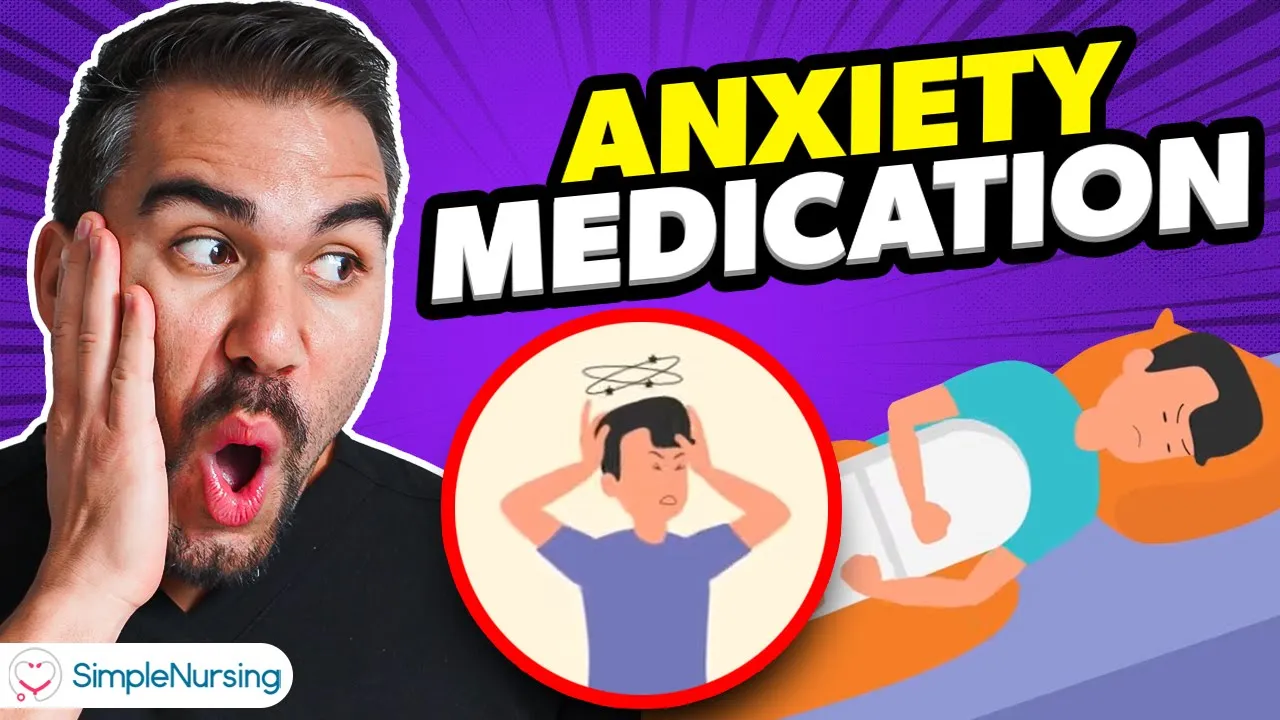















Benzodiazepines are central nervous system depressant medications ending in -zepam or -zolam (e.g., Xanax, Ativan, Valium, Klonopin) that work by enhancing GABA receptor activity to produce calming effects; they are primarily used for anxiety, panic disorders, muscle relaxation, and alcohol withdrawal (Lorazepam/Ativan), but require careful monitoring for respiratory depression, hypotension, and sedation, with nursing considerations including gradual tapering to prevent withdrawal, avoiding alcohol/CNS depressants, implementing fall precautions, and having flumazenil as the antidote.
Benzodiazepines for Nursing Students | NCLEX Pharmacology Guide
Added:Understanding of the Central Nervous System (CNS) anatomy and basic neurophysiology.
The role of Gamma-Aminobutyric Acid (GABA) as the primary inhibitory neurotransmitter in the brain.
Foundational principles of pharmacology, including receptor binding, agonists, and antagonists.
The nursing process framework (ADPIE) for planning patient care and interventions.
Comparison of benzodiazepines with other sedative-hypnotics and anxiolytics, such as barbiturates and buspirone.
Management of benzodiazepine withdrawal, dependence, and the implementation of safe tapering protocols.
Advanced emergency nursing interventions for drug toxicity and the clinical administration of the antidote flumazenil.
Clinical application of benzodiazepines in specific protocols, such as the Clinical Institute Withdrawal Assessment for Alcohol (CIWA-Ar).
80.2K views1.9Klikes5:22Original Release: 2023-03-30
Let's talk about benzodiazepines. You may hear them referred to as anxiolytics or antianxiety agents, which means to relieve the body of anxiety. The medication class is very easy to recognize because we are saved by the suffix! The suffix of benzodiazepines are -zepam and -zolam.
Examples of these are Alprazolam; trade name Xanax, Lorazepam; trade name Ativan, Diazepam; trade name Valium, and Clonazepam; trade name Klonopin. Okay, let's dive into the mechanism of action of benzodiazepines. When the medication enters the body, it binds to Gaba receptors in the brain. Well, what is Gaba? Gaba is an inhibitory neurotransmitter which slows and mediates the activity of the brain. When the medication binds to these neurotransmitters, Gaba inhibitory actions are enhanced. This means a calming effect sets in, leading to central nervous system depression and a more settled state of mind and body. Let's look at why and when benzodiazepines are used. Benzodiazepines are most commonly used for anxiety and panic disorders, and with the overall ability to ease the body's muscles, they may also be used for seizure activity.
They also help decrease muscle tension which is why they may be referred to as muscle relaxants.
It's also important to note that Lorazepam, brand name Ativan, is often used for symptoms of alcohol dependence and withdrawal. You can remember this by the memory trick Ativan think Alcohol withdrawal. Okay, let's review some of the must-know side effects of benzodiazepines. Since these drugs depress the central nervous system, we also need to watch for depressed activity everywhere else in the body. So, you can remember the effects of this drug by thinking benzos think low and slow. This includes a decreased respiratory rate also called bradypnea; It also can sometimes lead to respiratory depression. We also have a decrease in blood pressure, or hypotension, a decrease in GI motility which can lead to constipation, a decrease in energy levels which can lead to sedation, and a decrease in secretions in the mouth causing dry mouth. Okay, let's review some patient education. You need to educate your patient to change positions slowly.
Benzodiazepines can cause dizziness or falls if you get up too quickly. You also should instruct your patient to not drive or operate heavy machinery until the body has adapted; this can take several weeks. You will also want to educate them to not drink any alcohol, take illicit drugs, or any unprescribed CNS depressants. This can lead to sedation or even respiratory depression. You also need to educate your patient to not abruptly stop the medication. Benzodiazepines must be tapered. This means that you need to decrease the dosage gradually. You also want to educate that benzos are not for long-term treatment. This can lead to tolerance or dependence of the drug.
Okay, let's look at some nursing considerations for this drug class. You always want to monitor your patient's vital signs, especially their respiratory rate. Remember this medication puts your patient at risk for respiratory depression. You also want to monitor for any mental status changes, such as confusion. You, as a nurse, should implement Fall Risk precautions since these drugs can cause dizziness or unsteadiness. And finally, you, as a nurse, need to know the antidote for benzodiazepines just in case a patient becomes unresponsive or experiences severe respiratory depression. The antidote for benzodiazepines is flumazenil.
You can remember this by the memory trick, "I FLU fast in my Mercedes BENZ" - like benzodiazepines.
Okay, let's review by going over some of the most commonly tested on topics for benzodiazepines. These drugs are central nervous system depressants, so you need to monitor those vital signs for signs of respiratory depression. The antidote for benzodiazepines is flumazenil, and finally, Lorazepam, brand name Ativan, is included for alcohol withdrawal protocols to ease negative symptoms. If you want more information like this, you can find it in The Complete Pharmacology Flashcards. It covers everything you need to know in your pharmacology class, but it's presented in a fun and condensed way - no more textbook fluff! If you found this video helpful, don't forget to subscribe to my YouTube channel. Happy studying, future nurses!
Up Next
12:34
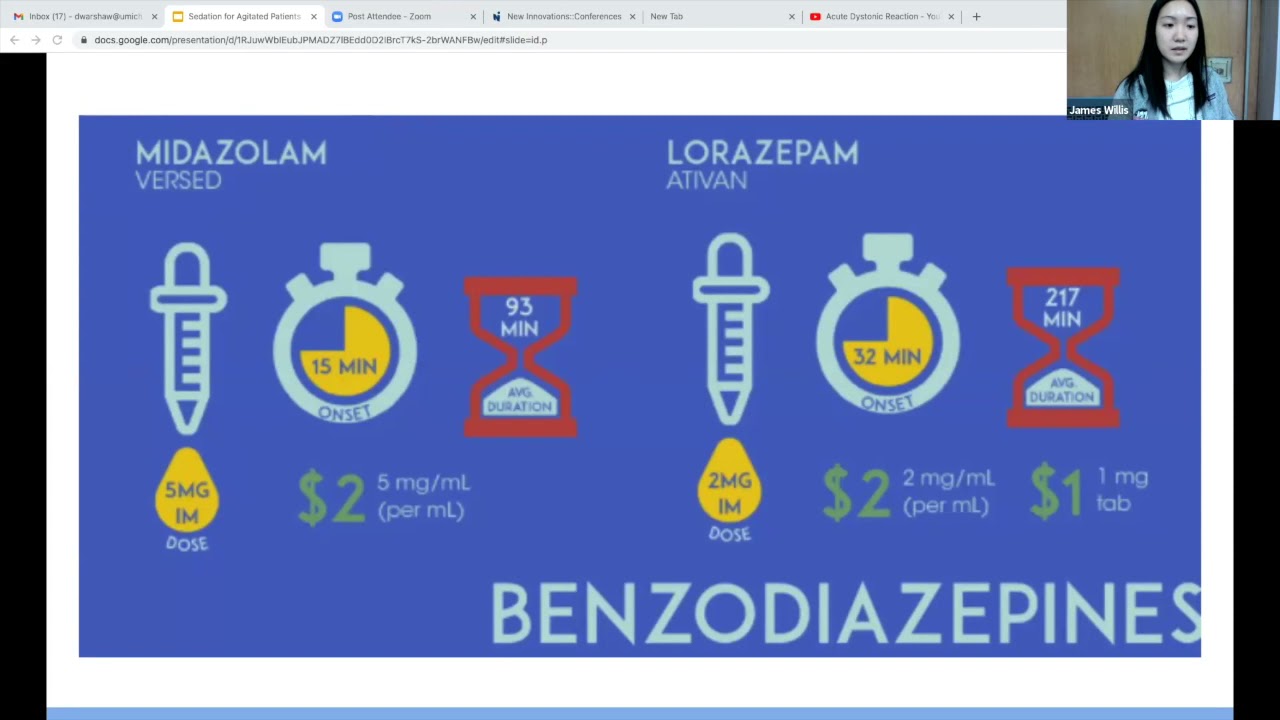
ED Agitation Management: Sedation Options & Pearls | Clinical Guide
@KingsofCountyEM
309 views•2021-12-11

48:47
Graphic Medicine: Comics for Collaborative Healthcare Communication
@nationalpatientadvocate
189 views•2023-12-04

11:55
NCLEX Lab Values Made Easy: Nursing Review Guide
@NurseInTheMaking
264.6K views•2022-06-16

3:05
Stages of Labor and Vaginal Birth | Childbirth Animation
@nucleusmedicalmedia
52.1M views•2017-08-18
Related Study Plans & Knowledge Roadmaps
Structured learning paths in Medicine
medicine
Abnormal LFTs: Diagnostic Workup & Pathology
01Liver Anatomy and Basic Physiology
02Introduction to Liver Function Tests (LFTs)
03Hepatocellular vs. Cholestatic Patterns
+ 3 more learning modules
12h6 modules
Explore Roadmap
medicine
Analyzing Blood Smears: RBC, WBC & Platelets
01Introduction to Blood Components & Smear Preparation
02Normal Morphology of Blood Cells
03Erythrocyte Pathologies & Morphological Variants
+ 2 more learning modules
12h5 modules
Explore Roadmap
medicine
Mechanical Ventilation: Waveforms & Alarms
01Anatomy and Physiology of Breathing
02Introduction to Mechanical Ventilation & Core Modes
03Ventilator Settings and Waveform Interpretation
+ 2 more learning modules
12h5 modules
Explore Roadmap
medicine
Neuro Exam: Localization & Stroke Syndromes
01Foundations of Neuroanatomy and Vascular Supply
02The Neurological Examination: Step-by-Step
03Principles of Neurological Localization
+ 3 more learning modules
18h6 modules
Explore Roadmap