






















![How to PASS the NCLEX [7 Day Training] Day #2 NCLEX CATEGORIES PART I](https://i.ytimg.com/vi/BGe7O80hQaM/maxresdefault.jpg)


This video covers the most critical lab values nurses must know for the NCLEX exam and nursing school, including CBC components (WBC 4,500-11,000, RBC 4.5-5.5M, platelets 150K-450K, hemoglobin 12-16 for females/13-18 for males, hematocrit 36-48% for females/39-54% for males), electrolytes (Na 135-145, K 3.5-5, P 2.5-4.5, Ca 9-11, Mg 1.5-2.5, Cl 95-105), coagulation (PT/INR <1 for non-warfarin, 2-3 for warfarin, aPTT 30-40 for non-heparin, 47-70 for heparin), lipid panel (total cholesterol <200, triglycerides <150, LDL <100, HDL >60), HbA1c (normal 4-5.6%, prediabetic 5.7-6.4%, diabetic >6.5%), ABGs (pH 7.35-7.45, CO2 35-45, HCO3 22-26, PaO2 80-100, SaO2 95-100%), and renal values (BUN 7-20, creatinine 0.6-1.2, urinary output ≥30ml/hr, specific gravity 1.010-1.30). Key memory tricks include multiplying hemoglobin by 3 for hematocrit, recognizing hypo/hyper prefixes for electrolyte abnormalities, and understanding that elevated BUN/creatinine indicates kidney dysfunction.
NCLEX Lab Values Made Easy: Nursing Review Guide
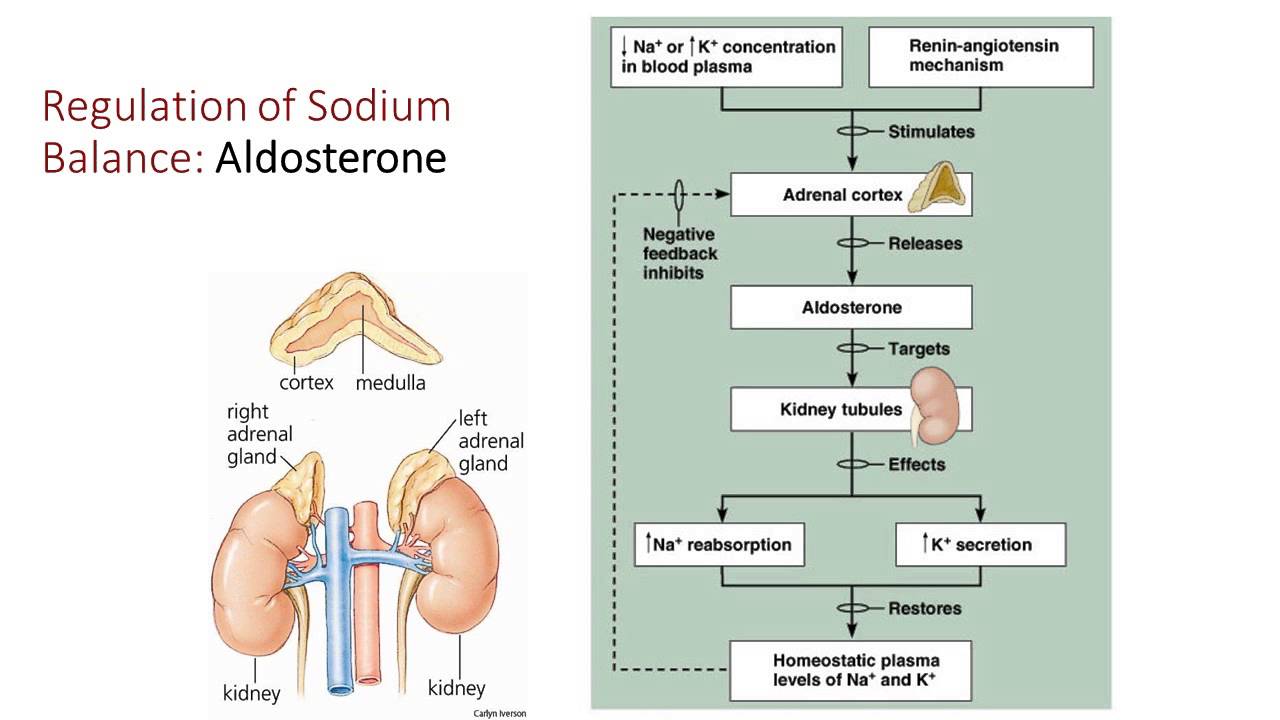
Added:hey there future nurses it's Christine from nurse in the making and today we're going to talk all about lab values lab values are some of the most crucial things you need to know as a nurse while in nursing school and for the en click the point is you need to know these values lab values give you an insight as to what the body is doing and what area of the body is hurting I'm going to talk through the most common lab values and give you some memory tricks to help you remember them you can follow along with your lab value flashcards don't forget to subscribe to my YouTube channel for weekly videos daily nursing school questions and all things to help you pass nursing school first I need to say a quick disclaimer this medication may cause serious side effects such as rashes sleep disturbances and even can cause death do not attempt to drive or operate heavy machinery on this medication just kidding not that type of disclaimer this is the real disclaimer La vales May differ between textbooks facilities and other resources for example hessi ATI and different hospital facilities may have slightly different lab value ranges however keep in mind that the enlex and Nursing School exam will give you a range that is way off what I mean by way off is the value will be noticeably abnormal so for example one resource says a normal calcium level is 9 to 11 and another resource may say a normal calcium level is 8.6 to 10.3 however the enlex would be asking a question and providing an abnormally high calcium level of like let's say 13 because this is noticeably abnormal and way out of range okay okay with all that said let's dive in the lab values you need to know first we're going to cover CBC a complete blood count just like the name says it's going to tell us the complete picture of the cells in our blood it includes white blood cells red blood cells platelets hemoglobin and hematocrit a normal white blood cell count is 4,500 to 11,000 cells per microl ler for red blood cells it's 4.5 to 5.5 million and for platelets it's 150,000 to 450,000 some terms you want to know for a CBC is when the blood has a low white blood cell count it's called lucenia and for abnormally high white blood cell count it's called when the blood has a low plat count it's called thrombocytopenia and an elevated plate count is called thrombocytosis when you see a low platelet count you want to immediately think bleeding your patient doesn't have enough platelets in their body to clot so they're at serious risk for bleeding internally and externally for hemoglobin and hematocrit levels vary between male and female so for a female hemoglobin should be 12 to 16 and for the male it should be 13 to 18 for hematocrite the female should be 36% to 48% and the male should be 39% to 54% there is a memory trick to help you remember these lab values first you want to commit hemoglobin to memory then what you do is you multiply hemoglobin by three to get the hematocrite levels so for example a normal hemoglobin for a female fale is 12 to 16 so 12 * 3 is 36 and 16 * 3 is 48 giving you your normal hematocrite level for a female 36 to 48% next is electrolytes electrolytes appear everywhere these include sodium pottassium phosphorus calcium magnesium and chloride so the normal range for sodium is 135 to 145 for potassium it's 3.5 to 5 phosphorus it's 2.5 to 4.5 for calcium it's 9 to 11 magnesium 1.5 to 2.5 for chloride it's 95 to5 something to note about electrolytes is they have names for when they are low hypo and when they are high hyper for a low sodium level you will hear it called hypo nutria and for high levels of sodium you'll hear it called hyper nutria for potassium it's hypoc calmia and Hyper calmia for phosphorus it's hypo phosphatemia and hyperphosphatemia calcium is hypocalcemia and Hyper calcemia for chloride we have hypochloremia and Hyper chloremia so it's important to know and recognize these terms and what they mean now for some memory tricks to help you remember potassium you can think there are three to five ban in every bunch and you want them half ripe for phosphorus you just break apart the word four like the number four and us like me and you equals two leaving us with two to four but don't forget the 0 five calcium is my all-time favorite because it's so simple it's just call 911 magnesium you want to think of a magnifying glass that you see 1.5 to 2.5 times bigger than normal and lastly for chloride you want to think of a chlorinated pool that you want to go in when it's super hot say like 95 to 105° F next is coagulation levels this is especially important when your patient is on anti-coagulants such as Hein and warrin I have an entire video about Hein versus warrin which you can find right here but for now we're going to talk about coagulation levels Hein is measured with a which stands for activated par thromboplastin time and warrin is measured with INR which stands for international normalized ratio these are blood tests to measure how fast or slow the blood is clotting and they're measured in seconds aptt for a patient not on heprin is 30 to 40 seconds but for a patient who's on heprin is 47 to 70 seconds forr for patients not on warrin it's less than 1 second but for somebody who's on morphine it's 2 to 3 seconds what does it mean when these values are out of range well if a PT or INR is too high there is an increased risk for bleeding the memory trick here is if the numbers are too high the patient will die if the numbers are too low the clots will grow so this is why we want to make sure these lab values are in a therapeutic range because if they exert their effect too much the patient can bleed out and if they aren't working enough the cloths will grow next we're going to talk about the lipid panel this test is looking at the types of cholesterol it's a great way to assess your patients risk for cardiovascular disease this includes total cholesterol triglycerides LDL also called low density lipoprotein and HDL also called high density lipoprotein the normal range for total cholesterol is anything less than 200 for triglycerides it's anything less than 150 and for LDL it's anything less than a 100 but for HDL it's anything greater than 60 so the first three we want low levels however this is different for HDL HDL is our happy cholesterol which is why we want high levels and LDL is our bad cholesterol which is why we want low levels next is hba1c this is the average blood glucose level for the last 2 to 3 months this is because the lifespan of a red blood cell is 120 days hba1c is the best indicator of a patient's diabetic control in actual long-term blood glucose levels so for a non-diabetic patient the ideal hba1c is 4 to 5.6% if someone's hba1c is 5.7 to 6.4 this means they are most likely pre-diabetic and if their hba1c is greater than 6.5 this indicates that they most likely have diabetes a goal for a diabetic patient would be anything less than 7% next is the normal ranges for abgs this stands for arterial blood gas it does just what the name says it measures the amount of different gases and pH in your arterial blood this includes pH P2 hc3 3 pa2 and sa2 the normal range for pH is 7.35 to 7.45 CO2 is easy to remember because you just take the seven off pH and you're left with the CO2 level which is 35 to 45 the normal range for hc3 is 22 to 26 for pao2 it's 80 to 100 and sao2 is 95 to 100% next is Val values related to the kidneys this includes bu creatinin urinary output and specific gravity the normal range for bu is 7 to 20 for creatinin it's 0.6 to 1.2 a normal urinary output is at least 30 milliliters per hour basically 1,500 milliliters a day for an average adult specific gravity is 1.010 to 1.30 some important things to know about these values especially bu and creatinin is that anytime you see an elevated bu and creatinin levels think kidney dysfunction something is wrong with the kidneys and therefore they can't filter these waste products out like bu and creatinin so they stay in the blood causing elevated levels out of the two bu and creatinin creatinin is definitely a better indicator of kidney function than bu here's a memory trick to help you remember bu and and creatinin for bu you want to think of hamburger buns hamburgers can cost anywhere from $7 to $20 for creatinin this is the same value as lithium's therapeutic range lithium is excreted almost solely by the kidneys and creatinin is a value that tests how well your kidneys filter now for urine specific gravity when you have a low specific gravity this typically means your urine is diluted meaning you have too much fluid in your body you can remember the memory trick diluted makes the numbers go down and for an elevated level of urine specific gravity this means your urine is concentrated meaning you don't have enough fluid in your body you're most likely dehydrated so concentrated makes the numbers go up that's all for the most common lab values you need to know for the enlex and in your nursing school exams if you want more practice with lab values you can grab the complete lab value flash cards the lab value flash cards cover a description of each value the normal range and the reason for both elevated and decreased levels it even has a spot for you to write in your own lab values if your school uses a slightly different value I'll have the link to my shop in the description below happy studying future nurses
Up Next

Acid-Base Compensation: Respiratory & Metabolic Made Easy
@ProfRoofs
247.4K views•2012-10-25

Graphic Medicine: Comics for Collaborative Healthcare Communication
@nationalpatientadvocate
189 views•2023-12-04

Benzodiazepines for Nursing Students | NCLEX Pharmacology Guide
@NurseInTheMaking
80.2K views•2023-03-30

Stages of Labor and Vaginal Birth | Childbirth Animation
@nucleusmedicalmedia
52.1M views•2017-08-18
Related Study Plans & Knowledge Roadmaps
Structured learning paths in Medicine