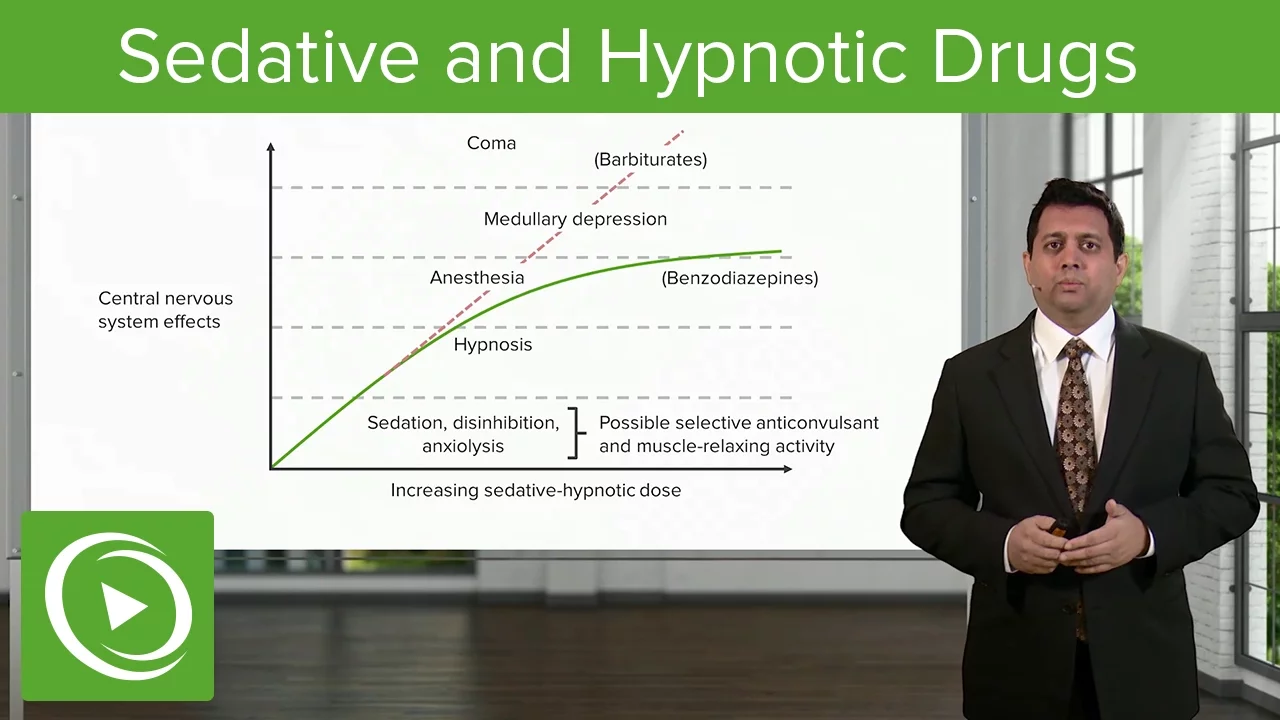





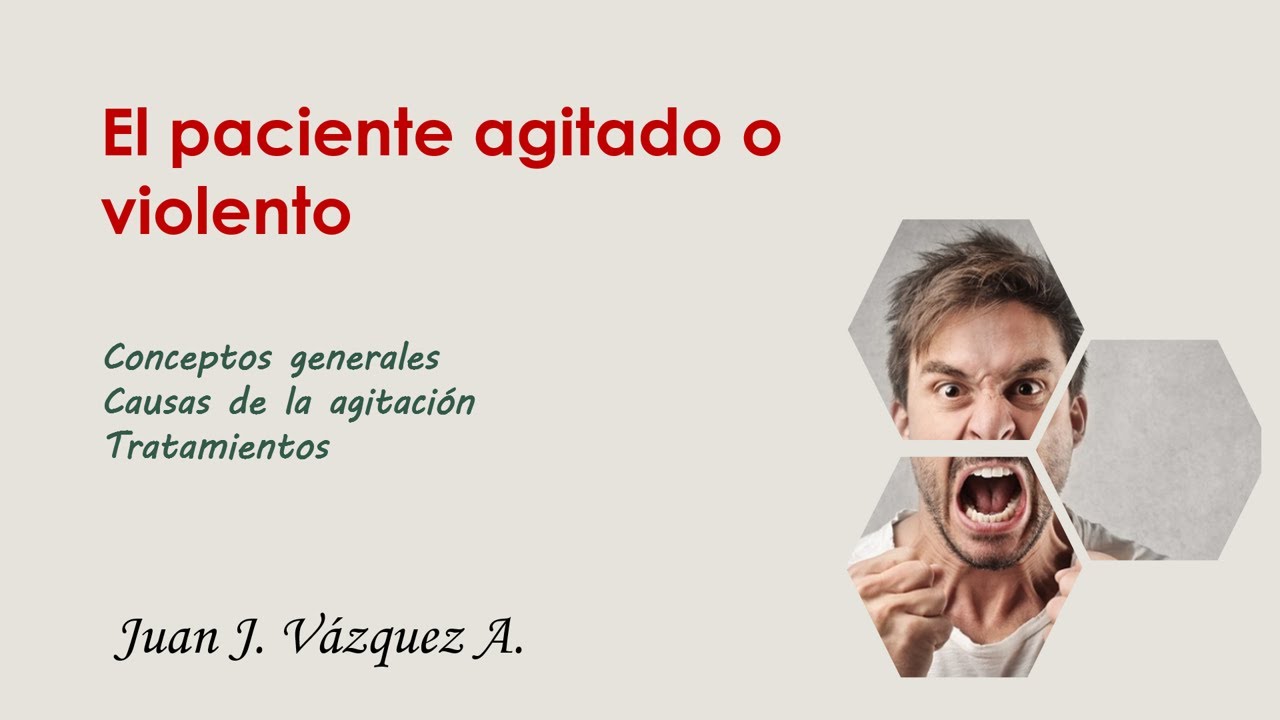













Effective management of agitated patients requires a systematic approach beginning with verbal de-escalation and ensuring personal safety, followed by appropriate pharmacological intervention based on patient characteristics: first-generation antipsychotics (haloperidol 2.5-5mg IM, onset 27min, half-life 20h) are preferred for elderly patients and those with psychotic disorders but carry black box warnings; second-generation antipsychotics (olanzapine 5-10mg IM, onset 30min, half-life 30h) offer reduced EPS risk and better preservation of patient cooperation; benzodiazepines (midazolam 2-5mg IM, onset 15min; lorazepam 2mg IM, onset 32min) are effective for anxiety and alcohol withdrawal but may cause paradoxical reactions; ketamine (4-5mg/kg IM, onset 4-5min) provides the fastest onset but requires airway monitoring; special populations require dose adjustments (elderly: half-dose, slower redosing; pediatric: fluids first, then oral/IM; pregnant: benadryl first, antipsychotics/benzos relatively safe for single ED doses).
ED Agitation Management: Sedation Options & Pearls | Clinical Guide
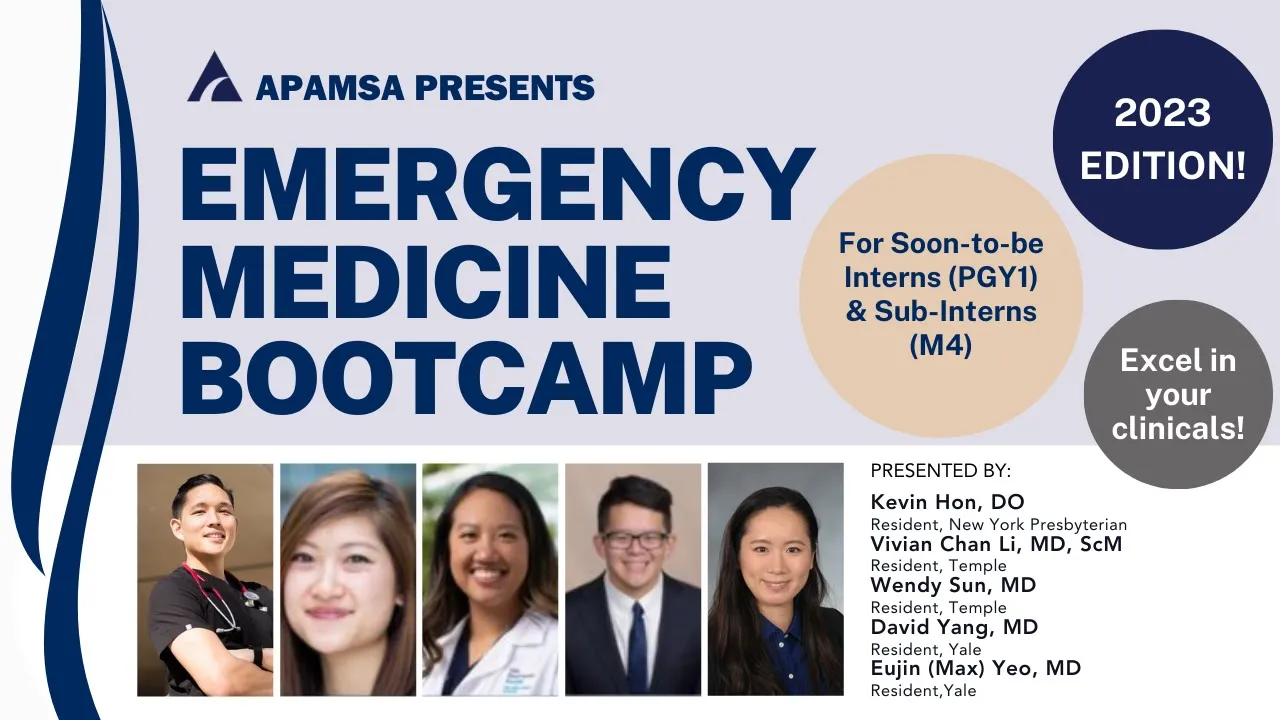
Added:hello everyone my name is anna one of the interns and today i'll be talking about sedation of the agitated patients um we went over this already this morning due to christie's wonderful questions but this will just hammer in everything for you guys i want to give a thank you to dr delgado dr panya and dr raper for helping with this presentation today we'll be talking about options for sedation onset and duration of each agent risks and cons with each one uh how we choose it and special populations let's start with the case 42 42 male pascal history of bipolar disorder poly substance use diabetes and hypertension brought in by ems after he was found stumbling in a park looking confused he is currently surrounded by haas police and getting more agitated these are his vital signs what should we do next or ask the triage nurse escalation finger stick that hurt yeah to get her finger sick just to make sure he's not acting out due to hypoglycemia so we get the finger stick and it's 1 15. so normal the patient is now angrily yelling and pacing on the ambulance triage you try to verbally escalate but this gets him even more angry he looks like this sedation meds are ordered you hear doc i can't pull the meds from the pixis i need you to change the order um so you leave the med student and the intern you run to cct try to change the order for some reason the pix is still on dispense meds you run back try one more time to verbally de-escalate and offer some meds to calm him down but now the patient's arms are now flailing grabs intern does this the medical student doesn't want to do em anymore uh what can we do in the meantime if he can't get meds and he's just flailing everywhere do we want to maybe make his arms less flaily with physical restraints yeah so the general approach to what we call the ed down is you always want to maintain your safety first stay two arms length away from the patient and never have your back to the patient and involve house police if needed also bring the patient to a quiet area it helps to calm them down sometimes so you always want to try to verbally de-escalate the situation and do what tentanellis calls a show of concern you want to offer them oral or parental medication for anxiety or pain once you try those steps then we move on to physical or chemical sedation if the patient is at risk of harm to self or others there are some ethical and legal controversies regarding physical restraints but some studies show that if properly done with like a full team approach it's generally safe without any long-term complications this is a little picture of how you want to have the patient just 30 degrees head up so they don't um have any aspiration so chemical sedation the options are first gen antipsychotics atypicals are second generation benzos and a fourth one which i want you guys to guess but we already talked about it this morning so you probably know what it is uh so let's talk about first gen antipsychotics first um i'll be talking most about the imdosing because in these patients it's typically hard to get an iv in so you just gotta take the am and shoot it where you can um so haloperidol it's available po iv or im starting dose is about two two and a half to five milligrams im typical onset of 27 minutes and a half life of 20 hours and you can see from the pricing up there its relatively cheap for the hospital to use max dose for this is about 20 milligrams a day the lesser known one and lesser used now is droparadol it's an analog of haloperidol it's available iv or im and the starting dose is two and a half milligrams or to five milligrams same as haloperidol has an onset of 11 minutes so much faster than haloperidol and a half-life of two hours even though it's a shorter half-life it does last about six to eight hours um in studies it shows that five milligrams of droparator is actually pretty effective in sedating patients and they don't need any rescue sedation meaning you don't need to do any additional dosing or add another agent to sedate the patient and there is a black box warning that was put in 2001 that i'll talk about next and that's why it's not used so much in 80s anymore so some of the risks and drawbacks of halopridal is eps as nadia was talking about and uh there's actually a black box warning for iv use it's not fda approved for that and it can actually worsen the possibility of qtc prolongation it's also not a great single option since it needs frequent redosing and it's much better if combined with something else like a benzo or something for joe peridol there was a black box scoring in 2001 based on like a small number of adverse events at extremely high doses but studies show that even up to 10 milligrams can be used pretty safely in the ed um it's not available in most ideas because of blackbox warning now and i don't think we have it here so next we'll talk about the second generation antipsychotics and overall if there's a decreased incidence of eps compared to first generations and it offers a more calming effect versus a more sedative effect so you can still get a history from these patients the most commonly used is olanzapine aka zyprexa which is available p-o-i-m or i-v the starting dose for this is about five to ten milligrams i am onset of about 30 minutes with a half-life about 30 hours and it's a pretty good single agent for acute agitation and there's lower rescue rates of needing any additional meds there's also ziprazodone and risperidone but alenspina is the more commonly used one so the downside of this is availability so i actually called the pharmacy to see if we have it in our ed she said that it's definitely available in the psyce edie um and she's not even sure if it's available in the main ev for use um another thing is that for im administration i need something called reconstitution which i had to look up it means the nurse has to like mix it to make into liquid to so you can use it on the patient um another thing is that it's more for the admin side of things but it is pricier than first generation antipsychotics for um a landspeed it's about like 41. for one dose versus five dollars just for haldol um and also there's not too many studies done on the use in the ed and the manny deep and the psychedeli it's used pretty often and it may cause some adverse events when combined with benzos so next we'll talk about benzos there is midazolam aka versailles or lorazepam aka ativan medazlam is available iv impo intranasal or rectal and the starting dose for im it's about two to five milligrams relatively quick acting onset of 15 minutes for im and uh lasts about like an hour and a half for iv it will kick in in like one to five minutes for lorazepam or ativan its available iv i am peel or intranasal and the starting dose is two milligrams for im a little bit longer than verse said but it takes about 32 minutes to start acting and but it lasts much longer over three hours um if you give it to kids intranasally it can kick in as fast as like five minutes uh so the risks and drawbacks is that there's a paradoxical reaction in young or elderly patients um if you use it in this uh population it can sometimes cause more agitation versus the calming effect that you want and there's also a small risk of respiratory depression if you're using it in patients with ingested other depressant medications so more commonly used is a combination therapy it's more rapid onset and it seems to sedate a larger portion of patients at 10 to 15 minutes uh the typical combos are hal peridot on the razopam haloperidol medazlam or b52 which is benadryl haloperidol and lorazepam uh the doses are listed up there we can change it as needed for the patient so after we do all this the patient is still agitated what can we try next which we talked about this morning yeah ketamine so ketamine um freehead i mean the dosing is actually not validated but it's usually four to five milligrams per kilo for im or one to two milligrams per kilo for iv uh pretty rapid onset time for im it's four to five minutes for iv its two to three minutes the thing is only last 10 to 20 minutes so you need additional redosing for ketamine uh it's good to get rapid control of the situation but it's not a good long-term agent for the entire ed state since it's so short-acting um there is like some concern for respiratory depression which i'll talk about next but there is a randomized controlled trial in june that showed that ketamine was more effective in patients with combative agitation compared to haloperidol and lorazepam and it was actually not associated with any significant adverse events in this study they used four milligrams per kilo for im and one milligram per kilo for iv so there are some risks and cons which is why some ed physicians don't really want to use it as much as the other more studied ones but there's just not too many studies done in ketamine compared to the other agents it is basically conscious sedation so you want to be ready to secure the airway um and there is a higher risk for respiratory depression when you push it iv and you push it too fast it these adverse effects effects were actually more of an issue during pre-hospital care there is one study that showed that in pre-hospital care there was more there's a higher rate of patients needing intubations versus an ed study where they didn't have any higher rates of interventions compared to the other agents in patients with schizophrenia it can also exacerbate psychotic symptoms which is what christy was talking about her patients started growling instead of being more calm and another thing is that it's also up to the comfort level of nurses so some nurses are not used to ministering ketamine for agitation so they might give some pushback um which is what i heard uh in our ed but other eds like at brookdale apparently they use it pretty uh pretty normally for in the ed so here we have the onset times for each agent ketamine is the fastest as you can see five minutes draw peridot not as much use but it's pretty fast onset to 11 minutes and out of all the ones we normally use in the ed you do see that versed is the fastest onset for about 15 minutes and the other agents haloperidol lanzapi and larzepam all at the same time so how do we choose which one you want to use um i've been told that people have strong opinions on this but this is just straight from tintinelli's so for second generation it's actually preferred over the first generation for the uh for elderly patients and patients of known psychotic disorders and it's also good for agitation associated with delirium but like i said before it's not as verbal readily available in eds unless you're in the psyced first generation is good for patients who took any cns suppressants like alcohol and there is actually a black box warning for dementia related psychosis and elderly patients but for those patients if you have to use a first generation just use low dose usually half dose benzos are good for on different undifferentiated patients or patients in alcohol withdrawal or anyone that took cns stimulants like cocaine and it's good for patients with anxiety too and ketamine it's a fastest onset so you also want to think about the special population such as the elderly pediatric patients or pregnant patients for elderly patients you want to give half dose of meds and you also want to give a slower redosing and you also want to be mindful of polypharmacy since most elderly patients are either taking like you see prolonging medications already you only be more careful while giving some antipsychotics which is always give a half dose and you also want to avoid benzos and anticholinergics in the elderly for pediatric patients most of the time agitation is caused by dehydration so you can just try giving them fluids and see how they react or you can just give them benadryl put them to sleep and calm them down if you do want to give meds you always want to give oral first and then iv and then consider i am for pregnant patients you want to give benadryl first a pretty safe in pregnancy and all the drugs we talked about today are the antipsychotics benzos it's relatively safe for like a one-time dose in the ed and most of the adverse effects are usually with like long-term usage and for them if physical strains are needed you want to left you wanna um lay them left lateral cubist so you're not compressing on the ivc when they're uh supine all right so the case uh the nurse was unable to get the drugs the patient was given five milligrams for a set sleeping like a baby and summary you just want to maintain your own safety first and you always want to try to verbally de-escalate at least twice before selling the patient with any drugs physical restraints and chemical sedation are when patients becoming more harmful to themselves or to the staff and you also want to take into consideration the type of patient and the cause of the agitation for the chemical sedation these are the references any questions or comments
Up Next

Managing Violent Psychiatric Patients | Emergency Medicine Guide
@psych-info
460 views•2023-08-24

Graphic Medicine: Comics for Collaborative Healthcare Communication
@nationalpatientadvocate
189 views•2023-12-04

Neuroanatomy: Central and Peripheral Nervous System Divisions Explained
@AKLECTURES
136.2K views•2014-09-20
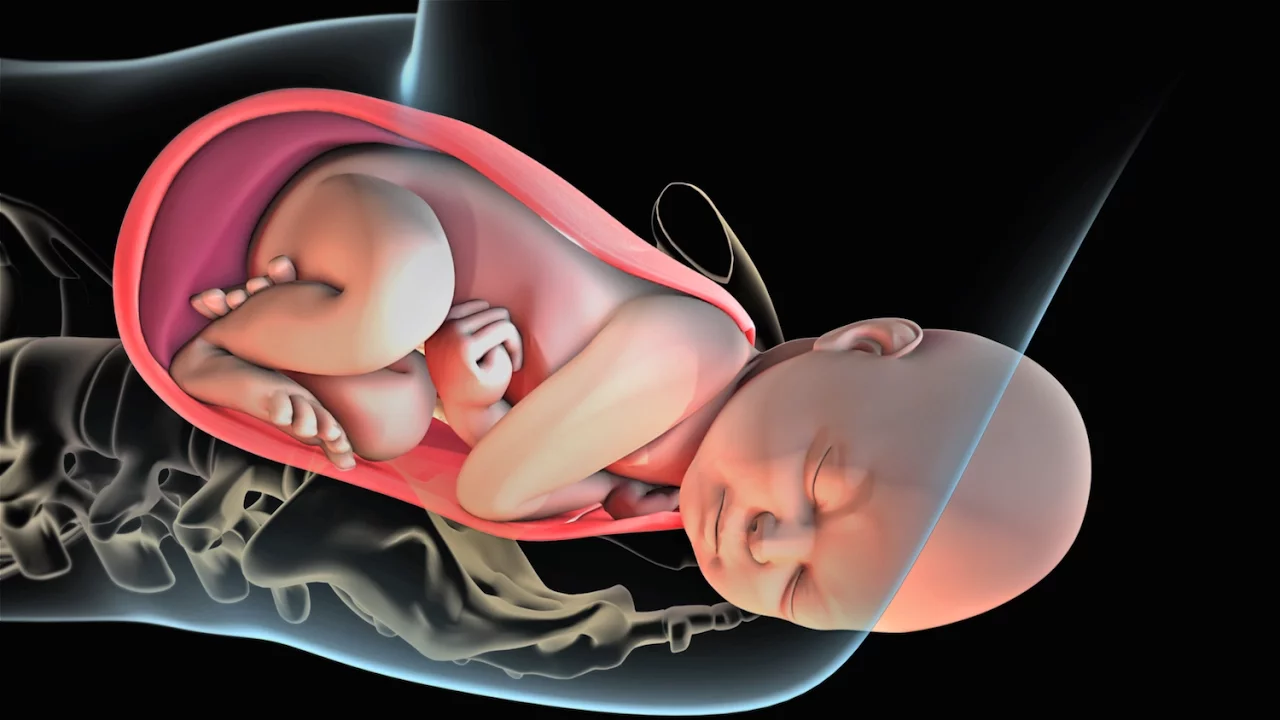
Stages of Labor and Vaginal Birth | Childbirth Animation
@nucleusmedicalmedia
52.1M views•2017-08-18
Related Study Plans & Knowledge Roadmaps
Structured learning paths in Medicine