





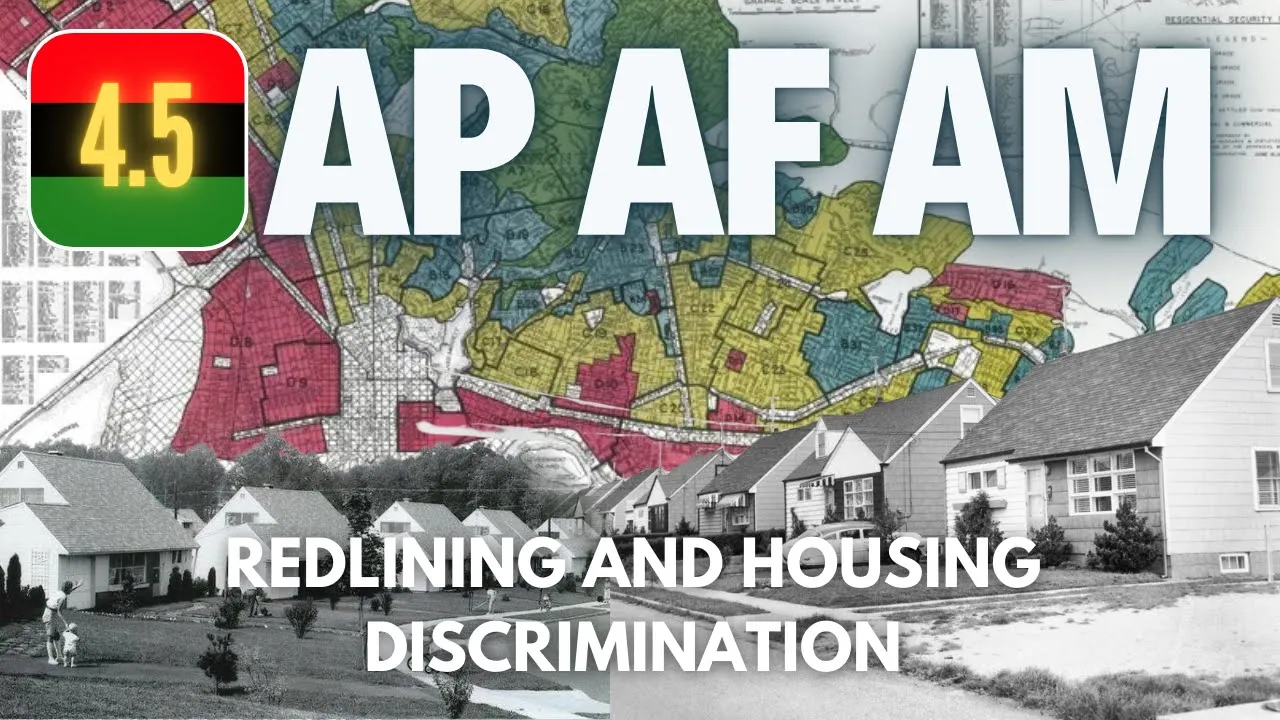



















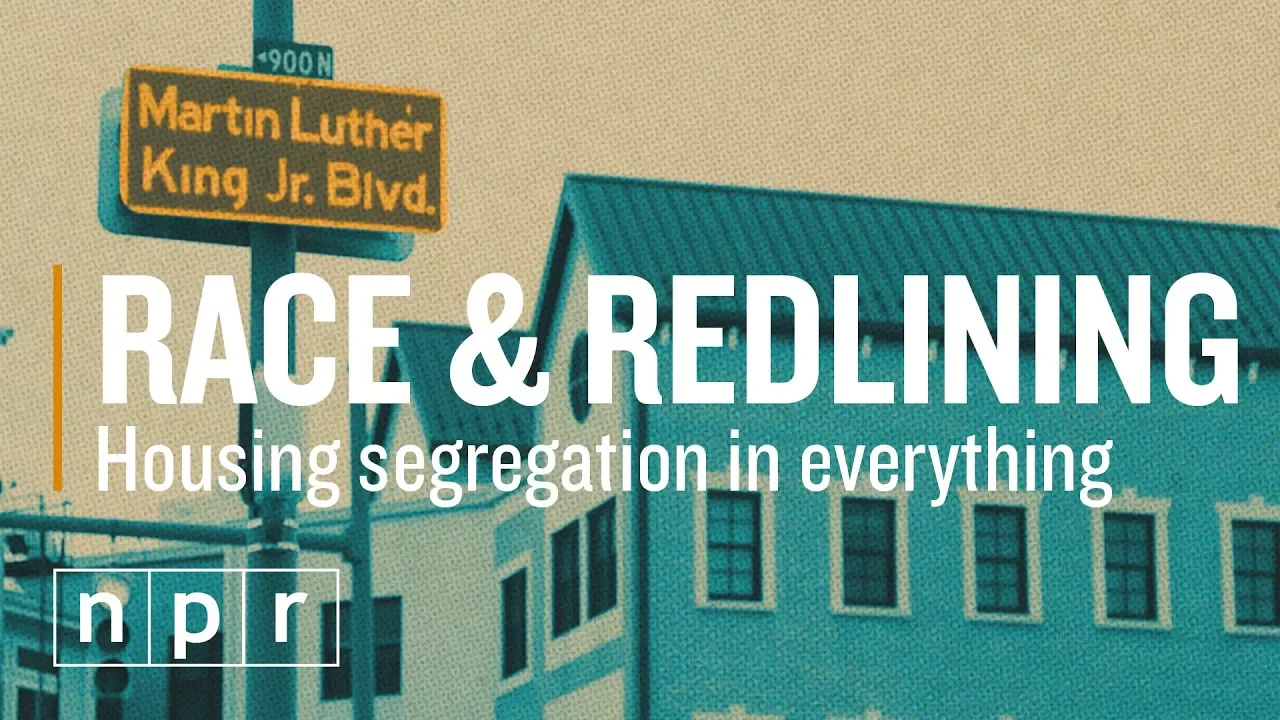


Spatial inequality—where geographic location determines access to opportunity—is a fundamental mechanism driving racial economic disparity in the United States. Government policies such as redlining, restrictive covenants, and exclusionary zoning created and perpetuated residential segregation, concentrating disadvantaged populations in specific neighborhoods while excluding them from wealth-building opportunities like homeownership and quality education. This spatial sorting means that zip codes predict life outcomes, as communities of color face systematically lower home values, reduced banking access, and poorer health outcomes compared to predominantly white areas. Addressing racial inequality requires actively reducing spatial inequality through policy interventions that counteract historical discriminatory practices.
Jacob Faber on Spatial Inequality: Race, Place & Segregation
Added:[Music] [Music] i'm jacob faber and i am an associate professor of sociology and public service at new york university and more importantly i'm somebody who cares deeply deeply about understanding and addressing racial inequality and the lens that i use to study race is geography or spatial inequality and what i mean by that is there's a growing body of research showing that where we live and work and socialize impacts virtually every aspect of our lives and that because we distribute opportunity and disadvantage in this uneven way it becomes a a primary driver of racial inequality for example we can think about schools we are the only country among peer nations that finances public schools with local property taxes so what that means is if you live in a wealthy area you're going to have wealthy schools and if you live in a poor area you're going to have poor schools and so what this means is that wealthy white kids do much better in places that are more segregated and more unequal and it also means that the research has shown this that you can move a kid from a poor neighborhood into a wealthier neighborhood and we can see that their adult incomes increase by on average over 30 percent i mean this is tied directly to housing we know location location location home equity is the largest asset that most americans hold and so what we've done is we've tied people's financial fortunes to this market that actively discriminates you can think about appraisal practices and subprime mortgage lending this market also passively discriminates white americans for example are more likely to inherit money from their parents which could be used for for down payments and this inequality has increased over time the average inflation-adjusted value of a home in a white neighborhood has approximately doubled since 1980 while a comparable home in community of color has not gained any value at all net of many measures of socioeconomic status communities of color are more likely to have payday lenders and less likely to have commercial banks and what's more the commercial banks that do exist in communities of color tend to be far more expensive in terms of fees and banking requirements so the cost of participating in the economy is more expensive in communities of color and tragically we've learned over the past with a couple years during this pandemic that your health is directly tied to the people who live around you illness and death from the pandemic was and continues to be highly concentrated in certain neighborhoods i mean again racial inequality and segregation are directly linked here as well so how do we get here how do we get to a place where if you give me your zip code i can predict quite a bit about your life the prevailing understanding is uh driven by an idea of you know personal choice in a free market you know people just like to live near people who are like them and while that's there's certainly a truth to that my research has shown that there is a tremendous role that government policy has played in um segregating us for example there are these massive housing programs that were a part of the new deal in response to the great depression these policies encouraged millions of americans to buy homes by subsidizing mortgage lending and they helped millions of people become homeowners but they actively encouraged segregation and racial inequality through redlining through refusing to lend to people of color through um and requiring restrictive covenants that prevented black people from buying homes in white neighborhoods through exclusionary zoning laws that limited the um the the housing supply there by making it more expensive and all of this kind of created many completely white suburban communities uh and the research that we have today shows that you know we can kind of largely see the the consequences of these policies generational generations later so you know there's a real intentionality at the root of the racial inequality that we see today um that you know continues to be about um place and geography so we can't achieve racial equality without um reducing spatial inequality [Music] you
Up Next

Central Banks Explained: Roles and Monetary Policy in Modern Economies
@imf
264.5K views•2023-03-04

Impact of Yuan in Indo-Russian Trade Amid Sanctions
@WION
261.9K views•2022-07-01

Behavioral Economics Explained: Rationality, Nudges, and Risk
@crashcourse
1.1M views•2016-03-12

The Age of Easy Money: Fed & Inflation | Full Documentary
@frontline
21.2M views•2023-03-15
Related Study Plans & Knowledge Roadmaps
Structured learning paths in Economics