
















Success in creative fields requires persistent effort even during periods of apparent stagnation, with breakthroughs often happening unexpectedly; professionalism involves synthesizing conflicting feedback and harmonizing different perspectives while maintaining one's artistic voice; and the best defense against criticism is rigorous revision followed by letting the work 'refrigerate' for time before returning to it with fresh perspective.
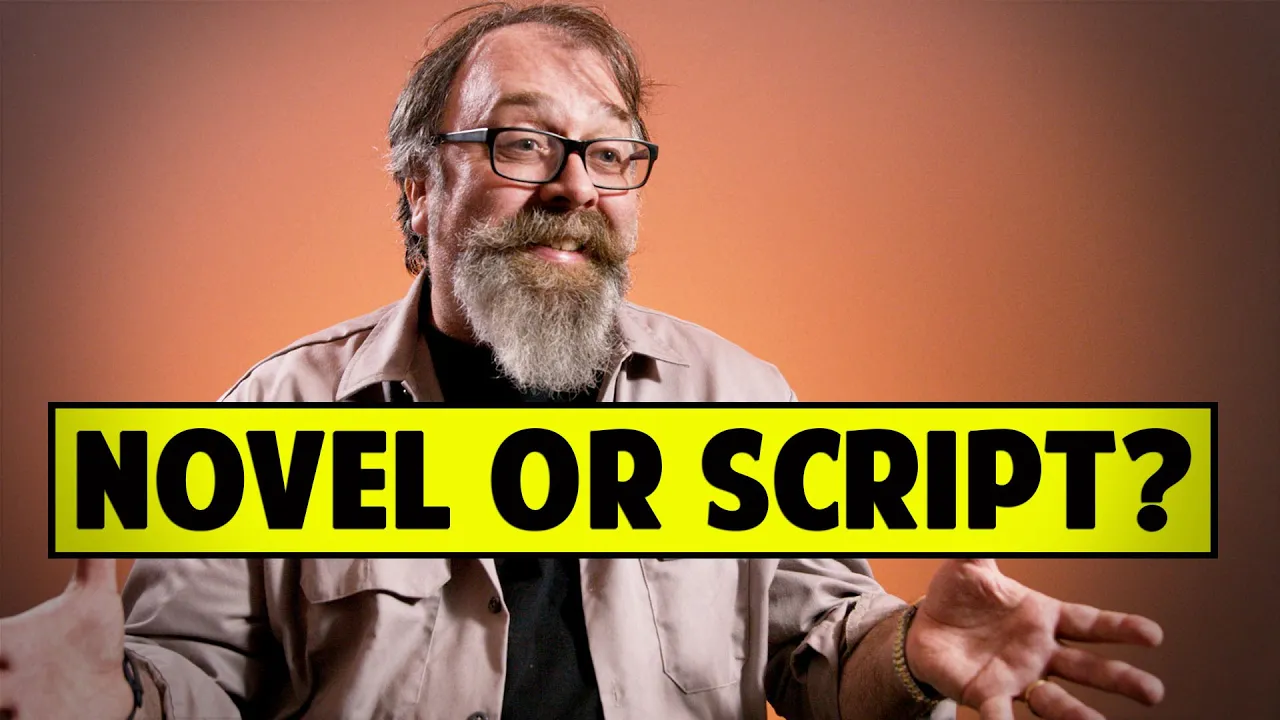
Shan Serafin on Writing, Publishing, and Creating Thrillers
Added:Basic elements of the thriller genre, including suspense mechanics, pacing, and common tropes.
The fundamental differences between screenwriting (visual, scene-based) and novel writing (prose, internal monologue).
An overview of the publishing industry structure, specifically the roles of literary agents, editors, and publishers.
The standard Hollywood development pipeline, from script treatment to optioning and production.
Advanced techniques in psychological tension, pacing, and plotting complex subplots in thriller novels.
The process of intellectual property (IP) adaptation, detailing how to translate a novel into a screenplay.
Author branding, marketing strategies, and navigating the business aspects of multi-platform storytelling.
Case studies on hybrid writing careers, analyzing creators who successfully transition between literature and film.
191 views14likes49:21Original Release: 2024-09-03
you're most well known for the three movies that you've written and directed and the novels that you've co-authored with James Patterson I think that if you ask 100 people 100 artists who are working right now how they got there I think they would all sort of say the same thing keep working as if tomorrow's the day where it's going to hit for you what's it like for you being in like a writer's room with other people the times that I was in a bigger budget situation I was really surrounded by very very smart people but that is not always the case I mean I hate to like piss on half a Hollywood with this statement [Music] but this is the writers are people to podcast where writers just won't stop talking about themselves and so tonight we have with us director screenwriter and author Shan sarapin um so you know if you if you Google yourself as I'm sure many people have um you're most known for the three movies that you've written and directed and the novels that you've co-authored with James Patterson but if I were to meet you at a cocktail party for the first time what would you tell me about yourself I'm so unprepared great man I would tell you uh I think I would get you talking about you man that's how I get out of these tricky situations but uh I uh I just love the art in general and I prefer really not to first of all I don't necessarily believe all of the hype behind myself on on the internet I don't even know if you could call it hype or denigration or whatever you want to call it but I personally just feel that I'm a an artist who is trying to find a way to express and you know just to be real with the scenario you presented um I kind of have a different answer depending on who I'm talking to uh I really just try to connect with with the asker um you know do are you someone who has has been struggling then yeah like I want to talk to you about it from that angle are you someone who's accomplished a lot then I'm probably going to be more asking you questions but yes I'm a novelist now um I've directed and and written in in the screen World um I live in Paris now and I thought it would be a little bit easier for me to do directing work here and I did a little bit uh but it has been a bit of a challenge you know it's a long walk from La so but I do hope to get back to that okay um so you you've written some some books with James Patterson and as far as I can tell he's been writing since before you and I were even born maybe so um as someone who's trying to get my foot into the industry and connect with people how did you originally connect with him or perhaps other people to to start down this path right so I have a beautiful non-answer for you um it was very indirect it would it just happened to be that my manager was collaborating with him on some very large projects and just thought at this this was a time where I I was not actually writing novels I was only in screen and thought you know I wonder if I could could connect these two people together and it was just the Brilliance of my manager to have that kind of insight and what I would want to share to someone is that I think that if you ask a hundred people 100 artists who are working right now how they got there I think they would all sort of say the same thing in that it really wasn't scripted it didn't proceed along the way that that you thought it would proceed you know 10 years prior uh you didn't go to a specific grad school for it and most cases you didn't get through a specific training program you just sort of put yourself out there in different venues doing your best at each turn and then it just happens that one day somebody thinks and this is a key word and it sounds really dry but thinks that you're professional enough um to be used and I I say professional because I think I think one of the biggest challenges out there for a lot of people is that they have all of this talent but they haven't been I guess mentored or guided to understand just what that word professional means and and I want to say that it's kind of not what you think it's not just competent but it's knowing how to play this game where you really are suddenly as an artist like especially if you're a novelist start which is a very isolated way of working but I think screenwriting is bit more collaborative you realize that there's many other voices out there and most many times you're not going to agree outright about what the the input is on your project or the project you're collaborating on on and I think what makes what makes you finally be professional is to say how can I synthesize that how can I take someone's bad notes you know notes that I don't agree with that I think could sabotage a project and turn around and make them amazing notes I'm not trying to actually say that certain notes I got were that bad in in my career but I think that's the skill it's an incredible skill to to that we're all working on it's like how do you harmonize as an artist when you're dealing with different mindsets so um anyway again another long non-answer for you but uh I I encourage everyone to work through the dark periods where you feel nothing is happening you even feel that if you were to graph your life it's actually not even really going up it's sort of maybe just trending downward keep working as if tomorrow is the day where it's going to hit for you and you will be un prepared because of how much you didn't work just that week in other words when it comes it will come and you will be filled with regret you're like God damn it I really should have you know I should have put more effort I should have had more confidence in myself that I would get to this point because it's really it's really a lot of nothing and then something happens and it moves very quickly because people start asking you for oh do you have a spec script on this or you know can you show me your real for that or oh can you give me a quick synopsis on that other project working you don't have all this stuff ready right because you had been doubting for a number of years you're like what's the point what's the point what's the point I'm telling you there's a lot of people who have this particular experience where it's just a lot of nothing a lot of dark months maybe even years and then when it does pop it pops so fast that you really lament not being as ready as you wanted to be yeah and you know to summarize everything you just said I've heard similar things from lots of other authors and to paraphrase somebody it took me 10 years to become an over ni success kind of thing like you have to work at it and perhaps there's a little bit of luck a little bit of connection in there but like you're saying if you practice your art you eventually will will make it there and I think that's the road that that we're all on um and you know going back to the the co-writing thing what's that whole process like when you're co-writing with someone else I know you've worked on scripts in the writer rooms as well so is it a matter of hey you write this person's voice and I'll write this person's voice is a matter of collaborating on plot like walk me through that uh yeah great question I mean he he's collaborated at this point with you know Dolly Parton and Tiger Woods talking about James Patterson now so um I would I would bet that he is much more Hands-On with them um whereas with some of his other I guess you could say more experienced writers um he probably has a I think his biggest thing is story the guy really likes to be a Storyteller and I think he has felt accomplished in the pros category so that maybe he would like to give a few of us a chance to put our Pros out there also develop the story a bit with him so you know it's I think we've done about five or six projects together he and I and uh they're mostly done the same way which would go as follows he'll present me with a chapter by chapter summary which is you know one like roughly a paragraph per chapter uh if it's a shorter book it's 25 chapters if it's a longer book it's 65 and we you know I then go to it I I bust in and I'll do like one Clump at a time a clump being like you know four or five chapters and then he'll review and you know he'll have his notes and sometimes the notes are very very um Surgical and sometimes the notes are just like great you know keep pushing or let's see more of this character later in the story and that actually before we even get that far it can be very collaborative in the sense that I might say hey I got this new scene where this this lady trapped in an attic you know there's some spiders and stuff what do you think about that um and then we worked on a project once where I was driving through Arizona and I was just really admiring the um Cliffs Northern Arizona and I was by myself in a car and I thought what would it be like to get shoved off the road uh because it's so Steep and uh I thought like well you know who's the best person to shove off the road well it would be a mother and she'd have her kid with her so we created this whole story together um that is really one of my favorite stories anyway I won't go into that one but there there can be that where I bring something to the table and then he builds upon it and it was great for me at that point in my career because you know you you you you start to find your voice and so you don't necessarily need someone to come in and tell you what your voice should be however you're never quite certain what readers are thinking or what the market is thinking um especially like let's say you get you know get you get you get through your act two and you're starting your act three these are like the the big like heavyweight questions and you're like have I set it up enough is there an emotional payoff here or is this too predictable and to have someone like Patterson on board when he says you know trust me they're going to know this by now uh your readership um this is way too obvious at this point or you know blah blah blah that's amazing for someone like me because those are the questions that you know you're just trying to get through in the dark all by your lonesome in front of your keyboard at 2 a.m. wondering what someone else is going to think about you're thing right and then he comes along and he can say these really really sharp insightful pieces of commentary and it's like you know it's like an education for me it's like a training ground um so going to your film industry experience now I actually very recently finished writing and directing a short film um I think the director's Cut's going to be like 25 minutes so so pretty short it's a uh it's a medieval horror and you know it was a great experience for me cool that's stop stop right there stop right there you got my attention medieval horror okay okay like witchcraft like what are you thinking so this the the script I wrote there's basically well funny how how we got to this point so I had done a short project with uh with the with the director photography a few months ago and he he emailed me or called me I don't remember he's like hey I bought this cool sword off Amazon you want to write a script for it so I did so I bought this I he he bought the sword and it's like a demonic looking sword and I ended up writing a script where uh this Templar he's gifted this sword by this Monk and he starts to go crazy and you know I don't want to ruin too much but the sword's basically whispering to him and telling him these things and um medieval horror kind of you know keep you on your toes a little bit psychological kind of thing um that was a blast to film can I watch it it's uh he's actually in the editing process right now but as soon as it is done I will GL send it to you yes oh I'm excited man I love this stuff go ahead sorry I don't know what your question yeah no feel free to ask me about my projects anytime I love talking about myself but um so that was a great process for me you know we're out there filming walking around fields and forests and stuff but um what's it like for you being in like a writer's room with other people and you know the big budget stuff that you've been on like just tell me I want to learn about this oh yeah it's uh fortunately for me the times that I was in a bigger budget situation I was really surrounded by very very smart people um but that is not always the case I mean I hate to like piss on half a Hollywood with this statement but you're often playing the politics of a situation and where you're sitting at a table with about six people maybe two of them are writer types and the rest are sort of the executive producer types and the executive producers are coming in and and one of them just wants to impress the other or just sort of dominate the other by pissing on the fire hydrant that is your script and you you know they're they have conflicting ideas they're like well this character should be stronger and and or no this plot is too long here and you actually have to reconcile you have to figure out a way to reconcile these notes and make everyone win um not saying I personally can always do that but that is the challenge as opposed to on the on the purely Indie scene where it's a bit more of the uh the aour theory where it's like you know the the director I guess the writer director is sort of the king and queen of the storytelling um it's much more collaborative but when I say collaborative especially in terms of La it's politically collaborative um and some people are really good at the game like there are screenwriters out there just amazing to like read that room read that writer's room figure out like who's you know's [ __ ] who here and like who doesn't get to be [ __ ] by who and like ah okay I'm gon to write that particular I'm gonna I'm going to thrust it in this direction and harmonize these notes it's it's genius to be able to do something like that gotcha all right well you know let's stop talking about film and James Patterson let's talk about you and your your solo debut novel as you put it the Paris Vendetta I love that stack of books you have behind you that's so neatly put um that came out when did it come out was it last month or two months ago yeah uh at the end at the very at the end of June the beginning of July okay got it um so the Paris Vendetta you're living in Paris right now did you move there for this book or did you write the book while you were living here was it completely yeah yeah it grew it grew out of being here uh actually um ruined my biggest goal which was to come to Paris and not write about Paris I just wanted to come here and just sort of be liberated from really any kind of uh connection to anything other than just enjoying a city and I thought maybe that would like free my mind and it did but uh it brought me right back into just like really writing what was happening around me and I also didn't really want to inject myself into a story and I ended up doing that because I came from the world of Finance in in my previous lifetime uh so I you know this story that I'm the Paris vetta is about a guy who's who's in the banking industry and comes to a conference in Paris and I've been to a lot of like Finance conferences and sort of seeing what what happens and I really wanted to expose just a little little bit of the the darkness that I saw exaggerated of course but just sort of put it out there within the here's a dry term parameters of the financial world and see like you know who can we murder this morning with a story like that so yeah I mean app Paris is very inspiring I yeah well so what's the what's the synopsis of the plot uh yeah well so let me first say that one of my favorite types of stories to tell is one in which we are following a protagonist through the POV of a protagonist and that protagonist is not 100% sure about what is happening to him or her and is desperately trying to work it out as we go so the Paris Vendetta is you know I've always wanted to tell that a story just like that about the sex trade in Europe and the parison DEA is about a regular guy named who is in over his head because he comes to Paris on a business conference and everything goes wrong because he meet meets a sex traffic victim and he is the worst possible candidate to rescue someone like that her name is Katarina and he tries tries to rescue her and things go violently wrong and the two of them are forced to go on the run together and he learns that she is not exactly who he thought she was because there's a group of very dangerous people who are hunting her down for a very specific thing she did hence the Vendetta gotcha would you say that there's any messages in the book I know obviously it's a very poignant topic the sex trade and stuff like that um but I mean whether it be personal development for your characters or like what what are you trying to get across the audience yeah I mean uh what is that saying in Hollywood if I want to send a message I'll use Western Union I I really didn't want to send a message but it's the whole the whole story is really based on a look at the patriarchy for whatever ever that term means to anyone these days it was more the role of masculinity within uh a changing climate because you have this guy who's in sales Financial sales and very successful in that little bubble but that bubble is largely based on I don't know if you know anything about that world the sales world but it's really it's really it's you know it's a business of relationships it's more about Golf and beer than it is about finance and part of that Golf and beer often involves sex at least at the very very highest levels people are closing deals in Europe with sex sex is involved like you know so forth so I thought well what if there's a guy who does who's already sort of weak in terms of understanding his own masculinity like you know like just came F of like dating in La for a thousand years and how hard that is for everyone but like what is the role now this point in terms of relationships and masculin how could you take a guy who's so bad at that and then throw him in the worst possible confrontation which is to literally be up against people who are trying to kill him and trying to kill this girl and is he rescuing her or is she using him so it's if if there's a message just just more of a question where I'm just throwing out the questions of like well what what exactly you because there's a lot of value to masculin I kind of hate that it gets criticized so much but at the same time there's there's some important reasons why we're in the midst of the movement that we're in and so it's just you know posing those questions and looking at it as as you watch a guy try to figure things out um and the worst way postive um you know the as you're writing this book are you keeping the perspective of an American or are you an expat or someone who's you know living in France and steeped in in Paris culture like how is that informed the way you wrote the book oh man uh yeah that's a wild question because this book took me a while to uh develop and get going had other projects that I was completing a film while finishing this book um and I would say you know I really wanted to capture truly what it's like to be in a foreign country now that I live in France and have been here uh think six years and you know my significant other she's French and so I know the culture really well uh I guess uh but I certainly know it better than I would have in the beginning and here's here's really what I want to say about that it's really scary to be in a foreign country it's really scary not to speak the language um and you know now that I know what France is which is really really similar to the United States in terms of laws and how things are done and and culturally it's really really similar uh but I didn't know that at the time and you know I I've went to Cairo once and and and I had an argument with a cab driver because my my my the host who was hosting me one my college roommates told me to argue with the cab driver he's like you're gonna pay him five bucks he's gonna scream at you but you insist to pay $ five dollar and I was like this is terrifying dude me Cairo and the guy's screaming at me in a language that I have no concept of and I just have I literally only have five doar so that was fear Terror I thought I might be in jail by the end of the night or or dead on the street and so you know and I'm sure years later my college room name Caesar is probably just like you were fine dude it's normal there but you don't know that so I was I was really writing the Paris Vendetta from the point of view of somebody who just doesn't know what's happening to be in and and and actually this character does get pursued by the police um that's daunting you know it's scary when you don't quite understand how the laws work and how the cops the cops here carry machine guns in the street man they walk around in groups of four and uh it's just it's intimidating you know you hope that everyone has their Trigger Discipline but uh but anyway no so so Jesus so here's what I really wanted to say about that after a number of years of writing this book I no longer had the perspective of somebody who is a firsttimer in a place like it was really comfortable here so I had to constantly like creatively crawl back into that head space of going like well what is it that I don't I wouldn't know now like you know would I call the US Embassy for help which you know I wouldn't do this point um do would I trust cops are cops corrupt uh you know all that stuff interesting what are the ingredients to a good thriller ah well let's look at what my book doesn't have just make I think that um this this is not my statement this is a statement made to me by a very smart person but the key at least for let's just start with film the key is execution the concepts are so similar from between book to book movie to movie like the concept of a thriller is you know somebody dies in chapter one somebody dies in act one there's a murder um and so how do you keep that entertaining when we've all sort of seen that before we've all seen serial killer movies we know that the detective has an alcohol problem and has to track down so and so and the you know the partner is so a lot of it is tropes a lot of it is been done before so what makes it good is the execution in that sense to me it means the realism because you know unlike an action movie where you're entertained by the the action itself and sometimes even if the plot is weak just a great eight minute car chase keeps you going right or a horror movie where it's just like you know just scare the [ __ ] out of me and I'm good like you don't need to be anything profound or a comedy where it's like you know the laughs are why I'm here with a thriller it's like if I'm not immersed if if I'm smarter than your main character and your main character goes left when it's like clearly you should open the window and ventilate uh you're in trouble as a Storyteller um when your audience gets smarter than than your main character so it's really execution it's really having extremely realistic details trying to make a believable environment and then taking a character who has to confront this situation in a very realistic way and yet you find that you as the right or find the arc within it like you know and the and the classic Arc is escalation right where things are getting worse and worse and worse as we go but are they getting worse in a believable way um and I think that's the challenge with with a good thriller um and I love like it's really my favorite genre when done right and I just feel it's really difficult to to do right like I think it's easier for me to enjoy a horror movie or an action movie on average um but Thrillers just you know you got to have a really amazing script and solid performances or if it's a novel you just have to be captivated by by the realism just just my opinion I don't know if that's a list of ingredients or just a s story well you know going back to what you were saying about characters making decisions that are more or less intelligent than than your reader might make you know I've never really written a thriller but I've um one of my manuscripts I recently finished is a uh it's a it's a fantasy and my main character makes a lot of questionable moral decisions um okay would you say that that's kind of along the same line for for breaking believability of the character would a reader look at that and say why would anybody ever do that or is that like a a different Dynamic than perhaps an intelligent decision versus a yeah great question I do see them as separate um and I would have said 10 years especially in the 70s I think you would have been fine to have you know a different set of morals I think unfortunately right now especially in the last three years and on probably another two years we're in a an era of Storytelling where morality there's a morality police and they really want a homogenized um you know like the story you're describing yours is great for me I I really don't like uh morally perfect people but basically because I've never met one in real life I like people with flaws I like my hero to be deeply flawed and that's rare right now there's just this cookie cutter imprint of like what we accept as a society in our in our in our heroes and our protagonists so um yes to some degree what you're saying is is part of uh walking the line but I want to say that's temporarily true I I hope that we evolve into an era of more artistic expression hopefully in about five years where people are much more tolerant as in realistic and accept to read stories or watch movies that involve characters that aren't just these little goody too Cho um but as of right now yes you you as as a as a creative person have to be very mindful of that if you want to sell it yeah and I think there's a fine line between having a realistic character um and you know because people read books in my opinion to to escape from their real life they don't want to read about you know going to work at their N9 to-5 and you know what what's it what's on sale at the grocery store they want to see people making decisions that they themselves might not make I think that's what keeps people on their toes as long as they're not stupid decisions like going left like you said yeah yeah no but that's a great way to put it making decisions that I I don't get to make I mean JJ Abrams said that he likes to see Ordinary People in extraordinary circumstances um you know so put put someone like me up there in a situation that I'll never be in and I'm hooked you know I'm watching that on full um yeah I think you're right on the money with that um moving on to your to your publishing real quick are you traditional your self-published for this novel at least uh uh traditional means I have a publisher yes I have a publisher yeah okay so so you have an agent as well then I'm assuming that you did the whole traditional process yes yes um yeah I mean I just started to engage with social media recently I don't even know if this is where you want to Segway sorry hi Jack but uh I I have been away from social media forever really I really just it's not something I've engaged with but I started about two months ago because I realized you know this is my debut solo and I had not done any PR with Patterson just because the Patterson Empire is you know what what goods a drop of water in the ocean at that point so now I'm looking at now I'm really kind of out there and I'm on like Instagram threads you know trying to see what what people talk about as IR writers and writers and um yes I think that the definitions of self-publishing have really evolved it it doesn't mean today what it used to mean logistically five 10 years ago um from what I see it's so much of a it's like first of all it takes a lot more skill to self-publish than traditionally publish because you're managing you know different massively different aspects of your career right but I I it's much more doable now there's a set way of doing it and um you just got to put the to work in as as far as I can see uh I don't know that I would ever do it one day and I'll tell you just by an analogy why I would never self-publish as a director I made a uh a vow a number of years ago that I would never produce I mean my name will be as a producer on certain projects but never truly produce I just steal the credit from someone else but producing and directing for me is impossible to do at the same time producing being creating the opportunity for the creative proc to happen and directing being actually you know executing those Creative Steps I don't have a brain that can do both and I think when it comes to self-publishing books you know you got to Market yourself and make executive decisions about like where to launch and when to launch and I don't think I could actually be creative anymore I think that what would take over in Me is This insecure way of looking at the reception of my work and it would color my work it would [ __ ] my work to the degree where I don't think my work would be my work anymore it would just sort of be this this hunt for uh people pleasing uh I mean actually that's really kind of the wrong way to phrase it but you know it's like I'd be ever pursuing an algorithm in my head about what would sell as opposed to you expressing whatever it is I have to express uh so I I really applaud anyone who can do that I I have not had success trying it for myself yeah one thing that I've noticed again when talking to authors um I think you're coming up on being like number 80 or something like that like I've interviewed quite a PE quite a few people um but it's like being a business owner on top of being an author like and I feel like a lot of times the creative Persona with the entrepreneurial Persona don't always line up perfectly now there are people that do have that but it takes two very different brain functions to be like okay how am I going to create a story and characters and an arc and plot that's all engaging and believable on top of let me do marketing and I need to you know do a book cover and I need to go do interviews and it's just very two personalities that don't always mes up so yeah um hopefully I'm one of those people but we'll see well hope you're saying hopefully you are one who can wear both hats okay I hope so too man well thank you uh did you want to read an excerpt to your book oh was that I was not prepared for that um I certainly can try if you'd like to that's up to you let me see what I can Massacre right in front of your wonderful viewership yeah I mean I'll start with the beginning gosh this is really uh I deeply apologize right now or do you want to give me a few minutes to worry about it if you if you want to take a few minutes I'll edit it out and you can just like practice for yourself and then we'll come back whatever you want no I want to read it cold I want everyone to know that this is ice cold out of the fridge uh the reason the reason I've never read it is because the the audio book of it uh didn't didn't involve was someone else who read it uh so I was just sort of relieved not to be part of that process and I haven't you know I haven't been to the states yet so I haven't done any signings yet but uh I'm just laughing at bad I'm very I'm a very prepared person man I don't like to be okay here we go so this is uh the Paris Vendetta and this is gonna I'm just going to read from the prologue which is you page oneish so tr get into character man gota get the right tone let's try this again let's look at it from the beginning doing the math the physics the science the art of launching my chair backward literally up and backward to get airborne shoving myself off the floor as hard as possible to generate the momentum needed to flip over somehow avoiding a concussion in the process land on the ground crack the strut free my hands free my legs then roll to my knees so I could get up and bull rushing bull rush right that's a thing to topple to Blitz him which would stun him right which would give me what about two and a half seconds to scramble and yank the knife out of his hands if he had a knife he had a wrench a large plumbers wrench I saw that much I wouldn't know what to do with the wrench obviously rest it from his grip but if I could get a knife I could get him a knife I could immobilize him then undo this rope then undo this clamp then undo this nightmare that's got me stuck here trapped in a basement somewhere in Paris somewhere underneath it where every single aspect seems Stone Ren straight from the depths of Hell a Bare Bulb hanging from the ceiling a rusted door the wet air the barren walls an unimaginably harsh location where this guy asked me his question literally his one question his only question in the past five hours before saying absolutely nothing else where is she he said it with a slight accent Eastern block or maybe Scandinavian maybe German and I'd replay those words in my head repeatedly pathologically over and over analyz all the implications over and over chopping up my thoughts into a thousand fragments trying to find some way to answer the unanswerable where is she I tried every response I tried everything I could to convey to him what I had theories assumptions guesses verbiage excuses where is she I'd offer an answer I'd wait again I'd answer again I'd wait talk wait Panic talk Panic more stop wait again talk again over and over no solution came no progress was made instead after an eternity i' arrived at the sickening Sensation that he was now standing behind me on the verge of an exponentially increasing explosion of violence where was she I had no idea the only thing I knew was that something was Sinister was smoldering back there inside this unknown man and a limit had been reached and an amount of time had run out and the slow footsteps I was now hearing behind me were the footsteps of an adversary who was approaching me to speak up after hours and hours of saying nothing after a full day of watching me failed to oblige him bending toward the back of my neck to utter five horrific Words which he hardly raised his voice to deliver you now have 60 seconds wow Round of Applause awesome yeah um cool so I I love how you already set up the character he's a very analytical character is what I was getting just from you you listing his thought processes um and then stuck in a in a tense situation um and I noce you started in medus race so like in the middle of things is that how you said that that was the prologue is that how the book starts at chapter one as well or is this kind of just setting up for things that are to come yeah I mean great great great observation there um I prefer stories that start in the middle uh I just like to jump into things and sort of figure things out as we go um uh in in this case uh the prologue the prologue is an excerpt in in the protagonist's head of a situation that comes later in the story so chapter one is a rewind of about four days but that rewind puts us right at the verge of the shoe drop like where things start to go wrong for him and I noticed as well it was it was in first person is the whole book in first person yeah yeah um I uh i' written for Patterson in first person pretty much throughout we only deviated one um and you know I didn't even know it was a thing I I kind of I kind of sort of liked the voice you know I liked the ability to write in first person but I didn't know it was so widespread acceptable to be in like you know mainstream novels um but yeah I I think you know like there's a lot of there's a lot of interesting commentary on social media about first person versus third and and third being like the more professional or or whatever I think that to some degree it's a cheap to be in first person because it's so easy to connect with the reader and to have that emotional connection but the challenge is can you handle multiple points of view um and I do think that there's a number of ways to do it um not that you have to be a genius at it you just kind of have to like accidentally figure out what those are and then you can sort of write in the first person and yet contain another perspective within that especially to me when it comes to quoting dialogue uh like you could you could argue to some degree that a narration uh could be a unreliable narrator right who is you know wared in see the world not for what it is but I I say at least in my books dialogue is always true so if if I'm reading what's in quotes as a reader I can be assured that that is what is being said in the moment however the narration itself might be colored and uh reflect some sort of distortion on behalf of protagonist um so that's just my little take on first person my next novel is actually third person but I yeah I I do enjoy the immediacy of first person yeah they're definitely two different styles with two different um challenges uh sets of challenges rather and uh yeah unique to each writer and then readers take it differently I think when I write in first person I tend to be able to be funnier in first person than third person um but I think that's just different skill sets you got to hone a little bit Yeah and how do you feel about handling multiple uh points of view like let's say you know let's take something simple like you know a husband and wife having an argument where you know there's really two sides to this story and maybe there's an internal narrative for both of them can you do you feel like ah you know I'm comfortable writing first person you know let's say you're writing as the husband and you're trying to involve the wife's thoughts that the husband isn't privy to and yet the husband is narrating the argument let's say I mean have you been in that situation written that way you know I have not um I haven't written a ton in first person like I said mostly some comedy stuff um I think you said that when you're writing first person the WR the the reader knows that the narrator is reliable I would argue when I'm writing I think that I bring even more bias to a firstperson person who is thinking because their thoughts are completely unreliable compared to what is actually happening you know again to paraphrase this quote there are there's three sides to every two-sided story or something like that there's like what one person thinks happened the other person then what actually happened and you know you can go to a court of law and eyewitness testimonies will contradict each other and neither person thinks they're lying so I and that's actually one thing that I do write even in third person is unreliable perspectives of because I mean even if you're writing in third person you're still kind of taking on the perspective of a character and then you can go to another character and to their perspective and I'll I'll write sometimes conflicting um perspectives of the same event on purpose to show that you know these two people have different goals and different outlooks on the positive or negative of the same event that happened so um I guess I'll disagree with you on the the reliability oh no I I think uh I think maybe I uh it could be bad audio on my microphone I I was saying that with first person it is an unreliable narrator okay and that narration itself you can never fully trust but at least in terms of my own rules about how I create my books that are first person I believe what's in quotation marks because it's dialogue that's my rule is I will never betray I will never have a protagonist betray you as the reader with dialogue that was not said um God and and and when it comes to narration though you know all bets are off like this guy could be completely you know in a different world in his head we don't know that yet so so no I think we I think we do agree we just have bad audio awesome well hey um wrapping up here any any final comments anything else you want to say about your book or the processes or anything um no actually let me just pose a question that you can pose back to me on that like in general your viewership like what are you seeing out there are you know are people hungry to jump into this thing called storytelling do you find that there's a lot of people that are interested in self-publishing you find that people are like pursuing ways to become a traditional author like what are you seeing I would say more people in general are moving the self-publish route even to your point it is very difficult um to be successful at it I think you need to be much more skilled in both creativity and business entrepreneurship rather than finding a traditional publisher is kind of what I'm seeing but traditional publishing is gate kept by by agents is kind of more what I'm seeing like I I when I when I finished my first manuscript still unpublished working on it it's never going to be perfect right um I think I send it to like 20 agents Andor Publishers um which is not a lot in the grand scheme of things but I've heard of people getting rejected hundreds and hundreds of times and it's not like an easy process like it's not just a carbon copy hey here's my manuscript hope you like it da get back to me you're you're literally doing um a specific cover letter for each agent and or publisher seeing what they want and so it's very like spend an hour on each application for um for for publication and I only did you know 20 or whatever there's people that spent hundreds of hours and still get rejected now going to your point you were saying earlier um taking notes from people sometimes people give great notes on your writing and sometimes people give poor notes you need to just take everything that's said to you with a grain of salt what are you trying to do creativ creatively in your work because maybe you have a different Vision than someone else might have for what they're trying to read and then sometimes you do have good feedback hey this sucks because this person made a dumb decision or something like that so I don't know if that answered your question going back to what you were saying about my audience in general um I think my audience is probably mostly creatives I would love to expand to the consumers as well because I think there's more value to bring more creatives on here if the consumers are like oh hey man I love this author's style or their personality or what they're offering in their books I want to go pick up their books but I think right now I'm I'm more catering to a creative audience trying to learn how to be creative and how to get their stuff out there yeah uh well then let me first of all thank you for sharing all that let me just say that the one thing I would offer to people who are facing some of the challenges you just mentioned is that you really don't know what note is good and what note is bad you can't see the forest for the trees so to speak it's very hard to know that about your own work and how it's going to be received by someone what is your goal really is it to just is it and not that this is anything bad but is it simply to express a specific idea in a specific way um or is it that you would like to gather people around a campfire and flood their imaginations in their heads with a vibrant tail Are You The Bard strumming the the loot um and both both are noble Endeavors right the expression one and the service one um and what what I would say is that you really have no weapon against Bad notes uh except one and that is time if you can work really hard on a project and just edit the [ __ ] out of it where you get it to the point where it's absolutely perfect and then you put it in the fridge for at least I don't know a month or 3 months I don't know what the magical number for me it's I guess you know a month to 3 months right for some people maybe it's a year for some people it's less and then you come back to it and you see how terrible it is and you reshape it and you make it as good as humanly possible right I know this sounds really laborious and that point that work goes in the fridge one more time and when you come back to it at that point whatever you have to say about it is the word of God in other words if you feel at that point that your book is good then it is good and any note that contradicts that where it's like oh well you know I didn't really like your hero or I don't know about those choices or I thought act three was rushed or I'm confused by what happened in here and you disagree at that point I think you can honor your opinion over someone else's or you know even if it's a consensus critiques I think before that point though this is the hardest part about being a creative unless you're some sort of autistic genius it's virtually imp possible to write something and to know that it is going to land the way you want and I'm not even trying to say that it's going to land the way other people want you don't know yet whether or not it's going to land the way you want until you really perfect it a lot of revision and put it in the fridge and come back to it this is something I cannot stress enough as I've gone out and sort of met through people through social media and I see that you know a lot of young aspiring great talents out there I don't see enough of that I see people working really hard on something somewhat revising it and then immediately putting it out there where it's so vulnerable vulnerable and then getting critique and then either surrendering to the critique or giving up on their careers entirely and it's just like that was too soon you have got to take time away from your project come back to it mercil mercilessly edit it again and then at that point confidently put it out there and you know and agree or disagree with notes based on that version of your own work and I say this to protect your voice not to have you cater to someone else but really that's the only way to protect it so that you can be confident it's like you know if you I know I'm long-winded with this but it's I'm passionate about this point if you go away from a project you come back in a year you did the whole refrigerator thing for a year and you know you you revised it once or twice in between you come back and you read it and you love it you don't change it because then it's truly it's truly what you wanted it to be it's your voice it's your story and if it doesn't land right now the era is wrong for it and what's great news about books there will be an era in the future I don't know if that's so true about movies because you know we have the technological aspect of you know whatever you just shot right but with books they're truly Eternal in that way so please I would encourage everyone out there to be confident in that particular aspect of the process yeah well then you won't make it till you're dead so um you know you bring up interesting points there was uh I think it was in onw writing by Stephen King and I'm going to paraphrase this okay he said um the first draft you write is you're telling yourself the story and the second draft you write is you're telling someone else the story so it's like you're figuring out what you have to write the first time um I think that was Stephen King I maybe attributing it to the wrong person I don't know um but go going to keeping it in the fridge for a little while my manuscript I finished in I think it was February or March of this this year I was like okay I'm going to let it sit for a little while I'm going send out to some beta readers and um I'm taking this a little bit too much to heart because it's been like six months and I still haven't touched it again so I wanted to only give it like three months and I'm kind of being lazy on it I need to kick my own ass and get back on it um but I I think letting it sit is very important because when you do come when you do give things a rest you come back to it you see the the the flaws the chinks in the armor that you might not have seen when you're originally writing it so wise words from you yeah wise words from St king or or whoever were plagiarizing there I think it might have been him that's a great book by the way that you're quoting but uh yeah man thank you very much I loved it I love I love and I I got to see this movie with the sword that's such a Roger Corman way of doing things man I got this old shoe can you can you do a romance story about it here the funny thing is the the the one of the actors um when we were out just in the forest he came to me and he's like hey I found this cool stick and it's literally like a staff that's like six foot tall he's like I'm going to go home and I'm going to make it into a magic staff I want you to write me a script for this I'm like all right well I guess I got to write a script for this now too this is great I love this man all right well come in is one of the first uh viewers on that I really want to see it awesome I will do everybody we had Sean sarapin thank you so much for coming on thank you
Up Next

15:42
Dracula Adaptation Analysis: Book vs Film Changes
@Dominic-Noble
436.1K views•2015-10-16

12:54
Triumph of Orthodoxy Icon: Byzantine Art & History Explained
@BenCallan
2.1K views•2024-08-06

9:49
FastAPI vs Flask vs Django: Choosing the Right Python Web Framework
@TechWithTim
302.5K views•2024-05-26

1:42
Game of Thrones Opening Credits: A Cinematic Analysis
@gameofthrones
46.3M views•2011-04-18
Related Study Plans & Knowledge Roadmaps
Structured learning paths in General & Interdisciplinary Studies
general-studies
Elevator Engineering: History, Physics & Cities
01From Hoists to Safety Brakes: The Dawn of Vertical Lift
02Hydraulic vs. Traction: The Engineering Physics of Elevators
03Modern Speed, Safety, and Algorithms
+ 2 more learning modules
12h5 modules
Explore Roadmap
general-studies
Rubber: Material Science, History & Geopolitics
01Origins of Natural Rubber & Mesoamerican History
02The Chemistry of Natural Rubber & Vulcanization
03The Geopolitics of the Rubber Boom & Colonization
+ 2 more learning modules
12h5 modules
Explore Roadmap
general-studies
Containerization: Evolution, Logistics & Trade
01Ancient Trade & Bulk Cargo: Amphorae to Barrels
02The Industrial Revolution & Cardboard Packaging
03The Containerization Revolution: Malcom McLean
+ 2 more learning modules
12h5 modules
Explore Roadmap
general-studies
Textile Tech: Evolution, Labor & Global Impact
01Pre-Industrial Textiles: Handloom & Cottage Industry
02Mechanization: The Spinning Jenny to the Power Loom
03The Factory System & Global Labor Transformation
+ 2 more learning modules
10h5 modules
Explore Roadmap